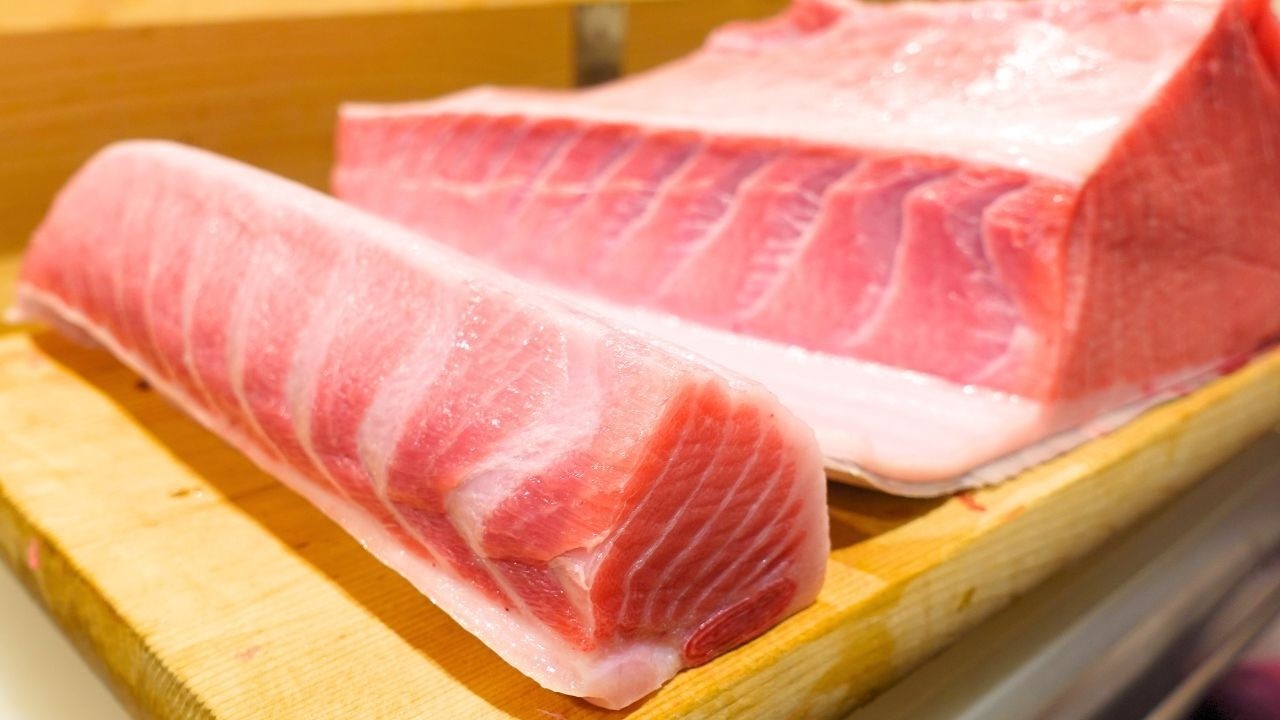
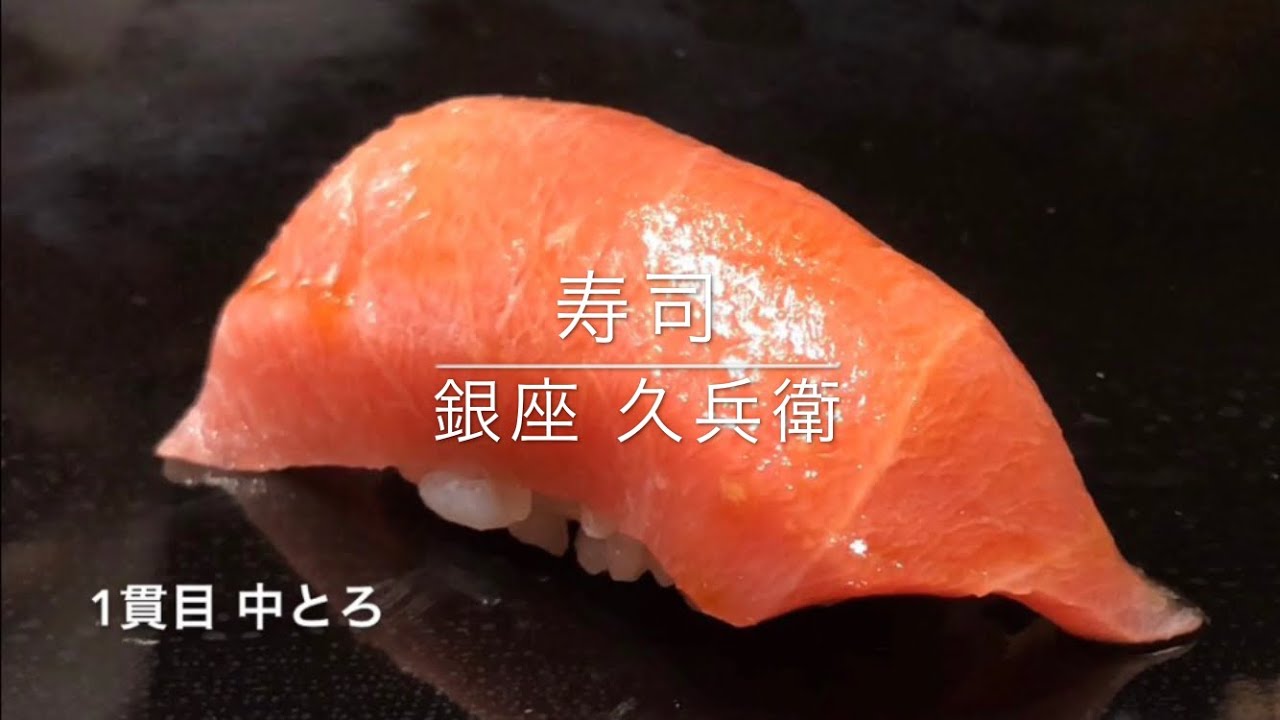
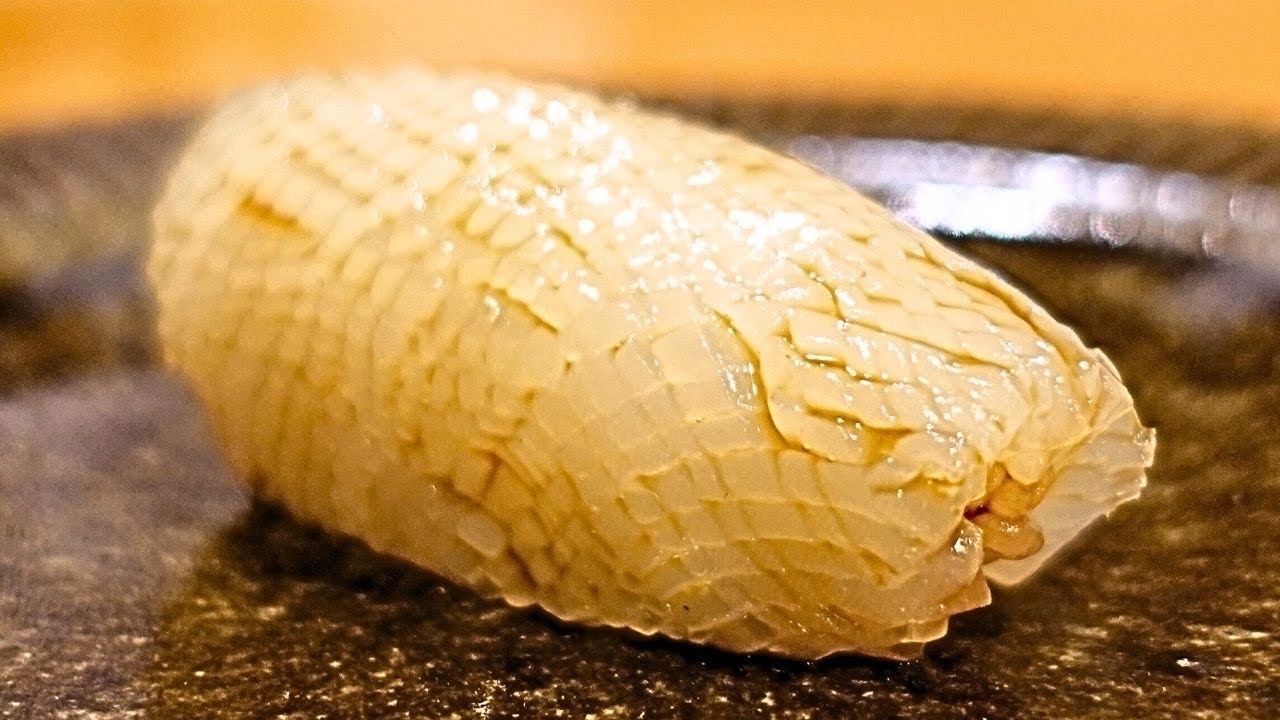
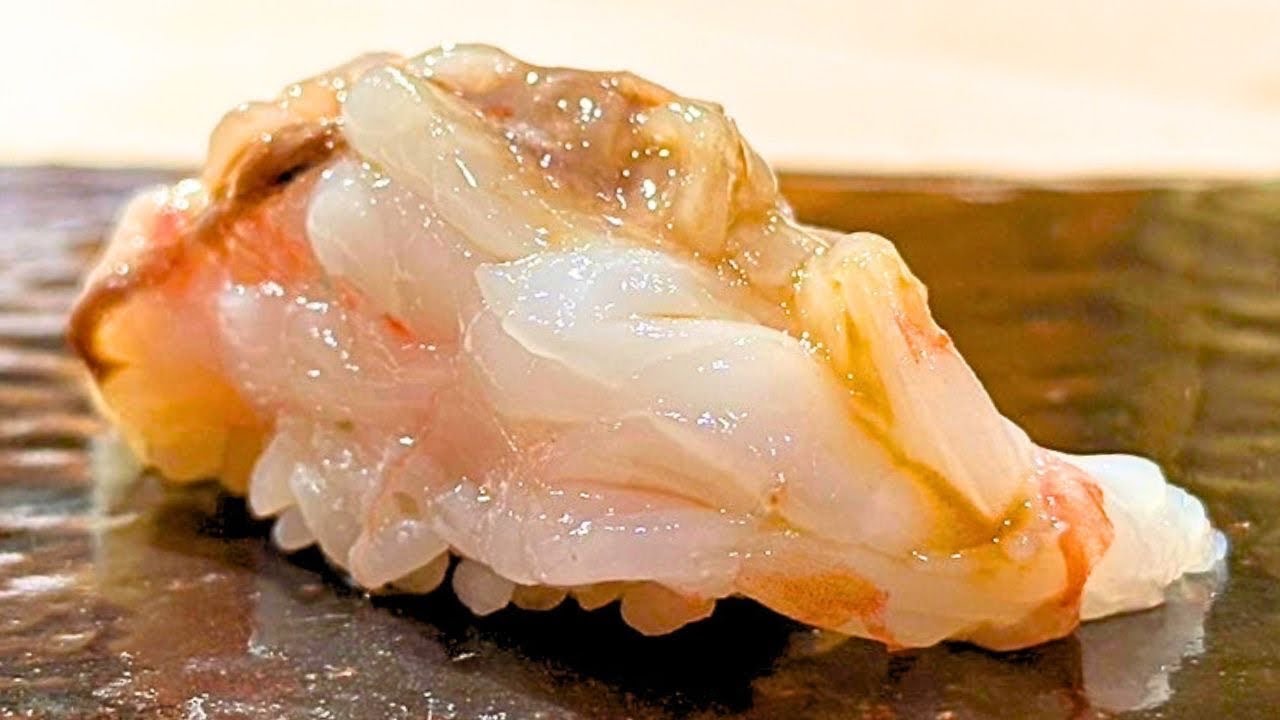
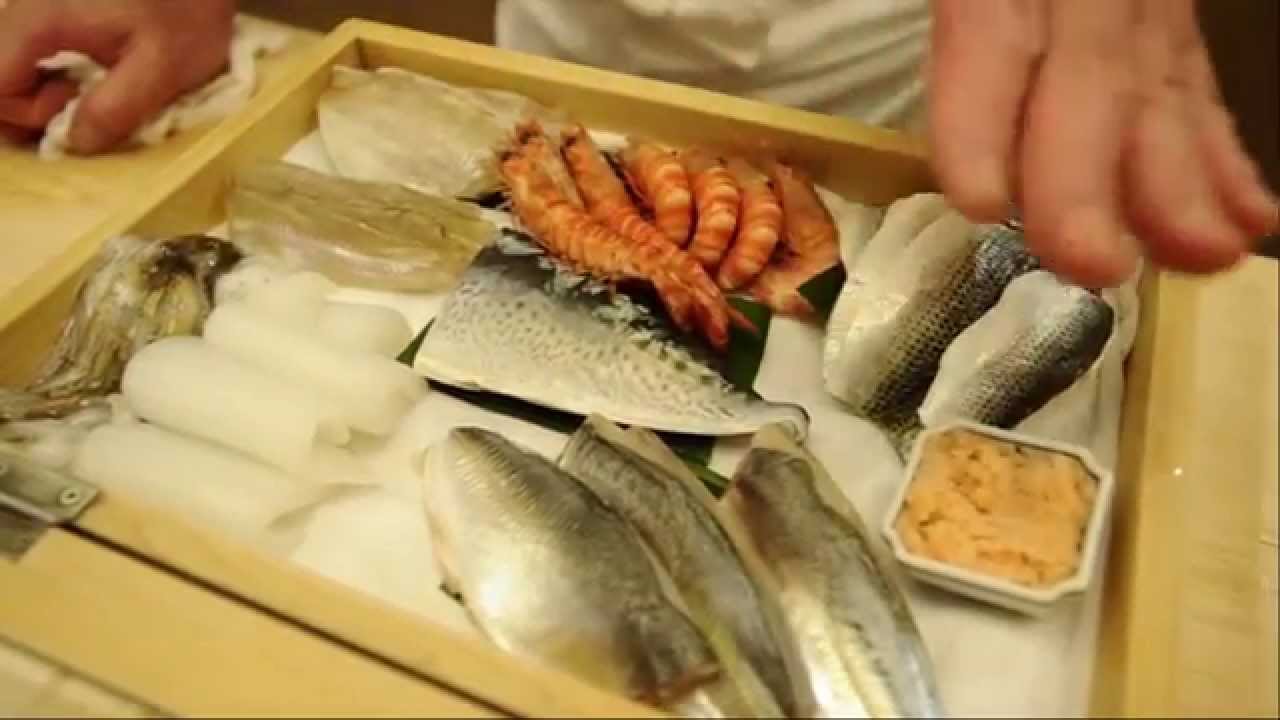
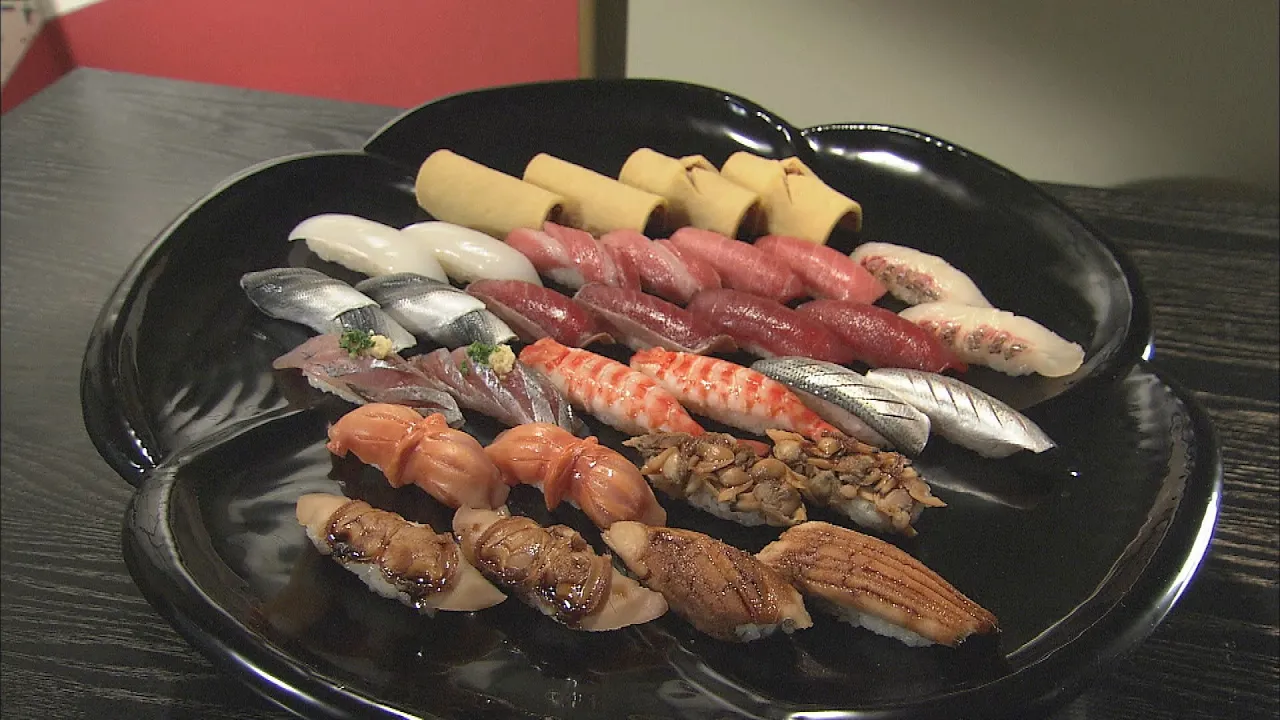
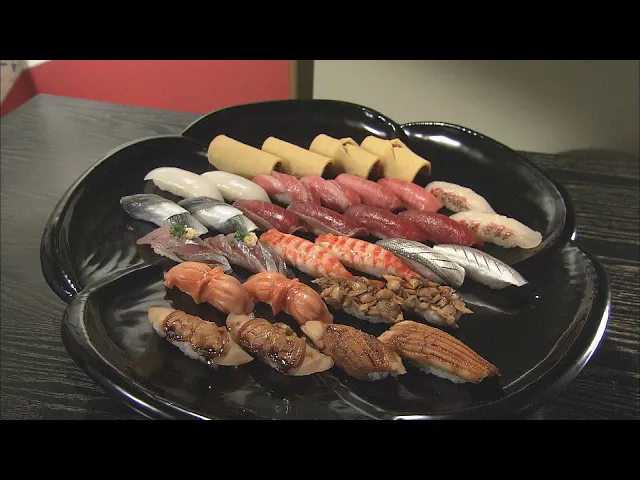
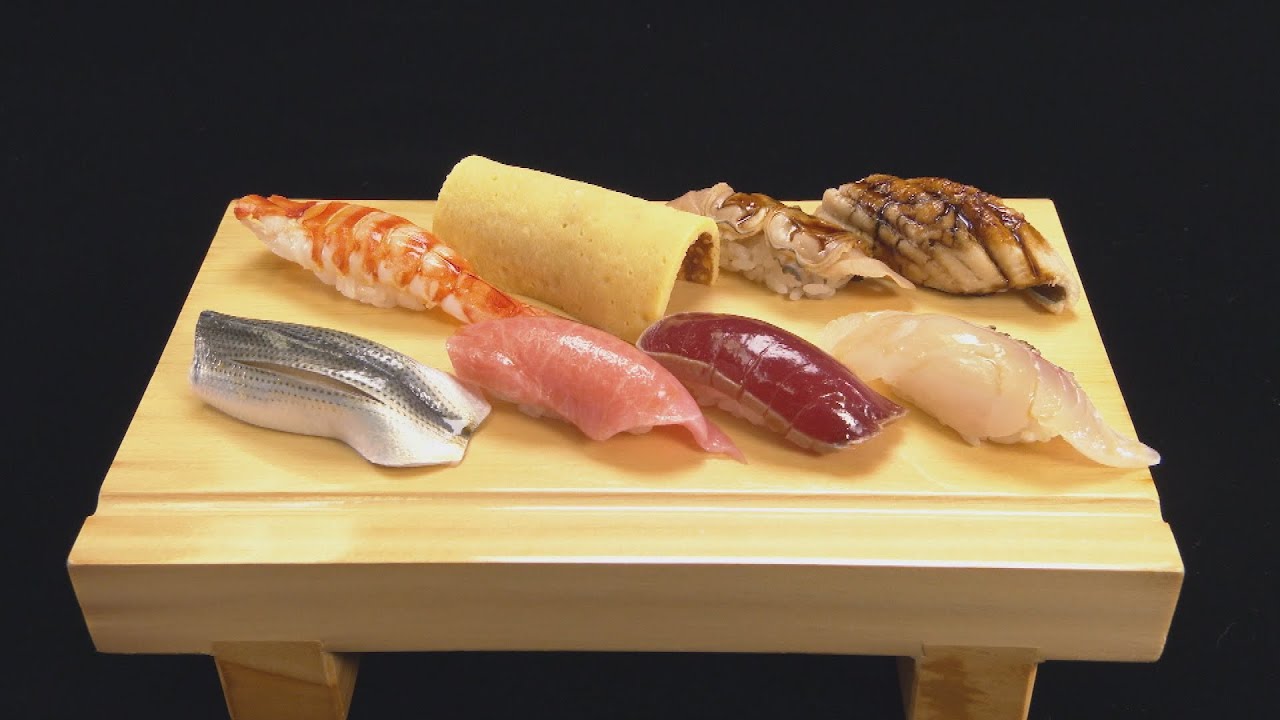
"Tour of sushi history" Medium fatty tuna that melts in your mouth. Saltwater eel, in perfect harmony with traditional sauce. Kohada, loved by sushi buffs for its subtle sour-sweet taste.
Nigiri-zushi made with fresh seafood is a symbol of Japanese food culture that has taken the world by storm. Its roots go back more than 1,200 years. But it wasn't the sushi we all know now.
This is the story of the birth of sushi. Lake Biwa, Shiga Prefecture Japan's oldest sushi is still made here. Fishing begins around dawn in spring.
Fishers catch large nigorobuna that are carrying eggs. This fish will become funazushi. Funazushi is a type of narezushi or sushi that is aged and fermented.
It won't be ready to eat for around two years. First the scales and guts are removed, and the fish is salted. Weights on top help remove moisture over three months of aging.
In summer, the salt is rinsed off and fish are salted again with rice in their stomachs. Fermented like this for two years, Lactobacillus becomes active producing sharp, rich umami flavor. Long ago, funazushi was even used in religious ceremonies as a sacred food.
At local shrines it is still ceremonially prepared and offered to the gods. Funazushi is fermented over a long period of time. The rice is removed and discarded.
The fish is thinly sliced and eaten. Imperial family and nobles were among the few who could eat it. This aged and fermented narezushi eaten without rice was the start of Japanese sushi.
And then, as the times changed, so did narezushi. Cormorant fishing at the Nagara River in Gifu. Ayu are caught with cormorants, a traditional method.
These ayu will also become narezushi. They are salted and then fermented in rice. Cormorant fishing master Adachi Yoichiro prepares the ayuzushi.
Ayuzushi got its start when commoners began eating rice as a type of narezushi. It is only fermented for around three months. It's eaten with the fermented rice.
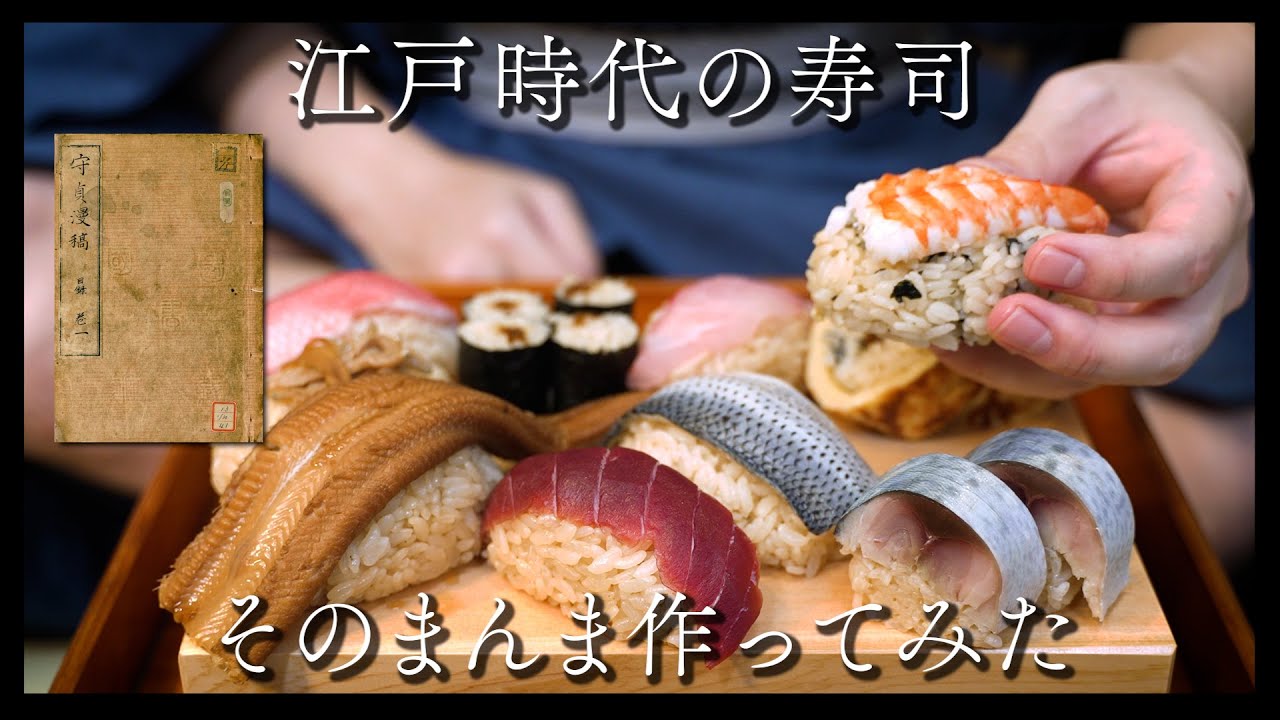
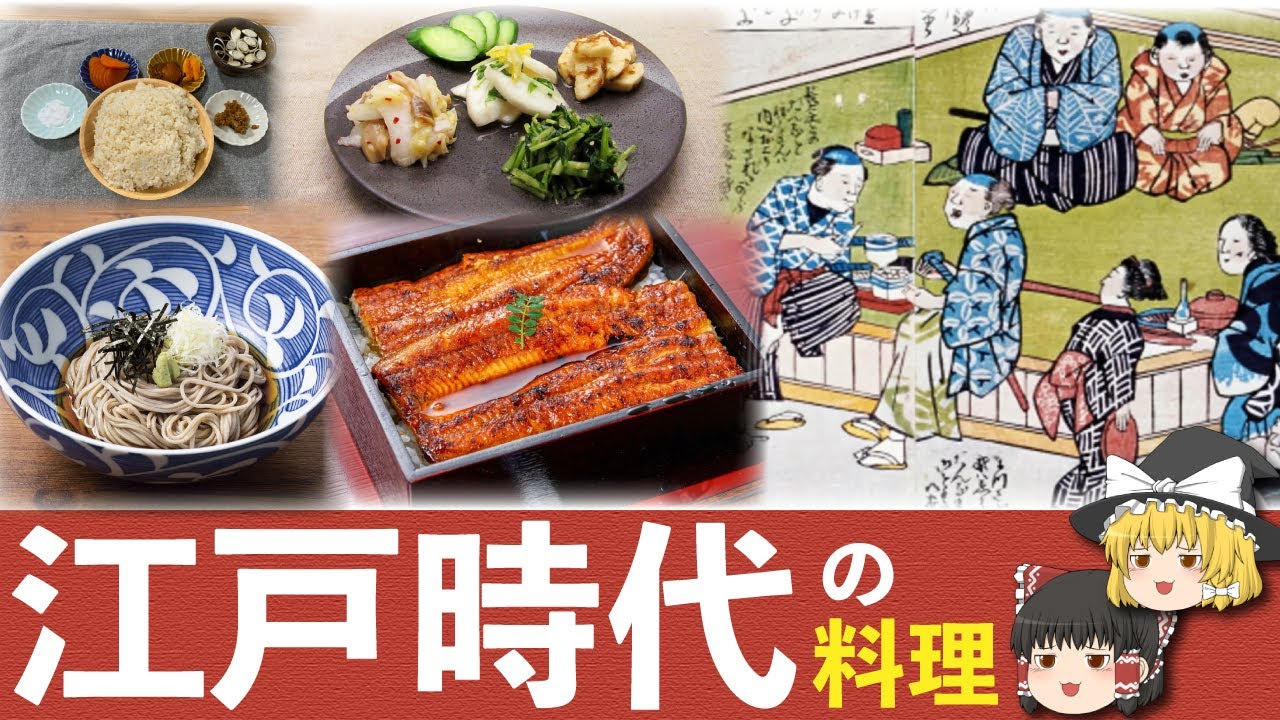
In the Edo period, sushi changed drastically. Nigiri-zushi was born and sushi could be eaten quickly without fermentation. These ukiyo-e prints show Edo.
A sushi stall is among the food stalls lining the streets. Nigiri-zushi is being sold there. To reduce fermentation time, impatient Edo urbanites began using vinegar to make sushi with fresh fish.
This became the nigiri-zushi of today. Back then, famine was common. so working men flocked to Edo from rural areas.
When these men got hungry they relied on convenient sushi. Popular sushi shops like Hanaya Yohei opened. Enjoying fresh fish quickly as nigiri-zushi captured the hearts of Edo commoners and it became the food Japan is known for today.

![A wonderful female chef's sushi restaurant [Japanese food]](https://img.youtube.com/vi/wXFCexDQFQA/maxresdefault.jpg)