you really want to have a database in your mind so that you can tell what kind of a business you're looking at in general by looking at the figures uh it's far over right we never look at any analyst reports i mean i don't think i've you know if i read one it was because the funny papers weren't available you know my name is oliver grosza and i'm from vienna austria my question has two parts as the first part is how do you get a few excellent investment ideas to be so successful do you read
any special newspapers or industry magazines or do you visit their headquarters or any subsidiaries of companies and uh which sources of information like books for example value lines standard and poor's moody's databases like reuters bloomberg data stream annual reports internet and so on do you use to get the right impression of a company and the second part if you think that a company like the washington post gecko or gillette has a very competitive product what are the steps before you ultimately decide to invest in the company which publications do you read to get the best
knowledge of the product and how important is the balance sheet and profit and loss account statement of the company thank you very much thank you uh the the answer to the first part is sort of and maybe the second part is sort of all of the above i mean we we we read a lot and we read daily publications we read weekly or monthly periodicals we read annual reports we read 10ks we read 10 cues and fortunately the investment business is a business where knowledge accumulates i mean everything you learn when you're 20 or 30
you may tweak some as you go along but it all kind of builds into a knowledge base that's useful forever and and we at least you know i read charlie used to read may still read a fair amount but i read a lot of 10ks read a lot of annual reports 40 or 50 years ago i did a lot of talking to management's i used to go out and uh take a trip every now and then and and and really drop in on maybe 15 or 20 companies i haven't done that for a long long
time uh i i i i find everything we do pretty much i find through public documents uh when i made an offer for clayton holmes i'd never visited the business i'd never met the people i've done it over the phone i'd read jim clayton's book i looked at the 10ks i knew every company in the industry i i look at competitors uh and i try to you know i try to understand the business and not have any preconceived notions and uh and there is adequate information out there to evaluate a great many businesses uh we
do not we do not find it particularly helpful to talk to managements uh managements frequently want to come to omaha and talk to me and they usually have a variety of reasons that they say they want to talk to me but what they're really hoping is we get interested in their stock that never works you know managements are not are not the best reporting uh most case the figures tell us more than a management uh does so we we do not spend any real amount of time talking to management when we when we buy a
business we look at the record to determine what the management's like and then we we want to size them up personally as i said earlier whether they will keep working but we don't we don't give a hoot about anybody's projections we don't want to hear about them in terms of what they're going to do in the future we've never found any value in anything like that uh but just the general business knowledge you know what we've seen work what we've seen has not worked uh there's there's a lot to absorb over time um charlie you
know the more basic knowledge you have i think the less new knowledge you have to get and the game is a lot like that fellow that plays chess blindfolded he's got a memory of the board and everything that happened before and that enables him to do the next move in a way he never could if you just showed him the board mid-game cold and so there and in terms of what publications i don't know warren i would hate to give up the wall street journal oh you'd also hate to give up the buffalo news but
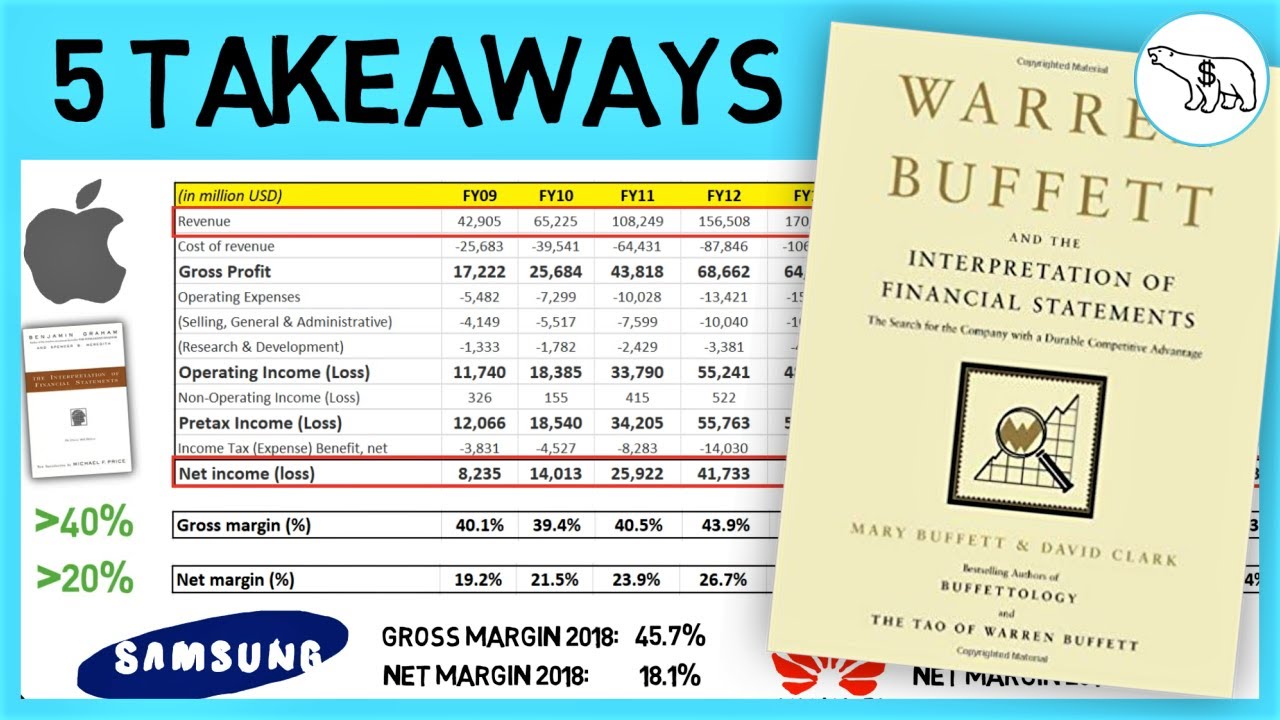
you could well you want to read lots of financial materials that comes along and actually the new york times has a far better business section than they had 25 years ago but you you want to read fortune you know you you want to read lots of annual reports you really want to have a database in your mind so that you can tell what kind of a business you're looking at in general by looking at the figures uh it's far over right we we never look at any analyst reports i mean i don't think you know
if i read one it was because the funny papers weren't available you know it just doesn't i mean it i don't understand why people do it uh but there's a lot of data out there and you know the beauty of it is it's really what makes the investment game great is you don't have to be right on everything you don't have to be right on twenty percent of the companies in the world or ten percent of the companies in the world or five percent you only have to get one good idea every year or two
so it's it's not something you know when i when i used to be very interested in horse handicapping and the old story was and i hope bob dwyer is still here that you know you can beat a race but you can't beat the races and you can you can come up with a very profitable uh decision on a single company uh i would hate to be measured if somebody gave me all 500 stocks in the s p and i had to make some prediction about how they would behave uh relative to the market over the
next couple of years i don't i don't know how i would do but maybe i can find one in there where i think i'm nine and ten ninety percent in being right that it's an enormous advantage in stocks and you only have to be right on a very very few things in your lifetime as long as you never make any big mistakes okay what's interesting is that at least 90 percent of the professional investment management operations don't think the way we do it all they just think if they hire enough people they can be better
at determining whether pfizer or merck is going to do better over the next 20 years and they can do that stock by stock all through the 500 and have wide diversification and at the end of 10 years they'll be way ahead of other people and of course they won't very few people have this idea of searching for just a few opportunities yeah you wait for the fat pitch ted williams wrote about that in a book called the science of hitting he said the most important thing in being a good hitter you know is to is
to wait for the pitch in in in the sweet spot basically but uh you know i've always said that the way to get a reputation for being a good businessman is to buy a good business you know there it's much easier than taking a lousy business you know and and showing how wonderful you are at it because i haven't seen that done very often number two