cannibalism has been around for millenniums but there's still one Island where it is practiced to this day our world is full of diverse tribes each with unique traditions and Customs some are so secluded that we barely know they exist these tribes often maintain ways of life that have remained unchanged for centuries offering a glimpse into human history and resilience from the mysterious smoken tribe to the totally terrifying night Marchers we are about to explore their Origins unique characteristics and the stories behind their existence join us as we delve into the 15 scariest tribes you do
not want to meet number 15 the mochen tribe for centuries the moans have lived freely along the coasts of Thailand and Myanmar The mochen Tribe an austronesian group lives on the enchanting mergui archipelago an area of 800 Islands claimed by both Thailand and Burma their ancestry likely traces back to Southern China around 6,000 years ago leading them to settle across various South Asian Islands today approximately 23,000 mochen live a semi-nomadic life as hunter gatherers heavily dependent on the sea this tight-knit community speaks the unique mochan language with about 1500 men and women preserving their cultural
identity however their population is dwindling due to Modern immigration and property laws challenging their nomadic ways despite these challenges the mochen have adapted somewhat to contemporary life their children attend mainstream schools blending traditional ways with modern education on the Sirin Islands many mochen maintain a more traditional lifestyle living off the land and sea using time honored tools like Spears and Nets recently they have started trading their gathered Goods in local markets for Essentials though their ancient practices face threats the resilient mochen balance tradition and modernity carving out a unique existence in today's world Additionally the
mochen have a profound understanding of the marine environment which has earned them the nickname sea gypsies their remarkable diving abilities which include the ability to see clearly underwater and hold their breath for extended periods have been the subject of scientific studies these skills are not just for survival they are integral to the moin's cultural heritage and identity despite the encroachment of modernity the moen's intimate relationship with the sea continues to shape their way of life making them a unique and resilient Community number 14 the night Marchers for centuries ghost stories have fascinated audiences and Hawaii's
cultural tapestry is Rich with these spine tingling Tales sacred sites ancient structures towering valleys cemeteries revered temples Woodlands coastal regions and lava fields in Hawaii are known for their haunting Beauty and historical significance one of the most famous ghostly Legends is that of the night Marchers or Hawaii po who play a significant role in Hawaiian folklore night Marchers are believed to be a group of spirit Warriors marching to the rhythm of ancient drums some Legends describe them as armed with traditional weapons wearing helmet and cloaks either going to or returning from Battle powerful alii Chief
Spirits often lead these spectral processions sometimes welcoming new Warriors these Spirits might be reclaiming disputed land reenacting old battles or seeking Revenge others believe they are searching for a portal to the afterlife night Marchers are said to appear in specific locations carrying torches and chanting ancient songs predominantly during the night and under certain moon phases although they mostly March at night there are rare account of daytime sightings locals even claim to find mysterious Footprints left behind by these ethereal beings despite their belief that they float above the ground if you ever encounter the night Marchers
Legend advises you to lie low Fain death and avoid eye contact interfering with their procession could bring dire consequences potentially endangering you or your loved ones the night Marchers Legend Continues to be a vital part of Hawaiian culture reflecting the Island's deep respect for their history and the spirits of their ancestors this tale serves as a reminder of the spiritual richness and the living folklore that still permeates modern Hawaiian Society number 13 azimu tribe the Asmat have always lived here in Southwestern yug guini the second largest island in the world in the mangrove thickets of
Papua New Guinea lives the azimut tribe a community of about 65,000 people spread across villages with populations around 2,000 each known for their Eerie Customs the azimut are Infamous as head hunters and cannibals consuming human flesh and brains the skulls of their victims are used in rituals serving as ceremonial objects pillows souvenirs and even Spoons the tribe believes they originated from a sacred forest and have an impressive array of artifacts including intricately crafted wooden statues and sculptures that showcase their artistic skills these relics now great museums worldwide preserving their cultural heritage despite their gruesome practices
the azimut tribe shows a surprising appreciation for their Traditions their cannibalism wasn't random it was selective they believed consuming someone allowed them to absorb their strength and Essence a ritualistic act marked by a list of significant names interestingly cannibals within the tribe didn't have individual names instead they adopted the names of their victims creating a cycle where the consumed became the consumer children remained nameless until their first hunt emphasizing the importance of names to partake in cannibalism one had to know their victim's name only after consuming their flesh could they claim that name these hunts
often aggressive raids on Rival Villages or unsuspecting visitors were suspenseful events researcher Carl Hoffman documented a chilling episode in his book Savage harvest in recent years the azimut tribe has faced pressure from Modern civilization leading to significant changes in their way of life efforts by the government and various organizations to integrate them into mainstream Society have been met with resistance and adaptation while some younger tribe members are adopting modern practices and education many still cling to their ancient Customs this cultural tension highlights the challenges indigenous tribes face in preserving their Heritage while navigating the pressures
of modernization number 12 Sur tribe in all my travels I have never seen anything like the lip plates the Suri women wear the Suri tribe living on the South Sudan Ethiopia border is deeply rooted in agricultural practices they inhabit the southwestern Ethiopian Landscapes particularly in the omo zone of the Southern Nations nationalities and people's region snnpr the Suri population approximately 34,000 strong is also known as the surma the this ethnic group is divided into two main factions the Maga and the chai while a third subgroup the Bale or balesi or kipo extends into South Sudan
the Suri are engaged in activities like Commerce intermarriage and migrating for greener pastures during dry seasons the baale group speaks a slightly different dialect compared to the other Suri factions in 1897 Ethiopian Imperial troops arrived in the Suri region formally incorporating it into Ethiopia this led to cattle raids by both Highlanders and Imperial troops stationed in new Villages historically the Suri Society was politically structured with elders and Chiefs known as kamoru today they are integrated into Ethiopia's broader administrative framework losing some autonomy to State control the Suri worship a supreme Sky deity called tumu with
the kamoru acting as a mediator for prayers for rain and fertility however their religious practices extend beyond tumu worship they also Revere Clan ancestors for their perceived special abilities and influence on their lives in the past 15 years around 200 to 300 Suri have converted to Evangelical Christianity particularly in the town of kibish and among those pursuing higher education outside their native region this marks a significant shift in the cultural evolution of the Suri tribe the Suri are also known for their distinctive body art and ornamentation scarification lip plates and body painting are integral parts
of their cultural identity these practices are not only aesthetic but also carry deep social and symbolic meanings for instance the size of a woman's lip plate is often associated with her family's wealth and her beauty scarification marks are symbols of bravery and Beauty for both men and women the Suri traditional stick fighting known as donga is another crucial cultural practice it serves as a right of passage for young men a means of settling disputes and a way to demonstrate physical prowess and bravery despite the potential for injury donga is a highly respected and anticipated event
within the Suri Community the Suri trib's unique cultural practices and their ongoing efforts to balance tradition with modernity make them a fascinating and resilient Community as they navigate the pressures of contemporary Society the Suri continue to preserve their Rich cultural heritage offering valuable ins ites into the diverse tapestry of human civilization number 11 the quono tribe deep in the heart of the Amazon rainforest the quono people also known as the nemole live an enigmatic and resilient life as true hunter gatherers they navigate the remote Wilderness of the Manu National Park in Peru's mados region speaking
a unique dialect of the Puro language their population has grown to around 250 from from a sparse 20 to 100 individuals in the 1970s the quono trib's aversion to Outsiders is rooted in a tragic history in the 1890s a notorious Peruvian named Carlos Fitz caral orchestrated a massacre that decimated a significant part of the tribe near the upper Manu River the survivors retreated to the deepest parts of the rainforest maintaining their isolation in recent years they have been spotted more often especially around camps along the L pedris Riverbanks these camps serve as fishing grounds in
the dry season while in the wet season the tribe moves further into the forest interestingly in 2013 some tribe members approached local villagers for food indicating a strained relationship with nearby communities aware of their vulnerability to Modern diseases the Peruvian government has banned contact with the quono people to protect their way of life number 10 the mercy tribe the mercy tribe is is a group of women known for their extraordinary fashion scense that Rivals even the boldest styles of Lady Gaga imagine lips so intricately adorned they can hold a plate not just any plate but
one decorated with corn grains bones leaves and berries among 45 other tribes none can match the flamboyance and beauty of the mercy women their stunning portraits often Grace the covers of prestigious travel magazines captivating photographers and tourists alike however before you think of visiting heed this warning the men of the tribe carry a unique virus contracted during battles with hyenas their lives are challenging filled with constant movement in search of water and territorial skirmishes with rival tribes despite these hardships the mercy tribe has ingeniously transformed their distinct appearance into a survival tactic they welcome visitors
as a source of income picture this men in ceremonial dress proudly displaying their lip plates along the roadside ready to exchange them for money every photo taken is a negotiated deal turning a cultural encounter into a local Show Business witness their unique tradition where lip plates are worn solely for the camera offering a rare chance to see them featured on the cover of a travel magazine the mercy tribe story is one of survival and Savvy leveraging their cultural uniqueness in a world that increasingly values and admires their resilience number nine cuz kazak Eagle Hunters tribe
in a stunning segment from the 2011 BBC human Planet series the nomadic kazak Eagle Hunters tribe dazzled viewers against the Magnificent backdrop of mongolia's alai Mountain the scene was Unforgettable seasoned Fathers and Sons clad in animal skins to ward off The Frigid cold rode through the vast landscape showcasing their age-old skills with outstretched arms they held Majestic blindfolded golden eagles with when the blindfolds were lifted the Eagles took to the sky creating a beautiful dance of man and bird the Eagles descended with Precision to hunt alongside their human Partners adding drama with a fleeting Fox
darting across the rugged terrain this spectacle transported viewers to a Timeless world where tradition and nature blend seamlessly the kazak people's practice of hunting with eagles dates back Centuries with roots in genas Khan's era and references from Marco Polo in the 1100s ancient cave paintings from the Bronze Age also depict this enduring connection between humans and Raptors today the kazak eagle Hunters who amazed audiences on human Planet welcome visitors eager to learn about their ancient Traditions experiencing this firsthand reveals the deep bond between these modern hunters and their Majestic Birds number eight anotsu tribe the
ansu a tiny Amazonian tribe now consisting of just three members reside in a small patch of forest despite official recognition and legal protection from the Brazilian government their territory is encroached upon by vast cattle ranches replacing the once thriving rain forests of rondonia historically the yutu's ancestors shared these rainforests with many other tribes living in harmony with nature they lived in modest strawb built communal homes and were skilled Hunters particularly of of wild pigs and buffalo they also tended small gardens growing corn and cassava in the past their diet included wild fruits and occasional fish
from local Creeks now they are confined to a tiny area surrounded by cattle ranches threatening their existence yet the anudu strive to preserve their Traditions they skillfully craft wooden flutes for their dances and rituals and creatively use discarded pesticide containers to make colorful plastic necklaces for rest of occasions they paint their bodies with vibrant ureum and NATO dyes replacing traditional shell necklaces as modernization encroaches the anu's resilience and cultural expressions stand as a testament to their enduring Spirit they are a people determined to maintain their identity despite being on the brink of Disappearing time for
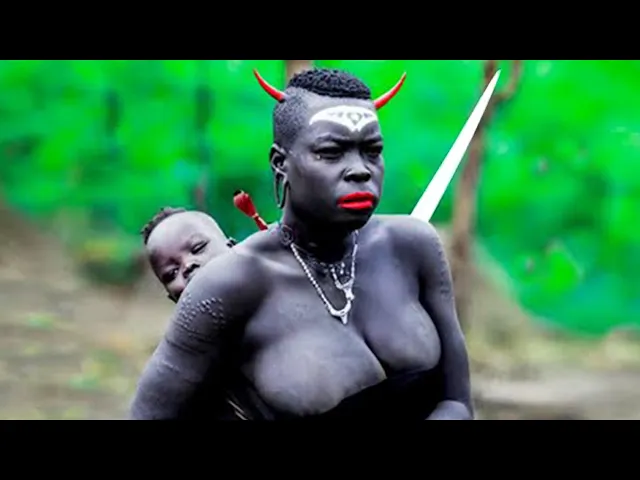
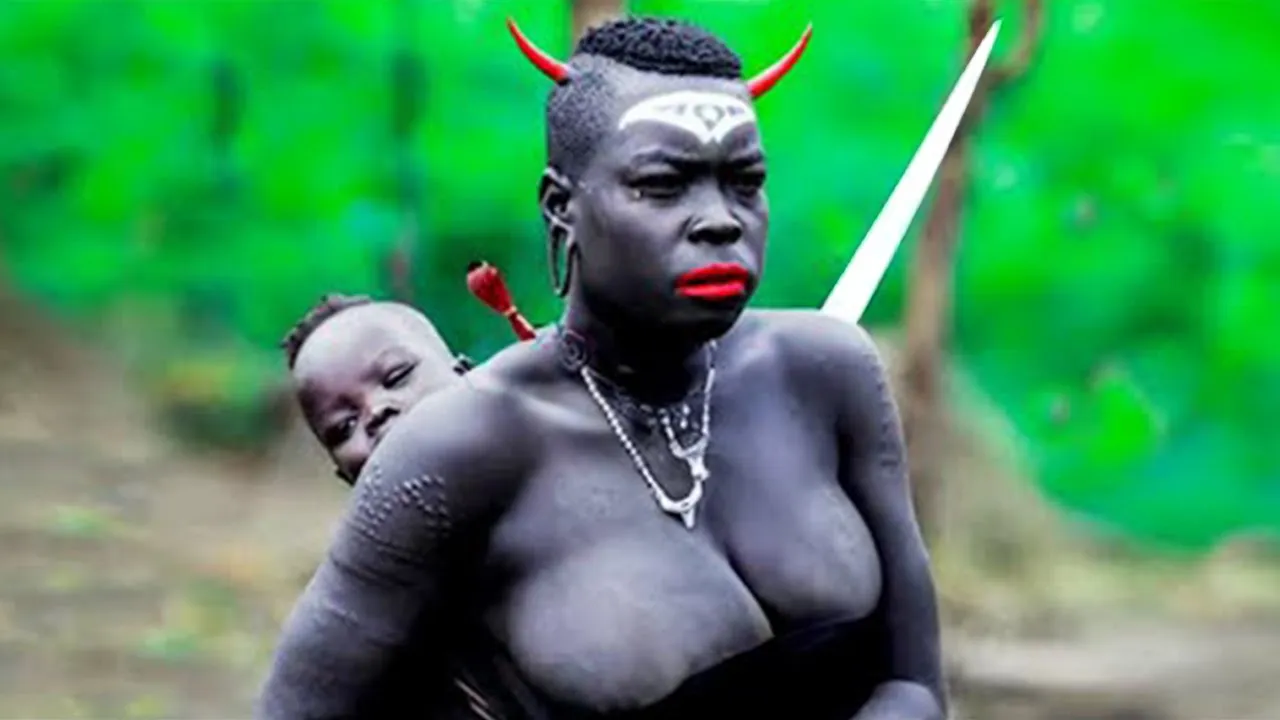
the fancy Topic in the heart of an Uncharted jungle explorers recently discovered an astonishing lost tribe known as the zalani the tribe isolated from Modern civilization practices a mesmerizing and intense ritual to honor their ancestors the ritual involves intricate body paint vibrant red adornments and symbolic scars that tell the story of each tribe members lineage women carry their children on their backs during the ceremony symbolizing the strength and continuity of their Heritage the zalani believe this ritual connects them to the spirits of their forebears ensuring protection and guidance for the future the discovery of this
fascinating practice has intrigued anthropologists worldwide shedding light on the rich and diverse cultural tapestry that still exists in Hidden corners of the earth what do you think about the Zan's unique way of honoring their ancestors would you be interested in learning more about other lost tribes and their Customs what do you think of this let us know in the comments with the # fancy topic number seven Machu picu tribe tribe deep in the Peruvian jungle close to the Brazilian border lives The elusive Machu Picchu tribe also known as the mashiro clan or the KU jarinu
people for 600 years they have remained isolated living harmoniously with their untouched surroundings however recently this isolation has been breached due to their urgent need for food tools and hunting gear leading them to raid nearby settlements this desperate struggle has had tragic consequences in a recent incident 20-year-old Leonardo Perez was killed by an arrow his equipment taken by the tribe this tragic pattern isn't new in 2011 charcoal Flores a local guide who had spent two decades providing the tribe with essential tools like machetes and pots was also killed Flores had tried to persuade them to
give up their nomadic hunter gatherer lifestyle becoming a crucial link between their world and modernity sadly his efforts ended with an arrow through his heart the once formidable barrier between the mashiro people and the outside world is gradually disappearing they are now interacting more with other indigenous groups giving us glimpses into their previously hidden lives this year alone tribe sightings have surged with over a 100 recorded as noted by Patricia balua Peru's Deputy minister of culture some tribe members have even started Living with the nearby yanesha Indians who speak a similar language number six assaro
tribe the assaro tribe affectionately known as the mud people have a unique approach to warding off enemies without violence unlike other tribes known for their aggression the assaro tribe uses fear and clever disguise covered in natural swamp mud and wearing Eerie demonic masks they create a ghostly appearance moving slowly and deliberately armed with bows Spears or clubs they present an intimidating spectacle that would frighten anyone who encounters them this ingenious tactic originated from their history of frequent attacks by hostile neighbors by transforming into mud covered specters they fooled their enemies into thinking they were spirits
of the Dead causing them to flee in Terror this nonviolent method proved so effective that the tribe has continued it for Generations each mud mask is a unique piece of art often featuring tusks or fangs to enhance The Fear Factor despite their terrifying appearance the mud people of assaro are known for their friendliness and artistic talents The Masks themselves are crafted from a mixture of clay water and natural pigments found in the region they are meticulously shaped and dried taking on grotesque exaggerated forms with large eyes gaping mouths and protruding features The Masks are often
decorated with local materials such as animal te shells and Feathers to add to their intimidating look creating these masks is not just a practical Endeavor but a cultural and spiritual one each mask tells a story and is infused with the spirit of the assaro ancestors believed to protect the wearer and the tribe the assaro Mudman performances are not limited to their defensive strategies they have turned their haunting appearances into a form of cultural expression performing elaborate dances and rituals that showcase their unique Heritage these performances are often accompanied by traditional music played on bamboo flutes
drums and other indigenous instruments creating an eerie and mesmerizing atmosphere the dances involve slow deliberate movements that mimic the spectre's Eerie Glide enhancing the overall effect of their ghostly appearance the trib's unique approach has caught the attention of anthropologists filmmakers and tourists alike the osero mudmen have been featured in numerous documentaries and travel shows bringing Global awareness to their culture Pink Floyd even immortalized them in a song and their image has appeared in various movies and TV shows further cementing their place in popular culture despite this Fame the assaro tribe remains rooted in their Traditions
using their cultural practices as a means of preserving their identity in a rapidly changing world living in central Papua New Guinea the the assaro tribe is one of many remarkable indigenous communities that proudly uphold their cultural heritage resisting the Allure of Modern Life as they navigate the 21st century the assaro people continue to live in harmony with their natural surroundings relying on traditional farming hunting and fishing methods to sustain themselves their close-knit community structure ensures that cultural knowledge and practices are passed down through generations keeping their Heritage alive in recent years the tribe has also
embraced ecotourism as a way to share their culture with the world while generating income to support their Community visitors to the asaro Village can witness the Mudman performances learn about their customs and participate in traditional activities providing a unique and immersive cultural experience this approach not only helps preserve the tribe's way of life but also Fosters a greater appreciation for indigenous cultures among the broader public the assaro Mudman story is a testament to the power of creativity and cultural resilience their ability to adapt and Thrive while maintaining their unique identity offers valuable lessons in preserving
cultural heritage in the face of external pressures as they continue to navigate the challenges of the modern world the assaro tribe stands as a symbol of the enduring Spirit of indigenous peoples everywhere number five the desala tribe deep within the vast West Amazon basin lies the fascinating Desa tribe first contacted by Brazilian Explorer Sydney pasuelo in 1996 with journalist Paul Raphael shedding further light on their unique way of life this tribe is one of the few remaining communities that live almost entirely isolated from modern society though they occasionally clash with neighboring groups the main daela
tribe consists of about 150 members maintaining a distinct lifestyle despite occasional splits a smaller group of around two dozen members broke away due to internal disagreements while some sought contact with neighboring settlements most preferred isolation armed with traditional tools like clubs and poison darts the tribe primarily engages in hunting interestingly they sometimes use modern weapons their daily life includes about 5 hours of Labor and they live in communal Huts called malakas they have some formal religious practices but there are reports of occasional violence men and women of the desala tribe Adorn themselves with red dye
from the Ruku plant adding to their cultural distinctiveness rejecting modern conveniences they sustain themselves with a diet of corn fish birds wild pigs and fruits supported by their basic agricultural knowledge malaria however remains a significant threat being the leading cause of death in their community Through the explorations of pasuelo and the insights of Raphael the desolate tribe emerges as a captivating Community balancing the preservation of their unique lifestyle with the challenges posed by external contact number four the skeleton clan in the rugged mountains of Papua New Guinea resides the enigmatic skeleton Clan this tribe distinguished
by their peculiar genetic makeup has baffled scientists their DNA contains a mysterious trait that hints at either an unknown branch of humanity or possibly an otherworldly lineage however it's not just their genes that set them apart they also sculpt their bodies to look like skeletons with bones seemingly protruding from beneath their skin the most Eerie feature is their glowing eyes which surpass any makeup or contact lenses living in kundiawa at about 2,000 m above sea level the skeleton Clan occupies a realm far removed from ordinary life their physical uniqueness extends to their interactions with other
tribes marked by a history of aggression and violent confrontations this reputation has made them outliers even among the diverse indigenous communities despite their reclusive nature scientists have managed to obtain DNA samples revealing an unidentified Gene in their makeup this discovery raises intriguing questions about human evolution whether these tribes represent a Divergent species or have some Cosmic origin as one Ponders the mysteries of the skeleton Clan thoughts turn to the possib ility of other hidden facets of humanity within the unexplored forests it evokes images of mythical beings like King Kong roaming distant wildernesses beyond our current
understanding the Enigma of the skeleton Clan invites us to delve deeper into the Mysteries lingering at the edges of our knowledge number three the Kawai tribe deep within Indonesia's dense forests the Kawai tribe stands as the last known cannibalistic community living much like their ancestors did 10,000 years ago this secluded group of about 3,000 people leads a life Untouched by modern technology their existence is free from medical advancements resulting in an average lifespan of just 50 years the Kawai live in simple Huts made of branches and navigate the jungle with bows and arrows hunting for
food as their forebears did the tribe believes in a demon named kakua who they think disguises itself as loved ones to bring death death as a result they perform rituals to sacrifice those believe to be influenced by kakua and their flesh is consumed by the clan the outside world remained oblivious to the Kawai tribe until the 1970s when researchers stumbled upon them the natives seeing Outsiders for the first time were initially shocked and fearful mistaking them for ghosts it's astonishing that such a primitive Society still exists in the age of the internet a testament to
the resilience of ancient Traditions the French guide who led researchers to the tribe managed to avoid becoming part of their feast allowing us to learn about this notorious cannibal tribe that seems Frozen in Time number two the botak people the botak people one of around 140 indigenous communities in the Philippines live in the northeastern part of Palawan a large island in the southwest historically they have inhabited the river valleys along the coast of Puerto Princesa City their population is roughly 450 individuals characterized by their tall stature dark skin and distinctive curly AFR textured hair the
origins of the botak remain a mystery with some speculation about Connections to the ITA tribe or to groups in Indonesia or the andan islands the botak lead a life focused on Hunting Gathering and cultivating plants using slash and burn agriculture they engage in trade exchanging Forest Products and natural resources with Coastal communi ities in the Zulu region for manufactured goods unlike some isolated tribes the botak are open to interaction with Outsiders their men often help neighboring groups with tasks like harvesting and weed clearing and they participate in the local economy through tourism earning income from
these activities while they once led a nomadic life the botak have gradually settled into small villages where they produce and sell various Goods this shift reflects their adaptation to to a more structured lifestyle integrating more closely with the broader Community while maintaining their unique cultural identity number one North Sentinel Island North Sentinel Island is home to the mysterious Sentinel tribe which made headlines when a US citizen was killed trying to enter their forbidden domain this event sparked intense discussions about this secretive tribe about whom very little is known attempts to contact the sentinelles have always
met with Fierce resistance in 19 74 a National Geographic director trying to film a documentary about the tribe was attacked the sentinelles even shot arrows at an Indian aircraft flying over the island after the 2004 tsunami firmly rejecting any intrusion at that time the island was home to around 8,000 people historically the British tried to colonize the territory in the 1800s but faced strong resistance from The Sentinel e despite these historical records the exact population of the tribe today is unknown known estimated to be between 50 and 150 individuals their isolation is both their protection
and their weakness with little contact with the outside world they have almost no immunity to diseases that could be brought in by Outsiders this lack of immunity has raised concerns that any contact could introduce deadly viruses to the tribe potentially wiping them out the sentinel's survival depends on maintaining their distance from the external threats posed by the modern world which which of these tribes fascinated you the most let us know in the comments below see you next time