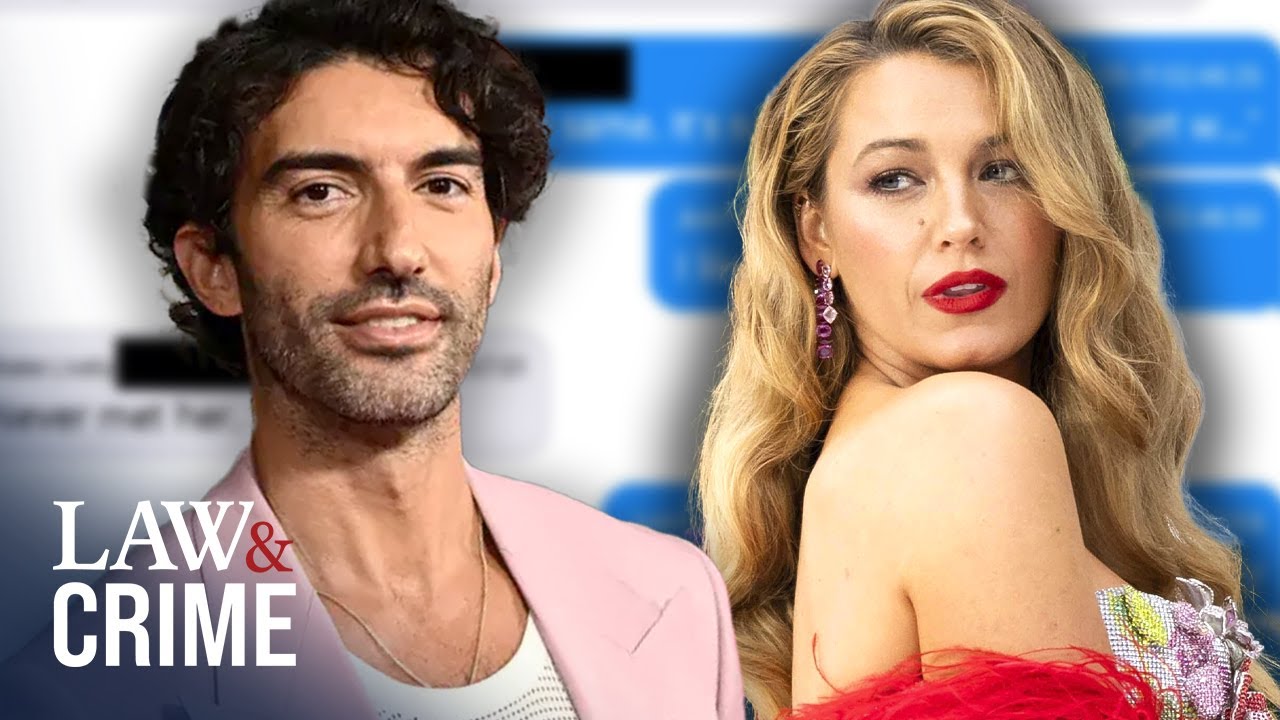
the night before publication for quote unquote fact checking those allegations are false and the New York Times either knew they were false or acted with Reckless disregard as to their falsity this just in Justin baldon's team has issued a response an opposition to dismiss the New York Times Justin baldon's lawyer just dropped a bombshell on Blake Lively and her loyal supporters at the New York Times flipping this lawsuit on its head private text messages and other documents that we've obtained reveal what really happened it turns out that being rich and famous doesn't always mean you're
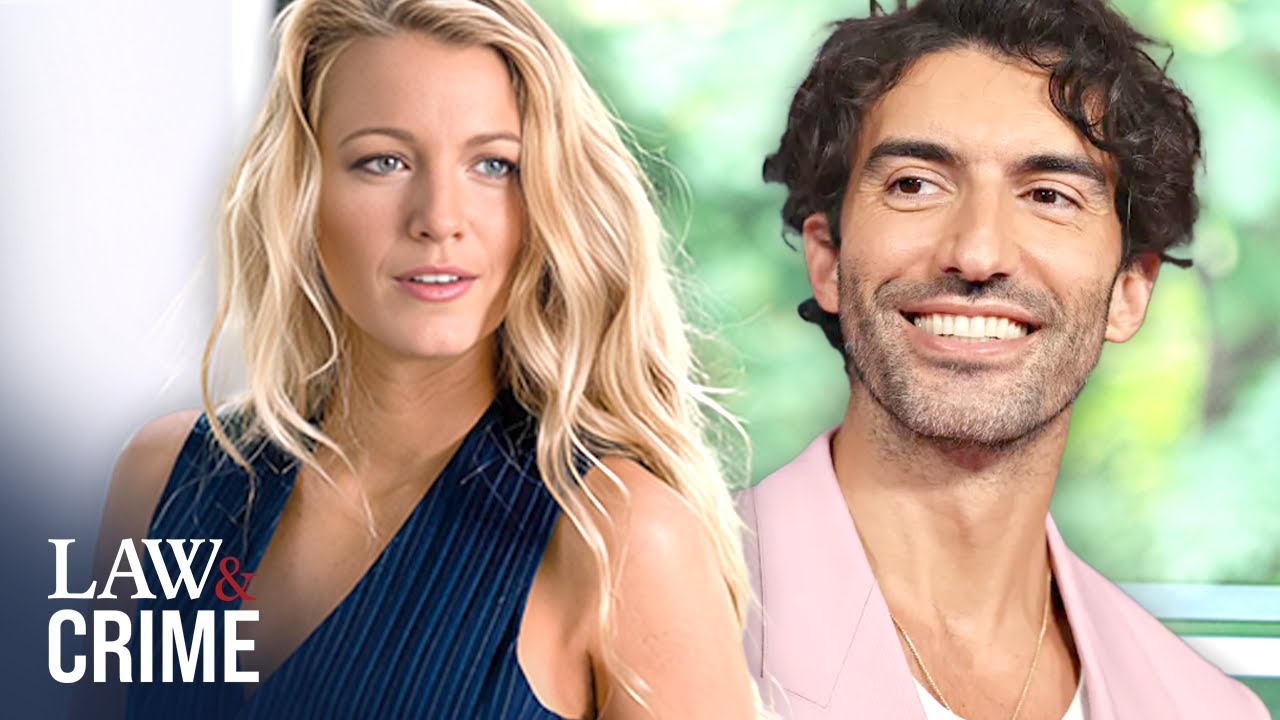
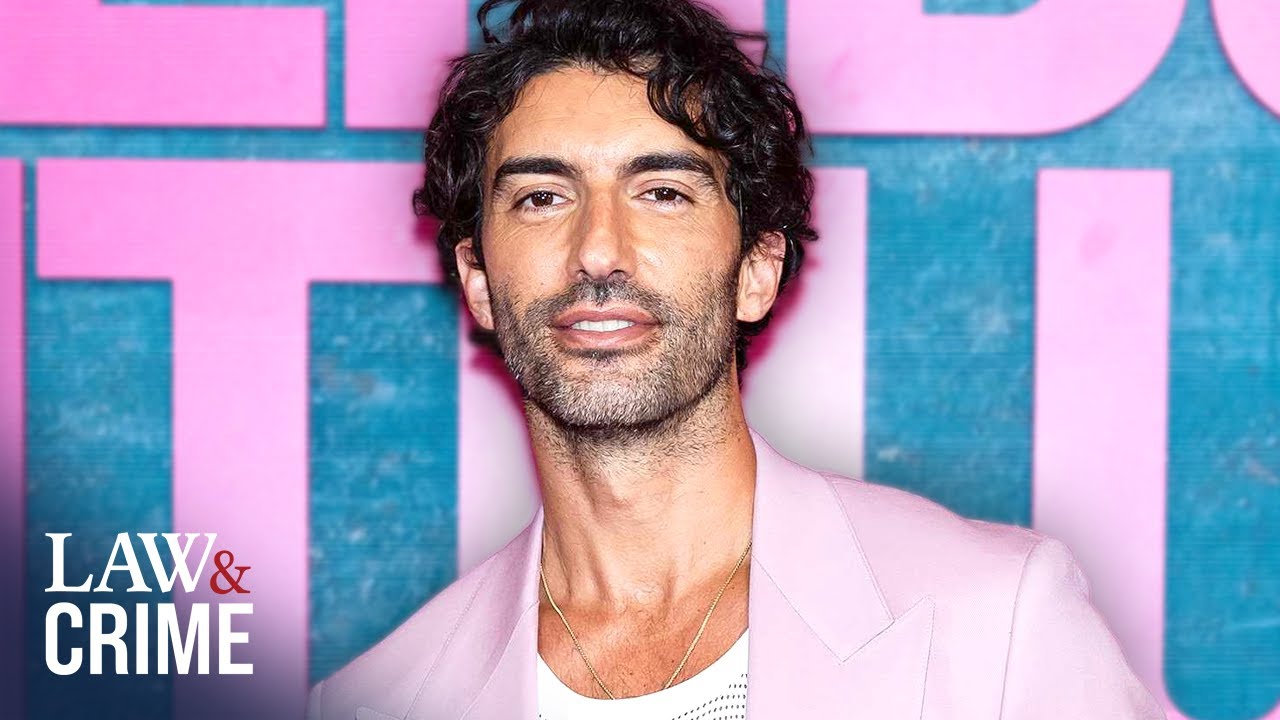
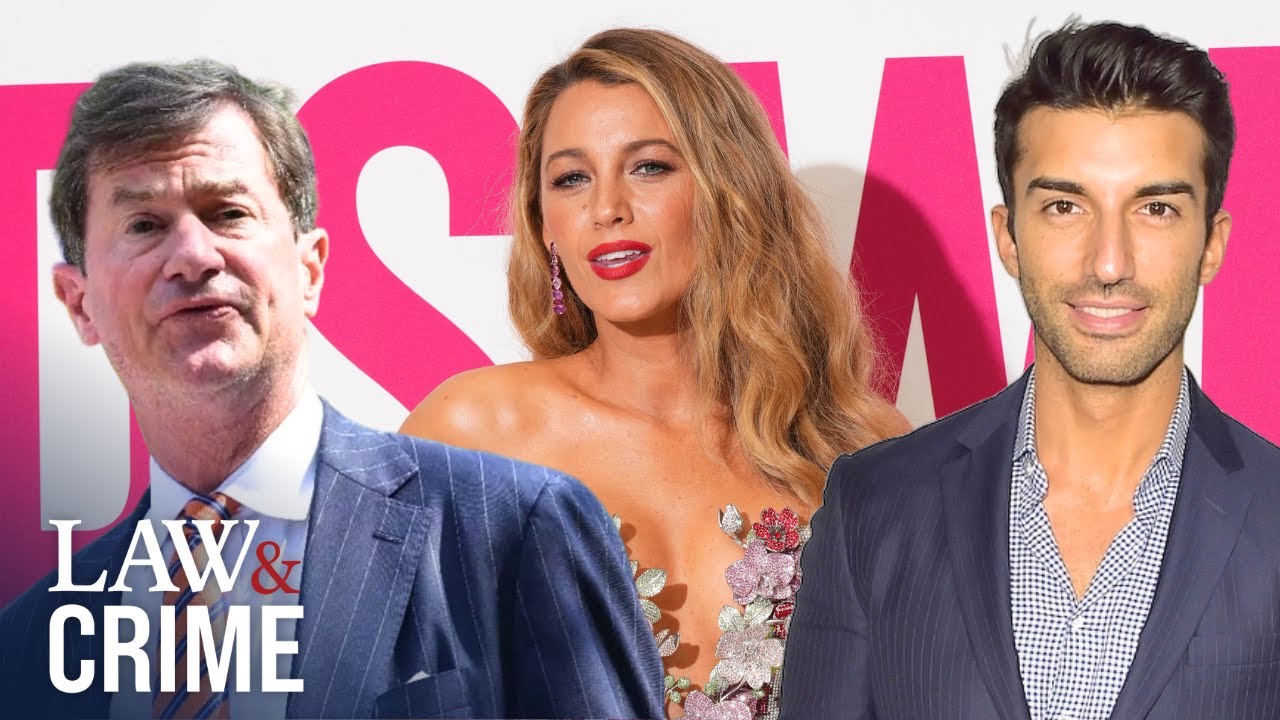
untouchable especially when you've got a legal Mastermind like Brian fredman on your side a journalist or media Outlet by suing them for defamation or Lial with the latest shocking details he revealed it's clear who's really winning this battle wrongly casting them as villains and making them scapegoats for Lively's wellp publicized media missteps and honestly the New York Times deceptive reporting in the ongoing lawsuit involving Justin baldoni and Blake Lively is at the heart of this explosive case the media giant took a Firm Stance against baldoni portraying him as the villain of the story someone responsible
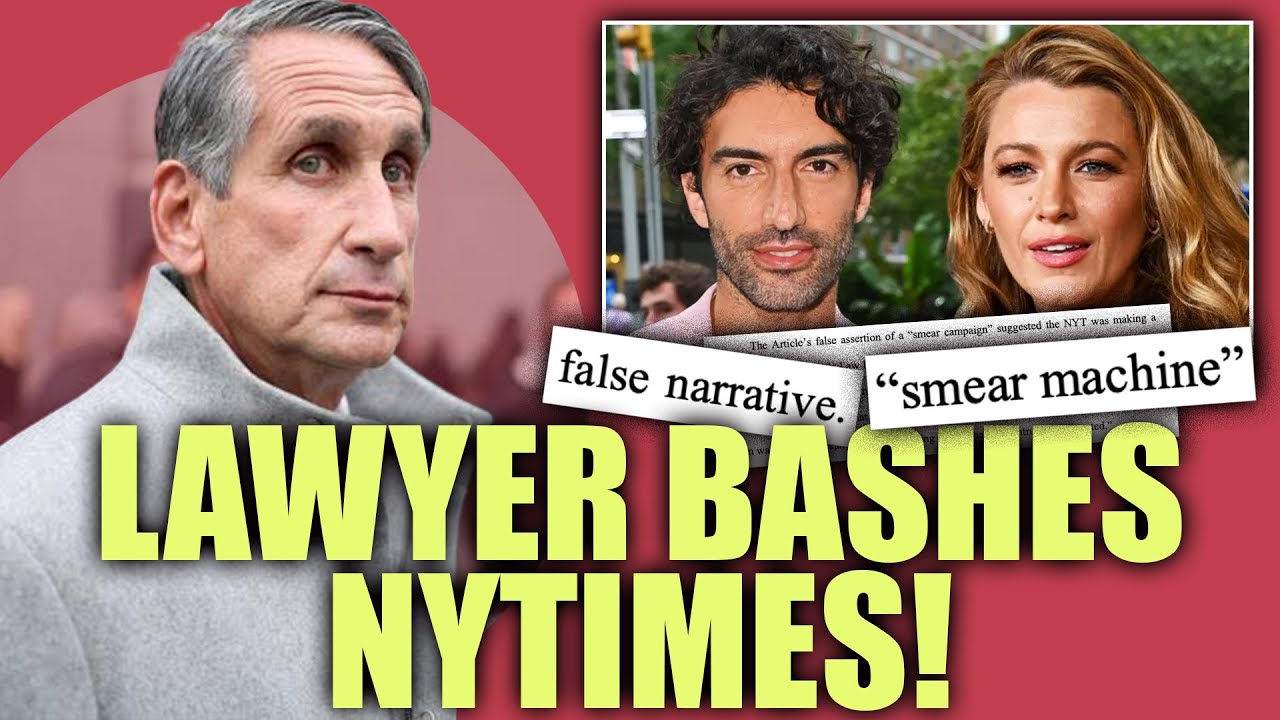
for orchestrating a smear campaign to destroy Lively's reputation the New York Times published a story title we can bury anyone inside a Hollywood smear machine this depiction as you'd expect immediately painted baldoni in a negative light leaving little room for nuance or the possibility that things might not be as clear-cut as the times made them appear but that wasn't all the New York Times didn't just report the allegations they actively joined the narrative vouching for the truth of Lively's claims and presenting them as if they had been verified Beyond a doubt that the Wayfair parties
orchestrated a retaliatory campaign to tarnish Lively after she alleged that baldoni and Heath engaged in misconduct while shooting the film in their articles and accompanying videos the times painted a picture that baldoni along with his colleagues at Wayfair were the perpetrators of this Grand conspiracy against Lively this portrayal not only misrepresented the facts but also crossed the line from neutral reporting into something much more Sinister defamatory territory the article in video echoed and compounded the baseless accusations made by Lively and her codefendants the Lively parties about the Wayfair parties and falsely accused them of having
waged a smear campaign it wasn't until the dust started to settle and the lawsuit took shape that the New York Times began to realize the gravity of its missteps they knew that if baldoni didn't step up and take legal action his lawyer Brian fredman certainly would this was the Tipping Point for the paper it admittedly based its article in video on its reporters review of thousands of pages of documents in expressly credited livel claims framing them as having been verified by the New York Times own investigation they acknowledged that without the intervention of baldon's legal
team the situation would have slipped under the radar with public perception easily swayed by their misleading narrative the New York Times realization that they had overstepped LED them to start distancing themselves from their own reporting but at that point it was too late the damage was done and the paper's credibility had already been questioned while Don saying hey it just wasn't fair and we're going to get into the part where Brian Freedman argues you gave us a couple hours to respond we scrambled and you still published it before we could even get our response to
you fredman wasted no time in highlighting these mistakes he emphasized that the New York Times didn't just act recklessly it actively participated in the defamation of baldon's character by vouching for the truth of Lively's claims the times crossed a line they were no longer reporting the allegations they were presenting them as factual fredman's argument was clear the New York Times acted with malicious intent by knowingly presenting false information in the most damaging light possible the New York Times prepared its salacious article well before twoe contacted the Wayfair parties the night before publication for quote unquote
fact checking after the New York Times months of plotting with the Lively parties the Wayfair parties got hours to respond this wasn't just careless journalism it was calculated manipulation by actively backing Lively's version of events the times gave the impression that their investigation had verified the truth of her claims when in reality much of what was presented lacked the necessary journalistic rigor to stand up in court this went far beyond reporting it was an attempt to shape the narrative to fit a specific agenda the New York Times complains of group pleading claiming it cannot tell
the allegations against it from those against its co-conspirators of course it is premature to require the way for parties to specify the acts taken by the New York Times in connection with its scheme with the Lively parties now let's move to the legal battle that's unfolding with Brian fredman at the Forefront pushing back hard against the New York Times attempt to dismiss the defamation law suit the times filed a motion to dismiss hoping to have the case thrown out before it could gain any real momentum but fredman not one to back down countered with a
strong legal argument his Focus was on the fact fact that the New York Times had forfeited its Fair report privilege a jury will determine the truth based on the evidence but the Wayfair party's allegations are clear the New York Times argues New York bars two California tort claims but as the wafer party suffer damages in California where nearly all make their personal and professional homes they may bring claims under the law of California this privilege is a critical shield for media Outlets protecting them when they are simply reporting on matters of public concern however as
fredman points out the times didn't just report on Lively's claims they presented them as fact they took the claims and acted as though they had been substantiated through their own investigation the new york-based New York Times insists it is entitled to New York law no matter where their harm was felt but California law remedies harms suffered in California by California residents fredman's Central argument is that the fair report privilege doesn't apply when the media Outlet moves Beyond Simple reporting and starts acting as an advocate for the claims being made by Framing livelies accusations as verifiable
truths the times removed any protection they might have had under this privilege this isn't just a small oversight it's a serious breach of journalistic Ethics under either California or New York law the Wayfair parties have stated a claim for defamation against the New York Times even under the actual malice standard the New York Times contend that the article in video merely reported facts and thus the New York Times is shielded by the fair report privilege fredman's team is pushing hard to make sure that times is held accountable for their actions arguing that when a media
outlet has the power to shape public perception they also have the responsibility to get things right especially when lives and careers are on the line but they argue your defamatory statements affect my client specifically in California and you know this modern world we we live in with the internet really makes it that you're damaged no matter where the defamation takes place the Wayfair parties including baldoni have pushed for California law to be applied instead of New York law arguing that the defamation and harm they suffered occurred in California this move is a strategic maneuver one
that aims to shift the legal landscape in favor of the Wayfair parties particularly baldoni who calls California home the New York Times has long presumed itself Beyond accountability not here the New York Times went past merely reporting on plaintiff Blake Lively's California civil rights Department complaint California law known for being more protective of individuals rights in defamation and false light cases presents a stark contrast to New York's legal framework California law allows for broader protections against defamatory statements especially in the context of false light claims which can be particularly important for public figures like baldoni
and actively vouched for the veracity of its false narrative the fair report privilege the New York Times seeks to hide behind does not protect it from liability under California law a defendant can be found liable for placing someone in a false light if the publication of false or misleading statements creates a distorted image of that person this legal provision could have significant ramifications for baldon's case as it provides him with a more robust Avenue for pursuing damages and holding the New York Times accountable for its actions for maliciously colluding with Lively in her cohort to
publish a false and defamatory hitpiece about the Wayfair parties California's defamation laws also differ from New York's in their treatment of Damages in California a plaintiff can recover emotional distress damages more easily in defamation cases these types of Damages which are harder to win under New York law could provide a substantial Financial remedy for the harm done to baldon's reputation the fac also States claims for false light promisory fraud in breach of implied in fact contract in California a plaintiff can pursue damages for both the reputational harm and emotional distress caused by false and defamatory
statements this means that baldoni could potentially recover more substantial compensation if the case is tried under California law that the New York Times conspired with Lively Reynolds Sloan and vision PR to advance a false and defamatory narrative concerning the Wayfair parties the application of California law could also make a significant difference in the legal strategies of the parties involved the Wayfair parties have argued that the defamatory statements and false light accusations published by the New York Times cause significant damage to their reputations particularly in California where they reside and work allegations at certain of the
Wayfair parties engaged in sexual misconduct towards Lively and two allegations that the Wayfair parties or orchestrated a retaliatory smear campaign to damage Lively's image and reputation by applying California law the Wayfair parties could strengthen their claims making it easier to prove harm and collect damages additionally California's legal system is known for its tendency to favor individuals over large corporations which could benefit baldoni in his fight against the powerful media institution that is the New York Times and the New York Times either knew they were false or acted with Reckless disregard as to their falsity however
the New York Times being based in New York has strongly opposed the application of California law the newspapers legal team has argued that New York law should apply claiming that the case should be governed by the laws of the jurisdiction where the New York Times is headquartered this presents a legal conflict between the two states each with its own set of rules and standards for defamation cases the times argument is grounded in the idea that it is a new york-based publication and that the alleged defamation took place through its publication regardless of where the individuals
involved reside or work and again this is one of the problems that does exist when it comes to um news organizations is you want them to be protected so they can't just have malicious people come after them if they don't like the reporting the outcome of this legal dispute over jurisdiction could have a major impact on the damages baldoni and the Wayfair parties could potentially recover if California law is applied the stakes would be much higher for the New York Times as they could face a more significant financial penalty and potentially more severe reputational damage
but they got to be fair they got to at least try to tell both sides of the story or do they not you know we'll find out in contrast if New York law prevails baldoni and his team would face a much more difficult uphill battle as the legal protections under New York law are not as favorable for individuals who claim to have been defamed moving on to the issue of actual malice fredman baldon's attorney has presented a strong case that the New York Times acted with malice in its reporting on the baldoni Lively legal drama
in defamation cases the concept of actual malice plays a crucial role especially when the plaintiff is a public figure like baldoni it's probably better for them to to double down on on on their beliefs that they did the right thing uh versus admit defeat the actual malice standard requires the plaintiff to prove that the defendant published false information with knowledge of its falsity or with Reckless disregard for the truth fredman's argument hinges on the idea that the New York Times knew the claims made in its article were false or at least should have known they
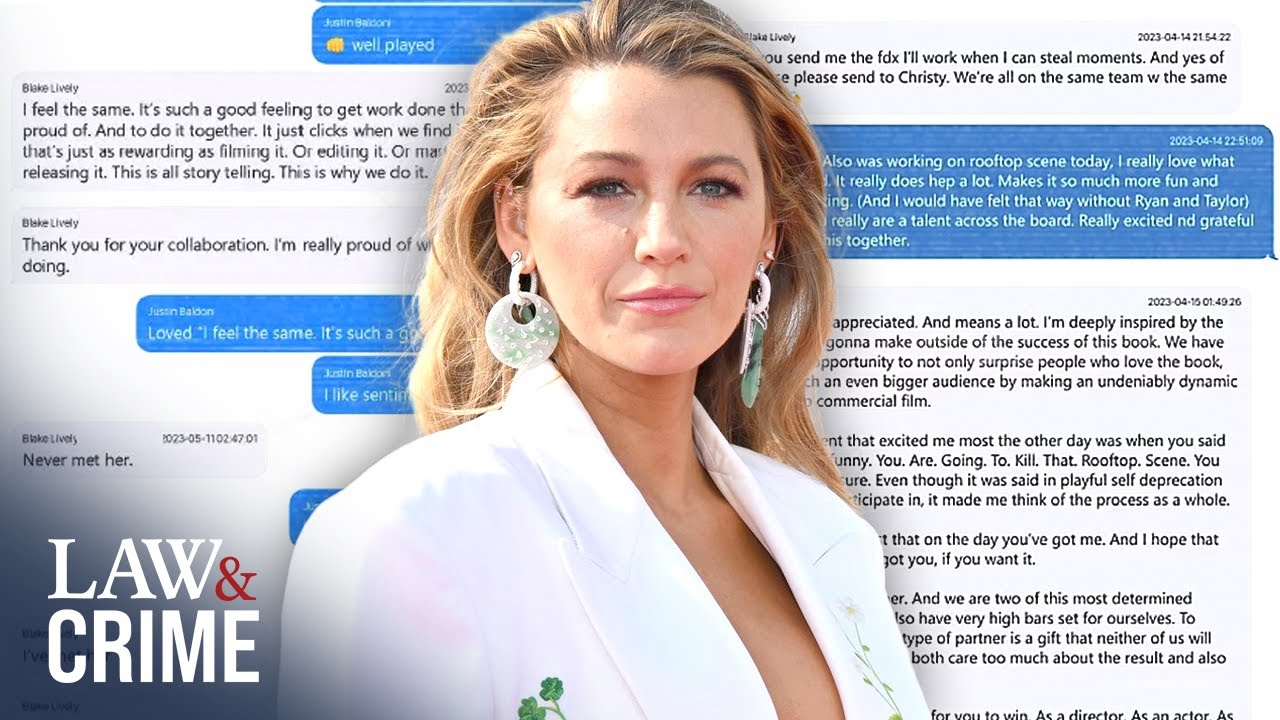
were false uh for example in both the article and video The New York Times presented in as unquestioned fact the false and defamatory claim that the way for a part's orchestrated a smear campaign citing to thousands of pages of documents it had reviewed in claims that the text messages show that the Wayfare parties had engaged in the wrongful wrongdoing of which Lively accused them he contends that the newspaper had access to documents and Communications that disproved Lively's allegations yet it chose to ignore this evidence and publish a one-sided narrative that portrayed baldoni as the villain
the article as fredman asserts was not an objective piece of reporting but rather a calculated attempt to further Lively's version of events while tarnishing alon's reputation by choosing to publish this false narrative fredman argues that the New York Times acted with actual malice so what they're arguing here is not everything that was uh in the New York Times made its way to the complaint and I guess you would look at that and say well maybe Lively and her lawyers uh wanted to include more that wouldn't have to stand up to rigorous defense in the legal
system the time failure to properly vet the claims and its disregard for contradictory evidence support supports the idea that it acted with actual malice fredman's team points out that the times had access to private Communications between Lively baldoni and others involved in the case which could have undermined Lively's claims despite this the times chose to publish the article and video that painted baldoni in a negative light without adequately considering or addressing the evidence that contradicted Lively's allegations um Black's Law Dictionary defines the phrase smear campaign as the deliberate telling and repetition of untrue or distorted
stories about a person in order to make others lose respect for that person in addition to the actual malice standard fredman highlights The Reckless disregard for the truth that the New York Times exhibited in publishing the article the times didn't just fail to investigate the claims thoroughly it actively manipulated the information it had they were presented as statements of fact based on firsthand knowledge of the evidence in that context reasonable viewer would have interpreted the New York Times smear machine and smear campaign statements not as mere hyperbole but instead as provable fredman's argument is that
the newspaper didn't just make an honest mistake it willfully ignored the truth in order to push a narrative that benefited Lively and Reynolds this is where the concept of malice becomes crucial the times according to fredman wasn't simply negligent it was complicit in spreading false information with the intention of harm baldon's reputation as a idiot non-legal expert I look at this and I go seems like he's making a point to me and we'll we'll see what the judge has to say the New York Times statement uh statements state or imply that the Wayfair parties's engaged
in grossly immoral conduct to cover up even more grossly immoral conduct one of the most striking aspects of fredman's argument is the claim that the New York Times manipulated The Narrative by selectively using text messages and other evidence to create a misleading story the article presented a one-sided view of the situation relying heavily on Lively's allegations and framing them as verified facts and such statements resulted in the destruction of their reputations and careers the statements by the New York Times cannot be and were not construed as mere statements of opinion or of hyperbole fredman argues
that the times took these documents and texts out of context splicing them together in a way that created a false impression of events this is not just Reckless reporting it's a deliberate attempt to mislead the public and sway public opinion against baldoni the issue of promisory fraud in the ongoing lawsuit between Justin baldon Blake Lively and the New York Times centers on a broken promise that could have far-reaching legal consequences the way faar parties have to satisfy the actual ma malice standard because of baldon status as a public figure in New York's amended anti-ap law
though California and New York law diverge on whether the actual Mal standard applies to all of the Wayfair parties the New York Times made a commitment to the Wayfair parties specifically baldoni and his associates to allow them sufficient time to respond to the explosive article the paper Was preparing for publication the promise was clear they would have until noon on December 21st 2024 to provide their full response before the story went live this seemed like a reasonable agreement considering the gravity of the allegations involved however the times didn't live up to their word here on
the evening of December 20th 2024 the New York Times promised to delay until noon the next day so the Wayfair parties could respond to questions in the inaccuracies the Wayfair parties accepted the offer and tried to correct the record albeit in the context of a brief overnight window of time during the holidays in a Highly Questionable move the New York Times published the article hours before the agreed upon deadline instead of respecting the time given to the Wayfair parties they went ahead and released the damaging article and video at 711 a.m. PST well before the
deadline leaving baldoni and his team scrambling to respond in the short window they had that the New York Times New York Times published the AL allegedly defamatory article in video with actual malice the test is whether the complaint is plausible not whether it is less plausible than an alternative explanation this not only violated the promise made to the Wayfair parties but also raised serious concern concerns about the paper's journalistic Integrity the quick publishing of the story with minimal opportunity for the accused to present their side suggests a deliberate attempt to push a one-sided narrative undermining
the fairness of the reporting process the New York Times had already decided that the article and video would drop regardless of feedback from the Wayfair parties as shown by the fact that both the article and video were ready to go at least days before the New York Times contacted the Wayfair parties this rush to publish the article not only raises doubt about the ethical standards of the New York Times but also exposes the bad faith underlying the entire process when a publication promises a certain process especially one as significant as allowing ample time for the
accused party to respond to Serious accusations that promise should be upheld by breaking that promise the times not only undermined its own credibility but also severely damaged the reputations of the Wayfair parties indeed although the Wayfair parties accepted the New York Times offer and scrambled to respond in just hours the New York Times published early and without warning at 711 a.m. Pacific Standard Time the release of the false article in video damaged the Wayfair parties I mean look you show that to a Jerry I don't care what the law is the Hasty publication not only
failed to give them a fair chance to present their side but also ensured that the defamatory claims would be out in the public eye before they could even begin to defend themselves you show it jury that they gave you 12 hours to respond and then 7 hours before the deadline they publish anyway this act of bad faith complicates the issue further and raises important questions about the role of media outlets in responsible reporting now lady C's insight into the situation adds another layer of complexity as someone who has had the last five Decades of her
life blighted by deliberate false reporting from newspapers I have every sympathy for Justin baldoni in the Wayfair Studio victims of the smear campaign that the New York Times spearheaded on behalf of Blake Lively and Ryan Reynolds last December lady C who has been following the case closely believes there is a deliberate and coordinated effort between Blake Lively and the New York Times to tarnish baldon's reputation according to Lady C this isn't just a case of biased reporting it's part of a much larger smear campaign orchestrated by Lively and her supporters with the help of the
times she has voiced her concerns about how this collaboration unfolded over several months ultimately leading to the publication of the defamatory article it is therefore gratifying to note that Brian fredman power attorney has opposed the New York Times attempts to have itself struck out from the Wayfair lawsuit by simply making the point that that publication was not neutrally reporting on fact but was actually propagandizing on behalf of the Reynolds lady C's perspective is based on Sympathy for the victim in this case baldoni and the Wayfair parties she points out that like many other high-profile figures
baldoni became the target of a powerful media narrative that sought to paint him as the villain in a scandal he wasn't responsible for this according to Lady C wasn't an isolated incident it was part of a larger pattern of behavior where Lively with the help of her PR team and media Outlets like the New York Times sought to shift the narrative in her favor regardless of the facts lady C believes that the media particularly the times became a willing accomplice in this scheme some time ago I pointed out that I had been told by an
eminent Hollywood Insider who deplores the way the Reynolds and their cohorts have been behaving that the couple and the New York Times had been colluding with one another for months before publication while fredman's brilliant repost to the New York Times attempts to have itself removed as a defendant from the case has now been filed and confirms that fact the collusion and Malice between Blake Lively Ryan Reynolds and the New York Times is a key theme in lady C's analysis she asserts that Lively and Reynolds worked together with the times to create a story that would
cast baldoni in the worst possible light using the power of the press to manipulate public perception lady C's statement suggests that this wasn't just about the factual reporting of events but about shaping a narrative to fit the goals of those with the most influence calculate to destroy the careers of professionals whose only crime was to misjudge the malice Mala feeds and rampantly unlawful ambition that lay behind the motives and actions of Blake Lively and Ryan Reynolds in her view the New York Times was not just a passive observer in the unfolding drama it was an
active participant playing a role in spreading a biased one-sided story that ultimately harmed baldon's reputation lady se's insight into the situation sheds light on the broader issue of media manipulation in high-profile legal battles it highlights how easily the Press can be used as a weapon by those with the resources and influence to control the story the consequences of such manipulation are profound not just for the individuals directly involved but for society as a whole when the media is complicit in spreading false or misleading information it undermines trust in journalism and leaves the public with a
skewed understanding of events there's more to come so make sure to subscribe and like the video to stay updated