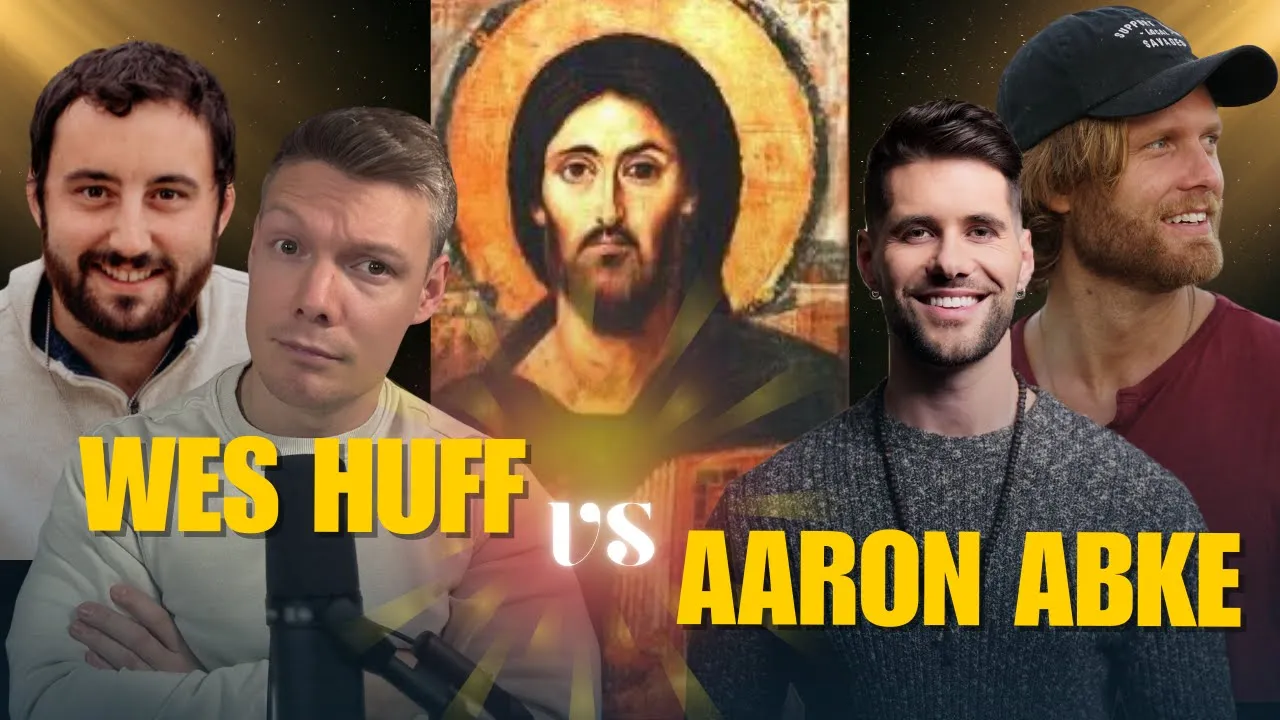
The question we're really getting at here is what did Jesus teach about salvation because we know what Christianity says about salvation but our contention is essentially that what Christianity teaches about salvation is quite a deviation from what Jesus taught about salvation there there's no such thing as sophisticated cor Greek Greek is unsophisticated by definition oh my gosh dude the the Greek New Testament Documents are highly intelligent with all the respect that indicates that you are not able to read Greek fluently because was Jesus's parent parents who apparently were a part of the asene group of
some sort wrong for bringing these doves to the temple Jesus is compromising his religious and moral values for the sake of culture is that what you're saying Jesus didn't just ask anybody to join his group he had very specific criteria he looked for most Notably a humble repentant heart and well did that guy not fit the criteria to be one of his disciples to to follow his group I don't know I wasn't there if there's one instance it invalidates her position this is the problem with the synoptics and the canonical gospels in general is there's
many many narrative conflictions like this and so it's hard to parse out what is history from what is narrative after that is when Jesus said come follow me and become Fishers Of Men and they left their n because he was telling them to leave their family businesses to come follow him because he had a better plan for them and it wasn't catching fish anymore it was men but he still helped them catch fish he's helping them catch it Miracle Fish yeah so it's not real fish they're they're Magic Fish they're not real fish Jesus seemed
to be a big Jeremiah fan that the lying pin of the scribes the pin that writes the Torah has Falsified the Torah and he condemns them for this so it's it's claiming in the Bible itself that there are alterations that have weight and he's the same Prophet that's condemning animal sacrifice he says God never commanded animal sacrifice and why I want to bring up that point is because iron that's not what he says except where he does you have to say that that was added later too and then you're just doing the same thing in
the Old Testament that you're Doing in the gospels here so you have to remove these things from the Old Testament to get that narrative and then you have to remove those things in the New Testament and say see there's a narrative when actually you're just doing exactly what epiphyas condemns you're doing exactly what Jerome is condemning you're doing exactly what uus is condemning and that is you have a belief system that has allowed you to add remove and edit texts to make them What you want and you're actually trying to use these men to defend
your position when they're actually condemning your position so you would just reject what Jesus says when it doesn't comport to what you want say I don't reject anything I don't I don't read the Bible with binary lens I try to find the most likely interpretation of the passage based on Aaron how can humans convey accurately what Jesus said and remember what he Said and more importantly what he meant Divine scriptures were given in John 14 he promised the Holy Spirit to be brought to his Apostles so that they would not only just remember his words
but understand them we believe believe that Jesus and his followers emerged from this sect that had broken off of Orthodoxy and this sect identified itself as two specific designations which are the nazarin which Jesus is identified with and one lesser known Called the eion that's what what particular part is the satanic part uh I mean I was trying to read it and you interrupted okay sorry sorry go ahead none of that's really here nor there because it's it's totally I would I would disagree I think this is super important I think Aaron and cam are
trying to get a little bit more granular on what it means to be saved is it as simple as I believe in Jesus all right punch my ticket I'm in heaven is you see These prophets continually throughout the text of the Old Testament calling people back to Mercy God desires Mercy not sacri than sacrifice obedience rather than rather than burnt offerings not with not obedience with sacrifices than sacrifices I think in terms of Jesus speaking in Greek teaching in Greek you would be definitely in the minority position in scholarship on that no I wouldn't no
no I wouldn't at this point in time there's A lot of only taught in Greek believe it's in the talmud and the mishna accounts where there's so many animals being killed that priests are waiting up to their ankles and blood it's a slaughterous it's a full-on slaughterous do you think Jesus would support that do you think that Jesus would support that as God's holy place where prayer is just Bloodshed and Animal by the way Wes or Stephen have you ever been to an animal SA sacrifice have you ever witnessed one Encourage everyone to go read
epiphanous that particular passage but the point that they're making the point that he and Jerome are making is that you guys are trying to say that the EIT that they're talking about are the same as the ones that Paul was taking up offerings for in Galatians and they're actually saying the exact opposite they're saying that the ebionites of their day have deviated to a two evils as ephus calls them one of God one of The devil meaning they held to one true thing and one satanic thing they're telling you that that group has deviated and
adopted a satanic practice with a right one that's what they're saying what particular part is the satanic part I don't believe in the anti-l lordship gospel I don't think you can just make a profession of faith and punch your ticket and that's it I believe that Jesus needs to be a lord and savior that you're not saved by works but you're Saved for works and those are the fruit by which you show that you are saved guys ready to rock let's do it man all right yeah I was going to say too I don't know
how you feel about this everybody and Anon you can totally edit this out I actually kind of wanted to open with a prayer you guys down for that let's do it I would love that yeah cool heavenly father thank you so much for bringing us all together in this moment uh you've LED everybody on Individual paths to just Garner as much about your nature and who you are and it's so beautiful to have us all here together to just commune together and ultimately manifest the Kingdom of Heaven here on Earth and we are so so
grateful for the way that you lead and guide us and we just pray you know we're here to discuss conversation um over debate more than anything I pray that we all connect and that we all find a way to meet each other and to meet you Through that process and you know I just I think that in this moment with the time that we're in the inauguration MLK all of these things it's it's auspicious times and we're all here for reason we all know that um so we love you we trust you and we step
into this moment together with peace and love and the unification that we that we all want to bring to the table in Christ's name amen Jesus name amen amen Beautiful all right let's do this guys so um first thing I want to start with is I think we should establish um a couple things number one Wesley I think for yourself as well as myself for taking some heat on like putting that video out saying that you're not debating anybody and now we're doing this debate I think it's important for people to understand how this all
came to be um I don't know the full context I know what happened after Like when I reached out to Aubry and that whole thing but maybe if you just want to start or Aaron however you guys want to do it um just to establish that so we don't you know get attacked more than we have been yeah probably inevitable but um yeah happy to give the context so uh I think it was probably what West like October somewhere around there um someone sent me a a reaction clip Wes did to one of my Instagram
reels so I Went on there and watched it and then posted a reply and I believe some of his followers just were in the comments like well why don't you debate Wes about this and I said yeah sure let's do it and I tagged Wes and said hey you want to jump on an IG live and debate this idea and uh well was like no let's let's set up like a a two on two like legit debate I said cool and this was at least a few weeks before all the Billy craziness happened I think
Wes had told Me that uh he had already had the debate it was I think it was like a week before this actually and then it was probably some months later that it finally all went live and the insanity ensued and and so here we are so I guess the the long and short of it is we had this debate you know scheduled long before the Billy craziness happened yeah yeah yeah I think that's a good set up in that even in that video that I did where I said I'm probably not going to Debate
you um that was mainly a reaction to the fact that I was getting hundreds of people requesting debates and and I I said in that video you know there are certain things that are in the works or on my calendar already and I'm I'm going to go through with that but I'm not going to come up with something just in the moment and agree to debate the literal hundreds of people who are uh uh feeling that I'm obligated to do so right now so yeah this thing was in the Works even before the I released
the Billy Carson conversation on on December 8th so it's one of those things in the list or on the list that was already in the works so I'm still probably not going to debate you if uh you request it right now um but this is this was an outlier in that whole conversation can can I just add to that too man I can't even imagine what what's probably coming your way I mean it's unbelievable so hats off to you for That I also want to add too that the the funny part about it all too
is that weeks before actually Aaron and I even uh met um my buddy Ali tzy who you know Wes was sending me some of your work and uh and I was like oh interesting I've never you know I I just had started catching up on your stuff and it was at the same time that I met Aaron and then boom you guys have this back and forth me meanwhile Anton and I are friends from years and years ago I had no idea He was in the background somewhere there and then Aaron was like hey you
want to join me on this the way that it just came together was so you know Divine in some kind of way it's it's pretty unbelievable so yeah and I was speaking to to Wes about all of this and I was like oh I got the perfect kind of neutral character and that guy was named Aubrey so I reached out to Aubrey Marcus and you know he was totally down but essentially what ended up happening was Just logistically you know Wesley Coming to America to go to Texas and then the whole Joe Rogan thing and
then the pbd thing and because of his schedule and having this all pre-planned it was just like yeah it's not going to make sense for for Aubry to do it so Aaron actually brought up the idea of me being the moderator um and this is for everybody listening this is my first time doing something like this um I am very experience with the stuff I've just Never done it myself I've I've trained people on it and helped other people do it so um I think you know we all have a mutual love for for Jesus
and I think it's going to be a great conversation and uh it's been very uh Divine if you will how it all came together and I'm happy we can do it likewise brother likewise all right so let's get into this um Aaron and cam pretty much requested that before they present their Thesis they would like um Wes and and stepen to present theirs um I think before we get into that if everybody can just take two minutes and explain how they came to Christ what their Journey's been um really coming to Christianity or or following
Christ if you will and then we'll have Wes and Stephen present their thesis and then we'll go from there and um let's start with you Cam sure so like Wes actually I was raised Baptist right Wes you're you're Baptist right or you were raised in that Tradition at least um yeah and my grandfather patriarch of the family baptized really young uh you know knew as much about what I was learning as I could you know going to Bible school and and and bible study and those type of things but you know have early memories as
a kid that planted the seeds of a lot of what I feel we're going to talk about today uh namely memorizing The Ten Commandments when I was I don't know probably about eight years old or something like that my grandfather had me do that and over time really taken the faith on for myself actively in my teenage years when I started getting into music playing worship music writing worship music and so I kind of followed actually my grandfather and many other people in my family's footsteps with going into Ministry through music um but it was
around that same time that I Really started to take the faith on for myself that I really started to read the Bible more actively um and in that process to draw closer to God and to really take my faith seriously I did a Daniel Fast um I actually did a few of them uh over the years with my with my family and it was in one of the Daniel fasts that I had where I had this kind of moment that my mother had just gone for work she had to go see these chicken battery cages
for her insurance Auditing and she came home and started taking chicken out of the fridge and freaking out about it and everything and we were on this Daniel Fast and so it kind of started this it blew up in the house for a second because my my stepdad was a barbecue restaurant owner and I was working for the barbecue restaurant I was a hunter fisherman all this we're like what are you doing um I I saw the Daniel Fast is just the temporary thing right so bottom line it got me thinking Though about some of
the kind of ethical implications of what she was saying and also as a kid you know I really held true the question what would Jesus do used to study that on the playground with my friends still wear the bracelet to this day it's a you know Big Time mantra for me so anyhow I really wanted to know what would Jesus do about factory farming what would Jesus do about animals and the way that we treat animals um again many of these seeds Were planted when I was little just thinking about the Garden of Eden this
type of thing so anyhow that sent me down a rabbit hole of like what would Jesus do but really more from the angle of what would Jesus do to kill animals because that's what I was doing and I kind of intended to keep doing that um however it opened up kind of a rabbit hole because namely around coming to phrases like go and learn what this means I desire Mercy not sacrifice and Trying to understand the animal sacrificial system the Temple of Jerusalem that animal killing does you know seem to be biblically Central throughout the
text um I started to read that and then like I said there there came to be this blatant realization that there's a little bit of a contradictory or just kind of tension in the text about it and then it opened up this whole rabbit hole that led to me creating the film Christ spiracy where We explored that more really hinges on the story of Christ in the temple and overturning the tables with the an animal sacrificial ritual and then from there and amidst that whole it's been you know 10 or 15 year Journey now honestly
um that's opened up a whole different side of the Spectrum which is kind of a lot of the ways how Aaron and I met is that you know I'm sure Erin's going to share his story but through different ways we kind of came to some Of the same material from the early church fathers and some of these early first century groups that did seem to hold to this kind of golden thread of Y you know mercy and so that's what we're here to talk about today and uh yeah I'm really excited about it I think
that we're in a time right now it's said that every 500 years there's a reformation and I think we're like seven years overdue since the last one and I do think part of this conversation has Something to do with that but I don't know we'll we'll see Stephen do you want to go ahead sure yeah I uh I grew up in a Baptist home um actually was a Baptist pastor at the age of 21 to about 28 years old I spent a lot of time uh studying particularly one source of Christianity but became very interested
in the early texts of the New Testament specifically uh as it related to I grew up in a King James only like There's no other translation sanctioned by God kind of world and as I began to learn Greek I saw differences between the even the Greek text that is behind behind the King James was known as a Texas receptus and so I started asking questions I was always kind of the Rebel uh because I was always asking questions and so as a result of that I became a little bit outside of my my group I
was an outsider always seeking to get more answers as a result of that um you know I I started looking at my relationship with Christ differently because it wasn't something I was put into anymore it wasn't something my family forced on me or or I'm not saying never did that but like even the culture I was in had to become something more personalized and that it was a relationship with Christ himself and and coming to realize that being born again is an act of God it's an act of his grace it's something that um I
couldn't earn I was never Going to be good enough to receive it because of me or something I did or achieved it was simply of Grace but as I was continuing through that um while I was pastoring I I finished uh a master's degree and then I started doctoral degree at one institution then I finally moved over to another after I resigned from my second pastorate and I did a PhD uh in canonicity and texal criticism and I began to study a lot of the early patristics from codex H in Jerusalem and I started reading
books like first Clement uh and the ignatius' letters uh that he had wrote even though they were the longer recensions in that manuscript also the deday and I became intrigued by the church fathers because I started reading Christianity from their lens and saw the world of Christianity that I was living in and the culture I was in and I didn't see anything that was lining up and so I started making changes and realized that I wasn't ever really at Home as far as Church goes now my relationship with Christ was solid at that point in
fact the Lord put me through multiple circumstances in my life that required me to actually go out of my way and and ask myself am I truly a follower of Christ and what sacrifices am I willing to make to do that so kind of as a result of those things uh I made a directional change it was a big one it actually cost a lot of friendships and stuff but I actually Moved into a more lurgical Church um where I moved into the Anglican communion uh I'm currently an Anglo Catholic uh so we are Anglican
but we are also very uh Catholic in our ecclesiology at points minus Vatican 1 Vatican 2 um so I found a home really in the Liturgy in the early church patristics and also the ancient practice of church and so that's kind of been my journey is is just a relationship with Christ I was raised around it uh it Became personalized for me when I was much younger but it was something that needed to be developed and tested and put through fire in a very short summary God used multiple things including study to reshape what did
Christianity look like how am I going to fit into that world of Christianity should I stay in Christianity and honestly studying the early Church fathers saved my faith as it relates to seeing something that was substantial something that actually had Substance to it uh that I was believing in something that didn't just happen it was something that had stood the test of time and I was standing on the shoulder of giants so that was a major interest of mine that brought me up to the point where I am today beautiful and what's your um education
like what what's your uh major and stuff like that mine yeah yeah I I have a PhD uh in theology but it's particularly in canonicity and textual criticism but Most of the Canon work I did was on the Gnostic Gospels um and then the dissertation I did was doing an actual and factly I sent all the data for the first time Wes and I have been friends for a few years now and I don't I didn't even realize I didn't send it to you I sent you all the data uh for some of the citations
and stuff so I had to do the textual critical work of codex H opposed to the septu agent and some of the critical manuscripts that we have And the critical editions of the new Testament that we have uh and kind of see we the petrics quoting the same Bible that we have basically and how to do a lot of charts and survey and word changes and variant differences and manuscript editions and so it I actually had a blast some people hated their dissertation I love mine so I actually had a blast and I wish I
had more time to do more of it because there's more to be done awesome uh Aaron yeah so similarly I was born raised as a Evangelical Christian I'm a third generation pastor's son and church was my life man growing up as a kid I loved church I was at church probably three four days a week um my parents church was called Springs of Life Fellowship in the Bay Area and when I was a young kid this is in the early 90s our church was going through a kind of Revival as we call it where you
know crazy Miracles happening and the power Of God falling in every service and we'd have a thousand people packing out the Auditorium so it was really cool to grow up in that atmosphere and you know my dad's church was uh we were kind of like anti-religion in a sense where religion was kind of a dirty word to us we would say like oh come on man that don't be religious and so I didn't have to Grapple with a lot of the more fundamentalist dogmas of Christianity Such as you know Eternal conscious torment biblical inherency these
weren't things we stressed very much although we believed them we just didn't really my dad at least didn't preach about them much he wanted to preach about the love of Jesus the goodness of God and all of that and so I went to Oral Roberts University and was going to follow in my father and grandfather's footsteps to become a minister one day and my road to That was through worship uh Ministry being a worship Pastor I started playing in church when I was probably 13 playing guitar and just kind of evolved from there into leading
worship and so worship music was my passion as a Christian and I've I just always was like so radically on fire for Jesus as a Christian kid to where I felt um a bit left out in Christian circles where I just felt like nobody was quite as on fire as I was you know maybe you guys Felt like that too growing up but yeah I just felt like if you're not Allin and sold out for Jesus you're not you know a real Christian and stuff because that was me I was I was fully sold out
and very passionate about my my faith so I went to U graduated with a double Bachelor's in music and Theology and started my Ministry career at 23 at a church in San Jose and my plan was to do worship you know be a worship Pastor for some years and eventually transition Into being a senior pastor one day and the church I got hired at was very fundamentalist and somehow some way it's just kind of the way God worked it out I think I didn't know how fundamentalist they were until I was already hired and so
it was the very first Sunday I'm sitting in the front row and this woman goes on stage to give an offering testimony and this man is standing behind her kind of looking all stoic like this and I'm sitting in the front Row thinking to myself please be a security guard please don't be what I think this is because I'm thinking of the verse where you know I think it's in Timothy where Paul says if a woman is to speak in church she must her husband should stand behind her as her covering because Eve ate the
apple first and then Adam and all of that and I was just hoping that this church didn't take that stuff literally and I'm at this church that's like Openly misogynistic and sure enough she finishes her offering testimony and they sit down next to each other and I'm like okay well now I'm working at a church that I probably don't want to be at and so what am I going to do now and I had just been married at the time as well my wife was 20 and I was 23 and we got home and she
was very upset and she's like does this church believe women are inferior to men and I'm like I don't know babe but it seems like it but don't Worry we're going to figure this out and that's what really sparked my journey into Paul and Jesus where I I wanted so badly to harmonize Paul's open misogyny with something else he said somewhere else so I could kind of apologetics it away and the more I dug into Paul the more I started realizing because I'd never really studied Paul as a Christian kid I you know memory memory
verses in Sunday school and all the classic Paul verses we quote that I still love today But I didn't really study Paul until this this experience happened and as I tried to use other parts of Paul to say well maybe Paul didn't really mean what he said and it it actually unraveled things for me in a huge way where I was trying to save face from my religion that I loved so much and you know believe the Bible was inh erance in all of this but yet I cannot accept that God would treat women that
way or think women are inferior to men and so I've Got to harmonized this and the more I tried the more I couldn't and I started to see more of the red flags with Paul which maybe we'll go through in this debate Ure that started to jump out at me and I started to say I don't see this guy Paul really Measuring Up to the gold standard of Jesus's gospel you know he's kind of enemy cursing braggadocious misogynistic and Jesus told us to love our enemies and forgive them and so Slowly but surely I kind
of began to realize that the religion I was brought up in or at least the church I was at was really more of Paul's religion than Jesus's I didn't really hear Jesus's teachings emphasized on Sundays but man you'd hear Paul non-stop Paul Paul Paul all the time and I it started to rub me wrong and so at 24 I eventually decided that I had to leave Christianity to follow Jesus because I wanted to follow the true Jesus way in the red letters That I knew and loved so much growing up and so that led me
to many other spiritual traditions for many years and trying to get a different Glimpse on what do other cultures say about the Divine because I'd only come through this one tradition and I came to find this same golden thread through every tradition I studied which is that there's only one God one truth one reality of which we are all a part and if we want to live in harmony with that Divinity deity God we must love one another we must be good to one another and it's exactly what Jesus says in the gospels and so
that actually reinvigorated my passion for Jesus around 28 29 and I really became more of a mystical Christian from that point on and so that's kind of um you know the grand synopsis of my journey but if I could say one thing it's that I think all of us here today have many things in common chief of all which is an absolute Love and Devotion to Jesus and the Bible and maybe we devote ourselves in different ways but I think at the core we do have the same uh love for the Bible and for Jesus
with some differences which to me are not that all important um they might be more important to you guys than they are to me but when we get into some of these more logistical things we'll talk about I just want to uh preface that you know I see you guys as my brothers in Christ I love love you guys and I think we're going to have a really fun conversation more than anything and so I look forward to what unfolds here together beautiful I'll share briefly and then Wesley go ahead um so pretty much uh
Christianity was not really something I grew up around my parents are Catholic but we never went to church um my dad is very much like a yogi you know i' wake up in elementary school and he'd be doing headstands and meditating for two hours Listening to Wayne dire um and and people of that caliber uh Tony Robbins kind of new Agy type stuff so that was more in my awareness if you will just you know my dad meditating and doing yoga was was normal for me um I didn't really know there was distinctions between religions
I never like we went to church maybe twice a year three times a year if we lucky um you know Catholic kind of old Roman Catholic old school stuff um and so you know when I was Young I just got really fascinated with the power of the mind I watched a documentary called The Secret which is all about manifesting and how you can create your reality and from there I you know 16 years old by 17 I was making a couple Grand a month I I thought you know all these principles I was learning from
the new age was real and working and they are and they are real and essentially that brought me to gaining a bunch of different spiritual teachers um You know Mystics people in um different Eastern religions Buddhism dosm Hinduism studied under those Masters if you will personally for for many many years and then built a business around those people because I was so impacted by their teachings I wanted to bring it to the world so um I built the first ever uh New Age spiritual social media agency um and then about four years ago my Foundation
of everything I thought was true started to get really rocked And I don't need to go into those details but I pretty much started to see that something very big was missing and I had a deep spiritual void and no matter what I did in the new age or the new thought it couldn't be filled um until by the grace of God you know I I I had some personal encounters with Jesus that led me back into the church and for like two years I still didn't accept it I was like I was going to
church but I was like H you know I don't know the Only way to the father is me what kind of egotistical man man Maniac says that I mean I was was the guy that called Christian schizophrenic I was I was on stage saying things like how could you fear God this was me um and then you know like I said I started having some personal encounters and then finally uh God humbled me enough to realize he is the truth uh and then I ended up becoming an Orthodox Christian I'm a catech human currently I'm
in catechism and uh it's changed my whole life um all I want people to know is is the true God and to also know that there is community uh in support with that God in my experience of church because like I had major trust issues from all the spiritual leaders I worked for I went through some very intense spiritual experiences a lot of manipulation and abuse physically sexually mentally everything you could possibly imagine and I was scared that I Was going to experience that in Christianity um but that hasn't been my experience and uh it's
been life-changing and now I'm very passionate about bringing conversations like this together um I didn't know it was going to unfold in the way it has but here we are so it's been good and and one thing Erin to allude to your point one thing that was always missing for me too was kind of some of that more mystical aspect of Christianity and that's why I fell in love with Orthodoxy because they didn't just poo poo away the the healing the mystical things that I had experienced prior um and you know they there is align
with that stuff and I think there can be you know some demonic elements to spiritual Powers but I saw like that the standard for Christians is to become a saint and when I started to understand it through this lens I was like whoa this has been missing and it just filled A lot of holes that just were incomplete through my other world views of spirituality so it's been a journey um and I'm I'm so grateful to know people like Wesley and kind of get direct um information from Scholars and stuff because I had a hard
time with a lot of things in the Bible and being able to text people like Wesley and others have been has been so life-changing for me and I really do believe everything in the Bible is true I am an Orthodox Christian like I said so I'm really excited for this conversation go ahead Wesley yep so um I grew up in a Christian family my parents are missionaries my mom was a missionary who grew up in India and in 1989 my parents moved moved to Pakistan which is where I was born and uh shortly after the
Gulf War broke out and it was no longer safe to be there and they were accused of giving Bibles to Muslims um we had to Leave the country and we came back to Canada but then in 199 um three we went to the Middle Eastern country of Jordan uh which we were there for a number of years my father was actually the chaplain at the British Embassy in Aman for a short period of time and uh he was working on his Doctorate he was doing his Doctorate in myology at Trinity Evangelical Divinity School in Deerfield
Illinois and so I grew up in a a context of uh Quite a diverse religious background living in majority Muslim countries when I was very young and then my father doing um academic work in um Mission studies in the study of uh missionary work uh around the world and so that was largely my context be just before my 12th birthday I was diagnosed with a rare neurological condition which left me paralyzed from the waist down uh which the prognosis was that I would be paralyzed for the rest of my life and Then one month from
the day that I was uh was paralyzed I woke up on a Saturday morning got out of my bed and walked over to my wheelchair and sat down and it was the neurological pediatricians who actually used the word miracle first due to the fact that they could not find any evidence of swelling on my spinal cord which was what happened that there was um inflammation on the mile and Heath of my spinal cord which was cutting off connection between my brain And my legs and so I experienced what I believe to be a miraculous healing
and um yet despite that really struggled with my faith in terms of larger truth questions when I was a teenager and dug into a lot of those things and I lived in an a very unusual household in that with my missionary background there were a lot of other worldview religious texts around the house so I did things like I read the Quran for the first time when I was um in my teen years uh read uh Sections of other writings like the babad Gita and the sutras in the Book of Mormon and evaluated worldly perspectives
on the basis of what my parents had raised me to in the terms of my dad's Faith was a very academic one and uh one of inquiry um his he always says that his faith was uh quite literary in in terms of that that it was a historical and a a truth-based one and so that shaped the way I came about that perspective and at the end of it in the Way that I could as a teenager came to the conclusion that Christianity was true um and uh made it kind of my own in that
regard went off to University with full intention of going to the police force did a um uh degrees in sociology and uh partway through my undergraduate studies I realized as I was chasing down the Mormon missionaries in my neighborhood and going to the local Mosk talking with the Imam that my passion was somewhere else that it was far more Evangelistic and apolog IC in nature and I didn't really know what that meant but I did know that I had to pursue it academically so I went on to do a masters in theological studies focusing on
New Testament and that eventually got my Um passion involved in the biblical text kind of fell in love with manuscripts when I was studying Greek I was introduced to some of the earliest codes codex caticus vaticanus Washingtonian alexandrus and um really Fell in love with reading the Greek of these ancient do documents and so uh during the course of that I actually started another master's degree at the University of Toronto and um there was an opportunity where I could drop that degree and reenroll in the PHD program um and so I re-enrolled in the PHD
program uh under um the supervision of a uh a scholar who was able to supervise me in manuscript studies and so that's what I've been trying to finish for the Last number of years in terms of um my own academic study uh but fully convinced from the evidence at hand that the Christian worldview as it is held historically and biblically is the one that represents the actual truth claims that we find the answers to in terms of the ultimate questions that we have um I'm also the uh the director of central Canada for an organization
called apologetics Canada which I think I'm going on four years now in that position So we're a national not for-profits charitable organization uh that seeks to equip the church here in Canada with a biblically sound intellectually robust and culturally engaged Faith so I'm part of a speaking team of other individuals um a number of which also have uh graduate degrees my um supervisor Andy has a PHD in Philosophy from the University of Aberdine so um do that full-time along with trying to finish my PhD and um have a family and and the Like but uh
my my faith has been very informed by my my upbringing but also I think by the public publicly available evidence that exists within the truth claims that point to the truthfulness of Christianity all right beautiful so let's let's get into this um you know time's flying already so uh Aaron and cam requested that um uh Wesley and Stephen start with kind of presenting their thesis and simply the question is really um what do you guys believe about The Bible and maybe Define the term reliable and secondly uh what do you believe Jesus actually taught about
salvation in other words how is one saved yeah I'll start that off I would say that what I believe about the Bible is that the Bible is the inspired word of God and that it is um as Jesus says when he is talking to uh his interlocutors when he says have you not read what God said to you in terms of holding his audience accountable as if When they read the word of God he get he then goes on to quote Moses so he's holding them accountable to when they read the word of God that
God is actually speaking to them directly that is the actual speech of God that's Matthew 22:31 um and likewise uh when he says um that man shall not live by bread alone but by every word that proceeds from the mouth of God Matthew 4:4 and he's talking about the Old Testament there and so I would say I hold to what Jesus's perspective on scripture is in that it is the the verbatim speech of God that doesn't negate that there were obvious authors God uses the ends and the means he's a relational God and so he
as Peter says uh spoke as men were spoke through men as they were carried Along by the Holy Spirit um I would also say in terms of the Gospel plan as it's laid out in Scripture that what the gospel is it's the Eternal Word of God stepping down from his eternal Throne Making his dwelling Among Us which is outlined in the first chapter of John John chap 1: 1-4 and this plan was not a contingency it was something that was predestined from eternity past we see that in First Peter the very first chapter of verse
Peter and Psalm 139 Revelation 13 and I would say secondly the gospel is a historical moment so not only did Jesus enter into Humanity as the second person of the Trinity but he came and dwelt Among Us which once again That's John 1114 he was Emmanuel which in Matthew uh 123 means god with us and he came in his own words to be a ransom for many we find that in Matthew 2028 Jesus is using Old Testament Ransom language there he's using uh he actually uses the Greek word Lutron which is used in the Greek
septu agent the Greek translation of the Old Testament regarding blood payment for sin offerings so there are also strong Illusions there to Isaiah 5253 and 43 With the servant giving his life as a substitution for many I think that's essential to the gospel there and then you could argue third that the gospel is perfect in its Act of trinitarian unity it's the father sending his son his one and only son and that's John 3 and empowering Those whom he gives Faith with the Holy Spirit John 14 so by that purpose and self-giving in that act
Jesus says he does this of his own accord John 10:18 and so sin is an Offering paid it is a finished work that Jesus declares before his Earthly body dies in in John 19 and he says that he is the Good Shepherd who lays down his life for his sheep in John 10 and so the invitation in believing that Jesus is Yahweh God himself and the profession of which will not only save you from your sins as we see Jesus professing in John 8 but it will grant you eternal life so whoever believes this is
not condemned but whoever does not believe stands Condemned already because they have not believed in the name of God's one and only son which is John chapter 3 so would say that the gospel is clearly presented in the gospels right you go from the gospels to the gospel in that this title that we have The Gospel According to it's a one gospel happens to be according to Matthew Mark Luke and John but we find that clearly laid out we find the position of what scripture is from Jesus's own lips he holds his Audience accountable as
if when they read scripture that God is speaking directly to them so I would say that the word of God is living and active and it is the inspired word that is given to us to an original audience but as the secondary audience uh we are held accountable to those words and ultimately I would say that that is the 66 books of inspired scripture ask a clarifying question yep yeah go ahead and thank you for that Wes Um so the question we're really interested in is actually what did Jesus teach about salvation and the reason
for that is because we obviously don't take the same position of and do you take the position of inherency just to be clear um I would say it face value yes the word of God is inherent but I don't think that that's necessarily needed in order for position of Salvation okay really really quick like I said I'm going to ask the jum dumb questions what does inherency mean um that that scripture does not Heir do do you have any uh uh yeah yeah that that that if this is actually the speech of God just as
God does not Heir scripture does not air in what it is meant to communicate so in order to find out what the original audience would have intended it so I do not think that there are certain uh scientific things that are meant to be communicated to the Original audience and so there the inherency in that regard is that um in in same thing with we're using the term infallible right the the fallibility is that God is Not fallible therefore scripture with the holy spirit being the secondary author along with the human component uh does not
ER or is not fallible in what is intended to communicate okay so no contradictions in the Bible yeah well it depends what you mean by contradiction I would say Logically in terms of an actual form of contradiction that is defined philosophically in the law of non-contradiction yes okay and then do you guys hold univocality as well with scripture yeah essentially would you yeah yeah that it's what does that mean what does it mean yeah what does vocab yeah the idea that there's essentially one narrative Through the Bible it all agrees with itself there's No differing
narratives happening in the Bible can I can I chime in sorry I I didn't want I didn't want to talk over anybody I think you were asking that to West and I don't want to yeah goad you're asking him something specific yeah okay so uh there is a major theme uh golden thread if you would that goes through the entirety of scripture and that is that God has sought to redeem that which he created and called good and bring it back to its original form Uh but to do that it required Redemption so that golden
chain that golden link if you would that goes through scripture is God's Redemptive act in scripture which looks two ways one by love and sacrifice to by judgment and restoration um that God deals deals with the main problem that separated that Unity that was created in the beginning that was called good that was been separated by sin he deals with it in those two ways all through scripture that's why at times we See God lovingly act and times we see him in judgment um as far as the infallibly inherency of the word of God we
believe that the word of God as it was originally given uh to the original people by the original prophets and or Apostles that they were uh inherent and infallible but we also recognize as scholars in the field of studying manuscripts that there are no perfect manuscripts that represent those words we recognize scribal error uh we Recognize interpolation we look at all these things that are different we spend most of our time in Collegiate uh work and doing a seminary work I'm sure Wes will tell you we bore ourselves asleep some nights looking at some of
the ridiculous uh uh differences and errors that scribes made so we're also not um you know ignorant of that reality either um so yeah I I would say that we we hold to that and just so we're clear too when we're talking so can I I guess is it my Turn to answer the question too yeah go ahead just go ahead yeah sure so uh as it relates to scripture uh my perspective is this is what is scripture well we we have presupposed in our Christian culture that it means well it's the word of God
right but is that an idea or is that a reality um I think a lot of times we have oversimplified things to the Christian church that yeah we have the word of God but what does that look like tangibly right how do you Trace that tangibly well I think Hebrews 1 is a huge help on that God at many times and in many ways spoke to our fathers through the prophets the Greek phrase there is Theos L lasos God uttered words so the God who spoke everything into existence spoke to man he intended relationship so
we see instantly God is relational and not just before the fall but after the fall because he spoke to our fathers Sinners by the prophet so therefore we have we Have a chain of custody uh does God just speak to everyone in fact I did a research not long ago I actually put it out there and actually shared it at quite a few churches that if you actually calculate the amount of people that God spoke to in the Old Testament we have this astronomical number and it's really not it's very minimal God spoke to very
few people in divine revelation uh and the way that we Trace what we call Canon or the collection of Authorized books is do these Works go back to the authorized agents that God sent to his people I.E the prophets uh and so when we talk about scripture we're saying that there are two covenants one with Israel one with the church and that those covenants specifically are actually complimentary to one another uh in fact that the New Covenant is bringing finality and fulfillment to the old and the prophets were always seeking this goes back to Your
question Aaron the prophets were always seeking a consummation through a Messianic figure and I think that Wes had mentioned that in his testimonial looking back at Isaiah the the servant of Yahweh uh there was always this longing a prophet like unto Moses in Deuteronomy we looking for this savior that a judge can't save the Book of Judges it must be somebody better than a judge because they were good and then they' mess up And then God have to send another one somebody that was David like but not David's mistakes you know a son of David
who would be a ruler and people would bring homage so there was always this pointing to a Messianic figure and we see multiple writings outside of the Old Testament longing for this figure as well and then lo and behold Christ comes God In the Flesh uh Emmanuel as Wes said we believe that Jesus Christ is God In the Flesh who entered into his creation To be the Savior that creation needed because no one else could do it a David King couldn't do it a judge couldn't do it a prophet couldn't do it they all messed
up they all blew it it needed something better and so when Jesus came on the earth um he introduced the kingdom of heaven and that is at hand and the way to meet him in that kingdom was to repent and he sent his Forerunner Forerunner John the Baptist who also preached that message and Jesus said I Didn't come to call the righteous but sinners to repentance and he also speaks of how he seeks to bring Humanity to God through even natural means um this why Jesus in John chapter 3 said you must be born of
water and of the Spirit uh we see for the first time water and spirit coming back into Unity for the first time since Genesis 1 when the spirit of God moved on the face of the waters what happened when the spirit of God moves on the faith face of the waters life and so We see that for somebody to be born again again to be made new brought to a New Creation there must be almost a spiritual act upon a person the way the spirit of God moved on the face of the waters even in
Genesis 1 so we see God start instituting himself and connecting with his people through nature because the heavens declare the glory of God everything points to him the Fingerprints of God are left everywhere in his creation and so he's using these Means to actually communicate and to connect with us and so by that he called us repentance because we've sinned and he has offered by his grace the free gift of Salvation and says whoever believes in him will not perish but have everlasting life and so we are seeking Christ in the things that he has
left for us to draw us to himself in we're becoming obedient uh we struggle with it we sin we mess up we repent we restore we come back and so we believe that the New Testament is Jesus authorizing not the prophets anymore that spoke to the fathers but Hebrew Hebrews 1 says in these last days he spoke through us to us by his son and his son in John 14 that Wes had mentioned authorized his Apostles to be the very mouthpiece to to Echo to the rest of the world all the things that he said
and did and he even prays this way in John 717 in the high Priestly prayer he actually prays that we US future Generations would believe Their words which were actually his words that were actually given to him by the father because the father spoke through his son the son delivered that message to the apostles the apostles gave us these writings and authorized others like Mark or Luke to write the very words that they had learned and were instructed by Christ and by that we believe the New Testament Canon is consistent that goes back to eyewitnesses
and authorized users and by That we have What's called the Canon and in it there is as Aaron asked a golden thread there are many themes but the major theme is the Redemption of Christ to his world that he loves got it uh clarifying question from my end um so I think Aaron and cam are trying to get a little bit more granular on what it means to be saved um is it as simple as I believe in Jesus all right punch my ticket I'm in heaven no we've seen a lot of people uh say
a prayer at an altar at A uh you know an emotional experience um but um you know we don't believe that somebody can just say something or affirm a bunch of facts and that automatically puts them in a relationship with Christ uh we believe first of all it's an act of Grace where God first initiates us because we would never have initiated him second um there is a consistency of following Christ I mean you look at the pattern in John's gospel he's inviting come and see come And see come and see there's this constant skepticism
about Jesus where Jesus just gives them the next step of faith and they take it so we believe faith in a sense is actually a journey and it has its ups and downs I mean even habc 2 Hebrews 11 uh or Hebrews 10 excuse me the just shall live by faith the righteous man lives by faith but then he gives a plethora of examples in Hebrews 11 of men and women who blew their faith on a regular basis and Made dumb decisions in the midst of pursuing faith but that there's this act of Grace that
just doesn't let us go that brings us back to Faith and repentance and brings us back to Faith and repentance so no we don't believe it's as simple as you know you say a prayer and then you come to Jesus and you have this experience and then that experience holds you over and you've got your ticket punch into heaven we believe the life of faith is a life of chaos Chaos uh Temptation disaster but it's also where Christ never stops per pursuing and brings back to Restoration when we blow it because we'll always end in
faith as the writer of Hebrews says these all died in faith a lot of those people were pretty bad but they died in faith because I believe that Christ uh pursues us to the end where we reach Faith beautiful now before uh Aaron and cam go because they're kind of going on a rift so I know you guys are about to Get into your whole thesis Wesley do you want to clarify anything I I would I would Echo that I don't believe in the anti-l lordship gospel I don't think you can just make a profession
of faith and punch your ticket and that's it I believe that Jesus needs to be a lord Lord and Savior that you're not saved by works but you're saved for works and those are the fruit by which you show that you are saved and so there's going to be when someone has uh a Heart of Stone that's removed and they're given a heart of Flesh that is a supernatural act and that person's life is radically changed that they are as Jesus says uh born again and there's a little bit of a play on words in
that in John 3 born from above and so there's going to be a radical difference in that person's life and so as mere profession of Faith uh I don't think is enough that that is the bare minimum but it it is it is no less than that but it is so much more than That because if that was all the was then the apostles uh spent a long time wasting a lot of very expensive ink um the equivalent of thousands of dollars in the ancient world to write Epistles to these churches okay can I add
a few clarifications Anton yeah yeah go ahead um I appreciate what you both shared um the question we're really getting at here is what did Jesus teach about salvation because we know what Christianity says about salvation but our contention is essentially that what Christianity teaches about salvation is quite a deviation from what Jesus taught about salvation and so you know obviously we study critical scholarship and so we take the position on the New Testament gospels that they are evolving works over time and all the classic positions you both are probably familiar with that they each
have distinct narratives and rhetorical goals and These kinds of things and so in the narratives of the gospels some of the things you quoted West for example I would interpret them very differently than you interpreted them and so I feel like when we're trying to ascertain what did Jesus teach about salvation if we're looking at the narratives we can always have difference differences in our subjective interpretations and so the the best place to go in my opinion is the red Letters of Jesus what did Jesus actually say because there is some room there for subjectivity
of course but I feel like Jesus's teachings were pretty straightforward and clear and difficult to miss and so what we're curious is like what do you think Jesus actually taught about salvation how did Jesus tell people you know this is how you get saved yeah go ahead Stephen well no no go ahead go you want to go first I don't know who you were asking I Don't know who that was directed it's either ey yeah yeah yeah I mean um that's why I would say um I think I I was trying to be purposeful in
in focusing on what Jesus said in that when he s he says that uh he is the one and only son right John 3 is empowering those who are giving Faith with the spirit John 14 and that by his purposeful self-giving act he says that that is of his own accord right so the sin offering is paid and it is finished And that's why I think when Jesus dies he says that um in John 19 he says that he is the Good Shepherd who lays down his life for a sheep so if we're going by
Jesus's own words in in John chapter 3 um salvation is this Believing on him right it's it's very purposeful he says that if you do not believe that he is Yahweh God that he is the I am then you will die in your sins and there's a reason why the Jews react so strongly to that statement in John chapter 8 verse 24 is because he is claiming a Divine prerogative that unless you believe that I am you know ego I me hearkening back to not only Exodus but specifically uh Isaiah chapter 10 where God says
you are my people who I have chosen and you are my Witnesses uh to know that I am there is no God before me there will be no God but after me Jesus is using he's paralleling very close language in that statement with the Greek translation of the Old Testament um that he will grant You eternal life it's through him alone and it's by his self-giving Act Act of him going to the Cross no one takes his life but he gives it of his own accord that right that's John chapter 10 and that the sin
offering is paid and so I think we see that Ransom language in Matthew's gospel um he is the Emmanuel God With Us Matthew 1:23 and then Matthew 2028 he uses that Ransom language when he says he's a ransom for many once again paral paralleling much Of the Old Testament Ransom language used within the Greek which is why specifically mentioned that he uses the word Lutron uh which is the septent you word that's used regarding the blood payment for sin offerings so I think Jesus is very purposeful he knows he predicts his own life and he
in his life he predicts his own death and Resurrection in fact he does so 10 times as recorded in the synoptics and then he does so on the basis of him being a Ransom in that he is giving his life as this payment because he's the Good Shepherd and the shepherd lays his life down for his sheep and so you must believe on him that he is the I am uh that he is radically different the claim that the Sanhedrin calls him at the beginning of or the end of Matthew's gospel is that he's not
claiming to be a Son of God he's claiming to be the Son of God they did not have a a law against claiming to be a Son of God they had a Law against claiming to be the Son of God in a unique way that made himself equal with the Father which is what John says his audience accuses him of doing and then when Jesus dou down and and quotes Daniel chapter 7 about himself their reaction is this is blasphemy so uh they're not um confused about what Jesus is saying about himself that he is
saying he is God he is God in a unique way that is Blasphemous in the Jewish Mind and um that he is coming to give his life as a ransom for many and he's paying that sin offering uh that we see I Think Jesus claiming about himself in the gospels directly so let's let's kind of take that to us to the next like we can ask you a question here you said that we should pay attention to the red letters being that they are the words of Jesus um obviously I would think that neither of
you believe that Jesus actually wrote Those words down himself right of course not so where did they come from probably oral tradition and earlier probably earlier documents as well that we may not have extant today uh Hebrew gospel of Matthew probably being one so somebody would have had to have heard Jesus to even report what he said right for sure okay that is our position we believe that the gospels are eyewitness reports and actually the red Letters in John 14 this was the question that Judas and I love how he says it uh John says
Judas not a scariot just so you know which one it's not because there were two judases in the group he said well Jesus you just revealed yourself to us what about the rest of the world and then Jesus kind of ignores this question and goes into this discussion and says actually I'm going to send the helper the paraclete to you and you're going to tell the world what I said naturally anybody thinking that would say well how can humans convey accurately what Jesus said and remember what he said and more importantly what he meant because
there's a lot of things that Jesus said but what I think you're getting at Aon is that there's also the question of what did Jesus mean not just what he said so when the Divine scriptures were given in John 14 he promised the Holy Spirit to be brought to his Apostles so that they would not Only just remember his words but understand them and so the way to understand what these texts are teaching or what Jesus meant um we examine Wes and I examine not just Christian scholarship we're friends with multitudes of atheistic skeptic Islamic
scholars who are all studying the same material we've actually weighed everything in a kind of an accumulative way like we hear the voices of everybody in this and actually some of the voices Are actually starting to come back to traditional understanding even in the secular and um really skeptic scholarship side of things and this is the conclusion that that we're having to go to is like okay so Jesus didn't just give us his teachings he gave us interpretation to those teachings and that was promised to individuals and we believe that to be the apostles so
then the next place we have to go in order to find the guarding of that would actually Be those that knew the apostles who have written their tradition as well and this is why it was a great interest for us to study the early patristics and the early church fathers because they are guarding the deposit of faith not just the text but the interpretation of that text so that we're not stuck with a everybody it's a freefor all on Jesus's words and what he meant there we believe that in our Canon we don't have just
a text we have an interpretation to that text and That is maintained through Jesus's red-letter words in John 14 that his Apostles would not just be given remembrance of what he said but what he meant and so we believe that the wholeness of those gospels the PE the same people that preserved the red letters preserve the interpretations because they were given the spirit to remember the red letters and interpret them that's where we would differ I think I I think that's a really Important clarifying Point as somebody who's a new Christian you know I have
you know been to multiple Bible studies and it's kind of like a free forall and my priest kind of was like Hey like these aren't really meant for your interpretation as much as you it's cool but you should really trust the church fathers and you know about the Orthodox Study Bible so I think that's an important point because um you know isolation of text and interpretation of That isolation can become very detrimental um in general so I just wanted to to add that interpretation is not a freefor all um yeah there there we use methods
of hermeneutics next to Jesus in the proper way so solar scriptura is not so low scripture it's not me my Bible under a tree in any any way that I can interpret the text um I frequently say at bible studies that I lead that I'm not going to ask the question what does the text Mean to you because I don't think the text in one sense cares what it means to you I think draw the meaning we should ex it out from the text to linguistically hermeneutically from a grammatical hisorical approach actually evaluate it on
its own terms yep totally agree um the clarify the clarification I was looking for was well first of all backing up a few Paces on the Gospel of John because Wes you quoted the Gospel of John a number of Times to back up your claim of what did Jesus teach about salvation um sort of just yes or no answer but do you guys take Jon to be a historical account yes uh I think it is a historical and as Clement of Alexandria put it a spiritual gospel and what he means by that and uh um
a scholar named burog also gave commentary to this too that what Clement of Alexandria was not saying is that the other gospels were unspiritual and then then this one is Spiritual over here but what it means is that the synoptics were more preoccupied with what Jesus said and what this person said and this miracle and that happened and this historic fact Etc John is is already observed and and assumes even in his gospel that you know the synoptics for example in John when he heals excuse me when he raises Lazarus from the dead he introduces
Mary and Martha and then when he introduces Mary he says this is the same one who washed Jesus's feet well the problem is John doesn't even tell you that story until the next chapter chapter 12 so he assumed you already know it so he's assumed you've already been taught these instructions and what we find later from the historical adastation for John is that he is actually looking at what Jesus did not so much to just retell the synoptics but to give the meaning behind why Jesus went to certain towns why Jesus healed certain people so
we would Say that yes John's gospel is historic but he is seeking to go deeper than just to tell more facts he actually wants you to know the why Factor behind it and that's what sets him apart from the synoptics and he's not depending on the synoptics like most of the synoptics we would admit uh like Luke is using a lot of Mark as so as Matthew um but John is not dependent on any for that matter so so in other words you guys would believe that Jesus Historically did say before Abraham was I am
and things like that okay um I've yet to come across a a scholar myself that would say that John is a historical account but more so like a theological uh Theology and narrative form so to speak but the interesting thing is that John is actually my favorite Gospel of the four and that's because I believe in Jesus Cam and I believe in Jesus with all of our hearts uh we believe that Jesus was the Messiah That Moses foretold in Deuteronomy 18:15 and so when we see believe in Jesus we're like yeah all day baby but
I'm continually told by Christians that I I'm not a Christian because I don't confess Jesus as my personal Lord and Savior and believe he died so that God could forgive my sins Etc and so my the issue I'm trying to raise here is that you don't have any Pauline theology in the mouth of Jesus in any of the gospels even when you have believe on me it's Like great I do where is confess me as Lord and believe in my death and Resurrection in that and so the issue at hand for me is really what
did Jesus teach about salvation which in my opinion is very very clear repent turn away from your sins and turn your whole heart to God and although Christianity Today operating mostly under Pauline theology would say if you want to be forgiven of your sins just confess Jesus and believe in his death and Resurrection and you're forgiven and yet Jesus said if you do not forgive your brother his trespasses your heavenly father will not forgive yours judge and you will be judged forgive and you will be forgiven for the same measure you give will be the
measure you get back and the only time Jesus was was ever asked good teacher what must I do to inherit eternal life he said keep the Commandments and lists the Ten Commandments and chief of all Being love the Lord your God with all your heart soul mind and strength and love your neighbor as yourself and if you do this one thing you fulfilled the entire law and the prophets and so I find that to be a very drastically different message of Salvation a very different soteriology than Christianity preaches and so the Jesus way to me
is exactly that of you've got to give what you've been given right freely you've received Freely give and I'm sure you guys would probably agree with a lot of that and maybe there's some nuances of where we disagree on what really constitutes salvation but I just see a lot of contradictions in mainstream Christianity Today where you hear these kinds of um colloquialisms about salvation that don't line up with the teachings of Jesus and another one would be Jesus saying whoever continues in sin is the slave of sin And Christians teach that as long as you
confess Jesus you've you're free of sin you've been free bondage of sin and yet as I witnessed you know growing up in church no we we would say that historical Christianity if you just confess Jesus you're forgiven and believe he died for your sins and resurrected a lot of Heretics believe that I mean we have a long long list of Heretics who would affirm everything you just said that doesn't Make them a true believing Christian um just as scenting a bunch of facts that is more of a modern Christianity Nuance that's happened pretty much since
the 1960s that's like mega church stuff that's that's more of the new evangelicalism um the historic Christianity is not that way the the biggest church in the world is the Roman Catholic Church they certainly don't teach that one of the second biggest or third would be the Orthodox which it Sounds like our friend Anton is part of uh the Orthodox do not believe that I'm a part of the Anglican communion which is around 90 million people in the world we don't believe that Lutheran don't believe that Presbyterians what is the sort of dividing line then
what how do you cross over into salvation if it's not you know Romans well it is Romans 109 it's just it's it's no le it's no less than that much more than so I'm a Reformed Baptist so I would definitely Say that that that is exactly what we were describing when we would say that's an anti-l lordship gospel that you just need to confess Jesus as your lord and savior and then you have your ticka punched um that is not what in the historic reformed perspective that I hold to that my denomination holds to that
my tradition holds to whatever say is actually true that would be a false profession that would be an individual who is taking advantage of the lordship Of Christ in a very naive way and in that sense is bringing wrath upon themselves because they their lives are not reflecting the fruit of that which expresses the Holy Spirit and I would say that that what we we see within the gospels in Jesus and his articulation of who he is and what he came to do is exactly paralleled in Paul I wouldn't I wouldn't say at all that
they are in contradiction um but I but that's why I specifically quoted from the gospels Because I think that you can find all of that the ransom language forgiveness of sins um the the repentance ultimately and and that's what I would agree with you uh Aaron it's repentance you need to change your mind and that needs to be a radical difference like Jesus says Les something worse happened to you yeah and and so there's also with that the other end of the Reformation side so not that I necessarily represent the side but I got to
be fair because It's a large portion of Christianity uh they believe that people can be um a part of the Grace Community and abide in Christ's Grace and walk away from it a Bandon Grace uh so like for example the Roman Catholic Church teaches menual and mortal sin so uh somebody can make this profession and say some sort of prayer or even get baptized but commit mortal sin and unrepented mortal sin and I believe this is the EOD Orthodox position S I Think heresies but I believe that's similar yeah you use different terminology so somebody
continues IM mortal sin they fell from Grace exactly and so there there's a counter to the Reformation because the it's kind of the reformers and the Catholics very much differ on the semantics but they ultimately conclude the same thing about that person that they are not in the faith how they got there is a different is a matter of contentious 2000- year Debate uh but nonetheless both would conclude that person is not truly saved and they're just fine I just wanted to clarify because there are different perspectives right you can lose your salvation if you're
sinning like and you're not repenting you know like and again there's a there's a there's a um hierarchy of sin right some sins are worse than the others but I've gotten in arguments about this with you know people who claim to be Christian and I was like look like when I was practicing the occult that is a direct Sin from God the Bible and I am going to be punished for that if I don't repent and and change my heart and mind um so we're you know time's moving quick guys so I I I kind
of want to get into the meat Aaron and cam of the thesis I think we should go into some of the Paul stuff I think that's the core of this um I I don't want to you know I want to make this as Fair as possible so if you Don't feel comfortable with that let me know but you know it's already almost been an hour or over an hour sorry hour and 15 how how do you feel yeah yeah we're happy to get into the thesis okay cool let's do it so essentially um I I
guess I'll read your guys' thesis off feel free to correct me this is what cam sent me um Jesus's message was a Hebrew Reform movement against the sacrificial cult and fulfill fing the law of Moses and the prophets which Systemically eradicated by Pauline paline or Pagan Pauline Theology of the Roman Empire is that accurate um yeah that's not actually the thesis I had but it's it's mostly accurate okay I think that did you say that was cams or erands I said cams but you know same same same team for the most part some distinctions yeah
that was actually that was sent a while ago we've written something a little more Extensive more like addition to that y so we we run the impression that this debate was around kind of two subjects which is is the Bible reliable whatever that means and then Jesus and Paul and and that so okay what we wrote is we believe that the Bible is multivocal presenting two distinct atonement doctrines repentance for the remission of sins instituted by God and animal sacrifices for blood atonement which was instituted by man these two doctrines Represent sort of the wheat
and tears um analogy from Jesus of one sown by God another sown by an enemy and so many of the Old Testament prophets as we know condemned the practice of animal sacrifice and sometime around 300 BCE a certain Jewish sect commonly known as the essenes separated themselves apart from Orthodoxy to kind of sequester themselves in the burning Wasteland of kumran to practice their own version of Judaism that uh did not include Temple Sacrifice and so they had also claimed some other things that are we believe are very important such as the Torah had been corrupted
by the scribes to promote this practice of animal sacrifice which was always a pagan practice to begin with which we can see in the ancient world in basically every culture we know of and so they they believe that Moses didn't command this and so Cam and I and the critical Scholars we study are in wanting to get as close to Jesus as Possible the true historical Jesus and what did he say and teach and believe we believe that first century Jewish Christianity and its predating you know maybe two to three centuries uh before that is
the the closest thing we can find the most accurate reference point we can find to know about the real historical Jesus and So based on a lot of scholarly evidence including the Dead Sea Scrolls and early church fathers we believe that Jesus and his followers Emerged from this sect that had broken off of Orthodoxy and this sect identified itself as two specific designations which are the nazarenes which Jesus is identified with and one lesser known called the eion and so Jesus and the eion nazarin held that the Ten Commandments were the true Mosaic law and
they taught repentance and loving God and loving others as the true fulfillment of the Torah and so in the synoptic gospels Especially Mark Jesus it shows us that Jesus was crucified for opposing the temple system and so the New Testament to us reflects these two kind of competing atonement doctrines we see running through Old and New Testament repentance versus sacrifice and that these two atonement doctrines manifest themselves as Jesus and Paul Jesus of course taking the Asian type position of forgiveness and repentance while Paul representing the pharisaic you know Being steeped in the temple system
his entire life the the blood sacrifice system of of the temple and you know Paul has very different ideas about the law than Jesus does calling the law um the law given by Moses on stone tablets a Ministry of death in First Corinthians whereas Jesus when he's asked how to enter eternal life points to the Ten Commandments and so we have these what we believe are very irreconcilable differences in atonement doctrines and So we believe that every Christian sort of needs to decide which of these two doctrines repentance or blood sacrifice truly reflects the will
of God interesting um really quick one small clarifying question again I'm asking the stupid questions Torah and Old Testament same thing or no I mean not really but essentially Torah is Genesis through Deuteronomy Torah is the law so what we refer to as the Old Testament would typically be referred by Traditional Jews as the tanak the Torah theim and theim so we have the law the prophets and the writing and the Torah the pentat the first five books of the Bible okay so before we we continue because this is important and the audience of people
watching this are not I wouldn't say they're veteran Christians unless they're looking to just see what Wes and stepen are up to um so I think it's important to Establish who the hell is Paul I think the story of Saul to Paul is important for people to understand that Paul had Revelation from Jesus himself I see Jesus as or Paul as an extension of Jesus and you know I I don't necessarily know if you can reject Paul and also be saved personally that's just my personal thing so I think it's important to understand the historical
Paul you know Jewish Pharisee Etc um and I think context is important too because what I Understand about the Epistles of Paul is that context is everything that sometimes he's speaking to Jews sometimes he's speaking to gentiles so we we got to go into that meet for for like the the the new believer to really understand um do you guys feel that's accurate should we go there well I I think we need to go to who Jesus is first heard yeah yeah based on what I just heard read it sounded more about who Jesus was
and if I understood Aaron Correctly they you and cam believe that by the way thank you for having the discussion um with us I'm sure y'all could have been doing other things tonight but likewise um so you guys believe that Jesus was a part of the ases um no I wouldn't say he was a part of the ases like a card carrying member of the as scenes uh first of all there is no designation or word asene in the Dead Sea Scrolls and Scholars are really Not sure where that comes from so the SC scenes
to us is more of a a term that refers to this enigmatic sect that broke off around 300 BCE and went to kumran so that sect to us I think it probably bifurcated a few times in those centuries but you have the nasin there is the oen is another sect that scholars believe kind of branched off the essenes and really what we would love to um kind of walk through with you guys is the eion which become later known as the Ebionites in church history that this actually is the kumran Dead Sea scroll group and
there are uh just an enormous amount of incredible parallels from the Dead Sea scroll group with the Jesus Movement we see in the New Testament now you would agree that the ases and the ebionites are not the same right well that's the interesting thing is that's that's typically been the idea but what we'd like to show you guys is that again there is no essene sect from that like They didn't refer to themselves as essenes what we'd like to show you guys is We Believe based on the the scholarly research that their self-designation was the
ebion the de se scr group I I don't I don't know any Scholars that believe the ebionites existed before 70 AD they were a sect off of what was a a seen group that disappeared during 70 AD destruction they were a scattered group so different sects came off of them the Ebionites were a particular people who held to particular positions about the Messiah like you said about sacrificial system about Moses they had a very dislike for certain figures especially David and Samson and people like that um but the scenes what was in kumran is not
entirely conf I don't know if we can conflate that with what was going on with the ebionites themselves sure so uh a couple of Scholars that have kind of pioneered This research which I'm sure you're probably familiar with would be Dr Robert Eisenman Dr Michael wise Dr James Taber have done a lot of this work that um I'm happy to share my screen and go through some of the proofs with you guys if you'd like I mean sure I mean we're familiar with tabber especially uh and Ean and others we've we've read theirs and so
I mean would you admit before even going into isisan that he is in a minority of Dead Sea scroll Scholars on this opinion because he is by the way yeah I think that um this this idea is so kind of Cutting Edge right now it's just emerging from scholarship and we're you know we're very much like aware of that but um and again like the reason I'm asking that Aaron is is you you said you specifically talked about critical scholarship CR critical scholarship is not in usually the minority on that like on that that whole
Point you're making right here critical scholarship of the Dead Sea Scrolls would actually say that you are an error and so is eisan so critical scholarship is not on your side here I I just want to make sure we're actually using Scholastic words properly because Wes and I are good friends with a lot of Dead Sea Squirrel Scholars and they give no like wink to isan and wise and they think they're off their rockers and we're friends with I'm friends with six Dead Sea scroll Scholars and have direct communication with them and none of them
take eisan serious so my point is if we're going to use the word critical Scholars you said you're using critical Scholars I don't think that's a fair statement to an audience that's listening because it's actually in a very small minority of that scholarship yeah if you brought that up at say the Society of biblical literature and refer to them as critical Scholars you'd be corrected in as Fringe Scholars so I'm I'm not really like not as critical I don't really give too much opinion to what the consensus is because every new evolving you know research
and scholarship is at one point Fringe until it becomes mainstream so I'm just curious about the evidence and just to be clear I'm not making a definitive statement like this is definitely true no doubt but the evidence is is very strong in this direction and so we Really I don't think can can dice it up until we actually go through it if you guys are open to that no no I just I want to I wanted to clarify the term critical scholar that you're us scholarship that you're using because it's almost insinuating I'm not saying
you're doing this that we're not actually in tune with crit critical scholarship in fact we've studied quite a bit of this now most of mine is New Testament as with West but we are also In the uh New Testament scholarship side of things and have friends in the Old Testament Kuman side of things uh like Dr John me like Kip Davis who is not a Christian I mean there are a lot of guys that are studying into this Lee for sure so we're all working with these guys so I just want to make sure like
the audience understands we get where you're coming from too like we're not I'm not implying that you guys aren't sure also on the Same level I'm just saying there's certain critical Scholars that we study who are pioneering This research that's all got no no I I appreciate the clarity but that would not be under the category of SCH 25 years at this point in time that would not be under the category SCH that would be under the C certain critical Scholars wise Tab and others are pioneering This research it's all right we that's not the
way that term works we made our Point Eisenman and wise and tabber are not Christian Scholars okay yeah yeah go go ahead that's the designation no we're not saying a Christian yeah no no no critical scholarship not Christian scholarship yeah you can be a chrr SCH scholarship no if if you go to the side oh you're saying okay so go to theet Scholars yeah yeah sorry well the what what Stephen is just pointing out there is that critical Scholars critical scholarship is a is an actual designation that has a formal definition and so individuals um
like like those that hold a position that you're currently advocating for would would not fall into the realm of critical scholarship as much as they would fall into the realm of of minority friend scholarship on these particular points so if you go to the Society of biblical literature they're not going to hand out name tags that have your Worldly perspective on them but there is going to be a certain designation that is I mean uh friends of mine who are like Dr John me who who we had you know mentioned who I was talking to
earlier today is would fall into the realm of critical scholarship even though he is an Evangelical Christian he has pioneered books he's the written the definitive work on early Christian Canon text by Oxford University press that is critical scholarship but it's not Necessarily secular or religious scholarship it's just and guys like Richard that would be identifi they are a part of the critical scholarship scene as it relates to what's talk about the historicity of the gospels and so forth so but it's just a clarifying remark I just want to make sure we're on the same
page here that's all yeah totally cool with that can I can I add one thing to that too actually just just to someone who's not at all a scholar because even Aaron has you know he's been to uh sary right so um yeah yeah but uh but I I don't even come from any realm of scholarship but what I did what I did want to point out and this isn't like a hill I'm gonna die on or anything but you mentioned Robert Eisenman being a c and of these kind of things I just want to
C because I've actually interviewed him he's a he's or one of you said c or crazy minority no we said Fringe Fringe Scholarship or or you said people see him as a c or crazy oh yeah we don't we don't treat people like that that's not that's not our way of handling things people on the outside might say that that doesn't mean it's reality my our point was is is fringe and minority because we don't use that label for people that's not fun I said we we've interacted we know through multiple friends Dr Taber and
so forth and we follow and he says some good things at Times like so I mean like that's not a that's not a Wes and I position I'm just saying that's what some may have viewed it as we would say it's Fringe and minor can I ask a question as well though because um I'm obviously not a scholar either so I'm not totally familiar with the terminology but would is fringe scholar an actual designation like critical scholar well Fringe would be a position so if you're advocating that the EB kns are the scen that that
Would be a fringe position in terms of the fact that you could probably count the number of Scholars at a major meeting like the annual meeting of the society biblical literature you could probably count them on one hand um so they would be in The Fringe in terms of the minority advocacy of a particular position but and and just so it doesn't sound attacking let me personalize this I am in The Fringe of scholarship right now that I hope gains traction that I Believe that the Greek Matthew that we have came after Mark and that
there was a listed sayings gospel that Matthew himself had pinned in Hebrew before it became Greek which I'm sure we can get into here but at this point although I've gotten a lot of hey that's a really good thought I want to know more I am technically in The Fringe scholarship out on that subject right now but I also believe I have a whole entire arsenal of church fathers and direction to show Where this happens um and it's gaining traction but at this point I am in The Fringe In minority and scholarship on my view
of Matthew so so this doesn't sound like a personal attack I'm letting you know what Wes is trying to say even my own views at times are considered Fringe or minor it's not necessarily A degrading term but I just while could could I add to that too just because a lot of people might not know you know that they're listening who Robert Eisenman is Dr Taber is ETC would you say that um not that I'm saying this means anything with our discussion but just so they know would you say that Dr Robert Eisenman was like
instrumental in the early days of the Dead Sea Scrolls instrumental and actually it coming out and and the world getting to see it some of the earliest takes on the Dead Sea Scrolls oh yeah I think that um he was he was advocating for the publicity of them for sure um I don't think he was The only one I think there was a lot of people I think that there was a lot of Rights that were being negotiated at that point uh there was a lot of people wanting to make claim to them based on
territory religion Etc um so there there was definitely a need uh to uh have them publicized which they did eventually but I would say that he was definitely one of those that wanted them more public but he I would say he wasn't the only one for sure yeah but he he and tabber Some of these Scholars that were're talking about handled them very early they they they were they were instrumental in the whole conversation around the Dead Sea Scrolls in general I only want to say that just because I know we're building on this idea
of now now we flipped it in Fringe isn't necessarily a bad word but also just wanted to to uh further that so so people can understand who these people are and how instrumental they are to the Conversation that's all yeah they're part of a group they're part of a group that were very instrumental in terms of the early deadsy scroll work after um those were discovered and in the process of being published yeah and I would fully agree by the way Wes that I don't think there's any Scholars who would say that the essenes are
the ebionites definitively and we're not saying it definitively either we're saying the Evidence is is highly intriguing to us and we think it's pointing in that direction or converging in that direction but there's a lot more research that probably needs to be done but um again if you guys are down we can go through some of the proofs so I'm I'm kind of curious about the proofs on the Dead Sea Scrolls themselves like where where they attach what we like to get into yeah sure sure yeah go ahead okay can you guys see my Screen
make this full screen and I'm G I'll just rip through this really quick so we can save time um but if there's anything you guys want to go back to make a a mental note and we'll happy to go back to it how longly do you think this will take Aaron five minutes okay cool yeah so Dr James Taber has a great course on the Dead Sea Scrolls and uh in the course he goes through you know some of the main documents obviously we know Most of the Dead Sea Scrolls are copies of biblical texts
but documents like the community Rule and Damascus document and Thanksgiving hymns what these documents say are according to Taber the dead ski scroll Community was a baptizing Messianic apocalyptic group with a teacher of righteousness 12 council members and three appointed priests and that specifically comes from the community rule uh they describe themselves as preparing the way of the Lord in the wilderness they call themselves the people of the New Covenant they see themselves as the temple of God they forbid divorce they share everything in common and oppose animal sacrifices so right there we see a
lot of commonalities with the Jesus movement in the New Testament and I'll just rip through these because you guys can screenshot if you're watching at home and want to look At these later but lots of kumran isms from go ahead oh go ahead go ahead I'll say thought lots of cisms here from different Dead Sea scroll documents that are pretty interesting um but this is where we get into the actual self-designation of the Dead Sea scroll group this is a quote from Eisenman and Michael wise on the Dead Sea Scrolls uncovered the description of the
ebionites is crucial to our understanding of these texts and the Widespread use of the term Ean eion or poor ones in kumran these eion held the memory of James the brother of Jesus in the highest regard while Paul they regarded as the enemy or Antichrist the use of the term eion as a self-designation at kumran is widespread most notably in the pesharim hymns and Community rule so here we have three quotes I pulled out of this self-designation appearing in the Dead Sea Scrolls sorry I just want to do justice to the audience that just said
Paul was the Antichrist wasn't this written way before Paul or yeah I think isan is referring to the ebionites okay so post yeah this is post 70 this isites did hold that position they they did not I they did not like parents were Greeks yeah did he actually say the Antichrist or did he say the enemy I'm I'm kind of just personally curious Eisenman Yeah this is oh this is exact quote okay yeah now what Eisman is saying here is that the eion the ebionites go back to the ebion from the Dead Sea Scrolls so
for example the pessure on the song PMS fragment uh 1-2 column 1 line 23 we have this self-designation the congregation of the eion the community of the eion and so here's the Hebrew from the actual document the psalm peser and this is pretty widespread through The Dead Sea Scrolls this Congregation of the ebion and so when we get into the connection between Ean and ebionites again we have a lot of patristic adastation for this but this is from the G uorn religious encyclopedia that ebionites this designation was at first like nazarin a common name for
all Christians as epiphanius testifies so we have a bunch of quotes here um corroborating that I Won't read them this is what Stephen was referring to a second ago though of the church fathers mentioning this um Paul once says that the Jerusalem Apostles under James asked Paul to remember the poor in Galatians 2:10 the Hebrew word is Ean or plural eion for the poor Paul said he intended to remember the Ean at Jerusalem by giving gifts and so Jerome in Jerome's commentary on Galatians says that in this passage of Galatians 2:10 when Paul Says quoting
James to remember the poor the poor was the name of the Jerusalem Church or the the Jewish Believers the congregation of eanm and so we see some obviously correlation there with the Dead Sea Scrolls and this is the actual quote from Jerome the holy poor the Ean the carum was specifically committed by the apostles to Paul are the Jewish Believers and then we have some other quotes talking about the corroboration Here between nazarin and ebionites the Nazarene sect was before Christ and we saw minute ago the nazarin were basically synonymous with Ian the Asen are
Jews by birth but they show more love for each other than do other sects um that sounds like a sect Jesus may have come from to me uh but Nazarene all Christians were called nazarin once and this is kind of to our point of that before the Gentile Christian Movement even Began all of Jesus's followers were Nazarene Hebrew Aramaic speaking Jews and Jewish Christianity thrived in Jerusalem for 20 to 30 years before the destruction of the temple which really put the Jewish Christians in a hard spot because you know they're kind of Public Enemies with
the Orthodox Jews of the day and the evolving bining Gentile Christian Movement so they're kind of caught between this rock in a hard place which is why they didn't last very long In history but epiphania says everyone call the Christians nazarin as I said before and so this is where we'll get into this is just different stuff from acts on the way and nazarin but um there's three specific beliefs or practices that are exclusive to this group whether you want to call them essin eion nazarin uh and those three design those three practices beliefs are
atonement baptism meaning not just ritual purification but the actual Belief that baptism is an atonement for sin and a purification from sin communalistic living voluntary poverty which we see in Acts and opposition to animal sacrifices in the temple leadership and the important point about this is that all three of these exclude any other Jewish sect other than this one Pharisees Sadducees herodians you name it these three beliefs are only unique to the Essen eion so we have just different Attestations from church fathers showing that this group believed these things so on baptism uh they don't
bring sacrifices they wash themselves in cold water constantly to preserve their purity they have something of a baptismal right baptism was a purification right as found in the law of Moses and here are some new testament quotes about baptism being a purification act uh preaching baptism For the Forgiveness of sins and then here's the Dead Sea Scrolls so Community rule they shall be cleansed from all their sins of unfaith faithfulness by the spirit of Holiness and By the Waters of cleansing and then atonement for the Forgiveness of sins he shall bathe in the water and
sprinkle upon his garments return from the water Sanctified through the waters of purification so we're seeing these connections through these sources and then even in the nazarine Acts which date around late 2nd Century early 3rd Century there's a lot of attestation about the Nazarene Jewish Christians practicing baptism as well as a atonement practice for sin second one is communal we have a lot of attestation for this here's Pho here's Josephus I won't read them to save us time um they've become poor and destitute by deliberate action speaking of the Essen hippius says they possess nothing
of their own but there is a single fund for All here in the community rule this is where we get I think the closest probably connection to Jesus when he very commonly tells people um go if you want to be made perfect go sell everything you possess give to the poor iian and come follow me uh there's there's some Scholars that believe that that was Jesus's sort of formal invitation to join his community and here in the community rule it says they shall relinquish all their possessions By means of the order and join the property
of the community None Shall say that anything is his own nor shall anyone refuse the use of his property to the community so we're seeing here that this group The Dead C scroll group shared everything in common and uh kind of pulled their possessions together and so of course we have that tested in acts in a big way almost word for word in the Dead Sea Scrolls actually all the Believers were together and had Everything in common they sold property and possessions to give to anyone who had need no one claimed any of their possessions
was their own but shared everything they had and then finally we have sacrifices opposition to sacrifices um atonement shall be made for the guilty rebellion and for sin without the Flesh of burnt offerings and the fat of Sacrifice from Community rule 1 qs9 5-6 uus talks about this at length um and this this to us is these are two of the most important quotes from uus on Jesus's position on Mosaic law I think it's important for the audience to remember too that back in you know 360 ad there was a lot of documents that are
no longer extant today that that uus and other Church fathers had access to such as the five volume history of hesus of Jewish Christian history which is now lost to but they had a lot of access to Documents that we don't today to derive these conclusions from and so uus says in proof of gospel he Jesus has not ordained that God should be honored with sacrifices of bulls or the slaughter of unreasoning beasts he thought these things low and Earthly and quite Unworthy of the immortal nature of God he judged the most acceptable and sweetest
sacrifice to God to be keeping of his own Commandments and then in this quote from 1.10 he Jesus did not en join Sacrifices or require them and and join there means like to participate in nor did he command the observance of bodily circumcision nor did he lay down any other of the various precepts of Moses except the spiritual laws which he B us observe okay I'm gonna I'm gonna chime in here Erin because you said it was going to be five minutes and it's already been double that so um we're at 10 I there's like
so much there already um so I I I do have a clarifying Question so I've been looking up all the passages that you've been pulling up and none of the Greek passages that you've been pulling up use the word abanin as poor I'm I'm seeing Patron as the standard Greek word for poor it is it is um Matthew 19 talking about 21 there is no Hebrew Matthew though like we're we only have the Greek there's no Hebrew Gospel of Matthew no not that the Hebrew Gospel of Matthew we have no manuscripts of Matthew that are
other than Greek would this what about so and we know but we have over Church fathers attesting to the Hebrew Gospel of Matthew that it was written in the Hebrew dialect Jerome says he translated it from Hebrew to Greek in Latin and we have 48 surviving quotes from it as well so so I'll let Stephen address that because he does have done some research On that but I think we can prove pretty comprehensively that what we have as the gospel of Matthew is was not only originally penned in Greek but that it it includes the
actual words of Jesus in Greek as he spoke them in Greek because we have um we have primary evidence of the fact that certain audiences would have only been spoken to in Greek by Jesus and uh the language displays that internally but no the original gospel Matthew as we have it was not written in Hebrew there was probably I mean yeah but so we have no evidence of e even being used in Matthew it's only um we we only have the Greek word used and is the the word used so we have no evidence of
e even being referenced so you have to back translate it to even justify that but it's a it's an argument from Silence well the the designation the poor whether it's transliterated from Hebrew to Greek or not the poor was the name of their community and so in Hebrew the eion was the poor ones and whoever authored Matthew in Greek would have used the Greek word for poor but the the correlation that's most important to us especially is the Dead Sea Scrolls correct but we you can't describe that to Matthew because we don't have any evidence
of it you you have to back trans it to Matthew what do you mean so you were referencing passages From Matthew and you were saying that he's using ebine but he's not well if he was speaking in Hebrew he would have said Ean or Ean and in terms I think in terms of Jesus speaking in Greek teaching in Greek you would be definitely in the minority position in scholarship on that no I wouldn't no no I wouldn't at this point in time there's a lot of people only taught in Greek no he spoke in mulp
no no no I didn't say That I didn't say that no but I I we can we can show pretty comprehensively and I think the scholarship um following individuals like Stanley Porter who wrote you know back in 1993 the I would argue that the majority Scholars scholarship position has been that what we have in large sections of Jesus's teaching particularly The Sermon on the Mount are what he would have said within Greek so nobody's claiming that Jesus didn't speak Aramaic or didn't speak Hebrew but that he almost certainly spoke Greek and that we have large
portions of his teachings verbatim in Greek and I would not say that that's a minority position at this point in time go ahead cam go ahead cam yeah yeah uh could I ask in particular what evidence you would present though that when he's speaking of the poor in as you're saying in in in the New Testament Gospel of Matthew that can prove that he was speaking in saying That word in Greek as opposed to in that instance speaking of that I me I I'm sure Wes can give some here I mean just off top of
my head you know the trade language at that point was was coin Greek there are different forms of classical Greek coin is just common Greek the New Testament is written in coin Greek the Gans go ahead no sorry no I we I think Erin and I know some of this stuff so I just want to get more granular is there um what about the poor Of that time what what language do they speak well that's where I was going into so the oh sorry sorry okay no no no you're fine I appreciate you U giving
us a track to go down here so yeah yeah yeah I just know we have the times clicking so I want to Common trade Language by the time Rome had taken this and brought under taxation these Villages and cities in Israel was coin a Greek it was the trade language of the world at that point and A lot of that was due to actually the Greeks with Alexander uh and and the Conquering that happened there the Jewish communities were actually the only people that probably knew Hebrew were B rabbis uh now the Jews probably knew
words they grew up around words like Elohim or Yahweh you know these are terms that they would obviously known they would have known hebrewisms throughout but most of the time people at this point Are very illiterate in the poor communities they don't write language for one but they would not have likely especially galileans galileans would have been a part of major trade like what you see with uh look at Jesus he he takes Peter's name Simon one of the most common Hebrew names in Palestine based on all the excavations that have been done through catacombs
and and SE cemeteries and things like that just looking at and what does Jesus do he Changes it to a Greek name Petros Petros is Greek Rock he gives him a name in Greek he takes his Hebrew name and he turns it to Greek so when he's in the gilean area a very trade area a lot of fisherman trade a lot of merchandise trade it's very likely that that region was infiltrated with Greek influence and speaking coin a the trade language and we even see this because when you actually go to John's gospel when you
have Andrew when the Greeks want to come See Jesus they're like hey um there's some Greek guys that want to see you so if the Greek going to come talk to Jesus they're com and talking Greek not Hebrew and Aramaic and they're also talking to Andrew and his friend and the other Apostle and Greek not Aramaic so they obviously knew how to speak Greek to them in order to tell Jesus a bunch of Greeks want are wanting to talk to you and then Jesus makes this Proclamation there that the Greeks would have heard No doubt
Jesus would have said it in Greek so that tells us the region and it even says the Greeks went to these individuals because they were from this region which ought to tell us that that region was infiltrated with Greek and that's why Greeks knew which Apostles to go talk to in Greek and most of the rest of it was probably Aramaic I personally think Jesus spoke to the common people in Greek he spoke to the religious leaders in Hebrew and he spoke to a lot Of those that were within Jerusalem in Aramaic which he also
probably would have spoken as well I think Jesus SPO has spoken three languages Ministry and I think we have actually evidence and we don't really have time to go through this unfortunately I think there's evidence of different portions of the Gospel where you can see that happening could I ask about a specific one so uh the Isaiah scroll which I know was a big big conversation recently right West uh And in in Luke when he reads the Isaiah scroll would you say that he's reading that in Greek or in Hebrew no that's in Hebrew but
it's because it was Hebrew was a functional almost dead language at this point in the first century in second temple Judaism it was a lurgical language in the same way that in the Middle Ages you would have been reading the Latin Bible and so uh Jews would almost certainly if they had some base level of Education would have been Reading the lurgical words in the synagogue in Hebrew however we have many archaeological inscriptions within synagogues even in Jerusalem from the first century in Greek but I think when you talk about Jesus's teaching I mean Matthew
Chapter 5 is littered with alliteration blessed are the poor p uh those who mourn pontes the meek PR those who hunger Pont so it's like it's time and time again you go through the Sermon on the Mount And it's just littered with alliteration to the point where and given the the the area geographically that this this was there would have been more Greek speakers in the audience than not and so I think we can look at these arguments and actually Peter J Williams over at Cambridge at tindel house has done a good job of kind
of uh categorizing these where I think at this point there's no denying that Jesus would have spoken The Sermon on the Mount in Greek That the alliteration only Mak sense in Greek if you try to back translate it into Aramaic it actually becomes jumbled and so because of the kind of flow we see in the text with places like these large speeches that Jesus is articulating they almost certainly would have been spoken in Greek and I think that's moved the needle in the last 20 30 years on the point of Jesus actually not just speaking
Greek as a language but actually doing large portions of his Teaching Ministry in Greek right right and just go back to what Wes is saying there are inscriptions in Greek and again so you have Phillip in John 12 by the way to give the specifics verse 21 who is from Bethesda in Galilee and they asked him sir we' see Jesus he goes to Andrew who is also from that region where Philip is so we already have an indication that the people in Galilee are speaking Greek and we now know through excavations that there are Greek
Inscriptions in that region that they were finding in synagogues so it would make perfect sense and remember remember back in John 7 when Jesus starts teaching he must have been teaching in Greek because he said fine I'm going to go and and and disperse and they're like wait are you going to go teach the Greeks like people were freaking out that Jesus was actually going to stop teaching to Jews and go teach to Greeks so he must have given them an indication By his teachings that he was teaching in Greek of some sort but yeah
I would say the Galilean region especially where Jesus was like The Sermon on the Mount these people would have been speaking the trade language uh coin a Greek but in synagogue again I think they would have known certain language or readings just like you know how many English-speaking people go to Catholic mass and there's Latin and most of them are not fluent in Latin but because it's A lurgical read they actually understand what's being read because it's been done by repetition repetition repetition we sing songs in Mass even as Anglo Catholics that are like Sanctus
like we know what Sanctus means but we're singing about uh singing a bunch of Latin words that we're not fluent in Latin but we know what it means so it would have been very similar because it was taken from a lot of the similar practices in the synagogue I don't know If we're answering your question we're trying kind of not not so like so when I what I would say the reason why I bring up Luke in particular um which by the way in some way which ideally we can get to I don't know if
we will we kind of see Isaiah specifically Isaiah 11 is almost like a battle hym of the Republic of the of these groups that we're discussing so to speak but his proclamation of the year of the Lord's favor when he when he stands when he Reads that he says you know uh he says the poor um bringing good news to the poor so in that instance you you're saying he said Eon um because he's reading the Hebrew oh in that case Yeah well yeah we'd have to look at what word he's actually using but yes
arguably but he means the poor there would be no other standard word for poor than that hold on I I want to specify here too we actually don't know what he was reading because he was in his own Hometown and His own Hometown could have had a actual Greek rendition of the Old Testament because septent was prominant and again if that was the trade language I'm not saying it is or isn't I'm saying it's a possibility we also know that when Jesus quoted scripture say on the cross he quoted Psalm 22 he didn't quote it
from Hebrew he quoted it in Aramaic Elo Elo L that is Aramaic so again we I think for you or us to say he was speaking Hebrew Aramaic or Greek there definitively Would be incorrect for all three of us to make a bold Proclamation by asserting that he spoke one we don't know actually but based on the region with that trade language in his hometown it's more likely I'm not saying it is more likely that it's possible that he was actually reading from something in Greek but we don't know we don't know sure sure so
what what I was getting at and by the way this text is really powerful to me too the Isaiah the The reading of Isaiah and Luke because similar to you Wes I don't want to get in diers but I had a healing and I know I've heard your your conversations around your experience Wes where you know when you were young you didn't even fully know how to appreciate it but I I had a issue with my eyes where I had a I was blind in my left eye for a number of months and had a
kind of radical healing thing and I always held that that verse you know recovery of sight to the blind In that reading in Luke close to the heart and then one day when I was doing a lot of This research which we're discussing right now I'm like oh he's clearly reading he's clearly actually probably reading the septu agent because that's that's the septuagenarian Scrolls in to Gentle text that that's that's not a doubt I mean it is interesting that Luke 4 17-21 Luke quotes Isaiah 611 and2 from the Septuagint but then appears to quote Isaiah
586 from the Hebrew so we we do have a mixing there even though so it would be likely then it would be it would be more likely or less likely that Jesus was reading the septu in a in in his synagogue and Nazareth um or that villager Hamlet and he's and he's he's rolling and unrolling a septu agent or would it more likely be uh like a koty well remember C little bit later codes are actually more popularized by the end of the first century so Cotes Became something later everything at that point would have
been particularly on a scroll whether it was in Greek uh or Hebrew or Aramaic or Latin most of those would have been scrolled based at this point no matter what language it would have been in yeah well I may be off based and saying it but basically to get back to our original point that Aon was running through is that is it at least plausible that if Jesus is speaking of proclaiming the Good news to the Eon in that instance that there's a possibility there that if well just one moment well just one moment finish
the so would it would it not be the case potentially because the Dead Sea Scrolls they're also in their own they're they're you know we're we're we're talking Hebrew here as well is it is there not a thread the Dead Sea srels are not they're they're mostly Hebrew but they're I mean all the Dead Sea srel work that I've done is actually in Greek Because I specialize in Greek so I there were a number of Greek there were even naan Scrolls um within the Dead Sea true it's true okay but to answer your question let's
just say let's just say that Jesus read it in Hebrew okay let's say he read the Isaiah from Hebrew and Grant that to include that he was talking about a group of religious sect as opposed to the poor as a societal State that's really where the debate would have to go Because even if we were to say yeah he read it from Hebrew is Isaiah specifically talking about at that point a group that did not exist in his day because Isaiah would not we're getting lost let me Lop us back in so the reason we
I think we got diverged a little bit the the use of ebion the poor ones is widespread in the Dead Sea Scrolls and you find this designation either the congregation of the eion or the Community of or the ebion in in almost all of those Scrolls I mentioned and so what looking is there a connection between the ebion as designated in the Dead Sea Scrolls and what we know of is the ebionites later as to your point Steve in 70 AD and Beyond and they're trying to see if that is the connection that they think
it is but I thought we were talking about Jesus reading from the eyes scroll which would not have been a Kumran scroll because obviously they were outside that area but my point is what Jesus would have been reading was Isaiah not necessarily a community and so Isaiah would have been talking about the poor he would have not had a community of group called The Asen or the ebionites or any of these sects of poor people in his mind when Isaiah actually pinned those words because he preceded even the Dead Sea scroll community So we're saying
that the Dead Sea scroll Community probably designated themselves as the eban derived their self-designation from Isaiah and some of these other anti-s sacrifice prophets like Jeremiah does that make sense and go ahead well you that's why I said Isaiah 11 you know uh the shoot the branch net that's a lot of there's neter neter there's a lot of scholarship that points to the idea that maybe this even Church fathers that uh I believe it's Jerome maybe that says that that that likely the name Nazarene comes from that root Hebrew root there and shoot the branch
and then later on in that same text it said it it again speaks of the poor and so the idea that we're saying is either they self-designated as the poor and and identified that way or maybe they were chastised as being called the poor and they took it on you know there's there our position our position is that the The poor being you know blessed are the poor was kind of an open reputation of the temple system of the day because the temple system as we know was where you know Jews Jews of that day
could have gotten actually wealthy was you had to be a priest at the temple or a tax collector or something of the sort and all the other Jews were living hand to mouth existence right and so the temple system was making so much so much money from this Temple sacrifice system that The Jesus Community would have said essentially well if that's what it requires to be Rich we want to be poor we are the poor ones and so it was it was their way of showing we don't participate in this system I wouldn't say that
the majority of Jews were in the poor category I I I think the archaeological record shows that actually especially if you're looking at say something like the archaeological evidence for Nazareth that that was Actually a relatively I mean the middle class isn't a tricky term because it didn't actually exist in the way that we understand it but they would not have been um hand to mouth in that sense especially from the archaeological evidence that we have of places like Beth I mean like day laborers if that makes sense yeah laborers were day laborers of course
they were I mean Jesus as as a yeah yeah but that's not handam mouth I mean they would have had A level of financial stability that would have been relatively stable within their society um they weren't the rich but they I I think especially if we're looking at the poor within the the Society of first century second temple Judaism the poor are a very specific designation that um are often begging for their subsistence and um I wouldn't say that that is the majority of Jews within first century Roman occupied Juda Necessarily at all and I
don't I would agree yeah I think my I don't know what word you would use other than abin in the same way that I don't know what word you would use um other than the standard word in Greek for poor this is just the word poor in the same sense that to to then extrapolate that that's a designation for a category of individuals is a is a leap in Logic for me so you would disagree with Jerome in his commentary on Galatians that ebian Means the Jerusalem Community um I haven't looked at that particular passage
in Jerome so I can't speak to it specifically do you want me to put it back on the screen but the the thing that we're we're getting back to on this is that when you're talking about Paul taking up a collection offering because that's what Jerome is getting into yeah is that there were a a group of people but you you also admitted that at that Point Christians were very early on trying to figure out their their status social status in fact it was unpopular to be a Christian not just in the Gentile world but
amongst the Christians themselves amongst their own peers the Jews remember a lot of these people lost everything that they had um that was the Christian Community as a whole that wasn't a sect that was the people that were a part of the church who had lost uh whereas people like in Corinth for Example were very wealthy or people outside in galatia these places were not experiencing the brutality that the Jews were experiencing Jerusalem at this point they would later uh but at this point it wasn't as bad of a situation so but again going back
to I'm trying to tie this into Luke just to correct jome does say that the Ean is the name of the Jewish Believers and he's 1600 years closer to it than we are sure but Jerome is also looking at a group of people in His day that he knows and I think that you would admit if you read Jerome and some of these others that you put up there like irenaeus and hippolas of Rome and uh epiphanius of Salamis these are condemning this group they're not promoting them you would majorly condemning them that they were
in error that they and they're not saying that those are the Christians Christians so the Jewish Christians is what he Means right but he he's also later would you not admit critiquing that the ebionites in his his world his path are not consistent with that group that Paul was talking about in Galatians that they're actually not a part of the same group right you would you see that right can you repeat that Jerome epiphanius and these others that you've quoted they're talking about the ebionites and they would look at the ebionites of Their day Jerome
and ephus their day and saying that this group is actually not consistent with the group in Paul's day they're not the same group they're a different group they're condemning this one and honoring this one do you have a do you have a quote you're referencing from epius2003 literation of iion and the reason I showed you those three common practices or beliefs amongst that group is that Those parallel it shows us the thread of the Dead Sea scroll group practiced these three distinct beliefs atonement baptism communal living opposition to sacrifices and we know through the church
fathers that the ebionites practiced all of those same beliefs as well and so Scholars look at that and say wow there's a lot of connections here could it be the same group would admit that all Jews are doing uh ritual ablution right like mck Votes are yeah but that's not the same thing as atonement baptism I think you mean Washings they the word atonement is to cover a washing is a essentially it was a alternative to sacrifices whereas the Orthodoxy of the day would offer an animal sacrifice to have their sins forgiven by Yahweh this
sect was doing baptism to be forgiven of sins by Yahweh does that make sense have you read any of the work by lean Feldman at at New York University because she actually challenges uh that the the Essen were against animal sacrifice um and she uses the archaeological evidence to challenge that on the basis that she says I've seen all that actually was animal sacrifice going on within the kumang communities and that there's um that there's later extrapolation within the text that are working on there but that it wasn't a it wasn't a replacement for the
ablutions weren't a replacement But were just what we see in regular Jewish culture in terms of the mbote but the justification language is not necessarily then applied across the board in the same way that you would see that baptism that sure yeah the counter to that would be that during the destruction of Jerusalem in 66 to 70 CE and Josephus writes about this right these Jewish sects came together in a very strong way to obviously defend themselves against the Behemoth of Rome And so in the Dead Sea Scrolls we have the temple scroll which Scholars
are pretty certain must have come from the temple for obvious reasons and some other sectarian text may be in there as well so it wasn't just only one group of or only one sect of Judaism holding their text there but probably all of the sex of the day and many of those biblical texts probably were from the temple as well and so I think the counterposition is that in this in these Four years and you know the coinage at kumran shows that there was people living there and active there all the way through 138 CE
so these uh Pharisees Sadducees whatever sect they were that were practicing sacrifice they would have been practicing that at kumran during that time Andor there's the idea that you know the the Dead Sea Scrolls like I just put the the quotes on the screen right and I'm happy to put them on there again if you're not sure but What the Dead Sea Scrolls are saying is that this is an atonement right it is for the Forgiveness of sins and we see that as well of what the ebionites practice through the patristic quotes Okay as well
as John the Baptist in the gospels so the Patricia quotes this is the point of of enus right so he writes this but he is making a completely false accusation this hoorde serpent which is poverty of understanding for Ean translated from Hebrew the Greek means Poor for truly he is poor in understanding and hope and actually since he regards Christ as a mere man and thus he comes to Hope with his poverty in faith he's talking about Ean himself he's saying the only you're right he is poor his name does mean poor because he's poor
in faith he's actually criticizing him and then he says how many other Dreadful false observances have they choke full of wickedness when one of them Falls ill or is bitten by a Snake he gets in the water and invokes the name of Exile of Heaven Earth Salt wind angels of righteousness is they the bread and the oil begin to say come to my Aid rid me of my pain and he actually goes to the section of mocking them and goes to the end we we we I mean I know we have time just because everyone
can read that section too uh from is that is that epiphanous yeah that's ephus on the ebionites just really quick our position isn't that epiphanius thought the ianite Were like the right way he's a church father that's cond him as a heresy but but Aaron asked for a quote and I right I was got around to read it no we know the quote anyone can read it we encourage everyone to go read epiphanous that particular passage but the point that they're making the point that he and Jerome are making is that you guys are trying
to say that the ebionites that they're talking about are the same as the ones that Paul was Taking up offerings for in Galatians and they're actually saying the exact opposite they're saying that the ebionites of their day have deviated to a two evils as ephus calls them one of God one of the devil meaning they held to one true thing and one satanic thing and that is not consistent with what was going on then so Jerome yes is recognizing a term that was consistent with a group but they're also condemning the group that holds to
the beliefs that You've asserted and saying that that is also the other half of their faith half their faith was right the other half of their faith was satanic so the ebionites of Jerome and epiphanius is day are not consistent with the group that you guys are referring back to in the time of Paul they're telling you that that group has deviated and adopted a satanic practice with a right one that's what they're saying what particular part is the satanic Part uh I mean was trying to read it and you interrupted okay sorry sorry go
ahead I mean I'm I'm literally just trying to do what you guys are asking none of that's really here nor there because it's totally I would I would disagree I think this is super important no no no no I'm getting into the point he's making though the eban dev years I think he should finish this quote well I'm just trying to be you know cautious of our time here Because we're running out of time he said they sent them two by two as appointed one by God one by the devil and they say that Christ
has been allotted to the world to come but this world has been entrusted to the devil supposed the decree of the almighty the request of each of them and then he goes to the and for the sake of time Aaron as you requested he's basically saying that there's two paths one that has truth in it one that has error in it and this Group has chosen he gives examples of staining he even talks about it that they chose to uh abstain from certain Meats uh dishes that are made a certain way they even talked about
this document The Travelers of Peter and they slander Peter saying that he baptized himself daily which is exactly what you guys are talking about he's saying that these are assertions that are added into a text that did not have any validity to the apostles this was just something that Was created in their day so yeah all the practices that you guys are saying that these guys were practicing he's actually saying that the true groups once started out with a good motive and actually expanded into this other thing adding all these extra rules that was not
a part of the original faith my point is is if you guys are going to use epiphanous and Jerome don't use them to actually balance your position they're actually contradicting your position They're actually condem not just condemning I know you know they're condemning them but they're actually saying that the group that you guys are saying existed when Paul was still around they're saying that group didn't exist that what you are describing as the ebonites was a Nuance that built off of a group that was when Paul was alive and they're in total contradiction and went
two different different ways my point is the church fathers don't back Your position they condemn it that that's the only point I'm making here so the ebionites that you're describing are coming 400 years later than the first century or 300 BCE SE eanm from the Dead Sea Scrolls so of course there would have been deviations and B there are no EB from the Dead Sea Scrolls say again there are no eum from the Dead Sea Scrolls so what we're saying comes from the Dead Sea Scrolls brother but that's just the standard Word for poor it's
like saying that the proud Bo widespread in Kuman they called themselves the congregation Congregation of the poor yes in the same way that if we were to look at let him let him finish this point so okay so in the 1960s you could find evidence of the show Happy Days referring to the proud boys a boys that were proud uh if we extrapolate that and say well we have the proud boys today that are this Right-wing group politically um well they obviously exist in the 1960s because shows like uh Happy Days or Good Luck Charlie
talk about proud boys well that would be that would be a um a reading back an anachronism and so there is no other stand word for the community of the poor there obviously were communities of poor within the the kumran community so the jump the leap in logic is that saying that that is this group that existed that um the not just Most Scholars but the vast majority of scholarship would say this this group didn't exist and that the patristic scholars or the patristics in their day likewise say this group is a late attestation of
a heretical group that have ascribed certain things that did not exist within the first century so I just don't know what other words you would use other than the poor to describe the I have one I have a word I have a word can I can I add to that That's why and Erin you can prepare these if you'd like if if we want to go in this direction but they're kind of synonymous with the nazarenes as well and there's patristic writings that show this that these are similar early first century groups and the nazarin
which is you know the name of Jesus in the Gospels Jesus the Nazarene epiphanius also shares that the nazarenes come even before Christ that they oppose Temple Sacrifices and the eating of Flesh as well eus also says they were called eion by the Ancients yeah again similar does not mean same that's what that's what we're trying to say similar does not mean same look guys it may not be the same we're open to that but the designating term is Congregation of the eion you wouldn't just say poor people Congregation of the Ean is their self-designation
whether that is the same as the ebionites we Don't know for sure but we're just saying the evidence is very interesting and compelling okay yeah and I just really guys let Wesley's been trying to say something let him go ahead sorry sorry about this um it's a correlation causation fallacy so we have Nazarene as a city it's an archaeologically confirmed City that existed and so we have evidence of individuals who lived in Nazareth and they're called na nazarin now the nazarites were a Different group than that but all we're saying is that similar as as
Steven said similar does not mean same so we have to show causation rather than correlation and the community of the poor in the same way that we see um descriptions of community of the lepers that were uh designated outside of certain towns these are just this is just standard parlance for particular groups that we see within the ancient world and so to extrapolate that and say that those are Particular groups especially groups that crop up later within ancient Antiquity you have to show causation to actually describing that and the patristics say otherwise the patristics say
specifically that these are groups that did not exist so if we look at the actual evidence we look at the linguistic evidence I think that was the quote I asked Stephen for where did the church fathers say the ebionites didn't exist before whatever 70 AD they may have said that I'm just not aware of a quote that says that I never said that didn't exist uh the church fathers didn't say they existed I said that what what they're describing like you mentioned Jerome or epiphen what they're describing at the time of Paul specifically Jerome to
Galatians 2 they're telling you that that group that was under the name of the banner that that they described is not the group that they're fighting and dealing with In their modern day they have the same name but they are certainly not of the same faith uh positions and that's what epiphanius is doing that's what Jerome they're going through and deconstructing where there's deviations because that's the whole point and I would agree with that I I don't think a sect could have the exact identical beliefs 400 years later but to make a definitive statement that
that's definitely a correlation causation fallacy I think is Disingenuous because we don't we're not saying it's for sure but to say it's definitely not for sure is also not I think being honest to the evidence well I think something can survive 400 years easily I mean that's where Creed was very very important the churches held to Creed and they held to confession and they held to Canon I'm not saying it can't happen I'm saying that you would expect to see sectarian deviations over four centuries which epiphanius is Describing right but the but the description that
you've placed on Jesus John the Baptist and others is from the sect of the third and fourth century and their developments that they've inserted upon the ministry of Jesus which is exactly what you're doing and that's exactly what epiphyas is critiquing speaking is that they've inserted that Peter baptized himself every day and he's saying that's an insertion that's not where it came from that Peter didn't Eat meat which is an assertion that was later insumed upon especially being a fisherman that he was like this is what epiphanius is saying these types of standards that been
put on Jesus's Ministry his teachers his that what he taught and his followers is later developments that are around that time period not the original time period of Jesus and Paul that's what they're accusing these groups of doing is inserting later traditions and Interpolations into the text and Crea a whole new text right so what you're the point we're really making is that the ebion of the Dead Sea Scrolls have an enormous amount of connections to the Jesus movement of the first century and for example the opposition to sacrifices we have epiphanius right here saying
the ebionites were against sacrifices believing that it wasn't instituted by God um hearkening to Jeremiah 88 the lying pen of the scribes In Jeremiah 7:21 which says that Moses never instituted sacrifices and this was kind of the core belief of the essin Ean Nazarene Jewish sect that we see here no I I I don't think that's what I don't think that's what the prophets are saying I think I think that they're getting to a core issue a heart issue you guys want to get into it with the time we have left of yeah of sacrifices
I actually think that the the the issue with the Divinity of Christ is probably Because I I think I think what I'm sensing is that this is is an important issue but I also um I think that a a number of core issues in regards to this conversation is that I cam and Aaron correct me if I'm wrong you would say that Jesus is God but not in a unique way that separates us from him well yeah I would say that I would say that Jesus is God but to claim Jesus is exclusively God is
where I would disagree I don't think it's Ontologically possible for anyone to be exclusive ly God
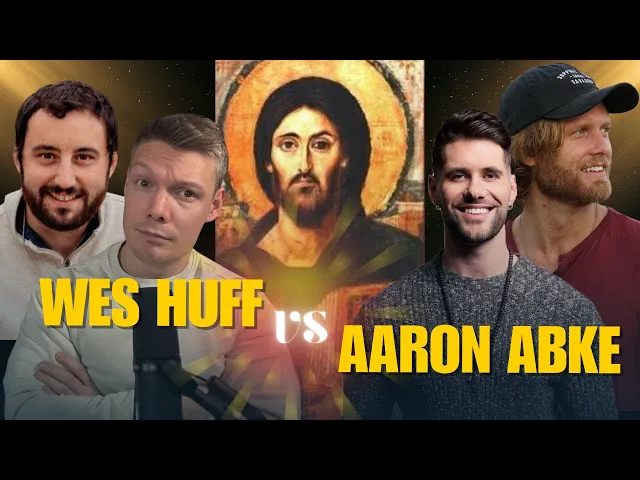








![LIVE DEBATE [ Your god is Imaginary ] 1/31/2025](https://img.youtube.com/vi/YPpVm4XOPMM/maxresdefault.jpg)