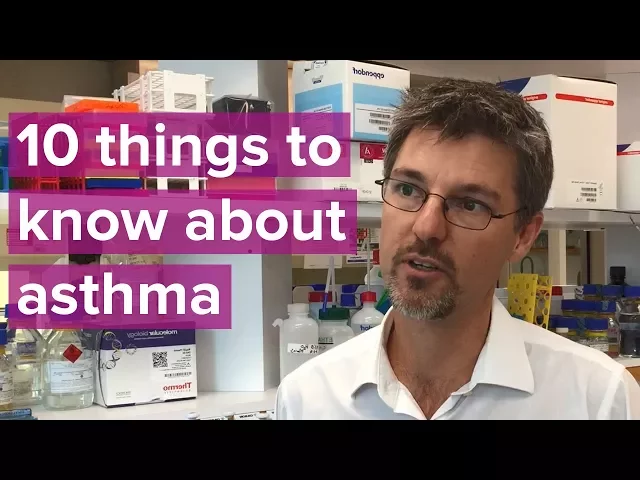
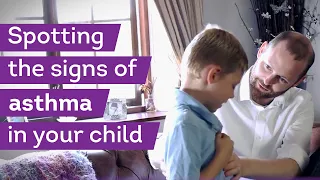
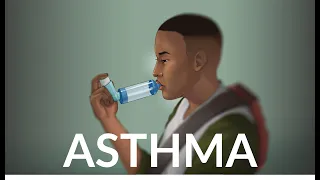
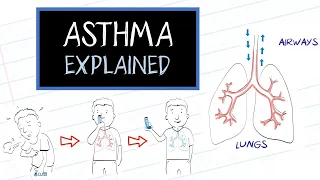
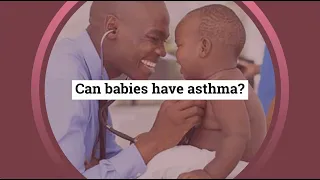
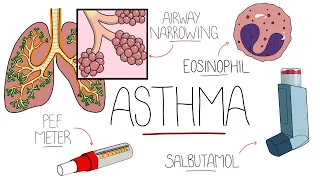
Asthma affects over half a million Australian children and is one of the most common reasons why children have to go and see their GP or to attend the emergency department so it's important that you know what the most common asthma symptoms are these can include shortness of breath, wheezing, coughing. They most often occur at night and first thing in the morning when the weather is quite cold or during physical activity. There's a 30% chance that if one of the parents have asthma then their child will also develop asthma these odds increase if both parents have asthma but it's important to remember that not all children who have parents with asthma will go on to develop asthma themselves.
There is increasing evidence that children, young people and adults who are obese are more likely to develop asthma. We also know that children who have asthma report being less physically active than those children who don't have asthma. Interestingly, children with asthma who do less physical activity seemed to have more asthma symptoms so it could be that if your child has asthma if you keep them physically active and you can maintain a healthy diet to keep their weight in the normal range you may actually decrease their asthma symptoms.
Certain environmental factors can trigger an asthma attack these include traffic pollution, but also cigarette smoke and so it's important not to smoke around the family home. Allergies to things like house dust mite, grasses, pollens and pets can also trigger an asthma attack in fact 80% of children with asthma also have an allergy. There's a strong connection between babies having eczema and having asthma later in life.
In fact, infants and young children who have eczema are 70% more likely to go on to develop asthma than children who don't have eczema. Shortness of breath and wheeze are the most common asthma symptoms but persistent cough can also occur, particularly at night, in the mornings or when the weather is cold. Symptoms can occur in children younger than five years of age but may also be due to things like croup or reflux and it's important to talk to your doctor if these symptoms persist regularly.
Viral infections such as colds or flus cause up to 80% of asthma attacks in children. The best way to keep your children safe is to make sure that everyone in your family has a flu vaccination every year. Asthma is a chronic health condition it never really goes away and there is no cure however, some children do seem to grow out of their asthma.
Up to one in five by the time they're 19 may not have any symptoms and may not need an inhaler. So the best way to control your child's asthma is to use the right treatments at the right time. Talk to your GP, get an asthma action plan and make sure that you update it at least once or twice a year.
The best way to manage your child's asthma is to know their triggers and how to avoid them. Talk to the GP and get an asthma action plan and make sure that you follow it. Get your asthma action plan updated once to twice a year let your school and sporting groups know that your child has asthma and make sure that they know what to do in case there's an emergency.