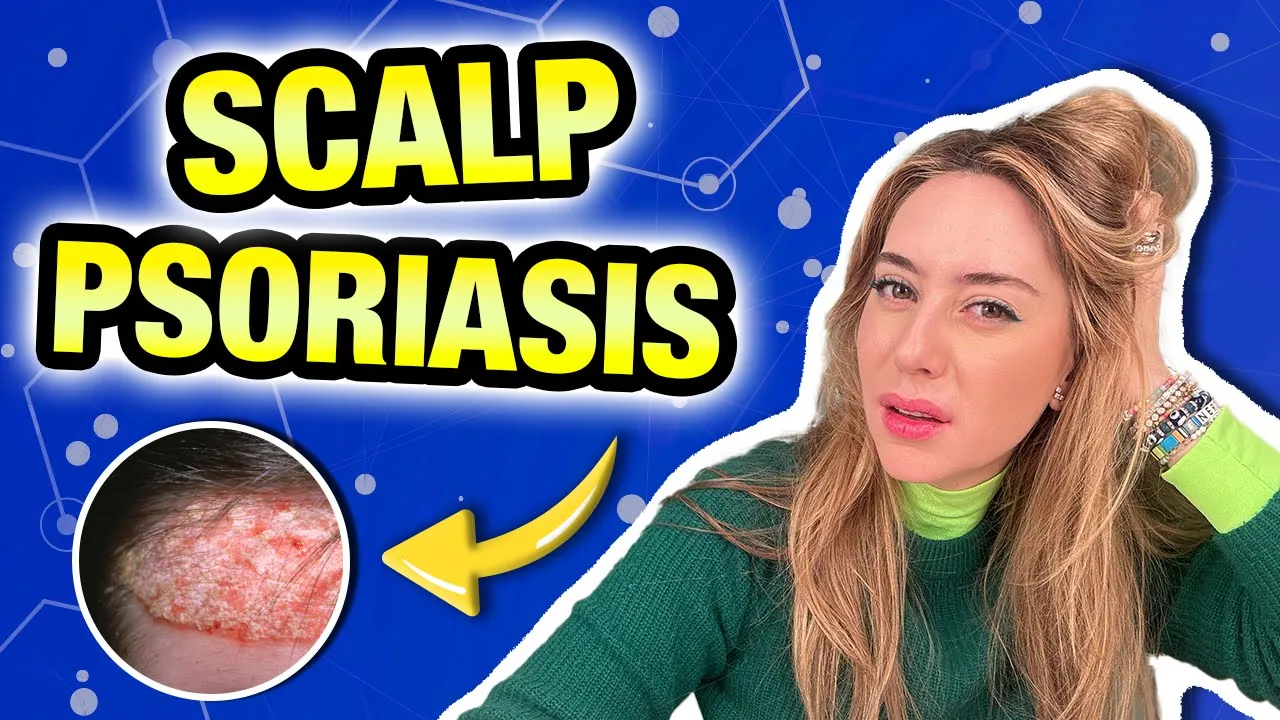
welcome back little nerds to Pillow Talk Derm I'm Dr Shireen Idris a board certified dermatologist and today we're going to cover practical tips as well as how to treat scalp psoriasis because it affects a lot of you guys out there and it's one of those things that is going to live with you throughout the course of your life if you have not subscribed subscribe below we do this thing called pillow talk durm every Saturday at 10: a.m. and let me know what you want to learn about next week but don't forget to like this video
in this video we're going to talk about what scalps orasis is who gets it why they get it what causes it practical tips you can do at home followed by over-the-counter treatments and then we're going to go into in office to understand the lay of the land so you don't get overwhelmed by your options because scals orasis is one of those things that is often misunderstood it is part of the psoriasis family psoriasis is one of those chronic autoimmune conditions that affect a lot of people out there and they don't even realize they have it
additionally it often comes with a stigma where people look at you and go o is that contagious and unfortunately that still happens it is not contagious and honestly that stigma should die your body attacks its own immune system and you know how our skin can regenerate every 28 days where it goes from the bottom layer up and then sloths off um very microscopically you do not see your dead skin cells shedding the reality is with psoriasis your skin cells do not want to leave your body and it doesn't release sloft off so it starts to
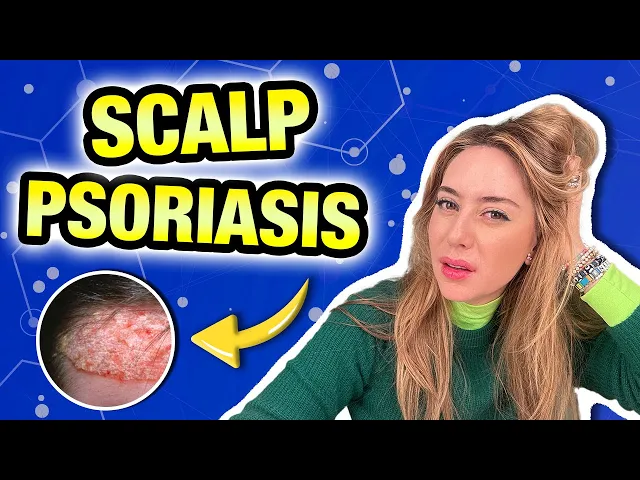
build up in addition to getting an accelerated rate at which the skin cells renews itself so it's a double whammy where it's growing faster and it doesn't want to schlough off and it just sticks on the surface of your skin and it appears as these red raised silvery flaky scaly plaques that can sometimes bleed that can sometimes look worse than what they are but imagine a bottom of a foot that's really dry with a mound of skin all over your skin on your body but more importantly so on your scalp and you'll feel little tiny
quote unquote mountains you'll feel little plaques you'll want to scratch them off you look at your hands and you might see dead skin cells you might seem like you have a lot of dandruff on your scalp but that's usually the overall picture the important part to note is that in addition to what it looks like it can often be very itchy so you're going to want to scratch it can often feel very sore it may lead to the breakage of your skin bleeding infections and whatnot and you might get some temporary hair loss but it's
important not to confuse it just with dandruff dandruff is a condition caused by yeast that lives on our skin and even our scalp but the confusing part though is sometimes you can have a two picture this is my lip balm by the way you can have a two picture situation where you have sibo sear dermatitis dandruff psoriasis where they live together and they coexist so how do you know if you have psoriasis other signs may also happen if you look at your nails you might notice tiny pitting of your nails and that's usually a sign
of psoriasis and additionally if you have joint pains especially in the morning when you wake up it may be a sign of psoriasis who gets it anyone can get psoriasis regardless of race or gender it usually starts around the ages of 15 to 35 and 45 to 65% of people have scalp involvement some people do have genetic predispositions but it can really affect anyone anywhere of any race of any height of any gender of any mental status although stress does make it worse so what causes scalp psoriasis number one an immune dysfunction that is the
root cause of psoriasis your immune system mistakenly attacks your own skin health and therefore your skin cells will not want to let go of themselves and not FL SLO off number two accelerated skin cell growth like we talked about that double whammy where not only is it not falling off but it's also growing slightly faster number three I mentioned stress environmental triggers can cause psoriasis to come into effect anything that stresses your body your mind Etc can cause your immune system to dysfunction and can result in something that is autoimmune like psoriasis it doesn't necessarily
have to be psoriasis but stress is a factor strep throat can cause psoriasis to get triggered yes an infection like strep skin injuries certain medications and extreme weather conditions can exac masturbate it hormonal changes can make sioris worse like puberty and menopause hence 15 years old is when it kind of starts to kick in menopause it definitely can kick in as well and guess what makes it better this is one thing about pregnancy that your body will really enjoy I don't know for me pregnancy was a very tough experience but pregnancy will make your psoriasis
better because when you are pregnant you become immunosuppressed and your psoriasis will get better but it will flare up once the baby comes out lifestyle factors excessive alcohol consumption and smoking are no good as well as obesity can increase worsening of your psoriasis so that is a big picture of what psoriasis does when it comes to your scalp anything above 10% involvement of your scalp is going to require a little bit more rigorous treatments anything less than 10% body surface area of your scalp is going to require less you can kind of do at home
so things that you guys can do at home to help yourselves starting with the boring that hopefully you adhere to is limit alcohol limit smoking those are two easiest things to do that will help minimize flare ups of your psoriasis anti-inflammatory foods rich in omega-3 can also help like salmon Etc or take fish oil additionally vitamin D can also help minimize flareups as well as avoiding excessive heat and scrubbing we're going to get into this in a hot second but you don't want to be scrubbing so hard where you're causing your scalp to bleed and
making it spread to other areas of your scalp and you want to make sure that you are avoiding any sort of excess dryness so in Winter you want to keep your head warm you want to wear a beanie especially if it's cold out or if the air is dry you want to do things to help yourselves so how do we treat scalps orasis then at home with over-the-counter things that are available to us starting with over-the-counter medicated shampoos this this can really make a difference in your lifestyle how you approach life your quality of life
and the appearance of your scalps Isis now it may sound a little bit silly but the reality is if you're dealing with this every single day it's going to take a mental toll and people might be looking at you and it might make you feel weird so do everything you can to help yourself medicated shampoos include shampoos with coal tar coal tar has been shown to reduce inflammation has been shown to soften the scalp and has been shown to relieve itching and slow the cell growth cycle it can be applied once a day at night
but it's probably going to make your hair a little bit dry so you want to find that right balance if you have long hair on how often you want to apply it to your scalp or shampoo with it and sadly Neutrogena te gel which in my opinion was one of the most available options on the market is no longer I don't know why they discontinued it but they did but I'm going to link below other colar shampoos other medicated shampoos that can also help reduce scale and inflammation are shampoos that address dandruff even though you
don't know if you have a mixed picture using a shampoo that addresses dandruff might help the overall picture so why not incorporate it so anything with zinc I can never say this parione or S selenium sulfide or ketoconazol so head and shoulders celsin blue neral take your pick incorporate it into your hair care routine throughout the course of the week when you apply the shampo shoo especially the anti- dandr shampoo that's available over the counter that's formulated for washing your hair not necessarily just a medicated shampoo I would apply it to my scalp really focusing
on the scalp massage it in and maybe do a head wrap to keep it warm before I go into the shower hoping to break up any sort of buildup or scale this is also going to come in handy as a lifestyle tip before you take a shower you can use any sort of oil like a coconut oil or mineral oil apply it to your scalp massage your scalp and do a warm head wrap to really try to soften those scales so that they break up gently being the key word because when you scratch your scalp
there's something known as kemner's phenomena which basically means that anywhere that you're scratching that's not affected might get triggered into being affected so you might be making the overall picture worse hence why I hate head scrubs especially for people with psoriasis and why I tell people do not pick at your flakes do not try to rip them off because you're never going to rip it off perfectly exactly where it's at and you might get unaffected scalp triggered so that is something I would tell you to be careful of other scale softeners that exist are salicylic
acid over the counter as well as shampoos so if you don't want to wash your hair necessarily every day you can get salicylic acid in a dropper that can literally be applied this is where maybe a dropper comes in handy to the scalp plaques themselves and massage it into the plaques allowing it to sit and I would even do this 30 minutes before I shower so that it really does get absorb or even after the shower if there's still a plaque so that it really then penetrates better other softeners include Ura or even lactic acid
anything that you apply on your face you can apply to your scalp it may not be cosmetically elegant but if you do it before the shower you're going to wash it off and then you use the more cosmetically op cosmetically elegant option afterwards a third option that you guys can do at home is applying a retinoid now this is more of an unconventional one we'll talk about vitamin A derivatives and scalp psorasis but applying a retinoid to some of these patches might help accelerate um how it's turning over not necessarily cell growth so it's a
fine balance there um you want to make sure that you're not triggering inflammation though so you want to go low and slow it's about consistency over intensity and the fourth most available option to all of you you guys over the counter which is one of the mainstream ways we used to treat psoriasis solely is using a steroid so over the counter hydrocortisone can definitely help as well especially after the shower when your scalp is moist and damp applying it to those spots to allow it to calm down is going to help minimize the itch is
going to help minimize the irritation and therefore is going to minimize any sort of inflammation and block you from wanting to do this to your scalp over the counter Hydro cortisone though is probably not going to be strong enough it is the lightest type of steroid available to us to treat this but something is better than nothing and honestly if you can help yourself and if these things make any sort of impact on your scalp it's going to help your quality of life dramatically now moving into in office I think it's important that we note
a couple of things when do we go into office we go into office when The over-the-counter care is not enough and it's continuously getting worse or it's affecting our quality of life and our mental status number two if 10% of your scalp surface area is covered in psoriasis you go straight to the office and we'll talk about that in a second when we get into oral and injectable medications if you are experiencing joint pains you go into the office again we're going to talk about that about oral and systemic medications but if you don't have
it under control and you need help try to find yourselves a local board certified dermatologist who can help you through this ordeal because it's going to be a chronic thing you're living with throughout life and it's going to e and flow and the more empowered you are to take care of it the better so in office we start usually if it's usually minimal and not that extensive with topical steroids not hydrocortisone like I said that's the lightest one it has several classes when you're talking about steroids and we have several different potencies within each range
and depending on the formulation if it's a foam or if it's an ointment some adhere better and therefore work more effici ly to your skin and so we kind of have to H figure out this song and dance between the dermatologist and the patient to understand which one works better but like I said it works by reducing inflammation it reduces cellular proliferation it constricts blood vessels so it's not going to be as infl inflamed and usually use it once a dayish I would tell that because nobody wants to apply it on long hair in the
morning at night and therefore we usually go stronger in terms of the steroid that we use and we can use it for up to 4 weeks but we must take breaks with any steroid if you use it consistently forever you're going to thin your skin out you're going to get other problems and the biggest risk is if it's a very strong steroid that's being used on a larger body surface area and this is pretty big your whole scalp your palm is 1% so 1 2 3 4 five six it's usually around 10% of your body
surface area 5 to 10% depending on how big your head is I have a big head you want to make sure that you're not getting systemic absorption long term but also it can affect the the bone density long term if you're chronically doing it so just things to be aware of number two in terms of topical prescriptions we have vitamin D analoges like calop calop patrial which is also known as Doven X and this is a great alternative to a steroid because it doesn't come with those side effects and so sometimes patients will use this
on the weekend and use the steroids during the week and this will help reduce inflam inflammation and normalize any sort of keratinization of your scalp it works really well when used with a steroid alone it's not the best thing since sliced bread but it's a great option to give your skin breaks now like I said when you think about anything systemic oral or injectable when we have joint pains and when we have more than 10% of our scalp affected because topical alone is not necessarily going to help why do we need to go on something
something systemic if it just affects our skin because psoriasis is a chronic inflammatory Condition it's not just affecting what you can see visibly but it's also affecting internally and it can have the same risk as smoking alone on your heart health and you want to make sure that you're not having inflam inflammation in your blood vessels and around your heart which can lead to unfortunately heart attacks Etc so we want to make sure that we are treating it because what we see on the surface of our skin is a reflection of what might be happening
internally plus if you have joint pains that's a sign of seratic arthritis which borders now on other issues that can also happen that can affect your joints and so you want to make sure that you're treating those so that your joints don't worsen as you get older they don't become completely hardened they don't become useless to you as you get older and they don't become a nuisance so oral medications is where we were like 15 years ago 20 years ago and when I was in training biologics which is the injections started to come out and
become more commonly used so oral medications that you usually see are for example Stine which is a type of vitamin A similar to Accutane but usually used just for psoriasis and it helps with psoriasis but it can cause worsening of dryness and irritation it's not great you have to monitor your blood the same way you would with Accutane Etc methyl trexate is another strong medication that reduces inflammation and suppresses your immune system it can be very effective for severe psoriasis but you can't be on it forever because it can affect your liver so you have
to constantly check the overall dose that you've gotten in your lifetime and you want to make sure that you are on top of it if your psoriasis is so bad might be worth starting with it and then switching but if you've been on it for several years talk to your doctor about making sure your total dose has not surpassed What You Need cyclosporin is Another immunosuppressant it can have serious side effects on your kidneys but it can also be a GameChanger in reducing inflammation quickly and symptoms very fast especially if you have joint pains and
then OT Tesla is one of the newer ones on the market and has much fewer side effects than the rest and it works by reducing the inflammation in your body body and it is often used for moderate psoriasis which leads me to now systemic biologic therapies and I go like this because they're usually inject injections and this is a newer type of treatment that works by targeting your immune system newer being in the last decade is or so and it helps by controlling specific proteins and molecules that are involved in your immune response we're not
going to get into the nitty-gritty of it but the three biggest ones are tnf Inhibitors like embell which you get once a week then you have il12 and il23 inhibitors like stara which you get usually a cou once a week and then once a month and then you do it on your maintenance dose once every 3 months which is great because you don't really have to think about it it's also great if you have irritable bowel disease like Crohn's because that's also an autoimmune condition and then we have IL 17 Inhibitors like kenics which is
great at blocking your immune system in terms of causing inflammation and skin cell production and it is probably the most effective one um but this is once a month so depend depending on your lifestyle depending on your medical conditions and your history you and your doctor will figure out which one is the best one for you but this is especially helpful if you have moderate to severe scalp psoriasis or joint pains or other issues going on as well in terms of autoimmune conditions it can affect your entire immune system so you do have to be
a little bit more careful but you don't have to be a Bubble Boy you know that expression of people who are immunosuppressed living in a bubble you don't have to live your life in that way you can live your life regularly in is but if somebody is sick you might want to stay away or wear a mask just in case and it can provide long lasting relief from flareups even after treatment has stopped and we've seen this so it's very very exciting so those are pretty much in a nutshell your treatment options from A to
Z I did not mention intralesional steroid injections almost like you would inject a pimple if somebody has a big event and they need a steroid injection to a scalps Isis you can but I don't love doing that because it will trigger and it will get worse longer term plus if you only do that you might decrease your bone density over time like years so you have to be careful I hope this was helpful I hope the Practical tips were helpful I hope the at home tips were helpful but if you guys have any systemic symptoms
joint pains more than 10% of your scalp affected go in to see a board certified dermatologist to help you through this problem because you're going to need more than over the counter treatments I'm Dr sharine Idris I hope this was helpful have a beautiful Saturday and if you guys have any questions as always leave them below [Music]