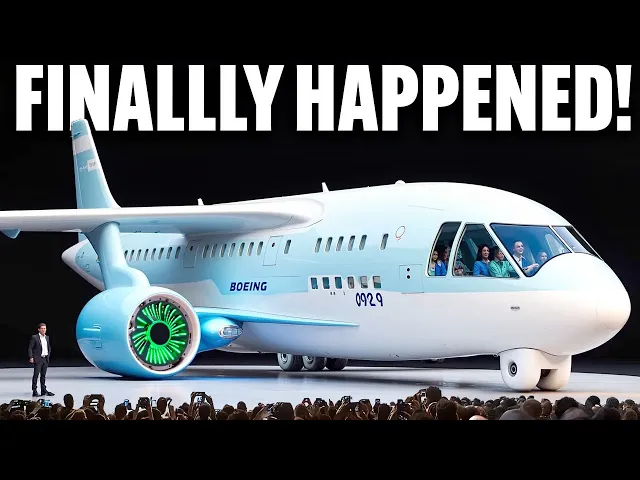
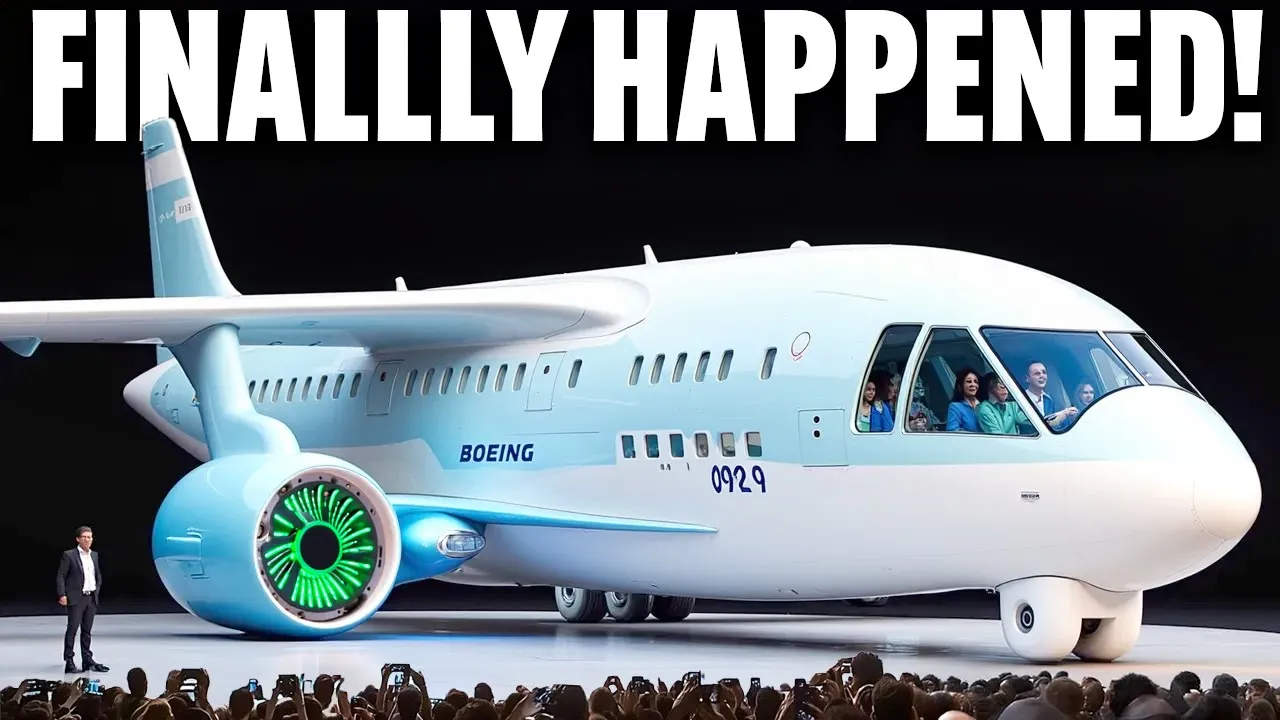
Just minutes ago, a new aircraft emerged, ready to crush the entire aviation industry. With each new model—Tri seven hundred, seven thousand three hundred, and now the Seven X series—Boeing has pushed the limits, carrying up to three hundred ninety-six people over eight thousand nautical miles. What might happen if Boeing's newest innovations start reshaping the aviation landscape even more dramatically?
Let us explore how the latest developments might redefine our flying future. The Triple Seven stands out because it’s built for really long trips. Its wings stretch over two hundred feet, and it can fly more than eight thousand nautical miles without stopping.
It can carry up to three hundred ninety-six passengers in three different seating classes, making it a flexible option for international airlines. When the Tri Seven was first introduced, it made a big splash with its focus on saving fuel and keeping passengers comfortable. But as it soared above the Atlantic, halfway through its journey, an unexpected message crackled over the cockpit radio, chilling the seasoned pilots to the bone: But that wasn’t the biggest change the Triple Seven brought to the table.
Known as the seven seventy-seven, based on its model number, this plane has had a huge impact on the world of passenger jets by combining efficiency with the ability to carry lots of people. It’s a cost-effective choice for airlines flying long distances and plays a key role in connecting countries around the world. A big part of the Tri Seven’s success comes from its powerful GE ninety engine, made by General Electric.
This engine, first used in nineteen ninety-five, is famous for its strength and fuel efficiency, making it one of the most powerful jet engines in the world. Its fan blades are made from advanced materials that help save fuel and reduce emissions. But the story doesn’t end there—new innovations, like three-dimensional-printed parts and improved aerodynamics, have made the engine even better, keeping the Triple Seven at the cutting edge of aviation technology.
Computer graphics played a big role in building the Triple Seven. Advanced 3D modeling and simulation tools were used to improve the plane's aerodynamics and structure. Engineers could test different designs in a virtual world, allowing them to find ways to make the plane more fuel-efficient and perform better.
These high-tech models were especially important in shaping the Triple Seven's unique wings, which have raked wingtips and sleek, efficient shapes. Inside the cockpit, modern electronics and fly-by-wire controls changed how pilots fly the plane. Fly-by-wire technology replaces old mechanical controls with electronic ones, giving pilots more control and making flying safer.
The cockpit has advanced glass screens and automated systems that make complex flying tasks easier, which helps make the plane more reliable and simple to operate. The Triple Seven shows just how far aircraft engineering has come, highlighting the huge steps forward in technology. The lasting success and impact of the Triple Seven can be seen in its continued popularity and influence in modern air travel.
But that wasn’t the only improvement made. In late two thousand nineteen, the Triple Seven X was introduced, taking everything great about the previous models and adding even more advanced features. The Triple Seven X is now the largest and most fuel-efficient twin-engine jet in the world, bringing big changes to long-distance travel.
Let’s look at the Triple Seven X, a new leader in air travel. Elevating Flight The Triple Seven X comes in two main versions: the seven hundred seventy-eight and the seven hundred seventy-nine. The seven hundred seventy-nine, which is bigger, can hold up to four hundred twenty-six passengers in two-class seating.
Both versions have larger wings, thanks to new composite wing technology that helps the plane fly more smoothly. These wings can stretch up to two hundred thirty-five feet during flight and have winglets that make the plane even more fuel-efficient by reducing drag. The cabin of the Triple Seven X has also been redesigned to give passengers more space and comfort.
It’s built for long flights, with bigger windows, better lighting, and improved air quality. More efficient systems in the cabin not only lower costs for airlines but also help reduce the plane’s environmental impact. These changes show a commitment to meeting the growing needs of airlines and their passengers.
Since it first took off in the nineteen nineties, the Triple Seven has been a major player in the world of widebody airplanes. The newer version, the seven seven seven X, was designed to use the latest technology to make it faster and more efficient. Getting there, though, took a lot of planning and years of testing.
Engineers and designers worked hard to improve important parts of the plane, like adding new GE nine X engines and improving the wings to solve some challenges they faced along the way. Even with these challenges, this model has made great progress and caught the attention of airlines around the world. It mixes new technology with designs that have already worked well to give passengers a better flying experience.
One big change is its larger, more efficient wings. These wings help reduce drag and save fuel, which means airlines can cut costs when flying the plane. The GE9X engines are quieter and use less fuel, showing a focus on making flying better for the environment.
These engines use advanced materials and have a special design that makes them perform better while using less energy. This model also has nicer cabins with bigger windows, better lighting, and improved air quality, making long flights more comfortable for passengers. But it’s not just about comfort.
This aircraft has advanced systems that lower the cost of maintenance and daily operations, proving that it’s a big leap forward in aviation. It sets a new bar for long-distance travel by combining new features with the trusted design of the original seven seventy-seven. One of the most impressive parts of this model is its GE9X engine.
It’s the biggest and most powerful jet engine ever built. A lot of research and development went into making sure it delivers top performance while using less fuel. Its unique design allows more air to pass through, which not only makes it more fuel-efficient but also cuts down on noise.
The GE9X engine is not only more fuel-efficient but also runs quieter than many others. It’s made using special materials like ceramic matrix composites, which make it lighter and more durable. This boosts its overall performance.
Its fuel efficiency is a big improvement over older engines, helping airlines save money and cut down on greenhouse gas emissions. These changes fit perfectly with the industry’s goal of becoming more environmentally friendly. Now, we focus on the GE9X engine, a key piece for quieter, efficient flights.
The GE9X and Boeing 7X Breakthrough One of the standout features of the GE nine X is how much quieter it is, especially considering its size. Noise pollution is a big issue in air travel, but this engine uses the latest technology to reduce that noise. It’s also designed to work well with the Boeing seven X, making it a great choice for long flights.
The combination of quieter operation and better fuel efficiency offers passengers and airlines a more comfortable and cost-effective travel experience. Overall, the GE nine X marks a big step forward in aviation technology, improving speed, efficiency, and sustainability. Its use in the seven X makes that plane a top choice for those looking for a modern flying experience.
But it's not just the engine making a difference. Changes in wing design and materials are also improving aircraft performance. New wing shapes and materials like carbon fiber reinforced plastics are key to these improvements.
These materials are lighter yet stronger than aluminum, leading to lower fuel consumption. A lighter aircraft can carry more cargo and fly longer distances, which is good news for both military and commercial planes. A cool development in wing design is the folding wingtips.
These wingtips can change their position during different parts of a flight. They extend during takeoff and landing to increase wingspan, which improves lift and reduces the runway needed. Once in the air, they can fold back, allowing the plane to fit in tighter spaces at busy airports.
But that’s not even the best part—longer wings also help the plane use less fuel and lower costs. The bigger wings create more lift, so planes can carry more weight without using more fuel, cutting emissions and improving overall efficiency. Making airplanes longer doesn't just make them look bigger—it also helps them fly better.
A longer plane is more stable in the air and easier for pilots to control. This small change also makes the wings work more efficiently, especially during takeoff and landing when planes need extra lift at slower speeds. This helps reduce drag, which is the force that slows down a plane, and also saves fuel.
Lower fuel consumption means airlines spend less money, which can lead to cheaper tickets for passengers and a healthier aviation industry. Inside the plane, things are getting better too. Airlines are working hard to make flying more comfortable for passengers by offering wider cabins and better seat layouts.
Passengers now enjoy more personal space and have the ability to adjust things like lighting and temperature around them. Entertainment options are becoming more personalized too, with bigger seats, more legroom, and better storage for belongings. These improvements make flying a more relaxing and enjoyable experience.
But that's not the best part. As people spend longer hours in the air, they want more room and a more customized experience. Airlines are responding by adding the latest technology to keep passengers comfortable.
Planes now feature high-definition video screens, wireless internet, and noise-canceling technology. These features make it easier for passengers to stay connected and entertained during their flight. Ergonomic seats and improved cabin pressure systems also help reduce tiredness and the effects of jet lag, making flying a more pleasant experience overall.
As these advancements continue, passengers can look forward to even more comfort and convenience during their flights. Technology isn't just improving the passenger experience—it's also transforming the cockpit. Today’s pilots use touchscreen controls instead of the old-fashioned buttons and levers.
This simplifies their job by putting all the important information in one place, making it easier to manage navigation, talk to flight systems, and keep track of how the plane is doing. Next, we see how this technology changes the pilot’s cockpit, making flying smoother. The Revolution in Cockpit Technology But this wasn’t the most exciting change.
These new cockpit touchscreens offer multi-touch features, high-quality graphics, and layouts that pilots can adjust to fit their needs. This means pilots have the best tools to fly their planes efficiently, improving safety and performance at the same time. Modern planes like the Airbus A350 and the 787 now come with large, high-definition touchscreens in the cockpit.
These screens give pilots real-time updates on things like flight data, weather, and the overall status of the plane. This helps pilots stay more aware of what's happening and also reduces the number of physical instruments they have to look at. In addition to these screens, these planes use something called fly-by-wire technology.
Unlike older mechanical systems, fly-by-wire uses electronic signals to control the plane’s movements, which makes the aircraft more stable and allows for smoother, more precise flying. These systems also bring in features like envelope protection and automatic flight controls, which help keep the plane within safe limits. The high level of automation means the plane can adjust how it flies based on different conditions.
This not only makes the flight safer but also more efficient. Pilots can trust the systems to handle a wide range of situations, improving the overall flying experience. As cockpit technology has advanced, the way pilots interact with the aircraft has changed a lot too.
The newest cockpits have easy-to-use control panels that combine advanced systems, making it simpler to manage communication, navigation, and the engines. You'll also find heads-up displays (HUDs) and multifunction displays (MFDs) in these cockpits. HUDs allow pilots to see important flight information right in front of them without having to look away from the sky, making flying even safer.
But that’s not all. The improvement in data link technologies and satellite-based communications has made it easier for pilots to stay connected with ground control. They can exchange important information, like air traffic updates and weather conditions, in real-time.
This constant flow of data helps pilots make quicker, more informed decisions, which boosts safety and improves the efficiency of the flight. In addition to all this, modern cockpits are built with advanced safety systems to reduce risks. One of the most important systems is the collision avoidance system.
Using radar, GPS, and sensors, these systems can detect other aircraft or obstacles, helping pilots avoid dangerous situations. With all these high-tech features, today’s aircraft are focused on improving the pilot’s experience, keeping flights safer, and making planes perform better. There are still more advancements being made to ensure that flying becomes even more reliable and safe for everyone.
Real-time alerts and automated systems help pilots navigate safely. A great example is the Traffic Collision Avoidance System, or TCAS, which is now standard in most commercial planes. Modern aircraft also come equipped with advanced weather monitoring tools.
These tools give pilots detailed weather information so they can avoid bad weather and turbulence. These weather systems are supported by smart algorithms that predict changes and identify risks early. Planes today also have many emergency and fire safety systems that are far better than older models.
These systems can detect fire risks quickly and automatically take action, protecting important parts of the plane and ensuring everyone's safety. Finally, we explore Boeing's latest planes and their role in the future of flying. The Dawn of Aviation's Next Era New cockpit designs also include better emergency procedures and equipment, like oxygen masks, automatic descent systems, and clear evacuation routes.
These updates make sure that pilots are ready for emergencies and that passengers can get off the plane quickly and safely if needed. Technology in the cockpit keeps improving, with features like touchscreen controls and better safety systems, making flying safer and more efficient than ever. Boeing’s latest long-haul aircraft, the 7X series, brings even more innovation.
This series includes the Trip seventy-eight and Trip seventy-nine models, each with unique features, functions, and prices. The Trip seventy-eight is designed for ultra-long flights, connecting faraway international cities. It can carry up to three hundred eighty-four passengers and travel about eight thousand seven hundred thirty nautical miles.
One of its standout features is its new wing technology, which helps save fuel and lower environmental impact. On the other hand, the larger Trip seventy-nine can hold up to four hundred twenty-six passengers and fly about seven thousand three hundred seventy nautical miles. It's ideal for busy international routes with a high number of passengers.
While its range is shorter than the Trip seventy-eight, it makes up for it by carrying more people. Both planes have bigger cabins and better aerodynamics, making them attractive to airlines wanting to upgrade their fleets. Airlines around the world are showing a lot of interest in Boeing's 7X series.
Large carriers, like Emirates, have already placed big orders. Emirates, in particular, has committed to buying one hundred fifteen of these aircraft, including both Trip seventy-eight and Trip seventy-nine models. This shows just how high the demand is for these modern, efficient planes in the competitive airline industry.
Qatar Airways has decided to buy sixty Boeing seven hundred seventy-seven X planes, showing their strong commitment to improving long-distance flights and updating their fleet with modern technology. They picked this model because it uses fuel more efficiently, which fits their plan to reduce costs while keeping passengers comfortable. This large purchase is part of Qatar Airways' plan to expand globally and offer better services on long flights by mixing planes like the seven eighty-seven and the seven hundred seventy-seven X to stay ahead in the international airline business.
The airline is focused on bringing in newer, more efficient planes, and the seven hundred seventy-seven X is a big part of that plan. At the same time, Lufthansa has also ordered twenty jets of the same model to upgrade their fleet and improve fuel efficiency for long-distance trips. This shows how European airlines, like Lufthansa, are eager to improve their services for long routes, with many choosing this model for its advanced features.
Cathay Pacific has also committed to buying twenty-one jets. This investment is part of their plan to modernize their fleet and provide a better experience for passengers. The seven hundred seventy-seven X will play an important role in their long-distance flights, helping them serve international routes more efficiently with its advanced technology and fuel savings.
But that’s not all. Singapore Airlines, known for their top-quality service and innovative fleet, has placed an order for thirty-one jets. The fact that so many major airlines are choosing the seven hundred seventy-seven X shows how popular it is for improving long-distance flights.
Air France-KLM is also in the game, with an order for ten jets. This is part of their bigger plan to update their fleet and make long-distance flights better. The seven hundred seventy-seven X’s fuel efficiency and advanced technology help Air France-KLM stay competitive and provide high-quality service for long trips.
But this isn’t the end of the story. As these airlines start using the seven hundred seventy-seven X, the plane’s new design and great performance are set to change long-distance air travel. Its advanced technology, bigger capacity, and better fuel efficiency will not only lower costs but also give passengers a better flying experience.
The seven hundred seventy-seven X is truly changing the game in the world of long flights. What do you think about the environmental impact of expanding long-haul flights? Like, comment, and subscribe for more!