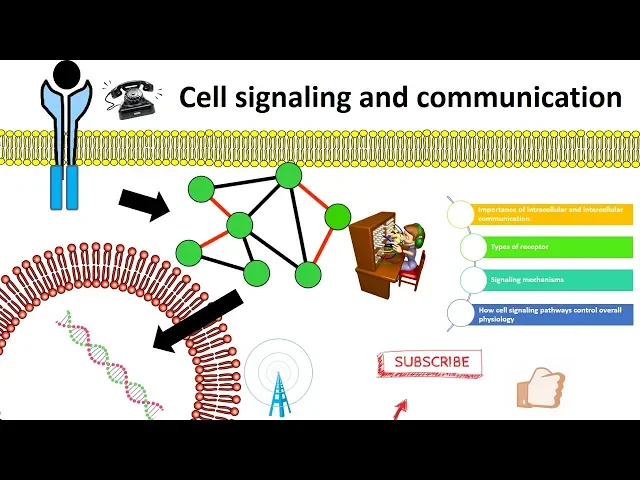
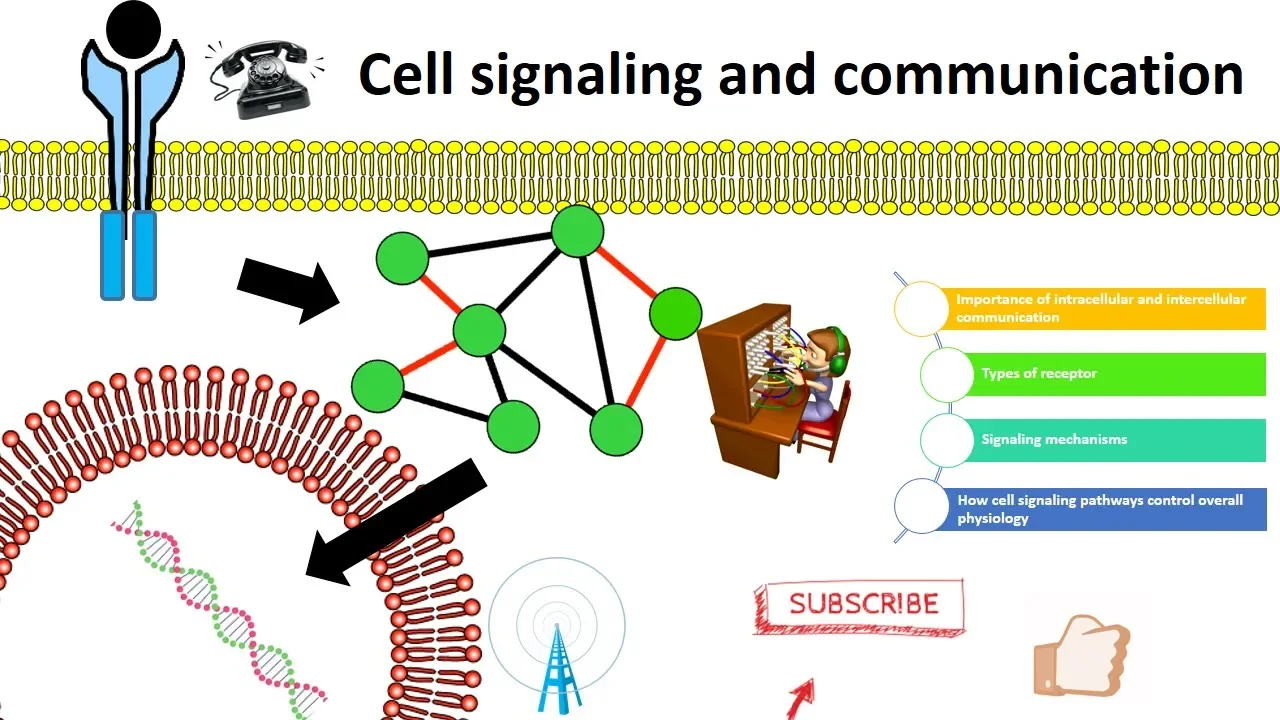
welcome to my video series of cell signaling and communication in this video series I would describe the importance of intracellular and intercellular communication the types of receptor the detailed signaling mechanisms and how cell signaling pathways controlled overall physiology so if you haven't yet subscribed my channel please hit that subscribe button and don't forget to like we don't like to stay in isolation rather we prefer to talk to each other and make new friends and build new networks just like us cells don't like to stay in isolation their together form tissues and these diesel issue organizations
form several organs like here the hepatic cells from hepatic tissue which ultimately give rise to deliver not only organs organ system need to interact with one another in order to form a large system known as organ systems so organ systems should connect each other and thereby controlling the complex cellular physiology now we like to stay connected with each other and communicate with our friends and families and we do that by a cell phone mobile Facebook Twitter whatsapp etc but have you ever thought there are so many cell types in our body how do they communicate
to each other have you ever thought how our brain cells communicate with the muscle cells and tell them to contract have you ever wondered that how our brain cells tell liver cells to secrete digestive enzymes and hormones which are important for digestion so if you are thinking about this let me tell you that there are several communication modes used by the cells in our body one type of long-range communication is endocrine communication we're the secretive messenger or the secreted signal is traversing a long way via the bloodstream and reaching its target cell when it is
receptive by the receptors on its cell surface second type of short distance signaling is known as paracrine signaling but the signaling molecules are working in a shorter range whereas there are other signalling modes known as autocrine signaling which acts upon the cell itself now all these signaling paradigms and cellular signaling keeps us a heavy organism and keeps all our organ system going but if it doesn't happen so we would die so which is pathetic now let's say we have ingested a tasty doughnut as a result our blood glucose level would increase as you can predict
that our pancreas would secrete insulin to lower the blood glucose level but wait a minute how does our pancreas knows that the blood glucose level has increased who had told the pancreas cell that our blood glucose level has increased all these details or all these mechanistic views could be understood in light of cell signaling now if you are thinking about all of these things stated in the video let me tell you while you are watching the video your you are getting visual and auditory cues which are transformed into electrical signals inside the neurons of your
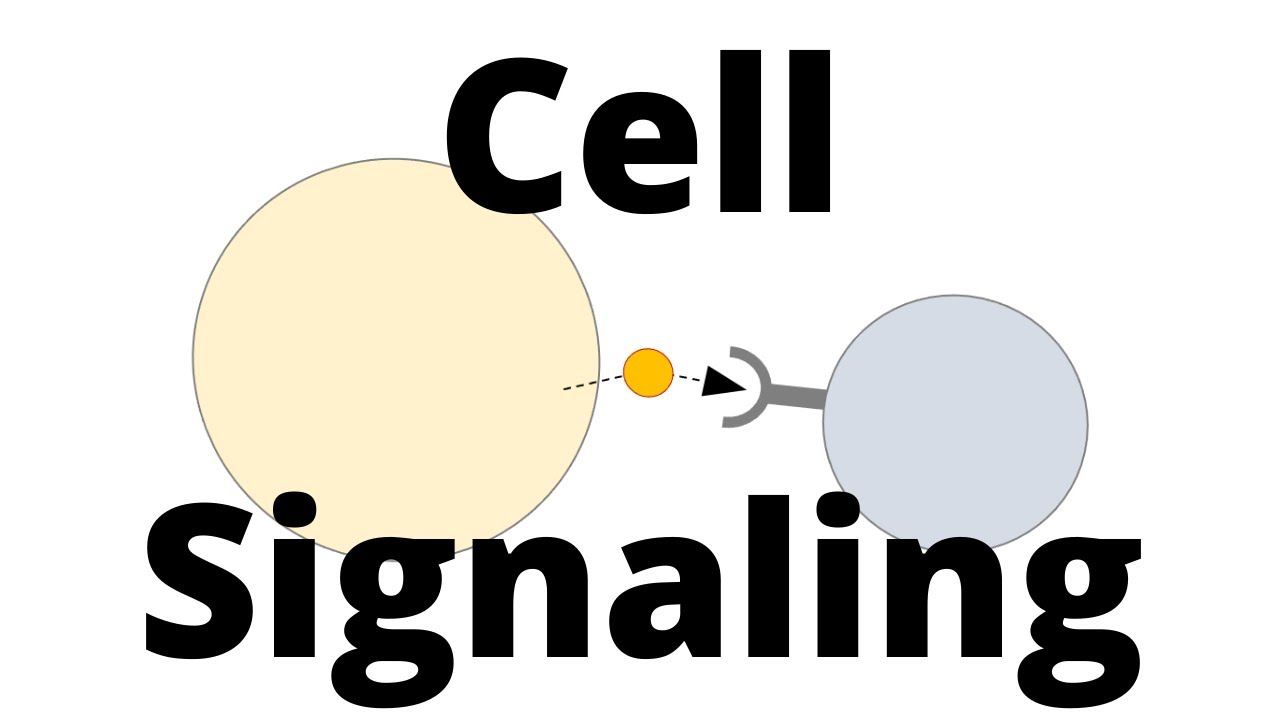
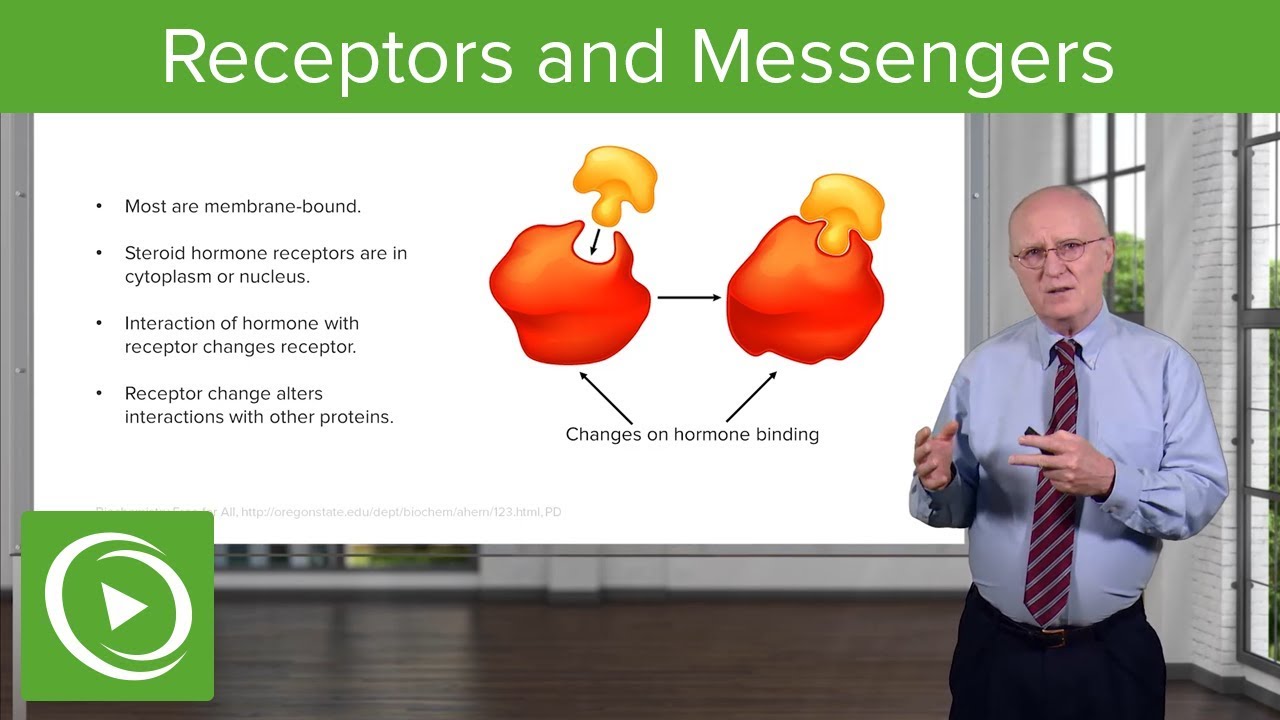
brain which is incredible how your sensory modalities is giving rise to electrical implant electrical impulses and that is decoded by the brain but indeed these signals are decoded by the brain and brain is responsive to all these signals and giving rise to output signals which controls all our organ system together and that's how we our body is functioning so that's why we need to understand the basics of cell signaling cell signaling starts with a signaling molecule signaling molecules receptive by a receptor on the cell surface or maybe sometimes inside the cells and then the signal
generated by this signal and receptor interaction would be relayed downstream by a specific molecule or all or by a relay of molecules which would ultimately give rise to a similar level response that's why understanding how these receptors are interacting with the ligand how the ligand is giving rise to receptors conformational change how the receptor is internal part of the receptor is interacting with several other signaling molecules to give round rise to cellular processes is very important now the whole complexity is dependent upon different type of receptor there are different type of receptors and different type
of choices present for the cell by which it can convey its message to other cell or it can convey its message to the deep in the nucleus and the ligands that there is receptor interact with are very different not only the big ants the intermediate players the downstream effectors all are very different together which makes a huge complexity very often it has been seen the intermediate players are not isolated they are also interacting between each other making a huge network and this is how cross talking between signaling pathways are happening which give rise to complexity
in cellular physiology and all these things account for huge complexity inside the cells and as if cell is a huge factory where several claim on several molecules several downstream molecules are workers of a big factory which are working with a synchronous communicating with each other giving rise to complex cellular processes that's why learning about cell signaling and how cell signaling can affect human physiology is very important aspect so if you liked my video give it a quick thumbs up don't forget to subscribe and share a moment with your friends and help me to grow thinking