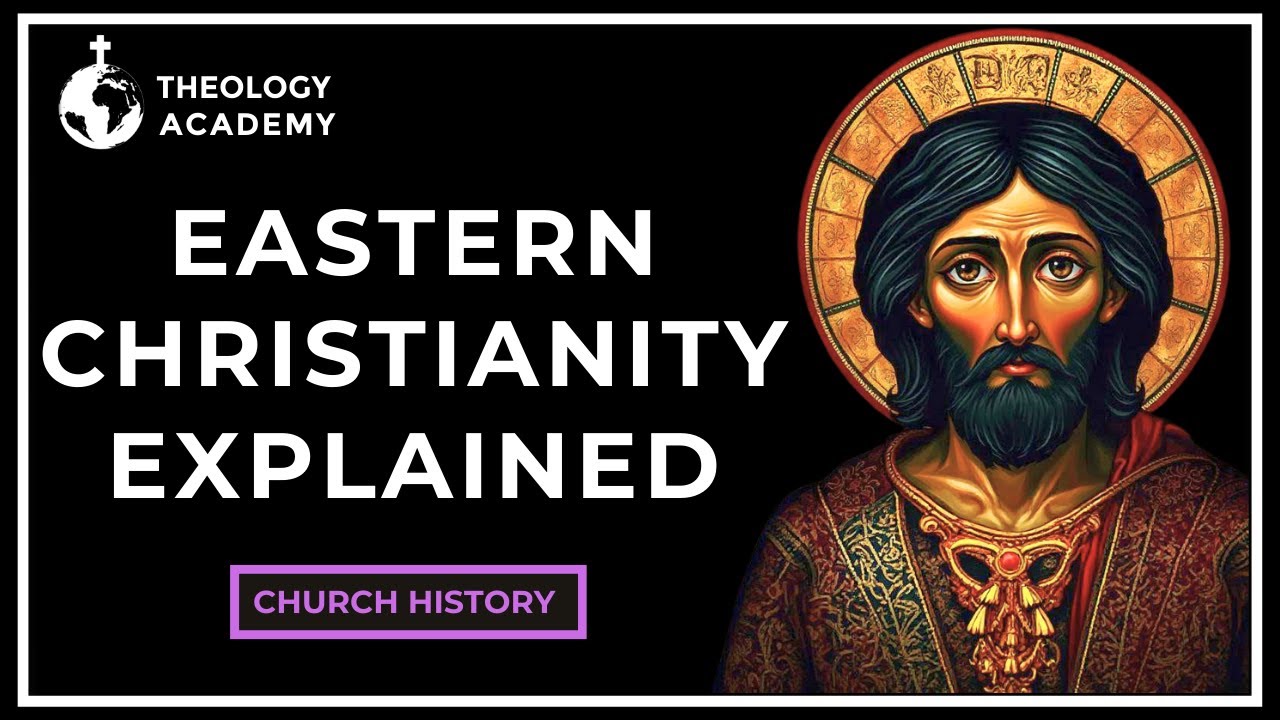
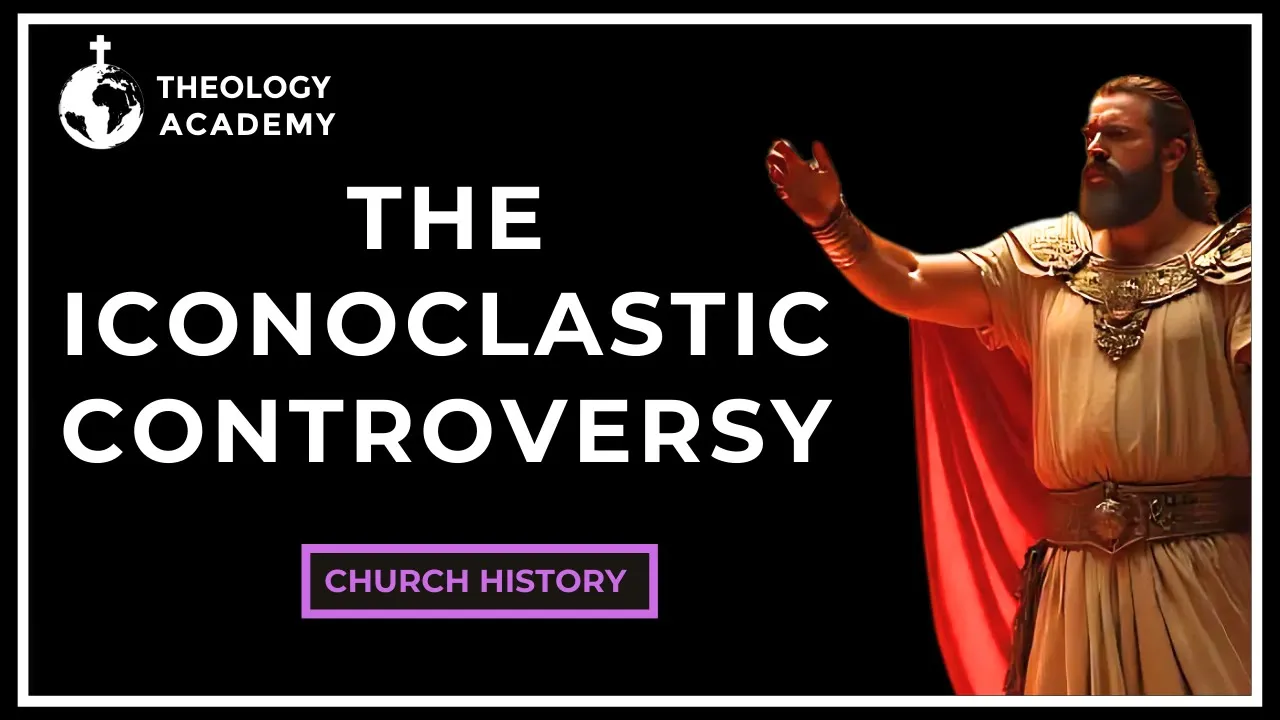
in the 8th and 9th centuries a.d a controversy arose especially within the eastern orthodox church regarding the use of icons in religious worship and instruction an icon is a representation of jesus mary the saints or angels on a flat surface either as a painting or a mosaic those who upheld the religious use of icons came to be known as iconojewels i.e lovers of images those who decried the religious use of icons came to be known as iconoclasts or smashers of images the most heated debate and actions of the controversy took place between 726 and 843
from the time alexander the great conquered eastern europe western asia and northern africa in the 4th century bc greek art and culture spread throughout his empire hero worship and art depicting heroes were common in the empire and remained in practice even after the romans conquered the greeks when eastern christians depicted their own heroes in art and incorporated that art into their worship and education jews and muslims interpreted this practice as idolatry byzantine emperor leo iii believed the rise of islam and muslim invasions were god's punishment for christian idolatry and issued edicts in 726 and 730
forbidding the religious use of icons and calling for their destruction the reaction from iconojewels especially among the monks and laypeople was fierce and sometimes violent leo iii deposed exiled and replaced germanus the iconodual patriarch of constantinople as part of his quelling of the unrest in the capital monk and theologian john of damascus wrote the iconoduole's most comprehensive and systematic work defending the use of icons in response to the accusation of idolatry john explained that latria is the highest form of worship and is reserved for god alone iconoduals he said do not worship icons in this
sense however there is a form of veneration lower than worship called proskunisis and this veneration he claimed is appropriate for icons in response to the accusations of breaking the second commandment about not making graven images icona jules reminded icono class that god had chosen to use a serpent on moses staff to stop a plague in numbers 21 4 through 8 and graven cherubim to cover and protect the ark of the covenant in the tabernacle and temple iconoduels explained that the old testament prohibition against making images was only temporary until the incarnation iconageal arguments also included
stories of icons speaking moving healing and performing miracles iconoclasts rejected those stories as fiction and both sides claimed their positions more accurately reflected a proper understanding of the human and divine natures of jesus christ byzantine emperor constantine v vigorously continued his father's campaign against icons and convened an iconoclastic synod in constantinople in 754 which he claimed to be ecumenical the synod concluded that those who worshipped icons were guilty of christological errors and the only valid icon of christ is the eucharist this iconoclastic trend continued among the emperors until the byzantine empress irene turned the tide
in favor of the iconoduals she replaced high-ranking officials with icona jewels and convened an iconidual council which history remembers as the council of nicaea ii in 787 unlike its 754 predecessor this council did include representatives of the pope and of the bishops of alexandria antioch and jerusalem the council destroyed the documents associated with the previous iconoclast synod and pronounced the errant synod's decisions invalid there were still two more shifts in the debate before its intensity waned in the mid-9th century in the east emperors leo v michael ii and theophilus pushed the byzantine empire and eastern
church back in the direction of iconoclasm by reiterating the 754 synod of constantinople's decisions in the west the new carolingian christians of frankish origin were coming into power and also took a moderate iconoclast position they believed eastern christians were worshiping not merely venerating the icons thus the carolingian theologians especially theodolf of orleans in his caroline books spoke out against the iconoduals the roman pope hadrian however took a moderate iconogel position resulting in a rivalry in the west between the carolingians and rome that broke out over the same controversy that had so recently beset the east
the final shift in constantinople came thanks to byzantine empress theodora who convoked one more synod in constantinople in 843 which revived the decisions of the council of nicaea ii and proclaimed an annual celebration to be held every march 11th called the feast of orthodoxy in the byzantine traditions the feast celebrates the end of the icon controversy and the use of icons in religious contexts of worship and instruction continues among the eastern orthodox church today [Music] thank you for watching this video to keep theology academy videos free please consider making a tax-deductible donation at www.theology-academy.org donate