in the 1970s a small uncontacted tribe called the tacd was discovered in a remote Philippine jungle they lived as if it were thousands of years ago loin cloths made of orchid leaves rudimentary stone tools no weapons a diet of fish wild bananas and frogs got to get that protein in their Discovery was promoted heavily by Philippine president Ferdinand Marcos anthropologists and journalists flock to the Philippines to study them there was a tidal wave of excitement surrounding the whole thing except it was all a lie investigations in the 1980s revealed that the tasad die were actually
coerced into pretending they lived in primitive conditions the reality they were modern clothing used contemporary tools and were basically not much different from other rural communities in the Philippines government officials had carried out the hoax to draw publicity to the nation and somehow profit off the management of the tacd forest lands for centuries Millennia even actual uncontacted tribes have been just kind of living their lives except that is until invador arrived because as we'll see most of these uncontacted tribes have in one way or another been contacted it's gone horribly wrong in many cases actually
and at the root of its resource extraction rubber Barons and loggers and gold miners and even missile testing and so this line that the Filipino government told is kind of telling because it cuts to the heart of an issue that governments and Nos and anthropologists and entire governments are all grappling with what's more important Economic Development or preserving a culture an entire way of life that may soon be lost forever let's get into it this is forto Maldonado in Peru in the last few decades it's ballooned from a Backwater Village into a city of nearly
100,000 along the Madre delos River in the Peruvian Amazon but scarring the rainforest landscape surrounding the city are dozens of gold mines and logging a lot of them illegal the Peruvian government has let this resource extraction go on basically unregulated in the hopes that it will spur economic growth but deforestation caused by by these operations have been encroaching on the mascao also known as the Nal a partially uncontacted people with as many as a thousand of them split between four tribes living in the forest along the Madre delos River as more Forest disappears more Masco
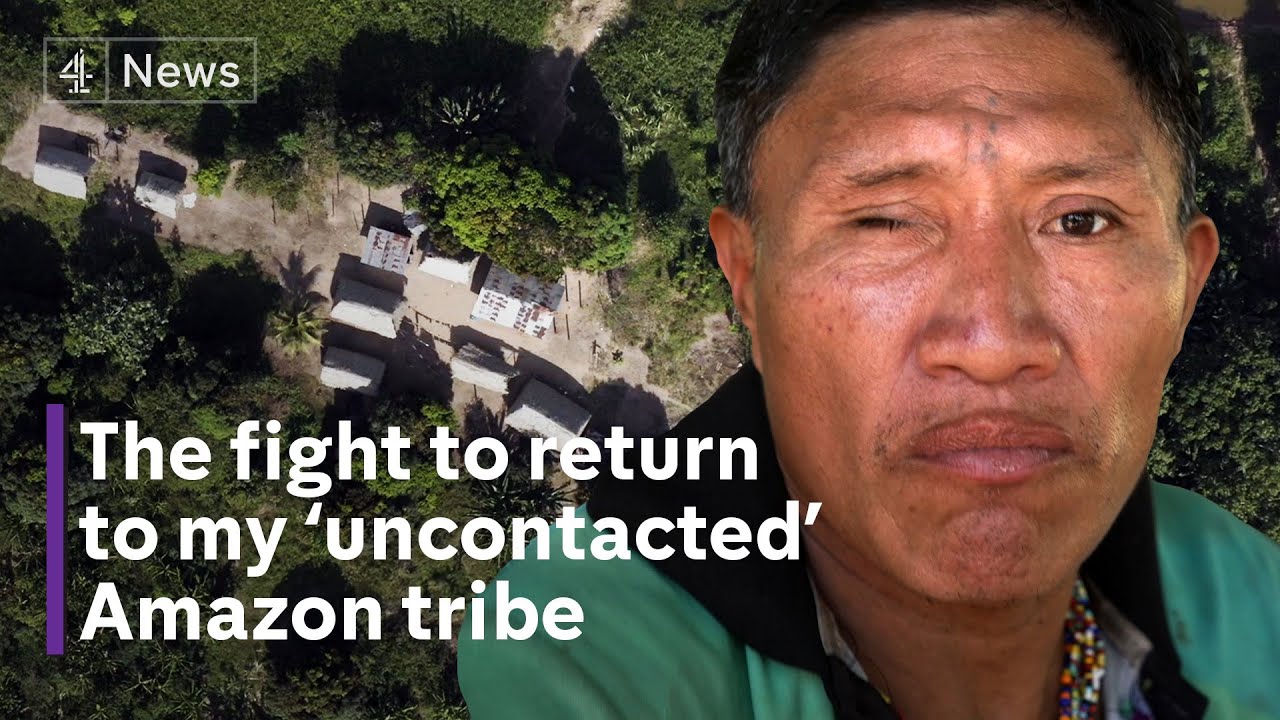
are appearing on the banks of the river and seeing them could mean trouble the tribe has been notoriously hostile towards Outsiders passing boats have been met with waves of arrows signs like this one have gone up along parts of the river warning people to stay away and the Peruvian government has banned contact with the tribe out of fear that they could be infected by modern diseases they haven't built up immunity to yet there have been some people trying to bridge the gap between this tribe of nomadic rainforce hunter gatherers and their sedentary indigenous neighbors like
the Y one of them was a guy named shako Flores shako Flores was a local yine farmer and River guide living in Diamante near the Manu National Park where the Masco tribe were known to live he knew some of the tribes language and struck up relationships with some of their leaders he gave them things like bananas and tools and they would not shoot him I guess until they did apparently Floris had stopped giving the Masco gifts not wanting to make them relying on his charity but the Masco didn't like this and one day in 2012
shako florus was found in his garden with one of their arrows through his heart it's a problem for the yin speaking matsena people living near the wandering tribe there have been councils set up by activists trying to set up peaceful relationships between the settled tribes and the wandering Masco who are more and more frequently raiding their Gardens and farmland his councils haven't been too successful when the nomal took the life of another indigenous man named Leonardo ptis the matka sent a group of men armed with guns to seek revenge all they found was a hastily
abandoned camp but they destroyed it and threw the arrows Left Behind into the river it was both a defensive move and an act of punishment those arrows are made of a type of cane that can only be harvested once a year so it was likely a tough blow to the nomal weapons Arsenal the reasons why the Nal are so reclusive and antagonistic towards Outsiders can be traced back unsurprisingly to early contact with Europeans if you're unlucky enough to be seen by Van of the Nal tribe you might hear the word pishtaco aggressively yelled at you
this is a word for a devil-like person who wants to steal the oil from the bodies of the people in the tribe it's a word that supposedly originated in the 1500s when Spanish explorers frustrated by how the jungle humidity rusted their muskets resorted to taking out people in the tribes and boiling them and using the fat to grease up their metal in their muskets and then came became the rubber Barons or ceros as they were known locally the self-proclaimed king of them was a guy named Carlos Fitz caral who was made famous in Warner herzog's
1982 film Fitz galdo in 1894 Fitz gal had a vision of grandeur already a wealthy man from his rubber business he wanted to find an Overland route connecting the urubamba river in the Peruvian Amazon with tributaries of the Brazilian Amazon a route that could turn his rubber business into a rubber Empire to do this Fitz gadal had to recruit people from the indigenous Amazonian tribe I mean like a lot of people many of them forcefully it's the start of what could be called an Amazonian genocide fit garal managed to form an alliance with the ashaninka
people who then helped him enslave anyone who refused to work for him in his rubber business tribes turned against each other slave raids were common and caught up in all this were the Masco the Expedition set off into the dense jungle with thousands of indigenous workers hacking through the vegetation Fitz gal's plan was a crazy one he wanted to sail an iron-plated Steamboat loaded up with railroad ties to the headquarters of the udub Bamba from there native laborers laid a track over a 1500t peak disassembled the ship carried its pieces across and then reassembled it
on the other side as they pushed deeper into the forest they encountered the Masco fifth cadal arranged a meeting with the Masco leader he gathered a group of his men armed with guns hoping to intimidate the natives and basically scare them into cooperating with the operation but the Masco leader was supposedly unimpressed by Fitz Cal's display of force what arrows do you carry the mascot Chief asked with a grand on his face smiling back Fitz scal handed him a bullet from his Winchester rifle the Masco leader examined it for a second and then to Fitz
gal's shock jabbed one of his own arrows into his arm I mean blood was running from the wound as the chief turned his back on the rubber Baron and returned to his village confident that his arrows were better Fitz gadal wanted to show the chief whose weapons were really better and so he ordered his men to attack within half an hour about 100 Masco including their Chief laid dead on the riverbank Fitz gal and his servant laborers ented a building that Railway over the mountain but it's widely believed that it was this Expedition and a
few later ones that created the rift between the Yan and the Masco Piro today the Y are descendants of the people who were forced to work for Fitz Cal while the Masco Piro are the descendants of the survivors who fled into the jungle and stayed there intentionally cutting themselves off from all outside contact Puerto Maldonado the city at the heart of the new gold mining boom that's leading to more deforestation and More contact with the amasco Piro was founded by Fitz caral it's a symbol of the extractive and exploitive history in the Amazon and a
reminder that many of these so-called uncontacted tribes have in fact been contacted but simply choose to remain isolated thanks to traumas experienced by their ancestors let's move to Peru's neighbor Brazil Brazil's Amazon basin is home to nearly 100 uncontacted tribes by far the most of any country in the world you have the feros kawahiva kuo matsis pikura ma Jima AWA Zoe and Soom deapa among many many others but just like Peru resource extraction and deforestation have been wreaking havoc on these people and yet again many of these tribes are choosing to remain isolated because of
past run-ins with the people doing the extracting take the AWA people for example after its independence from Portugal in 1822 the Brazilian government started encouraging settlement of the Amazon it gave money and land grants to people encouraging them to move there and start Farms or cattle ranches the rubber parents like Fitz Gad also had their eyes on the region as did loggers all this led to increased contact with tribes like the AWA as a result the AWA adopted a nomatic lifestyle able to set up and abandon camps quickly so again calling them uncontacted is kind
of misleading they actually became nomatic after contact the AWA are known for their use of extremely long bows and arrows some of these arrows are 13 ft long and they've been caught on camera shooting them at passing drones and other aircraft scanning the Deep Jungle more recently the AWA have been threatened by the logging industry by the early 2000s their population had dwindled to only 300 individuals with only about 60 still maintaining their traditional hunter gatherer Lifestyle the encroachment on their land has led to violence and tragedy in 2011 for example loggers burned an a
girl as a warning to the tribe to abandon their land other uncontacted groups in the Amazon are facing similar pressures between 2003 and 2010 about 450 indigenous people were killed by loggers many tribes are on the brink of Extinction and only a hand ful of members remain from certain groups and it's not just resource extraction that's threatening these tribes narot trafficking and crime is also a problem in Brazil's Far West near its border with Peru lies the Javari Valley an immense swath of rain forest and rugged terrain reachable by only snaking Brown Rivers the valley
is the largest refuge for indigenous tribes living in isolation from the outside world it covers 85,000 square kilometers it's about as big as Portugal and it's home to around 6,000 indigenous people belonging to 26 ethnic groups 19 of which live in isolation but in recent years the Javari Valley has become a major struggling route for blow traffickers the explosion of drug trafficking through the Javari hidden waterways has led to what's been called a blood bath in the triple Frontier between Brazil Peru and Columbia Colombian and Brazilian cartels are fighting for control of access to the
Amazon river which is an important route for shipping their product out into the Atlantic and then to the lucrative European markets this drug trade has turned the region into a Battleground and caught in the middle are many of these tribes both contacted and uncontacted drug trafficking has skyrocketed as Koka cultivation in Peru increased by nearly 20% between 2019 and 2020 to over 61,000 hectares this increase has intensified the battle for control of smuggling routes into Brazil the local family of the north gang the sa Pao base First Capital command and the Rio de Janeiro base
red command have all fought for control of the Javari Valley the state of the amazonas where the Javari Valley is located is now Brazil's most violent State per capita after a 54% increase in murders 2 years ago organized crime here operates with very little fear of State intervention indigenous communities are left to fend for themselves caught in this hurricane of Narco trafficking and deforestation and let's talk about that for a second the scale of deforestation in the Amazon over the past 50 years is pretty staggering since 1970 around 20% of the Amazon forest has been
cleared mostly for things like cattle ranching soy plantations and may operations these tribes are really getting hit from all angles despite this the uncontacted tribes of the Amazon like the fos and the Kuro continue to exist the flos are a little known tribe whose name simply means Arrow Shooters in Spanish unsurprisingly they're known for their skills with bow and arrows and they'll shoot at anyone who comes too close it's one of the main reasons we know almost nothing about them I mean really nothing not their ethnicity not what language they speak not even what they
call themselves there's also the kuo who have been called The Warriors of the Amazon this tribe has killed several people working for fi Brazil's foundation for National indigenous people peaceful contact with them was only established once in 1996 by a team led by Brazilian ethnographer Sydney Pell other countries in the Amazon region like Colombia and Ecuador Bolivia and Venezuela all have uncontacted tribes living within their borders maybe the most successful at protecting the tribes living there has been Colombia which has set up massive tribal reserves and strictly controls outside access to them but let's turn
now to Papa yug guini which is home to about 40 uncontacted tribes the second largest concentration outside of the Amazon we know even less about some of these than we do about their Amazonian counterparts some of them include the basav vialo in Southern Highlands the danu in West SE Province the fu near the Indonesian border the jumai near the Pura River and the YO in the west SE Province very few people have physically met any of these tribes most of what we know comes from word of mouth or aerial surveys one man did manage to
make contact with the Yeo though in 1988 an Explorer named Benedict Allen basically just stumbled upon them while traveling through the remote fors of the West SE Province he described the yo as having a terrifying deal of strength the tribe performed an energetic dance for Allen where they showed him their bows and arrows Allen wrote that this could have been a performance it could have been a show of strength it could have been a warning it could have been all three at once he also mentioned that it seemed to him that they could have been
cannibals though he never really gave much evidence for why he thought that but Allen's meeting with the yo came to a quick end when the showman quickly stopped dancing and started aggressively moving towards him feeling threatened he ran off the AO hav been contacted since 30 years later in October 2017 Allan tried again this time he was air dropped by a helicopter into the West seake Province where he met up with a group of indigenous trackers that would help him find the lost tribe but then Allen disappeared he eventually was found a couple weeks later
after he made it to a remote air strip and was able to signal for help Allan had unknowingly dropped into a very volatile situation indigenous tribes were hot because of the ongoing issues with heor gold mine this mining operation has a horrible human rights record there have been entire reports on the human rights abuses perpetrated at the mine there have been deadly landslides sexual abuses Force labor guard shooting laborers and lethal exposure to toxic substances among other things the mine which is run by Barrett gold one of the world's largest gold mining companies is also
seeping toxic chemicals into waterways that are being used by these uncontacted trucks tries and other indigenous people in the area and the mine is only one of many sites where companies are moving in extracting resources and making life unsustainable for local populations Exxon Mobile has moved in to extract natural gas the OK Teddy gold and copper mine is leaking chemicals at an unprecedented scale and has affected over 50,000 people in the 120 Villages Downstream from the site in the remote north fly District of Papa ug Guinea's Western Province a Malaysian Logging company called Hunan isia
has been accused of plundering Papa nugen's forest for 25 years encroaching unregulated or an unknown number of these unknown tribes the list goes on so what can be done about all this is it simply inevitable that these uncontacted tribes will die out victims to both the slow and steady March of industry and the diseases brought to them by curious Anthropologist maybe not I briefly mentioned Colombia's successful preservation of its uncontacted tribes Brazil has also taken some steps to preserve its uncontacted tribes through the creation of the FI agency I also briefly mentioned but as a
jungle home homes of these people disappear people who as we've seen have had disastrous contact with the outside world and don't want to be bothered they're left with no other choice than to face the consequences of a world that is quickly changing around them another key takeaway is that observing many of these tribes isn't exactly like looking through a time machine into the past many of them are the way they are in some part because of Western incursions maybe they had to go nomadic to avoid rilian loggers like the AWA people did maybe they fled
into the safety of the remote jungle after a massacre like the Masco after they were taken out by Fitz scal in his rubber seeking Entourage maybe hundreds or thousands of years from now or maybe next Autumn aliens will descend from the stars and look at us the way we in the Western World look at these tribes would we want to be contacted by these aliens if it meant they could give us diseases to which we have no immunity would we still be curious if a bunch of them killed 90% of us would we ever want
to see them again in reality if a hosle group of high-tech death ray wielding aliens did descend upon the globe the only survivors to inherit the earth May may be these uncontacted tribes just something to think about thanks for watching don't forget to like subscribe hit the bell and all that good stuff to stay up to dat on all the Nutty stories from human history