Welcome to my channel dedicated to history and here, through this series of videos, dedicated to French literature. Today we are going to delve into the fascinating world of the Song of Roland, a medieval epic that marked the history of French literature. For those who don't know, an epic is a story in green which recounts the exploits of a hero, a people or a nation and where the marvelous intervenes.
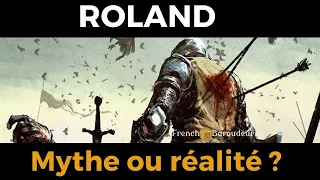
The Song of Roland is therefore a medieval epic written in the 11th century. This anonymous work, part of the cycle called the Matter of France, is based on historical and legendary events that occurred at the end of the 8th century. It relates the battle of Roncesvalles which pitted the Franks led by Charlemagne's rearguard against the army of the Saracens, led by King Marcile and his vassal the giant Baligant.
The battle took place in the Pyrenees in Spain in 778. Without spoiling the story, the poem features the knight Roland, nephew of Emperor Charlemagne and who commands the rearguard of the Frankish army while she withdraws from an unsuccessful expedition to Spain. The traitor Ganelon, out of revenge and jealousy, betrays Roland by guiding the Saracens towards the Frankish rearguard.
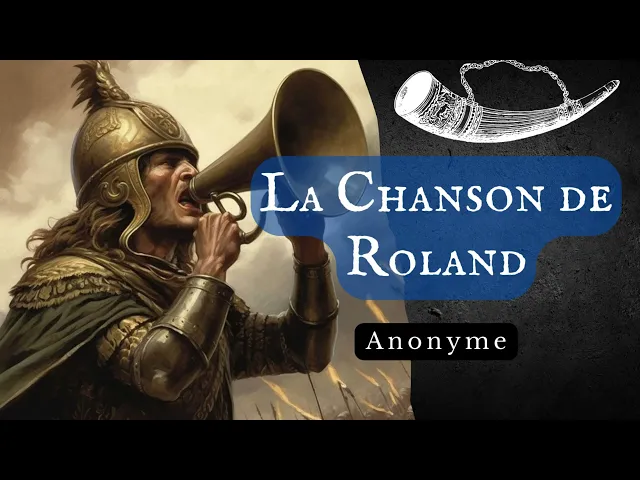
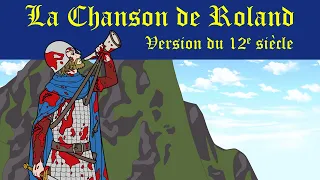
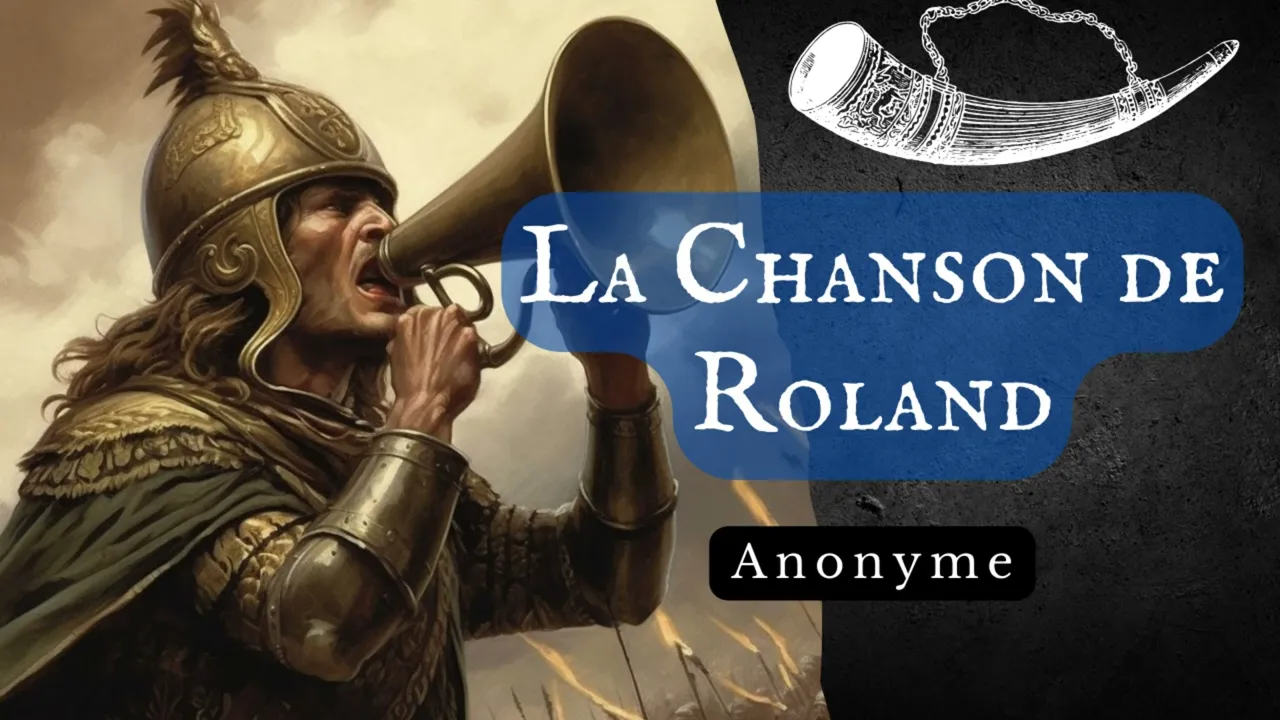
The fight that follows is heroic and of great intensity. Roland, despite being completely outnumbered, valiantly resists the enemy. Finally, when he is seriously injured and the situation is desperate, Roland rings his body with all his might to call for help.
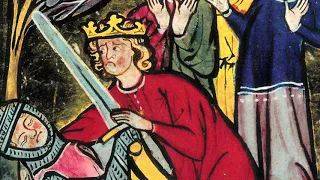
But Emperor Charlemagne is too far away to hear the signal. Faced with the scale of the disaster, Roland, hard hit, sacrifices himself to save the honor and safety of his army. He managed to break his sword named Durandal to prevent it from falling into the hands of the Saracens and he finally died fighting courageously to the end.
The rest of the Frankish army eventually arrives on the scene and ultimately defeats the enemy avenging Roland's death. Charlemagne and his army then returned to France but the memory of Roland's valor and his loyalty was celebrated throughout the centuries giving birth to the legend of the knight Roland, a symbol of honor of courage and loyalty. The Song of Roland presents a gallery of rich and emblematic characters.
Roland, the central hero of the epic, embodies the chivalric ideal of courage, honor and loyalty to his king and his country. His friend Olivier, the faithful companion in arms, symbolizes the unwavering friendship and camaraderie between knights. On the other hand Ganelon, the traitor, represents betrayal and perfidy.
In addition to these notable characters, the Song of Roland explores a multitude of universal themes. Honor occupies a central place in the story, highlighting the importance for knights to defend their reputation and therefore their honor, even at the risk of their lives. Loyalty to the king and duty to the fatherland are also essential values among the knights of the medieval era.
The religious dimension is also present with the idea of the struggle between Good and Evil embodied by the defense of Christianity against Islam. To better understand the Song of Roland, it is therefore crucial to understand the historical and cultural context of the medieval period. Carolingian France was a complex feudal society where chivalry played a central role.
The knights of which Roland is an example were highly trained warriors who pledged loyalty and obedience to their lords. The Christian religion, represented by Charlemagne and his soldiers, was also an essential pillar of life in medieval times. The text and therefore the literary style of the Chanson de Roland, is characterized by the use of assonance verses (verses of variable length where only the final sounds of the verses therefore rhyme with each other).
This technique gives a musical rhythm to the epic and facilitates oral memorization during recitations. In addition the epic is divided into leashes which are stanzas composed of several verses and which help to structure the story and give rhythm to the events. Of course the Song of Roland has left a legacy in French and one could even say European literature.
We think in particular of the courtly novel and the writer Chrétien de Troyes. His influence on later medieval literature is immense. This epic has inspired numerous writers and poets over the centuries, contributing to the construction of the literary and cultural identity of France.
Its impact on the collective imagination is considerable, particularly with regard to the representation of chivalry and heroism in literature and art. The Song of Roland has also been adapted into various artistic forms, including film and theater. Which speaks to its continued importance in popular culture.
In addition, this epic played an essential role in the construction of collective memory in France symbolizing the chivalric ideal and resistance to foreign invasions. In conclusion, the Song of Roland is a true gem of medieval literature that continues to fascinate readers around the world. His exploration of characters, themes and unique literary style make it a timeless work.
I hope this comprehensive analysis and review has given you a captivating insight into the importance of the Chanson de Roland in French culture. You will find, in this regard, in the description, links which will allow you to go further and if you want to buy and read this work. Don't hesitate to share your thoughts in the comments and subscribe to my channel so you don't miss any of my upcoming literary and historical videos.