hey creative Souls thanks so much for tuning in I'm really happy that you're here my name's Johnny I'm a published fiction writer and a retired adjunct writing Professor for two decades I help college students get their words on the page now I help people write fiction and I teach screenwriting and fiction writing to adults in custody I call myself a word witch and if you want to know more about what I mean by that check out my video called on being a word witch I believe I'm on this Earth to heal the world through stories
whether it's the ones that I write and tell or the ones that I help you WR and tell I'm new here on YouTube and I fully embrace the notion of energetic reciprocity so if anything I say helps inspires impacts your writing life in some way I would sincerely appreciate your likes shares and subscribes because honestly if I can grow my channel I can do more in my quest to heal the world through story because as I always say stories Can Heal the World so let's do it together and your likes shares and subscribes keep me
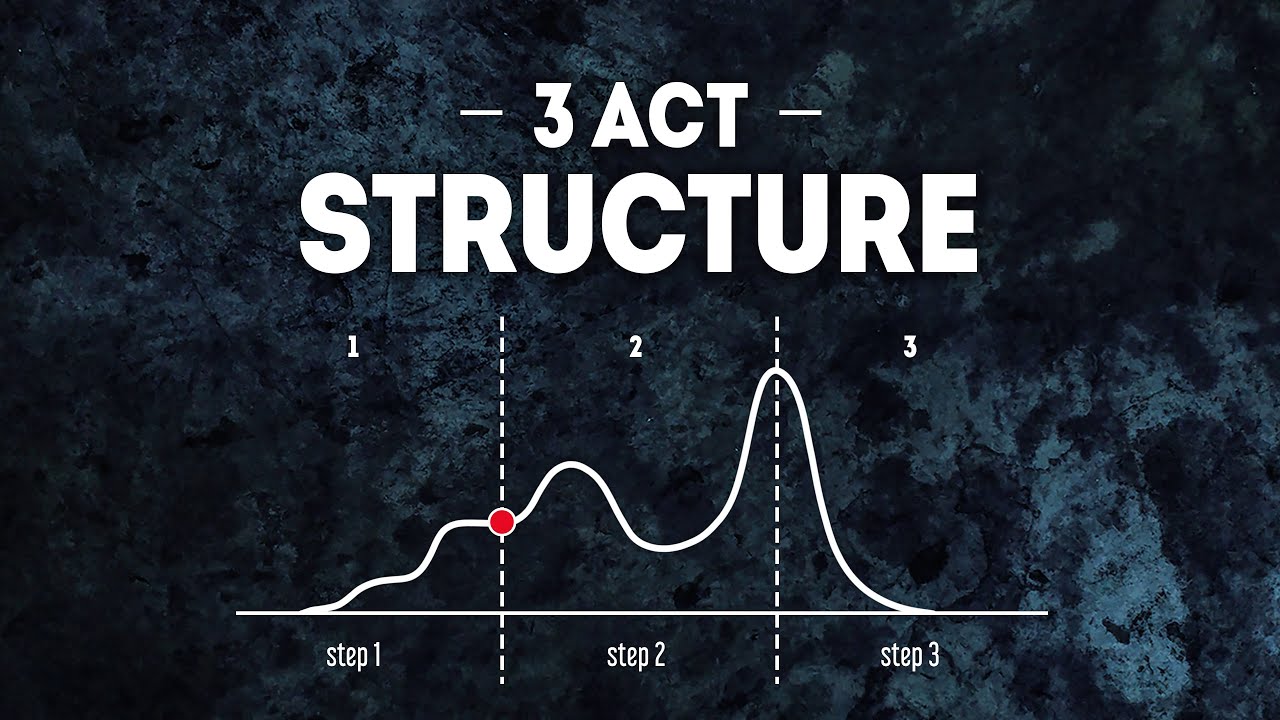
committed to to coming back giving you more content that I hope that I intend is valuable and that will make a difference in your writing life so today what I want to talk about are plot points and pinch points to help you structure your novels and your short stories so I'm going to in just a moment put a graphic up on the screen that will stay for most of the length of this video as I talked through these plot and pinch points and when I created this graphic I had novels in mind but we can
o apply this framework to short stories and I will do more future videos that address short stories in particular including flash fiction I want to mention a couple of things before we get started with this and before I put the graphic on the screen which I will also Link in the description so that you can access it later if you want to download it if you like and have it on your desktop so that you can keep referring to it or print it out put it on your wall it helps me to have this visual
that I can look at while I'm writing a story so that I can kind of check myself and see where I am in the process so one thing that I want to mention is that even if you're a pancer I'm a paner not a plotter uh even if you're a pancer this framework can work for you and we're not talking about being formulaic in our writing this is just a loose framework so I hope that you will view this as something that kind of breathes and lives and it will shift and change as you're working
through a story all right so this is not something that should be etched in stone and this is merely a suggestion to help you create a framework a structure for the story that you're writing the way that I use this is I have to because I'm a pancer I have to do a fair amount of writing before I can start thinking of structure so if I get a hit this internal hit that I get organically about a story idea or a character It's usually the character that comes to me first I have to do a
brain dump and I just throw everything onto the page that I I can think of that comes to me and then I print this out I read through it I make some adjustments I add to it do a lot of revising then I'm ready to start moving forward sometimes at this point is when I start Consulting this framework I'm about to share with you and then it's just a matter for me of like I said moving back and forth between the two and so sometimes I consult the diagram and then I go back to the
writing and sometimes the WR writing informs how I look at the diagram if that makes sense um I think if you're a pancer you know what I mean so think of the way I think of this is these are guide posts to help you that can be moved like I said not etched in stone these are movable guide posts that will drift and Float depending on the story that you're writing and sometimes it just takes more words and pages to get to one point in one story than it does in another story okay so here
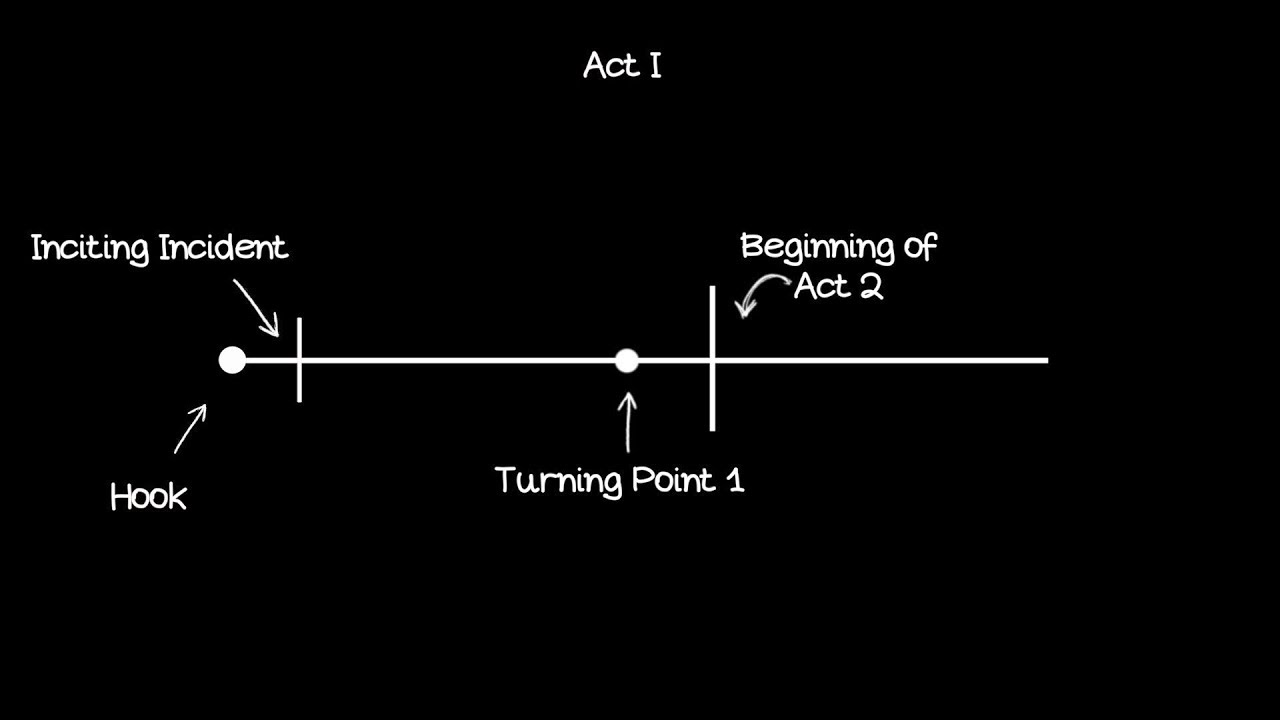
we go with the diagram so I have this broken into three parts the 3A structure so if you know anything about telling stories you know about the 3A structure the beginning middle and the end the middle is the longest generally most difficult part to write and so I want to talk first about getting to plot point one and what that looks like so a while back I did a video about how watching films can help you structure your novel in that I focus on getting from the beginning up to that in exciting incident and so
you might want to take a look at that as well let's talk first about the opening so I have called this stasis point or the opening scene some people call this the hook so this is the part that really hooks your audience which is why a lot of people call it the hook what needs to be included in this in the opening scenes are your protagonist your supporting characters that are important to the story your story world so that the reader get gets really cemented in the setting that the story will take place in your
antagonist may show up early on it they may show up later it just depends on your story so now the inciting incident and the plot point I want to talk about these together because some people say that the inciting incident and plot point one are two very separate things sometimes I think they are in my novel they are one and the same and so plot point one is the inciting incident it is a thing that happens that sets Miranda my protagonist in a whole new Direction than she thought she would be going on when she
moved to this cabin in the mountains with her husband to help with his writer block he's a classical composer right so then something happens that sends her life in a whole new Direction whether your inciting incident and your plot point one are close together a little further apart or one and the same this all is part of the setup along with with the opening scene or the hook all right and this whole first part here up to plot point one sets you up to write act two so now what happens in act two now that
your protagonist has been forced onto this new path that she did not plan on we come to the first pinch point and so what the pinch Point does is causes the protagonist to face a decision so this is the result of the first plot Point all right this presents your protagonist with a dilemma that requires a reaction so if we can think of the unfolding of a story as a series of events that follow this line the protagonist has a desire they make a decision to take a certain action and then there's a consequence to
that action and then they must make another decision all right so in my case Miranda and her husband moved to a cabin in the mountains to help with his writer's block because he has this deadline coming up and and he's kind of coming unglued so they move to this cabin in the mountains and then the inciting incident happens something happens and Miranda because she's the protagonist she is faced with this dilemma then to make a decision about what comes next once you get your protagonist through that pinch point and the reader understands what the pinch
point is and how it impacts your protagonist then you write your way to the midpoint so when your protagonist gets to the midpoint this is the point in the story when there is no turning back they have gone so far down this new path that they cannot turn back they cannot go back to where they were when the story began they cannot go back to who they were because they've already changed too much and I'm sure you've had this experience in your own life where something happens say if it's in a relationship with another person
something happens and it changes you in such a way that you cannot go back to where you were in that relationship before this thing happened so for just for the sake of of explaining this let's say if this is a betrayal of some sort say you have a best friend who talks behind your back and shares really sensitive information about you even if you were able to forgive and move on your relationship with that friend will be forever changed it may end up being changed for the better it may be that the relationship ends and
you go on from there all right so this is what happens with the midpoint whatever that inciting incident was and then the pinch point where the protagonist is faced with this dilemma and they make a decision by the time they get to the midpoint they are so changed they cannot go back at this point then the protagonist has a certain amount of agency in the story in the outcome of what is happening with them so the inciting incident was kind of foed upon them they were forced into this dilemma and forced to make a decision
and then they get to the midpoint and they have grown enough from whatever ever has happened that they now have the sense of agency they are fullon prepared and equipped to keep moving forward so then we come to the final pinch point or pinch point two and this is where the stakes really get raised and this is like a pressure point of sorts things are not going according to plan so whatever the protagonist has attempted tried to do to get them through get them down this path that they were thrown onto from the inciting incident
and the pinch the first pinch point they are facing something that just feels almost insurmountable it's an insurmountable obstacle they don't know how to get out of it they are feeling tired but they know that they have to keep going they have no choice and so some people consider this a death experience and this doesn't mean an actual death this just means that this is a point where the old self gets left behind and perhaps the protagonist is able to draw up a new perspective they're able to get a second breath and vow to keep
moving forward they come up with a different plan they become more determined at this point they leave the old self behind all right so then we get to the final plot Point plot point two this is that moment then and we've all seen this in films where the protagonist is in a position they're backed in a corner this just looks like All Is Lost how will they ever get out of this there just seems to be no way out nothing has worked this then is their moment to transform so at the end of the pinch
point the second pinch point they had to become a new self and then they spent some time being that new self trying new things with New Perspective whatever it is that they had whatever it is they acquired in this journey that they're on and then in plot Point 2 this is their moment that they transform it because nothing else has worked they know something else has to happen and this could be of their own Ingenuity their own grit it could be some outside force some Sometimes some divine intervention if you will that sometimes comes into
the story in plot Point 2 and then we work our way to the resolution portion of it so we've had the setup in act one we've had the confrontation in act two some people call act two the rising action and then when we get to act three this is the resolution so this is the part where the reader understands either the protagonist has won or lost if they have not won they are still changed they are transformed they can never go back to the person they were at the very beginning of the story if they
won then we see them with what we call the new normal so regardless of whether they win or lose we see them living in their new normal this is their life now I'm sure you've seen the arc the story arc that begins low it arcs up it spikes and then it kind of comes back down slightly but it never goes back down to its original point at the beginning So This Is The New Normal this is your protagonist in their new life their new environment with their new mindset their New Perspective they've been healed in
some way even if they didn't get what they wanted even if they've been deeply hurt and harmed in the process they are born again in some way so I hope having this diagram helps and I hope that my talking over it was helpful I felt like I was kind of talking off the cuff I was not talking with notes or anything so hopefully that all comes together and make sense for you if you have questions you can always put them in the description or in the comments below another way to approach this is there are
some questions that you might ask yourself in the very beginning so the first is who is your protagonist as I always tell people we have to start with a character a lot of people say we start with a premise but we can't have a premise unless we have a character we have to know who the character is first and we have to know what they want what is their deepest desire once we know that then we can ask ourselves how will the character change how will the protagonist change then we need to ask how will
the protagonist attempt to realize that desire what actions will they take and what obstacles will they be met with what is the antagonistic force that will get in the way of them realizing this desire of theirs and this creates the friction or the conflict or the pressure points that we all expect in Story how do you foresee your protagonist changing how will they be in the end and what will they have to encounter endure and do to go from point A to point Z how will they go from this person in the beginning to that
person in the end all right so I hope that helps and like I said for me this I use this as a loose framework when I write because I am a pancer and I'd love to know honestly in the comments if you're a plotter or a pancer and also let me know if this framework helps if it works for you and don't forget check the description for the link so that you can access this and download it if you like you can print it out put it on your wall I find it to be very
helpful because even though I am a pancer I do get to a point where I have to start being able to kind of see this visually how it's going to play out all right so that's it for today I hope that helps you as always sending you mad riding Mojo happy writing