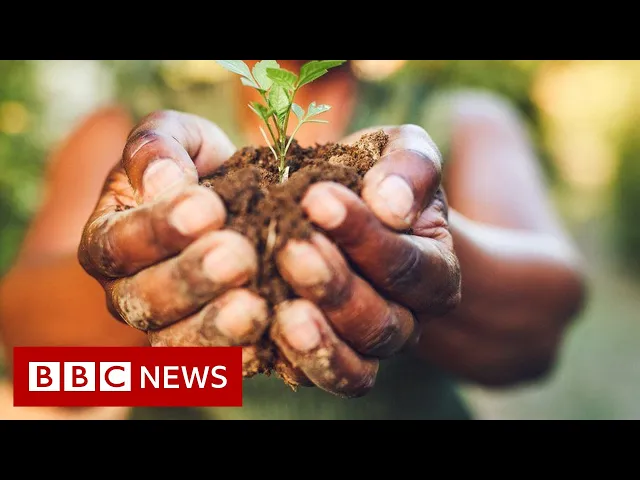
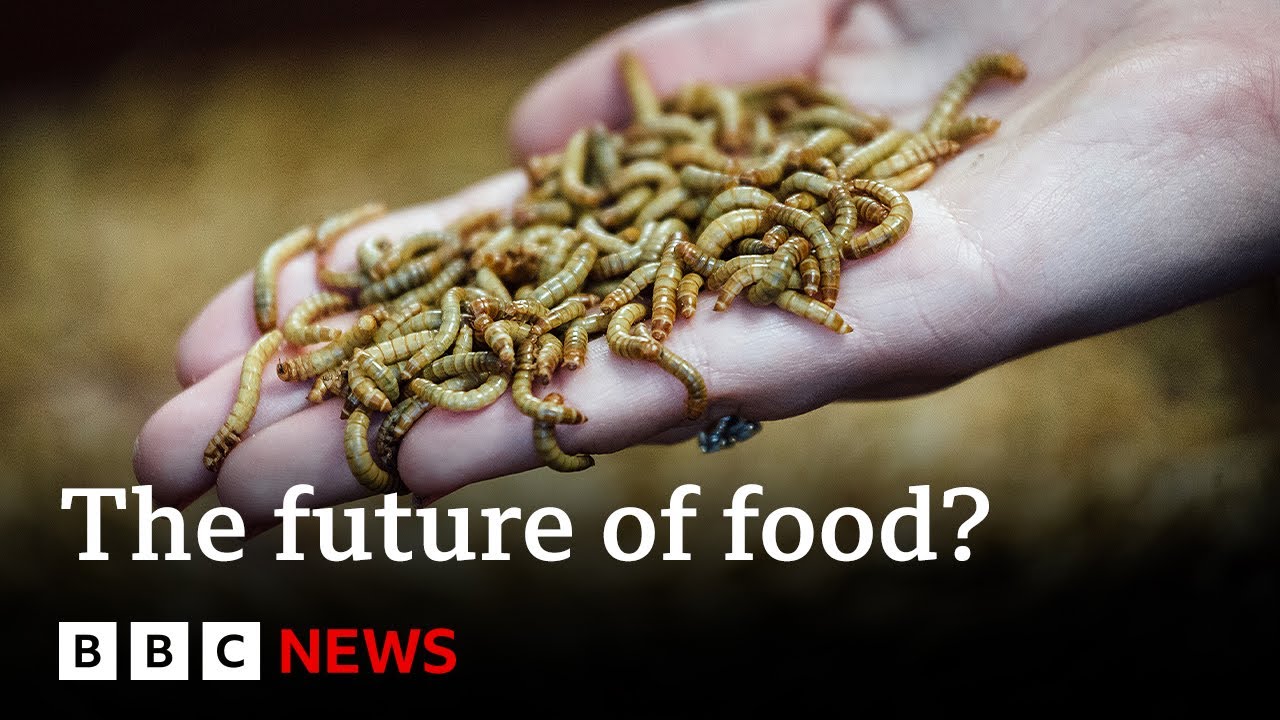
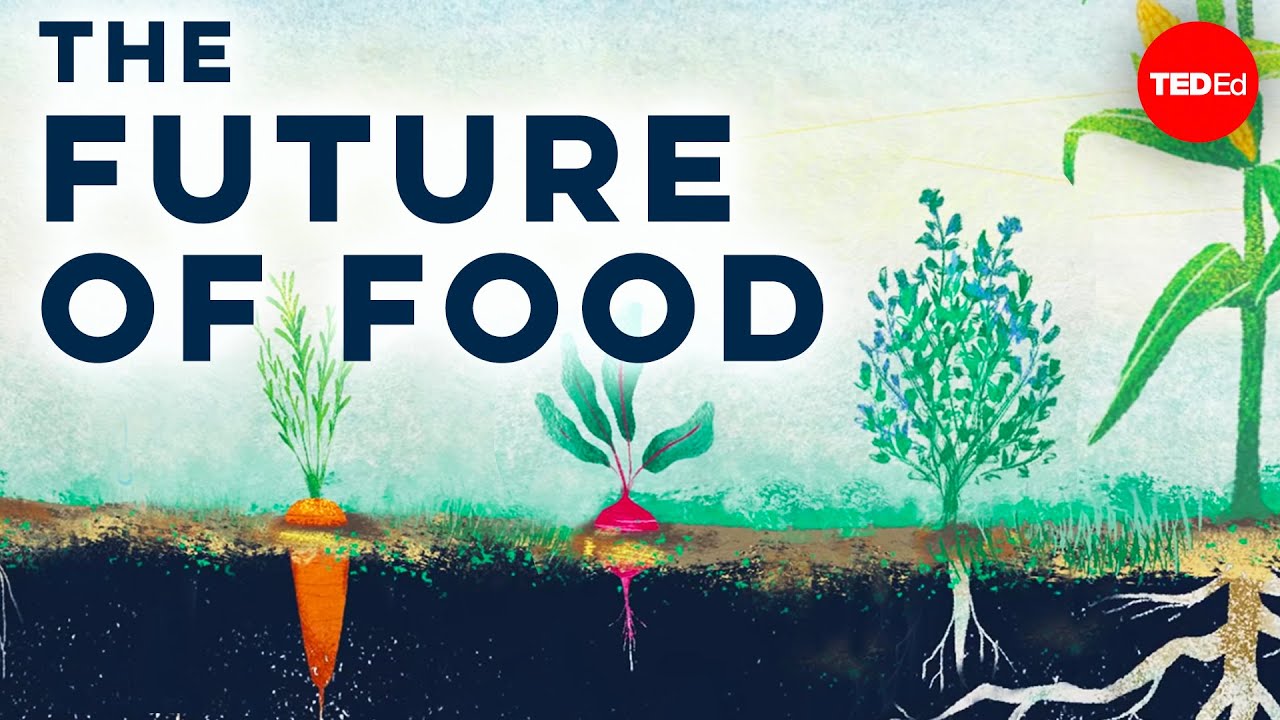
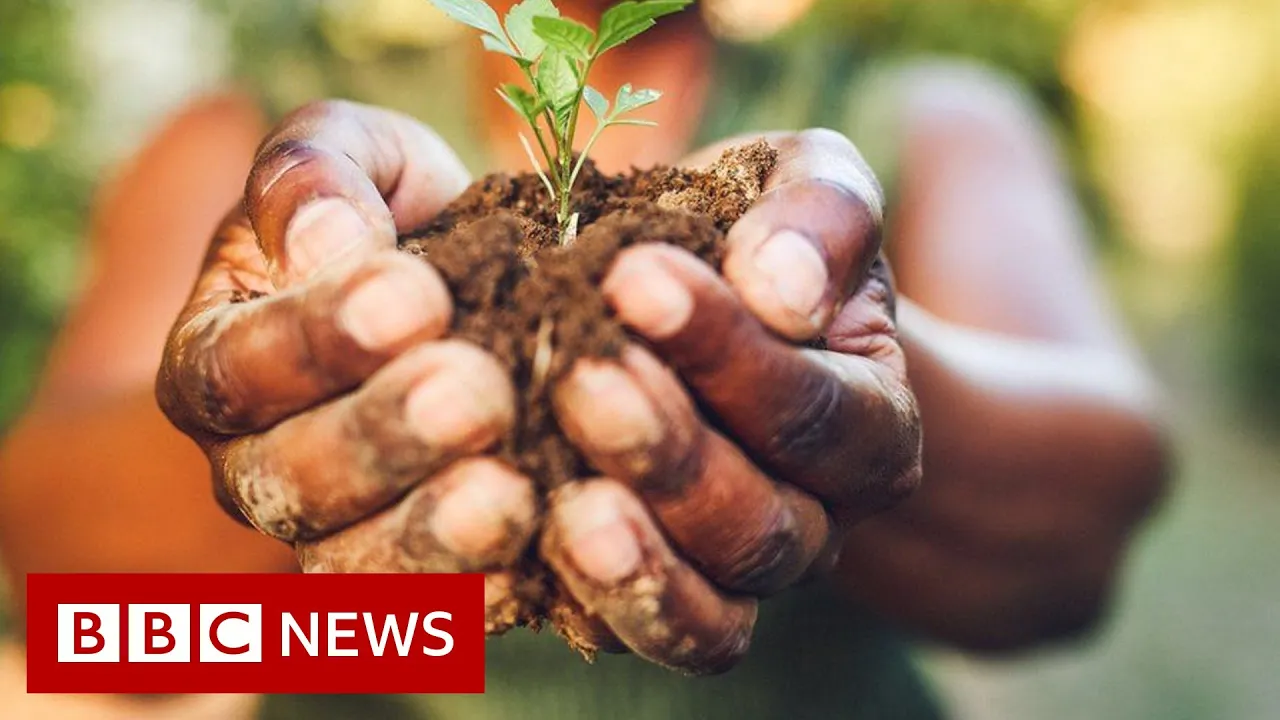
now as uh the food crisis increases around the world scientists have drawn up a list of little known plants that could be on the menu by 2050 at the moment 90 of calories are derived from just 15 percent of crops so how can we future proof our diets well you might be munching on this the pandanus or pandanus in future a small tree that grows in the pacific it's a pineapple like fruit can be eaten raw and the leaves used to flavor and sweetened dishes looks rather nice isn't it or maybe the cactus pear sustainable
with a high heat tolerance and low water use let's get more on this uh joining us live now is dr marybel soto gomez uh a research fellow at royal botanic gardens queue here in london uh i was quite taken by these these numbers actually when you think about the what thousands and thousands seven thousand edible plants worldwide and we only eat just over 400 of them why is that why aren't we growing and exploring more options i think it just just happened by chance alone actually our ancestors about 10 000 years ago selected a handful
of plants to domesticate because they were appealing they provided a very good source of food they over time provided good yields and and they were very good at feeding the world and that's why they were spread around and these plants are mace rice and wheat and there's still great crops to to grow and eat the problem is that if one of them fails if one of them is not resilient to climate change then we're going to be in trouble because we rely on them so heavily and so what we propose is to diversify our food
systems to rely on the very broad diversity of edible plants that's out there but but how easy will it be to actually scale up the production of some of these foods i think it's very dependent uh so there are about 7 000 edible plants out there and 400 of those are already crops either minor or major crops and so it's very uh plant specific whether they're going to be scaled up or not and something that we have to keep in mind at the forefront is to make sure that the populations that already rely on these
plants are still able to access these plants okay and um for example i think we only eat one type of banana at the moment don't we or one or two but there's something called false banana what what's that that's right so that's uh already a staple crop in in ethiopia and it's a wonderful crop because it um it can be used in many different ways so its foods its leaves can be used as fiber but the important part is the underground bit that can be prepared into different kinds of bread and we know that it's
climate resistant uh it's it's drought tolerant and um it could provide a very good source of uh nutrition in many places that have those environmental conditions i suppose you know with the war in ukraine you know we're focusing on for example wheat supplies grain sunflower oil and everything else we're not really eating enough beans are we either legumes that's right well so they're already uh legumes are a very important source of uh high protein for for vegetarians and and i think that they're going to become increasingly important so the legumes are there's many many different
legume species that are edible but we hardly tap into them and so we're going to be able to as part of the research as a cue at royal lieutenant gardens q is to identify these uh other species that we could tap into for for proteins in the legumes okay uh all very very interesting uh marybel soto gomez thank you very much indeed for joining us that is it