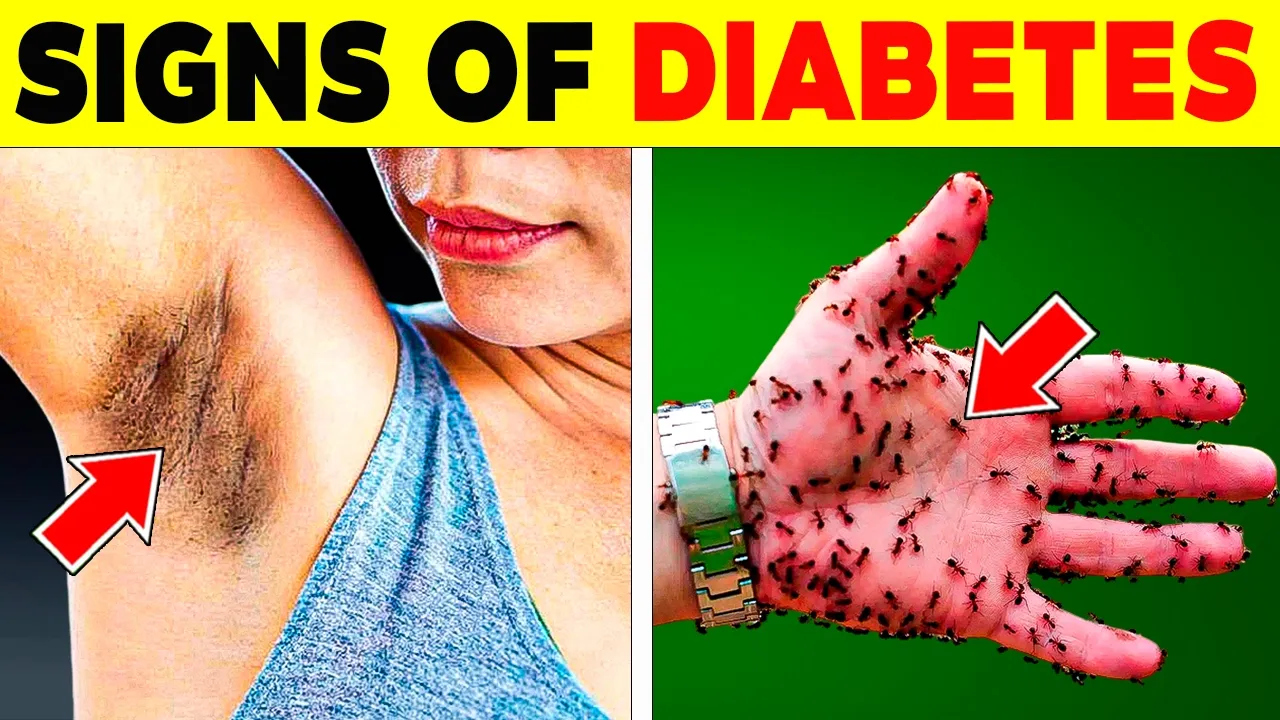
20 signs that you have diabetes without knowing today we will talk about a very important topic that can silently affect your health diabetes diabetes is a chronic condition that occurs when the body cannot properly regulate blood sugar levels many people may have diabetes without knowing it because the initial symptoms can be subtle and easily confused with other conditions in today's video we will cover 20 signs that you might have diabetes without knowing it pay attention to each of them and if you identify any any of these symptoms seek a doctor immediately let's get started what
causes diabetes diabetes is caused by problems in the production or use of insulin by the body in type 1 diabetes the immune system attacks and destroys the beta cells in the pancreas that produce insulin essential for regulating blood sugar the exact cause is unknown but genetic and environmental factors such as viruses can trigger the disease in type 2 diabetes the body becomes resistant to insulin or doesn't produce enough of it this type is often associated with being overweight a sedentary lifestyle and genetic factors gestational diabetes occurs during pregnancy due to hormonal changes and insulin resistance
increasing the risk of developing type 2 diabetes in the future what are the consequences if you do not treat or make changes if diabetes is not treated or properly controlled it can lead to a series of serious and potentially fatal complications some of the main consequences include one cardiovascular diseases diabetes increases the risk of heart diseases such as heart attack and stroke due to high blood sugar levels damaging blood vessels two diabetic neuropathy nerve damage can occur especially in the legs and feet resulting in pain tingling numbness and even loss of sensation increasing the risk
of wounds and infections three diabetic nephropathy kidney damage can lead to kidney failure requiring dialysis or kidney trans Plantation four diabetic retinopathy damage to the blood vessels in the eyes can cause vision problems including blindness five diabetic foot wounds and ulcers on the feet can occur due to poor circulation and neuropathy potentially leading to amputation if not properly treated six skin problems infections and healing problems are more common in people with diabetes seven pregnancy complications women with diabetes May face increased risks of complications during pregnancy affecting both the mother's and baby's Health eight Dental complications
diabetes increases the risk of gum infections and tooth loss these complications can be prevented or minimized and at the end of this video I will show you how to do so what tests should I take to identify diabetes early diagnosis of diabetes can be done through blood tests that measure glucose levels the fasting glucose test oral glucose tolerance test and hemoglobin A1C test are some of the tests that can be performed to diagnose diabetes if you are diagnosed with diabetes your doctor will recommend a treatment plan that may include Lifestyle Changes medication and regular monitoring
of blood glucose levels now let's discuss in detail 20 signs that may indicate the presence of diabetes stay until the end because sin 18 is something most people have but few people know it's important to remember that although these signs may suggest the presence of diabetes only a healthc care professional can make a definitive diagnosis through specific laboratory tests sign one excessive thirst one of the most common signs of diabetes is excessive thirst also known as polydipsia when blood sugar levels are high the kidneys work harder to filter and absorb the excess glucose when the
kidneys can't keep up the excess glucose is excreted in the urine leading to fluid loss and dehydration this causes a person to feel constantly thirsty even when drinking large amounts of water excessive thirst is one of the first symptoms that many people with diabetes notice this occurs because the body is trying to get rid of the excess glucose in the blood through urine as a result you may feel constantly dehydrated and the need to drink water frequently this cycle of thirst and urination can be exhausting and disruptive especially at night affecting Sleep Quality in addition
to being a warning sign for diabetes excessive thirst can lead to other health problems if left untreated chronic dehydration can cause weakness dizziness confusion and in severe cases can lead to hospitalization therefore it is essential to pay attention to the symptom and seek medical advice if you notice you are drinking more water than usual for no apparent reason sign two frequent urination frequent urination or polyura is directly related to excessive thirst when there is excess glucose in the blood the kidneys try to eliminate the excess glucose through urine this results in an increase in urine
production causing the person to need to urinate more often including during the night frequent urination can be a significant inconvenience especially if you have to get up several times during the night to go to the bathroom this can disrupt your sleep and affect your energy and mood during the day Additionally the constant loss of fluids can lead to dehydration further increasing the sensation of thirst it is important to note that frequent urination can be caused by other conditions besides diabetes such as urinary infections and prostate problems however if you experience this symptom along with other
signs of diabetes it is essential to see a doctor for a proper evaluation sign three excessive hunger excessive hunger or polyphagia is another common symptom of diabetes when the body cannot use glucose properly for energy it sends signals to the brain indicating that it needs more food this can lead to a constant feeling of hunger even after large meals polyphagia occurs because despite having high levels of glucose in the blood the body cells cannot access this glucose for energy due to a lack of insulin or insulin resistance as a result the body continues to send
hunger signals in an attempt to get the energy it needs this constant hunger can lead to weight gain especially if you consume high calorie foods in an attempt to satisfy this hunger this can create a vicious cycle as weight gain can further increase insulin resistance worsening the symptoms of diabetes sign four unexplained weight loss unexplained weight loss can be a sign of diabetes especially in type 1 diabetes when the body cannot get energy from glucose it starts to burn fat and muscle for energy this can lead to Rapid and unexpected weight loss even if the
person is eating normally in type 1 diabetes the body does not produce enough insulin and in type 2 diabetes the body may not use insulin properly in both cases the cells cannot absorb glucose from the blood for energy to compensate the body starts breaking down fat and muscle reserves resulting in weight loss this weight loss can be significant and rapid and is often one of the first signs noticed in people with type 1 diabetes if you are losing weight without making changes to your diet or activity level it is important to see a doctor to
investigate the cause sign five fatigue fatigue is a common symptom in many health conditions including diabetes when the body cannot use glucose properly it does not have enough energy to function proper properly this can lead to a constant feeling of tiredness and lack of energy even after a good night's sleep fatigue in diabetes is caused by the inability of cells to get enough glucose from the blood for energy this can be due to a lack of insulin insulin resistance or a combination of both additionally dehydration caused by frequent urination can also contribute to the feeling
of tiredness fatigue can significantly affect the quality of life making it difficult to perform daily tasks and participate in activities you normally enjoy if you feel constantly tired and inexplicably it is important to seek medical help to determine the underlying cause sign six blurred vision blurred vision is a common symptom of diabetes high blood sugar levels can cause swelling in the lenses of the eyes affecting the ability to focus in some cases blurred vision can be temporary but if left untreated it can lead to more serious complications such as diabetic retinopathy blurred vision can occur
in both types of diabetes and is often one of the first signs people notice when blood sugar levels are high glucose can accumulate in the lens of the eyes causing swelling and Distortion of vision if blurred vision is caused by diabetes it can improve when blood sugar levels are controlled however if elevated glucose persists it can cause permanent damage to the blood vessels in the retina leading to diabetic retinopathy which can result in vision loss sign seven slow healing slow healing of wounds and cuts can be a sign of diabetes high blood sugar levels can
damage nerves and blood vessels impairing blood flow and making healing difficult this can lead to infections and more serious complications if not properly treated slow healing is a common problem in people with diabetes and can occur in both small and large wounds elevated glucose in the blood can impair the function of immune cells making it difficult for the body to respond to infections and heal wounds wounds that take a long time to heal can become ulcers especially on the feet where blood flow may be more limited foot ulcers can be difficult to treat and in
severe cases can lead to amputation therefore it is essential to Monitor and properly care for any wounds if you have diabetes sign 8 frequent infections frequent infections especially urinary and skin infections can be a sign of diabetes high blood sugar creates an environment conducive to the growth of bacteria and fungi increasing the risk of infections urinary infections are common in people with diabetes because elevated glucose in the urine creates an ideal environment for bacterial growth symptoms of a urinary infection can include frequent urination pain or burning during urination and cloudy or strong smelling urine skin
infections such as boils and abscesses are also more common in people with diabetes the compromised immune system and impaired blood flow can make it difficult to fight infections and heal wounds sign nine dry skin and itching dry skin and itching can be symptoms of diabetes dehydration caused by frequent urination can lead to skin dryness additionally circulatory problems can affect skin Health causing itching and infections xerosis or dry skin is common in people with diabetes and can be exacerbated by hot baths the use of harsh soaps and low humidity in the air dry skin can cause
flaking cracking and a feeling of tightness increasing the risk of infection itching can also be caused by diabetic neuropathy a condition in which nerves are damaged due to elevated blood glucose levels neuropathic itching can be intense and affect specific areas such as feet and legs sign 10 tingling and numbness tingling and numbness in the hands and feet also known as neuropathy can be a sign of diabetes high blood sugar levels can damage nerves over time resulting in sensations of tingling numbness or pain in the extremities diabetic neuropathy is a common complication of diabetes and can
affect different types of nerves including peripheral autonomic and focal nerves peripheral neuropathy which affects the hands and feet is the most common form and can cause pain tingling numbness and muscle weakness autonomic neuropathy which affects the nerves that control involuntary body functions such as digestion and bladder control can cause symptoms such as digestive problems urinary incontinence and ereal dysfunction s 11 dark spots on the skin dark spots on the skin especially in areas of folds and creases such as armpits and neck can be a sign of insulin resistance a precursor to type 2 diabetes this
condition is known as acanthosis nigricans and is an indicator of elevated insulin levels in the body acanthosis nigricans causes dark velvety and thickened patches on the skin which can be uncomfortable and unsightly these spots are most common in areas where the skin folds or rubs such as the neck armpits groin and Joints although acanthosis nigricans does not cause symptoms beyond the altered appearance of the skin it is an important sign that the body is struggling to regulate blood glucose levels if you notice these spots it is important to see a doctor for evaluation and possible
diabetes testing sign 12 mood changes mood changes such as irritability and unexplained mood swings can be a symptom of diabetes the lack of energy and hormonal imbalances caused by diabetes can affect mood and emotional well-being hyperglycemia elevated blood glucose levels can cause symptoms of irritability anxiety and depression on the other hand hypoglycemia low blood glucose levels can cause nervousness confusion agitation and sudden mood changes these mood changes can be challenging for the person with diabetes and for those around them proper management of blood glucose levels along with emotional support and in some cases therapy can
help improve emotional well-being and mood stability sign 13 oral infections oral infections such as gingivitis and periodontitis can be more common in people with diabetes high blood sugar can promote the growth of bacteria in the mouth leading to infections in the gums and teeth oral health is often affected by diabetes due to elevated glucose in the saliva which creates a favorable environment for bacterial growth gingivitis and inflammation of the gums can cause redness swelling and bleeding if untreated it can progress to periodontitis a more severe infection that can damage the tissues and Bones supporting the
teeth maintaining good oral hygiene including regular brushing flossing and dental visits is crucial to prevent oral infections in people with diabetes additionally controlling blood glucose levels can help reduce the risk of oral problems sign 14 inflamed gums inflamed red and sensitive gums can be a sign of diabetes diabetes can weaken the body's ability to fight infections making gum problems more likely gingival inflammation or gingivitis is often the first stage of periodontal disease if left untreated gingivitis can progress to periodontitis causing damage to the bones and tissues that support the teeth this can lead to tooth
loss and other oral complications people with diabetes are more susceptible to gum infections due to compromised immune responses and elevated glucose in the saliva it is essential to maintain good oral hygiene and control blood glucose levels to prevent and treat gum problems sign 15 nausea and vomiting frequent nausea and vomiting can be a sign of diabetes especially when associated with other symptoms such as excessive thirst and frequent urination these symptoms can be caused by high blood sugar levels and diabetic keto acidosis a serious complication of diabetes diabetic keto acidosis occurs when the body starts breaking
down fat for energy due to a lack of insulin resulting in the production of ketones ketones are acids that can build up in the blood causing nausea vomiting abdominal pain rapid breathing and confusion diabetic keto acidosis is a medical emergency that requires immediate treatment If you experience these symptoms along with other signs of diabetes seek medical help immediately sign 16 dry mouth dry mouth also known as xerostomia can be a symptom of diabetes dehydration caused by frequent urination can result in insufficient saliva production leading to a constant feeling of dry mouth dry mouth can be
uncomfortable and increase the risk of oral problems such as cavities gingivitis and oral infections saliva helps neutralize acids produced by bacteria in the mouth protects teeth from Decay and facilitates chewing and swallowing to relieve dry mouth it is important to stay hydrated avoid alcoholic and caffeinated beverages and use alcohol-free mouthwashes in some cases a doctor or dentist May recommend specific products to stimulate saliva production sign 17 bleeding gums bleeding gums can be a sign of diabetes elevated blood sugar levels can affect gum health making them more susceptible to infections and bleeding bleeding gums can occur
during brushing or flossing and are often a sign of gingivitis if untreated gingivitis can progress to periodontitis a more sever condition that can cause damage to the tissues and Bones supporting the teeth maintaining good oral hygiene and controlling blood glucose levels are essential to prevent gum problems if you notice frequent gum bleeding it is important to see a dentist for evaluation and treatment sign 18 difficulty concentrating difficulty concentrating can be a symptom of diabetes the lack of energy and blood sugar imbalances can affect brain function resulting in concentration difficulties and memory problems hyperglycemia and hypoglycemia
can cause neurological symptoms including difficulty concentrating confusion dizziness and blurred vision these symptoms can affect the ability to perform daily tasks work and participate in social activities to improve concentration it is important to keep blood glucose levels within the target range have regular and balanced meals and engage in physical exercise in some cases seeking support from a mental health professional may be helpful to cope with the emotional challenges es of diabetes sign 19 frequent headaches frequent headaches can be a symptom of diabetes elevated blood sugar levels can cause dehydration and changes in blood vessels resulting
in headaches dehydration caused by frequent urination can lead to the contraction of blood vessels in the brain causing headaches additionally hypoglycemia can cause symptoms such as dizziness confusion and headaches If you experience frequent headaches along with other signs of diabetes it is important to monitor your blood glucose levels and seek medical advice staying hydrated and controlling blood glucose levels can help reduce the frequency and intensity of headaches sign 20 unexplained weight gain unexplained weight gain especially in the abdominal area can be a sign of type 2 diabetes insulin resistance can lead to Fat accumulation in
the abdomen even if the person is following a healthy diet insulin is a hormone that helps regulate blood glucose levels by promoting the absor of glucose by cells for use as energy when the body becomes resistant to insulin the cells cannot absorb glucose properly resulting in elevated blood glucose levels and fat accumulation abdominal weight gain is associated with a higher risk of complications related to diabetes such as cardiovascular diseases and insulin resistance maintaining a healthy weight through a balanced diet and regular exercise is essential to prevent and control type 2 diabetes how to avoid diabetes
these are the 20 signs that may indicate you have diabetes without knowing it if you identify one or more of these symptoms it is crucial to see a doctor for a complete evaluation remember that early detection can make all the difference in the treatment of diabetes taking care of your health is essential for a long and healthy life maintaining a healthy lifestyle is key to preventing and controlling diabetes this includes a balanced diet rich in fruits vegetables whole grains and lean proteins along with regular phys physical activity and maintaining a healthy weight it is also
important to avoid excessive consumption of sugars and refined carbohydrates which can raise blood glucose levels how is the treatment besides Lifestyle Changes diabetes treatment may include the use of oral medications or insulin there are several types of diabetes medications which work in different ways to help control blood glucose levels insulin is usually necessary for people with type 1 diabetes and may be necessary for some people with type 2 diabetes regular monitoring of blood glucose levels is a crucial part of diabetes management this can be done through a home glucose monitor which allows you to measure
glucose levels several times a day keeping a record of glucose levels can help identify patterns and adjust treatment as needed managing diabetes also involves managing other health conditions that can be affected by diabetes such as high blood pressure and high cholesterol your doctor May recommend medications to help control these conditions and reduce the risk of d diabetes related complications important recommendations diabetes complications can include cardiovascular diseases nerve damage neuropathy kidney problems nephropathy eye problems retinopathy and foot problems these complications can be serious and debilitating but they can be prevented or delayed with proper diabetes control
diabetes education is an important part of treatment participating in diabetes education programs can help you learn more about the condition how to manage it effectively and how to make healthy lifestyle choices diabetes education can be provided by doctors nurses nutritionists and other health professionals emotional support is also important for people with diabetes living with a chronic condition can be challenging and can affect mental and emotional health seeking support from family friends support groups or mental health professionals can help cope with the emotional challenges of diabetes additionally it is important to have regular health checkups to
monitor possible diabetes complications this may include blood tests urine tests eye exams foot exams and kidney function tests keeping a regular schedule of Health checkups can help detect and treat complications in their early stages if you have been diagnosed with diabetes it is important to follow the recommended treatment plan and make lifestyle changes to manage the condition this may include a healthy diet regular exercise blood glucose monitoring taking medications as prescribed and having regular Health checkups remember that diabetes is a manageable condition and many people with diabetes live long and healthy lives with proper treatment
if you are concerned about diabetes symptoms do not hesitate to seek a doctor for a complete evaluation early detection and proper treatment are essential to prevent complications and improve the quality of life thank you for watching our video don't forget to like share and subscribe to our channel for more informative Health content see you next time