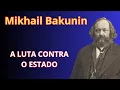
What is true freedom? Who are the real oppressors of humanity? Would the State be a force of order or a machine of repression?
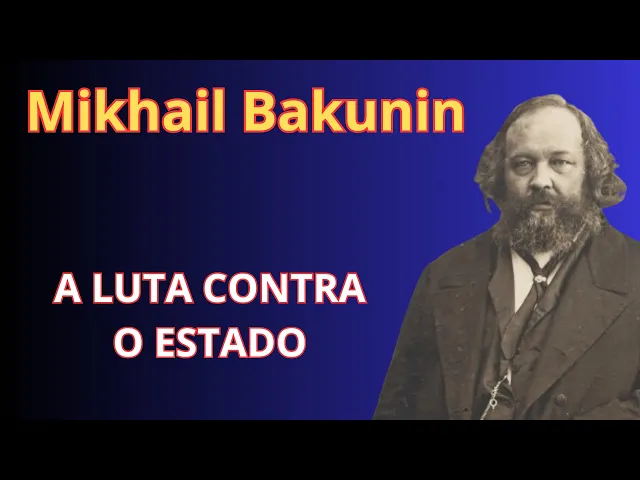
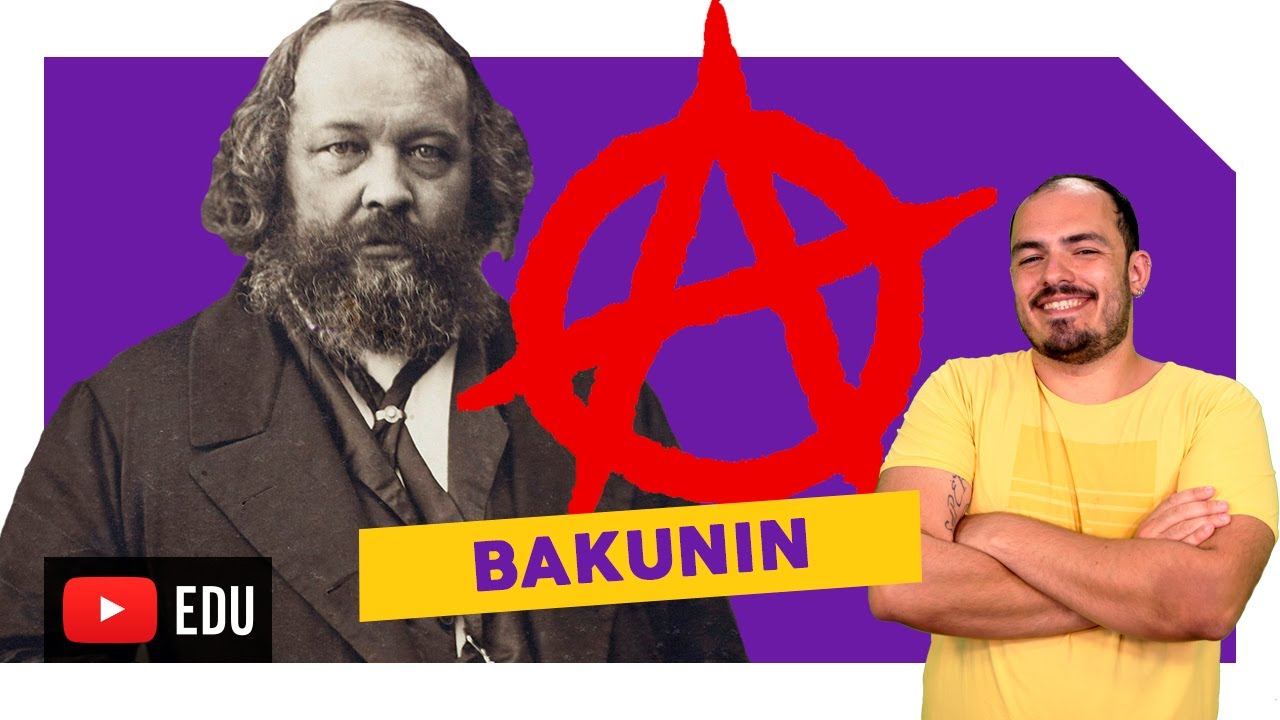
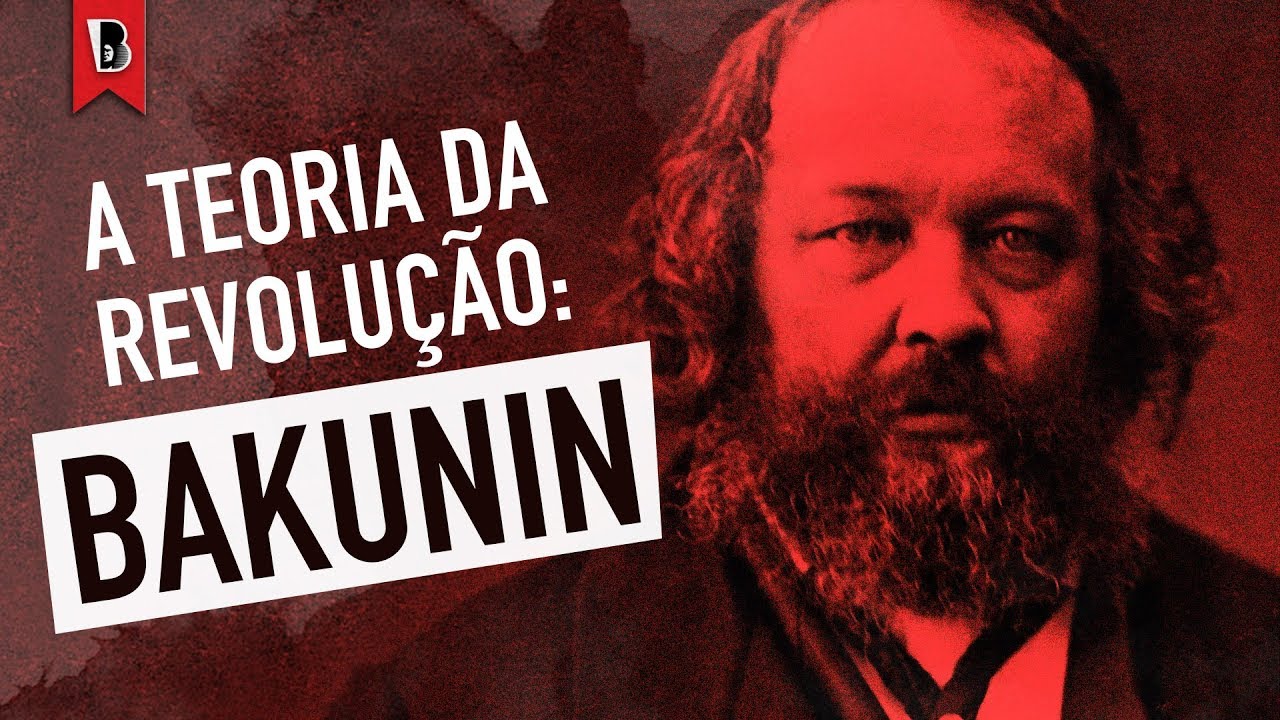
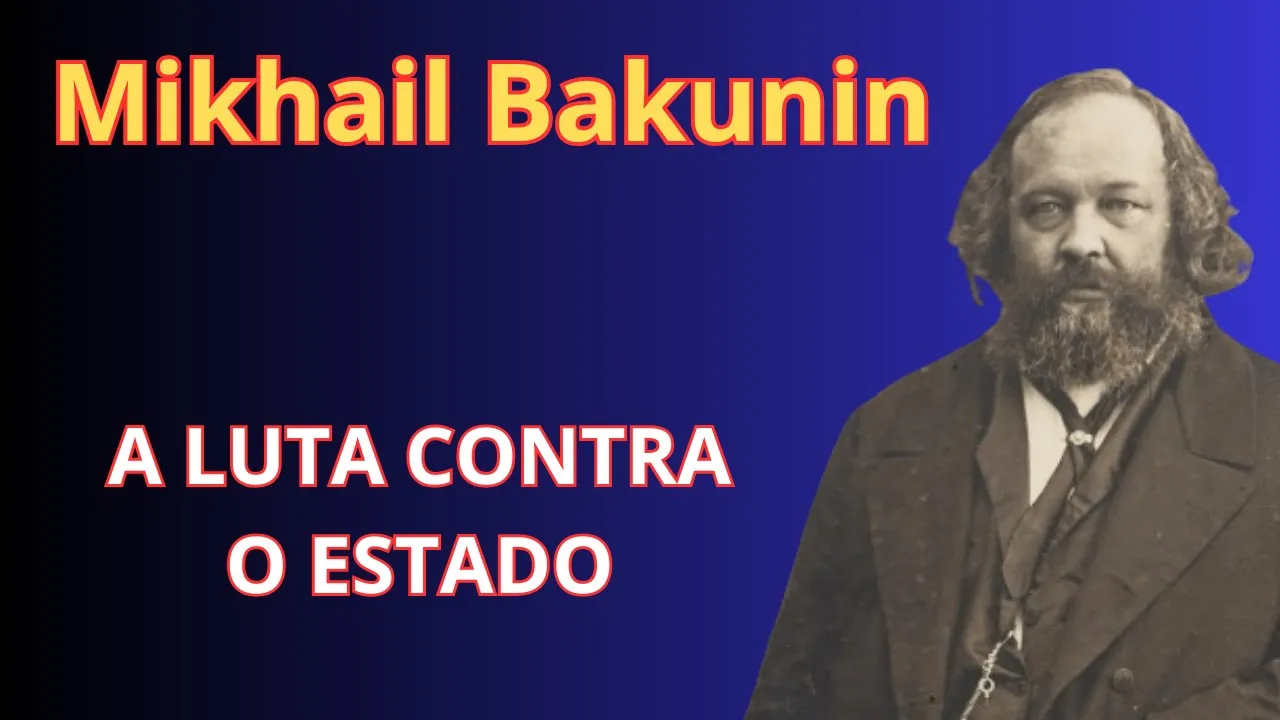
These are some of the questions that Mikhail Bakunin, the Russian revolutionary, raised in his intense reflections and actions throughout his life. Bakunin was more than a theorist; he was a living flame of rebellion against power structures. Today, we delve into his explosive and provocative ideas, questioning the world as we know it and reflecting on the meaning of freedom.
Bakunin was born in 1814, in imperial Russia, at a time marked by inequalities and authoritarianism. Of aristocratic origin, he quickly became disenchanted with the privileges of his class. He abandoned his military career and immersed himself in the study of philosophy, being deeply influenced by figures such as Hegel.
However, it was the discovery of socialism and anarchism that shaped his worldview. Although initially attracted to Hegelian ideas, he soon distanced himself from absolute idealism. He criticized the idea that the State represented the final manifestation of freedom.
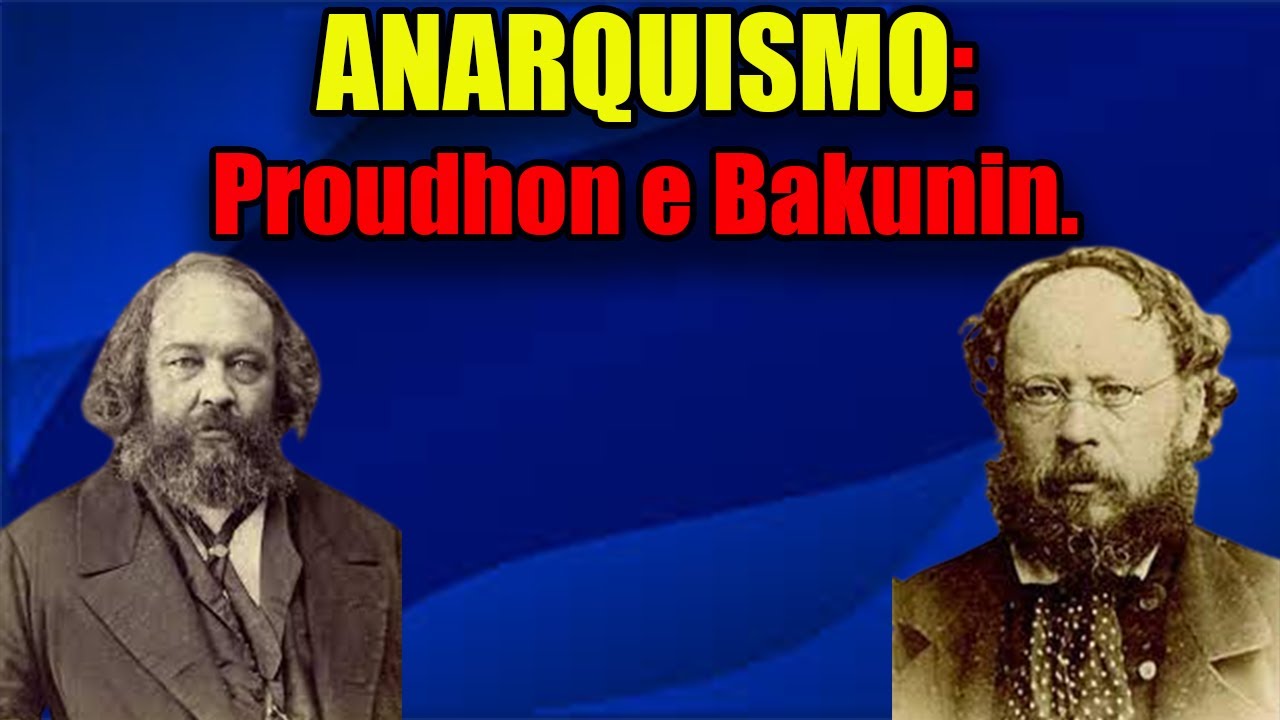
For Bakunin, the state was, in fact, the supreme oppressor. Thus, he approached the ideas of Proudhon, another anarchist theorist, defending the abolition of all authoritarian structures. At the center of his philosophy is the concept of absolute freedom.
For him, freedom could not be true if it were granted or limited by the State. He believed in individual autonomy and the destruction of all forms of domination, whether from the State, the Church or capitalism. He saw freedom as a dynamic process, constantly evolving and struggling.
Bakunin and Karl Marx, although both socialists, had fundamentally different views on the path to human emancipation . While Marx believed in a dictatorship of the proletariat as a necessary step, Bakunin feared that such a regime would turn into a new form of tyranny. He advocated a spontaneous and decentralized revolution, fearing that any form of centralized power would end up corrupt.
He was a fierce critic of the state and religion, seeing both as institutions that serve to control and subjugate the masses. He believed that the state would always seek to preserve its own existence and power, even at the expense of individual freedom. Likewise, he saw religion as a tool of manipulation, which promised postmortem rewards to justify earthly suffering.
For Bakunin, the revolution was not a single event, but an ongoing process. He believed that society should be in a constant state of criticism and transformation, to avoid the crystallization of new forms of oppression. The idea of "permanent revolution" was a response to the authoritarian tendencies he saw emerging even among revolutionary movements .
Bakunin played a key role in the creation of the First International, advocating for a decentralized structure and direct action methods such as boycotts, strikes and cooperatives to strengthen workers' power from the bottom up. He feared that any type of centralized organization, including a revolutionary party, could turn into a new means of oppression. This made him diverge profoundly from Marx, who believed in the need to conquer political power through mass parties and the implementation of a dictatorship of the proletariat as an essential step towards building socialism.
The Paris Commune of 1871 was an event he celebrated as a practical example of his anarchist ideas. The Commune represented an attempt at workers' self-organization without a centralized government. Bakunin saw the Commune as proof that a stateless society was possible and desirable.
Bakunin imagined a society based on self-management and voluntary cooperation. He proposed the abolition of the State and the creation of a federation of autonomous communes. In these communes, individuals could participate directly in decisions that affected their lives, eliminating the need for a separate political class.
For him, education was a crucial tool for emancipation. He believed that only through education could people understand and claim their freedom. However, he also recognized that formal education could be used as a tool of control, depending on who controlled it.
Thus, he advocated an education that promoted critical thinking and autonomy. He saw nationalism as a divisive ideology that served the interests of the ruling classes. He believed that true solidarity should transcend national borders, uniting the oppressed from all over the world.
For him, nationalism only created new "us" against "them", perpetuating conflicts and distracting people from the real struggle against oppression. Despite his emphasis on the collective, Bakunin never underestimated the importance of the individual. He believed that individual freedom was the foundation of a just society.
However, this freedom did not mean a license to act selfishly; rather, he saw freedom as something that could only be fully realized in communion with others. His ideas left an indelible mark on the anarchist movement and continue to influence thinkers and activists to this day. His critiques of authoritarianism and centralized power resonate in an era where civil liberties are often threatened.
He remains an iconic figure for those seeking a freer and more just world. Bakunin not only opposed the state, but also severely criticized socialist movements that, in his view, merely replaced one form of tyranny with another. He was one of the first to warn against what he saw as the dangers of authoritarian socialism, predicting that such regimes could become as oppressive as the systems they sought to replace.
For him, anarchism was not just an abstract theory, but a daily practice of resistance and construction of alternatives. He believed in direct action, solidarity among the oppressed, and the creation of structures of mutual support that could function outside of state control. While many of his visions may seem utopian, they offer an insightful critique of power and social structures that still resonate today.
His ideas about decentralization and local autonomy are echoed in contemporary movements that challenge large corporations and the State. One of Bakunin's most profound contributions is his exploration of the paradox between freedom and responsibility. He argued that true freedom can only exist when individuals take responsibility for their actions and for society.
This requires an ethic of care and mutual respect, essential for building a fair society. Mikhail Bakunin's ideas still challenge and inspire, provoking us to question the foundations of power and authority in our lives. His vision of a free and equal society may seem like a distant dream, but it reminds us of the importance of never conforming to the status quo.
The fight for freedom is ongoing and depends on each one of us. Are we ready to take on this responsibility? Thanks for your attention and see you next time!