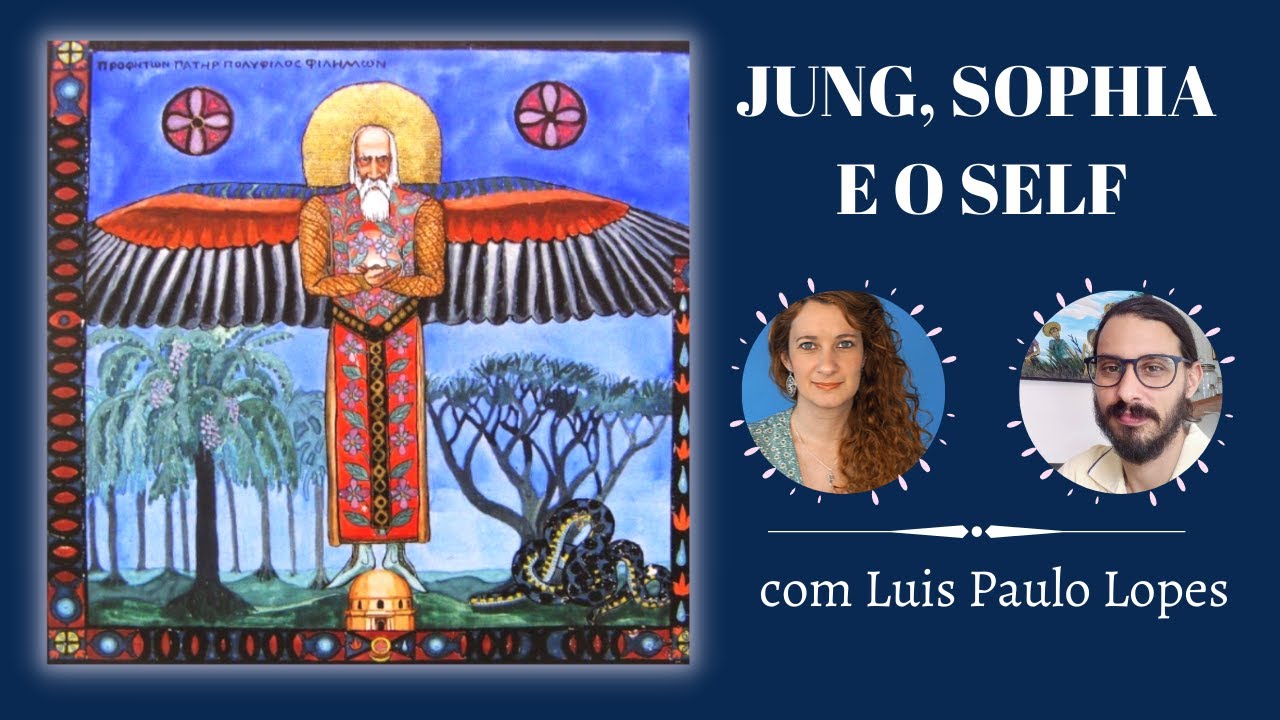
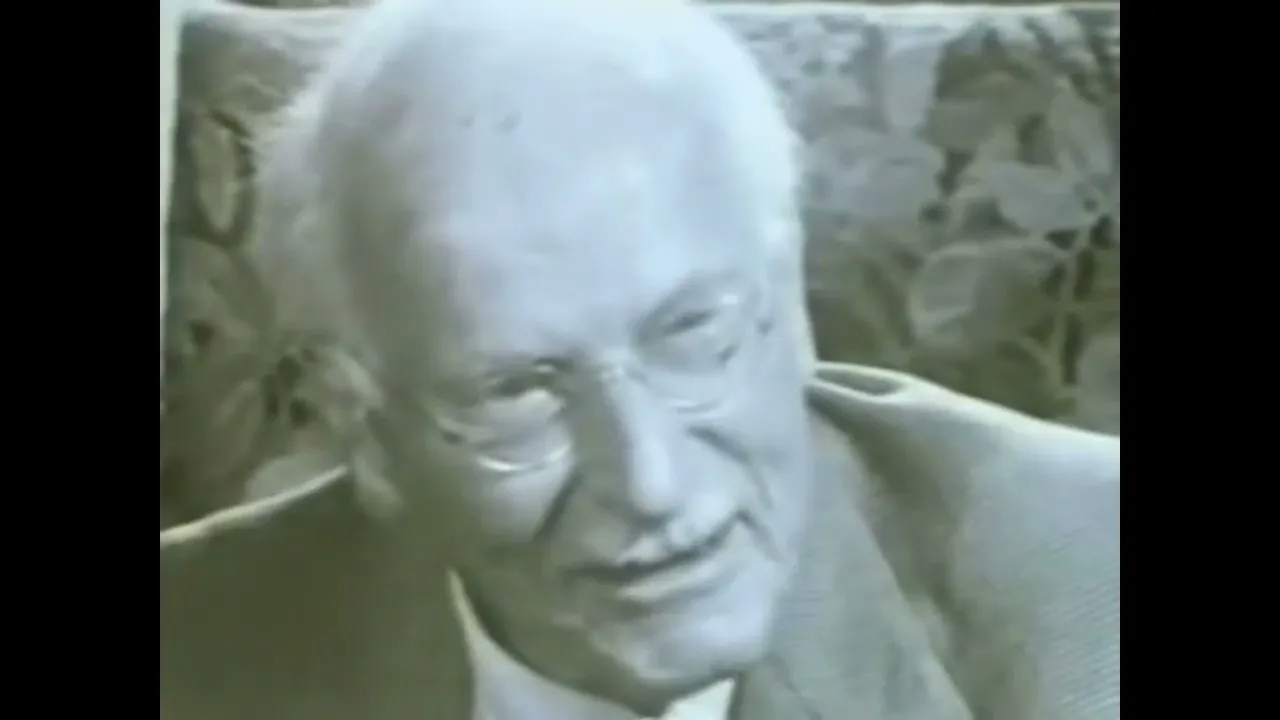
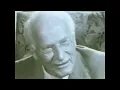
the pioneering swiss psychologist carl gustav jung was one of the first modern thinkers to trace the spiritual thread which connects the ancient quest for gnosis to our times finding a parallel with his own efforts to explore the unconscious as his secretary and pupil and yelayathe worked alongside jung for almost thirty years jung was very much interested in all manifestation of mankind coming directly from the unconscious now narcissism gnosis is not an intellectual wisdom but the wisdom which was expressed by feeling by by the unconscious but narcissism was something which gave an insight to the unconscious
of men how it functions these wealth of images pictures visions and so on therefore he was very much interested and also to see how deeply religious the unconscious is jung began to study gnostic ideas in about 1910 while he examined the dreams of both private patients and those in mental hospitals he revived the gnostic term archetypes to describe the mythical and mystical symbols and images that lie below the surface of everyday conscious life but erupt from the unconscious in dreams the next question i asked myself was now where [Music] except a peculiar spiritual movement that
went together with the beginnings of christianity namely the gnostics and that was the first thing that then jung absorbed the gnostics theological myths and symbols and even wrote a short essay in gnostic style the seven sermons to the dead despite an immense gulf of time he regarded the gnostics as his predecessors in the search for spiritual awareness [Music] and what was in between nothing and now today we certainly fall into that hole and are confronted by the importance of the collective unconscious inexhaustible sources of knowledge for the psychologist he connected them with the dreams and
visions the gods and godlessness of his own patients his colleague professor c a meyer sees the modern search for spiritual knowledge which is not satisfied by faith alone becoming more important than ever his thesis was that gnosticism is not philosophy or speculation or heresy but it is simply an experience of the soul and curiously enough the young codex which shows you the experience of the gnostic of life as a nightmare in this world until you hear the voice somewhere coming from somewhere of gnosis that is a complete confirmation of his thesis that gnosis is based
on an inner experience codex one from nag hamadi was named the young codex he's quoted as having said i have worked all my life to know the psyche and these people knew already and it is true that the gospel of truth in the young codex is such a vivid illustration of what men's predicament is according to jung that it could have been a falsification by a union which it is not for jung religious experience was the center of all human experience his apparent preference was for the gnostic symbolic individual search for religious truth rather than
the mass appeal of the religious dogma which requires unquestioning acceptance he was a very ingrained on to the dogma but he said only fools attached to the dogma but what is necessary is that we understand it now in a new way namely not as hundred percent truth but as a symbol this is a great thing that changes everything what sort of religious upbringing did your father keep jung created consternation at the end of his life when he gave an apparently gnostic reply to the most obvious question about his religious outlook and did you believe in
god oh yes do you now believe in god now difficult to answer i know i needn't i don't need to believe i know he was one of the few people in the western world who was familiar with gnostic lore and who saw that they were important for our civilization [Music]