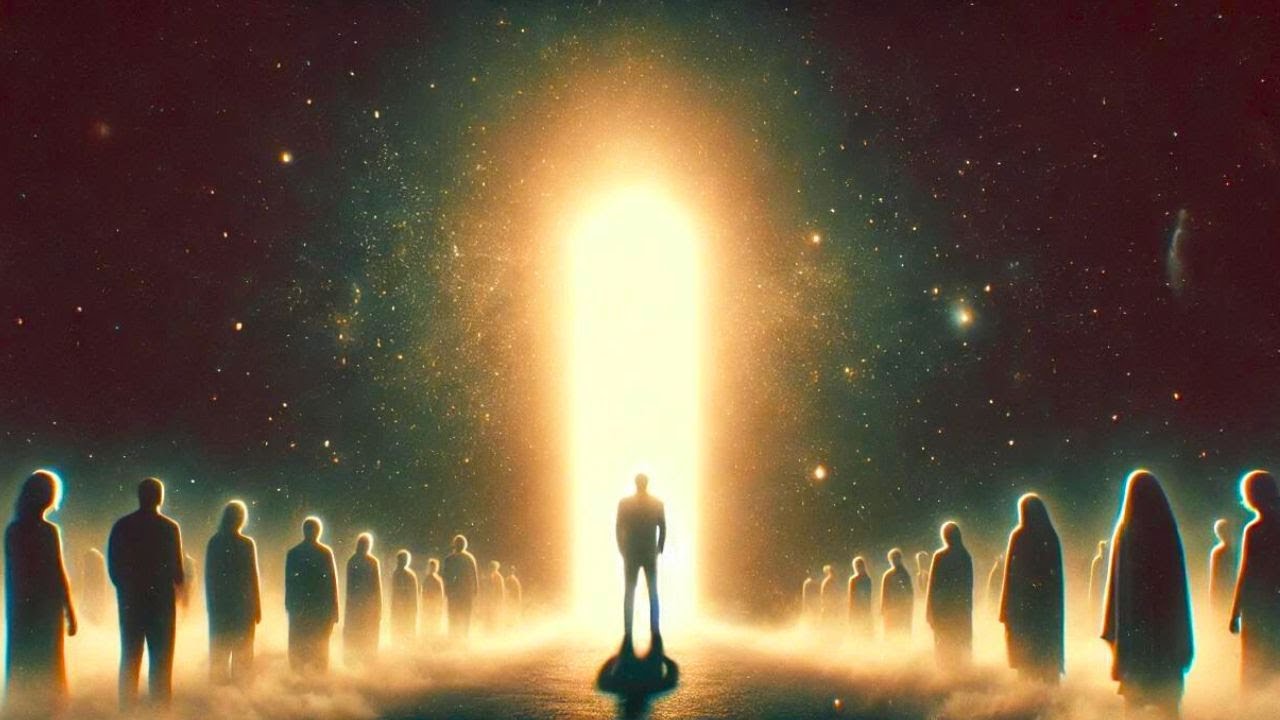
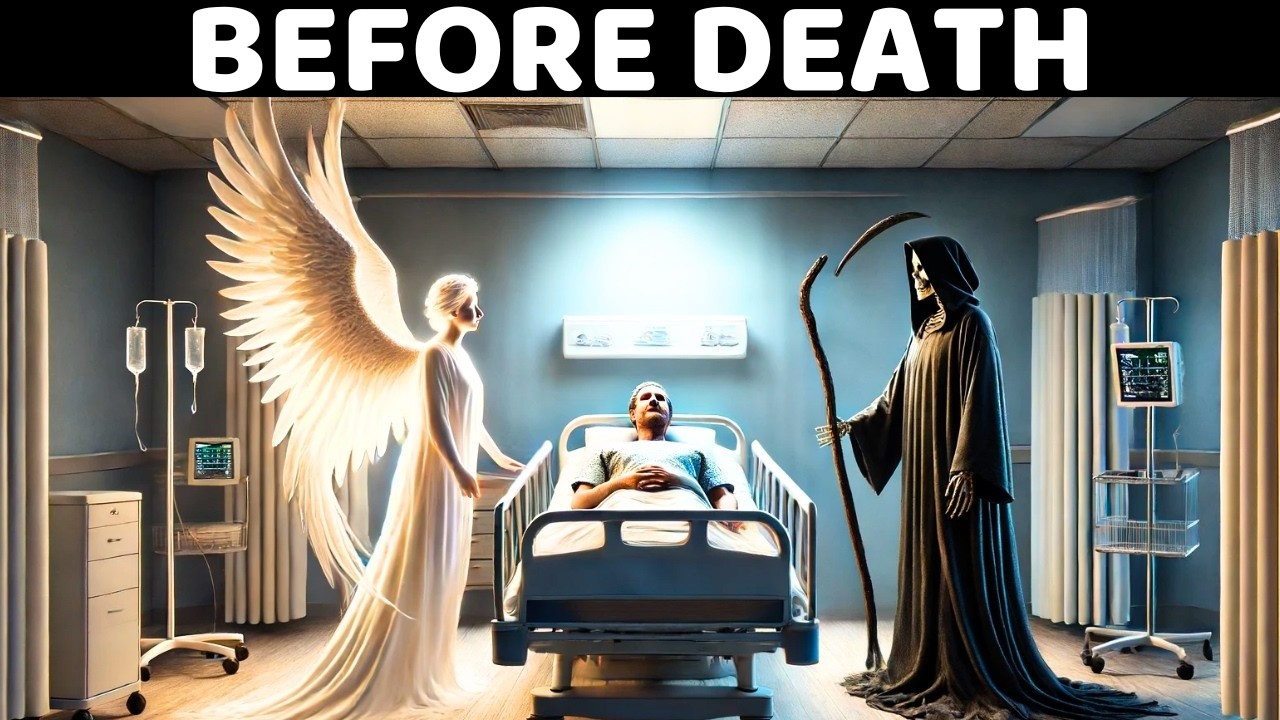
What will be the destiny that awaits me beyond the last breath? Is the immortality of the soul a reality or merely a comfort for the fearful mind? The possibility of being reborn in a new form: is it a promise or a mere illusion?
And what about the eternal realms of splendor or shadows, heaven and hell? Will I be embraced in arms of benevolence or cast into the depths of despair? These enigmas intertwine in human thought, weaving the mysterious veil that separates life from what follows.
Is death the final point of existence or just the gateway to an unknown spiritual odyssey? A survey conducted by a U. S.
TV network showed that about 80% of the world's population believes in life after death and that the human soul is immortal. Some say that when the body dies, its soul is released and directed to Purgatory, where it pays for its sins until the moment of going to heaven. Others believe they will reincarnate in another body and live on earth once again, and still some believe they will sleep in their graves until the return of Christ.
There is much confusion about what will happen to us after death; however, all this discussion becomes unnecessary when we look at the Bible, which is the word of God, as it brings us the answers to all these questions of humanity. So, in today's video, I will show you five facts about death that will shock you. But before we start, I want to ask you to subscribe to my channel here and activate the bell so you receive all notifications whenever I post a new video.
Okay then, come and walk with me. Okay, let's go. The first fact: The dead cannot have contact with the living.
Another common thought among people of various cultures and religions is that the dead continue to influence the lives of those who are alive and can reveal to them hidden things. A very well-known movie that portrays this situation very well is the movie "Ghost," but this is not what the word of God says. See what is written in Ecclesiastes, chapter 9: "For the living know that they will die, but the dead know nothing; they have no further reward, and even their name is forgotten.
Their love, their hate, and their jealousy have long since vanished; never again will they have a part in anything that happens under the sun. " This shows that those who die cease to have any kind of influence here on Earth and consequently cannot have any kind of access to the living. So when you hear a story that a deceased person sent a message from beyond to a living person through a medium or any other type of messenger, don't believe it, because even though it is comforting, it is not the person who is transmitting the message.
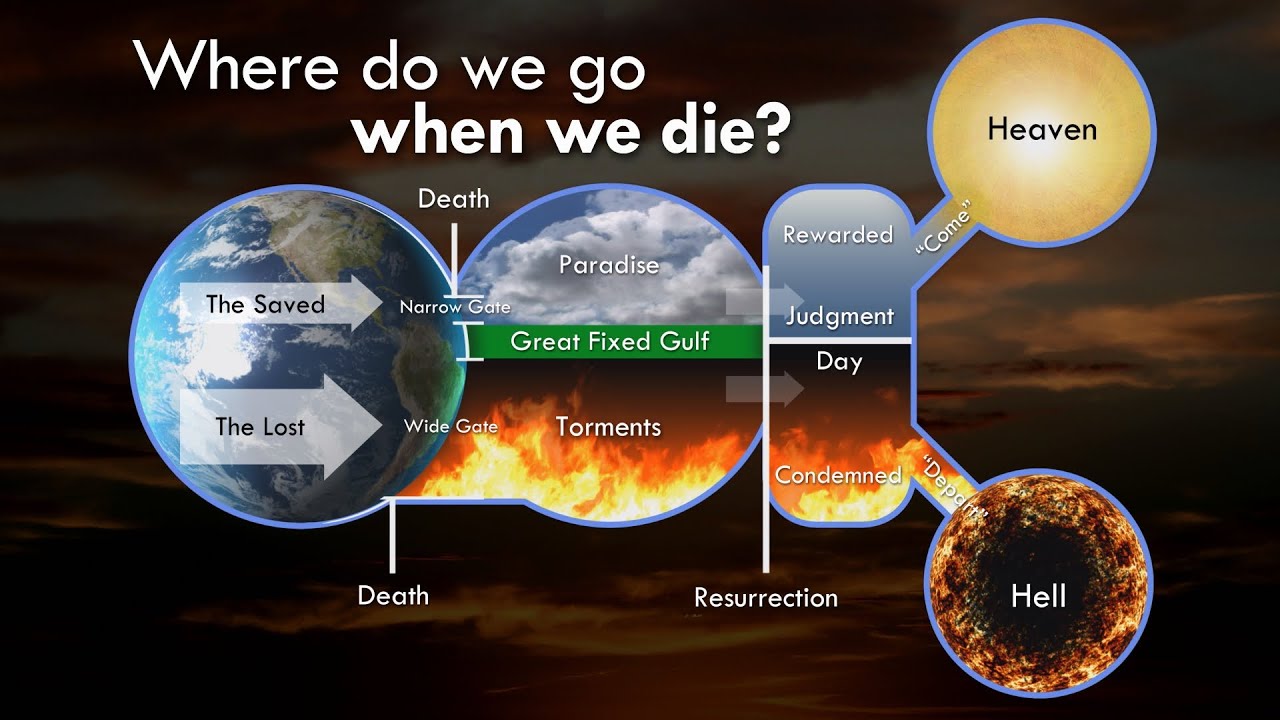
The Bible says that Satan even transforms himself into an angel of light to deceive people and lead them away from the paths of the Lord. Furthermore, Jesus told in the parable of Lazarus and the rich man that there is a great abyss between the living and the dead so that we cannot access the dead, and they cannot have contact with us. The second fact: After death, our spirit returns to God.
It is not uncommon to see in movies and series cases of spirits of people who wander the world, taking care of the living or simply causing them terror and fear. It is also common to find books and even soap operas with stories of souls that reincarnate in other bodies to continue their pilgrimage on Earth. But all this is nothing more than an illusion because the Bible guarantees us that when we die, our body will return to dust as it was in the beginning, and our spirit will return to God.
See what is written: "And the dust returns to the ground it came from, and the spirit returns to God who gave it. " Something very interesting that you need to know is that when Jesus returns, we will be transformed and will be with him in our own body, where we can touch the people we love, recognize them, and even eat. We will be real people and not disembodied spirits wandering around.
This is made very clear in Luke 24. The Bible says that after being resurrected, Jesus appeared among the disciples, and when they saw him, they were surprised and thought they were seeing a spirit. But Jesus said, "Why are you troubled, and why do doubts rise in your minds?
Look at my hands and my feet; it is I! Touch me and see; a ghost does not have flesh and bones as you see I have. " And when he said this, he showed them his hands and feet.
And because they still did not believe it because of joy and amazement, he asked them, "Do you have anything here to eat? " They gave him a piece of broiled fish, and he took it and ate it in their presence. The third fact: When a Christian dies, they go straight to the presence of Jesus.
If you have already given your life to Jesus and received him as your savior, your soul will go to where Christ is when you die. This is what Christ said to the thief who was crucified beside him: "Today you will be with me in Paradise. " In the Bible, the word "Paradise" and also the phrase "Abraham's bosom" that we read in Luke 16:22 were two expressions used by the Jews to symbolize the state of happiness and rest that the faithful would have after their death.
And in this passage of the thief on the cross, Jesus affirms that this state of happiness and rest is beside him. And in the book of Acts, we also read that Stephen, just before his death, saw. .
. Jesus, standing in heaven at the right hand of God, ready to receive him, so while he was being stoned, Stephen said, "Lord Jesus, receive my spirit. " That is Stephen's spirit.
The moment he left his body, he went to the presence of Jesus. Finally, we also have the teaching of the Apostle Paul. At the end of his life, Paul was in prison and awaited the day of his death, but he was not afraid of dying.
On the contrary, he eagerly awaited being with Jesus and said, "I desire to depart and be with Christ, which is better by far. " This shows that Paul was certain that when he died, his spirit would go to be with Christ. So, in these three cases, we see that as soon as the Christian dies, they go immediately to where Jesus is.
The fourth fact: the bodies of Christians sleep after death. The translation of the word "sleep" in the Bible has two different meanings. The first refers to the period of rest that we all go through daily, and the second refers to the death of the body, as happened with Lazarus, who was resurrected by Jesus four days after he died.
Let's see what is written in John 11. Jesus said, "Our friend Lazarus has fallen asleep, but I am going there to wake him up. " His disciples replied, "Lord, if he sleeps, he will get better.
" Jesus had been speaking of his death, but his disciples thought he meant natural sleep. So then he told them plainly, "Lazarus is dead, and for your sake, I am glad I was not there so that you may believe. But let us go to him.
" Look at that, brothers! It is important to know that the word "sleep" in the Bible applies only to Christians. Let's see what is written in 1 Thessalonians 4: "Brothers, we do not want you to be ignorant about those who fall asleep or to grieve like the rest of men, who have no hope.
We believe that Jesus died and rose again, and so we believe that God will bring with Jesus those who have fallen asleep in him. " The bodies of the faithful are described as sleeping in a symbolic language very common in the New Testament to refer to the body of those who died before the return of Jesus and never to the spirit and soul. Okay, the proof of this is in verse 52 of Matthew 27, which says, "The tombs broke open, and the bodies of many holy people who had died were raised to life.
" This passage from 1 Thessalonians is one of the most intriguing and hopeful that we find in the Bible. It speaks directly to the hearts of those who have already lost a loved one and find themselves haunted by the pain of loss. The Apostle Paul here is not just offering comfort; he is presenting us with a glimpse of what God has planned for the future of those who believe.
When Paul speaks about those who sleep, he uses a powerful metaphor to describe death that is quite different from the way death is viewed by the world. For many, death is the end: an abyss of darkness and forgetfulness. But according to the biblical view, death is just a temporary sleep for the body, while the spirit and soul remain alive, awaiting the resurrection.
The promise that Paul reveals is breathtaking: God will bring through Jesus those who have fallen asleep in him. This means that just as Jesus was raised from the dead, those who died believing in him will also be brought back to life at his coming. This is the hope that transcends the pain of death: a hope of reunion, restoration, and eternal life.
But Paul goes further, giving more details about this extraordinary event in other texts, such as in 1 Corinthians 15, where he talks about the transformation of bodies. The bodies that were mortal and subject to corruption will be transformed into immortal and incorruptible bodies. This is something that challenges our understanding—a radical change that can only be the work of divine power.
The moment of resurrection described in Matthew 27:52, where the tombs broke open and the saints were raised, serves as a preview, a sample of what is to come more broadly and gloriously. It is a demonstration of God's power over death and a guarantee of the promises made for the future. This biblical perspective on death and resurrection is intriguing because it challenges us to look beyond what we can see and understand.
It invites us to trust in promises that surpass the limitations of this world. In moments of mourning and longing, these words bring comfort and hope, reminding us that death is not the end for those who are in Christ. So, while we walk on this earth, even facing the pain of loss, we can hold on to the promise of a glorious future—a future where there will be no more tears or pain, where death will be definitively defeated, and where we can live eternally in the presence of God.
This is not just comforting; it is transformative—living with hope, loving intensely, and holding firmly to faith, knowing that the best is yet to come. The fifth fact: the bodies of Christians wake up at the return of Jesus. Perhaps you're wondering why our physical bodies will sleep; will they wake up one day?
According to the Bible, yes! In 1 Corinthians chapter 15, it is written that after the sounding of the last trumpet at the end of times, the physical bodies of all Christians who died will one day resurrect. They will be transformed and become incorruptible, and we will live with Christ and reign with him in his kingdom here on earth.
Let me read to you what the Apostle Paul wrote: Tell you a mystery: we will not all sleep, but we will all be changed, in a flash, in the twinkling of an eye, at the last trumpet; for the trumpet will sound, the dead will be raised imperishable, and we will be changed. It is necessary that what is corruptible be clothed with incorruptibility and what is mortal be clothed with immortality. When, however, what is corruptible is clothed with incorruptibility and what is mortal with immortality, then the word that is written will come true: "Death has been swallowed up in victory.
" Amen. Brothers, this concept, so well detailed by Paul in First Corinthians, leads us to a territory full of mystery and hope. It is one of those truths that make the Christian faith not just a belief, but an epic adventure towards the unknown promised by God.
Just imagine: one day, at the sound of a celestial trumpet, something extraordinary will happen. It's not just an ordinary scene; it's an event that will change the course of history. The idea that our physical bodies, which are now vulnerable to pain, aging, and death, will be transformed into something incorruptible and immortal is, to say the least, mind-blowing.
It means that everything we know about our existence is about to be elevated to a whole new level, where frailty is replaced by eternity. And this is not a fairy tale; it is a divine promise. But what does this mean for us today?
Firstly, it's a reminder that life is more than just here and now. Our struggles, pains, victories, and joys are just the beginning of the story. The Apostle Paul is telling us that there will be a grand finale, a moment of transformation so radical that it will be like waking up from a deep sleep to a new reality— a reality where death has no more power.
This also gives us a perspective on the value of life and the body. In a culture obsessed with youth and beauty, the promise of resurrection reminds us that our value is not in physical perfection, but in who we are before God. Our bodies, even though destined to die, are important enough for God to promise their restoration and transformation.
Furthermore, this promise is an invitation to live with hope. In moments of mourning, or when facing the fear of death, we can cling to the certainty that death is not the end; there is continuity, a future guaranteed not by our merits, but by Christ's victory over death. This changes everything—how we face our days, deal with grief, and live out our faith.
Finally, the awakening of the bodies at Jesus' return is a call to action. Knowing that this world is not all there is, and that one day we will be transformed to live eternally with Christ, we are encouraged to live in a way that reflects this eternal hope. It means seeking justice, loving our neighbor, and spreading the good news of the resurrection.
In summary, this promise of transformation and resurrection is not just a happy ending for humanity; it is the culmination of a divine plan that began with the creation of the world. It is a promise that gives us strength today and unwavering hope for the future. And when that day comes, when the last trumpet sounds, we will be ready to awaken to eternity, free from corruption and clothed in immortality forever.
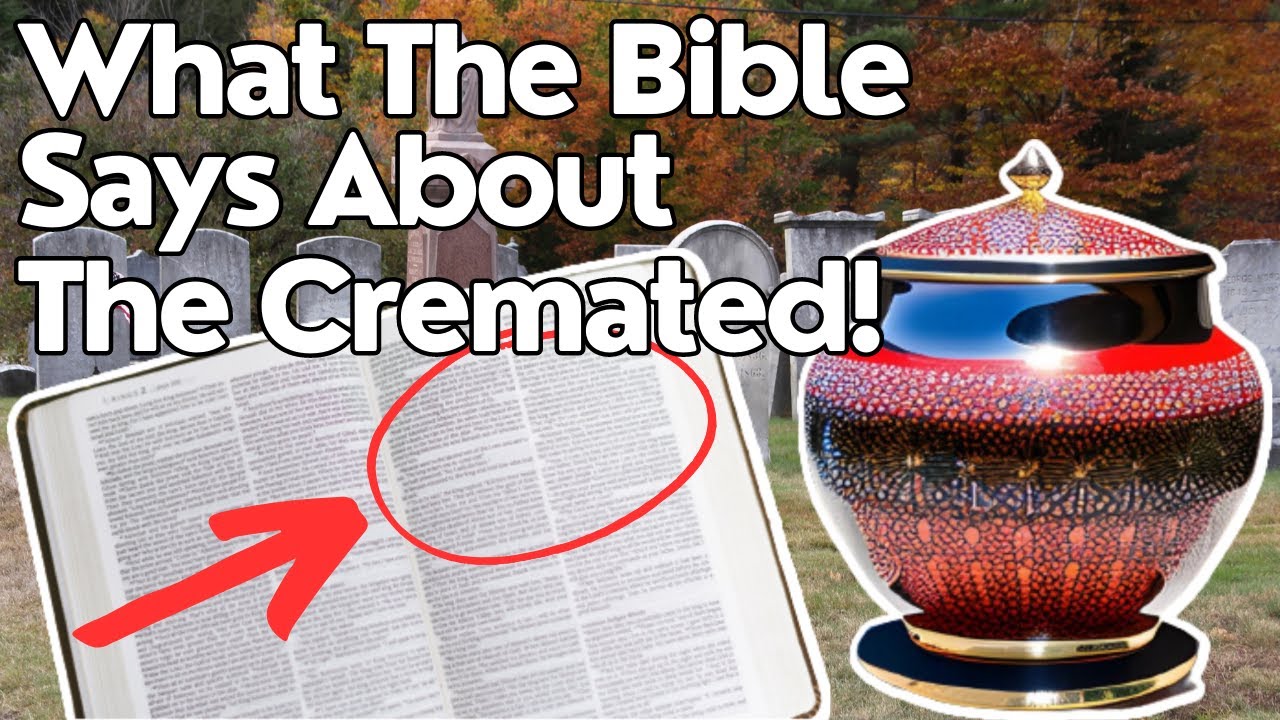
It doesn't matter if your body was buried in a cemetery, cremated, consumed by an animal, or simply disappeared; when the trumpet sounds, all the particles of the body will come together and present themselves to the Lord. Another interesting thing that will happen at this moment is that the resurrected bodies will meet the bodies of those who were alive when Jesus returns, and we will all have glorified bodies, like Jesus. Just imagine: one day, without warning, the sound of a trumpet will echo in every corner of the world.
This will not be just any sound, but the announcement of an unprecedented event in human history. According to the Scriptures, this will be the moment when something extraordinary will happen: the resurrection of the dead and the transformation of the living. This idea may sound like something out of a fantasy book, but it is firmly rooted in biblical promises.
The most incredible thing of all is how the Bible describes this process of reunification and transformation. No matter what happens to the physical body after death, at that decisive moment, every particle, every atom that once belonged to the faithful will be reunited. It is a promise of total restoration that surpasses the limits of what we normally consider possible.
Now think about the meaning of this in a world where death seems to be the definitive end. The Bible offers us a completely different view; it tells us about a future where we will not only continue to exist, but we will be restored to perfection. And we are not talking about an ethereal or spiritualized existence; we are talking about tangible glorified bodies, free from disease, aging, and death.
The concept of glorified bodies, like that of Jesus after his resurrection, is fascinating. Jesus did not return as an intangible spirit; he physically rose, was able to eat, be touched, and even show the marks of crucifixion as proof of his identity. But at the same time, he was able to appear in closed places and ascend to heaven.
This hybrid nature, both physical and glorified, is what awaits us. This meeting of the resurrected with those who are alive at Jesus' return will be a moment of indescribable joy. Families and friends separated by death will be reunited.
Imagine the tears of joy, the tight hugs, and the disbelief transformed into praise. It will be a moment of redemption, of the fulfillment of divine promises, where every tear will be wiped away. Suffering will no longer be remembered.
Furthermore, this transformation prepares us to live in the kingdom of God, to rule with Christ, and to enjoy the new creation that he promised. We will be able to explore, learn, and grow without the limitations we face now. Eternity will not be endless boredom, but a continuous adventure filled with love, knowledge, and discovery.
Therefore, this biblical promise is not just about escaping death; it is about the restoration of all things, justice, and the fulfillment of the purpose for which we were created. It is a vision that gives meaning to the present and hope for the future, encouraging us to live in a way that reflects this glorious hope. When the trumpet sounds, we will be ready for what will undoubtedly be the most exciting chapter of our existence.
So, brothers, it is normal to have doubts and fears about death, and much of this happens because we are not sure what will happen to us when our life on Earth comes to an end. But the word of God is very clear and brings us much comfort regarding this moment that all of us will eventually go through. Death, my brothers, is not the end.
Jesus died and rose again so that all who believe in him can have eternal life, where there will be no more death, pain, or suffering. So believe in the promise that Christ makes to you today: "I am the resurrection and the life. He who believes in me, though he may die, shall live, and whoever lives and believes in me shall never die.
" Eternally faced with a reality as mysterious as death, it is understandable that doubts and fears arise. After all, facing the unknown has always provoked a certain uneasiness in human beings. But as the passage quoted offers us, it provides a different perspective—a vision that transforms the apparent end into a new beginning full of hope and promises.
When we reflect on Jesus' words, "I am the resurrection and the life," we are invited to see beyond the limits of our physical world. Jesus is not just talking about overcoming death in a literal sense; he is talking about a transformation so profound that it transcends our earthly understanding. The eternal life mentioned here is not simply an extension of our days on Earth, but a completely new quality of existence in the presence of God, where suffering and pain have no place.
This promise gives us a new lens through which we can see life and death. We don't need to desperately cling to each moment as if it were our last, nor see the end of life as an irreparable loss. Instead, we are encouraged to live fully, knowing that each experience, each joy, and each challenge are part of a larger journey that does not end here.
This does not mean that grief or longing cease to exist; after all, we are emotional beings who form deep bonds. But even amid pain, we can find unwavering comfort in the promise of a reunion in a reality where there will be no more death, crying, or pain (Revelation 21:4). Furthermore, this hope can change the way we interact with the world around us.
Knowing that death does not have the final word frees us to love more freely, act more courageously, and forgive more readily. It inspires us to seek meaning and purpose not only for our benefit, but as a way to reflect God's love in this world. Therefore, as we face the uncertainties of life and the inevitability of death, we can hold firmly to the promise of Jesus.
Faith in the resurrection and eternal life offered by him is not just a comfort in the face of the fear of the unknown; it is the foundation for a life lived with hope, purpose, and unconditional love. So yes, we can believe in Christ's promise, not as an act of denial of the reality of death, but as the deepest affirmation of the life it truly represents. Believe in this, and the peace that surpasses all understanding will guard your hearts and minds in Christ Jesus.
Amen. We have reached the end of our video, and I hope you liked it. Don't forget to subscribe and leave a comment on the video.
Continue watching videos about the history of the Bible; I will leave two recommendations here on the screen. God bless you! We will see you in the next video.