In this video we'll highlight how the THUM wireless adapter can be used with the Fisher FIELDVUE HART digital valve controllers to wirelessly obtain HART variables such as feedback, alerts, and even carry out diagnostic tests. This solution is ideal for applications in which existing plant infrastructure leaves potential information stranded in the field. The THUM adapter can help access the stranded information without having to carry out extensive re-engineering and rewiring of the existing infrastructure.
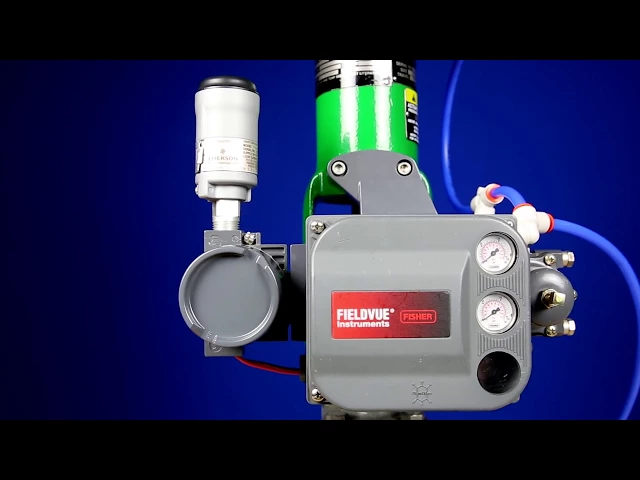
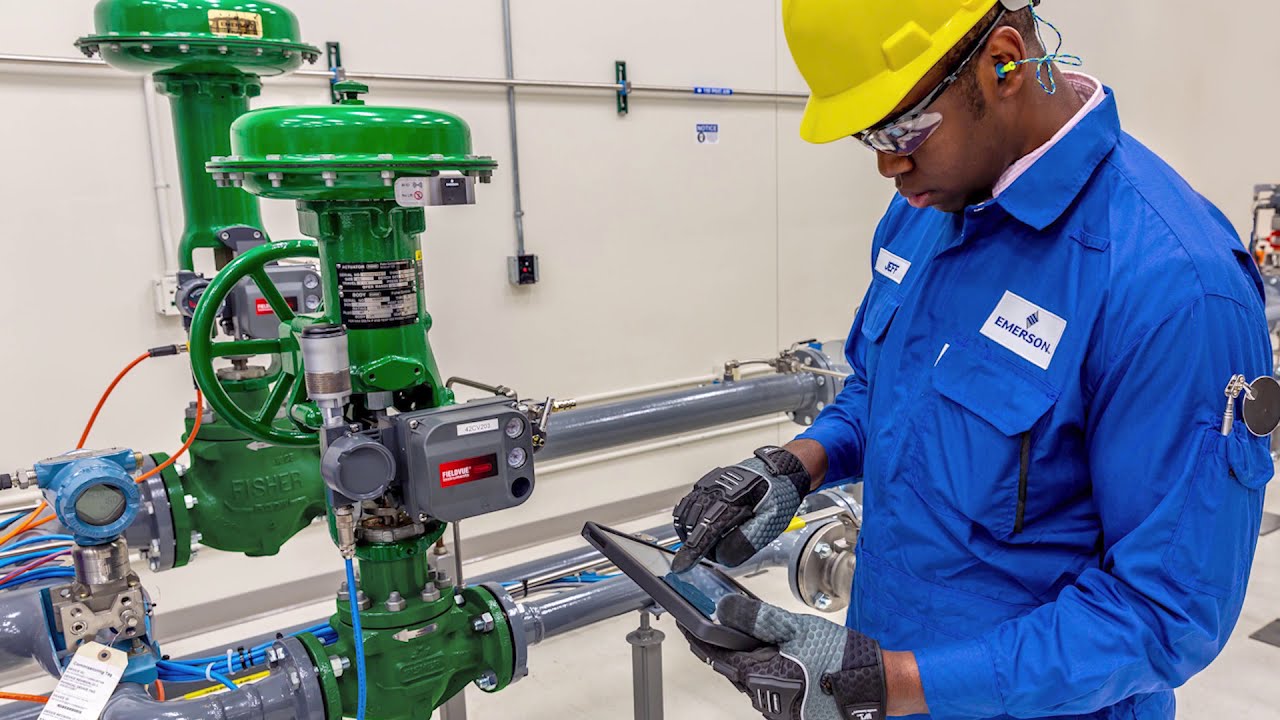
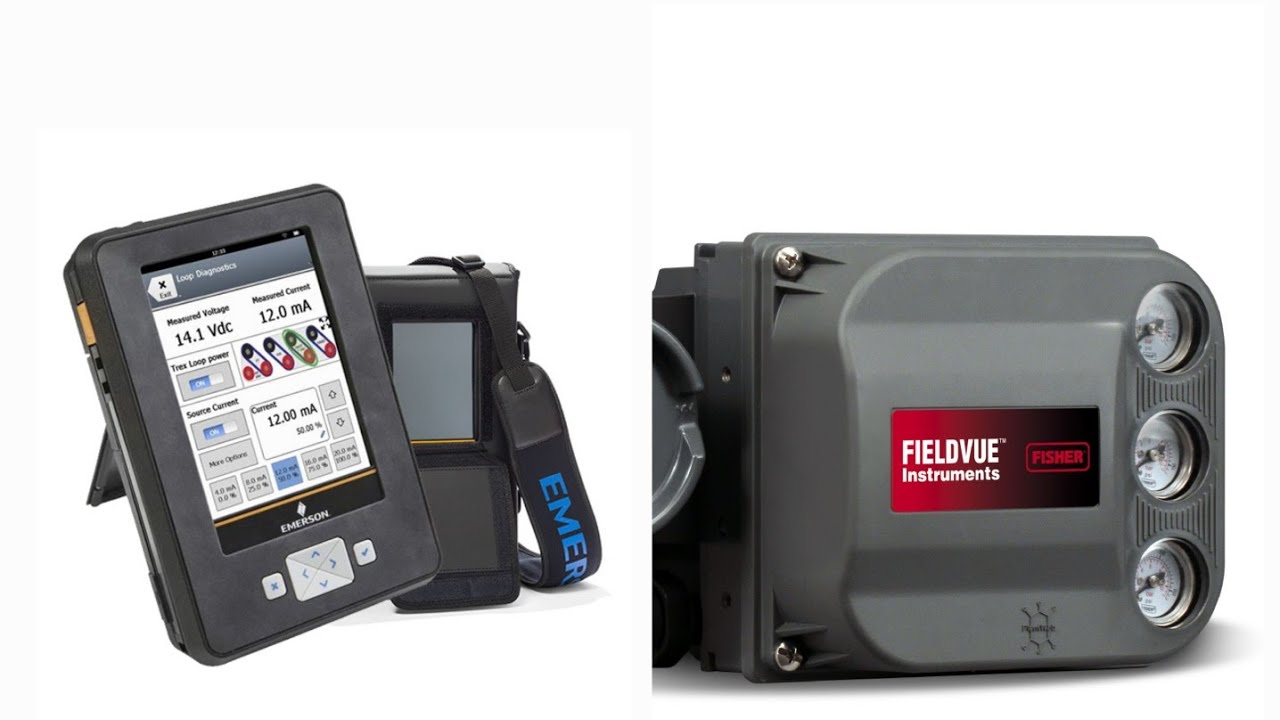
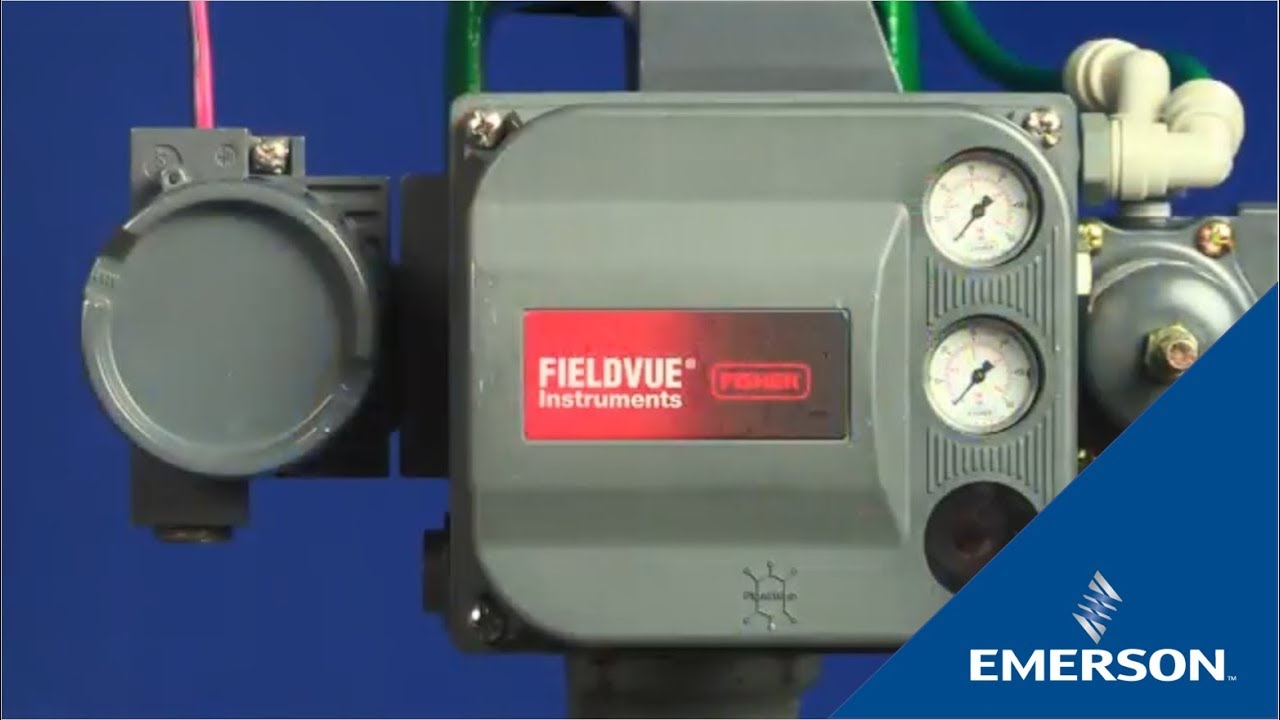
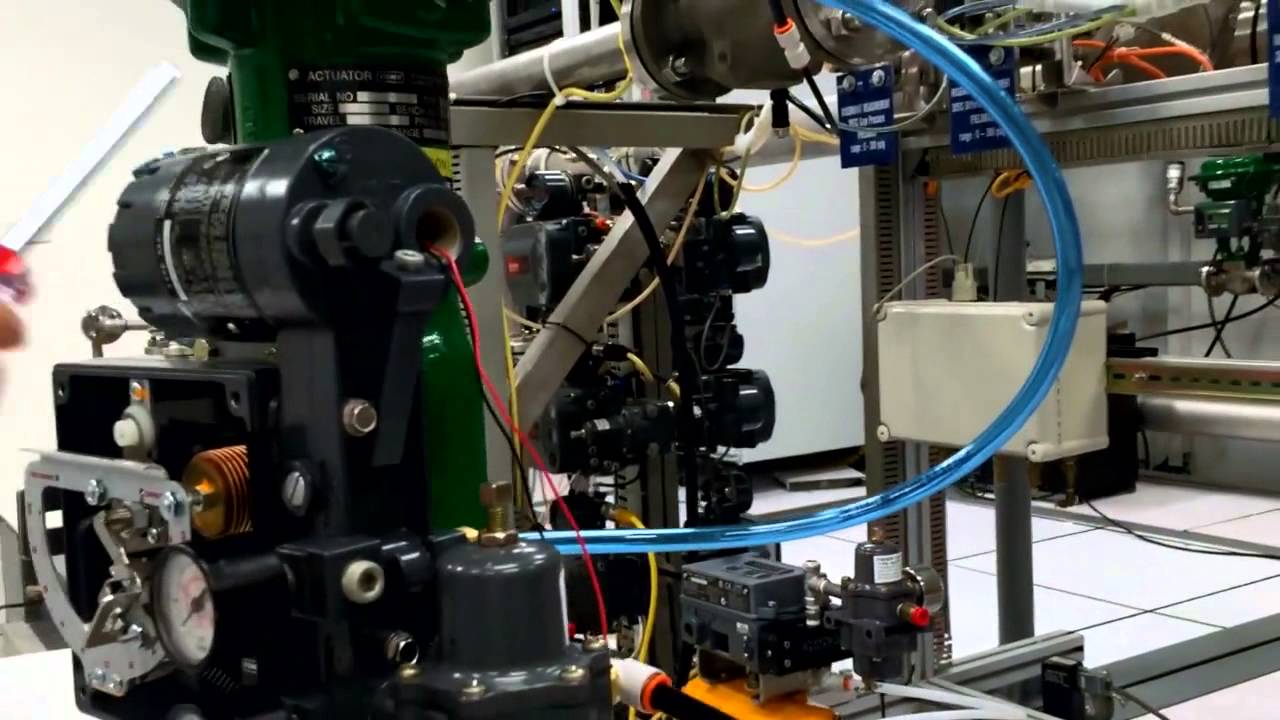
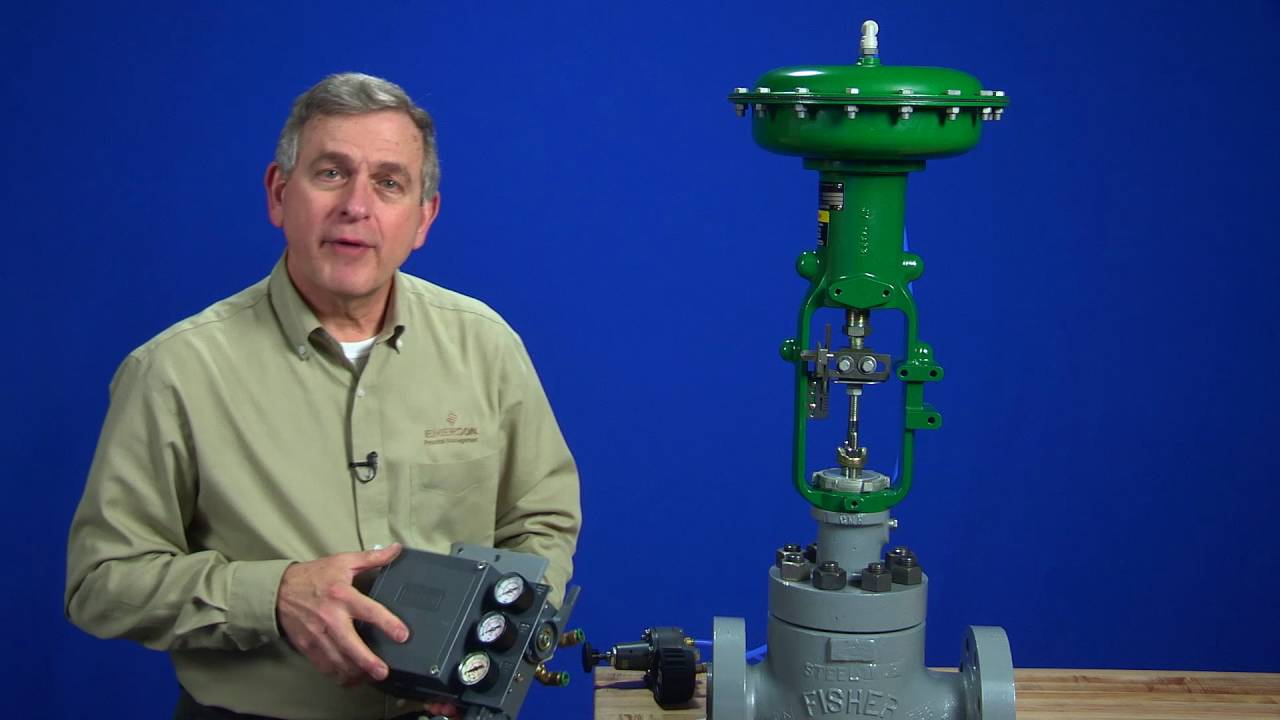
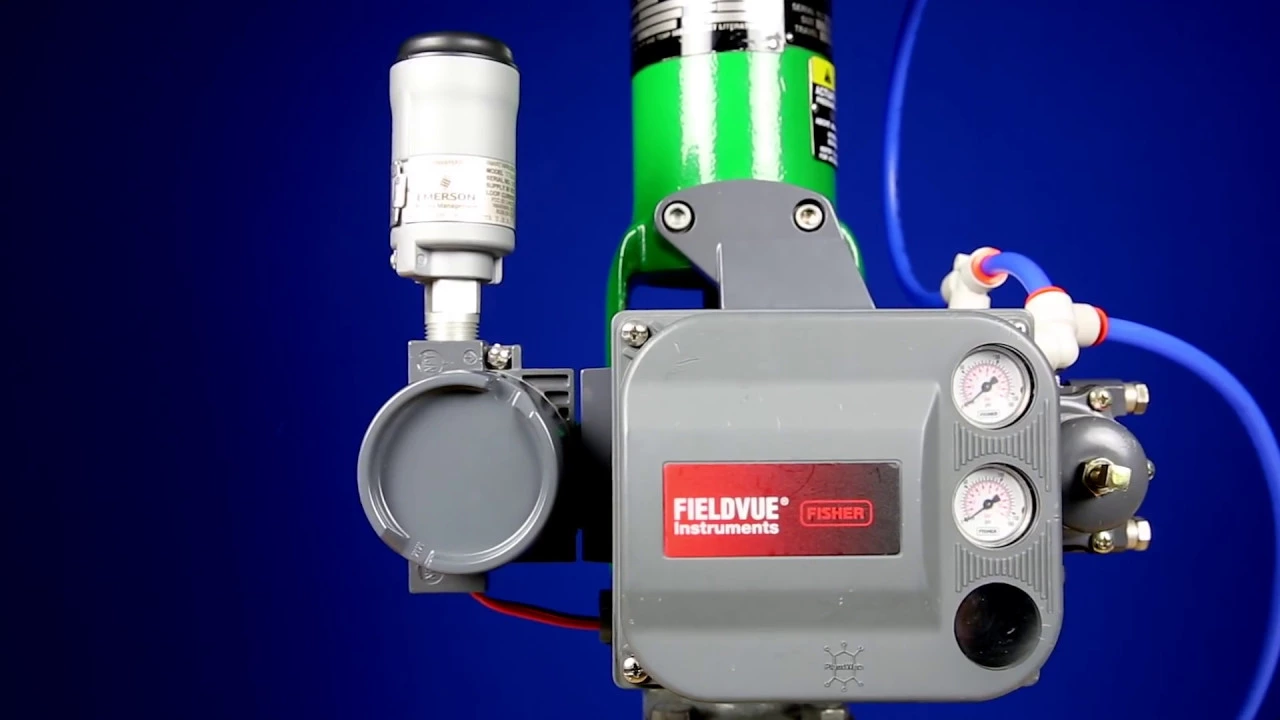
Access to this information can be crucial to creating a safer and better optimized plant. Here we have a Fisher FIELDVUE DVC6200 digital valve controller mounted on a Fisher valve and actuator assembly. The DVC6200 is connected to a loop calibrator which simulates the function of an analog output from the control system and provides a 4 to 20 milliamp input signal to the DVC6200.
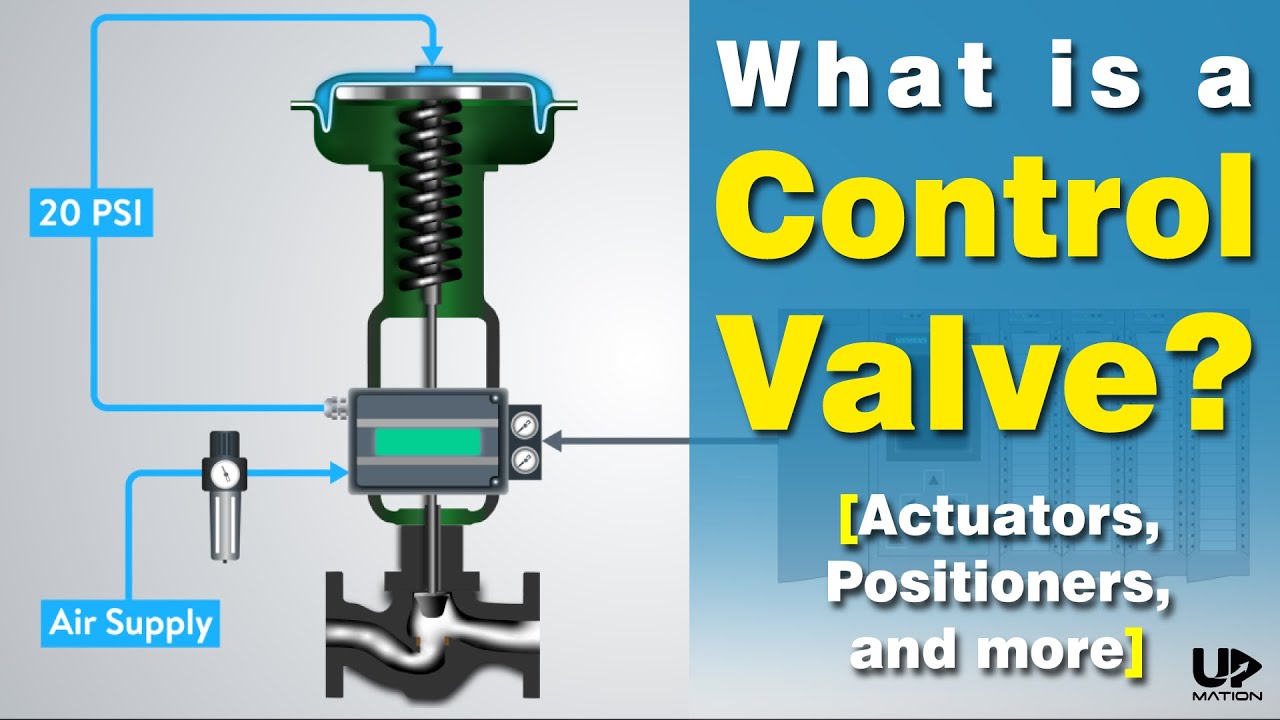
The signal is processed and converted to pneumatic outputs to control the valve. While operating, the DVC6200 is able to provide information through these two wires using HART communication, however, if the existing infrastructure or control system is not designed to receive this information it becomes stranded. The THUM wireless adapter is a perfect solution.
The THUM adapter is loop powered and can be connected anywhere along the pair of wires running to the device. It then converts the HART information typically sent over these wires to a wireless HART signal that's received by a gateway. The information can then be viewed on a server or PC with AMS device manager.
On the PC we're able to see that DVC6200 is connected to the wireless network using a THUM adapter. When you open the device overview you're able to see variables such as valve travel feedback, actuator pressure, input current, target travel, and a host of alerts. This information would be unavailable if left stranded but now it can be mapped back to the control system through Modbus or OPC to perhaps trend or archive.
Connecting the DVC6200 wirelessly will also allow for remote diagnostic capabilities. Using AMS valve links snap on you'll be able to perform both online and offline diagnostics. Let's start a PD one-button test to see if there are any issues with our current setup.
The PD one-button test is an online test. This means it can be done when the plant is operational without affecting process control. A wireless signal is sent to the device to perform the diagnostics.
The PD one-button test carries out tests on different aspects of the digital valve controller and valve assembly. It checks on the supply pressure, travel deviation, functionality of the IDP and relay, and air mass flow between the instrument and actuator. It will highlight possible issues and provide possible causes and fixes for it.
Diagnostic information is then sent from the device back to the wireless gateway. As you can see the PD one-button test has highlighted no issues with our current setup. Visit Fisher.
com to learn more about the Fisher FIELDVUE DVC6200 and THUM adapter. Thanks for watching!