[Music] today's episode is sponsored by acre Trader in the first half of 2022 both stocks and bonds were down you've heard us talk about the importance of diversifying Beyond just stocks and bonds alone and if you're looking for an asset that can help you diversify your portfolio and provide a potential hedge against inflation and Rising food prices look no further than Farmland now you May be thinking Meb I don't want to fly to a rural area work with a broker I've never met before spend hundreds of thousands or millions of dollars to buy a farm
and then go figure out how to run it myself nightmare that's where acre Trader comes in acre Trader is an investing platform that makes it simple to own shares of agricultural land and earn passive income they've recently added Timberland to their offerings and they have one or two properties hitting The platform every week so you can start building a verse AG land portfolio quickly and easily online I personally invested on acre Trader and I can say it was an easy process if you want to learn more about acre Trader check out episode 312 when I
spoke with founder Carter Malloy and if you're interested in a deeper understanding on how to become a Farmland investor through their platform please visit acretrader.com forward slash Meb that's acretrader.com forward Slash med Whitney welcome back to the show thanks beb thanks for having me back we had you originally on in January we got to hear a lot about your framework so listeners go listen to that original episode for a little background today we're just going to kind of dive in we got such great feedback we uh we thought we'd have you back on to talk
all things macro in the world and em and volatility because it's been quite a year I think It's one of the worst years ever for U.S stocks and bonds together and so I'll let you begin we'll give you number is the key key thing there because you know normally they help you know in the last World we've come out of they've protected you a little bit and the bonds have protected a little bit in that mix but they don't always right like the feeling and the assumption that people have got lulled into sleep was that
bonds always help but that's not Something you really can ever count on or guarantee that they're going to help you in times you're bad you know and I think it all kind of connects to what you're were saying before the volatility this year is really macro volatility that you would normally find in an environment you know that wasn't like the last 40 years dominated by Central Bank volatility suppression you know there's been this steady stream of monetary accommodation of spending and Asset prices and so on that's allowed all assets to rally at the same time
so for a long time you had like this basically all assets protecting you in the portfolio and you didn't really need much diversification but when you had downside shocks within that secular environment your bonds would would do well problem is now obviously we're not in a world where there can be unconstrained liquidity anymore and so it's creating this big hole that you Know is is affecting pretty much all assets again together so you know one of the things we talked about last time but it will be a good jumping off point today too was this
concept of fighting you know the last battle but you talk a lot about in your great research pieces and and spicy Twitter I'm going to read your quotes I highlight a lot of your pieces you said uh macro volatility is the only thing that matters right now it's Understandable given the speed of change that confusion abounds as folks try to make sense of events using heuristics they developed in an investing environment that no longer exists and then you start talking about risk on Cube so what's all this mean yeah so I'm talking or yeah for
basically 40 years actually exactly now we've known nothing but Falling rates and Tailwinds for all assets and this hyper financialization of the Global market cap and that helped you know boost everything so it's stocks it's bonds it's Commodities ultimately because real spending was also Juiced by all of that money in credit flowing around and so that was the secular world that we were in and that's risk on sort of the first piece of the risk on cubed really it goes back to 71 when two things happened you know under Nixon but semi-independently but created this
virtuous cycle that we were in the first One was you know depegging from gold and so you had you know this constraint that had previously applied to lending and cross-border imbalances and fiscal imbalances and debt accumulation all of that stuff had been constrained and that was Unleashed and on the same size you have all this spending and purchasing power from that you also had the recognition of Taiwan bringing China in and so you had this you know level set lower in global labor costs and the Supply of all of the things that we wanted to
buy with all of that money so that was your sort of secular Paradigm and it was just a fluke that you know it it was it ended up being you know disinflationary on net just because the supply exploded at the same time as the demand Western businesses particularly multinationals were extreme beneficiaries of that environment right lots of firstly falling interest costs directly but also huge domestic demand The ability to take their cost base and put it offshore all of these things just created a big surge in profits as well so profit share of GDP if
I'm talking about like the US which is the home of obviously the most globally dominant companies profit share GDP is very high before last year they're market caps relative to those record earnings uh were very high as well wealth as a share of GDP has been exploding during this whole time so that's the first thing and That encompasses the major well the vast majority of all investors alive today have really only known that period then there's the second period which is so you have money printing for you know basically to unleash these sort of the
borrowing potential and fund these deficits then post GFC everything hit a wall because it turns out constantly accumulating more debt um backed by Rising asset prices isn't sustainable and people are ultimately Their real incomes are being squeezed onshore here in the west you're taking on all this credit and so that hits a wall and you have a really a global deleveraging pressure because this wasn't just a U.S bubble it had obviously had an old economy Dimension to it as well um and so everywhere in the world was deleveraging for a long time and so then
you had Central Bank step in with an offsetting reflationary lever which was The money printing that was plugging that hole created by the credit contraction so that was sort of printing to offset you know the consequences of the excess spending that had been Unleashed by the first risk off so that's the that's two of them the third one is post covid risk on because there was such an extreme degree of money printing that it outpaced dramatically even a record amount of fiscal spending and fiscal borrowing so you had Something like you know number round numbers
the first lockdown cost the economy something like six six or seven points of GDP the fiscal policy offset that by about cumulatively 15 points of GDP and then you had total base money expansion of about 40 percent of GDP and without going too much into framework you know money and credit together create the purchasing power for all Financial assets as well as all nominal spending in the economy right that's Just how things work because you have to pay for things that you buy one way or the other and so because there was so much money
created and base money typically goes through financial channels rather than sort of bringing at least in the first order being broadly distributed across the population you had things like you know massive bubbles in U.S stocks which obviously had the most aggressive stimulus both on the fiscal and monetary side and were The things that people respond to when there's free money being pumped out by trying to buy the things that have been going up for a long time so these things were already expensive in a tech growthy stuff Goods uh you know Tech Hardware software and
the the frothier end as well like crypto and all of that stuff it all just got this wash of uh liquidity into it and so that was the third one and that brought what were already very high earnings and very high Valuations after a 10-year upswing that really was disinflationary benefiting these long duration assets you then pump all the covid money in on top of that and explains why now we're having the inversion of risk on Cube so we're going risk off cubed but from some of the highest valuations in history as a starting point
so there's things like maybe just a your your previous point about heuristics or I guess to wrap it back to that quote people like to think About how much does the market go down in an average bear Market or how much does it go down if it's a recessionary bear market and they just look at these average stats and they're looking at the market today and saying oh you know like it's down 30 it's down 20 depending where you're where you are if we're talking equities that must mean we're close to the end we're not
anywhere near the end of that because it's you know it's just a different secular Environment and the rules that people need to use and Frameworks they need to apply to understand what's driving things are going to look much more like think the Frameworks that worked in the 70s or worked in the 40s during another high debt High inflation period so there's analogs people can look at but they're not within people's lifetimes which is what makes it pricky yeah you know there's a lot of places we can jump off here I think first I was kind
of Laughing because I was like are we going to be like the old people in the decades now we're like you know what you little whippersnappers when I was an investor you know interest rates only went down and we didn't have inflation on and on you know like we just talk about how good the times were I feel like the vast majority of people that had been managing that are managing money currently you know you tack 40 years on to just About anyone's age and there's not a lot of people that have been doing this
that are still currently doing it that really even remember I mean the 70s you know or something even just different than just interest rates down type of environment and so yeah I mean so my I respond to the first thing you said this has been yeah we're at a really shitty Turning Point here from extreme levels of prosperity so I just want to start this whole conversation by saying the levels Are very good and the changes are very bad and that pretty much applies across the board like the last 20 years maybe up to 2019
were just The Best Time Ever as a human to be alive and a lot of it was just technological progress and natural development but a lot of it was this of you know fortuitous cycle of spending and income growth and you know debt of you know enabling spending even above what you're earning even though you're earning a lot and this whole World that we've known is built on that a little bit so the question is just how how much retracement is left economically speaking I think the markets are going to do much worse than the
economy generally because of that disconnect sort of of market caps and cash flows reconverging but um I think that's the first point to start is the levels of everything are very very strong yeah you had a a great comment that I think we even briefly talked About in the last show I don't want to skip over it because I'm going to try to convince you to let us Post Your Chart but this concept of wealth the GDP did I say that right because it's kind of an astonishing chart when you you start to think about
a lot of the stuff that correlates when markets are booming or in busts and depressions and they they often kind of rhyme but this one definitely stuck out to me a little bit tell us a little bit What I'm talking about and I'm pretty pleased can we post it to the show note links yeah of course you can of course and I can send you an updated version so you've got how much of that has actually come down because obviously things have moved very rapidly so but I guess the sort of punch line on that
is we've had the biggest destruction of wealth as a share of global GDP ever so we've had I think it's like at latest today's marks you know 60 of global GDP has been Destroyed in terms of the asset values basically this year like it during this drawdown so it's a big change but again the levels of global wealth as a share of GDP have just been they've been secularly rising but then with bubbles in between you know you see the bubble in the 20s which was another you know techy dollar exceptionalism us-driven bubble you saw
another bubble like that in the 70s although ultimately that got crushed by the inflation that was going On from the early 70s onwards which is the analog to today that I think is most appropriate a lot of this big shift up in wealth as a share of GDP e is a fundamental imbalance between the pricing into these assets today and the level of cash flows that those assets are generating underneath and that Gap is extremely high and it's only off the highs and the reason for that is again coming back to all of this money
that got printed even in excess of what was Spent in the in the real economy which was so much that it created the perpet you know very chronic inflation we're seeing right now on the consumer side of things but even still there was so much money sloshing around in excess of all of that nominal spending that market caps just got super inflated on top of nominal GDP getting inflated and so that's why we're at this unsustainable sort of bubble level and why that level is not sustainable it needs to connect Back to the cash flows
that service assets yeah so that might be a good lead in the topic du jour certainly in the U.S today is inflation and it's one that's at a level tying into our earlier conversation you know is something that most investors haven't dealt with that are investing today and so we talked a little bit about it in the last show but but kind of how are you thinking about it as one of these macro volatility storms what's your current thoughts on It and this will tie into some of the wealth discussion we were just talking about
too yeah there's a lot of directions I could take that the first thing I would say and this will talk I I imagine we'll come back to this later is there are investors alive today who have dealt with inflationary recessions and the constraints you know imposed on their policy makers by this unsavory set of trade-offs that we're now facing and they're all in Emerging Markets right They go through this routinely so we'll come back to that point later because there are markets and sort of inflation hedge assets and so on that don't have these big
disconnects there's a great podcast which we'll put in the show don't links that was on econ talk that was an entire show about Argentina but like not from a pure Economist standpoint but kind of just from a practical and it was talking about how people You know often buy houses in cash and just all these sort of just kind of things you take for granted in many developed economies that it just sounds so crazy I'm glad you said that because you know actually there's two things when you think about the inflation in Emerging Markets they
don't have a lot of debt right the private sector doesn't have a lot of debt the government sector is typically run with much less than we've got in the developed world and so The reason for that is in two different reasons uh connect back to inflation the first one is when there's a lot of cash flow volatility and a lot of macroeconomic effects and rate volatility and so on and they're kind of used to these big swings and their incomes and Swings in they're used to having no fed put in recessions all that kind of
stuff right people take on less debt naturally they just you know the opposite of Leverage is volatility and Vice versa and so and you see that in the markets right volatility creates degrossing and there's also that's like a clear relationship that exists and it's why they're balance sheets are so healthy the second point though connected back to inflation is even if they did want to borrow because you go and you look at these countries and through time the last 20 30 years they're borrowing we look at borrowing flows as a share of GDP because it
tells You how much spending can be financed if you look at that you know year in year out they take out 15 20 of GDP worth of new debt which is way I mean the U.S rivaled that in the subprime pre-sub prime bubble but it's that's pretty high right and yet even with all that high borrowing that levels just continue to go down relative to GDP and that is the power and the lesson of inflation which is why when you come back to sort of the forward implications for the developed World we're now running developed
World debt levels on em style volatility and the prospect of requiring positive real rates to choke off this inflation problem and yet the balance sheets not being able to handle positive real rates that's really the trade-off that's going to shape how inflation unfolds and ultimately that trade-off really incentivizes policy makers to keep interest rates well below sort of nominal GDP growth or nominal cash flow Growth you can think about it that way so that people's incomes don't get squeezed and so that at the same time the principal value of all this debt that we've built
up just kind of gets grown into because of inflation now I think that's just the path of least resistance and that's why we ultimately don't do what's required to choke it off which is a lot a lot is required to choke it off do you think the consensus expects that I feel like if I had to Guess if I had to guess I feel like the consensus is that most Market participants assume inflation is coming back down to you know two three four percent like pretty quickly would you say that you agree it's not even
a a question of whether I agree it's just demonstrably true in market pricing and in survey data and in basically the narratives that discussed on all sorts of forums about you know all of the supply chain Normalizations are coming or supply chain normalizations are happening inflation is coming down because Goods pricing is coming down or whatever connecting things and kind of picking these things out of the air and trying to hold on to this idea that there's a durable inflection because Goods pricing is coming down or the things that we were sort of focused on
at the beginning of the inflationary problem are now normalizing but the problem is that you Know that Batten has been passed already to other parts of the economy and other sources of financing you know it started out being fiscal and monetary you know a lot of Base money expansion it moved to okay well there's a lot of demand people are spending a lot I'm a company I'm going to hire people and that's going to move you know translate into wage inflation and job growth and so now we've got this organic income growth that's very high
and because real rates Are so negative people are borrowing all sorts of money because it just pays to do that and so ultimately we're getting this acceleration actually in total spending power because the private sector is driving it so we've already transitioned into a you know self-reinforcing inflationary loop it's clear to me that the market is not really understanding that because there's a lot of this focusing on you know okay it's airfares or it's used Cars or it's you know what you know whatever it might be in that particular month that is the Ray of
Hope but also I can just look at the bond market right the the linger curve is ridiculous it almost probably it certainly gets gets us down at this point to about two and a half over ten years right so we're we're definitely not pricing maybe going from there backwards we're definitely not pricing any change in the secular regime then taking a step back all like four Points of disinflation from where we are today is priced in in the next year alone and yet at the same time also just to be clear there's not a lot
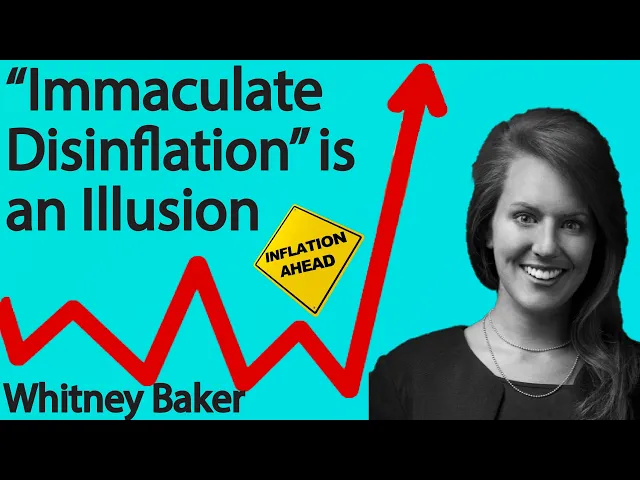
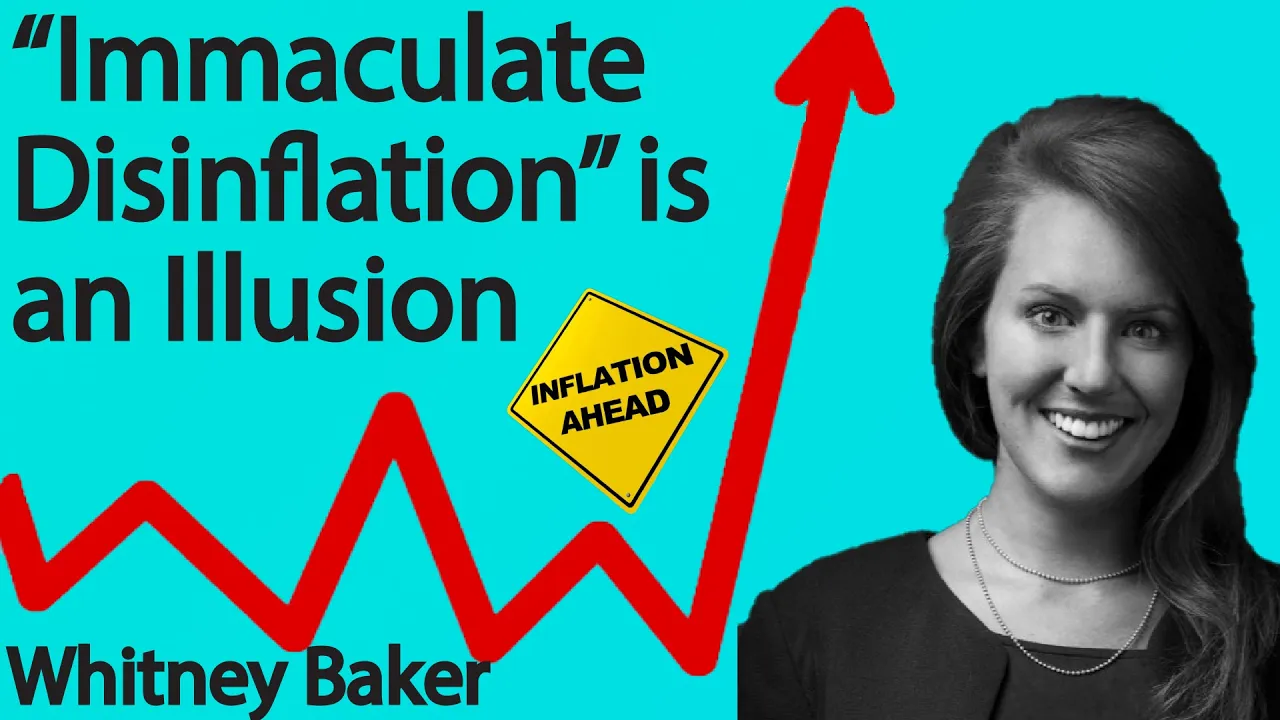
of pricing of a huge demand contraction in the equity Equity market so you know earnings aren't priced to fall there's there's a lot of contradictory reads in market pricing and expectations so there's like what we've referred to as uh Immaculate disinflation essentially priced in which is people still think This is a supply problem and so there's this sort of like hanging your hat on the supply things clearing up all of these you know Freight rates coming down all of these challenges normalizing and how that good that's going to be and validate market pricing my point
is a it's not a supply problem it's excess demand and it's a huge a huge level of excess demand that needs to be effectively choked off but also even if you did have that it's just in the price Like that's what the market is expecting is basically resilient fundamentals and you know just magical disinflation of of about four points in the very near term so I had a tweet poll which I love to do on occasion in June but I said what do you think hits five percent first CPI or the two-year and you know
two-thirds of people said CPI and it's going to be interesting to see what happens two years getting close closer than CPI so is your expectation or do you think that The scenario is that we're actually going to have interest rates lower than inflation for a little while I think I may have heard you said that yeah no I think that's right I think so yeah and I think what happened although at higher and higher nominal levels because I don't think that inflation comes down much so maybe going back to the previous point this whole Immaculate
disinflation thing is supposed to happen when the entire time Nominal interest rates are below actual inflation and that's never happened before for one very simple reason it's you actually need interest the interest burden the cost rising cost of servicing debt and so on to squeeze people's incomes to then generate the spending contraction that chokes off inflation so that's the sequence of events which is why you need to have like X host you know positive real rates in order to choke off inflation and that's why like When you know I think the appropriate framework for thinking
about what's going on right now is an inflationary recession which is just one where you know you can either have that because you have a supply shock and so prices go up and output goes down at the same time or you can have it because and this is the EM framework you're spending a lot more than you make you're running hot you're importing a lot inflation's high it's late in the cycle and so on you're Very dependent on foreign borrowing portfolio flows and something changes your ability to get those flows I mean naturally you become
by virtue of them coming in you become more expensive and less good of a credit or less you know your fundamentals deteriorate effectively as the pricing gets more and more Rich so you're naturally setting yourself up to have an inflection in those flows but let's say there's a global shock or something externally Driven that pulls them away from you you have to adjust your current account immediately you don't you can't ease into it there's fiscal contraction there's monetary tightening there's a recession your currency's collapsing basically it looks very much like what the UK is experiencing
right now and that's because the UK started with a huge current account uh deficit and then it had like a four or five percent of GDP energy shock on top of that and the Government in the fiscal budget was going to basically go absorb 80 percent of the cost of that income shock which meant that people would just keep spending and you'd be sort of you're the UK running you know an eight percent current account deficit in an environment when Global liquidity is you know Contracting so it's just a classic em Dynamic that we're dealing
with here and those guys need to engineer very big increases in realized real rates here It's not uncommon to see 400 bips 600 bit you know emergency hikes as currencies are collapsing because if they don't do that the currency collapse reinforces the inflation and then you have a domestic inflation spiral and a sort of external inflation spiral that feeds into that I think most people expect the normal times to where you know interest rates are going to be above inflation is it a bad thing that we may have a period or a prolonged Period where
interest rates are lower is it sort of necessary just like take your medicine healthy cleansing situation or is there just no choice what's the like if we do have this financial repression period what's your view on it is it like a something we need or is it just kind of the way it is what it is really the only choice so it's it's almost something that you need or for anyway S there's you know if you get to you get to the point where we're running with these debt levels and you actually are seeing interest
costs squeeze people's incomes at that point you start to see credit stress so you'll see delinquencies rising and given the calibration of where balance sheets are in terms of debt levels that would be a huge you know a much bigger deflationary shock than we had in 2008 which essentially You know enabled us to we did a little bit of private sector deleveraging but mostly by in the U.S at least mostly by socializing all of that debt onto the government balance sheet while at the same time monetizing that and we got away with it because you
know there's a credit Crunch and low inflation so that actually extended these imbalances we've been accumulating even bigger and bigger imbalances in spending and borrowing and really recently obviously asset pricing To such a degree that it's much more painful now if we engineer positive real rates imagine you know stocks trading at 20 times earnings well earnings is collapsing in real terms or nominal terms and you're in an environment of effectively the FED continuing to liquidity out of the market which is just mechanically pulling flows back down the risk curve as it were like that's a
world that is very difficult from a credit perspective And also very difficult for the government because you're having such a you know they all also have balance sheet requirements and they'd you know also benefit from having their cash flow growth being you know nominal GDP levels which you know some two three four points above inflation that's very helpful or sorry above interest rates it's very helpful for them and then on the flip side of that asset prices collapsed so you have a huge wealth Shock so all of these very nice high levels we're at just
collapse in a really violent way and then you're it you know you get this kind of self-reinforcing deflationary asset decline deleveraging sort of Minsky style bust and that's really the worst way to resolve this because ultimately it makes it very hard to get out of it without a you know from these levels this is what EMS do all the time but they can do it because a big debt shock Is like 10 points of GDP or something here we're talking about you know debt levels in the 300 percent range you can't really tolerate rate materially
positive real rates if I go back and I look at like even 2006 and right before covid we were just getting there in 2018 at those points you just started to get basically interest rates had come up and just like kissed nominal GDP from below and everything collapsed and the reason for that I mean obviously there was an Unsustainable buildup in debt in the first of those cases back in the pre-gfc but the reason for that more broadly is that there's this distribution effect of okay yes you know if an economy is growing at 10
nominal that's cash flow growth for the overall economy including the government Which tax revenues basically broadly tracked that and corporates and labor get some mix but there's generally you know that is a good proxy for overall cash flow growth In the economy in nominal terms but within that there's some people who can actually pass on pricing you know cost input pricing and so on like as an example tech companies are deflationary companies they by default decrease pricing year in year out and if you look at the real guts of the last two inflation prints the
main things and there's very few main components that are deflating outright are tech services internet uh Tech hardware and goods Men's pants for some reason I don't know what that is about also funerals so there's a few things like that but mainly it is you know Tech related and goods related because people are switching so you know quickly into services and the U.S market cap is so dominated by Goods um and sort of over over represented in the earnings in the earnings pie and so in any event there's this distribution problem where the assets that
are the Most expensive today are also the ones that can't aren't really good they're disinflationary assets right they're what's everybody has wanted for 40 years you know 10 years the last two years is these deflationary long duration cash flow profiles Packy secular growth stuff because the cyclical economy has been so week and that's exactly the stuff you need now but it's the stuff that people bought the most of and have the most of and is you know dominating market cap And so therefore at this point you start to get bigger wealth shocks earlier on as
you know we as that Gap closes there'll be some people who just lose out as nominal interest rates rise they just can't pass through the inflation anyway and so if they have debt or their you know assets are the ones that are particularly important you start to see problems in credit stress and a bigger wealth shocking consequences of that earlier and even you know like I say Back in 2006 the US economy couldn't handle interest rates above nominal GDP do you think the fed or just the people working on this in their head do you
think they think about asset levels particularly stocks um and you know we were talking about this wealth GDP do you think they secretly or not even secretly want those levels to come down you mean now that they've sold all of their positions They don't care anymore the thinking is like okay look we no inflation's a problem we can't jack the rates up to 10 or we're not going to unwilling to and so stocks coming down 50 percent feels potentially palatable because there may be a wealth effect that may start to impact the economy and inflation
is that something you think is possible yeah you're no you're exactly right I think there's based basically um one real unknown in this whole Environment and that's the sheer size of the well shock like we have had wealth shocks before obviously the GFC was a huge housing shock sub the.com unwind was was a pretty big well shock the 70s was terrible and so there have been big well shocks before but because we're starting again from such high levels of market cap to GDP or wealth to GDP we're having a massive wealth shock relative to GDP
and so the question is just but remember like two years ago over the Last ruling two years you had a massive wealth boom relative to GDP and people didn't really spend it because they couldn't you know there was the lockdown issues it just went so much faster than nominal spending in the economy and so there was a very small pass-through from that wealth bubble to the real economy so that's the first thing or credit flows or anything like that and now that it's coming down my guess is uh that mostly it just sort of Recon
converges Again with economic cash flows you get that recoupling so there's an underperformance driven by the fact that the FED is now sucking all of that money out of financial markets so it's creating a liquidity hole which is affecting bonds and stocks alike causing a repricing even just in the discount rates that are embedded in stocks but also obviously sucking liquidity out of the market in a way that impacts risk premiums and that kind of stuff and so You're just getting this big shock there and my guess is it reconnects with the economy but doesn't
really choke off spending much and then if you go and you look at these cases in the past of big well shocks and these that's the sort of stuff we do we run these these uh cases of all these different Dynamics because everything going on in the economy can be understood in a sort of phenomenon type way and so if you think about the phenomenon of a wealth shock usually When there's a boom it's been driven by a lot of debt accumulation so like the GFC there was a lot of borrowing that drove up you
know mortgage borrowing drove up house prices and it created this virtuous cycle on the upside that then inverted and went went backwards but there was a lot of debt behind that wealth shock and that's why there was a big actually credit driven impact on the economy on the debt side of the balance sheet rather than the asset impairment Itself being the problem every other wealth unwind uh like a big bubble unwind like we had in the 20s um and again the 20s was like the GFC a banking crisis a credit crisis um if you go
back to the.com uh it's like nominal GDP in the.com never contracted real GDP contracted for one quarter then it went up then it went down for one quarter again but like 20 bips and so actually if you look at nominal nominal spending and cash flows Overall even though wealth collapsed in the way that it did nominally nominal spending didn't go anywhere except for up so I you know my guess is the well shot doesn't do it but it is the wild card because we've never seen something so big yeah well said so a lot of
people talking about the Fed eye movements blinking not blinking these days we had a fun comment on a podcast recently with cuppy where he said oil is the world Central Banker now What's your thoughts on you know that's certainly been in the headlines a lot lately I saw you referencing somebody giving someone else the middle finger I don't want to say who it was so I want to make sure you you get it right what's your thoughts on oil its impact on inflation everything going on in the world today yeah so I guess that the
place I would start is that you know that that initial framing of the secular environment which Has been one of globalization where we have become sort of demand centers over here and suppliers of things over here and there was just no one cared about the security of that arrangement for a while because the U.S as the dominant power to sort of physically guarantee the security of it but also financially underroaded and underwrote every recession and all that kind of stuff and yet you know the sellers of goods so you're China's and your taiwans and Koreas
and your Saudis and so on this is sort of folding in the petrodollar and oil impacts all those guys had surpluses from selling us stuff that they could then use to buy treasuries so there's been no period aside from this year in the last 50 years when some Central Bank wasn't buying U.S treasuries so that I think is one point worth making that reinforces the liquidity hole that we are we are in broadly it's not that oil prices are low obviously it's mostly That those countries by virtue of selling us stuff ultimately then became more
prosperous and started to spend that income on stuff domestically obviously China had a big property and an infrastructure boom and so on and so by virtue of doing that they eroded their own surpluses you know if you remember like post GFC the U.S was really the only Central Bank that got off the ground interest rate wise right so it was not just U.S risky assets that Dominated inflows but we did have a period where you know the world's Reserve currency was also the best carry in the developed world and so it sucked in all of
these Bond inflows and so on and so even in the last cycle when the Fed was buying for a lot of it even when they weren't you had foreign private players like Taiwanese lifers and Japanese Banks and so on all buy it as well and so that I think is is really the issue on interest rates and when why That matters in terms of oil is you know effectively it was an agreement to supply energy and goods and labor that we need and we'll Supply paper in in return and now that the paper is collapsing
you know and inflation is high of these prices of supply chain and labor and oil and commodities it's not so much an oil thing it's just that there's excess demand across all of these available areas of you know potential Supply and so you're getting a Synchronized move higher in prices and so the you know if this is just another way of saying that the value or the cost of real things is now essentially converging with a falling price of all of those paper promises that were made all that time and then you know post GFC
because of the U.S getting rates off the ground a lot of countries found that with their diminished surpluses found that intolerable or you know they got squeezed by it if they were pegged to Dollars Saudi and Hong Kong are two of the few countries that remain actually hard pegged to dollars but China depaked Russia depeg you saw a lot of Emerging Markets one after the other think like I'm gonna get off this thing because it's choking you know my supply of domestic liquidity as well as you know making me uncompetitive and so worsening my imbalances
further and so we you know we are dependent on those oil surpluses have been dependent I should say they're Already gone so they're already not really coming back saudi's not really running much of a surplus um and so the problem is even if they did still want to buy the paper and even if they did want to still Supply the oil at the prevailing price they don't have pegged currencies and they don't have surpluses aside from Saudi on the peg they don't have material surpluses in any event to use to effectively keep the peg in
force and monetize and buy you Know buy U.S treasuries with as far as oil itself I think it's going back up I mean I think it's pretty clear what's happened which is if you go back to the second quarter of this year there was geopolitical risk premium sure but there was a big dislocation in forward oil and spot oil oil as a result of the invasion and you could tell because of that there was a lot of speculation going on and there was a physical Supply disruption in the spa market so for a little bit
There some of the Russian barrels got taken offline the CBC barrels got taken offline there's a little bit of actual disruption to the market but mostly people just thought there was going to be a lot of disruption and priced it in and then that came out when there wasn't but this whole time I guess you could maybe justify the spr releases around that particular time as you know responding to a legitimate War driven or like event-driven Supply disruption but The reality is the spr releases have been going on since you know October November of you
know the prior year if I remember correctly of last year or so they were accelerating into this already because there was this incentive to try to keep inflation low and going back to the you know beginning of the year the estimates from like International Energy agency these types of guys at the moment excess demand in the Global oil Market with something like six hundred thousand Barrels a day and ever since the Russian invasion not only is that geopolitical risk premium coming out but they've been releasing from the spr something like an average of 880 000
barrels a day so you know 1.3 times the size of the excess demand Gap that we had that was supporting prices in the early part of the year so it's pretty clear to me that you know that huge flow is not only going to stop in terms of that selling but they then will ultimately have to Rebuild and they're going to do that in forward purchases and then at the same time you got things like the Russian oil ban on crude in December that comes into force in Europe the ban on product Imports so refined
stuff which Europe is highly dependent on that comes into force in February and so you're going to see potentially more Supply disruption around that going forward the bans on European sorry European sanctions on insurance ensuring oil tankers they Don't come into effect till December but you know it takes about 45 days or 40 Days for an oil cargo to actually make its full Voyage so they'll start to impact oil pricing or at least I should say the availability of insurance and therefore the ability for Russia to export oil from you know next week onwards about
10 days from now and then there's a fundamental repricing higher of inflation expectations and oil is not only a driver of inflation but a very Good inflation hedge as an as an asset so there's a lot of reasons why I think oil fundamentally is being held down by things that are you know transitory and ultimately that you see a rebound to the the sort of natural clearing price at the same time like we haven't even talked about China and you know it's a billion and a half people who aren't really traveling and so oil is
way up here even with that potential you know sort of even if it's incremental Additional source of demand coming into the market still well good lead in I think em is part of your Forte so you just reference China but as we kind of hop around the world what are you think about Emerging Markets these days never a dull topic what's on your mind so it's one of those things that fits into the bucket of people have these heuristics that are based on the old world but also the last cycle in particular and they think
okay there's going to be fed Tightening there's going to be QE sorry QT so there's a liquidity contraction there's a strong dollar and so on so it must be the case that Emerging Markets is going to be the thing that goes down and particularly the the sort of like twin debtor you know boom bust highly volatile a lot of the commodity Play Type places in latam and that that sort of thing and particularly talking about those guys rather than like places like North North Asia that are much more sort Of techy and dollar linked and
so on and actually are extremely expensive so there's these huge divergences internally but people point to that sort of volatile group and say okay well obviously it's going to do the worst in a world of rising nominal rates and uh you know Contracting fed liquidity and in fact even amidst a really strong dollar this year the you know total return on em yielders is basically flat year to date and partially that's Because the spot currencies have done much much better than the developed World currencies but a big part of it is that they already compensate
you with reasonably High nominal and real interest rates and those nominal and real interest rates are you know because they tighten so aggressively and they're used to being very Orthodox and they remember inflation right so they're like look you know we're not interested interested in you know expanding our Fiscal deficit into an inflation problem we're not going to do that we're going to fiscally contract we're going to hike rates we're going to do it early and they never had the big imbalances or stimulus that you know the developed World effectively exported to them and so
those guys now their assets by virtue of having done such a big hiking cycle and coming into this whole thing you know almost at their lowest ever valuations anyway then became extremely Cheap and already bacon very high real positive real rates so those disconnects that the developer will have to deal with don't exist in a lot of those places and at the same time their cash flows their oil producers are commodity countries they're you know us natural inflation hedge assets that not just you know in this environment but if you look again at the case
studies of all periods of rising and high inflation in the U.S since the 60s it's like oil does the Best nominally then em yield or equities you know em FX yield or FX and so on and so forth it goes all the way down the line and the thing that always does the worst is U.S stocks because they're so inherently in the average case they're so inherently geared to disinflation into Tech and to you know sort of low interest rates and domestic dollar liquidity you know that's particularly the case because we just had this huge
bubble and so they were not only Inflated domestically by everyone domestically buying them but received so many risky inflows in the last 15 years like all of the world's incremental risk dollars came into U.S assets by and large and so all of that is Flushing out as well so actually you know this Cycles drivers are completely different from last Cycles drivers the dependencies are where the flow imbalances have built up is much more centered in the U.S and in sort of techy disinflationary assets That are linked to the US like North Asia it was you
know if you remember for much of this cycle it was the US and China together and their big multinational Tech companies and their you know their stocks doing well and so on and their currency is doing well China obviously during covet has done terribly and so it's already re-rated a lot a lot lower but already has a bunch of domestic challenges to deal with right a huge deleveraging that needs to Be handled properly but then I go and look at the guys in latam you know Mexico and Brazil and Colombia and Chile and even turkey
year to date have some of the best stock performance in the world even in dollar terms so it's kind of funny yeah well you know Emerging Markets very much is kind of a grab bag of all sorts of different countries and geographies and we'll come back to that you know there was I can't remember if it was right before right after we spoke But I I did probably my least popular tweet of the year which was about U.S stocks and inflation there's actually no opinion in this tweet I just said a few things I said
you know stock markets historically hate inflation and normal times of you know zero to four percent inflation average PE ratio and I was talking about 10-year kind of uh Chiller but doesn't really matter it was around 20 or 22. let's call it low 20s we're 27 now but anyway the tweets at above four Percent inflation it's 13 and above seven percent inflation it's 10 and the time I said we're at 40. outside of 21 22 the highest valuation ever awarded U.S market above five percent inflation was 23. and reminder so we've come down from 40
to 27 great but outside of this period the highest it's ever been and above five percent so forget eight percent inflation about five percent was 23 which is still you know it's like still the highest not even the average Or the median and so talking to people man that it's fun because you can go back and read all the responses but people they were angry and I said look I didn't even I'm not even like a bearish tweet I just said these are the stats you know these are just facts you know but it's interesting
that because it's like um people you're naturally kind of threatening the Wealth that they have in their you know in their own accounts because the thing is these assets are the majority of market cap like long duration disinflationary assets are the majority of market cap so you know people want to believe that that and they're so accustomed to that being the case too it's it's also like the muscle memory of know every couple bit you know a couple hundred bits of of hikes that the FED does proves to be economically Intolerable and I've seen this
movie before and inflation is going to come down and there's a lot of both indexing on the recent sort of deflation or deleveraging as a cycle but also the secular environment and then there's just a natural cognitive dissonance that involves everybody's the bulk of everybody's wealth like definitionally when you look at the composition of market cap to GDP or or market caps that comprise people's wealth as we look Around the world so speaking of em in particular there's a potential two countries that are at odds with each other that are not too far away from
each other and make up about half of the traditional market cap of em that being China and Taiwan and you've written about this a lot lately so tell us what you're thinking about what's your thesis when it comes to these two countries because as much as Russia was a big event this year Russia is a Percent of the market cap is small it was Tiny China and Taiwan are not no no totally and so this is like a big problem for emerging markets right which is you know firstly like you said it's kind of a
grab bag like India's Got A GDP per capita of sub two thousand dollars and then you've got Korea over here at like 45 000. there's this huge range of income levels um that comprise that and so there's naturally going to be different levels Of sort of financialization and then all on top of that which naturally would create market cap imbalances to North Asia which is you know more developed typically and obviously China has had a huge increase in incomes per cabinet and so on over the last 20 years so it's grown and index inclusion and
things like that has meant that it's grown as a big part of the market cap but you also had those sort of techy North Asian assets being the ones that were the Focus of the bubble of the last cycle and so their their multiples were also very very high so coming back even to all of the threads that we're kind of weaving through this whole conversation are similar which is there's this group of assets that is very you know priced to the same environment continuing and then there's a group of assets that are priced to
a very different environment or at least one that's much you know faces more headwinds and is priced with You know extremely cheap valuations that give you a bunch of buffer for the preponderance of idiosyncratic events or you know you know supply chain challenges that persist because like think about what Russia did to European energy right and the whole cost of that and the inflation dependencies that that is created what Europe was is a supply block that was effectively dependent on cheap Russian energy in the same way the U.S is a demand Center that gets its
Supply of goods from China mostly um a cheap source of foreign labor right so those dependencies exist and so if it's Russia and China as the the sort of partnership here in the new let's call it the ringleaders of the new sort of Eastern Bloc you know the second half of that the the ripping apart of the China U.S supply chain and all of the inflationary consequences of that and not to mention all of the added spending that companies Have to do to just re-establish Supply chains in more secure places as that whole thing you
know simmers and ultimately you get these fractures and these these sanctions like you know or the export controls we're seeing this week and last week as all these things kind of get ripped apart the inflationary consequences of that are not really yet being experienced right if anything China has been a incrementally deflationary influence on The world's inflation problem in the sense that zero covid and you know weak stimulus up until very recently in the ongoing demand problem in the property bubble you know property sector all of that stuff has made Chinese inflation very low and
Chinese spending low and growth week and so on so again that's another way in which this is the opposite of the last cycle where China stimulus and demand and re-rating and currency we're all like up here with the US in terms of leading the charge and actually floated the world economy as the U.S was dealing with the aftermath of subprime and now it's the other way you know it's like that we have all this excess demand we've all this this oil imbalance all of these things even though China is operating at a very low level
of activity with very low recovery back to something that looks more like a reasonable level of activity so you know it's just very interesting how the Drivers have already changed so much in all these different ways and yet the market pricing is still so unwilling to recognize that those shifts are have already happened and yet you know the pricing is still Chinese assets have come down certainly but things like Taiwan and Korea and your Korean hardware and all these sorts of frothy sectors that led an em that make up a lot of the EM market
cap are very expensive and have yet to price that Whole thing in and at the same time like you rightly say so much of the index is geared to those places that have you know these geopolitical divisions between them that will not only you know create problems for their asset pricing but create problems for the risk even maybe even the ability to trade them the risk pricing the freedom of sort of internationally flowing Capital to and from those places all of these things are are conceivable outcomes of the of a New more challenged geopolitical World
Order and so if you're an em investor the real problem for you is that there's a whole lot of really good assets to buy and really cheap stuff and good inflation protection commodity gearing and so on it is largely in you know 25 of the index so it's not something that is going to be easy to you know when you try to Pivot to take advantage of those opportunities we're talking about people with assets that are tech gear that make Up the you know a huge amount of global GDP a huge multiple of global GDP
these doors are just very small into lat AMS and places like this that have this sort of innate protection they're not well represented in passive instruments like you know the msciem benchmarked funds and stuff like that and so really it's going to be kind of difficult to or you have to just think carefully about how you want to get the exposure then there's the question I think broader the Broader question on portfolio construction and Geographic exposure in this you know balkanizing World environment like what you could take one of two positions on that do you
want to keep all your assets in the sort of Western block countries where maybe you know you're not going to be on the receiving end of a lot of sanctions and stuff like that but you know sort of recognizing that by doing that you're you're crowding your assets into the Things that are least inflation protection most liquidity dependent very expensive and so on or do you want to recognizing that the breakup of these this sort of you know unipolar World creates a lot of dispersion less synchronized growth cycle less synchronized Capital flows therefore you know
more benefit of diversification geographically upswings over here when there's downswings over here like there's a lot of ways in which actually Being more broadly Diversified geographically is helpful in a world where you know not everything is moving just depending on what the FED is doing or what U.S capital flows are doing or you know or U.S demand or something like that so you know there's there's basically two sides of it but I you know grant you that these are huge issues that anybody sort of passively allocated to those sorts of benchmarks has to think about
pretty carefully Specifically I've seen you talk about China and Taiwan recently Taiwan being one of your ideas can you give us your broad thesis there you know what we're trying to do and we've talked a lot about this for the last few months what what we generally try to do is come up with sort of absolute return uncorrelated trade views uh that just are very dependent on the trade Alpha itself rather than sort of passive beta and um within that you know Like I said before there's huge divergences within the EM Universe the global macro
Universe like currency valuations are wildly Divergent in real terms equities earnings levels all the fundamentals so there's a lot of divergences to actually try to express to to monetize um and monetize that Alpha and I think uh the point about Taiwan is right now we are trying to essentially buy things that are extremely distressed but have Exploding earnings on the upside and sell things that are last Cycles winners that are pricing this Trifecta of sort of last Cycles bag holders right is what we've sort of referred to it it has and it's like the trifecta
of Peak fundamentals Peak positioning because everyone has bought your for the last 10 years so you know your stock is expensive your earnings are high your you know Tech Goods or your Semiconductor Company let's say coming Back to Taiwan so your fundamentals are at the peak your sort of investor positioning and flows have come in and therefore that exposure is very high and also the by virtue of all of those flows and fundamentals you know being in an upswing your valuations are at Peak levels and Taiwan is really the most extreme example of that Trifecta
existing in the EM Equity space at least is like if I look at the index the earnings integer literally doubled in a Matter of two quarters and it is not you know to your point before it's not a small Equity index it's not a really that small of an economy but it's definitely not a small Equity index and the earnings integer went from 13 to 27 because so much of it is Tech Hardware obviously semis but that whole supply chain as well and so you know the the explosion in Goods demand or in total spending
during covid then Goods demand particularly within that Tech hardware And within that high Precision semis all of that went in taiwan's favor and at the same time you had you know huge re-rating on top of those earnings so it's just a great example of you know one other principle I like about shorts is to try to have those three conditions met but also underneath each of them a bunch of different reasons why they're not sustainable like why are Taiwanese earnings not sustainable here's 10 reasons why why is that level of Positioning unsustainable and so on
and so the more ways you can have to be right about any one of those things the more buffer you have to be wrong on any given one of them you know it's like you don't need them all to go your way because the thing is price for Perfection and there's 10 ways that it's gonna go wrong and that's just Taiwan and then like none of this is about the geopolitical risk premium right so if I'm thinking about the sort of extra Juice in that the geopolitical risk premium is not only helpful as a potential
extreme downside event for the short but also which you know it's nice to have some sort of balance sheet or event risk that could create you know maximize the chances of the thing doing the worst so with your you know sort of number of factors you're like all right how do I maximize my win rate or my probability of success and then it's how do I maximize the gains when when I when It does uh go in my favor so there's that at the trade level the geopolitical risk but also from a portfolio standpoint this
is a a risk that I think is probably the biggest geopolitical risk I think by consensus anywhere in the world you know outside of the ongoing situation in Russia Ukraine which you could argue is sort of a precursor of and potentially you know much smaller issue from a market standpoint than uh you know Chinese Invasion of Taiwan so all assets would be impacted by it to a pretty extreme degree I think but none more so in terms of hedging out that risk in your portfolio than Taiwanese stocks right so it's just a way to actually
have a add a short position that is extra diversifying to your overall set of risks that you face in the book anyway so as we look like UK and around the world you know in a piece called nothing's breaking are we starting to See some areas where you think there's going to be some very real stressors I think the UK is in I think this is probably purely a coincidence I can't think of any fundamental reason why this would be the case but I think that the UK has been on the Leading Edge of every
adverse policy development that has happened globally in the last 12 years like they were the first ones to do all sorts of you know easing measures into the financial crisis they were the first To the brexit was sort of you know a preamble of the Trump broad Advent of populism and populist policies and then now the fiscal easing into a balance of payments crisis is just very Brazil like 2014 right it's the UK I think is demonstrating uh what it's going to be like for countries running huge twin deficits in the environment of Contracting Global
liquidity um that there's you know there's no longer any structural bid for their Assets that's just the archetype that they're they're facing and it's a very em style archetype to me it's not really a example of things breaking it's just naturally what happens when you have a supply shock of we have a sort of geopolitical event created a supply shock in that particular area huge inflation problem in energy and so on and created this balance of payments pressure but the thing is that you know develop Market governments have gotten Used to this ability to kind
of I think I called it like print and eat free lunches like they just this whole time have been stimulating into everything have gotten used to all of these policies that they have spending priorities that they have not having to trade them off against each other them not having any consequences they haven't really had to respond to an inflationary Dynamic amidst a lot of popular dissatisfaction since the 70s so again They they've forgotten how to do it and you see Colombia over here talking about how they're fiscally tightening by three points and then the UK
at the same time currency's done much worse I mean they both haven't been great but currency has done much worse obviously and you know they're sitting here doing a five percent of GDP or trying to do a five percent of GDP fiscal expansion so I think that's just that set of dynamic dynamics that are facing developed Market governments and policy makers that is what those imbalances are what create the moves in yields and asset prices and so on to clear the imbalances I think that in terms of nothing breaking there's really two things going on
one is you know like coming back to our previous convo like if you think about where we were in 20 like September 2019 a very small fed hiking cycle in an environment of still pretty low inflation and relatively constrained Amount of quantitative tightening you know and the market couldn't tolerate I would argue we were very late cycle in that upswing anyway and so you're naturally setting the scene for a cyclical downswing but in any event the point is anyone would have thought going into this year that 200 or 300 bits of policy tightening would have
been economically unimaginable intolerable whatever the reality is credit card delinquencies which are Always the first to show they're at new lows you know defaults and bankruptcies are very contained any sort of dysfunction in markets is not really showing up there was a moment in the worst part of the bond drawdown earlier this year where bid ask spreads in the treasury market blew out to like 1.2 bips but then they came way back down none of the emergency liquidity facilities that the FED are being utilized there's no real signs of any Stress in the ABS spreads
or even clo losses or any even the frothiest tip of credit borrowing in the U.S which obviously is tightening the fastest totally fine it's all going down smooth right the reason is because coming back to the previous point that people's cash flows are growing more than the interest costs and you just don't see debt squeeze if you don't either have immediate refinancing needs that don't get met like you can't get rolled or and That's just a function of like some of the you know really frothy long array Asian startups and things like that will be
hitting the wall soon because you know they were running negative free cash flow still are in a declining environment and liquidity has now gone out and so there's issues in that sort of there's localized issues in those sorts of pockets but broadly speaking there's nothing big enough at the you know Debt Service level to create any Sort of systemic problem here until we start to really get you know that gap between nominal cash flow growth and interest rates to a narrower level such that some people are actually in on the wrong side of it so
that's on the credit side on the liquidity side you have to see a lot more quantitative tightening to just reduce all of the you know QE it both creates reserves on the bank balance sheets but it also mechanically creates deposits as their liabilities to The extent the bonds are purchased from you know a non-bank uh seller if that's the case you you know you got a lot of excess deposits sitting there people look at Cash balances in like money market mutual funds and conclude that people our Ultra you know risk-averse and the positioning is like
really bearish but those levels are just high as a function of QE mechanically and things like the reverse repo facility is still full of I mean actually it's Accelerating it's got about 1.6 trillion of excess Bank liquidity sitting in there you've got a cumulative fed balance sheet that's like you know many many trillion greater than it was two years ago so all of this liquidity buffer is sitting there accommodating you know the trading of assets all it is is that asset prices are falling it's not that the markets are you know not working and so
things like uh you know the like the pensions crisis in the UK That's crazy I mean pensions there cannot be a run on pensions right like they're not a it's not like you can go to your pension and your defined benefit pensions but you know sponsored by an employer in the UK you can't go to to that uh fund and withdraw your liabilities right there's the problem that they had is ultimately that they you know match their liabilities with a leveraged expression of bond duration which the UK issues Ultra long bonds as A way to
help these guys match those liabilities they got those exposures through derivative exposure so that they could essentially post initial margin take the difference and use it to buy risky or because we are in a world where rates were zero and yields for Jerry rigged lower for you know 10 or 12 years or whatever it was and so they were forced to buy all this risky stuff in the same way a lot of nominal return targeting institutions were and so all They would have had to do is sell the risky stuff and post the collateral and
yes they'd sell some guilts and yields would have gone up but there's no way that a two trillion pound guilt Market was saved by five billion dollars of announced buying and considerably less of actual buying it doesn't make any sense and there's no way there was actually a systemic risk facing those pensions because even if their asset pricing went down and became very Underfunded at a certain point the regulator just steps in Taps the shoulder of their corporate sponsor and forces them to top up you know to regulatory limits so it could have rippled into
some sort of cash call on the sponsors but that's not what people were claiming happened and so that's the kind of narrative that like or Credit Suisse all of that it was like people are looking for some balance sheet explosion somewhere and they're trying To describe falling asset prices by attributing them to a balance sheet problem when really it's just money coming out of the system you know it was a money-funded bubble not a debt-funded bubble and that's what creating the asset drawdowns and it's kind of just a natural de-risking you had a great tweet
the other day that I feel like is pretty non-consensus I have a whole running list of My non-consensitive Views I just remembered a new one today on a Twitter Thread but you have one that says the biggest lie in economics is that an aging population is deflationary fundamentally it's asset deflationary and consumption inflationary can you explain yeah so I think what people do is they look at Japan and they say oh yeah like we've seen how this goes when you have an aging society which has this sort of declining working age population ratio it turns
out deflationary right it's Because like Japan was on the early end of of those inflections and it just so happened actually that that inflection occurred in Japan in 1998 when working age population started to contract which was at the same time when the banking system in Japan was finally forced to recognize all of the Bad Assets and loans that had built up during the boom and and Japanese bubble which led into you know that basically ended in 89 and so they were like forbearing all those Loans for a while actually the concept of reporting an
npl ratio didn't exist in Japan until 1998 and when that happened that was a deflationary debt bust right it happened at the same time the population started to contract and so people look at the two things the working age population work at the two things and look at the two things together and say okay well that's that's what happens but if you just think about the flows of how it works it's like okay There's a bunch of people that aren't going to be supplying their labor anymore but they're still going to be getting income or
drawing down their savings which are invested in assets typically they're drawing that down to use just to fund ongoing spending on things goods and services even though they're not working and producing any income right so part almost the interesting analog is covid like if you go back to covid what we did was we paid People a bunch of extra income without having to work so they're sitting there at home spending you know it's eight percent of GDP or whatever extra they're spending it on goods and services they don't have to actually show up at a
job to get the money to spend on those things because the government gave it to them we'll take that and apply it to the demographics analog and the issue there is that you're it's not that you're getting the money from the government Although in some cases you will because there's pension pay outs and stuff like that from the government but also by and large you're selling down Financial assets that you've been you accumulating for your career specifically for your retirement right so that income gap is not plugged by the government or some portion of it
is but generally the most of it is plugged by actually just diss saving your own private pension pot which is invested in assets so you're Selling assets you're buying goods you're not earning income you're not producing goods or services that's ultimately why like that's just how the Dynamics work and then the only questions really around it are okay but then who buys the assets that you're selling and at what price and then you know do they do they who do they buy them from and what does that guy do with his spending maybe he saves
it more you know it like every economy is the Sequence of you know Ripple second order third order for the fourth order linkages but when such a large population inflection is happening and you have uh already very overheated labor market you know the marginal pricing is all of any incremental Supply disruption is going to be that much bigger because you're already so tight so that's where we are and then you're adding this strag into it as we start to run down what has surprised you most This year I feel like I'm always getting surprised negative
interest rates would probably be my biggest surprise in my career I feel like that was I feel like a really weird period that was a tricky one what about this year what do you look back on you're like huh that was odd the weirdest thing is still happening which is how long it is taking the market to reprice inflation to derate you know frothy Stuff I think it's weird that um despite so much froth into all this or flows into this frothy stuff that actually there's still this by the dip tendency which is why the
market won't reprice to the new reality it's like there haven't been outflows from private Equity there haven't been outflows from Tiger Global there haven't been outflows from Arc there's crypto inflows so you know I look at that and I just say people are you know this has been the longest Upswing uh in you know modern U.S history anyway and certainly one of the biggest cumulatively in terms of price appreciation was as big as the 1920s but over a longer set of years than you know over 25 years effectively that versus um versus a decade and
so the tendency is like people just do what they know and they know to buy the dip and they know it it's worked and so these flows are not leaving these assets even though they just keep Falling because there's no incremental buying it's like the assets were dependent on incremental inflows so those flows have stopped foreigners have started selling U.S stuff but locals have not and so that's kind of interesting to me it's like how how strong is that impetus in the market because it's very mechanical when the FED contracts liquidity the flows that were
pushed out of first like the the least Risky forms of duration that the FED bought those flows got pushed into other replacement forms of duration that were more and more illiquid and more and more risky had less and less cash flows and so on and um it's just surprising to me that people still want to buy it and it's been so slow to to reprice and it's still it's still that way what's your guess and I'll give you my my input but why do you think that is this is just pavlonian or pavlovian where people
have Just been trained for like a decade like every time you dip it's going to rip right back up or what it's a little bit that it's a little bit that like by the dip has always it's been the right strategy especially in the last decade but broadly for investors time Horizons there's also the mix of investors that came into the market in terms of the retail players who were very very recent and hadn't like even the previous experience of you know somewhat you know Different uh Market environment than just the FED pumping and liquidity
all the time so just weren't used to it aren't used to it don't know that correlations change relationships change things different things matter when you're in a stagflationary environment versus when you're in a you know sort of disinflationary upswing like it's just completely different set of Dynamics and so there's just a lot of grappling for what to do and relying on what's worked It reminds me of um post GFC there was just a tendency for people to want to buy financials as an example and it just burned you the whole way down if you did
that uh even to this day and credit swiss's case you know it's like the temptation to buy European Banks it's like third rail stuff uh it went on for for so long um and I think it's just because people get conditioned to the previous Cycles winners and then it's uh it's a hard Thing to move away from or to figure out what's changed yeah it's weird because if you look at the sentiment sentiment's always squishy but you look at some of the aai cinnamon surveys and and people are not they're not bullish or they're kind
of bearish but the allocation is still still near Max allocation right so it's like do what I say or do what I do yeah those tactical indicators it's funny because like we're not trying to trade the markets on a one-month view or Something like that we're looking for these extreme aligned asymmetries and then you know my downside's protected there's all these ways I can win I'm going to put that on I'm aware that there's going to be volatility in it but these tactical indicators which largely involve you know fund manager send sentiment or speculative positioning
or describe some piece of flow that is very small relative to the total stack of flows that's driving a market so as an Example just broad inflows into or out of em mutual funds particularly in the bond space are much more important than individual managers bullishness or bearishness on Brazil versus Mexico over you know but yet those are the things that people talk about the surveys that get read the you know and and sort of discussed and posted all that stuff typically you know are like cftc positioning or IMM or whatever all these Different versions
of that they're just some tiny sliver of incremental tactical price move they're not the thing that's driving broad prices but yet they're the thing that most look at yeah okay Winnie it's been a delight as always for the listeners who haven't had enough they want to hear more where do they go to find you uh yeah so at because of your suggestion we're on Twitter so I'm sort of uh having to go at that it's it's kind of Fun so far at totem macro you we have a website www.tonmacker.com you can find me on LinkedIn
uh you could email at info totem macro yeah absolutely it was great to be here thanks for having me again hello Whitney thanks so much for joining us thank you [Applause]