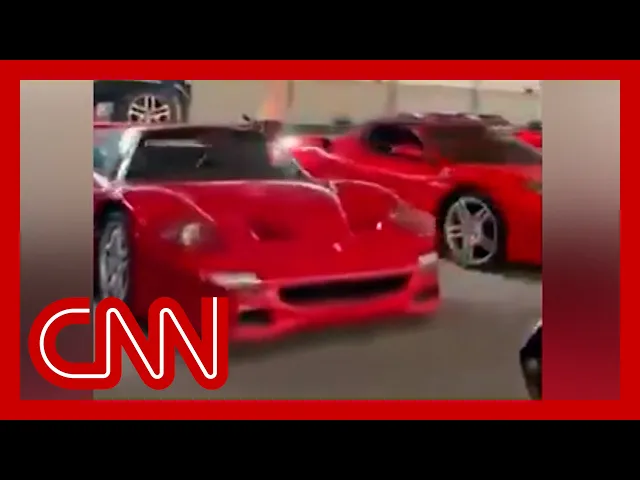
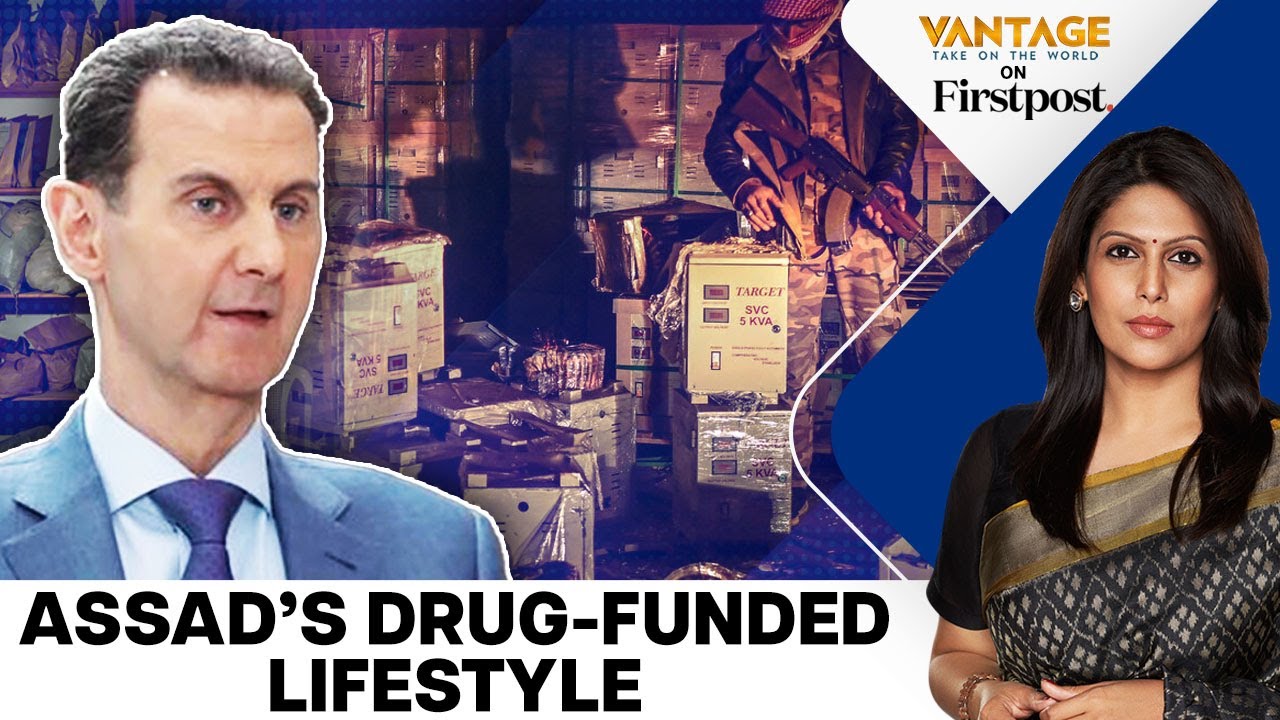
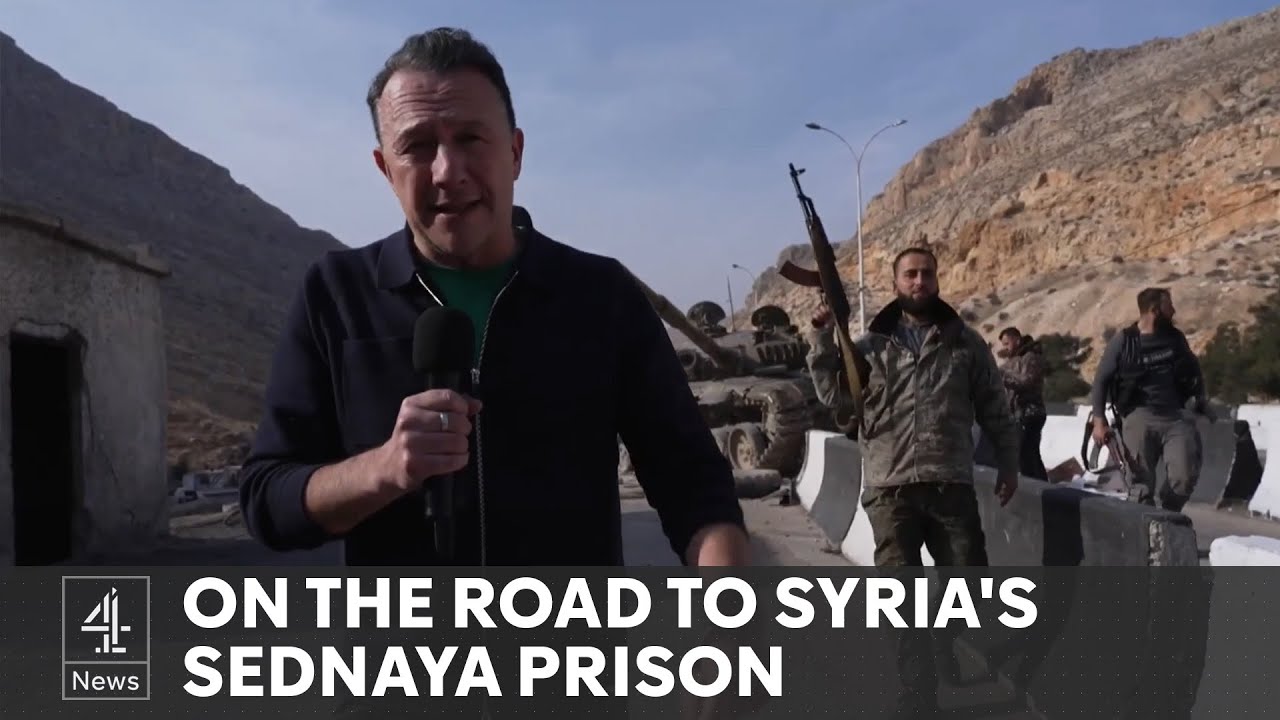
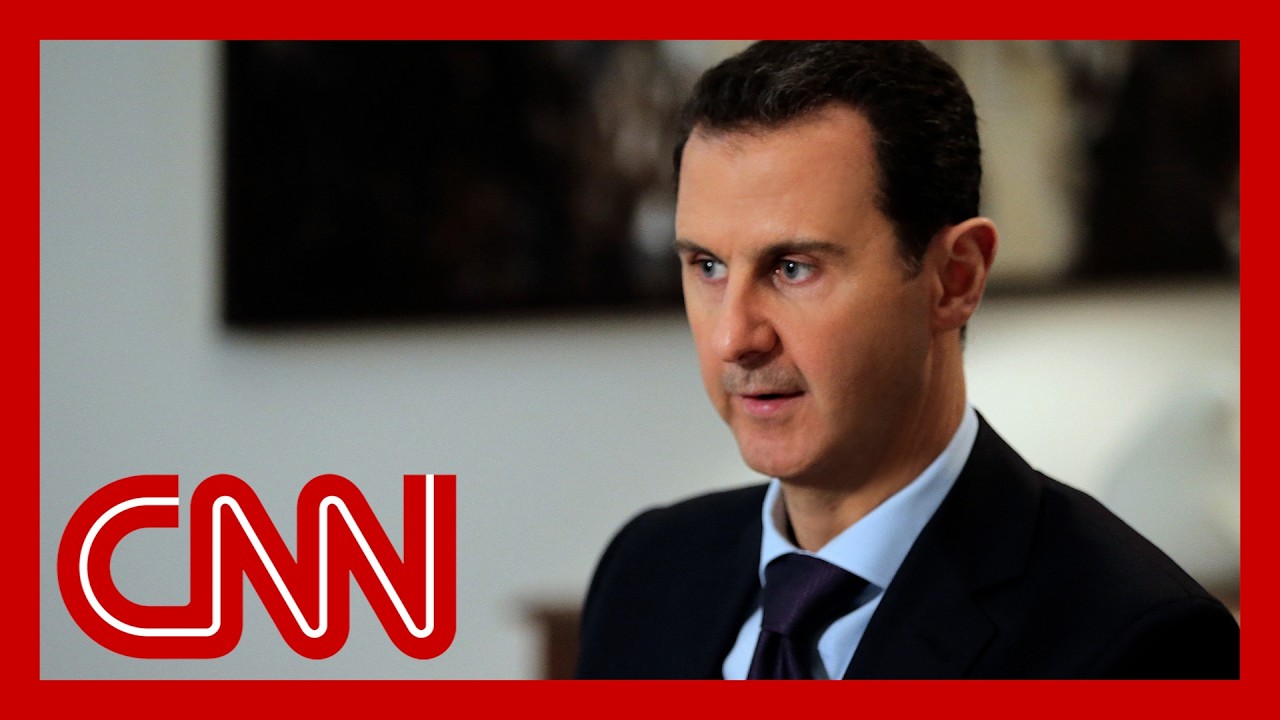
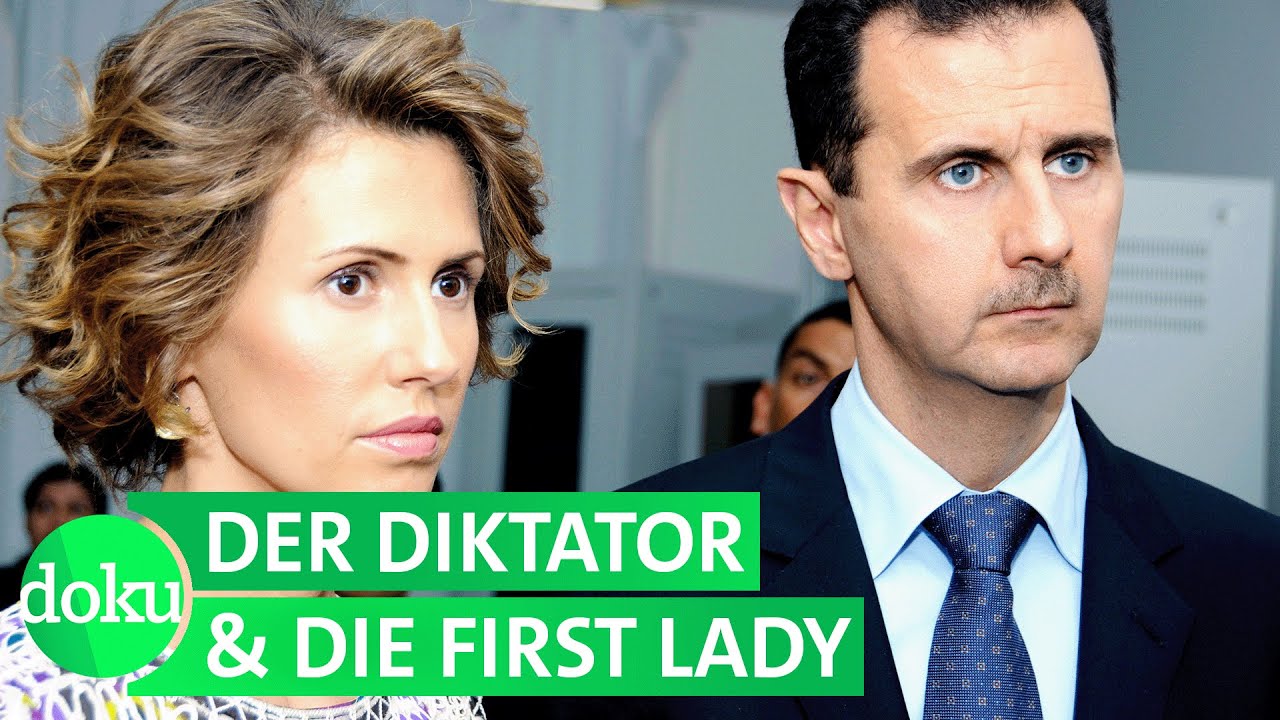
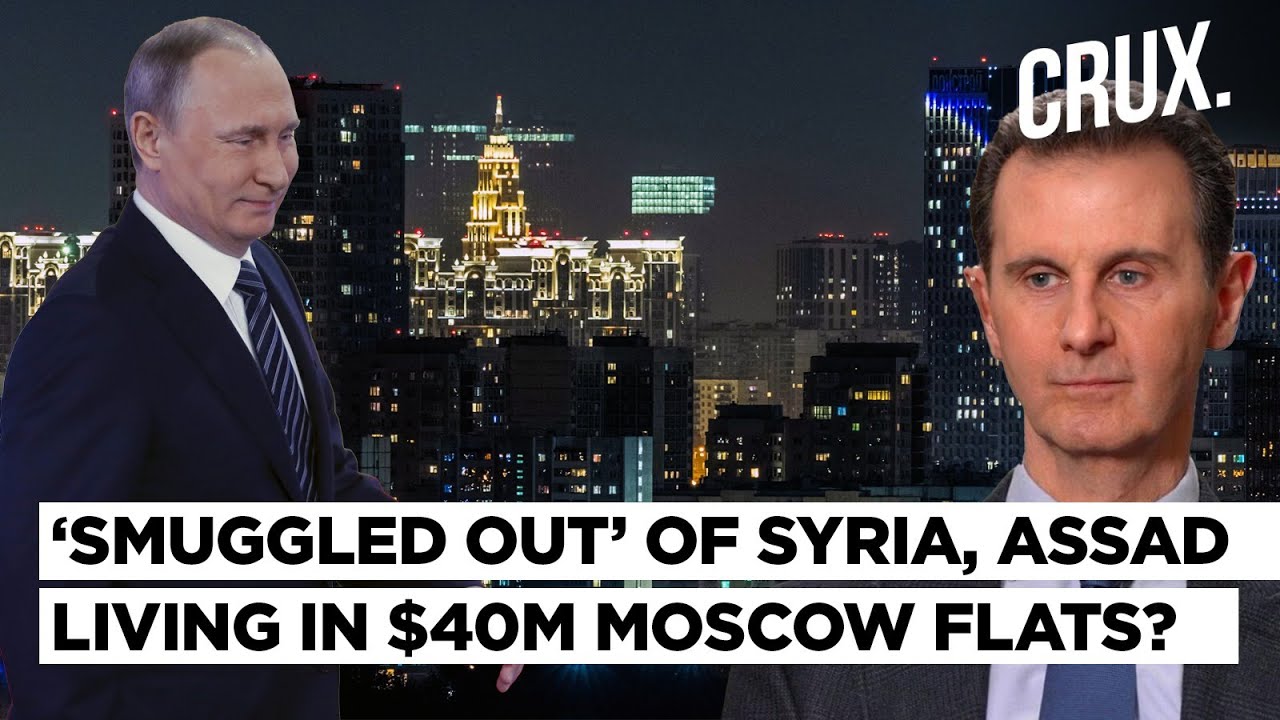
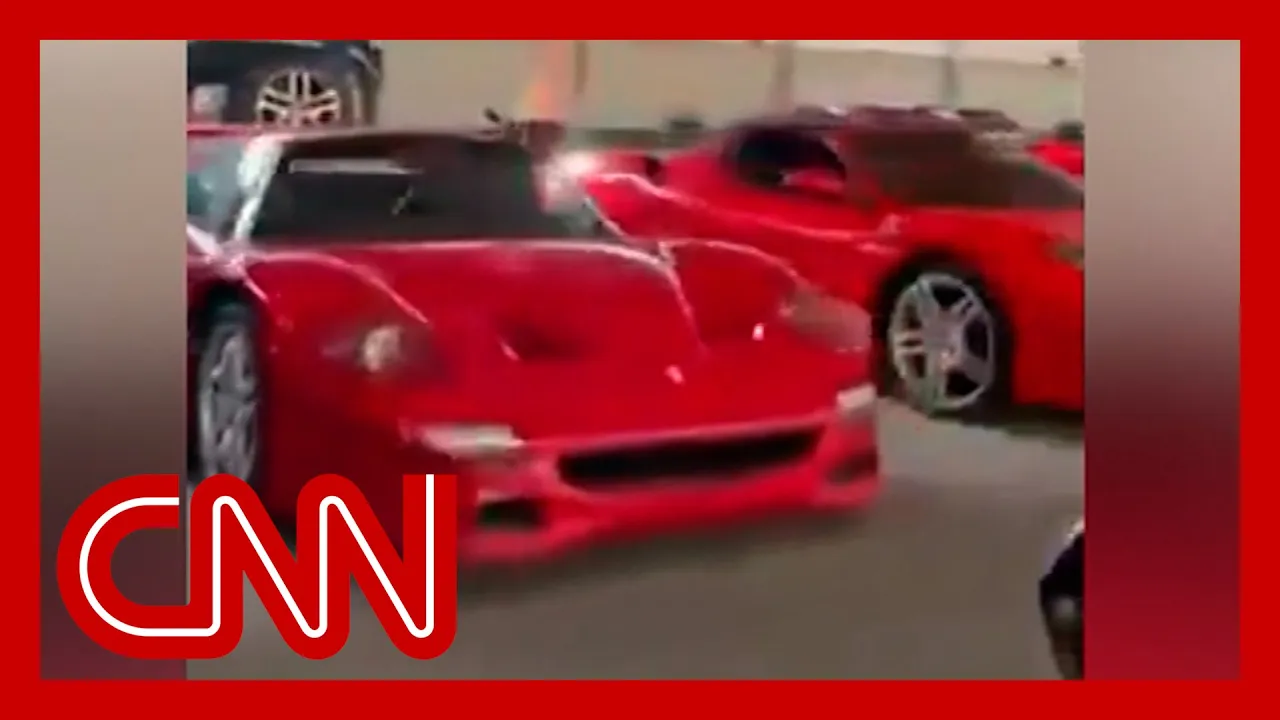
This extravagant car collection belonged to the now deposed Syrian President Bashar al Assad. A Bentley, a Rolls Royce and three Ferraris were among the 40 luxury vehicles stored in a warehouse in western Damascus. Assad is now, of course, in Moscow after he fled from rebel forces inside the presidential palace.
More signs of luxury, piles of food in a country where 90% of the population live below the poverty line, according to the United Nations. The woman behind the camera reads from what appears to be a draft menu for the former first lady. Read.
One book at On Osama bin laden yet, Madam. As rebels took control of the capital, overjoyed Syrians grabbed what Assad's family left behind as they fled. I'd always throw my love in my head on this, you know.
The Assads are estimated to be worth 1 to $2 billion, according to the U. S. State Department.
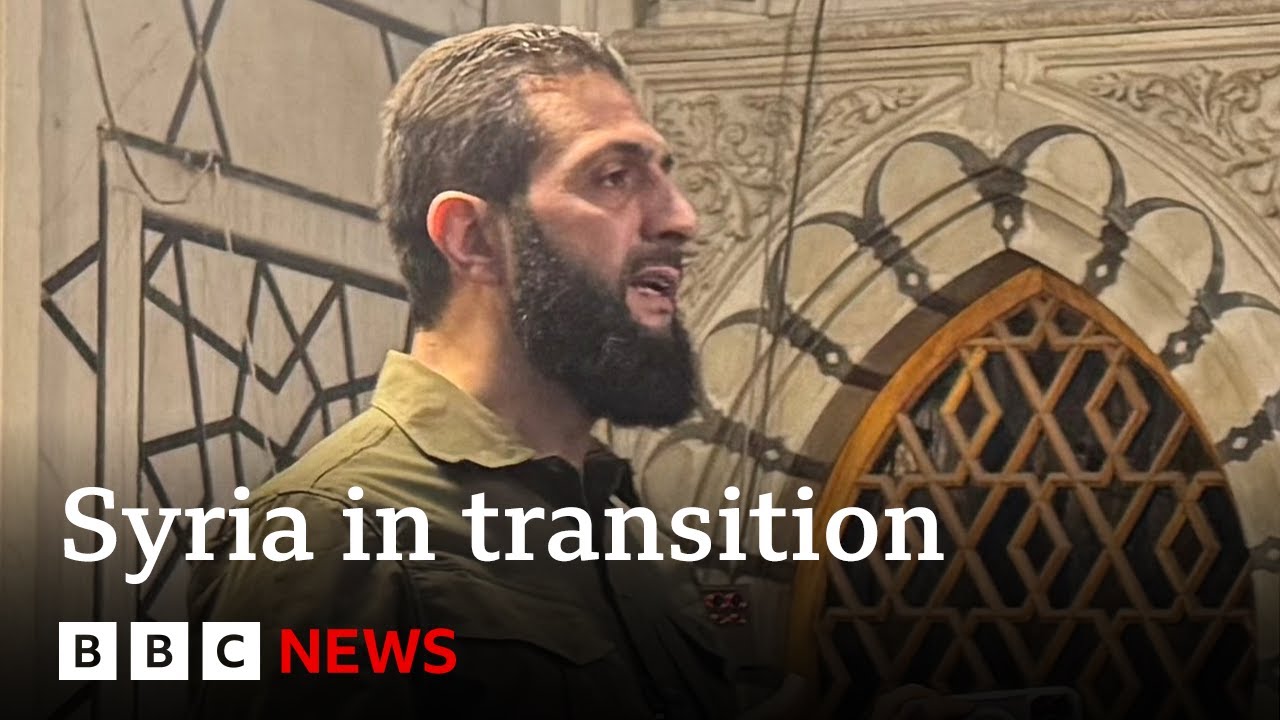
As you the travelers, are looking now, I knew as I look back in the I seen the who you first we started when head mom on the images now emerging from their properties are proving to those Syrians what they already knew to be true that while Assad bombed in brutalized his country, he enjoyed vast wealth. The former Assad regime prime minister has agreed to hand over power to the rebels. Abu Mohammed Al Jilani met with the outgoing prime minister.
New pictures here. You see of that meeting. Now, this comes one day after the 50 year old long Assad regime fell in a lightning offensive by rebels.
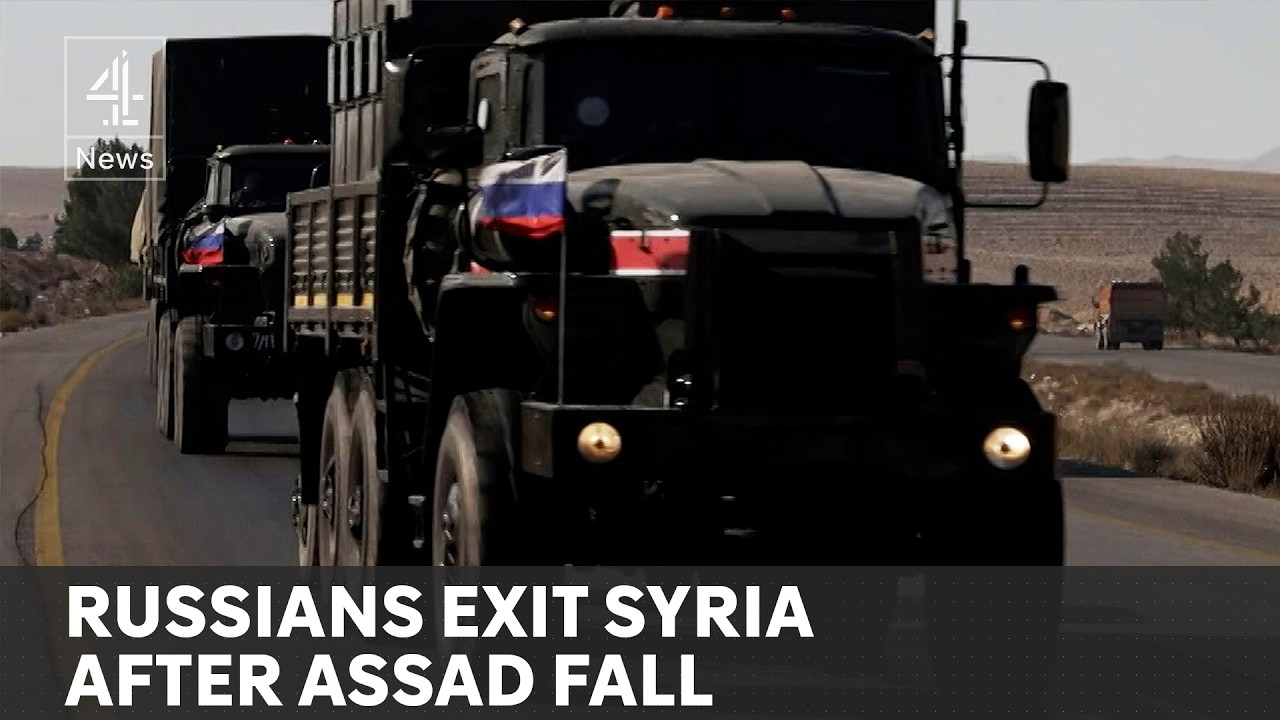
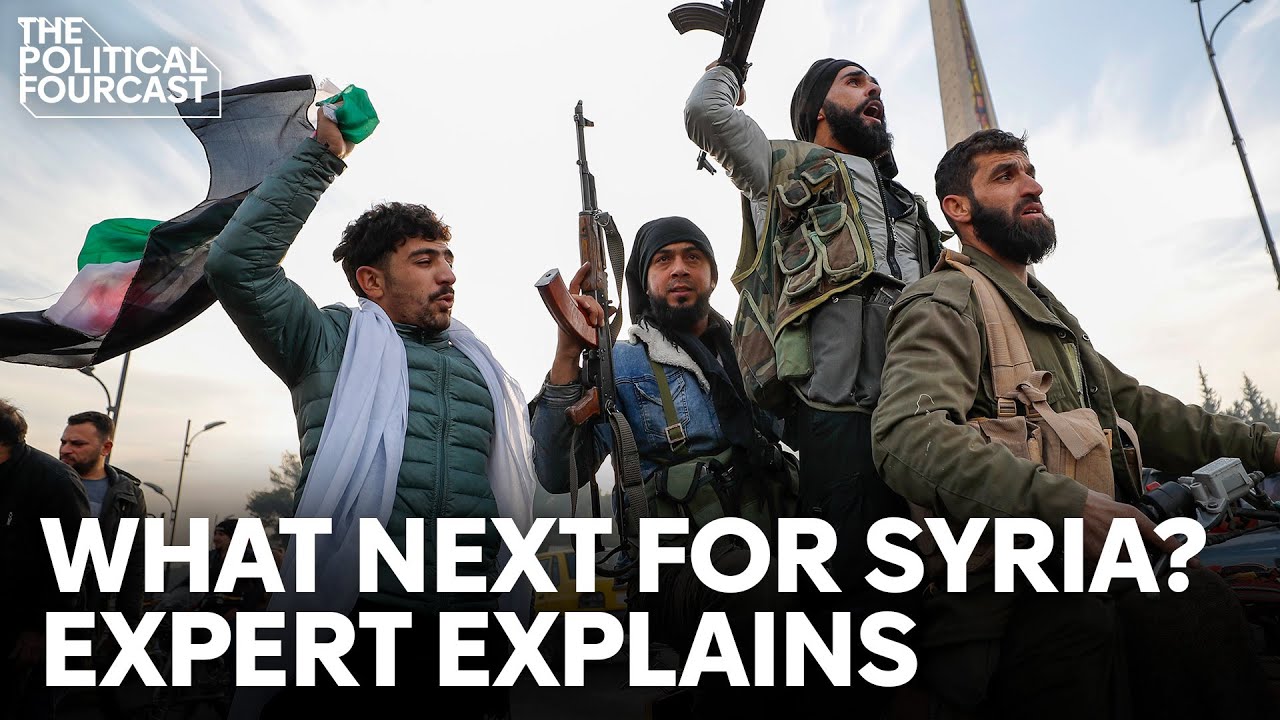
Rebels swept into the capital Damascus on Sunday, sending the Syrian president 24 years fleeing. The official Russian source says that Moscow has granted asylum to Assad and his family. The U.
S. military says it struck more than 75 ISIS targets in the country on Sunday. The US defense secretary warns that ISIS could try to take advantage of the Assad regime's collapse.
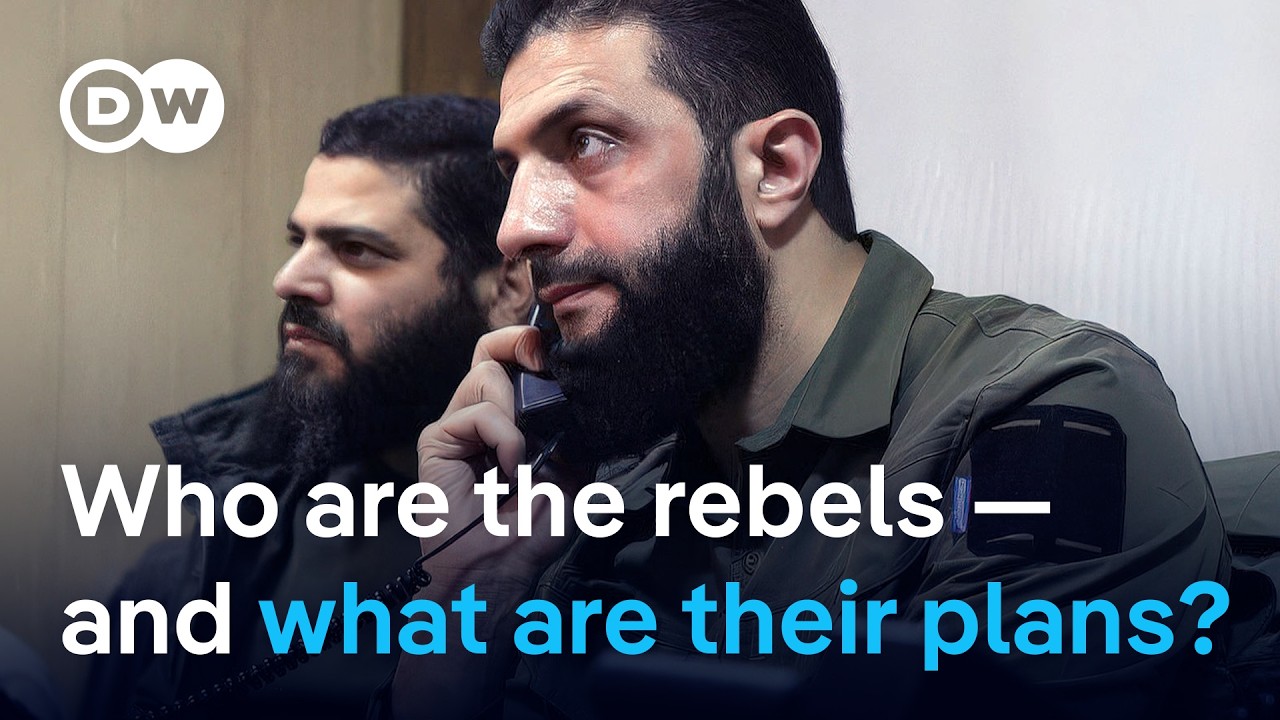
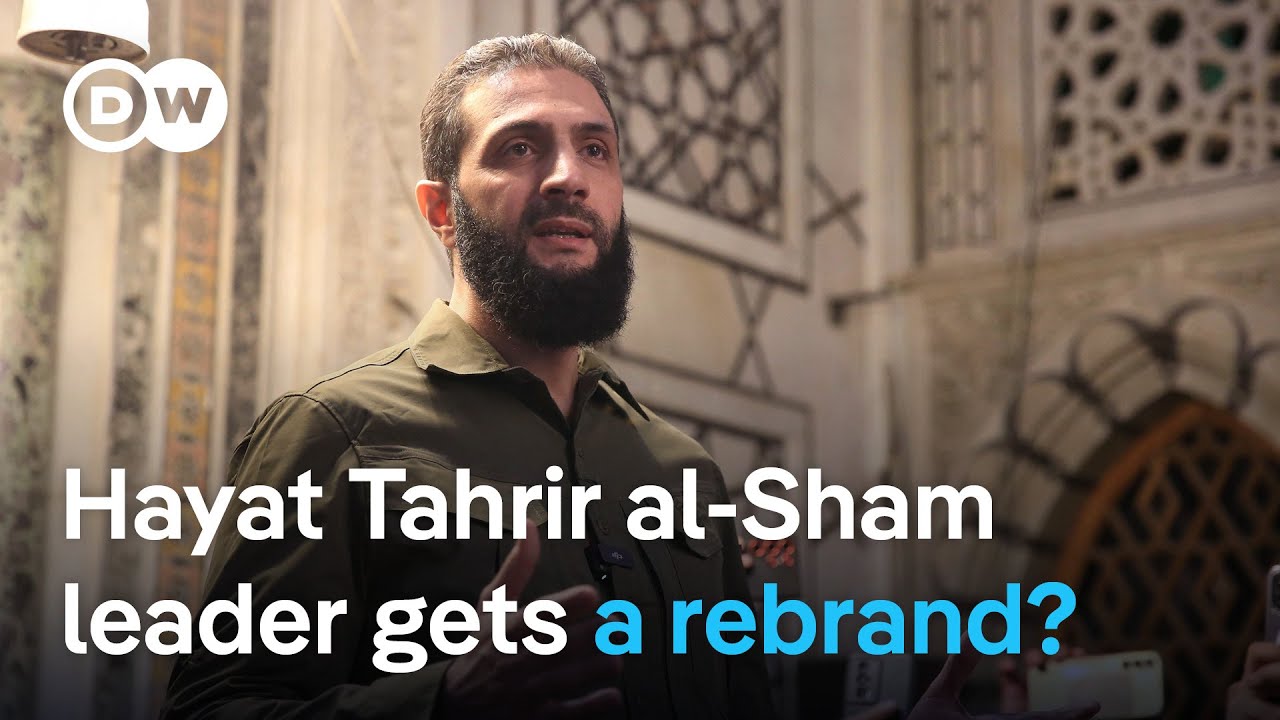
Yeah, a few days ago, before the fall of the Assad regime, CNN's Jamal Khashoggi sat down with the rebel leader, who explained his group's vision for building a new Syria once an al-Qaida leader. Your group has had affiliations with al-Qaida, with ISIS, and now you are projecting this image of a moderate leader in a moderate group. What is right now?
Hey, it does show me how he looks at, here. Tahir sham is one of the factions in the region, just like all the others. Now we're talking about a larger project.
We're talking about building Syria. Hayat sham is merely one detail of this dialog, and it may dissolve at any time. It's not an end in itself, but a means to perform a task confronting this regime.
Time now for the exchange. Joining us now is used Hiltermann. He is the Middle East and North Africa program director for the International Crisis Group.
Welcome to the program. As we've been covering for the last 48 hours. This is something that has really shocked the world.
Designated a terror organization in the United States. We heard from President Biden speaking over the weekend saying this is a window of opportunity now for a change in Syria, and that he would be reaching out to regional partners there. First and foremost, what is the top priority, in your view, for establishing a stable, secure government oversight in Syria right now?
Well, first of all, thank you for having me on the program. well, I think it's realizes very well that's in order to, have a stable transition. they need to, admonish all Syrians not to take revenge on former regime elements.
And this is what they have done now. and so far, that is holding we have seen no, reports of, bloodletting, of revenge attacks. I think it's absolutely critical.
Second team. Okay. Yes.
We need to put a public order back in place. The police is not as strong as it should be. The regular police, but, it needs to be professionalized.
That's going to take a long time. But in any case, establishing public order. Order is is a critical first, first, necessity in order to, to, keep, areas, quiet, to prevent looting, to prevent revenge attacks.
And I think, is making all the right noises, whether they have the capacity to implement them, whether they will find adversaries who disagree with them, that remains to be seen. It's still very early days. And you just give us your take on how surprised you are by just how quickly these rebels have managed to do this.
I mean, since bursting out of that, the pocket of territory they had in the northwest, they I mean, things have really moved quickly just in terms of taking over the second largest city of Aleppo, then moving on to Hama than they would targeting Homs. We knew that they were going to get to Damascus. We knew that that stated goal was to try to topple the Assad regime.
But what were the factors that really sort of sealed the deal? What were the factors that worked in their favors that enable them to do it this quickly? Well, you know, I was totally surprised.
I'm still in a state of shock about the speed in which this this took place. but what played in their favor was both very good preparation. They had been staying in northeast, north western, Syria for several years under Turkish protection and were able to build up their capabilities.
But I think the main factor was, the notion that the, the Syrian regime, the House of Assad, was essentially a house of cards and that, it had commanded no more loyalty among the people working for it. the army, of course, melted away. The Army never had any loyalty.
But even, the people close to the regime, basically chose to, to switch sides or to, to disappear. And, and since there was no revenge, till now, at least, people felt safe to do so and not to have to put up a big, fight in order to, to protect, what? Whatever remained of the regime.
Of course, Assad's, quick departure and that of his family also was another sign that the president himself was not willing to defend his, his regime, and, and and protect his country from outside. In the early days, it's clear that, the losers on this end are Iran and Russia. And the victor in the region appears to be Turkey.
Turkey has been a supporter of has more specifically, the Syrian National Army militia. And we've spent so much time this past week really focusing on the rival factions within the country. It's one thing to come together and unified, goal of overthrowing the Assad regime.
It's quite a different, to actually, function, as a united front governing the entire country. What are you going to be focusing on? Not now.
Specifically, when it comes to Turkey and its interests in Syria, because they may be a NATO ally, but their interests are not aligned with that, of the United States specifically as it relates to the Kurds. Well, so there's the Kurdish question, but I should say that Turkey has several core interests. One is in Syria.
One is to to have a government in place in, Damascus. that, will allow Syrian refugees in Turkey to return home. That is a top priority with under the regime that wasn't happening.
And in fact, Turkey was worried that there would be more Syrians coming into, Turkey as a result of ongoing conflict. So that is priority number one, and I think that is now being accomplished. The second one is, of course, Turkey's long fight with the PKK, the Kurdistan Workers Party in Turkey, which has extensions in Iraq and Syria.
and so that is continuing to be a concern for Turkey. And it may well be that Turkey will try to take advantage of the current situation. I'm not predicting it.
I'm just saying the possibility exists that Turkey, with the Syrian National Army, which is one of the rebel groups, will try to push back against the Syrian Democratic Forces, which are the Kurds in northeastern Syria, and they are being protected until now by the United States. There's a small military presence there. and we'll have to see.
But I think there are clear signals from the United States, to the Syrian National Army and to Turkey not to move in that direction. So but this remains to be played out. And, of course, there's a change in government in the United States coming up as well.
We've seen that in the past. Donald Trump is not particularly enamored of a continued American presence in northeastern Syria. Yeah, not just in the past.
I think within the last 48 hours, he he's made that crystal clear on social media that. Yes. we'll be following all of it.
used. hiltermann. Thank you so much of the International Crisis Group.
We appreciate the time.