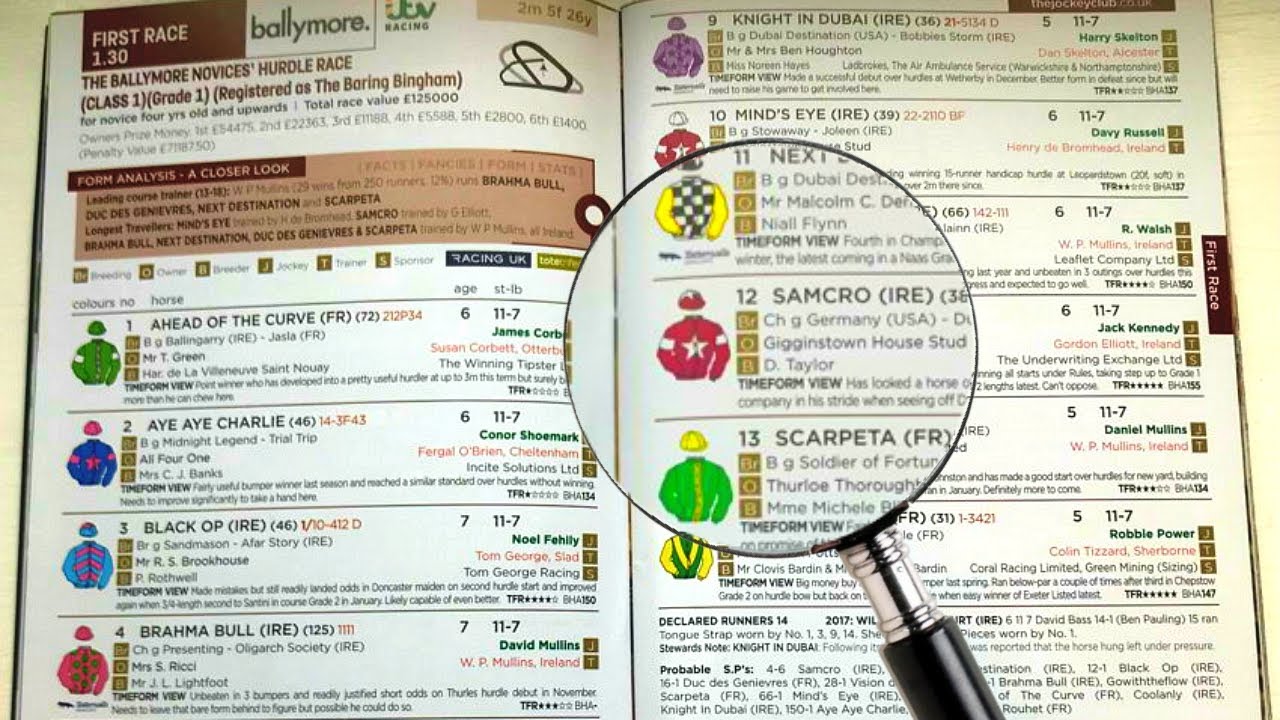
so horse racing's broken down into a handful of categories types classifications and grades and millions are spent on horse racing every single day of the week yet the average punter doesn't understand difference between these different groupings which is foolish when you think about it because how can you consistently pick a winner when you're analyzing each race in the same way they're different although i do understand on first glance the whole thing is quite confusing which is why in this week's upload i'm going to explain absolutely everything when it comes to race types grades and classifications
in uk horse racing now it's likely this video is going to take longer than usual because of all the useful content that's shared with vin so if you're looking for something specific check out the description down below there'll be some time stamps you can tap one of those and skip ahead also before you do that please remember to tap the like button and subscribe down below helps us out developing the channel we've not got a channel sponsor so it's really appreciated thank you so before i get stuck into the individual race types like maiden handicap
or novice race i want to start right from the top because there's two main categories that all uk horse racing falls under which is flat racing and national hunt racing so national hunt racing is sometimes referred to as jumps and takes place between october through to april each year and the flat takes place over the summer months between april and october now underneath those two main classifications you've got groups grades and different classifications which is just a way of filtering and sorting the horses based on quality and previous ability understanding the difference between these different
race types and classifications can be really quite important it was a bit of an aha moment for me just over 10 years ago now before i went pro where i realized that not only do the horses behave in a different way but the marketplaces do to mirror that also so flat racing takes place where there's no obstacles typically on turf sometimes on all weather surfaces if you don't understand the difference between your weather services also check out a video we'll put in the end screen for you which explains the difference between the three different types
of weather surface but flat horse racing is typically about pace speed and stamina which means you typically get younger horses than their national hunt jumping counterparts so the races themselves range from between five furlongs and two miles of furlong being around about 200 meters uh you'll typically see a lot of horses that are two to three years old on flat up to about five years old whereas on the jumps they are you know significantly older so next i'll go through the individual different types of uk flat horse race starting off with handicaps now handicaps account
for more than 50 little over 50 of all uk flat horse races which obviously a massive category which is then broken down further we'll talk about that more in just a second but basically horses within these races based on their weight or their rating given to them by the handicapper on a weekly basis they can enter certain races and compete now when they compete the whole idea is the handicapper grades them in relation to each other so that if the handicapper has done their job correctly all horses are handicapped so that we get a very
competitive race okay if they're in a perfect world if handicap has done it spot on then at the end of the race all horses should be finishing the line around about exactly the same time now next on from that we've got nursery handicaps which is exactly the same for two-year-old horses very easy one maidens come next which is another popular category you may have seen typically usually at the front or or the rear end of a race card and maidens are horses who have not previously won in the past now once a horse has lost
three times it can then receive a rating and go into handicap so it's not like they're stuck indefinitely in the maidens category but you cannot be in the maidens category if the horses previously won the race typically this lends itself to younger horses for obvious reasons it may be horses that have never run in the past or just horses that have lost once or twice previously and obviously there's a few young horses up to the age of three that have previously won a maximum of two times okay next we've got claimers and sellers claimers after
a claim a race a horse is obviously available to be claimed or purchased and they for that reason they have to carry maximum weight in the race to get the full purchase price if the horse doesn't carry the full weight within that race then in line with the amount of weight reduction is the proportion of reduction in terms of price overall okay so it's basically to sell horses sellers loosely speaking are low-grade affairs for horses that they're made available for auction after the race now that may sound confusing because there's auction races too but auction
races are for horses that have previously been sold at auction okay next up we've got condition stakes as the name suggests there are various conditions to enter in these races which is usually based on age sex weight weight in relation to their age and so so forth beyond that you've then got amateurs and apprentice races now amateurs are purely races where the riders within the race are amateurs meaning they don't get paid they're doing it for fun they actually enjoy it and then you've got apprentices which uses carrick for apprentice jockeys which are obviously getting
paid but they are not you know a pro level so it's not all that hard to see that it gets quite complicated or it appears to be complicated on first glance when you look at all of these but you know their names typically give away quite a lot as to what's happening within the race and you know it's not that hard to understand so next up we've got national hunt and there's three different broad types of national hunt horse race that you want to focus on which are staple chases hurdles and national hunt flat okay
now national hunt flat is sometimes referred to as bumpers a little bit of a slang term so if somebody on one of the racing channels mentions bumpers that is what they're referring to at national hunt flat race so if we breeze over each one of those categories very quickly one by one what they mean first of all you've got steeplechase races now in the past historically the name come from steeplechase because way back when the horse races used to take place between church steeple to steeple okay so it's like a straight cross-country race where there'll
be hedges ditches fences all manner of obstacles usually quite tough obstacles which are stamina intensive for the horses themselves and also require a lot of skill from the jockeys the most famous steeplechase race that you'll be aware of is the grand national that takes place every single year in april hurdles are a little bit different they're obviously not quite as taxing on the horses um so you have selection of hurdles converian height depending on the course um they usually have a middle distance and there's less chance of the jockeys being unshipped within these races because
obviously the obstacles aren't quite as taxing and the last of those three categories is the national hunt flat referred to as bumpers quite often so this is where it can appear confusing because although it's inside the jump season these are flat races which are usually at the front and back of the horse racing card because they're the lower quality races and the purpose of these races is to break the horses and riders into national hunt and the national hunt scene which is where the term bumper comes from because typically the riders bump up and down
in the seats and saddles and so they're less important from a betting perspective although they are part of the national hunt calendar so now we're making a little bit of headway i'm going to move into the classifications and grouping for flat rating in particular we'll go through how the official ratings work and so and so forth so flat rating is broken down into groupings of one to three and classifications of one to seven so your group races are like your premium quality horse races you've got groups one through to three there is a fourth group
listed in conditioned stakes uh but these horses take place in the uk and europe you'll know you'll see some well-known household names within a lot of these races such as frankl for example and there's huge prize pots available to the winner now below that you've got your classifications one through to seven so one is the best seven is the worst quality these all vary in you know levels of ability there's different price pots available to the winners and restrictions for entering these races the conditions for entering all of these races is set on the horse's
official rating now you may have seen that in the newspaper the racing post for example and that is a quality score if you like the official rating given to a horse based on his age sex weight and historic ability so it all seems quite overwhelming at first but the simple way to remember is horse has an official rating and his score which then gives it the ability to enter in these different classes and it will move up and down depending on how it does so moving on to the national hunt graded races and classifications you've
got three grades on the national hunt very similar to the group races on the flat again listed races fall into fourth position and the classes on the national hunt again is one through to six this time instead of seven one being the best six being the worst and that represents the bulk of national hunt racing throughout the national hunt calendar from october around to april so now we've been through all of those different categories you should easily be able to understand the title of a race in somewhere like the racing post so we'll put something
on screen now and i'll show you an example just so we can walk you through this name and what it exactly means based on all those different categories we've just been through so the race we've got here is a 445 a link field on the all-weather which there's a separate video about we'll put in the end screen but the race here is one mile two furlongs that's the distance of the race download the free at the races app handicap so you've got the race sponsor handicap being the type of horse race it's a class five
meaning it's got low quality horses within this race for three three-year-olds on a naught to 70 official rating now if you look at some of those horses on the screen a little bit further down there you can see that their official ratings is underneath their weight so for example secret haunts official rating is 70. so hopefully you got some value from that and that's helped you out if you have don't forget to tap the like button down below check out the videos in the end screen here we've got one about all weather racing a little
bit of an explainer there and also another about horse racing tips thanks for watching you