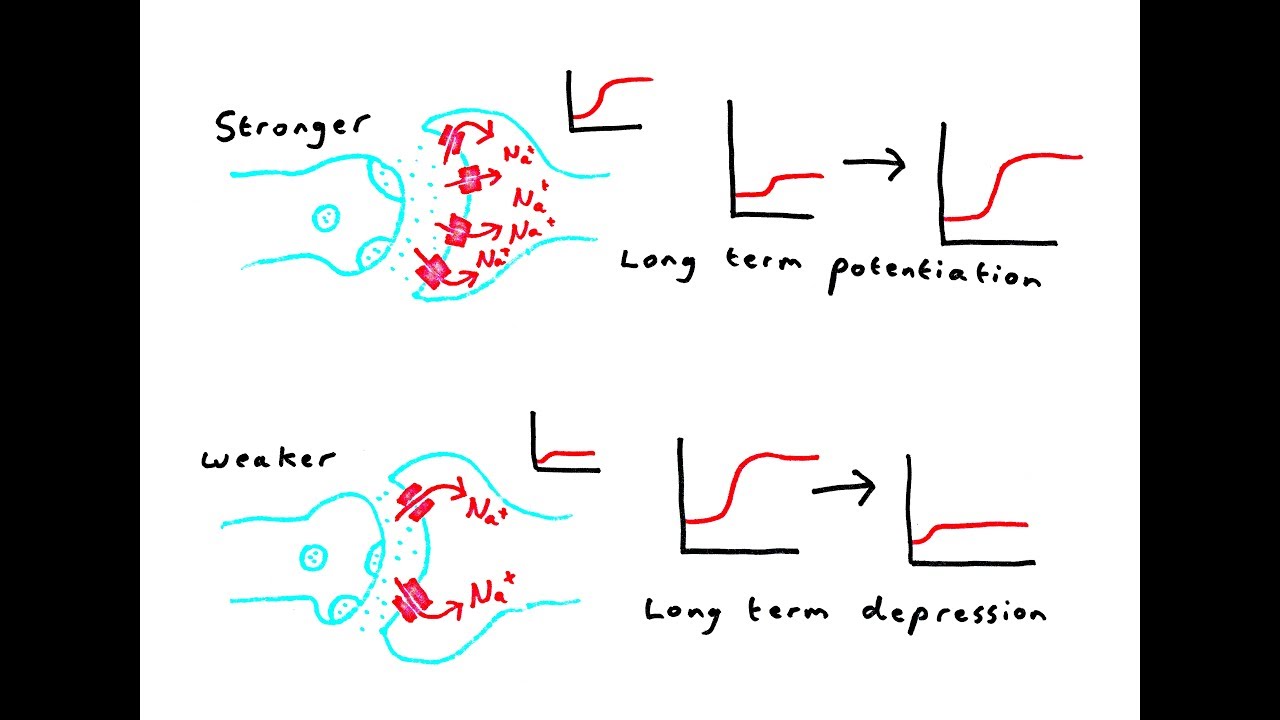
in this video we will explain long-term potentiation ltp as a physiological mechanism of learning and memory and then we will discuss the differences between both early and late ltp ltp is the mechanism that leads to the strengthening of synaptic connections between neurons within the brain this happens because of the brain's ability to reform its neurons either term or long term an ability called neuroplasticity the resultant functional alterations lead to changes in synapse efficacy this is measured by increased postsynaptic currents and excitatory postsynaptic potentials epsp which are temporary depolarizations over time this reorganizes the cortical map
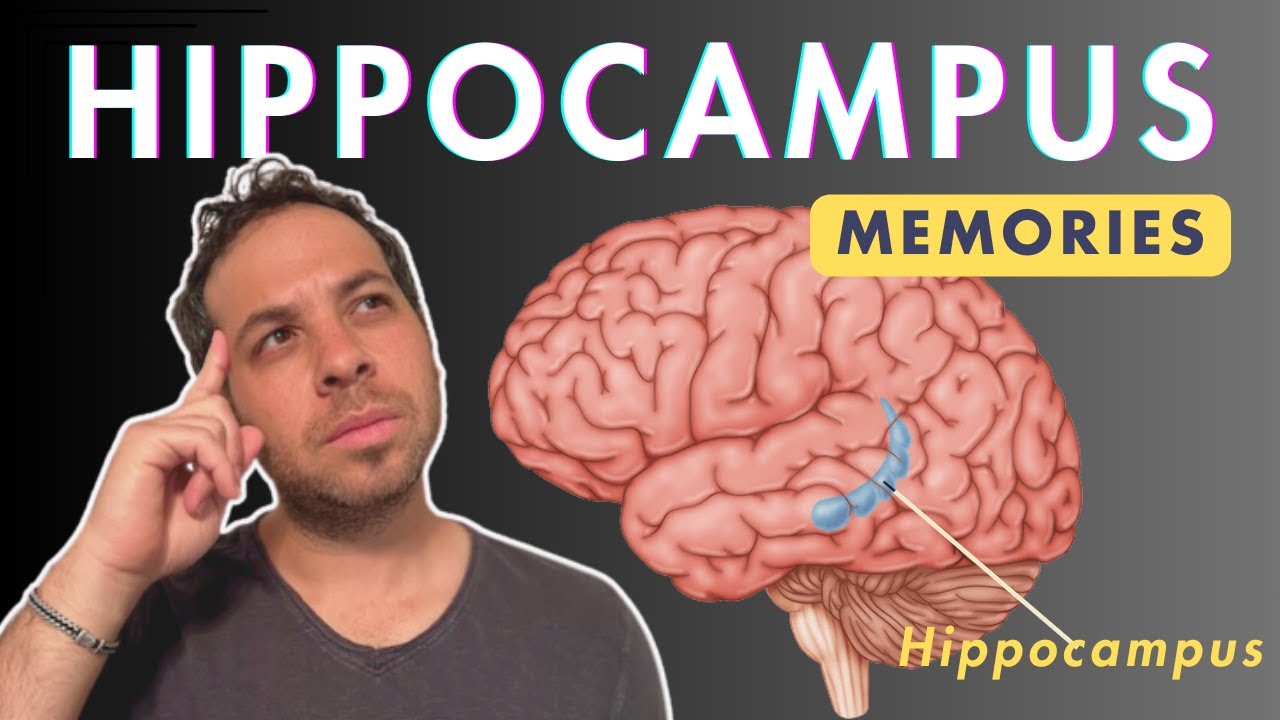
by changing the brain's wiring or network structure the growth and reorganization is what allows for the formation of neuronal connections throughout life a positively there is long-term depression ltd which leads to the weakening of synaptic connections so that the brain remains efficient this is where the concept of the use it or losing principle comes from bliss and lomo were the first to discover ltp and they found it to be essential for the formation of declarative memory the most studied site where the mechanism of ltp occurs is actually within the synapses between the pre-synaptic ca3 schaefer
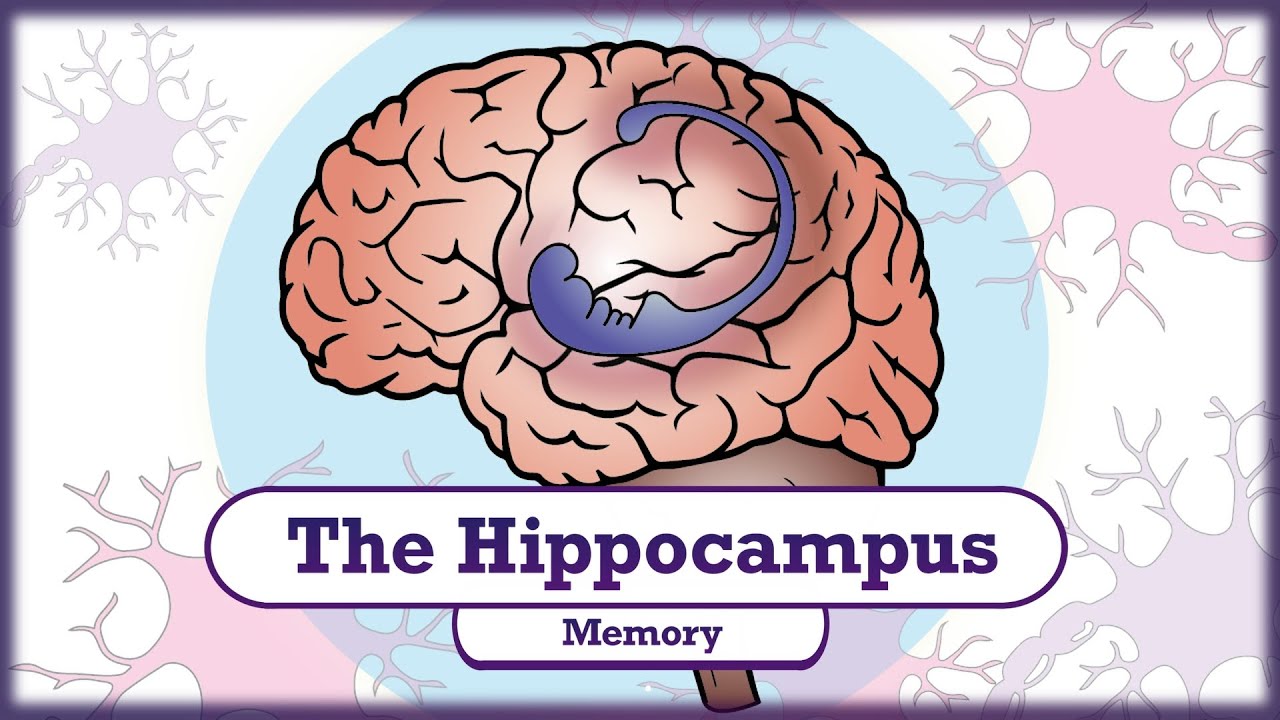
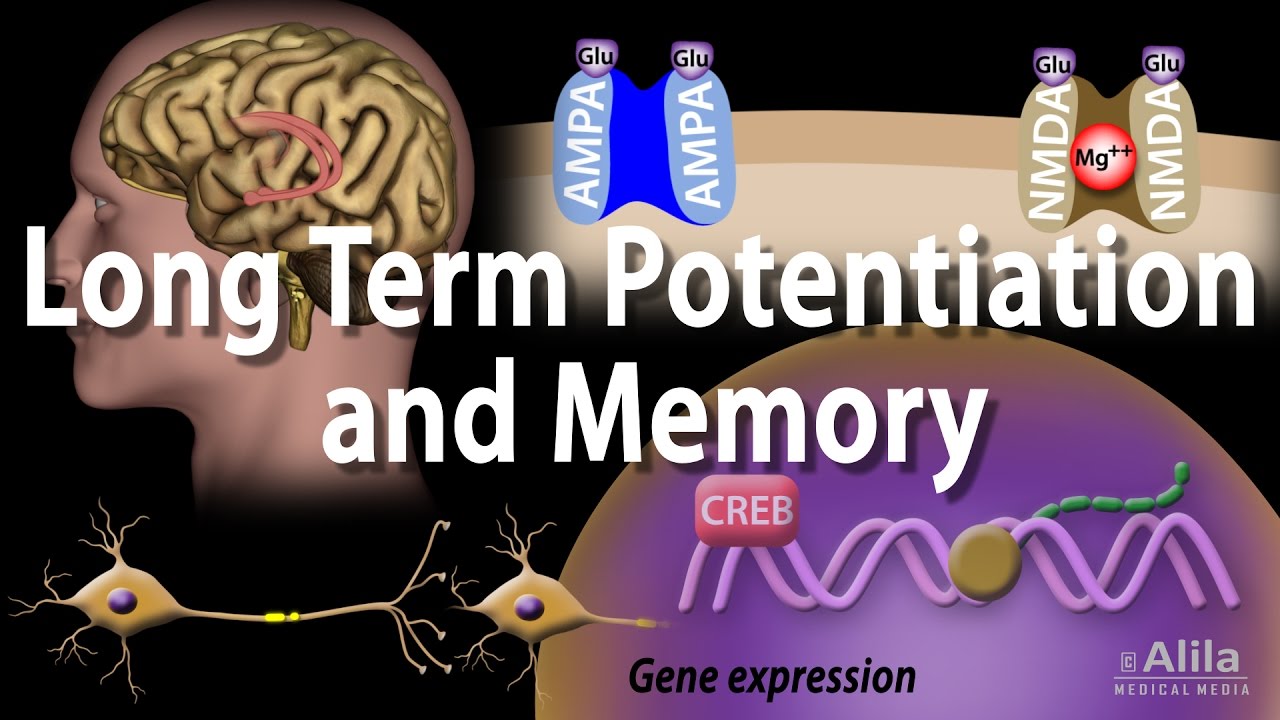
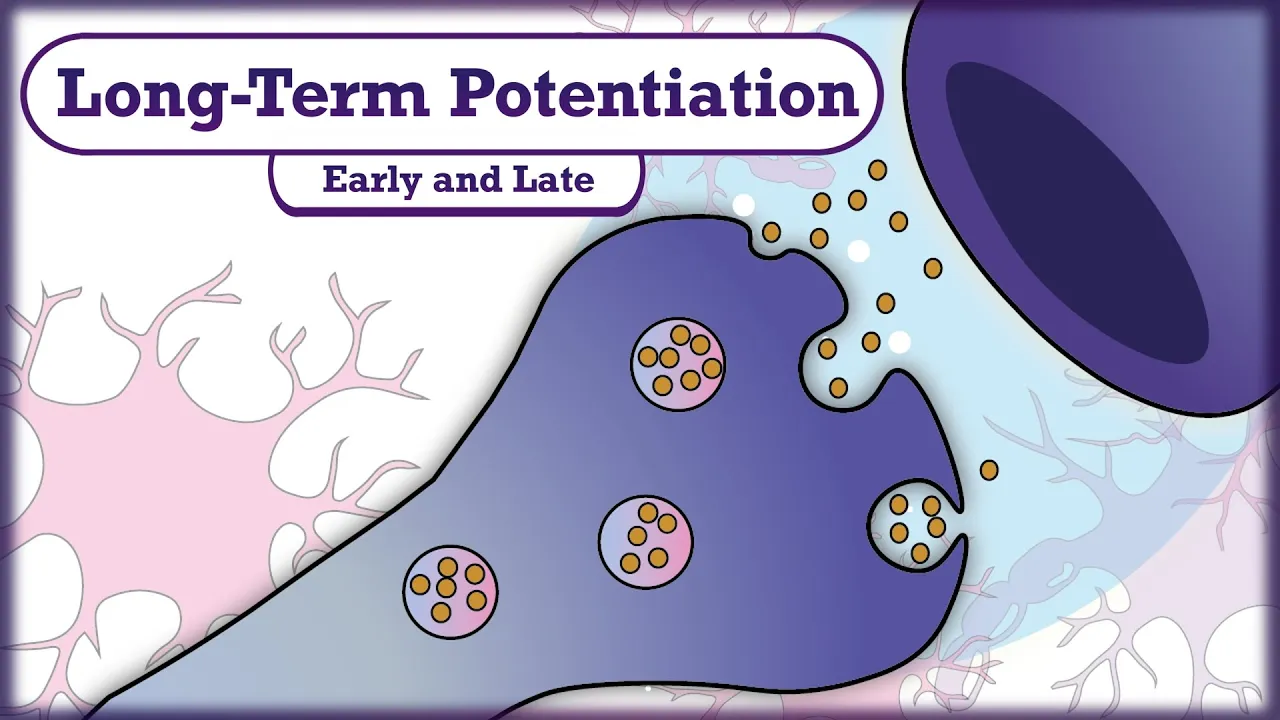
collateral neurons and the postsynaptic ca1 region of the hippocampus if you haven't already seen our video on the hippocampus we recommend you check it out so how do we get from this sensory signal to the process of ltp well once a sensory signal is retrieved in a pre-shaffer collateral neuron through this declarative learning such as studying for an exam for example this will stimulate and depolarize the neuron to release the neurotransmitter glutamate glutamate at the synaptic cleft will bind to these glutamatergic receptors on the postsynaptic neurons of the ca1 pyramidal cells these receptors are called
ampa and namda this will then transmit the signal across when glutamate binds to these ampa receptors on the postsynaptic neuron this will open up the channel to allow sodium ions to flow inside of the cell this influx of sodium ions will cause a positive change in the membrane potential of the postsynaptic neuron leading to a shift in electrical charge called depolarization once the depolarization reaches the threshold value an action potential occurs this will propagate down the excitable membrane however during low frequency action potentials ampa receptors are not open long enough to result in this ltp
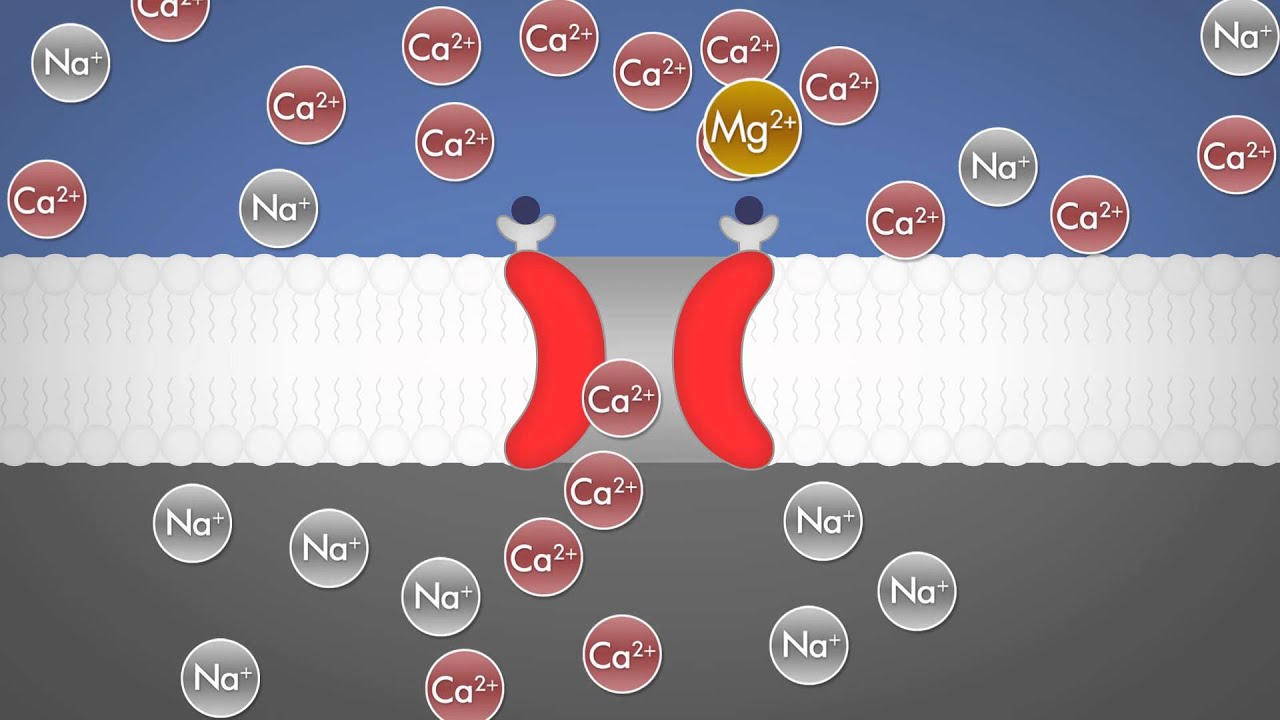
this will allow the brain to select and store only useful memories through either a strong depolarization high frequency action potentials or the summation of multiple weak action potentials epsp buildup a greater amount of glutamate can be released from the pre-shaver collateral neurons this will allow ampa receptors to stay open for longer which will enable more sodium ions to enter over time which will cause a stronger depolarization of the postsynaptic neurons however glutamate release alone cannot open up the namda channels because of this magnesium plug that sits within the pocket of the channel blocking the flow
of ions so when there is a buildup of sodium this will cause the magnesium plug to be expelled due to this electrostatic repulsion from the positive sodium ions therefore depolarization is required to relieve the plug from blocking the channel when you couple this with the release of glutamate from the pre-shave for collateral neurons the nanda channels can then open up to be able to allow this glutamate to bind to be able to exert its effects this allows the influx of even more sodium ions into the cell through the namda channels therefore namdar and ampa are
thus both glutamate activated ionotropic receptors which both allow equal amounts of sodium in the only difference is that namda channels can also allow calcium ions in calcium acts as an important secondary messenger activating key intracellular cascades studies using calcium blockers were shown to block ltp completely this indicates that it is due to the increase in cytosolic calcium concentrations within the postsynaptic neuron dendritic spines will trigger ltp this means that calcium is pivotal for the mechanism of ltp to occur early phase ltp starts when calcium passes through the postsynaptic membrane this increases the cytosolic calcium ion
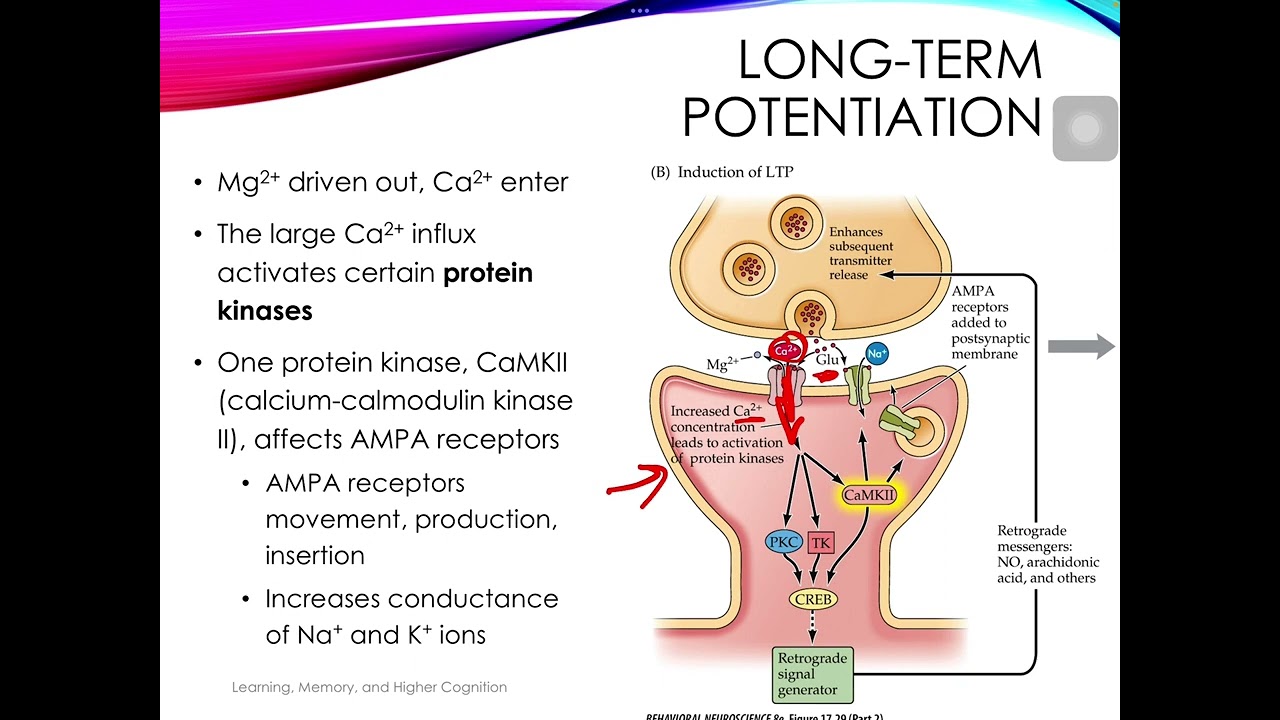
concentration within the cell calcium ions can then bind to a calcium binding protein such as calmodulin this results in a conformational change this will cause the hydrophobic grooves on the calmodulin to open up on its surface which will expose the hydrophobic target binding sites this is then able to bind to target proteins by unlocking their autoinhibitory domains target proteins include enzymes such as protein kinases more specifically calmodulin-dependent protein kinase 2 camk2 which is abundant in pyramidal cells of the hippocampus as well as protein kinase c this activates and causes cam kinase 2 to begin auto
phosphorylating itself becoming autonomous this is so that cam kinase 2 can remain active long after calcium levels return back to their resting value within the cell in support studies conducted on mice have found that injecting protein kinase c into the ca1 subfields leads to an enhanced synaptic strength by increasing calcium influx whilst the deletion of protein kinase c leads to a diminished ltp this emphasizes that pkc plays an important role in ltp pkc causes the up regulation of more ampa and lambda channels to the postsynaptic membrane increasing receptor density protein kinase c does this by
increasing the translocation of ampa or namda receptors which are already stored and waiting within the cell cam kinase 2 has been found to also activate amper translocation more receptors mean that there are more binding sites available for glutamate to bind to this sensitizes the synapses to be able to allow even more calcium ions in the next time cam kinase 2 also phosphorylates ampa receptors which will hyperactivate them to make them work more efficiently at transferring sodium ions these ultimately lead to changes in synaptic efficacy and strength by the addition of these receptors and the increase
in channel efficiency early ltp synaptic changes however only last from around 30 minutes to a few hours and they require brief increases of calcium ions and the persistent activation of protein kinases with repeated action potentials and therefore additional calcium that follows calmodulin along with the modulatory input dopamine will stimulate g-coupled protein receptors to activate adrenal cyclase adenocyclase catalyzes the production of cyclic amp leading up to late phase ltp through activating protein kinase a the brain uses dopamine as a modulatory input therefore the more novel new and exciting an event or memory is to an individual
the more likely it is to undergo ltp which leads to the strengthening of that memory therefore dopamine can actually stop you remembering every single little thing by allowing you to only remember the things that are of importance or of value protein kinase a moves to the nucleus and activates kreb kreb will stimulate the expression and synthesis of genes such as bdnf and ampunamda receptor genes bdnf stimulates the synthesis of growth factors which can selectively enhance dendritic growth which is involved in the formation of new synapses also known as synaptogenesis the receptor genes allow the production
of new ampa and namda receptors which can be stored in vesicles and translocated to the surface membrane the formation of new receptors and dendritic spines from the activation of bdnf and pernamda genes ultimately creates more synapses increasing the likelihood of a response even at low frequency action potentials this is so that weaker action potentials can cause a greater more significant depolarization event for the same memory retrieval in future signals increasing the rate of retrieval for that memory thus in late ltp changes can last much longer for many hours in fact anna is dependent on the
functional changes in gene expression which all inevitably leads to the enhancement of postsynaptic membrane responsiveness and the strengthening of synaptic connections this follows hebb's rules of cells that wire together fire together interesting fact alcohol like glutamate will also bind to namda receptors this will inhibit the potential of ltp occurring and therefore making it harder to remember things the night before if you like this video please leave a like and press that subscribe button if you want more [Music]