so when designing a trading card game there is one crucial question I see that often gets overlooked who are you designing for many designers fall into the Trap of creating games just for themselves but game design is fundamentally a player centered practice we need to step into our players disgusting and smelly shoes and understand their wants experiences and preferences in this video we'll explore the process of identifying and understanding your target audience we'll break down how this knowledge shaped every aspect of your game from mechanics to the complexity let's stick around and I'll show you
a powerful tool to Define your game's unique appeal and remember this video isn't just for entertainment I want you to put this into practice you're not going to binge all these videos like it's Game of Thrones get yourself a notebook or notion or something and when you have time just clear an hour from your schedule get to work let's do [Music] it so the first step is to really describe your player who are they are they competitive do they just want to play with their friends do they play online offline and what exactly do they
want from a card game to help you get started here are three types of personas I've come up with you can use these or make up your own first up we have sirious Sydney Sydney's hyper focused on winning and achieving their goals they usually just play one game and they're really invested in it often playing in tournaments so think about magic the Gathering players Flesh and Blood players lorana they love the challenge it it's a lifestyle game for them this is one of the harder personas designed for you will need an incredibly solid game and
tons of marketing if you're really doing it right think about all the time that went into disrupting magic with flesh and blood now think about how many other games tried to disrupt magic and failed I'm not saying you shouldn't design for this persona but if commercial success and a brand new role set are your goals this is going to be incredibly difficult however you absolutely could make your own fans set of an existing game that you like or make a really cool Cube that's got your own mechanics or designs in it um this could make
an awesome portfolio piece if you're trying to show off to design jobs so next up we have delving Dana Dana sees gaming as a form of self-expression and loves exploring new mechanics and combos they have a large collection of games and they're always looking for something new and novel Dana's favorite games might be something like Arkham Horror the card game or whatever the flavor the month is and even things like a th000 blank White cards that are extremely creative Dana plays for Discovery and narrative personal expression these are the things that Dana really cares about
and lastly there's friendly Flynn I use the name Flynn cuz I used to work with this person named Flynn they were super cool Flynn if you're out there hit me up we should catch up anyway Flynn is here for the camaraderie the game for them is a social experience if they're friend switched Hobbies Flynn probably would too Flynn loves big effects and short fun games and they're usually more of an entry level player Flynn plays games like magic the Gathering Commander munchkin and unstable unicorns not sponsored by the way Flynn is all about the fellowship
and the fantasy of the game so each of these players has different motivations and trying to cater to all of them is going to make your game really unfocused so it's important to decide who your game is really for jot down your notes on your target player Persona right now these will be essential for WI you're fine-tuning your mechanics we know who we are making our game for but now I want to show you that thing that I was promising you earlier the thing that's really going to make your game stand out this is called
box back design let's imagine your game is done and someone picks up the box what does it say what promises does it make and does it excite your player how does it excite them this exercise is going to help you visualize your game and what makes it stand out from all the other ones on the Shelf think back to the type of TCG you're making are you designing a hack a mod a narrative or construction these are my descriptors for how close your game design should be to the rules your players may already know so
for more on that check out my video on goals and design patterns with box back design you don't have to solve your whole game here it's just a hypothesis that's going to guide you as you move forward make sure to capture your answers to my questions so you can refer back to them in later iterations of your game these can be fluid and change as you go along so let's talk about gameplay what is the interesting decision that your player is going to make every single turn this will help you design your core mechanic so
that it aligns with their expectations for example Sirius Sydney is going to need deep strategic decisions while friendly Flynn wants simple fun interactions that lead to big moments and stories that they can share to their friends so now let's think about how your players win what's the win condition of your game this is critical because it influences how players approach the game a win condition designed for serious Sydney might be highly competitive that requires strong tactical plays every turn leading to it while delving Dana might prefer multiple creative ways to win for example in Magic
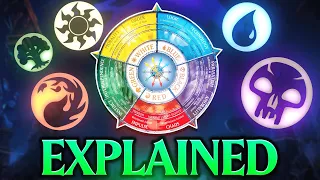
the Gathering there are cards that have special wind conditions on them or delving Dana might really like Milling somebody out so let's move on to factions and card types in most trading card games you'll find distinct groups of cards with unique mechanic and flavorful identities let's think of some different ones from games that we know so magic has the five different colors Pokémon has all the different elements and usually cards from these have distinct flavor and and mechanics what are your games factions or groups how are they mechanically different and flavorfully different from one another
all right so time to talk about card types in most tcgs there are two types of cards there are the kind that stay in play and there are others that are single use do you need any others how will they be different and justify their inclusion in the game make sure the types of cards in your game add to the interesting ISS and don't just add complexity and finally we have resources every trading card game has some form of resource management you don't want your players to just use their most powerful cards immediately as they
start the game but there's also flesh and blood that just throws a bunch of cards on the table right at the beginning and people seem to like it anyway what resources do you have in your game do they ramp up over time like in magic or is there a different way that they're managed so that's it for today's session you've thought through your player your game's box basic gameplay win conditions factions and resources make sure you have everything recorded you'll need to refer back to it as we continue building your game in our next session
we'll start creating the core mechanic that will bring your game to life thanks for watching there are text links for the whole series in the description below and there's also a link to my free figma plugin reliquary that will help you make beautiful cards fast I'll see you next time and keep creating