polygonara um foreign science [Music] don't Sigma is the longest initial video foreign [Music] some years ago I stumbled across a simple design exercise that helps people understand and solve complex problems and like many of these design exercises that kind of seems trivial at first but under deep it turns out that it reveals us about the way that we collaborate and make sense of things exercise has three parts and begins with something that we all know how to do which is how to make toast uh it begins with a clean sheet of paper a felt marker
and without using any words you begin to draw how to make toes and most people draw something like this they draw a loaf of bread which is slice that put into a toaster the toaster is then deposited for some time it pops up and then voila after two minutes toast and happiness now over the years I've collected many hundreds of drawings of these toasts and some of them are very good because they really illustrate the toast making process quite clearly and then there are some that are well not so good thanks like they really suck
actually because you don't know what they're trying to say under close inspection some reveal some aspects of toast making while hiding others so there's something that's all about the toast right and there's all about the transformation of toast and there's others that are all about the toast and the engine you love to draw and then there are others that are about people you know it's about visualizing the experience that people have and then there are others that are about the supply chain of making toast that goes all the way back to the store it goes
through the supply chain networks of teleportation and all the way back to the field and the and Wheaton that one actually goes all with the weight back then so crazy stuff that but I think uh it's obvious that that even though these drawings are really wildly different they share a common quality and I wonder exit what's common about these so most drawings have nodes and links so nodes represent the tangible objects like the toaster and people and links represent the connections between the nodes and it's the combination of links and nodes that produces a full
systems model it makes our private mental models visible about how we think something works so that's the the value of these things what's interesting about these systems models is how they reveal our various points of view so for example Americans make toast with a toaster that seems obvious whereas many Europeans make toast with a frying pan of course and many students make toast with a fire I don't really understand this a lot of MBA students do this so you can measure the complexity by the counting the number of nodes and the average illustration has between
four and eight nodes at less than that the drawing seems trivial and but it's quick to understand and more than 13 the drawing produces a feeling of map shop it's too complex so The Sweet Spot is between 5 and 13. so if you want to communicate something visually have between 5 and 13 nodes so though we may not be skilled at drawing the point is that we intuitively know how to break down complex things into simple things and then bring them back together again so this brings us to our second part how to make toast
but now with sticky notes or with cards so what happens then well with cards most people tend to draw clear more detailed and more logical notes you can see the step-by-step analysis that takes place and as they build up their model they move their nodes around kind of rearranging them like Lego blocks now though this might seem trivial it's actually really important this rapid iteration of expressing and then reflecting and analyzing is really the only way in which we get Clary it's the essence of the design process and system theorists do tell us that the
ease with which we can change a representation correlates to our willingness to improve the model so sticky note systems are are more fluid they generally produce and static drawing drawings brings us to our third part of the part of the size which is to draw how to make toast but this time in a group so what happens then well here's what happens it starts out messy and then it gets really messy and then it gets Messier but as people refine the models the best nodes become more prominent and with each iteration the model becomes clearer
and because people build on top of each other's ideas what emerges is a unified systems model that integrates the diversity of everyone's individual points of view and so that's a really different outcome from what usually happens in meetings isn't it so these drawings can contain 20 or more nodes but participants don't feel map shocked because they participate in the building of their models themselves now what's also really interesting that the group spontaneously mix and add additional layers of organization to it to deal with contradictions for example they add branching patterns and parallel patterns um oh
by the way if they do it in complete silence they do it much better and much more quickly really interesting talking gets in the way so here's some key lessons that that can emerge from this first drawing helps us understand the situations as systems with nodes and the relationships fluidly and then the group notes produce the most comprehensive models because we synthesize several points of view so that's interesting we you know when people work together under the right circumstances group models are much better than individual models and so this approach works really great for uh
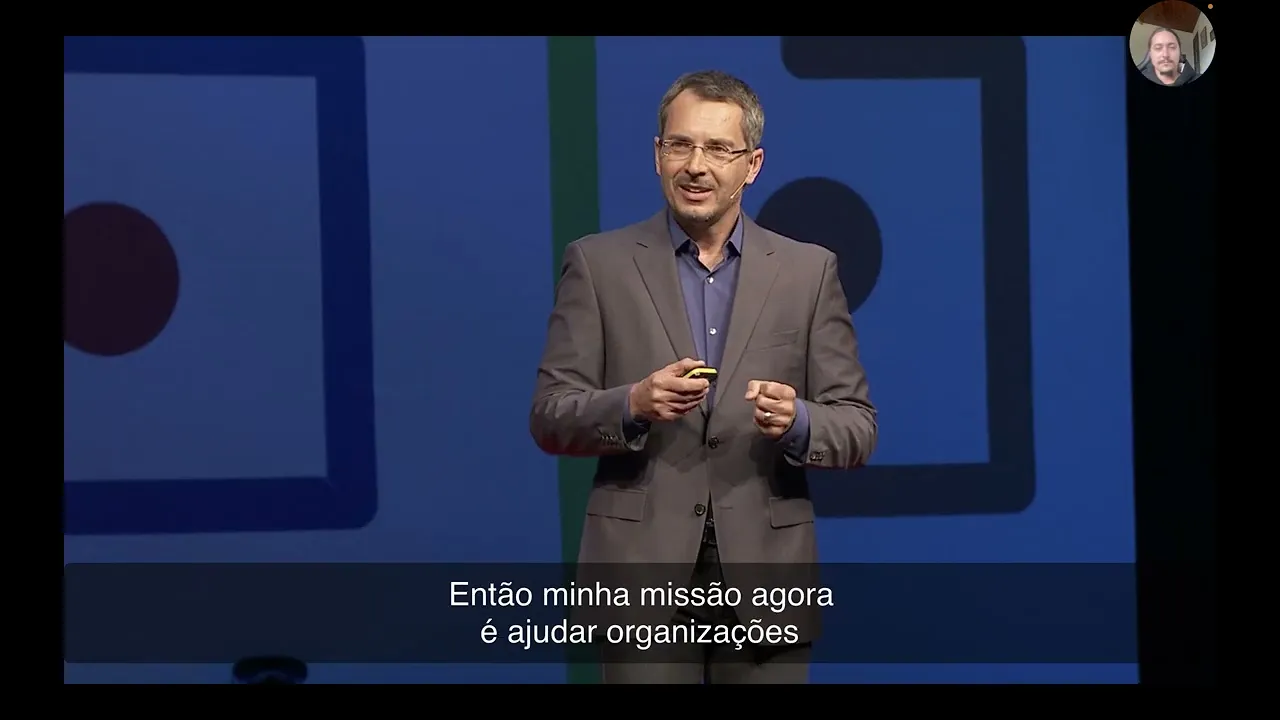
drawing how to make toast but what if you wanted to draw something more relevant or pressing like organizational vision customer experience or long-term sustainability there's a visual Revolution that's taking place as more organizations are addressing their wicked Problems by collaboratively drawing them out and I'm convinced that those who see their world as movable nodes and links really have an edge and the practice is really pretty simple you start with a question you collect the nodes you refine the nodes you do it over again you refine and refine and refine and the patterns emerge and the
group gets Clarity and you answer the question so this simple Act of visualizing and doing it over and over again produces some really remarkable outcomes what's really important to know is that's the conversations that are the important aspects not just the models themselves and these visual frames of reference can grow to several hundreds or even thousands of nodes so one example is from an organization called rodale a publishing company they lost a bunch of money one year and their executive team for three days visualize their entire practice and what's interesting is that after visualizing the
entire Business Systems upon systems they reclaim 50 million dollars of Revenue and they also moved from a d rating to an a rating from their customers why because there's alignment from the executive team so I'm now on a mission to help organizations solve their wicked Problems by using collaborative visualization on a site that I've produced called drawtoast.com I've collected a bunch of the really I think best practices and so you can learn how to run a workshop here you can learn more about the visual language and the structure of links and nodes that you can
apply to General problem solving and download examples of various templates for unpacking the thorny problems that we all face in our organizations so the seemingly trivial design exercise of drawing toast helps us get clear engaged and aligned so next time you're confronted with an interesting challenge remember with design has to teach us make your ideas visible tangible and consequential it's simple it's fun it's powerful and I believe it's an idea worth celebrating thank you [Applause] legal spectacles is foreign examples [Music] this is uh the boys your karma strapper would say the key comes in Japan
foreign [Music] [Music] foreign [Music] [Music] says actually wearing a computer information on Google Docs is [Music] [Music] foreign subscribe [Music] foreign [Music] elements in Germany present with autism examples [Music] website specifically simplest system is [Music] um [Music] perspective representative [Music] ambient eyes foreign [Music] [Music] [Music] this is this true model uh um [Music] community is structure
![Upbeat Lofi - Deep Focus & Energy for Work [R&B, Neo Soul, Lofi Hiphop]](https://img.youtube.com/vi/THh4fT0O7IY/maxresdefault.jpg)


![[𝐩𝐥𝐚𝐲𝐥𝐢𝐬𝐭] Snoopy Cute Library's Time 🎧🗂️ Chill Library Playlist | Focus & Relax at the same time](https://img.youtube.com/vi/1NaJpQLFpSU/maxresdefault.jpg)





![Upbeat Lofi - Power and Energize Your Workday - [R&B, Neo Soul, Lofi Hiphop]](https://img.youtube.com/vi/ONcY0BM5EAg/maxresdefault.jpg)





![Harvard Professor reveals the Science of Happiness in 15 minutes | Arthur Brooks [ARC 2025]](https://img.youtube.com/vi/w8a0T5XLrXc/maxresdefault.jpg)