often isn't much time for the finer nuances of psychology in our day-to-day lives when we collide with a problematic or annoying person we tend simply to capture what annoys us in a very general way we call them neurotic or mad difficult or a head case it's understandable that we should reach out like this for a catch-all term but there are better and worse words to generalize with the most effective comprehensive and humane is also one of the simplest immaturity if we wanted to sum up most of what is askew with ourselves and our fellow ailing
and troublesome humans we could do worse than to define our collective deficiencies and insanity under the umbrella term immature it is out of immaturity that we rage and slander that we're meek and uncreative that we grow suspicious and panicky that we're insulted and offend and why have we not developed as we should if we wanted to further generalize we can point to two problematic dynamics that operate in the background of almost all our most regrettable moments one low self-worth two low trust in others it is these two phenomena that seem best able to explain why
living with ourselves and others can prove at points so immeasurably difficult where there is low self-worth a litany of troubles follow among them an inability to take criticism an inability to disagree firmly but calmly with someone else a paranoid fear that others must hate us a sense that disaster and punishment must come our way an inability to show our true selves a sense that what we really think won't appeal to anyone from which follows a lack of creativity and originality and finally a defensive grandiosity and arrogance that masks our own fragile ego and where there
is low trust in others a range of adjoining difficulties arises an inability to trust those who want to help us and give us feedback an inability to teach others about what we feel want and think a fear that others are always primed to attack and denigrate us a sense that because others have let us down they might do so again which inspires conservatism lack of trust and rigidity unsurprisingly both of these dynamics low self-worth and low trust in others can be traced back to flawed developments in childhood it is a hugely unfortunate vulnerability in our
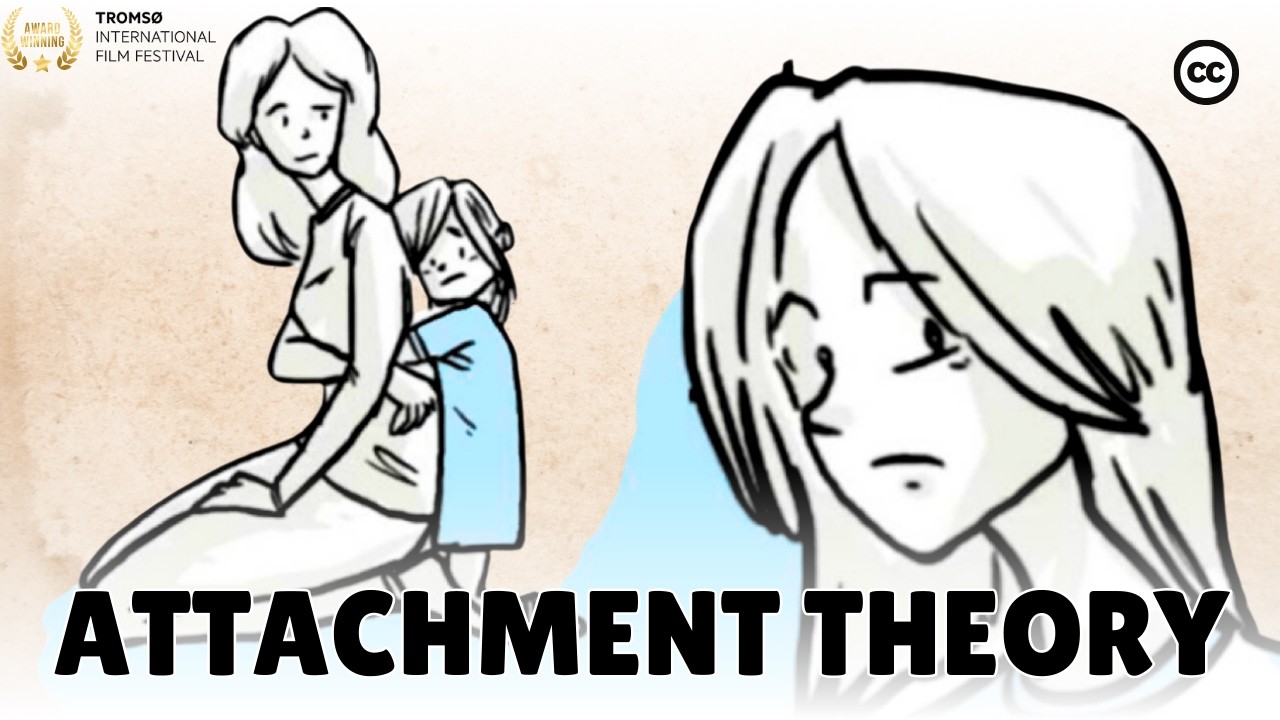
makeup that we cannot possibly value ourselves until we've been valued very deeply by somebody else we learn to like who we are because someone way back first liked who we were it was through their enthusiasm and resilient care for us that we gradually grew able to internalize a positive self-image and then acquired the tools to care for ourselves and others even when the world beyond was ambiguous or hostile the caregiver's kindly supportive voice became the way we learned to speak to ourselves at moments of crisis as a result of love we have the strength to
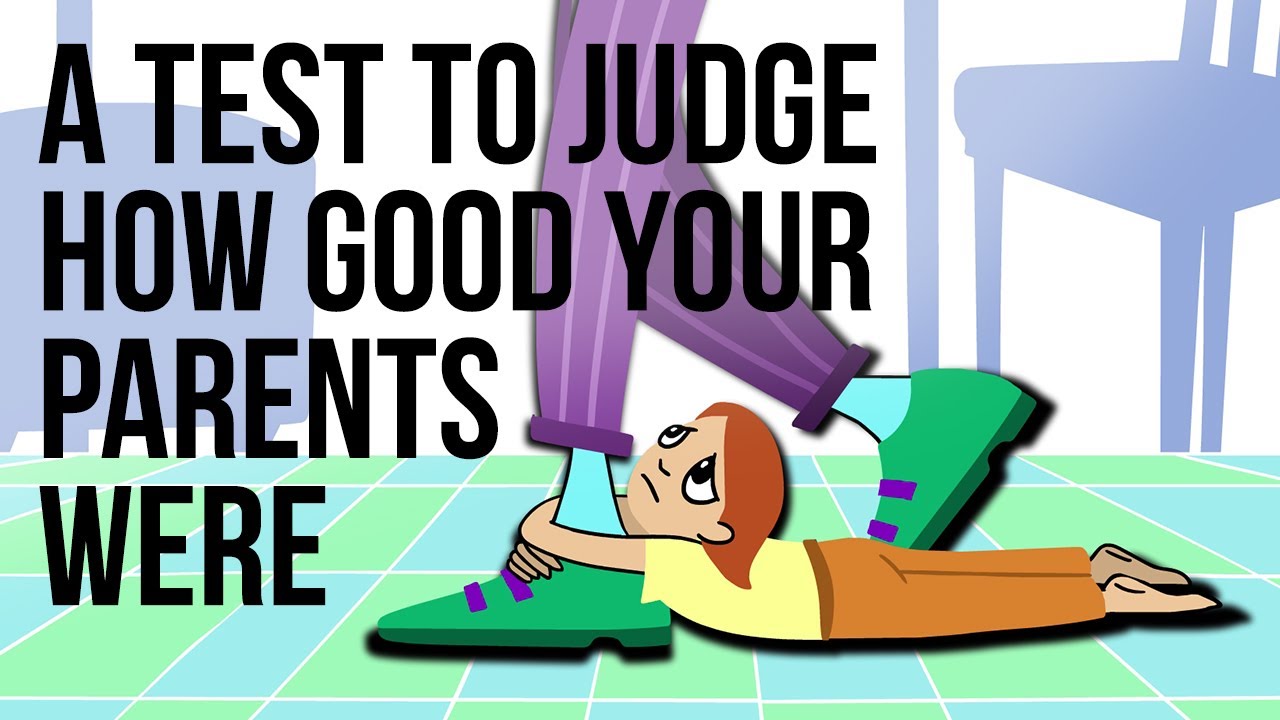
hear criticism we can apply boundaries and push back against unfair treatment we don't await punishment or disaster we can be ourselves in company and our minds are creative and unafraid of their depths trust in others is similarly the gift of a good childhood the result of a positive relationship with one or two people in our formative years when we enter the kitchen not every time but enough times to form a protective layer over our ego this other person looked up and lit up we trusted them if there was something that worried us we knew they
would listen and try to help they would never humiliate or attack us they were on our side they might have had a name for us little champion button chops or sweet sheep at one point in adolescence we certainly didn't want that name used anymore and it would be mortifying if colleagues knew it today but it remains a secret symbol of an emotional bedrock upon which all our later confidence was able to emerge in dark moments it can be tempting to assume that if we've not had adequate love in the early years and have lacked experience
of good relationships we're done for the truth is less dark we will face great difficulties a kind of tax on our whole lives exacted by our childhoods that other luckier people will never have to pay but we can follow three routes to ameliorate our sorrows firstly we need to understand the past this is less obvious than it can sound it takes a great deal of courage to explore at the necessary level of detail what really happened to us and why the mind's temptation is to flee such uncomfortable material for easier subjects but real recovery requires
a proper engagement with the humiliations and agonies of yesteryear secondly we need to be able to commune around our wounds with other people who've gone through the same or similar things we need to ensure that we're not going to be alone with our pains and that we can build connections with fellow sufferers thirdly a related point we need to build reparative relationships if we were not properly loved then we need to find people who can love us properly now which is not going to be an easy task when because of our histories we're liable to
reject any appropriate candidates who offer themselves we need other people to help us to lessen our suspicion of ourselves and then to help us to see that the world won't always reject our ideas or try to mock us or have no time for our real selves people tend nowadays to pride themselves on their capacity for some hard work there is no harder work than that just outlined it leads directly to no greater sums of money and no higher status but it is for all that in terms of its effect on ourselves and those around us
possibly the most valuable work we're ever going to be able to do you