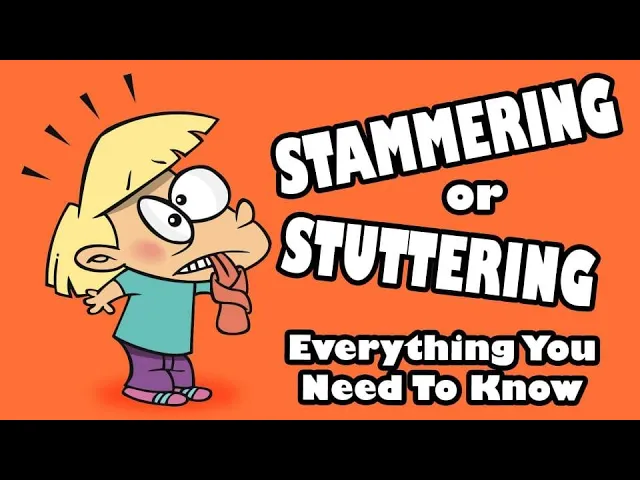
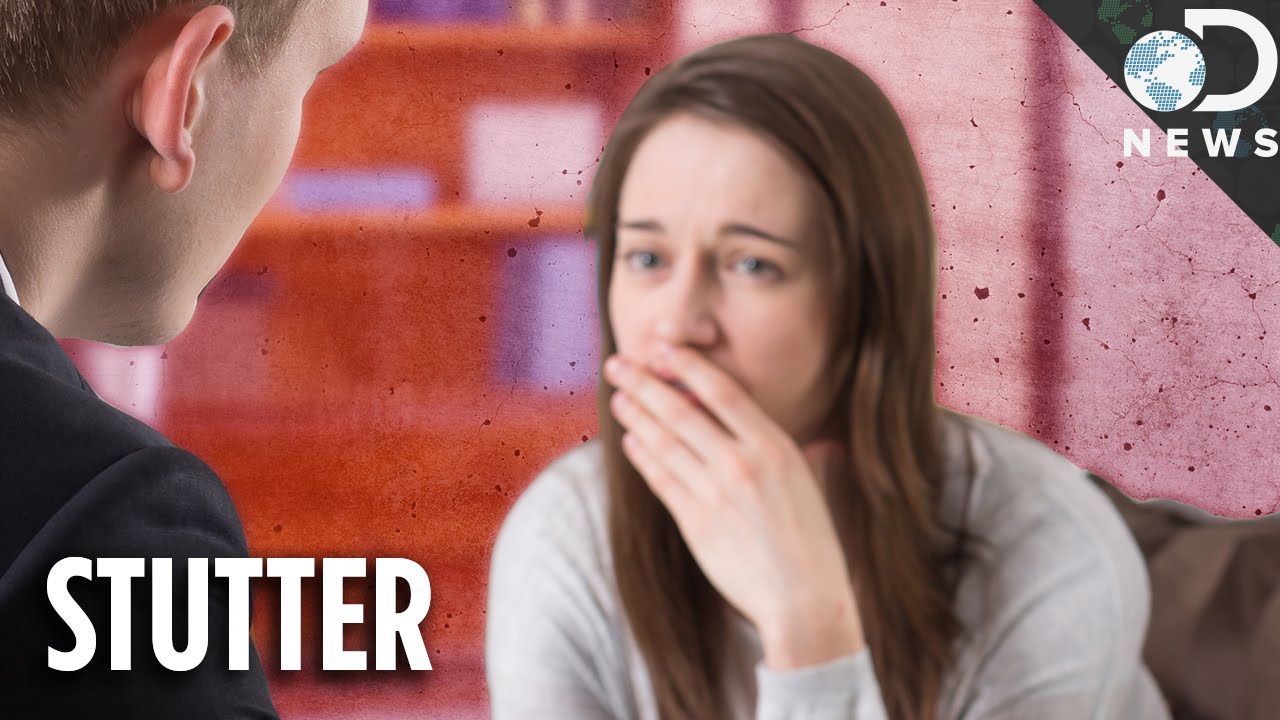
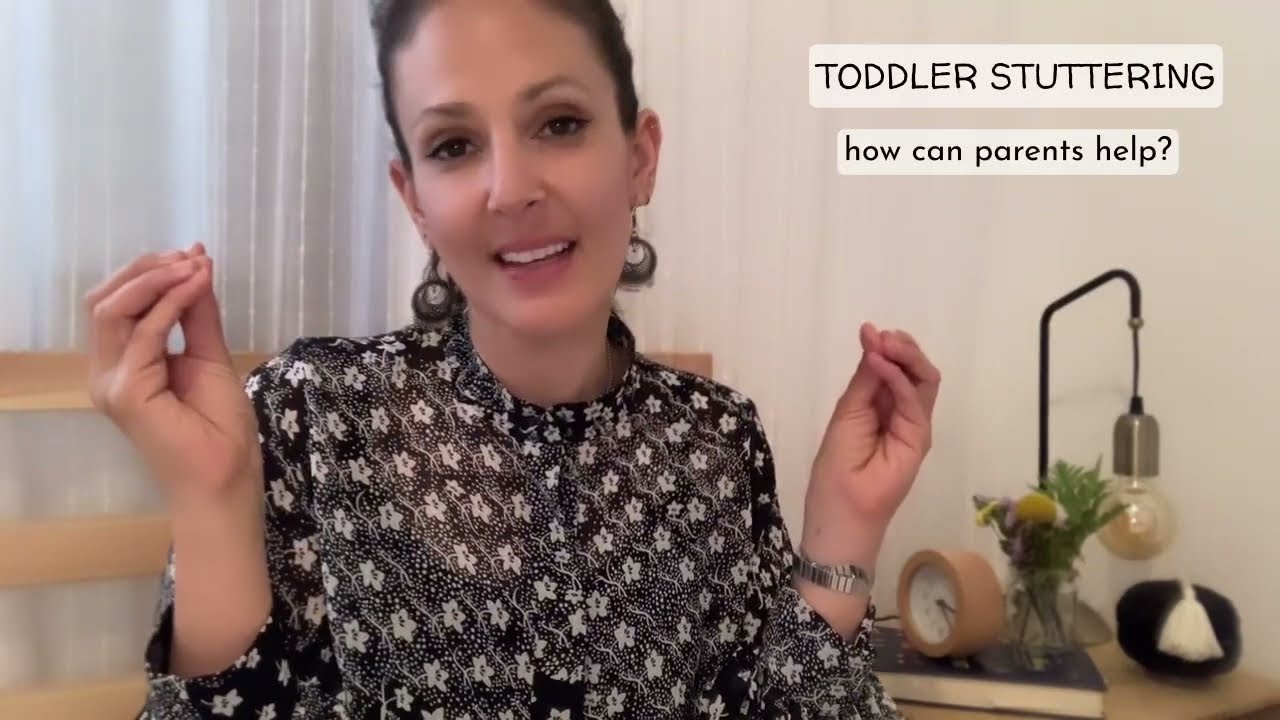
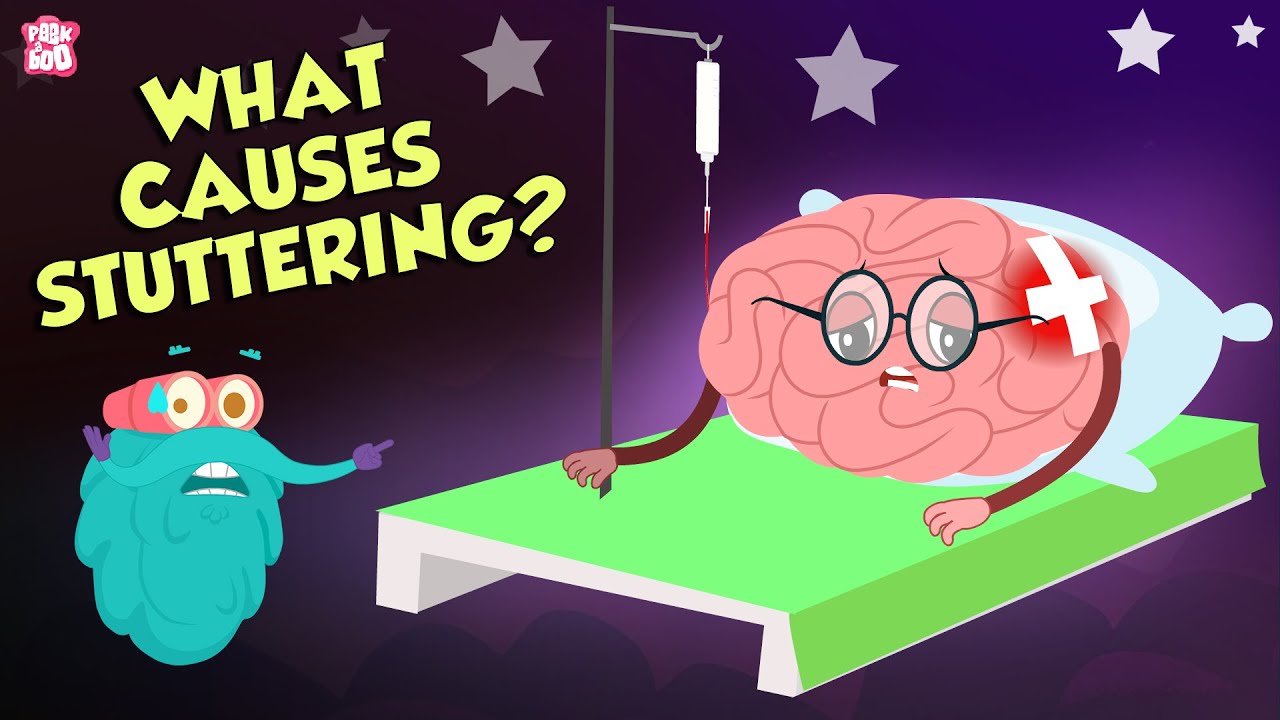
stammering or stuttering causes signs and symptoms diagnosis and treatment stuttering or stammering is a speech disorder that is also known as difficult speech stuttering specifically includes the following one an uneven rate of speech two halted or interrupted speech production and three repeated words syllables and sounds stuttering is a highly common phenomenon affecting between five to ten percent of all children it mostly occurs in children between two and six years of age while most children will not carry a stutter beyond childhood 25 of children who don't lose their stutter will be affected by it as adults intervening early can help a child stop stammering and nullify all chances of them carrying it into adulthood let's take a deeper look into stuttering causes the most common causes of stuttering or stammering include 1. family dynamics 2 neurophysiology 3 issues in development during childhood 4. a family history of stuttering furthermore injuries and trauma can also result in stuttering sustaining an injury to the brain from a stroke can cause stuttering similarly severe emotional trauma can also cause stuttering stuttering is believed to run in families as the part of the brain that governs speech and language may be abnormally developed across generations children of parents who have stuttered usually stutter as well signs and symptoms three different types of stuttering can affect a person developmental stuttering occurs when a child is developing their speech their mouth may take time to build up their language abilities the development type goes away without treatment neurogenic stuttering occurs when there are abnormalities between the brain signals and the nerves or muscles of the body psychogenic stuttering originates from the brain specifically the part that regulates speech and learning the symptoms across all these types of the same and they include one frustration in trying to communicate two occasional refusal to speak three noticeable physical changes in the face such as facial tics extensive eye blinking lip tremors and increased tension in the upper face area 4.
pausing or hesitation when starting to speak 5. interjections or extra sounds while speaking 6. a tense voice 7 rearranging words while speaking 8.
stretching out words with longer sounds 9.