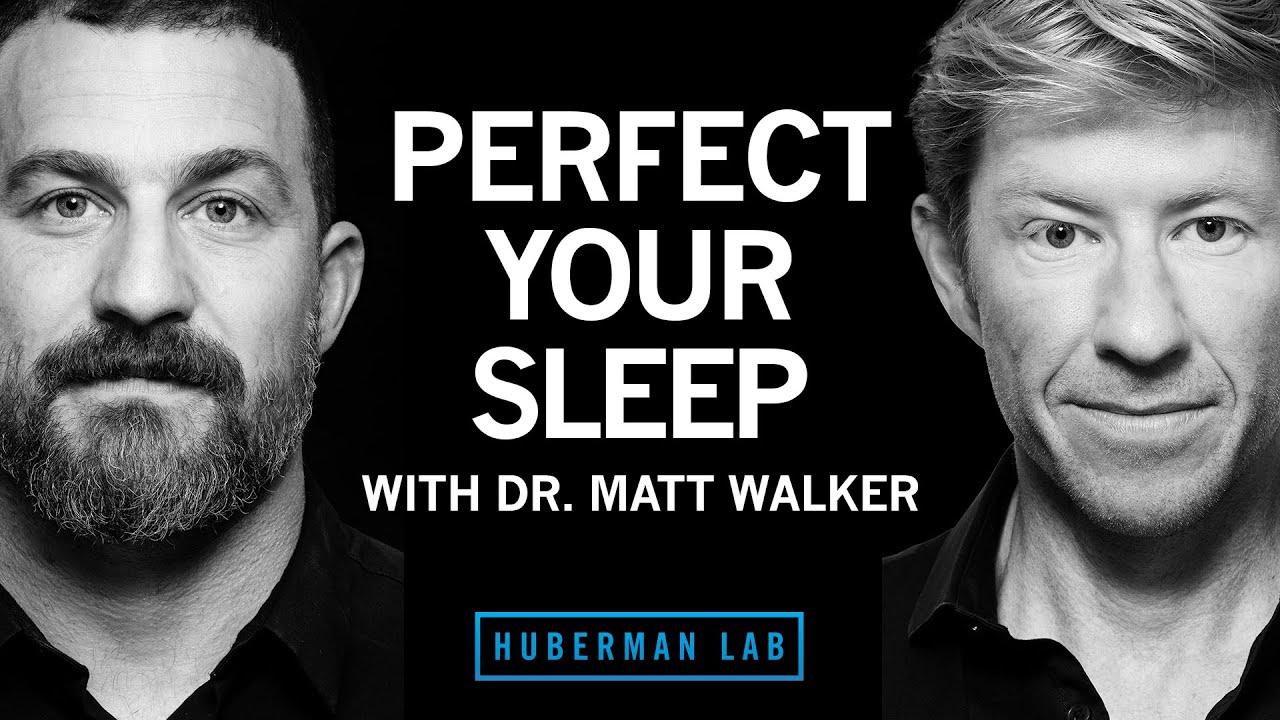
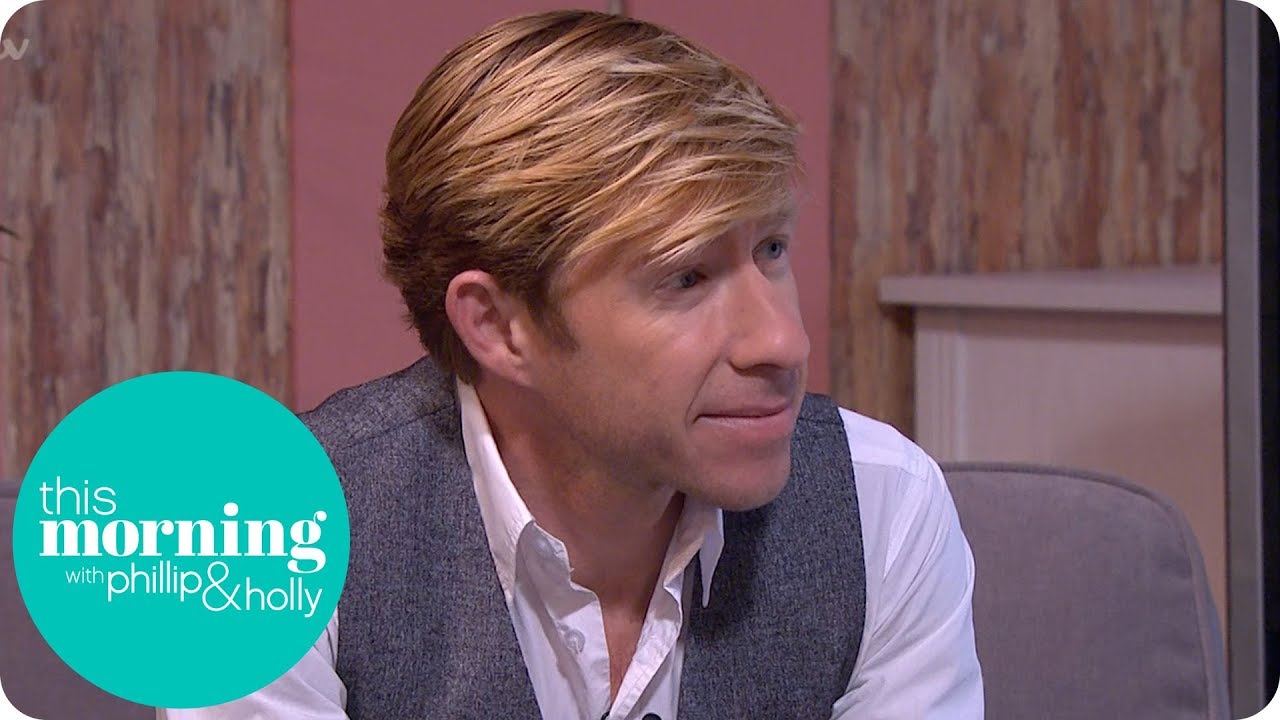
nearly 2/3 of Americans do not get a full eight hours of sleep did you hear that now one researcher is sounding the alarm about what he calls a silent sleep loss epidemic he has scientists Matthew Walker he's devoted more than 20 years to studying sleep and his impact on health and disease so he knows what he's talking about he teaches neuroscience and psychology at the University of California Berkeley he's published more than a hundred scientific studies Walker's new book is why we sleep unlocking the power of sleep and dreams he says sleep deprivation has a
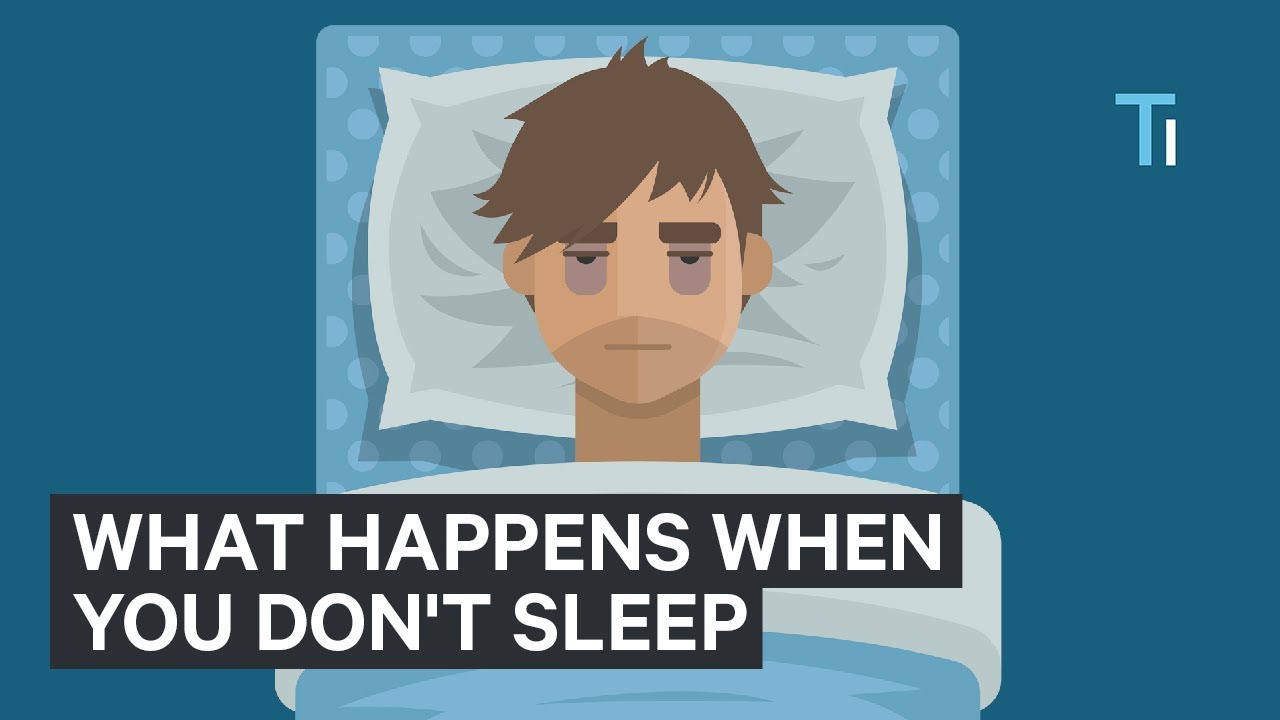
catastrophic impact on our health work productivity and children's education the book is published by Scribner and imprint of Simon and Schuster a division of CBS met Walter good morning good morning the greatest challenge that America faces in the health arena I think it's fast becoming one of the greatest public health challenges that we know eyes every disease that is killing us in developed nations from cancer Alzheimer's diabetes cardiovascular disease stroke even suicide they all have significant and causal links to insufficient sleep and if you look at the epidemiological data it's quite clear to short sleep
equals a shorter life it was a dick sore cause mortality what's the link the link actually is is many fold so upstairs in the brain we know that it creates a toxic protein build up a protein that's called beta amyloid that toxic sticky protein is related to Alzheimer's downstairs in the body it demolishes your immune system if you're not getting sufficient sleep and it also activates stress chemistry that leads to cardiovascular disease increases in also cancer related molecules you also want to eat more when you're not getting sufficient sleep so you're fatter so you gain
weight more quickly also even if you're exercising we used to think of sleep as the third pillar of good health that's not true it's actually the foundation on which those two other things sit diet and exercise great about your book is its research-based it's epidemiologically based one-third of adults take naps what does the research say about that well naps are a double-edged sword to be quite careful firstly ask yourself why you napping sleep is not like the bank it turns out you can't accumulate a debt and then pay it off either by napping or over
sleeping at the weekend it's an all-or-nothing event naps also can be dangerous in the sense that during the day the longer that we're awake we build up sleepiness and that's good it's healthy it means that we'll fall asleep and stay asleep well at night but if you nap during the afternoon it's almost like a valve on a pressure cooker you release some of that sleepiness so then it makes it that much more difficult to fall asleep in science to your productivity and your good feeling as well so naps if you can make them regular can
have productivity benefits and you don't nap after 3 p.m. if yeah if you're struggling with sleep in the evening or if you can't nap regularly the advice is don't nap at all but naps do have some benefits to them NASA figured this out back in the 1980s they called it the NASA nap culture it improved work productivity by about 34 percent overall alertness by about 50% so if they're regular that's good you write about sleeping pills the bad the bad and the ugly tell us why well firstly sleeping pills do not produce naturalistic sleep I
wish they did but at this stage they don't there are class of drugs that we call the sedative hypnotics and sedation is not sleep so you're simply removing consciousness you're not producing that realistic sleep the second aspect is that they've been related to a higher risk of mortality of death and a higher risk of cancer too so just make sure we get to this so what do you do to make sure you get as much sleep as you should so I think there are probably five key tips firstly keep it regular go to bed at
the same time wake up at the same time no matter what the second is darkness we're actually a dark deprived Society so at night try to dim your lights only put half of the lights on you don't need them all limit screen time that will allow is that sort of melatonin hormone to build up and get you to sleep keep cool degrees 65 to 67 it's strange I'm turning it down yeah I've been doing that yeah but your body needs to drop its temperature to get to sleep and you can help it to do that
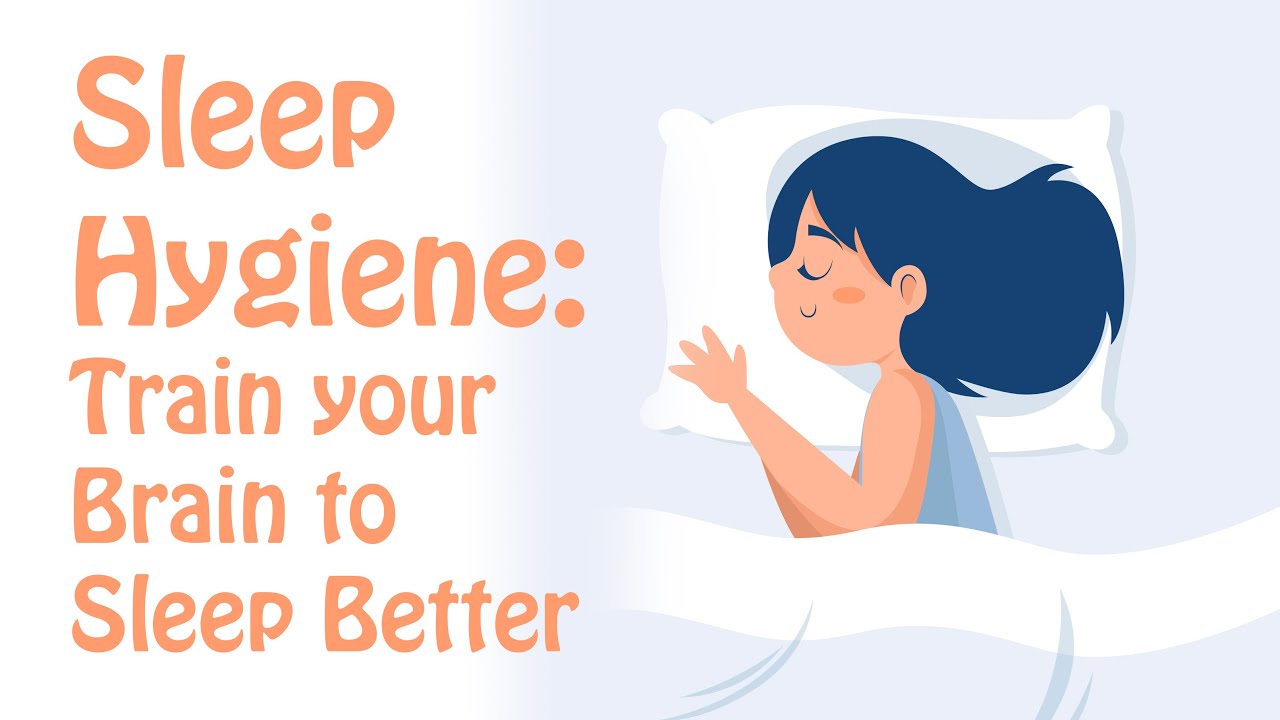
that's the third thing temperature the fourth is actually walk it out don't stay in bed if you've been awake because then at that point your brain learns the association between your bedroom being about being awake and many people will say to me you know I'm sort of falling asleep on the couch with television I get into my bed and I'm wide awake and I don't know why because you've learned the association between bedroom being about wakefulness get out go to a different room dark light dim light read a book only return when you're sleepy and
then you'll relearn the association between your bed equaling sleepiness finally and it makes me deeply unpopular um no caffeine after 2:00 p.m. and no nightcap alcohol is probably one of the most misunderstood chemicals it's also a sedative you're just knocking yourself out it's not naturalistic sleep and it also fragments your sleep you wake up many more times throughout the night and it also blocks your dream sleep so you know imagine food food the advice right now is don't go to bed too full don't go to bed too hungry thank you thank you Matt sleep cures
a lot of things why we sleep is on sale now