What amount of money would you say it takes for someone to be wealthy or at least comfortable? For some, the number might be in the millions. But Kevin Olirri, entrepreneur and investor known for his blunt style on Shark Tank, suggests that the amount needed is much less than what most people think.
This is especially surprising coming from someone like Olyri, whose net worth is estimated to be around $400 million. He's built his wealth through a combination of business ventures, smart investing, and a well-developed personal brand. Yet, even with that level of success, Olyri often emphasizes a surprisingly modest approach to money and financial independence.
You don't need tens of millions of dollars to stop working, to travel, or to live comfortably. What you do need is clarity. Clarity about your own lifestyle preferences, your priorities, and what truly makes you feel secure and fulfilled.
Once you understand what kind of life you actually want to live, you can start figuring out how much it costs to sustain it. For some people, that vision includes luxury cars, designer clothes, and sprawling real estate. A life of opulence and enjoying the finest things money can buy.
For others, it's about peace of mind, like not having to worry about making sure the bills are paid. Modest comforts like a small, well-kept home, and control over their time, so they aren't tied down by a 9 to5 and are free to travel, spend time with family, and not have to worry about maintaining an image and keeping up with a bunch of stuff. These two visions come with very different price tags.
And that's exactly why Kevin Olirri believes the amount of money it takes to feel financially free is often much less than most people assume. It's not about a specific number. It's about aligning your spending with what actually matters to you.
Olri says you can quit working and live comfortably with $500,000 in the bank as long as you manage it smartly. That might sound like a stretch at first. How can anyone live off such a small amount when the returns seem so tiny?
But once you actually look at the numbers, it starts to make a lot more sense. According to Olirri, if you take that $500,000 and put it into fixed income investments, bonds, high yield savings products, and other low-risk investments, it's reasonable to expect a return of about 5% per year. That works out to $25,000 in annual income generated passively.
You don't need to spend the principle. You're simply living off the interest. He goes on to say that for those willing to accept more market risk and invest part of that $500,000 into equities like stocks or ETFs, the potential return increases.
Olyri points out that it's possible to earn closer to 8. 5 or 9% annually with a balanced portfolio that includes both stocks and bonds. That would produce between $42,500 and $45,000 per year.
Again, that's without spending the initial investment. That might not sound like a lot, especially to someone living in a high-cost city or supporting a large family. In those situations, $25,000 to $45,000 per year might barely cover the basics, if that.
But for a single person or a couple with a modest lifestyle in a reasonably affordable location, it can be enough to cover essential expenses, especially if you own your home outright and have a lowcost living arrangement. It's not a lavish income by any stretch, but it can provide a sense of security and consistency. You're not eating out at steakouses every night or flying first class, but you're also not living paycheck to paycheck or relying on a job you hate just to get by.
Most importantly, that kind of income means you're no longer trading your time for money. You get your days back. And for most people, that's the real definition of freedom.
This is where the concept becomes powerful. With careful investing, someone could achieve full financial independence with a half million portfolio. No need to grind out 40hour work weeks just to pay the bills.
No need to rely on your next paycheck. just ongoing income from well-placed capital. He doesn't specifically mention this, but if you factor in social security benefits, the financial picture becomes even more comfortable.
On average, Social Security provides about $1,900 per month per person, which adds up to roughly $22,800 annually. For a couple each receiving this benefit, that's an additional $45,600 per year in guaranteed income. When combined with a solid investment strategy like Oly's, it can offer a much more cushioned lifestyle than you might expect on just $500,000 alone.
This brings us to a crucial point. Most people aren't really chasing wealth for the sake of luxury, even though they often believe that's their goal. They might think they want fancy cars, designer shoes, the big house, and all the trappings of success.
But in reality, they've got it all wrong. What they're really after is freedom. the freedom to choose how they spend their time, whether it's traveling, creating, relaxing, or simply being with family.
In the end, what really brings you the most happiness and fulfillment? Is it the flashy material things, or the simple, often free moments that actually make life feel rich? Financial independence, no matter how you define it, isn't truly about the money itself.
It's about the control and autonomy that money can give you, the ability to live life how you want. Olirri's advice cuts through the noise of modern financial culture. Rather than focusing on huge windfalls or unrealistic goals, he asked people to think practically.
What do you really want your life to look like? How much does that life cost? With careful and smart investing, you can generate much more income than traditional retirement planning suggests.
According to Olyri, when you approach money from this angle, the numbers stop being arbitrary. You're no longer working towards someone else's version of success. You're defining your own and then figuring out how to make it financially sustainable.
Of course, none of this works if you're reckless with your money. In Olirri has strong opinions about where people go wrong. One of his most repeated pieces of advice is to never invest in your brother's restaurant or bowling alley or a bar.
Or as he puts it, all that other crap. According to him, that's how you lose money. He's not trying to be harsh for the sake of it.
He's pointing to a very real trend. When people finally save or inherit a large amount of money, they often feel pressure to invest in something exciting with large potential or worse, in a friend or relatives dream. But small local businesses, especially in food and entertainment, have extremely high failure rates.
They're unpredictable, expensive to operate, and difficult to scale. Unless you have deep experience in that specific industry, investing in one is more like gambling than planning. If you want to live off your money indefinitely, the priority has to be capital preservation, not chasing the next big thing.
The point isn't to double your money overnight. The point is to make your money last forever. A word of caution to add to Kevin's advice.
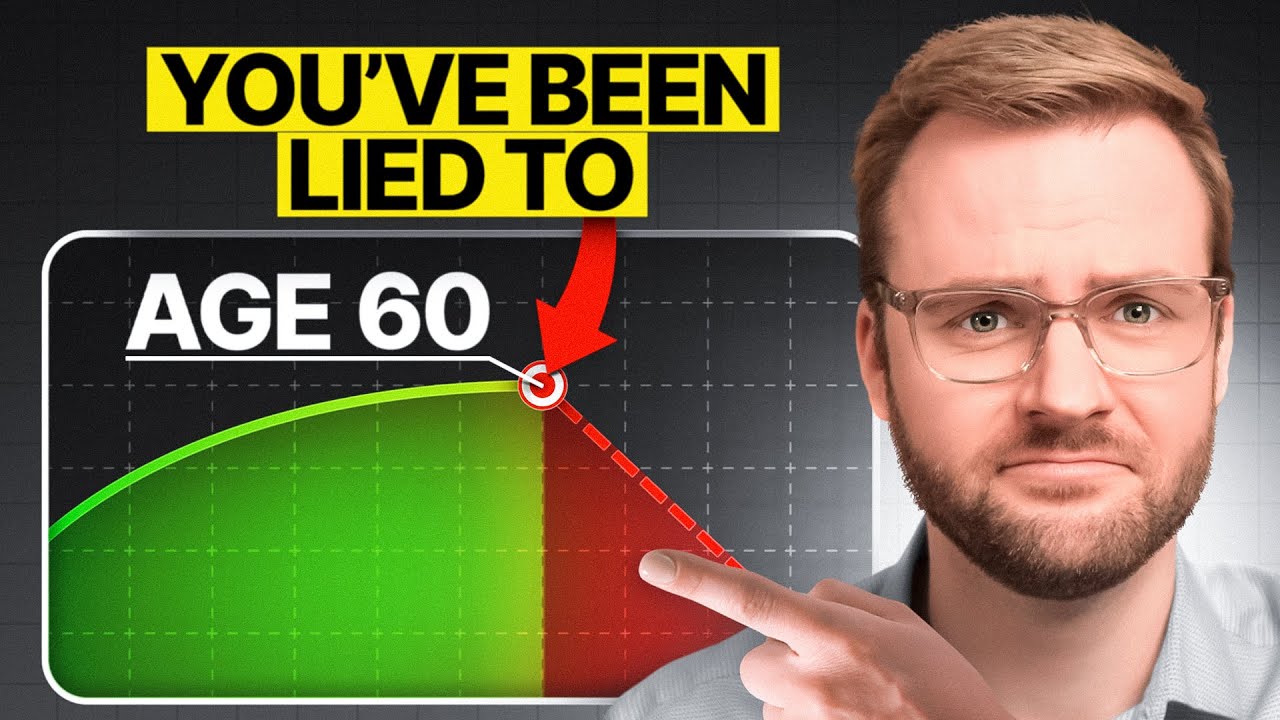
It's important to make sure your investment isn't just holding steady, but actually growing enough to keep pace with inflation. Otherwise, your purchasing power gradually declines. If your account balance remains stuck at $500,000 year after year, even while generating 5 to 9% returns, the income will stay the same, but the cost of living won't.
To maintain the same lifestyle over time, your principal should ideally grow by at least 3% annually, so the income it produces also increases and continues to match rising expenses. In a culture obsessed with quick success and flashy investments, it's easy to overlook the power of boring, consistent strategies. But boring works.
A balanced mix of fixed income and equities held for the long term is one of the most reliable ways to grow and preserve wealth. It's not exciting. It doesn't come with viral headlines or overnight windfalls, but it does offer stability aside from usual market volatility.
And that's what financial independence is built on. Many people assume that they need to keep climbing, keep pushing, keep chasing larger numbers. But once you've reached a point where your investments can support your lifestyle, you don't need to keep climbing.
You can shift into maintenance mode. The question isn't how much it takes to be wealthy. It's how much it takes to have enough.
And that's a question only you can answer. For some, enough means being able to live in a quiet home with no debt, plenty of time, and the ability to say no to work they don't enjoy. For others, it might mean traveling, building something, or just not having to check their bank account before making a purchase.
But no matter how you define it, the takeaway is the same. Once you know your number, you can start building a plan that gets you there. And in many cases, that number is surprisingly achievable.
When you cut out impulse purchases and get honest about what you're actually spending your money on, it's eye opening how far your dollars can go. People who downsize, cook at home, or trade in a finance car for an older one often realize they're not just saving money, they're also gaining a sense of freedom. It's not just about lowering bills, but also about clearing the mental clutter that comes with owning things you don't really need.
When you stop spending out of habit or social pressure, your expenses naturally shrink. You don't necessarily need $10 million to live well. In fact, with $500,000 invested wisely, many people could have the kind of stability and freedom they've always wanted.
It might not be the kind of wealth that gets you featured in Forbes. But it's the kind that lets you wake up without an alarm clock. And that's a win in itself because at the end of the day, that's what real wealth should give you.
Your time, your choices, and your life.