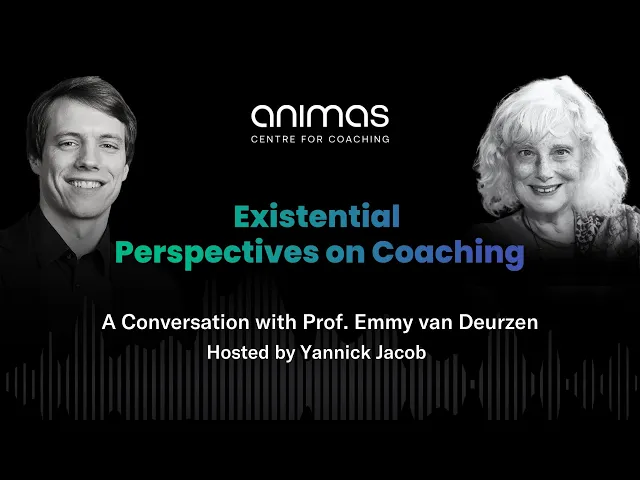
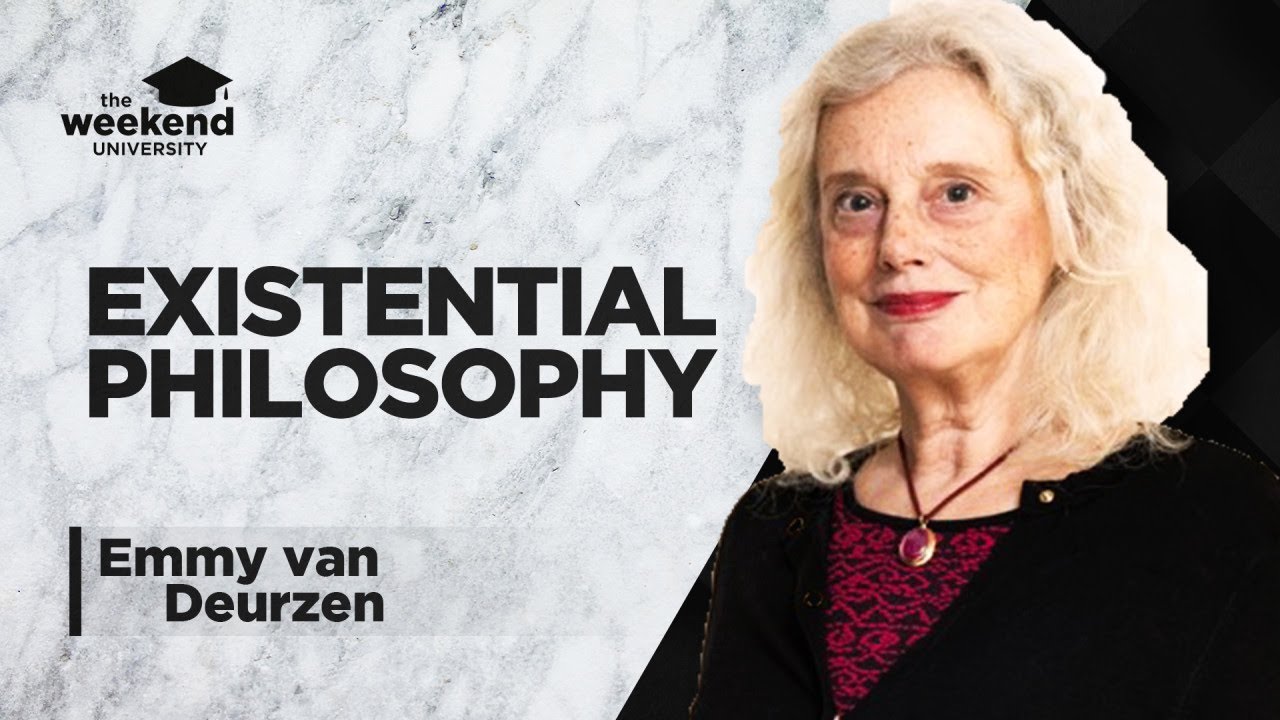
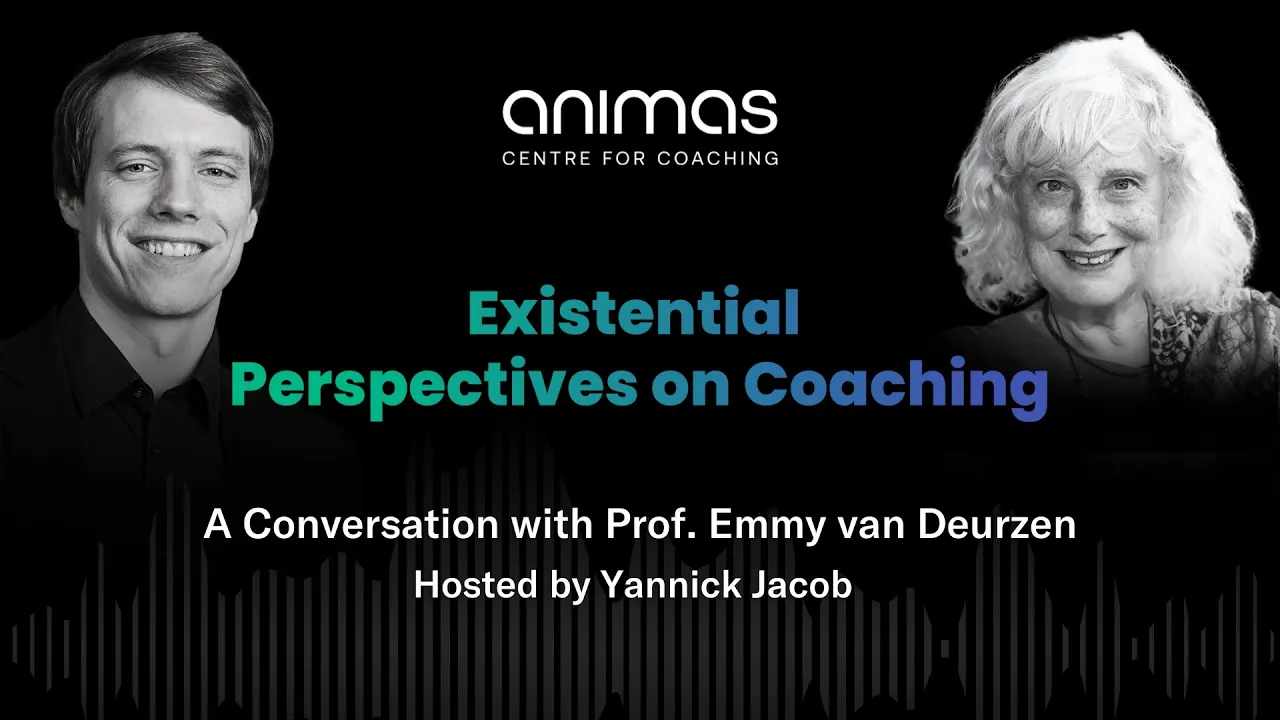
Welcome to coaching uncaged by Animas the podcast that explores the art science and career of coaching and now introducing your host and interviewer Yanik Jacob been looking forward to this um maybe more than others no disrespect to our wonderful guests but uh we're very connected not just philosophically but also uh personally in many ways because uh we spend some time together what can I say about you Emmy first of All welcome to the podcast I'm so happy that you've made time for this maybe let's start with this every time I hear you speak almost every
time I hear you speak whether that's at a conference at a talk uh as part of the lectures that you gave there's this genuine passion and zest not just for existential philosophy and existential practice but for life and living and there's so much you have done but you bring this energy to the spaces that you're in that is Just really inspiring and I think not just because I found a home in existential philosophy which you've basically facilitated and created with the new school of of existential um counseling and and Psychotherapy um but because you open
up spaces for people to think more deeply about life and living and uh you've created the the Masters in existential coaching um with Monica henway together um you've written what 20 books now Um amongst those existential perspectives on coaching and many books on existential therapy but also other existential topics most recently uh rising from existential crisis um and uh what you offer to that world is uh is special so um you've done many things for many decades you have many letters to your name um you've uh you've a professor visiting Professor honorary professor professor at
a number of universities uh you've established Existential therapy in the UK uh you were the one of the figureheads for that movement um the existential movement you're bringing out to a lot more people not just practitioners so there's really a pathway of diving deep into the philosophy working deeply therapeutic opening that up into the coaching space and then opening it up to the world uh and I've also seen you be quite political and really taking a stance as so so many existential thinkers have Been political um so now that you've uh you've retired from principal
of the the new school um there's a new chapter beginning H and that's quite exciting as well so um I think I'll I'll pause there and see if you wanted to add anything into it there's a lot more that I could mention but um just to say that you really got the measure of me because you're presenting this not as a sort of a series of things but you're presenting It as a movement forward you're showing how I've gone from one thing to another and expanded things and seeing what is need what I think is
needed in the world and you can see where I'm going with it I can feel that not people sort of see this whole picture so thank you for doing it like that yeah I appreciate that and I think it's important because there's a lot of coaches uh certainly I meet in supervision and in the training rooms that start coaching as a technical Skill and then when they're coaching for some time they blossom they flourish into something else and some are leaving coaching spaces and are more political or more directional guiding people more creating other spaces
opening it up to a broader audience than just coaching clients so I I think here's an example of how this could be done this is absolutely correct it's it's a kind of whole field and we can explore it from so many different Angles but we can't stop ourselves once we've opened the door and we've stepped inside of that way of living we are going to find new and new angles and we are going to get more and more Curious and we are going to realize that there is so much more to know and so much
more to do and how many people there are who are in need of that Clarity of that space that you mentioned you know opening up a space for other people to dive in and discover that they can learn How to live better rather than be at the mercy of life and that's what it's all about and there's no end to that we can always do it better it's an infinite game especially around Clarity and part of me would love to pick you up on Clarity in the face of General uncertainty and an impossibility of really
gaining clarity it for longer periods of time which I think is always coming into the coaching space but so much needed that Clarity in the world at The moment it feels almost as if there are people who are darkening things rather than shining a light on what's going on in fear I think yeah before we go deeper into that and in a way with the question I'm asking we're already going deeper into it because in this season as uh our audience may or may not know we're diving deeper to explore what coaching stands on what
different um approaches to coaching stand on so let's take a Couple of stacks back and at the same time also forward uh could you in your words give us a bit of a a framework what what is existentialism might someone Wonder I've never heard of it or maybe I've heard the term existential crisis people mentioning existential threats the existential philosophy is a bit different to how it's often used in in common language so could you give us a a kind of a brief uh overview of what is existential Philosophy what is existentialism H and why
is it so helpful in in your client work okay so what what I like to foreground is that any existential approach be it to coaching to counseling to therapy to uh management consultancy to education you name it any existential approach basically focuses in on human existence it is an approach that looks at life in the round from every aspect Possible and taking under the microscope every facet that is problematic in a person's life so it is a very broad range and the only other discipline that has this kind of broad range is philosophy and so
any existential approach is necessarily based in a philosophical way of looking at the world and what that means is that in order to really get a hold of this rather than doing it at the surface of Life we need to really study what we can truly deeply understand about human existence so it's about enabling people to explore that for themselves and get in the habit of being much more curious about how they are in the world how the world is in relation to them at many different levels and how those intera c s can be
shifted and changed and transformed into an experience that is Much more satisfying to them and there are so many different layers to doing that I'm sure we'll we'll come to some of those but it is always about having a deeper engagement understanding what stops you having that deeper engagement and then learning about life and learning how you can do it better and how you can deal with all these problems in your path and beginning to see that the more you face these Problems and the more ways you learn to look at them to deal with
them sometimes to avoid them or prevent them and sometimes to resolve them and to do this not just on your own but in your Rel relationships with other people and also many different levels the very close Intimate Relationships the medium ones and the further away relationships with your culture or Society or politics all those layers of life together make up the framework that you live with and This is something that to some extent is given to you by circumstances when we are you know come into life all of that is already there but it's like
an empty framework which is like a steel framework that you cannot move some of those things are given you cannot move them we call that facticity they're The Facts of Life but what we do do is that in between those structures we weave our own lives we create a kind of world Within those structures and those worlds change according to what happens to us and what we decide to do there's many different influences that world changes so we need to learn to be in that change and learn to relish that change and see that it
is a source of our transformation and that it's a kind of art to live is an art if we go to the art of living in a messy way in a way where we haven't understood really what We're doing then we're likely to make a mess of the picture we are creating of the life that we are creating we do a bit of this and a bit of that and the colors get mixed up and everything ends up a bit gray and depressing and that's what we see a lot people get discouraged they give up
because they feel it's too messy out there and it's too messy in here and they have no idea where to start so we have to come to it in a Quite systematic way and we have lots of ways of doing that from an existential perspective leaning into the existential philosophers and especially to the phenomenological method that they have given us but there are many other methods too yeah there's quite a few things I would like to pick you up on um first of all just kind of underline that that central element of opening up choice
for people yes in the face of ficity we can't choose where we are born What will be the language that we learn when we're young uh there's a lot of a lot of there's a lot of facticity we don't have any influence over but there's a lot I think that people don't often recognize as choices and coaching as a profession I think one of its Central tenants is to open up more choice for people and I think existentialism goes into the heart of that matter totally um that that philosophical I'm really trying to put Myself
into a beginner's mind again right because um I've studied this a lot as well so to make it available to the audience and help you know get a hold of some of this existential work and begin to explore it more yeah so you talked about philosophy and um I wonder if you could say a bit more about a philosophical way of thinking or how does the philosophy uh come into it what does philosophy teach you about how to engage with people now there's lots of Different elements in philosophy that are helpful in in coaching one
is the fact that philosophers investigate ontology they investigate theories of being so there are many different ways of looking at what a human life is and it helps enormously to get a feel for different life philosophies and how they inform a person's choices so if you have a totally materialistic outlook for instance you're likely to let your life Be guided by scientific facts and to narrow it down to things that you can measure and know for sure but if you do that you're going to be missing out on massive amounts of important experiences for instance
when I work with people who who are like that which I have done quite a few times who work you know in universities or who work in in professions where their rationality is first and foremost you find that they have Completely lost out of all these different forces in nature the vital energy of our embodiment being an animal being part of nature having desires even they might suppress something as obvious as sexual desire they may be completely out of touch with their own capacity for awe and wonder and mystical experiences they may even deny and
I've often found this they they may deny even Deep inside of themselves that they could ever be loved because they've come to the conclusion that you know their relationships have gone wrong twice or three times times or four times and that all these people have let them down and that is because nobody will ever understand them and will ever love them that seems a very irrational thing to say but when you stick to the facts and You observe those facts it's very easy to come to that Conclusion so the world view that a person has
dictates the number of choices available to them and one of the things I begin with is to enlarge the number of choices available to a person rather than sticking with the narrow choices that they think are available to them so it's about freeing a person's mind helping them to challenge for themselves how they have come to think about the world and how they have come to live lean into the world and vote With their feet and may be very unaware of that yeah and this opening up of choice uh it can be quite anxiety-provoking because
Kiko talks about the the dizziness of freedom and how when we have more choices we now have to choose and this responsibility is such a major theme in existential work and so I think it's important for Co is to be aware that opening up choice is great but there is Anxiety that comes with choice because of that responsibility could you talk a bit more about the existential perspective on on anxiety this is so vital and so crucial in in our cultures we have come to see anxiety as the enemy we have come to run away
from anxiety because we see it almost as a medical emergency we medicalize anxiety now it is true of course when we work in Psychotherapy we may sometimes work with people who have generalized anxiety Disorder and really their whole lives are taken over by anxiety they cannot move they cannot leave their home they cannot work but in coaching that's not what we are talking about we're talking about people who do jobs but who feel Paralyzed by their anx anxiety because anxiety has become the enemy it has become a signal to them of their failing of their
deficiency it reminds them that they're alive it reminds them that the energy is going through their system and That maybe sometimes they're a bit overwhelmed by that energy they're not quite sure how they can employ that energy how they can take authorship of that energy how they can relish that feeling of the rising energy that says to you you are alive you can feel you are ready because your whole system is now geared up for a new challenge there are people who say this is not appropriate because that kind of anxiety was there to do
deal with lions And tigers and so we don't need it anymore what nonsense we got huge lions and tigers in our lives life at the moment is more challenging than it's ever been before we are dealing with many layers of complexity every which way you turn there are threats and difficulties and new things to learn and people who are up to no good and people who might want to do you down none of it is obvious they're not lions and tigers but by Jo There are traps everywhere and how can we not live with constant
anxiety because our bodies and our minds know that we bloody well need that amount of energy to deal with it to learn to get more more inside but what we need to learn is that wisy anxiety Also Rises our capacity for courage so let's speak about the existential courage that we learn when we Face our challenges and we learn that we can get better at it and we don't Have to be afraid yeah before we do I I just want to underline another Point here that was so beautiful Illustrated because somebody might listen to this
and they're like well surely the world got better you know people are not dying I haven't seen a dead body you know and uh depending on where you live you might be quite privileged yes there's still you still see de bodies in the streets in the world um but like life has arguably protected us more uh longevity We have more longevity we live longer we're healthier babies are not dying so much anymore I mean you know I have a positive psychology lens as well and uh there's good data that life got better but I think
this illustrates quite well this uh the difference between an existential threat that causes fear because our life is threatened our existence is threatened by a lion or a tiger or somebody who's no up to no good and wants to kill us And take our tools um versus this anxiety that doesn't have a clear object you might still be alive but there's threats everywhere because of the complexity kind of threat it's at a different level it's a philosophical thread yeah so two points I want to make about this before I get into the detail one is
that the people who are privileged enough to be protected by civilization as it is are actually few there are many more people in the world Who are not that privileged and not that protected and who are exposed to very dire conditions on the one hand and on the other hand the people who are privileged without realizing it have also created new threats for themselves and when I work I work at both ends of that Spectrum so in our lowcost Clinic I get to see a lot of younger people who are really struggling with Hunger sometimes
or homelessness and and they do really struggle with life threats and With a sense that they're not safe in the world and of course if you work with refugees which I also do quite a bit you get to see a very dark dark underbelly of humanity and there are multiple hostile threats in the world that create immense amounts of trouble and difficulty for many many people so that's that end of the spectrum but when I work with privileged people who have found themselves at the head of organizations or companies or who have Become famous for
certain things they do I am amazed at how that privilege doesn't at all protect them but actually exposes them to other layers of Challenge and confrontation with very dark sides of humanity they encounter hostile forces that they Daren even talk about when when you speak to people who actually get threatened by governments or who get threatened by Mafia practices that is quite quite Scary and when you begin to realize that some people maybe in politics maybe in organizations make certain decisions in fear because they have been told that if they don't do that then they
will have to deal with X Y or Zed and XY and Zed are lions tigers and leopards in my book so the world has been improved moved in many ways and I am with you on that positive psychology side but a we have also lost track of that needing to apply To everyone and B we have lost track of all the things we have given up and lost and we are not always aware of the new threats we have created yeah so it's no time for resting on our Laurels and congratulating ourselves for what we
have achieved there's a lot more work to be done oh yeah and I think when people hear that uh I think that's sometimes where existential work on existential thinking gets a bit of a dark reputation and it Never seemed like that to me it seemed like a very real perspective on the world with eyes perhaps more open than some of my positive psychology colleagues uh there wasn't acknowledgement how difficult and challenging life often is and essentially is uh just being alive is a courageous act um kamu was philosophizing why people don't really don't kill themselves
it would make perfect sense so uh I want to kind of Counteract that kind of Darkness that people often perceive because I know your view on the philosophy is a very positive one essentially even though you just spent quite some time probably scaring the beesus out of some people it's like oh oh yeah oh she's right oh yes they are tigers and lions and the modern equivalent of that everywhere and they hadn't really paid attention um but tell us a most people who come already know this they come to get help because They know that
things are not Rosy and they know that we are dealing with some real worldwide problems you know in the next next 50 years yanique you know this as well as I do this world is going to get confronted with climate change the lack of biodiversity which will lead to incredible amounts of migration across the globe to an extent we haven't even begun to think about how we're going to deal with it and this is going to create All kinds of Mayhem and difficulties and we need to prepare ourselves for this quite frankly we need to
have the eyes wide open and we need to see how we can help everyone in this world to work together to make this a good transformation which is possible rather than a catastrophic one which is also possible so I do St think we stand at a nodal point where we need the tools of everything we can gather of the philosophies and also of the Positive psychology as well we need all of that yeah so here's the tools again and you mentioned methodologies you me methods uh I know there's there's a lot of work been done
in how we could systematically help people to navigate these kind of challenges could you tell us a bit more about what sort of approaches practical approaches came out of existential work well first of existential work is spread all around the globe so it has become Differentiated into many different ways of working so if you look at the Wy World handbook for existential therapy you will see that there is an existential humanistic Trend there is a dasign analytic Trend there is a logo therapeutic Trend and there's an existential phenomenological Trend so these different schools have developed
but over and above that in each country people have developed their own take on it and that is most especially important When you start looking at what they have done with it in Latin America for instance or in China or in Israel or in Iran or in Russia or in Scandinavia or in Australia it's all SL slightly different adjusted to the local ways of thinking and working and living and also to the the beliefs people have so there's often an influence from a kind of more religious or spiritual background so there are forms of European
existential work that are very Atheistic and very much based in this sort of factual approach but are also much more Christian types of existential work and there are kind of doist forms and there are kind of forms that seek to go beyond that so my own approach is therefore always philosophical rather than either atheistic or theistic it's philosophical in that I'm open to any kind of world viw but I know that working with a person's worldview is going to be Central to any progress Made because if I cannot work with the depth of what a
person believes and the depth of what they hope for and what they fear is not possible then I will not have much of an impact on that person's Improvement for a person to really improve they've got to be able to resonate with the work at a deep level and they've got to be able to make sense of it and to see how it fits in with what they already know what they have Experienced and what they yearn for and what they want to achieve so it's very much about going to that central point of the
very inner sense of spirit in the person the thing that inspires them the most because then you will attach the new thinking at the core of their being yeah um what a beautiful link to positive psychology as well funny that came in again because really focusing on what lights somebody up and what inspires them rather than what's the Problem and where's the pain because that that leads us to the things that are important the lead that are what are Central and core to us yeah but the two go together though oh yeah yeah absolutely I
arguing for years because yeah something is troubling you because actually it's hid something in you that offends your intelligence or that deeply goes against what you believe so if you work um as a coach with people in an organization where they're being told to Follow a particular practice that goes against their own beliefs and their own purpose in life they become very unhappy they may be obedient about it for a while but something really goes it's like pain it's like physical pain inside of them so sometimes it starts with the deepest point of pain but
that deepest point of pain is only this painful because there is is something they do want there is something they believe is right and they Believe that what they are now doing is wrong this is something I found you know some of my students have done work with um people who have been survivors of big crisis or of um for instance Susan yakov's work on um guys that were in the army and that survived the sinking of HMS Sheffield and what she found was that a lot of them had very long-term terrible PTSD and it
was that bad because some of them saw so many of their mates dying and they Started to question whether that was warranted whether this was right or whether it was wrong what they had done and that made their pain and their trauma so much more complex and so much more difficult and that that is something we really need to be aware of the way in which a human being is always a moral person and they need to be able to act in the world in line with their inner sense of right and wrong that is
so essential yeah and that's why I think People often uh are so attracted to Simple Solutions and simple narratives because sometimes when things get more complex this pain really surfaces and people start questioning things exactly right and that's very uncomfortable because when you start questioning things that creates more pain because then there is the issue of do you say something do you act on that or do you go in hiding or do you disappear what what is the right way to Act when you think that your life is no longer aligned with your own principles
with your own sense of what you feel you should be living for yeah so it might be easier for some time to look the other way and ignore it ignore some of the facticity that things are ENT or that there are threats out there but sooner or later it will hit us in the face and that's why I always appreciated existential coaching as kind of contrasted to existential therapy Because most people will enter therapy when it's beyond that threshold and things started to collapse and I really I really appreciate people coming to coaching with this
courage to question and explore knowing that what they might find might be uncomfortable because I think they're they're building resilience towards future such scenarios that's a very interesting uh distinctive definition between existential therapy and existential coaching by the way Yanique which you never heard before that if people come with an existential courage and a desire to question things then they're ready for coaching if they come in Despair and they're beyond the point of feeling they can keep their own life in Balance then they should be going to existential therapy yeah I wish more people Road
markers yeah I wish more people would enter therapy uh when things are reasonably well and I know some people do but most people don't and That that's always been a question right when what's the difference between existential coaching and therapy because as you're practicing it it might look exactly the same it depends maybe where the person is at or are there other markers of of difference because you talked about severe pain quite a lot and I know most of your work is in therapy but I also know you've done your fair share of coaching work
yeah yeah and I I often find it a relief to do a bit of Each so during the week I might see some people for a long-term therapy that are really working on very deep-seated and long-term issues that make them very fragile and then I might see somebody who I only see monthly and who is working out something for themselves about their life and really wanting to be challenged where I can be much stronger in my you know pointing things out or maybe even sometimes doing a little bit of Education even and and Things like
that did you notice that what you are discovering is that when you do X Y happens but when you do a b happens and have you noticed that you do have a choice as to which road you go on and then we can do this explor explorations of different things they've done and it becomes alive to them and they start to see the landscape in a different way now I might come to that with a therapy client too at some point so I might do Bits of coaching with a therapy client but I feel more
free to do that with a coaching client who I know is basically sound and you know earning their keep and on a path of um self-affirmation and not fragile in their inner existence yeah bit more robust bit more resourceful so you can challenge a bit more you can yeah exactly that but then again of course with a coaching client you might find that there is a breakdown at some point And they do get to that point of existential crisis where they then need a little bit more care and a little bit more pacing slowing down
time that's one of the big differences isn't it in existential coaching you can be louder and faster in existential therapy you have to create more space and be more receptive and more in the background often I loved how you just embodied that I'm not sure if it comes across in the audio if not jump over to YouTube for a Moment because you just kind of slightly leaned back your tonality changed you know your body just calmed down and I could so feel it it just it just felt so much gentler all of a sudden in
therapy you will do that much more leaning back sitting there taking it in holding space in coaching you will lean forward sometimes and really get there with the person MH yeah and I enjoy both those things you know and I like to have the Freedom to do both things yeah yeah yeah and at my age you know at my level of work I can actually get away with that I do bits of therapy with Coach clients and I do bits of coaching with therapy clients too well that's the wonderful advantage of uh a coach who's
all Al a trained therapist they can allow that space to go there whereas coaches without appropriate training can only go so far and the question of how far am I willing and able to go with a Client and at what point does it maybe become unethical or dangerous risky that's a important question people often take to supervision yes and the irony is that you need to know a bit about therapy before you start recognizing when your person is going into a space where they need that kind of more supportive work and more um investigative exploratory
work than trying to find Solutions or trying to find ways forward or a stepwise approach Towards a purpose or something like that yeah you mentioned another couple of key words I feel I'm catching up but I also feel that flows really nicely so that that bit around possibly doing some education or offering some knowledge you mentioned it's an art of living and I know that youve given many workshops and trainings so to speak in The Art of Living which is the title of those H to what extent is that know many coaches say well you
cannot educate or put Opinions in the room or you need to be neutral I think an existential approach seems to be a bit more directional rather than directive as how heard you once uh yeah that's exactly what I like to say about that janique well remembered yes so in that debate about should I be directive or nondirective my Approach has always been you are directional so you are aware that your client needs to find their own Direction so you're not going to direct Them but you are aware that if you're just nondirective it may take
a very long time for them to find the different exits when actually it might be a good time sometimes to make them aware of the exits so if a person is struggling with something quite basic like self-deception for instance if they're becoming aware that maybe they've been fooling themselves about something you know they bring that into the room and They say well you know for all these years I just followed my manager because I admired them so much and they did this and they did that and I wanted this and I wanted that and I
thought if I just go along with it and I follow in your footsteps I'm going to be okay and now I'm thinking maybe that was wrong maybe he just kept me going and it was really good to have me on his shirt tails and maybe I should have done X maybe I Should have said at that point I disagree and I should have gone to the boss and I should have said I would do it this way if I done that maybe now I would be in this position or that position I really fooled myself
about this when that happens I think the time has come to start helping this person to think around that why do we do that why do we fool ourselves and we all do it of course we do we all create a smaller way of looking at the world than is possible We all Focus we all direct our own intentionality in certain ways and sometimes we do just take on other people's opinions and we do just go along with what the world expects and if that gets us into a trap then it's a very good thing
to have somebody there who can help you see that you're not just a imagining this that you weren't just a fool who went along with things this is what we do for a long time but then we come to a fork in the road and We know what the cost would be for continuing to fool ourselves any further so then we're ready to open our eyes but are we ready to understand what then will be required because that is taking respons responsibility and with that responsibility come costs and maybe some damage you may you know
lose friends or you may even lose your job or you may have to retrain yourself or you may have to be prepared to question some of the things you're doing or have done in the Past there are many many things that come with that so we might explore that a little bit so so that it isn't just about am I a fool or am I not a fool or have I fooled myself or have I not fooled myself no you've been living you've been doing what we do you've been in the role and that role
was okay so we might talk a little bit about bad faith at some point and how necessary it is to believe in what we do but sometimes if you believe in what we do we exclude Lots of realities and possibilities that's necessary we can't do everything we have to choose you just frame bad faith for people who haven't heard the term so bad faith is when you make yourself believe that you're only this when actually you are potentially this much because you are choosing so SRA gives that famous example of the waiter who pretends to
be a waiter and does all the gestures so perfectly so that we know when we sit in The cafe that this waiter is a waiter and we can just relate to that person as a waiter but if you begin to believe that you are only a waiter and you're no longer yanique or Emmy then you are starting to reduce your world and it becomes so reduced that you mind begin to believe that you were born a waiter and that you can never be anything else yeah there's a there's a comfort I think for people to
have Defined their identity in such clear terms and it feels good it can work for some time right we used to get our sense of identity from our family or from our parents we used to do what our dad does and we used to do what our mom absolutely and there's nothing wrong with that yeah but there's more exclusive then you're trapped yeah and I think that's what's happening to make reference to what we talked earlier About the whole world is connected and we can see all of the potentiality that we have as human beings
just by switching on YouTube or social media and we see all these different lives being lived and we have all these opportunities but that's difficult because realizing such opportunities and potentialities requires taking responsibility for choosing a different path and there's comfort in a predefined path but there's also a lot of anxiety Especially when we're being faced with other people not doing that and that used to not be the case absolutely right absolutely right and what worries me is that a lot a lot of the young people seem to feel overwhelmed by this immense amount of
choice that is now being displayed to them and not only that they're also phased by the negativity of all of that so you know I do a lot of YouTube videos and some of them have attracted a lot of young people so there There is one that's called um hating hating humanity and wanting to give up well what was I thinking doing a video with that title I get nothing but Young American kids who are about ready to shoot everybody in their school or everybody in the world because they feel that the world is totally
unfair that they don't stand the chance that people are mean that there is no morality that you cannot expect love that nothing is good about the world it's absolutely Amazing how they get attracted to certain movies to certain video games they end up actually maneuvering themselves into a very negative dark part of the world where they feel they know ex everything about life but actually they have not been introduced to the beauty of the world they have not been taught that you can make a difference as a person they have not been shown the amazing
amount of learning that is Available in the world or the good people who are doing amazing things in the world they're blinded by all this nastiness that they're constantly exposed to and that they're seeking out they are also in a kind of bad faith position yeah and we really need to do something about this yanique in the world yeah yeah and here's this image that came up for me again was when you mentioned exits earlier uh in the context of well is it psycho education Is there something well if you're going on the motorway and
somebody's driving at 150 miles an hour and they're just so focused on what's in front of them they may not see what's obvious to a person in the passenger seat and we might say did you notice that exit you know is that directive well we're not saying you must take this exes or you should we just say I see something here what do you see and if somebody's so focused on what's ahead of them that might be Revelational and some might say that's not being neutral but it's so helpful in the context of what you're
describing well I like to talk about the helicopter view so you say the passenger seat and and it's right so in the passenger seat you can see that are options there are different destinations possible we don't have to rush along and be in this terrible traffic and despair and think that the only way is to crush the car in a wall because you can't stand it Anymore but you can also in the coaching session enable a person to take A View from Above and to start getting more of an overview of the whole landscape and
to get a sense of what is available in the world and get an idea of the options that are actually available to them and to be able to explore around a bit and as you say take it down a bit not be at 150 miles an hour on the motorway and not constantly follow that same path but take some time to try some other things And that's what I tend to say to these kids I tend to say have you traveled or have you always lived in your neck of the woods in the USA have
you been to Europe have you been to Latin America have you been to New Zealand have you been to Africa have you explored the world one two have you ever done anything for other people have you ever felt the need to join in with the groups of people who try to do right by other people and who are actually planting the Trees or who are actually feeding the hungry have you discovered that there is another way that it isn't all crap as you are describing it and it's amazing they don't know they believe that everyone
is just going to exploit them and everyone is a bad guy they truly end up believing that yeah and in that way I actually appreciate a lot of what's happening on social media it's toxic in many many ways but it does give people an insight Into other people's lives and it seems to have become a bit more real uh rather than polished what it used to be hopefully hopefully hopefully and there are a lot of people who do try to engage with people who are despairing on social media it's it's it's somewhere that people come
sometimes in the hope of discovering that they're not on their own and trouble is they might get sucked into the rabbit hole rather than finding the more constructive environment but There are possibilities there definitely there's stuff we can do more with social media definitely but let's Veer back from the political into the coaching again um how else can you do this uh can you achieve this invitation to a helicopter View and this might be a good uh moment to talk about phenomenology you mentioned it earlier arguably it's the main tool that we have uh as
as existential coaches um there are some others but like could you describe a Little bit uh it's always difficult to explain phenomenology in a nutshell it is it is yes but it isn't that difficult so phenomenology is an approach that brings together a scientific investigation in an objective way with a subjective understanding of things so that's the revolution of phenomenology people often wrongly believe that it is an opposition to the exact Sciences and is a subjective approach but the Objective of Hustler's phenomenology is very clearly to put science on the better basis of people actually
checking the facts with their own intuition and their life experience so the trick is to enable people to do this thing called self-reflection to learn to taste things to ask themselves does this have a smell does this seem wrong to me do I feel like it's icky like it's you know not right it's like a gluey thing I get Stuck in it to help people focus in on these sensory experiences and on their emotionality on their effectivity on their understanding that if they feel cross with somebody it is for a reason and that they then
learn to go into the detail of that give themselves the time and the space to not say I have an anger problem but to say I have an angry understanding of something in the World that feels wrong to me these people are not collaborating with me they are standing in my way what am I doing that gets me angry rather than find a way to get back into a collaborative mode so they can learn to use their feelings and their senses and their thinking process all of those things and their sense of of value too
so all four dimensions to make sense of what is ailing in their lives and what seems bad And wrong and to see how they actually are capable of approaching that not in a frightened way or in a way that says I have a problem with anger or I am depressed or I am anxious all the time or I think I'm just very jealous or I'm very envious and blaming themselves take away that blame look at it again investigate it give yourself a moment give yourself some credit you probably are perceiving something sensing something feeling Something
that matters deeply and let's understand it together it's that feeling into the experience into the sensing into the phenomenon on right that's where it comes from exactly let new meanings emerge don't access pre-established ways of interpreting what is this that I'm experiencing yes yanique and thank you for bringing the word meaning because we haven't hit that one yet I realize and meaning is so crucial so we make meaning in the world When we can put the pieces of the puzzle together or when we can weave the different threads of what's happening in our life and
make a pattern that holds together that is when we feel there's meaning and so often what's happening is that people's meanings are becoming unraveled because they're no longer appropriate for where they are in their growing up process or in their development or in the part of the world they're in or what's happening out there So there is no longer a match between their past meanings and the current situation so we have to help them see that that is the case unravel it a little bit and and here my feminine knitting ability comes in sometimes you
need to you know just undo a little bit of the knitting because there is a fault in it and then you can RIT it appropriately but sometimes you've just been knitting the wrong thing all together and you don't want to do the Knitting you want to construct a garage instead or you want to make a tool instead you want to do something completely different so together we come to see either what you're doing wrong in that particular process or how you may need to shift into a different way of being all together oh my God
I love the knitting metaphor I got to say I have not done any knit knitting for about 30 years I'm 40 now I did at some point knit something with my mom I remember And we had to knit something for school uh and I remember being very upset because my friend's mom did all the knitting for him and he he was coming back and Shining life story y this is so beautiful because isn't that true people come to you saying the same thing it's not fair that person isn't doing their own knitting but they are
doing better than I am and you can help them and and reclaim their ability to actually do Their own knitting yeah oh was much richer than I thought I had just uh thought about that you're missing a spot and then you're building what you've done on you know on a mistake and sometimes as you say you just have to undo a few and sometimes you have to really unravel the whole thing and start all over again you have to be brave enough to do it and then when you RIT it no you did the right
thing yeah and how many people hold on to like oh no but I'm so invested in this now so I'm just going to have to keep going and then at some point maybe it works maybe it's just this one Loop and maybe it's okay to be perfect what happens what happens then is that they finished this and they don't like it and they set it aside as a mistake and they then may either say knitting's not for me or they may try again and then again they may get it wrong again and have the same
experience or they may decide to look more Carefully and to do it more precisely and to learn the pleasure of getting it right yeah oh I love that thank you ammy for bringing that experience back to me um I know we wanted to aim for an hour but I I can't let you go without uh um framing the your four worlds model because I think it's so helpful in grasping existential philosophy I found it so helpful in bringing together the existential that y so many existential philosophers They seem to agree on the and not on
a whole lot of other things I always appreciated that about existentialists um that there isn't a Freud there isn't a thought leader everybody makes their own and but because life is like that life is like that you can't package it and you can't say this is how it is so my foror's model is just one way of cutting the cake but it is quite a sensible way doing it and it is based on lots of models that sort of correspond To that so it's it's a helpful way which is to see that there are kind
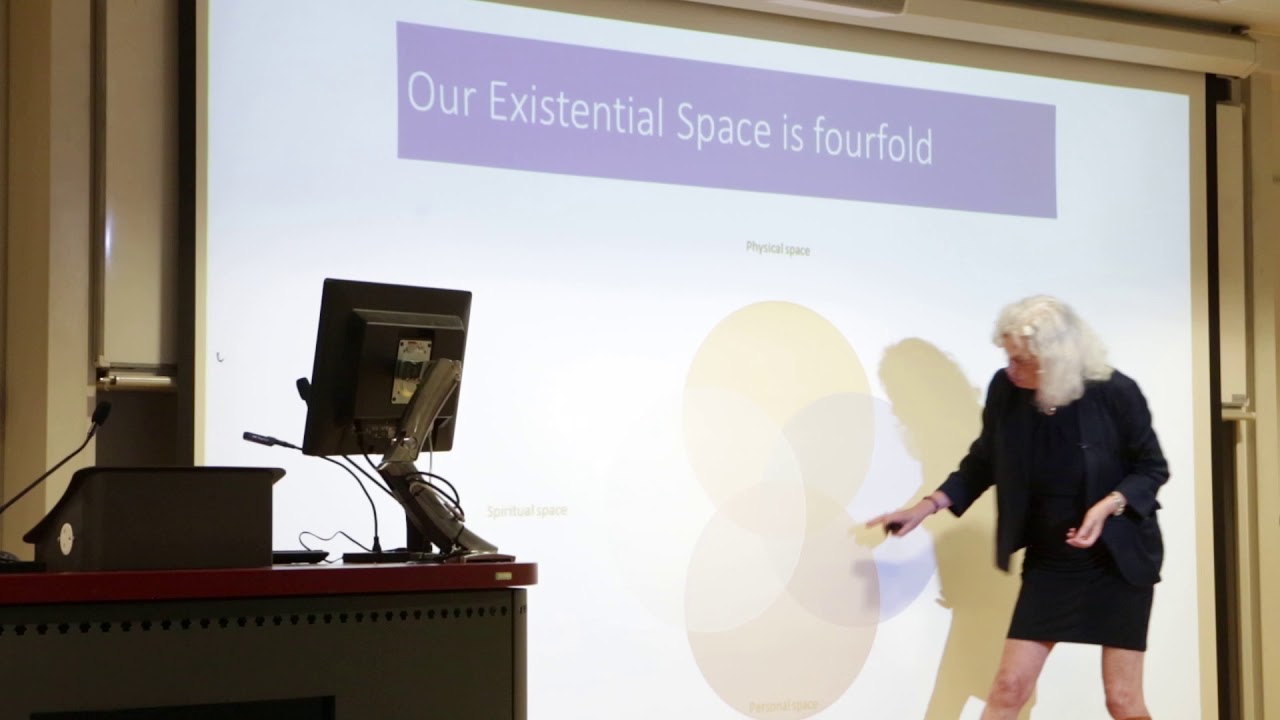
of like four basic layers to all of our days and all of our lives and all of our existence which is that we are a body in a physical world we have to build an ego in a social world we have to create an internal safe world with our self and we have to find the spark inside of it that we call Soul or spirit that relates to the bigger meanings and purposes in the world so it's always about how there is Something about us that we can form and shape a body an ego a
self a spirit and we must do something about those four layers and that's always in relation to something out there but the thing that nobody else really talks about and that I know you take to particularly well because of your combination of the darkness the deepest darkness of the existential approach and the most sunny and glorious aspects of positive psychology the fact Is that life is always in polarities the whole of what we call life is based on stuff that is in tension and sometimes in contradiction and conflict but is also I like to call
it paradoxical and that's a term that comes very much from the father of existentialism s kagor everything is paradoxical and what that means is that you can't Thrive until you allow for both the Polarities and where people so often go wrong is that they think they need to go for the good stuff and get rid of the bad stuff or they go wrong by thinking it's all bad stuff and I can't cope and nothing's ever going to be better so if you're drowning at the positive end or at the negative end it's not going to
work very well so let me take you through those four dimensions if at a physical end you only think it's all about death and pain and Difficulty and struggle and illness and all of that it's not going to work very well for yourself you also need to be aware that your physical existence brings you a capacity for pleasure and for exploration and for strength and for beauty and for improvement and for enjoyment of Your vitality but if you cut out your awareness that sometimes it will hurt and sometimes there'll be a period where It does
seem dark and one day you will actually die until you allow for all of that you will have a lot lot of unlived Life physically and you will have a lot of reservoirs that remain unexploited and the same is true at the social Dimension if you get lost in the idea that everyone is a danger and you will always be alone because you won't be able to trust anybody and they're all out to get you and it's all about dominance and submission and competition In the world and oh my God how can I ever hold
my own it's going to be painful and if you think it's all about growing your ego and going and getting and dominating the world and winning and profiting and all of that it's also going to end badly but when you're aware of both those ends and of the tensions between them and how you can find Wind your way around the obstacles then it becomes much more interesting and you won't be so bullied because people will Recognize that you know your own way and you can hold your own and nevertheless you will generally be kind and
human and supportive then you get a very different P picture of what is possible at that social Dimension personally same thing are you a weak person and a failing person will you always be like that are you going to hide in shame because that's who you are or are you going to create this narcissistic sense of never Having to challenge yourself never having to look inwardly and just live a life at the surface if you can do a bit of both those things and you can create an understanding for your own experiences for your motivations
for the choices you've taken for the choices you haven't taken for the choices you may still take for your dreams for your expectations all of that stuff it gets very interesting and you can create an inner world that becomes bigger and Bigger and stronger and stronger and where you build up a trust in yourself at the same time as a process of self-reflection and self-questioning and that takes us to the spiritual Dimension where you can either flounder in meaninglessness and a sense that there is no point and you might as well despair or you can
become fanatical about it and think it's like this and we must obey these laws and we must tow the line in this way and these Other people are bad because they don't don't live in the right way then you got a problem and of course the real way is to hold that tension and to figure out that everybody is trying to find meanings and purpose and we can do this together rather than get in each other's way so it's a kind of wide framework that holds together most of the problems that arise in people's lives
and that give you as the coach a feel for what they're struggling with And where you are with that and also a feel for how you can make that Paradox work in a person's life rather than getting crushed by it yeah that's that's so beautiful right because uh Phil existentialism is a philosophy of tension really but not in a way that is just acknowledging or tolerating the tension but seeing the potential in the tension and something that you once put in a lecture uh really stuck with me there was this image of a Battery and
an image of uh a lightning strike uh that kind of energy always happens in the tension between a positive and a negative pole exactly that yeah inviting inviting the potential and the energy that's where life is happening you know that that anxiety that creates the tension is as long as there's a tension you know you're alive it's the same what we are saying about anxiety anxiety is that energy that is generated between the Negative pole of your self-doubt and the positive pole of what you know is possible and the energy will help you get from
not doing the thing to actually taking a step forward in your life or the energy can be switched off and turned inwards and lead to you withdrawing because you're too anxious yeah yeah it's a no-brainer it's a brainer what are you going to do you're going to learn to read your anxiety and feel it and use it and love it you're Going to befriend that anxiety uhuh It's a Wonderful teacher um thank you what I don't know what better way we could end this podcast on such a positive note um I can only encourage everybody
who uh got inspired by listening to you uh you mentioned your YouTube channel there's so much just genuine and authentic content on there very different to a lot of YouTube content you see out there so uh really you're just sharing a lot of Your wisdom from all these Decades of experience in life and in work unthreatening grandmotherly way rather than in a coaching way yes exactly it's not teachy it's just you know that's lovely so check that out you wrote many books uh the existential movement uh is for anybody not just coaches so uh what
else might you want to tell people about before we leave well read read lots of books read philosophy think about your own life do New things experiment don't just stay small open it up a bit let some of the challenges into your life life that's usually the best possible thing to do but recognize when it's too much so learn to use that valve open it up when you need more Challenge and close it off a little bit when you need more safety as always we need to know how to work both ends and to be
flexible in that process and adaptable lovely Emy thank you so much For your time thank you for your work work you know um great pleasure yanique it's so nice to talk with you it's it's so lovely to hear you coming back with things I forgot to say and that you remember and you know make clear very nice indeed thank you for the dialogue thank you Emmy speak soon bye thanks for listening we hope you enjoyed the episode to watch these episodes on video make sure you also check out youtube.com/ Animas coaching see you Back here
soon