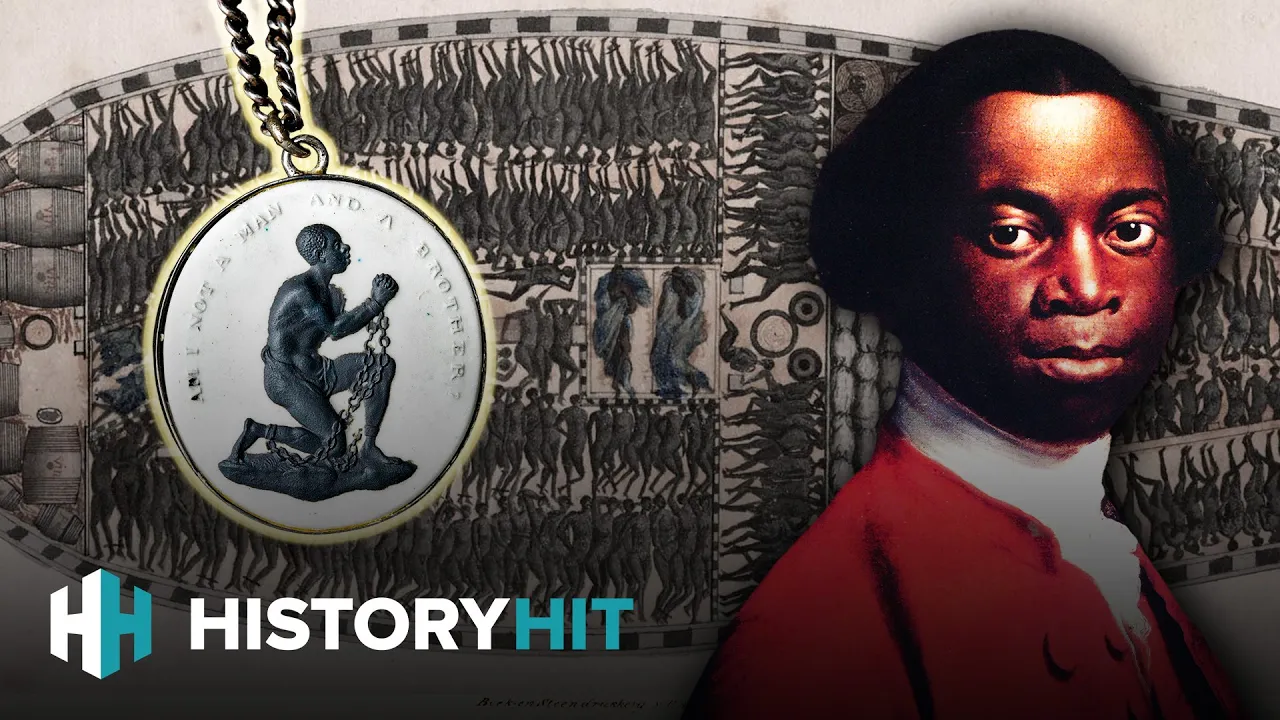
so [Music] on the 25th of march 1807 britain officially abolished its slave trade this signaled the termination of a commerce that had seen close to 13 million africans transported inhumanely aboard slave vessels across the atlantic to a brutal and degrading plantation system in the americas with up to 2 million slaves not even having survived the voyage it would be an understatement to say that achieving this had been an overwhelmingly difficult task the trade had generated vast wealth not only for the proprietors across the atlantic but also those thousands of merchants bankers shipbuilders insurers and investors
in britain who claimed a financial stake in the trade not to mention the british treasury itself it had taken a combination of an utter dedication to the cause of religion and morality a new innovative public campaign that captured the imagination of the british public a new pragmatic strategy utilized by anti-slavery mps in parliament and a series of fortunate or unfortunate events depending on which way you look at it for abolitionists to eventually end the inhumane traffic of africans across the atlantic well the abolition act of 1807 of course comes a full 20 years after they
started their campaign in the late 1780s so that tells you something already i think about how difficult it was to to get that bill passed despite its popular appeal despite all of the weight of public opinion that appears to have been behind the abolition of the slave trade there were very powerful people in powerful positions who wanted to oppose it yet for all of those who had fought so hard to see the slave trade abolished there was this looming sense of unfinished business that their ultimate aim had not been achieved and that of course was
the emancipation of the entire enslaved population in the americas but in order to do this abolitionists would have to overcome numerous hurdles even with public opinion on their side they still faced a fierce pro-slavery lobby in parliament the west india interest determined to uphold an institution they were so heavily invested in and that still benefited britain financially lots of the opposition is very very similar so the slaveholders the sugar planters who opposed the abolition of the slave trade because they argued that it would be a fundamental problem for their business though those sorts of voices
are there in the campaign against slavery itself when that really picks up pace in the 1820s many planters arguing that an abolitionist of slavery although some of them say it might be desirable in the distant long term is not feasible in the short term because of the economic consequences that they claim that it would cause the stance of the west india lobby was clear from the outset to abolish the slave trade was one thing and hugely damaging in itself but to end slavery would be to utterly ruin the west india colonies which had once been
the jewel in the crown of the british empire moreover it would utterly destroy the livelihoods of all that had been encouraged to invest in the institution both abroad and at home in the metropole it is with this in mind and with the help of christa petley professor of atlantic and british caribbean studies at the university of southampton that i will attempt to understand just how little over a quarter of a century after the slave trade had been abolished abolitionists were able to see an emancipation bill ratified in parliament on the 28th of august 1833 liberating
all those bound in chains and effectively decimating the established plantation industry this is the story of the year britain abolished slavery [Music] on the 1st of january 1808 british ships were now banned from carrying on the slave trade and british colonists in the west indies were forbidden from importing new slaves from africa now i'm here at canary wharf what used to be the west india docks a central hub of commercial slave trading activity as you can see from the sugar warehouses that still stand to this day behind me now you may think places like the
west india docks would have suffered immensely or even ceased to exist after 1807 after all no slave trade surely meant no commerce but the reality couldn't have been more different business boomed at the west india docks even after 1807 sugar rum and coffee imports all increased dramatically in fact the number of ships discharged in the docks rose from 350 in 1804 to an early peak of over 640 ships in 1810 the company was flush with money profits beyond the dividend limit amounted to over 800 000 pounds by 1818 roughly 70 million in today's money what
abolitionists knew but many britons failed to consider was that the abolition of the slave trade had actually made precious little difference to the 700 000 men women and children who remained in bondage in the west indies on the 25th of march 1807 they still rose at the crack of dawn and worked tirelessly in the sugarcane fields and boiling houses and continued to feel the excruciating pain of the whip [Music] now it is important to consider that whilst it had never been about clearly at the time of abolition it had always been the ultimate goal of
abolitionists to see slaves in the west indies emancipated one only has to look at william wilberforce's appeal a pamphlet he wrote in 1823 to see that this was the case wilberforce writes in response to questions as to why if the horrors of slavery were known as early as 1807 abolitionists hadn't done more to push forward for an emancipation bill in parliament it is true that the evils of the west indian system had not passed unnoticed and we would gladly have brought forward a plan for ameliorating the conditions of the slaves but that the effort was
beyond our strength a lot of abolitionists wanted to end slavery and even prime minister william grenville when he introduced the 1807 act to parliament suggested at the end of his speech that an eventual end to slavery might come about but the initial decision of abolitionists the strategic one that they made at the beginning of their campaign was that the weakest part of the atlantic slave system and the one that was easiest for them at that time to criticize was the slave trade because it was so horrific the whole system is horrific but that particular part
of it the the trafficking of human beings in cargo across the atlantic was the bit that they knew they would be able to oppose and so for abolitionists there truly was a sense of unfinished business as will before submitted those who had longed to see the slave trade abolished had always relied upon abolition in 1807 to ultimately pave the way for emancipation so many more conservative minded people thought that 1807 might be the only piece of parliamentary legislation that was necessary but of course there are more radical people more radical abolitionists in britain and of
course the slaves themselves in the caribbean colonies who wanted much more than just an abolition to the slave trade they wanted the end of slavery itself so i think what you see in 1807 is a really important piece of legislation but by no means the end of the struggle and certainly by no means the end to the debate now i think it's really important to consider when looking at sources such as william wilberforce's appeal a key document when contemplating the emancipation bill in 1833 that we focus on this date of publication 1823 wilberforce is writing
a full 16 years after the abolition of the slave trade the same year in which the anti-slavery society was formed and whilst that clearly is no coincidence as we have just witnessed force's writing seems to be more of a reflection on an a justification of the inaction between 1807 and 1823. in reality no substantial legislation had been achieved by abolitionists up until this point apart from perhaps the 1816 slave registry bill and i think it's this reason that makes wilberforce so one of the things that happened after 1807 was a sense that the abolition bill
might start to have an effect on slavery in the caribbean and abolitionists do want to see what that effect might be whether it will lead to rapid improvements in conditions and perhaps help to set the the road the things in progress for an end to slavery itself and it's when they realize that that's not happening in the early 1820s that they begin to put together another nationwide campaign focused this time on ending the institution itself number 25 poultry is an address that no longer exists but for years it was home to a storey tavern the
king's head what is now a hotel now by 1823 evidently enough time had passed before previous members of the original abolition society that is the society for affecting the abolition of the slave trade members such as william wilberforce and thomas clarkson came together again to form a new society the new organization was however in desperate need of new blood many of the loudest voices against slavery in the late 18th century had passed away and both wilberforce and clarkson were both suffering from poor eyesight and ill health in fact wilberforce wore a steel corset to keep
himself upright with a heavy heart he would leave this fight to the younger men men such as thomas fowle buxton born into a family of quakers thomas buxton had been inspired by those closest to him to serve the anti-slavery cause a tall and physically commanding man nicknamed the elephant buxton became the obvious choice to take the reigns from wilberforce and succeed him as the anti-slavery figurehead in parliament now to fully understand why an anti-slavery society was formed in 1823 it is important to consider what abolitionists were hoping to achieve with the 1807 slave trade act
it was hoped by abolishing the slave traffic conditions for slaves in the west indies would naturally improve the logic behind this reasoning was if slave owners were no longer able to purchase slaves from abroad they would be incentivized to treat their workforces better force was referring to in his appeal when he stated that abolitionists had deceived themselves by expecting much more benefit to the plantation slaves from the abolition of the slave trade than has actually resulted from that measure they truly believed that proprietors would take the necessary measures and at the very least maintain populations
on their estates but this was clearly not the case the figures were there in black and white slave populations in the caribbean colonies were in decline so much so that plantation owners openly complained that they did not have sufficient labor forces anymore the qualms wilberforce raised in his appeal were not limited to slave population decreases he claimed that slaves were practically strangers to christianity and criticized the use of the whip and other methods of torture and extreme punishment these claims were also bolstered by the various testimonies of missionaries and former slaves who had witnessed first-hand
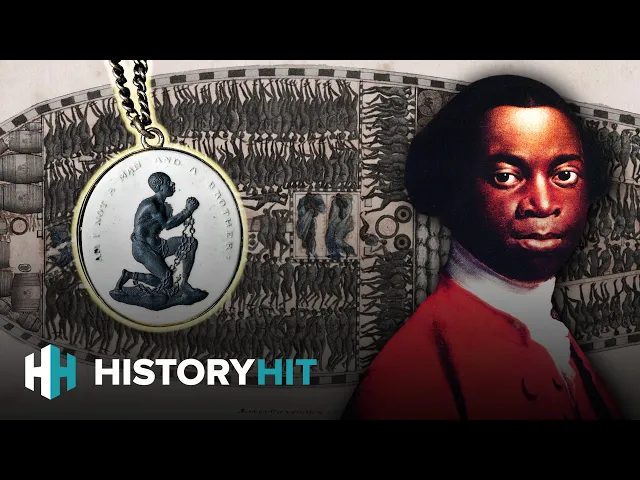
the extreme degradation of the enslaved populations for themselves [Music] one such man was hola uda equiano one of the most influential abolitionists of his generation a former slave who had purchased his freedom and traveled to britain published his autobiography in 1789 which documented his kidnap from africa his voyage across the atlantic and the brutality he witnessed during his life in slavery it was very common for slaves to be branded with the initial letters of their master's name and a load of heavy iron hooks hung around their necks indeed on the most trifling occasions they were
loaded with chains and often other instruments of torture were added the iron muzzle thumb screws and such are so well known as to not need a description and were sometimes applied for the slightest fault i have seen a negro beat until his bones were broken for only letting the pot boil over but in reality evidence of the high mortality rates and population decreases in the colonies were of the highest value to the anti-slavery society especially in the house of commons members of parliament were not as sympathetic as the general public to the testimonies of former
slaves and missionaries which were often mistrusted or counted by reports from the colonial assemblies and planters themselves these stark figures however could not be refuted and so they had the statistics they had the testimony and no one could doubt that they had the moral high ground at this point but members of the anti-slavery society knew the mammoth task that lay ahead were they to see an emancipation bill voted through in parliament the world inside the house of commons was an isolated hostile den where as historian michael taylor has noted there was no such thing as
left or right it was all about connections and interests the most powerful and influential of course being the west india lobby the abolitionists knew that by proposing the end of slavery they had effectively declared war on one of the most powerful political groups in british history so there are mps sitting in parliament throughout the whole of this period who are slave holders who are absentees that is to say people who own property in the west indies usually sugar planters but sometimes also merchants who own slaves in the caribbean but who have removed themselves to britain
they're wealthy enough to do that and become elected to parliament and they they form part of this bigger west india interest and although that group is declining somewhat after the napoleonic wars they remain a really influential pressure group so one thing that abolitionists are up against is a really well equipped and seasoned group of political lobbyists who are arguing in favour of the slaveholders [Music] one of the abolitionists fiercest critics who directly challenged wilberforce's appeal was a man named george wilson bridges bridges was an anglican clergyman who had married into a family of the planter
elite in jamaica he had traveled to the colony in 1816 at the invitation of the governor and had soon become rector for the parish of saint anne bridges was a well-known and well-read critic of the anti-slavery campaign and directly challenged wilberforce's assertions and a book entitled a voice from jamaica he claimed that wilberforce having not been to the colonies knew little of the actual state of slaves a common argument used by proprietors across the atlantic and in the commons and that wilberforce completely disregarded the efforts that had already been made by anglican clerics and plantation
owners to improve the conditions of the enslaved population and raise them to the rank which all christians should be the arguments came thick and fast bridges claimed that wilberforce's slave population figures were completely wrong that he was mentally deluded and that he cared more about the black population in the west indies than the poor suffering laborers in britain it was all fake news he claimed and people would soon see through the wretched artifices of his misrepresentations one of the main arguments that's presented against abolitionists is that they deal in theory that they are armchair philanthropists
and that it's really the slaveholders themselves that's how the slaveholders present it that know the situation on the ground in the west indies and that the abolitionists are these distant do-gooders who don't really understand the practicalities of things and so you see all sorts of caricatures of them preaching and telling the most lurid tales about the abuses that enslaved people are enduring in the west indies that the slaveholders argued did not bear any similarity to to the reality bridges effectively channeled all the frustrations of the planter class in his publication the anglican vicar like those
in the west india interest questioned wilberforce's integrity and motivations to degrade the white population and to ruin many thousands of his countrymen was treacherous enough but there was no doubt that the noble cause wilberforce claimed to support was all a facade he and those in the anti-slavery society held their own vested interests in seeing slavery abolished doubtless you expect that by agitating the subject at the present moment you will ensure the venal support of the east indian interest which seeks to overwhelm these western sugar colonies as a matter of mere mercantile speculation they try to
discredit them they try to say that all you're interested in is something that you've never really had to witness or understand for yourself the difficulty of that of course is that abolitionists frequently were on really strong ground when they talked about slavery including the sorts of evidence that missionaries were able to bring back from the caribbean having worked with enslaved people in the caribbean having witnessed it firsthand some of the brutalities of the system so abolitionists were very well informed on the whole but a key pro-slavery argument went that they were not and tried to
pull the rug from under their argument in that kind of way plus all of these arguments as well about abolitionists somehow being more than just these moral crusaders there were arguments for example that they were in the pocket of the east india interest and that the reason that they were going after slavery in the west indies was try to try to boost the the sugar trade in the east from from india in the face of such ferocious criticism leading members of the anti-slavery society felt compelled to support a more gradual approach to the abolition of
slavery this involved accepting measured steps towards the ultimate goal of emancipation and concessions made to the west india lobby [Music] now as we'll soon discuss this became extremely controversial within the organization but buxton and wilberforce conscious of the backlash they had received after the 1816 rebellion in barbados and the anger and hatred they had already been faced with in parliament opted to take what they thought was required a pragmatic approach and that they did wilberforce made clear at the end of his appeal that those in the anti-slavery society should er on the side of caution
before i conclude may i presume to interpose a word of caution to my fellow labourers in this great cause a caution which i can truly say i have ever wished myself to keep in remembrance and observing practice it is that while we expose and condemn the evils of the system itself we should treat with candor and tenderness the characters of the west indian proprietors so often enslaved people themselves are left out of this conversation if they feature it's as an example that's being used by abolitionists or sometimes by slaveholders to try to prove their point
but no one really asked enslaved people themselves within this debate abolitionists or governments or slave holders about their their position within all of this so someone like wilberforce i think very often talks about this with a discussion that includes enslaved people really only in the abstract and that sometimes references the the planters you know he's thinking about what's the impact of this going to be on the planters will they go along with this um how how will this impact on them can they make a good um a good go of whatever comes out that's quite
informative i think it tells you something about the abolitionist mindset when you look at other sources about government's perspective on on this and and planters certainly were a really important part of the consideration of abolitionists and of government through this whole process [Music] initially this approach provided a speck of light at the end of the tunnel after months of lobbying in parliament for gradual emancipation buxton had managed to convince the foreign secretary lord canning who was the face and heart of the british government at the time to propose a set of ameliorative measures to improve
the conditions of slaves in the west indian colonies this house looks forward canning stated to a progressive improvement in the character of the slave population he even urged mps to vote for the accomplishment of this purpose at the earliest period this all looked great on paper to buxton but he was in for a rude awakening so the the resolutions that government pass in 1823 are presented as a response to the abolitionists and as a sign really of government's goodwill of wanting to improve conditions on the plantations with the notion that this will lead eventually and
that's never really disclosed as to how long this whole process might take lead eventually to an end to slavery that's the long-term professed aspiration for this some abolitionists of course are furious about this and of course enslaved people in the caribbean you can imagine what their frustration must have been because essentially what this is doing is saying well we'll take it one step at a time very gradually and very slowly buxton's blood boiled once he had realized he had fallen straight into canning's trap his resolutions which realistically postponed any chance of reform in the colonies
after an anti-slavery society meeting here at the truman brewery in spitalfields buxton cursed at the legislation to such a degree that those closest to him began to challenge his quaker descent for pragmatists like buxton it became increasingly testing to continue to endorse the gradualist approach he still however was uncertain that any other strategy would achieve colonial reform what he could be sure of was that the offer of a gradualist approach had angered many who supported the anti-slavery society and polarized the organization spearheaded by younger female campaigners such as the social reformer from leicester elizabeth heyrich
a more radical section emerged heyrick in a widely read pamphlet published a year after the calculated and ineffectual resolutions of amelioration proposed by lord canning called for immediate as opposed to gradual abolition so those with a real pressing interest and concern of course enslaved people are the most obvious group with that pressing interest and concern in ending slavery straight away find that kind of approach extremely frustrating but so too do many abolitionists in britain elizabeth heyrich is the most famous example of a quaker abolitionist in her case who argues very stridently for immediate not gradual
emancipation and what she's arguing against is this gradual abolitionist campaign but also this gradualism within the tory government of the 1820s that meets the abolitionists halfway and makes these these really fairly conservative moves gestures towards amelioration and improvement that aren't going to end slavery anytime soon hey rick's displeasure at the gradualist approach was accompanied by a mass public campaign led by figures such as joseph sturge and george stephen the younger son of the famous abolitionist campaigner james stephen they had gone back to their roots tactics that worked so well for them in their fight to
see the slave trade abolished petitions were signed by hundreds of thousands of people sugar boycotts were organized and yet again public pressure was applied to those in government it was at this point that we see a change in momentum there was now a popular campaign there were sugar boycotts and there were petitions being signed and even those who had previously advocated the gradualist approach was starting to change their tune abolitionists had paid their opposition far too much respect they'd attempted to empathize with the west india interest and it had come back to bite them it
was now time to take the initiative yet members of the anti-slavery society were still missing something they had the evidence and popular support but this was not nearly enough to sway votes in favour of an emancipation bill you see up until this point there are a few things that made the west india interest such a formidable force number one they had the strength in numbers in the form of mps in both houses number two the products of slave labor were still enjoyed by the masses in europe and brought in vast quantities of wealth to the
metropole and number three many people truly empathized with the planter class believing them to be honest capitalists who treated their slave laborers with care or at least certainly a lot better than the poor labourers in britain yet it would take little over a decade from the time at which the anti-slavery society was formed for every single one of these pillars to crumble to the ground [Music] welcome to the history hit youtube channel which we are relaunching we've got all the best exclusive content going straight to this history hit youtube channel and you can find out
for example what on earth i'm staying at the top of this mast you should probably subscribe