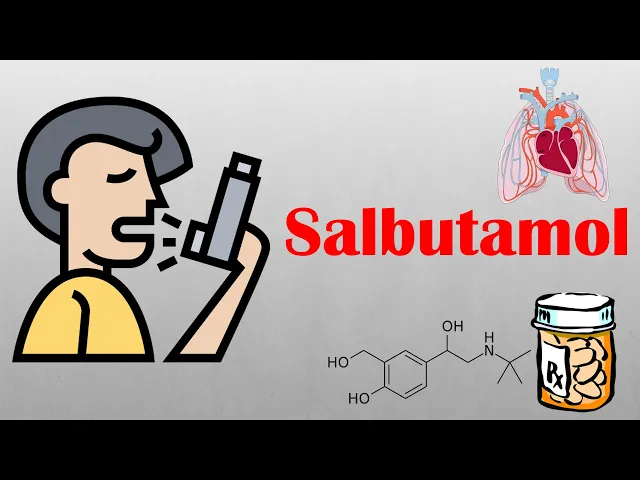
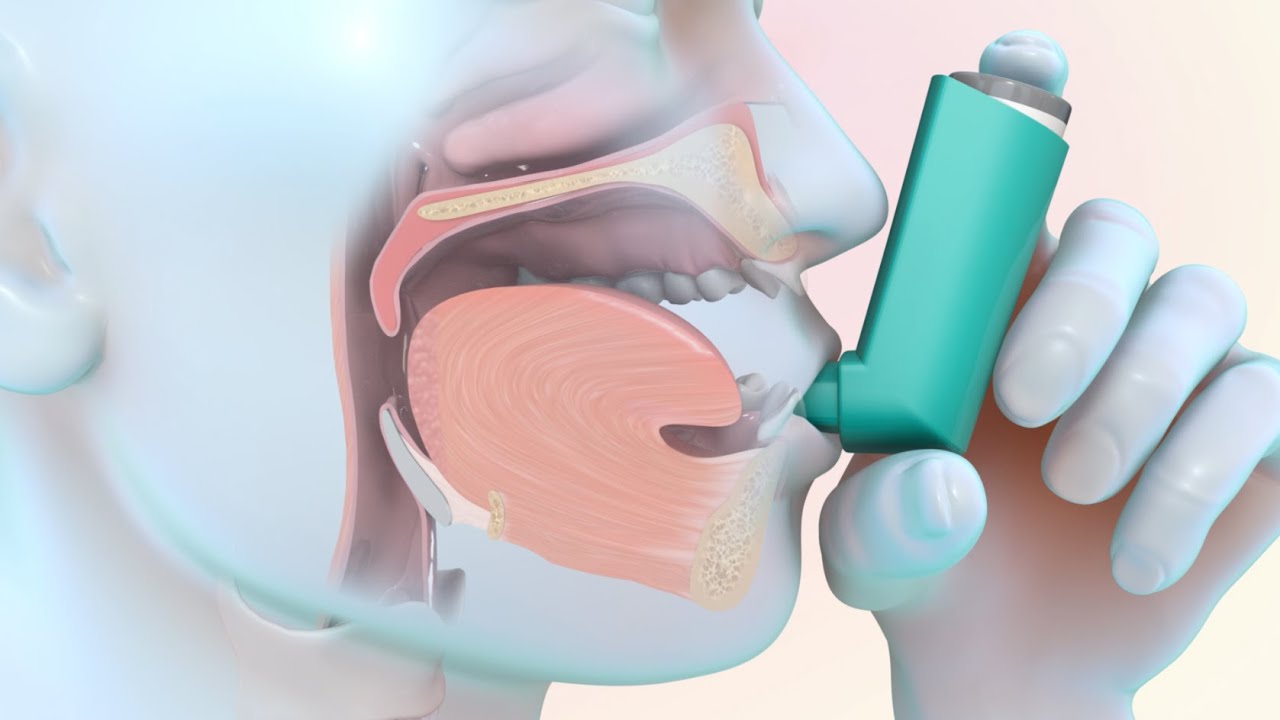
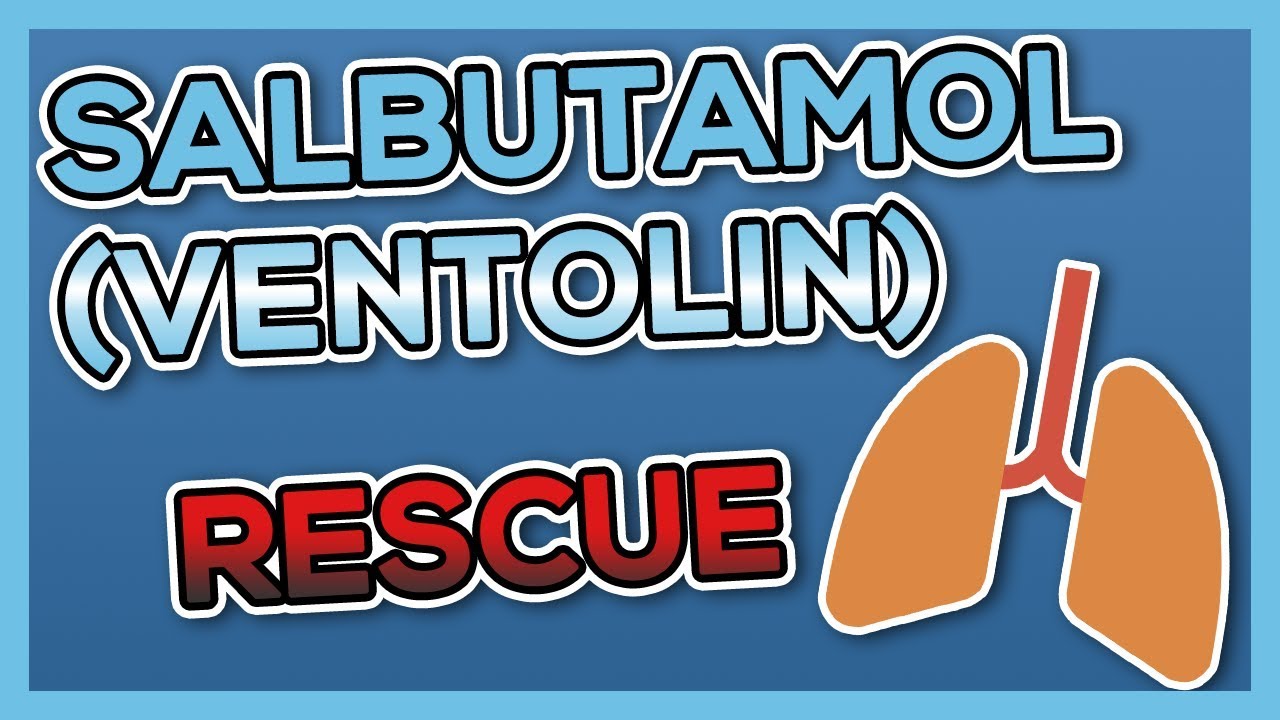
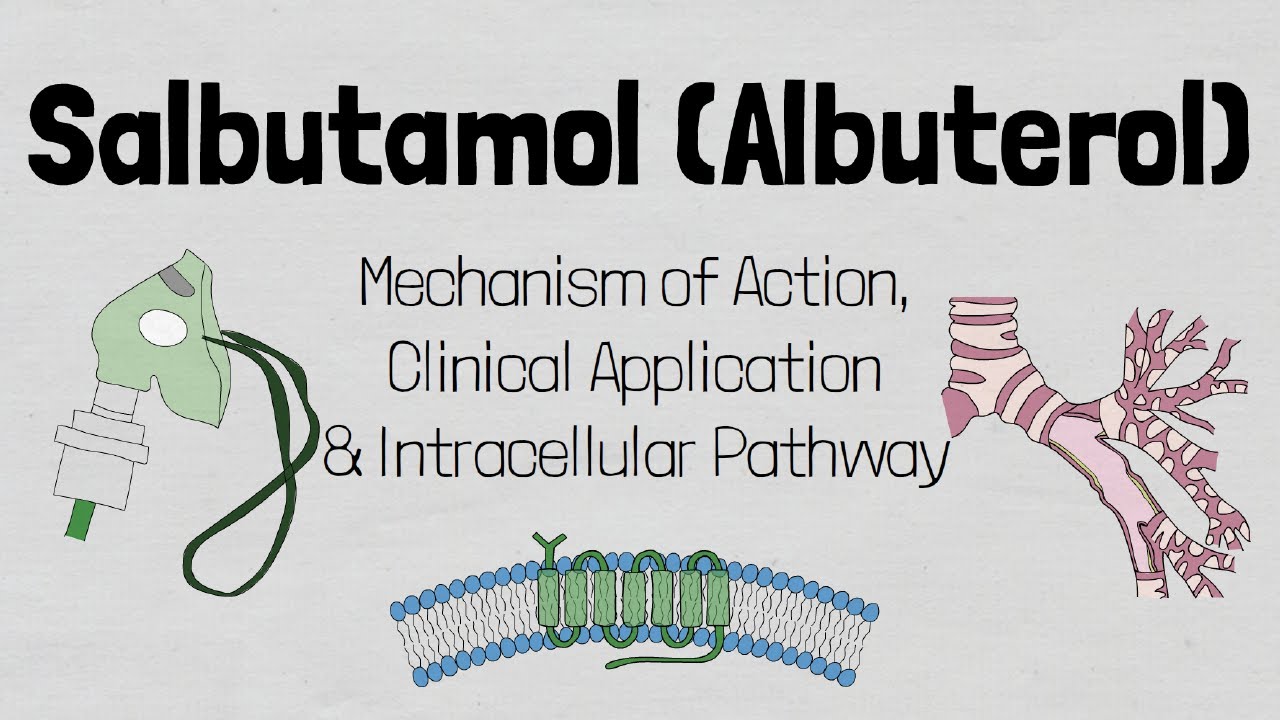
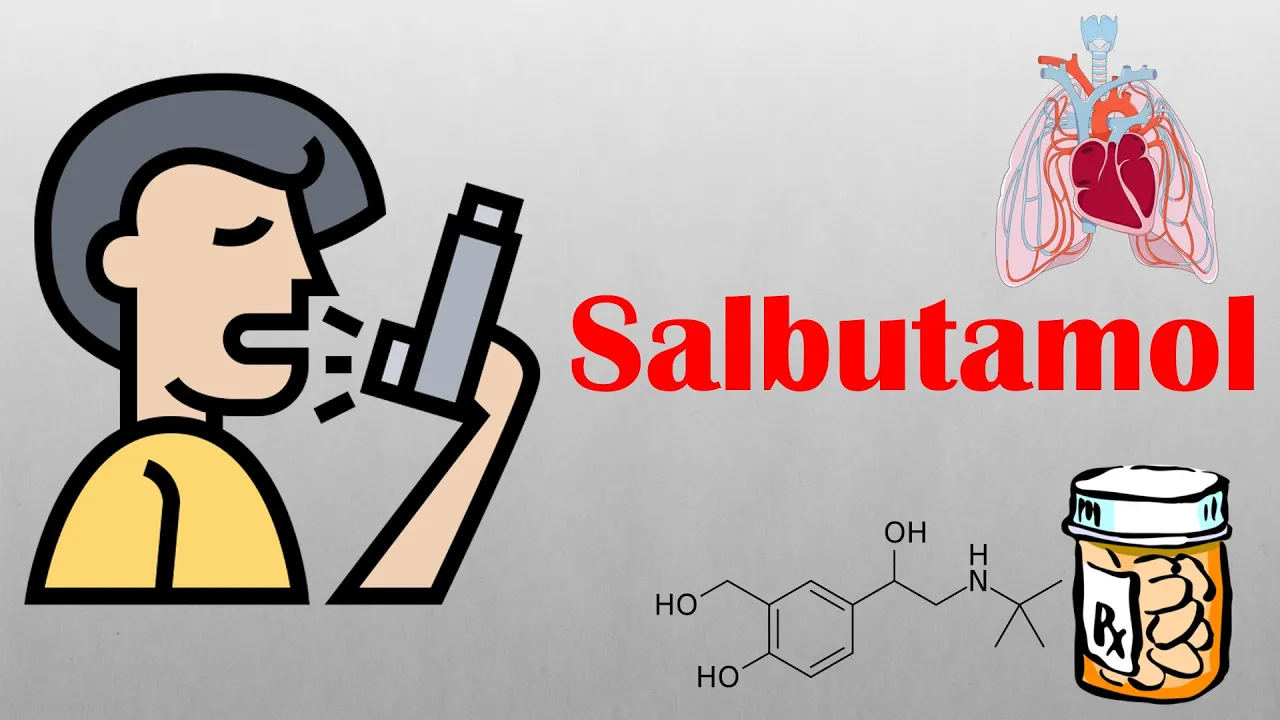
salbutamol is a short-acting beta-2 adrenergic receptor Agonist used to treat various Airway diseases such as asthma chronic obstructive pulmonary disease and to prevent exercise-induced brontospasms routes of administration include oral subcutaneous intravenous and inhalational out of these the most effective one is the inhalational route since it significantly reduces the systemic distribution of the drug beta-2 receptors are predominantly located in Airway smooth muscle cells in addition they can be found in the cardiac muscle uterine smooth muscle cells blood vessels skeletal muscle and in various immune cells since the drug is mainly used for Airway conditions let's focus
on its mechanism of action in bronchial smooth muscle cells following Administration salbutamol binds to the beta-2 adrenergic receptors on bronchial smooth muscle cells and activates them beta-2 adrenergic receptor is a g-protein-coupled receptor an activation of this receptor leads to the activation of an enzyme called adenylocyclase which increases the cyclic amp levels within the cell increased cyclic amp causes reduction in intracellular calcium levels which ultimately relaxes the smooth muscle through this mechanism salbutamol causes relaxation of smooth muscles of all Airways from the trachea to terminal bronchioles in addition increased cyclic amp levels will inhibit the release
of inflammatory mediators by the mast cells which ultimately reduces inflammation salbutamol is metabolized by the liver and excreted via the kidneys some common adverse effects of salbutamol include the following Tremors palpitations or noticeable heartbeat nausea and vomiting headache muscle and bone pain and allergic reactions finally it is important to know that these adverse effects occur much less frequently when salbutamol inhalers are used