The winter of 1812 smelled of gunpowder and frozen blood. At Borodino, where Napoleon's Grande Armée clashed with Russian forces, a French lieutenant named Pierre Duval lay dying in the snow. A musket ball lodged deep in his left lung.
His breath came in wet crimson bubbles—the death rattle of a drowning man. That's when he appeared: a ragged figure with eyes like polished obsidian, pressing a calloused hand to Duval's wound. The stranger's whisper cut through the battlefield's chaos: "Sule, comrade.
Breathe like the dragon sleeps. " What happened next defied every law of physiology. Duval's gasps slowed, deepened, until his chest moved just twice per minute.
His skin turned cold as marble, his pulse fading to a glacial four beats per minute, a rhythm matching hibernating Arctic cod, not a wounded mammal. By dawn, the field surgeons would document the impossible. The bullet wound had sealed itself from the inside out, leaving only a pearlescent scar.
This wasn't medicine; this was alchemy. And the secret didn't come from a hospital; it came from the breath. This wasn't just survival; this was the first recorded case of a man stopping his human breath and starting something other.
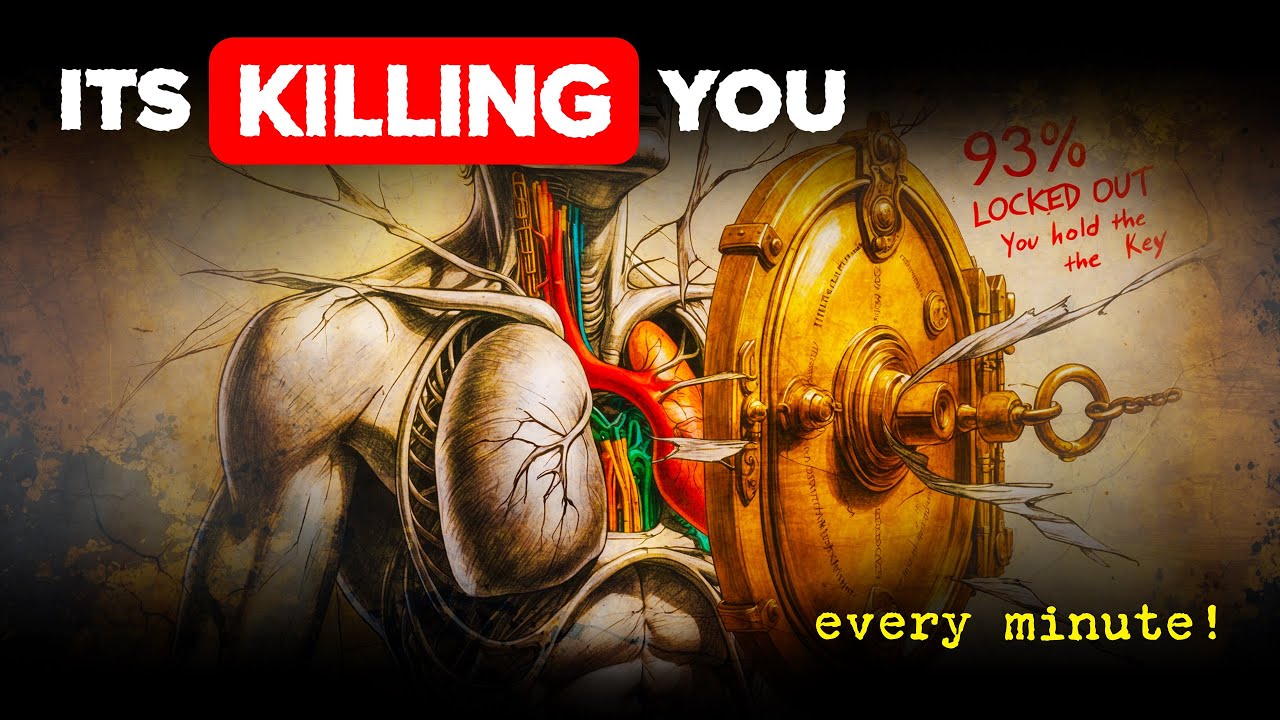
If you're still listening, it means something inside you already knows this truth isn't just history. It's a hidden potential waiting to be unlocked. Every breath you've taken since birth has been a carefully orchestrated deception.
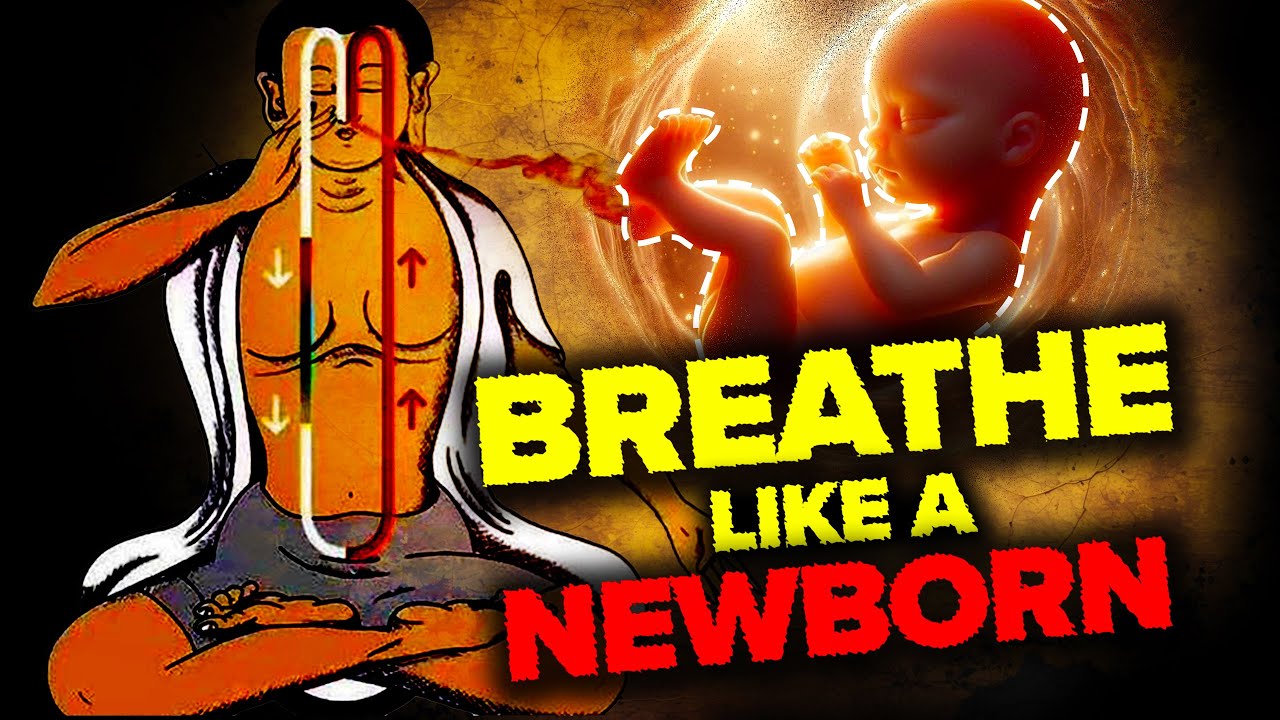
From the moment doctors slap newborns to trigger that first frantic gasp, we're initiated into a cycle of respiratory sabotage. Modern humans average 12 to 20 shallow chest breaths per minute—a frantic, gasping rhythm that would make our ancestors weep. Compare this to the Buddhist monks of Tibet's Gu Monastery, who, during deep meditation, slow their respiration to just 1.
5 breaths per minute, their oxygen saturation levels paradoxically rising to superhuman levels. The implications are terrifying. In 2017, the Max Planck Institute made a chilling discovery: fast, shallow breathing doesn't just stress the body; it actively rewires neural pathways in the amygdala, the brain's fear center.
Their fMRI studies showed that subjects breathing at 20 breaths per minute couldn't access higher cognitive functions, remaining trapped in primal fight-or-flight responses. This explains why the CIA's infamous enhanced interrogation techniques relied heavily on controlled hyperventilation to break prisoners' wills within hours. But the most damning evidence comes from the Siberian sokushinbutsu monks.
These ascetics spent years training their bodies to survive on just three breaths per minute, eventually achieving the ultimate paradox—self-mummification while still alive. Their preserved tissues show none of the cellular degradation seen in normal corpses, suggesting their slowed respiration somehow halted entropy itself. Modern science is just beginning to understand.
When you breathe less, you age less. A 2023 study in Nature Aging proved that practitioners of Tummo breathing exhibited telomere lengths equivalent to people 30 years younger. If this is making your spine tingle, it's no accident.
You're feeling the truth, not just hearing it. Your breath isn't controlled by conscious thought but by an ancient neural circuit buried deep in the brainstem: the pre-Bötzinger complex. This almond-sized cluster of neurons is evolution's oldest biological clock, older than the cerebral cortex itself.
The ancient Vedas described it as Shiva's gate, the barrier between animal instinct and divine consciousness. Modern neurology confirms its terrifying power. When Swiss researchers at ETH Zurich stimulated this region in comatose patients, their breathing patterns instantly shifted to match those of Himalayan yogis in deep samadhi.
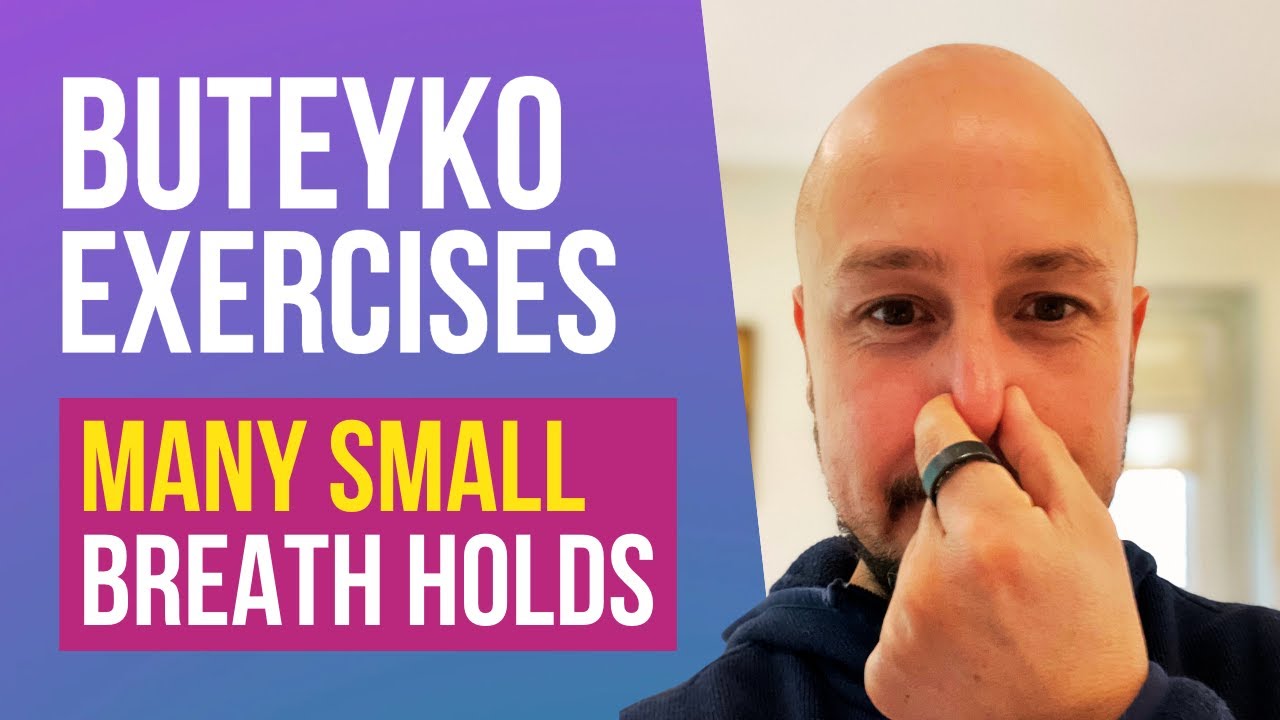
The Soviets discovered something even more disturbing during their Cold War era "Sibreath" experiments. KGB operatives trained in Buteyko breathing methods could withstand lethal doses of radiation—5,000 rads, ten times the fatal dose—by slowing respiration to one breath every 90 seconds. They could survive 14 minutes underwater without oxygen through diaphragmatic locking techniques, memorize entire pages of text after a single glance by synchronizing breath with theta brain waves.
Their classified reports contained one recurring observation: civilian breathing patterns create docile, predictable minds. Proper respiration breeds revolutionaries. This explains why, in 1938, Stalin ordered the execution of every Buteyko practitioner in Russia; their very breath was considered a threat to state control.
The programming runs deeper than you imagine. Every time you sigh anxiously, every subconscious gasp when startled reinforces neural pathways that keep you physically weak and mentally clouded. Stanford's 2021 breath control study proved this biochemically: fast breathers showed 40% lower BDNF (brain-derived neurotrophic factor) levels, directly impairing memory and learning capacity.
Your breath is a weapon. And right now, you're realizing it's been taken from you. The true secret doesn't live in the inhale or exhale but in the sacred space between, what Taoist masters call the void interval.
When Spanish conquistadors exhumed the 500-year-old mummy of Aztec Emperor Cuauhtémoc, they found his rib cage expanded to twice normal size, with diaphragmatic muscles as thick as steak fillets. Modern CT scans reveal why—his preserved tissues show mitochondrial densities found only in elite athletes, all achieved through controlled breath suspension. Harvard's 2022 study on freedivers unlocked the biochemistry behind this miracle.
During breath holds exceeding 90 seconds, the spleen contracts violently, injecting oxygen-rich blood into circulation. CO2 buildup triggers the mammalian diving reflex, slowing metabolism by up to 60%. Hypoxia-inducible factors activate stem cell production, literally regenerating tissues.
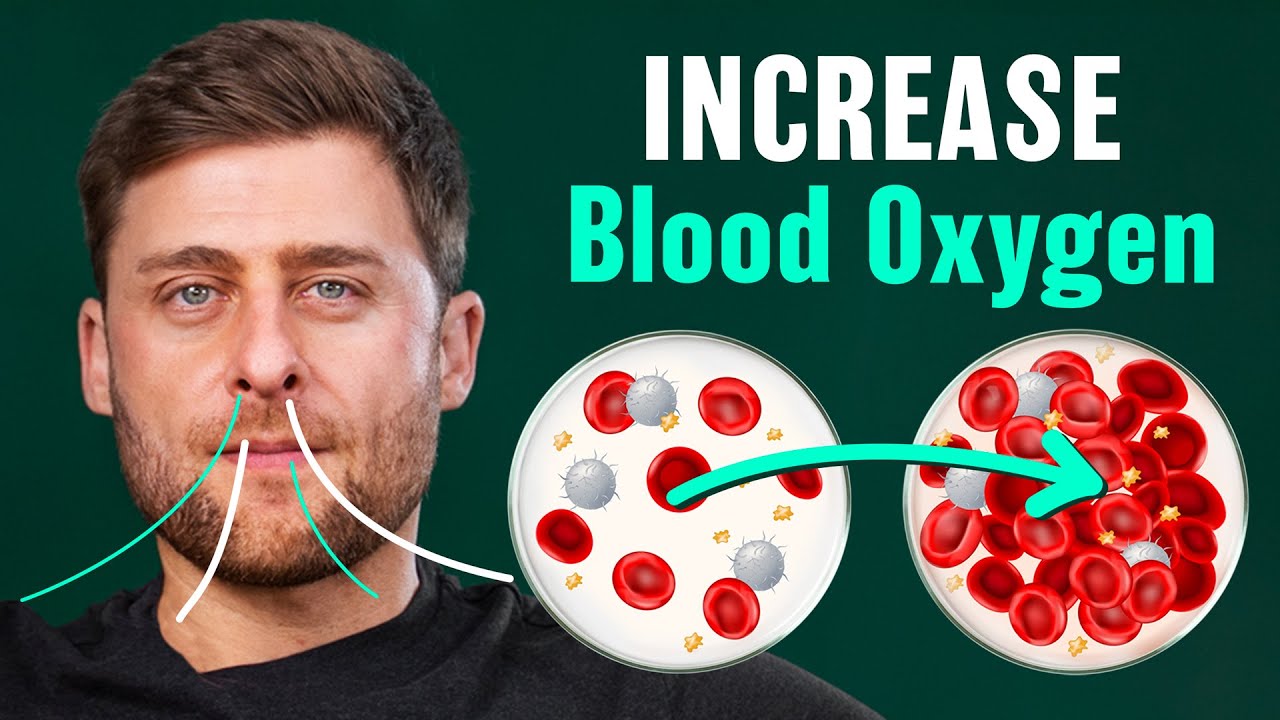
The implications are staggering. When you master the pause between breaths, your bone marrow produces three times more red blood cells (Journal of Experimental Medicine). Your cells switch to ketone metabolism, burning fat 225% more efficiently.
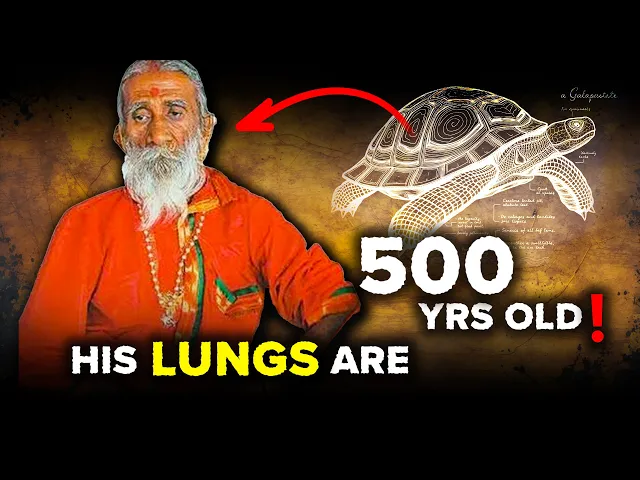
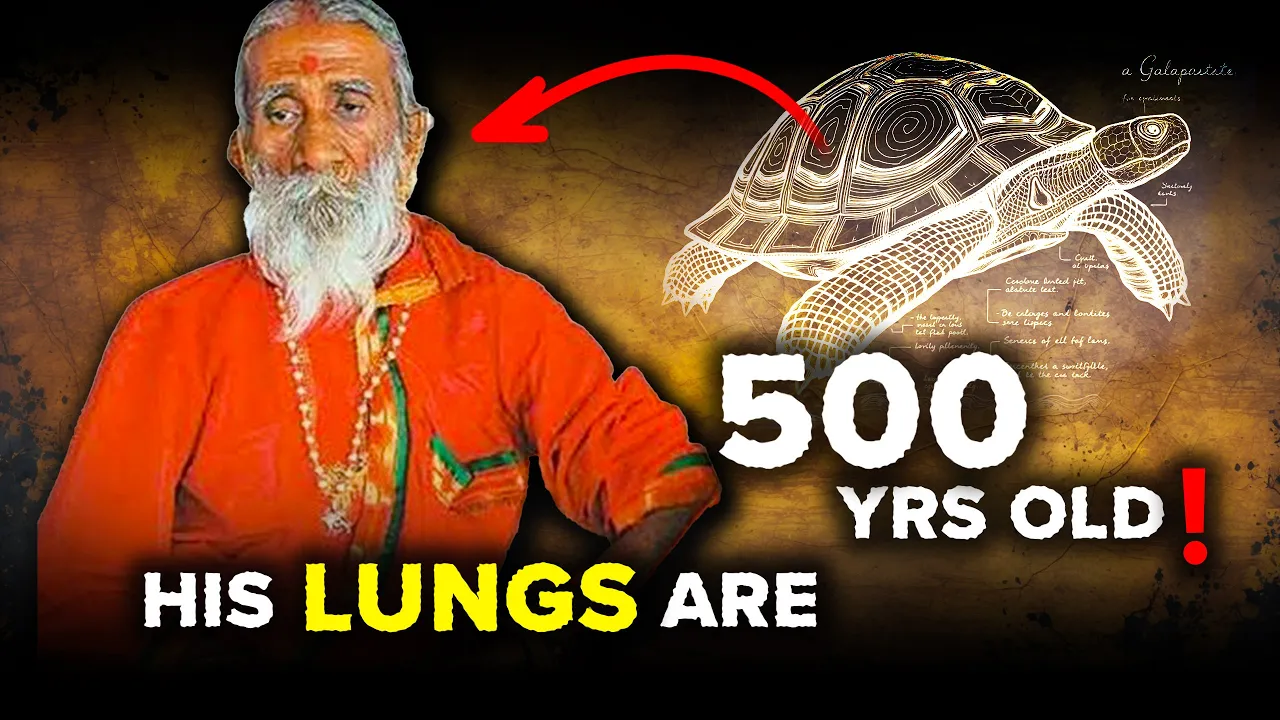
Your brain enters theta-gamma coupling, the state associated with genius-level creativity. This explains how Hindu yogi Prahlad Jani allegedly survived without food or water for 70 years. MRI scans showed his body entered a perpetual state of metabolic grace, where breath suspension triggered autophagy—the consumption of damaged cells for energy.
You feel that? That's your body remembering. Now you'll feel what happens when you refuse to breathe like a human for just 36 seconds.
Tonight, as you lie in. . .
Bed, conduct this simple but profound experiment. Inhale for 12 seconds through the nose. Feel your lower ribs expand sideways like bellows.
Hold for 12 seconds. Listen to the cellular whispers as CO2 works its magic. Exhale for 12 seconds through pursed lips.
Imagine toxins leaving as black smoke. That vertigo you'll feel isn't oxygen deprivation; it's your parasympathetic nervous system awakening from decades of dormancy. The tingling in your fingertips—that's your mitochondria roaring back to life.
Ancient texts describe this as the dragon uncoiling. Modern science calls it hypoxic preconditioning, where brief oxygen deprivation makes cells 300% more resilient. Pierre Duval, the French soldier who cheated death at Borodino, lived to 104 with lungs twice normal size.
His autopsy revealed alveoli so efficient they could extract oxygen from thin mountain air. His final diary entry holds the ultimate warning: they told us breathing was involuntary— the greatest lie ever told. Every gasp is a choice.
Most choose slavery; I chose sovereignty. Do not breathe like a human. Breathe like the dragon awakening.
Breathe like the phoenix reborn. Breathe like the God you were always meant to be.