so looking at our list of controllable properties of light we've talked about Direction intensity and diffusion so let's explore color now color so let's take color apart a bit and first by just defining what we mean when we use the term white light because for example I'm being illuminated Now by two white light sources which means to my eye they appear to be white but in fact as you know from your high school or college uh physics courses white light isn't truly white it's made up of a spectrum of colors and they combine to produce
white light given the nature of our our eyes and the rods and cones again things we've talked about with sensors and the way our vision is put together but the idea of color is that in our motion Imaging our world of cinematography when we think about color we think about color in two ways we think about color temperature which means the actual color dominance of a of a white light source but we also think of artistic color so let's let's break that down a little bit more so let's take color temperature so if you take
a white light source again a white light source is a source of light that appears to your eye to be white but in fact is made up of a spectrum of colors color temperature is determined by the dominant color or colors of the spectrum that exist within that light source so we measure this in degrees Kelvin or kelvin it's the absolute temperature scale that Lord Kelvin developed sometime in the 19th century what it produces US produces for us in uh practical terms is a daylight source so if you go outside it's not the sunlight it's
daylight which means the combination of sunlight and daylight has a color temperature of 5,500 k kin you could say degrees Kelvin but we tend to say Kelvin and that means it is blue dominant so the higher that Kelvin number means the Bluer the light is to your eye it might appear to be white because we have that color adaptation that I've talked about but the light itself is actually producing very blue light and our sensor can see that blue light depending on how we have it set up tungsten light an artificial light source one that
we still use as a reference Point although tungsten lights are going out of existence the actual bulbs that I grew up with which has a Tungsten filament and argon glass in a um in a glass bulb uh those are disappearing um and being replaced by what we went through compact fluorescent lights CFLs um now with LED lights much better um and you'll even see on the case um box for uh LED light that you get at Lowe's or Home Depot you'll see it has color temperature listed there now because people want to know what color
their lights are whether they're blue dominant or orange red dominant so this will depend as to whe whether something is revealed as a blue light source or an Amber orange red light source um depending on the color balance of your camera sensor and we talked about that with sensors as well and so that now ties the lights now tie into what we talked about previously with our camera sensor and the white balance bance of or the color balance of our of our camera sensor itself so in color temperature we have color temperature control media that
we can put on a white light source we refer to them as gels the manufacturers call them filters it's confusing for us because we have filters that we put on lenses gels we put on lights or we have led light units where we can control color temperature actually at the source of the light Itself by the LEDs the RGB red green and blue elements of the AR of the LED light sources but for now we'll talk about them and think about them as gels because it's a little more easier for us to to see these
differences so if we use CTB gels and you'll see on a clip that I show you what a CTB CTB gel color temperature blue gel is it increases the color temperature basically by adding blue to the light um CTO color temperature orange decreases color temperature and it's in fact an orange gel and it will reduce the color temperature here we get an example of what these would look like so here's Rosco is a manufacturer of gels and um you can see that a full CTB so that converts uh tungsten 3200 Kelvin to nominal daylight 5500
Kelvin that's a fairly deep blue they also make a Rosco half CTB so it converts tungsten to something a little less than uh daylight or you can have a quarter CTB from Rosco and that converts daylight to something that's really not much different um as as a source of light so we can see it goes from very blue to bluish to not terribly blue at all that way we can control the color temperature of our light source in this instance by increasing it if we look at CTO color temperature orange we have the same idea
here from Rosco we have a full it's defined as 3/4s here CTO and that's converts our daylight to tungsten so meaning if I've got a daylit window and I want that window to produce tungsten light color temperature I would put that orange gel on that blue window when you look at it on the through the sensor through the camera you'll just see white light because it corrects it uh half CTO converts um daylight to something not quite tungsten again not as orange and then quarter CTO very light orange and it converts it just a bit
daylight to something that's not quite tungsten not quite daylight somewhere in between something we might refer to as a cool light so looking at some examples here from Skyfall here's playing around with color temperature making it warmer so this is not an artistic expression I mean it has artistic intent but we're using the color temperature nature of light and its color temperature and altering it to create an effect here to warm up the light even though we're lowering the color temperature the effect is we're making it orer and we human beings tend to think of
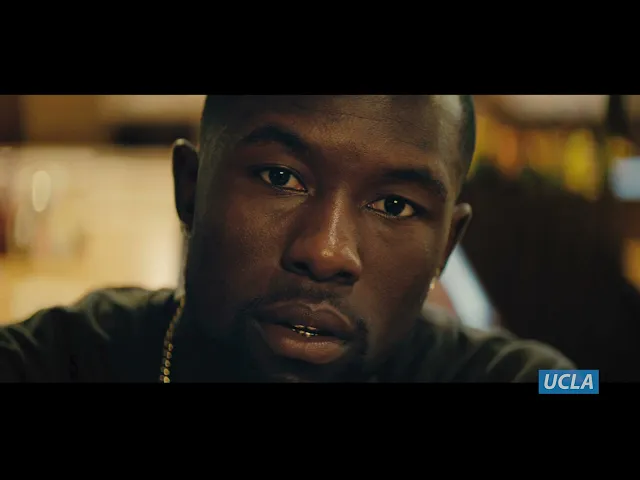
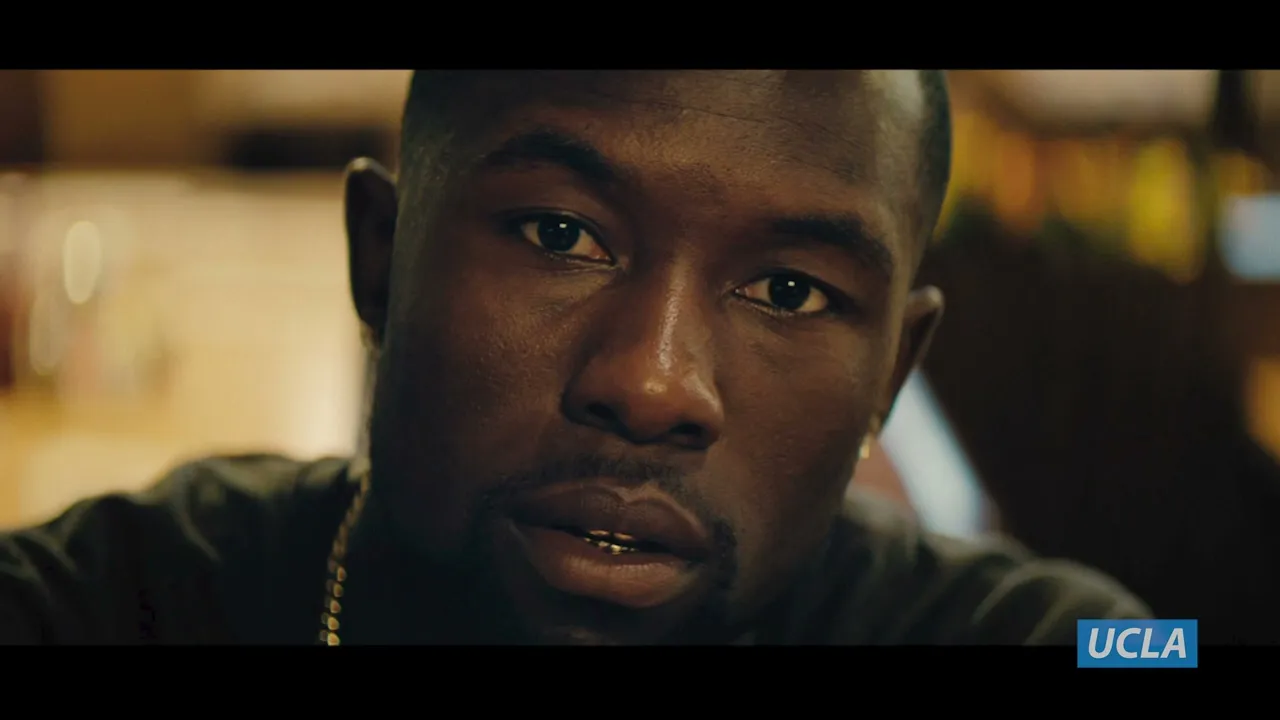
orange as a warm color so that's how we refer to it as a warm light here's a lovely use of warmth just a little bit um from Moonlight lovely just on the on the color on his face as we just bring out the beautiful natural warmth of his skin tone here we have from In the Mood for Love very specific choice about warming up the light that's falling on her even on him in the background but very strongly on her in the uh foreground on the left here's from do the right thing we want to
suggest what what are we suggesting it's Sunrise he's just waking up in the morning in the context of the scene so the direction of the light is low we're shaping the light with atmosphere and we're warming up the light with some CTO to make it appear That's that sun that sun not even just daylight sunlight coming through that uh east facing window uh in the morning certainly Works given that that's uh set on a Sound Stage here's a nice plane with some color temperature so in big eyes we see in the background we see they've
uh increased the color temperature which makes it Bluer um and but the foreground light is a white light source so whatever the the sensor is set to which most likely in this instance the sensor is set to a white balance of tungsten 3200 so they just make sure that the light in the background is however they're doing it whether with gels or with an LED light unit they make sure that it's much higher uh than 30 200 Kelvin so it goes blue and that the lamp and as a motivated source of light Illuminating them and
the lights outside the frame that are actually Illuminating the characters or in this instance is probably tungsten light a white light source for a sensor that's set to 3200 kelin here's a nice example from um uh The Dark Knight cool light it's not really super blue but it's not a white light either so again making a choice here about how we are changing the color temperature here's from Magnolia very clear choice about that blue coming through the window through that curtain whatever it is the cloth there that's Illuminating her here again on the cool side
from Tron legacy just so that it's an overcast rainy day and so color temperature tends to go higher in fact substantially higher than 5,500 Kelvin measuring this light would probably more like 10,000 Kelvin in this instance uh and so so this gives it that natural feel of what we experience when we are looking out a window on a rainy day here again in this film called inherent Vice strong choice about blue daylight coming through the window so now let's talk about the other aspect of color artistic color here's where you're making color choices that need
a context so in what environment does this color make sense so you're making a choice of color beyond the idea of color temperature you're saying that this color in this space exists because it's this type of space you're also making a color choice because it's a significant trigger for emotional response so mood it's altering the mood so now color temperature can alter the mood of course it can but here you're making a choice of something other than our orange Amber red or blues that we deal with in color temperature we can make other color choices
that have consequences for mood and again context so for example which green or red to you use when you have a choice of dozens of each so let's just say green I want to use green in this particular scene so going back to those gels I can have gels that are labeled PE green it's a type of green leaf green a different green Wicked green a different green still lime green different green and there are many many more red which red would I want to use well I could choose brick red fire red blood red
henna red and many other Reds neither is right or wrong they just give a specific ific shade Hue of that particular color in my examples green or red so you're using those has nothing to do with color temperature it's an artistic choice and therefore it has something to do with context and mood so let's take a look at some examples here's from the original susperia that's not a color temperature issue that's a choice of color she's in in a scary endangered space environment so the choice of that red and in fact so red and intense
it's even burning through on her forehead with come back to our idea of dynamic range or latitude but that choice of red is specific about context about mood about the threat threatened environment she exists in that vehicle here's Gone With the Wind the strong red choice because Atlanta is burning and so the whole scene is illuminated with this red again nothing to do with color temperature absolutely has to do with the context of the burning of Atlanta and the dramatic mood because this is it for them they are they are done well nearly done as
a couple great example from Crimson Tide about an environment like a submarine where they go to Red Alert Battle Stations so R what red did they use oh I don't know what whatever red came with the submarine well number one they're not on a submarine they're on a submarine set so as a result there were no red lights in the submarine set until the cinematographer placed those lights and chose red bulbs or likely gelled a white light source so used one of the choices that we just talked about is this Firehouse red or medium red
I don't know but it produces this result which is what the cinematographer and the director and likely the production designer liked as well and then the other little uh Violet uh lights back there again a choice being made specifically about the color oh we're back to Crimson Tide and here they are looking at a sonar screen which the sonar screen green that sonar screen is not Illuminating them at all it's a motivated source so it suggests so which green should it be well technically whatever the Navy used doesn't have anything to do with technically or
or what reality is it's the green that makes them look like manly men looking at us on our screen and not seasick men looking at us on our screen because that's not going to fit this particular moment in Crimson Tide here's from Skyfall he's sitting by a pool what color should that pool be a blue okay well what kind of blue maybe sir Roger bounced some light in there and just took the natural color of the blue hitting um uh Daniel Craig James bond007 I don't think so I think it's the pool is just the
motivation sir Roger used something else and chose that blue again it's not a color temperature issue chose that blue to look um to create that particular effect putting a white light source is a backlight you can see on the left side of Daniel Craig and it starts to look actually a little bit warm because the other side of him is so blue but that is a white light source if you just take your hand and block off in on your screen and you block off the blue that Source starts to become white instead of orangish
warm from a film called Paul it's an alien spaceship we'll come back to alien spaceships in in a little bit uh with another controllable property of light but there the choice was aliens apparently use or it's a helicopter I'm not sure with Paul let's say it's a helicopter for argument sake they chose that color of light um uh for this uh spotlights search lights Blade Runner very specific choice about the color coming through that window not quite a color temperature issue because we're in Los Angeles in what 2019 or whatever it is and um this
is what the color of the the lights are either from one of the floating Billboards that is going by great example of of of a motivated light he's in a dark room a black and white dark room the idea is that there's a a red light there for developing film well that red light is producing a particular Hue of red cinematographer made a very specific choice about what gel to use to match that red we know that red light is not Illuminating uh Leo can't happen that red globe would be glowing in the frame if
it were Illuminating Leo so it's a motivated source of light as we've talked about matching color and there the color is being uh used to create the context um of a a dark room of developing film in a dark room