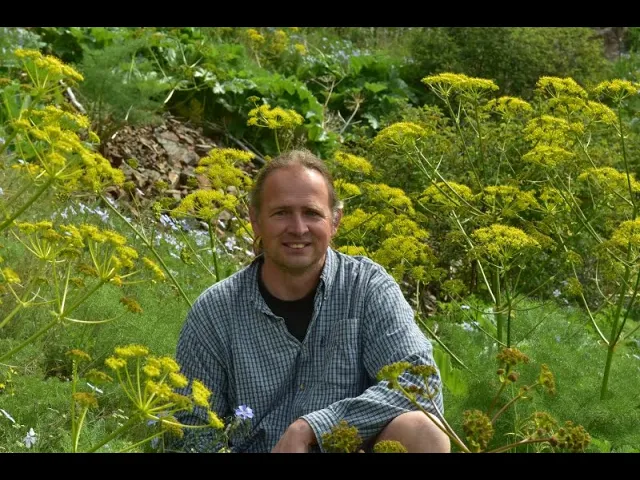
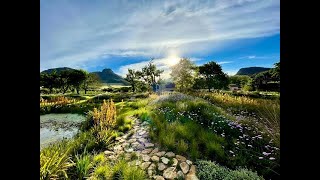
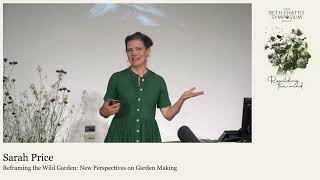
Here we go okay so good evening and thank you for joining us everybody um I'm delighted to welcome Peter corn to speak to us this evening Peter is a plantsman garden designer from Sweden who's inspiring other Garden designers internationally with his Innovative approach to plants and planting he is self-taught led by his love of plants and of Nature and 20 years of Experimentation and close observation in his botanic gardening EX s s I knew I was going to make an error there for your information that's just south of Gothenburg on the west coast of Sweden
and it shares a Latitude with Aberdeen in Scotland and Edmonton in Canada so you may ask why is he talking to the Mediterranean gardeners but um thanks to Um his techniques he's been able to grow plants from an a great number of different climates um despite the local soil being too poor and the conditions being too extreme he has published a book giving plants what they want which is available in English um and at the moment Now is working further south in malmore where he has built another Visionary Garden um with his partner and he's
also opened Up or has a large Nursery um which provides the plants for his projects because of course with his growing reputation and popularity as a garden designer he's needing these to to work on his projects thank you so much Peter for for agreeing to talk to us um and if you'd like to share your screen now yeah um hang on just a second let's just get Everyone muted you want a cushion um sorry I should have I can't see the participants mute all I've muted everybody again um Peter you'll have to unmute again hi
Peter Peter I got it there you go yeah okay well done sorry those are with these little um you know mishaps and so on at the Beginning welcome welcome thank you for being with us yeah thank you thank you very much for the presentation in Stockholm at the moment sitting at the hotel and we are doing a big planting on a roof in fit Yap in just recycle the substrates with no organic materials especially in cities the climate is getting more more and more hot and dry even in Sweden 2018 we had a really good
summer with with no rain for five months So finally a real summer in Sweden I'm very jealous for the for the Mediterranean climate and I wish I had it so when everybody else is complaining in Sweden I think it's a great summer and we normally we never water our plantings we try to create extreme conditions and then using plants that love it so using the implant from the Mediterranean climate and the step and Hot dry areas then they love the tough conditions in cities so the picture is from Armenia in the middle of calcasus when
I go on holidays we always go to to dry places to the steps to calcasa Central Asia Western America places where it's not raining on me and I always get a lot of inspiration from these places and finding plants that I can use in my design And also walking around in a landscape like this there's so many micro habitats and you can find so many different niches and no nothing it's not moving don't worry um is that uh I will stop scaring off okay can you see it now uh no I can see you Uh
you can still from as far as you I you are able to from my end you are able to share um so just give it another go maybe can you see it now I can't no it was there yeah so you did it right the first time is it are you is your computer is it plugged in yeah yeah there you go now I can see an outline the outline Vision outline View Now we're back together there we go okay I'm much better with the shovel than uh yeah I think this is from the pontic
Alps in Northern turkey it's also a very interesting area where the climate is similar to Sweden but a little more extreme this is on the on the dry side where the where it's a really dry step time but but quite cold in the winter but also a lot of good garden plants for more extreme conditions and from Central Asia the with the Ramos We were there in a in a good year together with the James hitch Moore and Cassian Smith just to study the step and how you can use that in public plantings and it's
great if you can get these effects in in a big planting with the thousands of just a few species to get this Mass display and then the next week there's something else replacing it so this is what I'm trying to do in the garden to get a great Effect but for the whole season so I'm always using a lot of different species uh so the planting we're doing now in Stockholm we are using about 400 different species to get a very long flowering period I'm also finding uh treasonous props that can take really hot dry
conditions this is a pistachio in Central Asia where it can easily get up to 50 degrees in the summer And also very cold in the winter so probably also very good in a Mediterranean climate and also for green roofs this is on very shallow soil in Armenia and there's so many species growing and it's just five ten centimeter substrates so all these plants will be perfect on a on the green roof so all the solutions is always in the wild somewhere so if you just go to a country that is a little more extreme Than
what you have so if you live in France maybe you should go to Morocco to find the plants and then they would be fine with uh with advice on us just trying to find something more extreme and they'll find what with what you have and if it's really dry just go to the desert in America or Africa because all these plants can take at least -10 but I need a really hot to dry Climate in the summer so they are difficult in Sweden when I can grow them in a greenhouse but not outside if I
want to grow cacti I have to take the one from Northern America from Colorado and north but for you this all these plants will be fine and this year it was raining a lot in the in the deserts and that happens quite rarely so if it happens I always try to go there so I was there 2019 and This year and suddenly the desert that is just Brown for 10 years it's just so bright and just covered with millions of flowers but you have this in the Mediterranean area almost every spring and if I had
a Mediterranean Garden I would use a lot of these annuals to get a very colorful display in the spring and then let them go dormant in the summer And under a reality this was my old Garden outside of Gothenburg on the west coast of Sweden and the rainfall here was about 1400 millimeters a year so very wet and the coldest I had was minus 32 it was one of the coolest and wetest spots in southern Sweden and I had two hectares of spruce forests and I wanted to grow Mediterranean plants and plants from Central Asia
and Caucasus and all over the world And so I had to change it a little bit so I was digging there for about 12 years so I dig the way the whole Spruce forests and I reshaped the landscape and I added the between four and five thousand ton of sand to get good drainage and when I I sold the garden it looked like this when I started you couldn't see any Cliffs at all so I had to do a lot of digging and it was all by hand And so I used a lot of shovels
but by creating this south facing slopes like I could grow plants from Mediterranean climates and the desert and so on the slow side facing slope I could have kept the from Utah and then on the North side there was criminals from the Himalayas and so by creating all these micro habitats I could grow a wide range of plants uh I think I had about 12 000 different species here And I always try to plant them as they would grow in the wild the cushions on the crest the more perennials on the flat areas Sedum and
simple vivams on the on the cliffs and trying to create this landscape and also building a lot of metal-like plantings and I'm also made always mixing plants from all over the world to get a very long flowering season so a lot of bulbs on the from the step in the spring and then a lot of Native flowers in the summer and then in the Autumn they were replaced with more step plants and the prior plants but it's always in in full flower the whole season and when I did all this different climate I certainly I
was starting to become a lot of insects and I I didn't bother about them at all in the beginning I did it all for the flowers but then there were all these men with Beards coming and I had I finding a strange rare insects in the garden so I started to think more about that and now I'm creating more insect habitats and adding things to even make it good for them and it was a big garden and in the end I moved to um outside of Malvern so I didn't have time to maintain the garden
but then in Sweden we quite often we are in nature reserves we are burning the grass in the spring So I started to maintain the garden the same way so every spring I went there with a gas burner and just burnt down the garden it's the easiest and the most effective way to to maintain your garden and it's really good for many plants um I don't know if it's I can recommend it in a Mediterranean climate but sometimes just take the burner and burn down your garden because many Mediterranean plants are Adapted to fire so
it's really good for them to get burned sometimes maybe not every year but like every five ten ten years you could just burn down your garden and many of the plants will just whisk product and I will see millions of weeds germinate seeds germinating sorry Peter is this your New Garden now this is my old Garden the old Garden okay thank you and this is a Max who bought it three years ago so he worked in the the Botanical Garden in Hamburg Before so this was the first spring and he was quite scared that I
was burning all his pants that he had bought but you realize it's a good idea uh and my old Garden was very wet it was one of the wettest spots in southern Sweden so when I moved to a new Garden I was looking for the driest area because I didn't didn't want to have the the wet again Uh so me and Julia we're looking for a house in southern Sweden outside of malma and we found this area with with a very low rainfall and and it was even better than I thought we bought it and
North of Boston is a rich and south of us there is another rich and all the clouds that come in from the West they they just follow the the mountains so we are normally surrounded by clouds But we have always Blue Sky so the rainfall is only about 500 millimeters a year so it's almost it's like about a training climate or a step climate and it's also a very windy spot there is windmills just outside of the garden so it's very dry very windy and luckily uh in the middle of the garden there is like
a lion so half the garden is sandy soil and half the yard in this clay soil And when we moved there you my partner she is uh the landscape architect and he also wanted to have a part of the garden so we decided to divide it in the middle and usually she likes clay and compost and shade and all of that and I like sand and exposed so it was very easy to divide a garden I get the Sandy side and she have the clay side and on my side I was a three layer of
Hedges to stop the wind so the first thing I did was to take Away all the hedges to make it as windy as possible and then I took away all the topsoil to get rid of the rich soil and moved that to Yulia side and then I shaped the landscape and added a lot of sand to it to get better drainage and this poor conditions as possible but on the earlier side this is Julia's side and and the whole garden is just totally flat when we started so we have changed The levels a lot to
get more different habitats but usually as using this clay soil it's still quite good drainage but quite wet in the winter and then adding compost on some sand on it on my side we're adding a lot of sand instead and just to make it as poor as possible and this is the entrance to the garden there was this very narrow line maybe 30 To 40 centimeter with the brown grass most of the time and this is a perfect spot for balance because they're really getting the baking in the summer uh so we took away the
topsoil and then you just placed all the bulbs and added the 10 centimeter sand on top of them [Music] and when I do a ball planting I use a lot of bulbs and I want to it should be in a full flower for a very Long time so here we planted about 1500 bulbs per square meter to get a really long display because you want this effect but oil age for five six months so this is perfect for a Mediterranean climate yeah so this is in March same bed in April [Music] May [Music] Tune and
July he has this narrow strip it's just in full flower for five months and then it's baking hot in the summer with a yeah the road and it's get really hot and dry when the bulbs get the baking and they come back nicely so this could be perfect for all Mediterranean Gardens just using a lot of bulbs and then let them go dormant in The summer and when you start to look messy you can just stream it and have it bare or or adding annuals to it that will take over in the summer so this
year I've sewn a lot of isholds here so when the balls go to almost there will be annuals taking over so it will be in full flower until the autumn and in your climate it is going to be the whole winter the bulb season can Start in September and end in May you can have almost seven eight months with bulbs but you need a lot of bulbs when you buy this small bag with 30 bulbs in the shop it's it's not enough that's for like 10 square centimeters so 1500 bulbs per square meter is a
good number and when you plant them you just plant them in layers you dig a little deeper and put the two lips and the bigger bugs In the bottom and then cover them with a layer of sand and then all the small bulbs on top of that and then another layer of sand it took us just a few hours to plant it so we try to do the same in the garden it's every square meter should be in full flower every month of the year when it's possible so already in February it's it's gets covered
with crocus This area we have a lot of focus on cirrhensis that is bright orange in February and then there is at least it is [Music] borrowing uh in April and the same bed in May with the salvias and this blue is a bulb from the step and I try to put the bulbs more inside a bit so when I go dormant in the summer they are hidden by other plants if you Put them along the edge of the plantings it will look really messy when they go dormant you can just hide them inside of
it and this is this is the same area in June and all these beds are just we have the sandy soil in the bottom and then they are mounded with the sand and gravel and then it's a layer of sand on top of that and in the winter I take away all organic material to get it as poor as Possible I never read it I never feed it I never water it I tried to make it as dry as possible 2018 we had a really good summer we now rain for uh five months and the
garden the plants grew even better with all these extra Heats they just was even bigger that year so the good drainage makes the roots go much deeper and finding the moisture if you could put compost on your bed the root will stay in the surface and then They will suffer when you have a dry summer so by creating really poor conditions you force them to go deep and another games bus on he's doing a lot of sand beds now in France with very good results and we had a student from Los Angeles for five months
and now he's doing sandbags in Los Angeles and also with the same very good results so it's really working with the sand beds in a In the dry climate and the sand I'm using is very coarse it's from zero to eight millimeters the easiest test that you should not be able to make a cake of it if you can bake a cake it's too fine so it has to be a better drainage than that and then I just put 20 centimeters and maybe in your climate maybe 30 centimeters and under the top 10 to 15
centimeter will be very dry But that will stop the evaporation and the capillarities so all the moisture will stay in the bottom and it will also make the all the roots to go deep to find the moisture and in the sand there's a lot of air so the roots can grow much deeper and wider and you don't need to fertilize it because in the sand there is a lot of mycorrhizae that work with the plants and because there is nothing for the mycoriza to break down And there's nothing for the plants to pick up so
they have to work together but by not feeding them you get the symbols with a micro device on the plants but if you start feeding your beds the the plants take the nutrients from the feeding and they stop for the connection with the fungus so by feeding you're destroying the symbios so by not feeding the you get the system To work no one is feeding in the wild and it's still very really good because then you have the the symbols so the problem for me is to get it poor enough just to stop it grow
too much and also here we are mixing plants from all over the world and it also a lot of different species in every bed to get a very long season and I love the Steep paths I think That's my favorite grass this is Deepa pulcherima from turkey with this very long feathers that can be up to 50 60 centimeter long and I also stay for a long time almost for two months and on the step you always find them on the hills on the South Side the most so even in a dry step area they
always grow on the most extreme places and that's the same in the in the garden I can't grow them in a flat bed they Need to be on a small mounded small hill and always on the south side and they have to have wind pay it when it's not windy so so our climate is perfect with the windmills and it's always very windy here and I love all the irises this is the you see like antisima from Turkey and I also needed this hot dry Summers and there's a lot of species from Israel and Jordan
and that area that would be Perfect for your conditions and they always have this big showy flowers and there's so many plants that there's nothing elevation like this policarium from Turkey very beautiful garden plants gloves really tough conditions if I put it in good soil it will die really quick it need to have this perfect drainage and really poor soil and then about 10 years ago we started Landscaping and it was really difficult to find good plants and also the quality was always always overfed and you know it always enriched PT compost and when you
when you take them out of the compost they are it's really big plans with very small routes so we had to start our Nursery just to grow plants that we wanted to use in our Landscaping so we don't did all this Frame it's just the 20 centimeter 20 centimeter with just pure sand no organic material we water them once when we plant them and then never more and then when we need them we just go out there and put them up from the sand shake them a little bit so the sand fall off and then
we put them in a bag and bring them to the project so we have over a thousand different varieties In the nursery and then a few thousand more in the garden [Music] is responsible for the the propagation and the nursery so it's me and Julia we have two full-time employees and one seasonal worker part-time and we're always trialling a lot of different plants since when we want to try a new genus like here we did a penny system trial Then we just buy as many varieties that we can find and then selecting the ones that
works best for in our climate this is a redhead and it's always flowering every year even if we have a cold wet Autumn it will still do it and then some of them flowing too early and then they might see the too much so just kind of finding the best ones and in the sand beds they develop a really good roots because the lack of nutrients they have to Have much bigger roots insteads and and then when we moved on to the sand bed they they established really quick but also moving them to a more
normal soil it's fine but you can see the roots on how growth adapted than they are and then we're going to a project we just put all the plants in bags and so here it's uh I think it's about 12 000 plants and the students in the back uh so we don't need a big trailer or no A lot of pots or it's very easy to transport a lot of plants so when I make a sound bed I always just put it on top of the soil you should never make a if you make a
ditch and fill it with sand it's more like a pool because when it's raining it will all be filled up with water so it should always be raised bed to get a good drainage as possible and I would say that's the same in your climate a raised bed that keeps the Moisture much better and make the roots to go deep down and establish so don't try to make it keep the moisture because then there will be spoiled and then they will suffer when it's there is no moisture left so try to create this extreme conditions
as possible and the top layer of the sand will be really dry in the summer but then the bottom is always moist when you go to the sand dunes in the Summer on the beach when you put down your toes it is moist when you get like 10 centimeter down so the sand is very dry on the surface but it's always moist in the bottom so you think it's a dry bed but it's the opposite there's a lot of moisture in it and then in the nursery we're also trialling a lot of things as we
wanted to see what we can do on green roofs so we did all these tables that's all between 10 and 40 centimeter deep and Then we fill them with different lightweight materials and indeed during different mixtures of plants but to see what you can do much modern serums and this person never watered and Yeah in our climate is doing fine in your climate you just have to select plants that can take it by so many plants growing on cliffs and really dry places in in the Mediterranean area that would be perfect on the green roof
And I know games bus on is doing a lot of them now and it's really working but it's so much more than sedums that likes to grow on the roof but the the soil is it has to be it can't be too thin in our climate I think seven centimeter is the minimum but with 10 15 you can grow a lot more and the substrate here is a lava gravel or pumice or recycled Lake I don't know the English word for that it's uh like um it's made of clay it's brown things based on American
plants the asteroids Cerise from Colorado [Music] Springs that you find in the desert in America and also a little deeper Loop that is Ruth that is 30 centimeters with more common perennials and in low weight Rock Garden but we Built a rock garden of foam glass that is a recycled material that will make it off glass and it's extremely low weight it's only 130 kilos per cubic meter so I can make like a crevice Garden that don't have any weight now I can't even grow cacti and yeah Mediterranean plants and also a roof for insects
habitats with insect hotels and and also these Sand beds are very important for many solitary bees and a small like a garden roof with more ornamental plants and an insect hotel for uh I don't know the English name of the some kind of bee that like is this clay walls that you can find along streams and I like to so it's just made of sand and clay and the brakes that is not burned they can drill holes in them The other trailing uh recycled material concrete is working really good so here we are Mixing concrete
with some sand and some Bioshock to keep the nutrients because sometimes with the concrete the pH is so high and all the the minerals is like stacked in it because the pH is too high uh but with bioshaw it keeps them the nutrients and the plants grow good in it so this is the project we're working on At the moment in Stockholm so it's all recycled material it's a crushed bricks and the Recycled sand and recycled crushed granite and some bioshar so the beds are between 10 and 60 centimeters um so we're planting seven 800
different treason crops and 45 000 perennials and then we will add maybe 10-15 kilos of annual seeds on it to get a nice display the first year so this is one of The trial beds we did last year just to show them that it's working it will only be watered in when there is getting established and then after that only when we get a extremely dry summary but this is an area with a lot of immigrants and I like it colorful and we're also adding a lot of eatables a lot of fruit trees and scrubs
and a lot of manta and a lot of things you can eat too And then mixing it with bright colors and this is another roof on a hospital in Sweden and this is about after 10 years we had some problem with the drainage in the beginning it was too wet because it was too flat so we had to add more drainage to it than adding more coarse sand on top of it so all these plants are just growing in 10 20 to 25 centimeters and and in the shady area even like big Perennials miscounters and
brownie Customs that that like moisture and rich soil they are doing really good also trying to get a long flowering season and but also keeping seed heads that is nice over the winter so whoever tried to cut down our plantings in late winter or early spring so I want a nice little nice structures during the winter is looking good for a long time also on the roof there's a small hill on The roof with a little thicker substrate and then we can grow by tall perennials it's a heliantus salicipulius it's growing to about three meters
and flowering in November um on top of the tall building I think it was 15 floors so very windy windy and exposed and a perfect climate for wetlands and this is also in in Stockholm so even here we can use a few cows and open chias and yeah and a lot of bulbs We're also are working with a company in Stockholm called the butong who is doing a green Halls and we've also built of concrete and they are made on like bubble plastic the biggest bubbles and then in the bubble the concrete gets thinner and
then you just make a hole and plant through the walls and then on the on the back side is about seven centimeter substrates we did one all together with the games Bus on for Mediterranean climate and then we did the wall uh 30 centimeter thick because otherwise it heats up too much in the summer and it was in Jordan so more like a desert climate and it's perfect for all these draw tolerant plant and here it's only watered once a week and I think it's too much it would be better with every second week Because
the plant gets a little too big and this is just four weeks four months after planting and you can probably recognize sometimes like santolinas and tamis and a lot of artemisias a lot of plant that you normally use in your Gardens and this is in the Grand Island and amusement park in Stockholm and this is a parking house in malma and the bottom part of the wall is quite shaded of other houses And the top is very exposed and areas growing in seven centimeter substrates watered once a week and the Malmo has a quite a
hot dry climate I think it's a very sustainable wall you don't use much water and often they can collect the water from the roof to a tank and then just circulate it in the wall and just adding water if it's not raining for a long time So we're doing all their outer walls so it's all over Europe we have sent some plants to Luxembourg today and doing one in Norway in the two weeks and Germany and all over Sweden so they they work fine in even in Northern Sweden and in Jordan and in a lot
of different climates see so if you want a green wall like a really highly recommend the button it's a good wall it's a good system And then some years ago we started to do more project for insects so this is a sound barrier in a village south of Malmo and I wanted habitats for insects but it should also be good for people so we designed this big wall and there was another company building it so so the whole wall is very Gravely soil a lot of sand and then we just topped it with a 10
to 20 centimeter sand But we also added this island with fine sand and coarse sand and stones to get more different micro habitats and then we did the 17 different seed mixes so depending of the climate from the ditch on the east side with exposed Crest on the west side on the south side and it's all different areas got their own seed mix and it's quite expensive to buy seeds we collect a lot ourselves so Ikea's Laundry basket so perfect for seed collecting so during the summer we just collect a lot of seeds and then
in the winter when it's cold and horrible we sit inside and clean them and then we can use them for the next season and we normally do the big showings in the beginning of the Autumn or late summer in August September and then the plants have time enough to establish before the winter they're big Enough to survive the winter and some seeds will germinate in the spring so on this project we saw the about 62 kilos of seeds and then we wanted some areas for the public so every area that is close to a parking
or where people are moving we added a lot of colorful flowers to it because this is not good for insects but this is what people like and if people like it they don't complain to the city that they are Wasting money on things and you have to make it colorful too but this is what the insects like this very mixed a lot of different species of plants but also these open areas and the mixture of sand and yeah as many different variation as possible and here is no maintenance they haven't done anything for four years
but this is also the driest part of Sweden they they often get 35 degrees in the summer and very low rainfall I would guess it's about 400 millimeters a year so it's a it's a very dry climate and also wind is on the southwest corner of Sweden so it's very windy and that means the succession goes really slow it takes a long time for the organic material to build up and I think This will work for a long time and there's a lot of insects finding it so now we're doing excursions and courses there and
checking what's coming so even in August this day it was 35 degrees and there's still quite a lot of flowers but also a lot of nice structures and the the bus stop it's a little more ornamental adding a little more flowers to it but also there is a little more maintenance so in the Winter I cut everything down and take all the organic material away but they don't do any watering or weeding or anything but I guess I spend a few hours a year on this planting and this is a hotel on the East Coast
it was it close to the Sea it's a very Sandy it's the soil is just pure sand some of it is very fine and some is good for plants so we have mounted the landscape and Then planted and sowed a lot of native plants but mixed with Exotics to get a little more nicer display and the maintenance here is also you have to cut it down in the winter and take away all organic material this is a rainy Garden sometimes we're getting more and more of this extreme rainfall when we can get like 100 millimeters
in an hour so many cities are getting problem with that the city centers get flooded as We're doing a lot of rain Gardens so take care of storm water so all these two beds have a like a big Reservoir under it we're just dig a big hole and fill it with course gravel and some BioShock and then we have the ditch that brings the water down to the to this big hole and then we make sand beds on top of that so all the water is like under the bed so the trees and the Deep
Roots can go Down and find the moisture but most of the time when it's not raining is like very hot dry stuff plantings but then if there is rain is all the water goes under the bed so the surface of the bed is never flooded it's not a metal project also mixing plants from all over the world but a lot of natives um it's in a neighbor also a city on the East Coast with very dry sandals the step plants really like it a lot of this is just done by sewing sometimes we plant the
structure and then we sew the rest like here we planted the pasigario to get some structure in the in the meadow I think that's important so you just don't have a lot of different species just mixed it's always nice with some kind of structure you can use a big grass or a big perennial or a scrub or Something that hold it together and this is in the Malabar close to the coast so it's very windy very salty it's Denmark in the background so everything is every time it's a storm there is salt water coming over
the bed and many of the step plants they all Mediterranean plants they they can handle the salt very good it's not a problem for them and also areas they never water anything they don't feed it they pull a few weeds Every year and then they spring it down in the winter so the maintenance is extremely low before I had a bed with Rich compost and I was weeding once a month and I had to water it very often otherwise the plants died and this is a between two schools so there's a lot of children walking
in the beds all the time and that could be a problem but it could Also be something really good for Pioneer plants because the children will step into bed so whatever you do even if you put the big fence they will jump it and so instead you can turn it around and see if there's something good all the plants that grow buffaloes are or whether it's really a lot of disturbance all these kind of plants I love Shield when working on them the whole winter so when this is cut down in the winter then There
is a lot of children walking all over it and because of that all these annuals will germinate again so if the children didn't work work on the the planting they wouldn't come back again because many of these plants they needed a disturbance so I'm using the children to keep the annuals like the pink silly and arm area it will disappear very quick if you don't disturb the belts they love to go in Pathways where you're stepping on them all the time this is a roundabout in uh it's a city west of Stockholm um sound but
here is some rich soil in the bottom so many of the roots we put in this case we put my picks under the bed because there was so many weeds and weed and it's a temporary planting so it will be taken away normally I never use any Fabrics or In the garden but in this case we just had to so we just put the the my packs over the weeds and understand on top of that and then planted it and it has never been watered and it's the middle of the roundabouts it very dry for
Sweden in the summer but using a lot of draw tolerance uh prior plants and this is a small Park in also in our group Uh it was a flat lawn to start with but I was a quite sandy soil below that so we took away the the topsoil about 50 centimeter and then we took the sandy soil and mixed it with more sand about 30 percent to get a better drainage and then we reshaped the landscape and we built the brick walls you can walk down and sit in between the flowers and then we top
dressed with another 10 centimeter sound to get a good drainage On the surface and I always try to keep the South face slopes little open for insects and this little bee and there was a colony of it last year and it was the first time in 100 years they found it in this city and it founded its perfect niche in the the City Center Park and the planting is changing a lot during the season with a lot of bulbs in the spring and the and then early summer is like a lot of Soft colors and
then in the Autumn I want it really bright and I'm using about 17 different barbaries in different colors in this pocket I was about 300 different species of plants in in 300 square meters and you need that money to get a really long flowering season and also adding a lot of interest to it and it's like a very Ornamental Metal if you look over It but then when you walk around there's a lot of different designs details a nice seed heads for winter and it's also quite common perennials so you don't have to be all
these rare ones this is just a few square meters and this is in in June the same bed in September so it's changing a lot but by taking away the the rich soil you reduce the growth of the plants and they Stay where you want them if you added good soil to this pedal a few plants will just take over and out compete all the others so by taking away the nutrients you're all you're reducing the competitive plants and they can't take over so by using poor soil you can have much more species in a
smaller area so in nature it's always richer if the soil is poor this is an insect park we did in Monstros so we wanted to create different habitat for insects and I normally don't take away anything I just add on top of so here it was big lawns and we have put the sand on top of the lawn no nothing in between and they had some nice tones they've taken from my old house and then we cover the whole area we found and made this mounts uh And in the in the stone areas in the
first one there is a more like a really fine sound with plants are like that and then the next one is uh more for the Stony Beach and uh mountains and then there's a dry depth area then the flat area will be more like a lawn with a lot of plants growing in it and another area will be more Meadows but also a lot of dead wood where we Drilled a lot of holes and these Mounds with a really fine sand for a solitary bees and they will be almost without plants so the plant will
be in the bigger areas so it's very important with open the sand for for solitary bees also the small Park in Westeros also is open sand beds for insects trying to get as much south facing slope as possible Thank you and the same at Clinton in our garden that's creating all these habitats for plants but also adding all these details to for for insects so here I always try to make it as hot and dry and poor as possible it's always south facing raised beds no composts no watering yeah I want to have it as
you have it so I should move to Greece or something we have some friends who moved to Greece to Philippines and I'm very jealous of Their climate real suffering here for a few months the trees are just getting green now for insects it's really important with this standing that wood and then when it gets rotten it falls and then it's good for another group of insects it's good to add a few every year we always have a few standing so here we mixed it with a lot of native plants but also with the annuals to
get a nicer display you still have all the Important things for the insects and then you just make it more beautiful for people and this is just a few months after we built it so we use a lot of annuals the first year to to get a nice display and then the slow growing perennials can just grow slowly and when they're ready they they do this display and our garden is just uh 10 000 square meters and I've always thought it was Too small so in the Autumn we we bought a small farm with six
hectares where I will trial to do Meadows and see what I can do with it to get us rich possible medals with the low impact as possible to some areas I will burn somewhere will mow somewhere will reshape the landscape and just try us to see what we do can do and we will have some courses here so it's in Swedish ink skills is a metal Course we will see how you can establish plants in Meadows and how you can maintain it um and the insect cause is also in Swedish but if you're interested in
coming to Sweden John little will come to Clinton in the second 22nd of June and we will have a full day with a recycled material and insect habitats there's still a few places left on the course so the Moss is a big problem in our Climate especially now with the milder Windows the moss grow all the time and it's covering all these dry areas so the so when you want to make a metal you have to get rid of the Moss first and and I have no idea what that is a machine that takes away
the Moss from the from the lawn we use that on the meadow to get rid of most of the Moss and then you can throw seeds on top of that I guess you don't have the problem with muscles we have but the in many matters that this organic layers stops seeds from germinating so the disturbance is is very important so with less grazing and less disturbance there will be less flowers so more goats and more more children children is perfect for that just destroying the surface and making seeds to germinate in some area was just
burning To get rid of the Moss and then I sowed a lot of seeds now the reason what I love with gardening that you can take a lawn and then in a few years you can just rebuild it and create all these different habitats and be able to grow plants from all over the world so this was just a flat lawn with a hedges when we moved in And you have the best climate on in the world to grow plants it's the richest Flora of all you have so many thousands of species that love the
climate so if you just give them opportunity to grow in it and don't destroy it with compost and watering and just create conditions that are similar to The Wild and they will just love to grow there so by creating this good drainage and poor soil you can grow so many more Plants so don't spoil your plants just make them suffer to hardiness and then some years ago I went to Olivia Philippi and class Nursery in France together with James blossom and uh Olivia McLeod I came to visit us in Atlanta [Music] a few years ago
and he was really fascinated that we could grow so many Mediterranean plants In Sweden so he wanted us to to trial a lot of his plants we we ordered about 350 different species from him to trial at Clinton town and he wanted us to kill as many as possible to see which one is really Hardy um and then we I had to build this Mediterranean area where we're trialing a lot of Mediterranean plants from all Mediterranean climates South Africa and Mediterranean and California and and many of them is doing really good some of them behave
different some of the Flume scrubs it's too cold for us in the winter so they behave more like perennials but I freeze down but then we go back again in the summer now we have had two very cold Winters for us it was -50 in this winter And also last winter but the problem it was it was raining for two months uh fin from December to Indiana or we got about 600 millimeters of rain so we go to the annual rainfall in two months and then it went down to minus 12 and minus 15 doing
that and the many plan didn't like that but I can see now many of them are coming back there's news project coming and I think most of them are fine sisters didn't like this winter they all Looked very suffering although they will recover but still there is so many of them these plants that are doing perfect in in our climates but it's because of this I try to make it as hot and dry as possible and make them suffer and I think you should do that too just create better drainage less good soil stop watering
and just make them establish and and I can handle a lot more Yeah and we have a Long Winter and uh but also then all the speed heads so I always try to think of the window when I'm planting just adding grasses and other structures that will look good even when they are not in flower and for us it's the winter that is long and brown and gray for you it might be the summer but you can do the same yes using seed heads and let it be somewhere let let the garden go dormant you
can have it green the rest of the year and Then enjoy the seed heads during the summer you don't have to be green all the time don't fight the climate too much and then on my holiday I always have some projects with all the children for a week and I can work as much as I want so two years ago I built this Limestone spiral it was a pond before so it's always water in the bottom and it's connected with the greenhouse When it's heavy rain it the water level goes up about half a meter
for all the plants in the bottom that can be underwater for a few weeks but up on the south facing Limestone wall it's got really hot and dry and it's perfect for Mediterranean plants so we start with clean profiles and a lot of South African in the bottom and then desert plants on the top and here is like all different climate zones in one area Yeah that was the last picture thank you very much okay thank you uh Peter if you go unshare your screen now then we'll go to Gallery so we all come back
into the into the Auditorium okay so um I saw that the chat was incredibly um busy and I'd like to ask before we go to some live questions is Yvonne still with us are you are you here Yvonne Uh maybe she's gone okay um is there somebody else perhaps Emma Emma Bannister will you will you just um read out some of the questions from the chat would you mind doing that the reason I can't do it is because this is recording on my on my machine so I can't go to um to the chat Emma
would you mind just I think there were some important questions there I Don't know Peter if you manage to see them because you are obviously giving your talk okay so so if Emma can we just go quickly through some of those because I think they are looking for answered as he uh this presentation yeah um and people answered names of the glass yes um I asked I asked about whether the sand propagation beds were shaded or not Nowadays um do you think they would need to be shaded if you're in the Mediterranean and depending on
the plans you grow if it's brought all around Mediterranean plants I know James person have made some sand bets now and they are in full song okay thank you um do um uh assembly of green wall what is the Structure but then someone put the link to the manufacturer of bhutung so presumably um do you have a list of plants that you have used or maybe a nursery list sorry you're disappearing um do you have a list of plants that you have used or do you have a nursery list uh no our employees really want
that because it's all mine in my head Are your areas covered in snow in winter no really we can have snow Friday sometimes a few weeks but that's normally us for a few days and then it's raining again the windows are very wet but then suddenly it goes down to -10 minus 15 one to two days and then it's raining again and do you worry about the appearance of those beds and Meadows in winter or is everyone inside having hot drinks we don't do it we don't cover anything Okay [Music] um someone asked how the
plants put their Roots down into the soil below the sand yeah that's a it's a problem if the the soil is reached under the sand because then the roots will go down and grow too much so I want to have all soil and that's why I take away the top soil if the if it's too rich So how much [Music] it's normally a 10 centimeter and then it's four under that so you would cut the grass you would cut the cut take out that that that yeah it does sorry and I quite often when we're
building cities and it's really poor soil or just gravel under the bed there is nothing you know good good to find below it What do you do with all the material that is removed after swimming uh then we use in the garden I move all the good soil to Yulia side of the garden and then she gives it there and also all the organic material we cut down we just put it on the compost and then she either sent them a vegetable garden we never take anything away we just move it around in the garden
and it's also when I make a park in the City we try to make both so we make the sun Sunny Sand beds and the Woodland and then we just move all the organic material to the to the Woodland uh our biological surveys being done to compare the different styles of um planting not not any popular but I have a lot of naughty insect friends and they come and see what they can find okay it's too expensive to do a proper one And how deep is the water chamber that you set up presumably that's in
the rain water garden is it Isabel yeah um the water table in the garden is about two meters down water chamber that was in that raised bed for the water for the rain Garden yeah uh normally it is uh it's the only field when it's a very heavy rain and then the last one uh oh hang on Another one um are you not concerned about introducing plants that germinate from other climates in your area no but I don't want to use a that kind of the plant I use are more more specific to uh it's
not that it's invasive pipes and we always grow all the fans before we use them for landscaping and last one how is penicetum fairy tales doing in your trials No it's a yeah it's doing fine it's spreading a little too much for me to I think it is yeah I like your Club forming grasses that don't take that too much space so I never use any ground covers I like Capital designs and because if they're spreading too much they take too much space and then I can't have that many varieties okay okay thank you that
was brilliant Um uh thanks Samus fantastic uh so John Greenlee had his hand up and has now yeah hey um anybody else um have any questions that they would like to put to Peter live okay John Greenlee I was wondering when are you gonna come see us in California yeah I was in Arizona a few weeks ago But I have to come and visit you sorry I couldn't tell you I said great presentation we hope to see you soon yeah see you soon in Sweden again so um uh Peter may I uh asked in in
the book that you have written are there like very sort of technical I mean I know it seems that it's you say well just get sand and put it on top of what you've got in the garden but it seems very a large yes Yeah the book is about how the plants grow in the wild and how you can like mimic that in the garden it's all about understanding and plants and giving them what they need yes okay so I understand that that was a self-published book so if anybody is interested in in um getting
that I think it's a 42 Euro did you say yesterday yeah okay um so I would say that I would be happy if people want to get that book to sort of put in a Um we can maybe I don't know get some sort of group order to you I don't know how do you want to play it Peter okay so I will then give everybody um your email or any write to me if you need to get in touch with Peter okay um all right well I mean I think your next book is what
insects want give insects what they want because I was really impressed by all of that and it's yeah there's a lot of books in my head you haven't got time you're too busy Doing yeah but a normal amount of work and and and creation and uh really inspiring um to us all Emma is putting her hand up yeah are you going to do a book with John little uh that would be fun yeah I have to talk with him about that I would buy that yeah I can say he's staying outside in the audience and
she has problems to help me with my next book Uh-huh okay good all right everybody well thank you so much Peter that was uh wonderful and um you know I um I'm very grateful for your your time and your expertise and sharing with us I think we all learned a new way of looking at uh our potential plantings um so thank you yeah I'm very jealous of your dry climates yeah uh well I guess some I I suppose oh Now somebody is actually putting their oh no somebody's putting a yellow clapping um a reaction up
so I think we can all Echo that thank you so much again thank you to everybody for supporting Autumn thank you thank you Angela yeah bye bye-bye bye