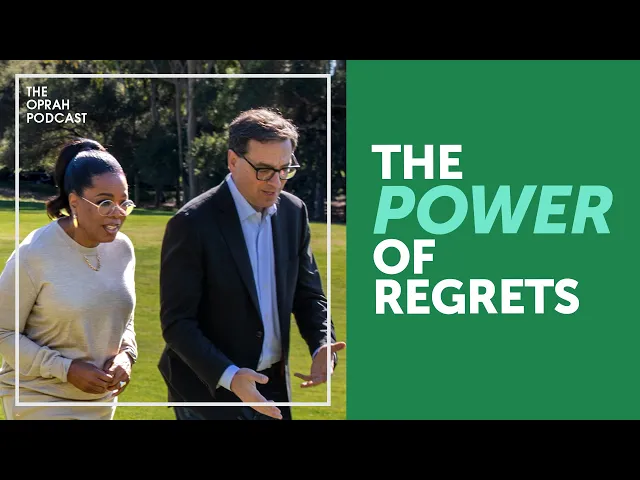
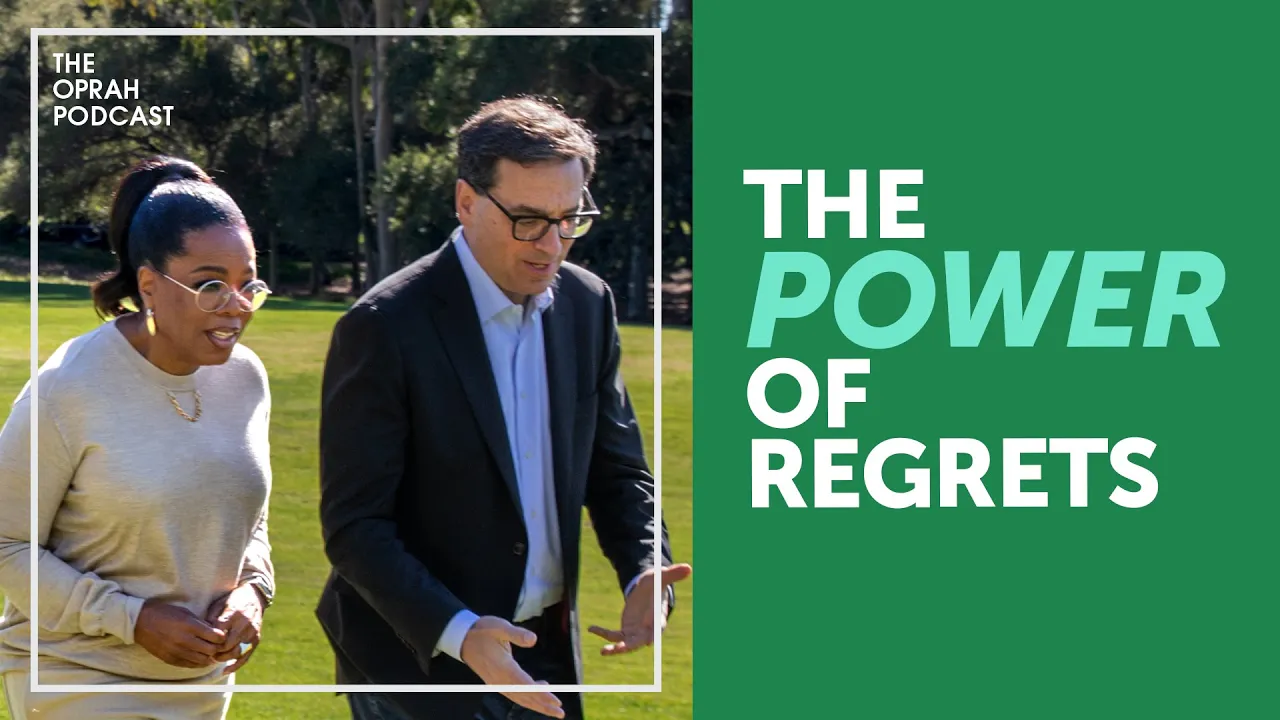
hi there I am so glad you joined me on my podcast I'm having a fascinating conversation with Daniel pink who writes about the power of regret I wonder if you're like me just hearing the word brings up thoughts of the things in life you regret the most well we spoke to some people who are experiencing regret I lost my virginity too soon what if I had stood up for myself in my marriage getting the diagnosis I wish I would have just really just savored the moment moments the The Unbelievable moments sorry but what I learn
which I think you will really appreciate is that there is power in regret it clarifies what we value it all depends on if regret is holding you back or if you can shift your mindset to use your regrets to propel you forward so what comes up for you what is your biggest regret I have my own that I'll share on this podcast that is my deepest deepest regret so everybody thanks for joining us on this podcast we're talking about today something few people ever talk about that's why I want to talk about it we're talking
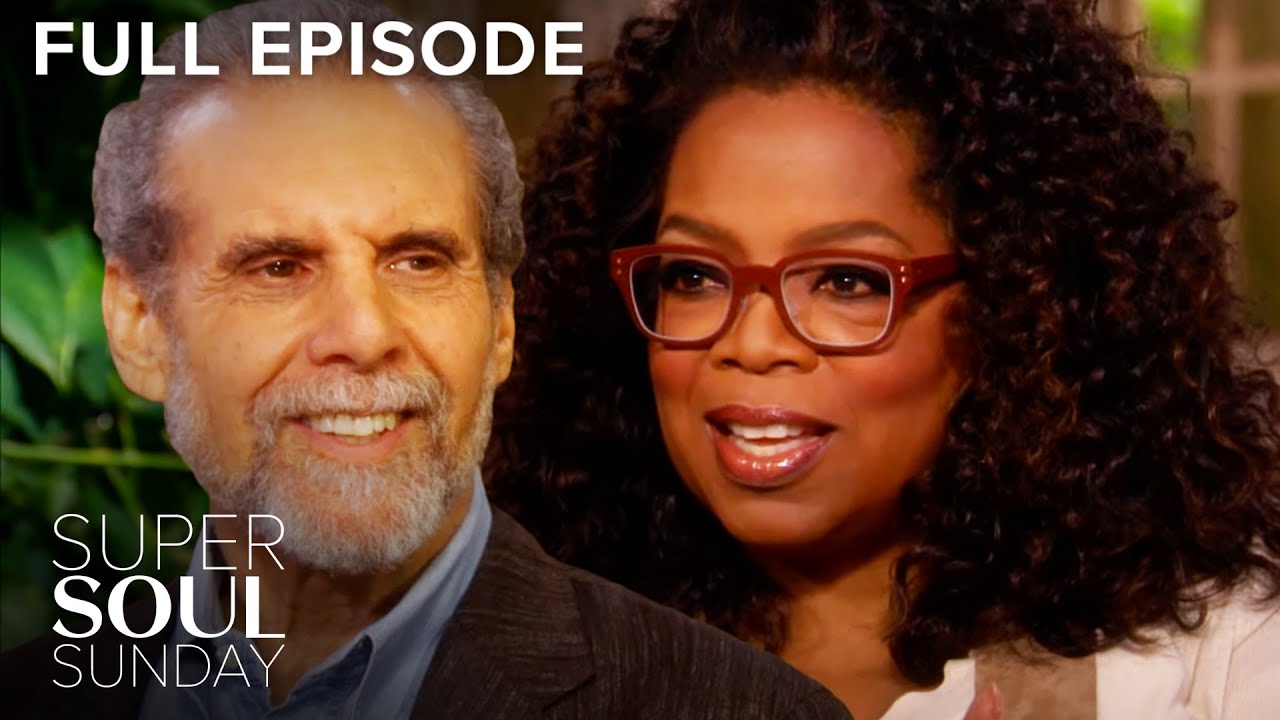
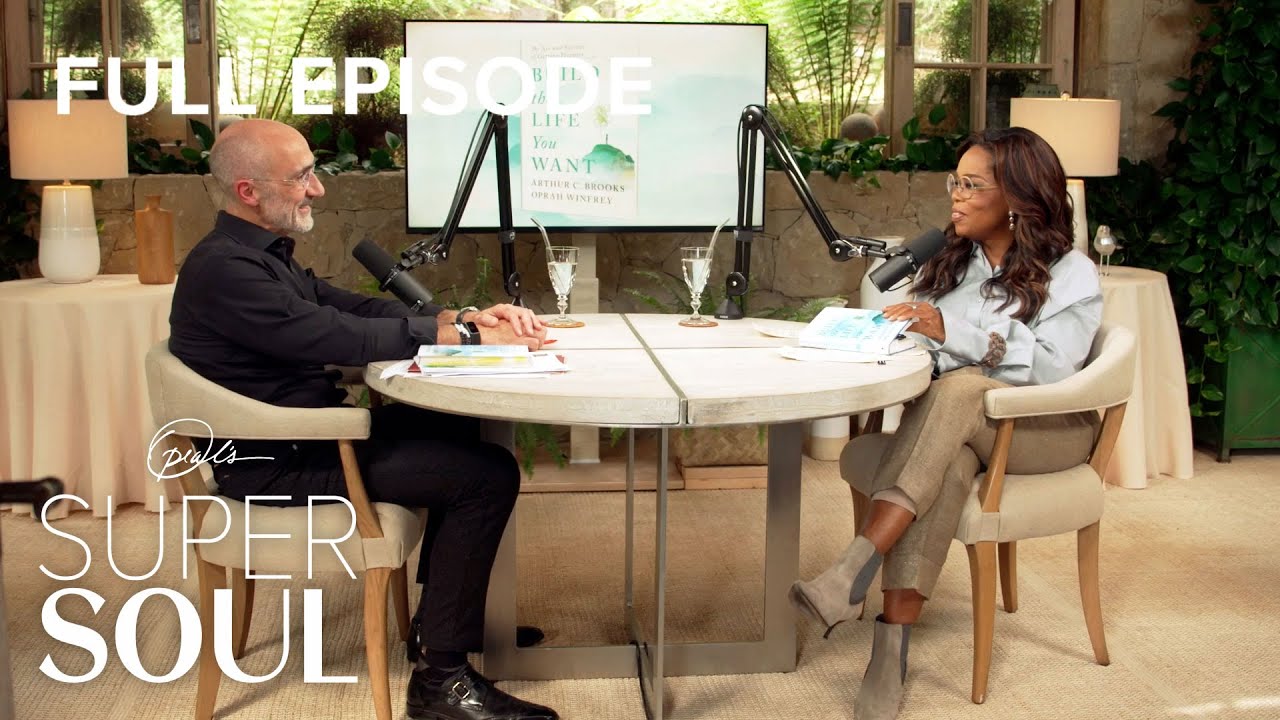
about regrets regrets and I'm joined by the man who literally wrote the book on regrets journalist and the author of seven New York Times bestsellers Daniel pink Daniel pink began his career as a Yale law school graduate working in politics in government in Washington DC and after 2 years is Al Gore's Chief speech writer Daniel decided to venture out on his own an experience he wrote about in his Fast Company article free agent nation which became his first book since then Daniel has written six more books including drive to sell is human and another one
of my favorites a whole new mind if we repair this mismatch between what science knows and what business does he's one of the world's most in demand speakers and has delivered more than 1,200 lectures on six continents and maybe we can change the world I rest my case I am so delighted to speak to you again it's been years I am so glad to be back talking to you yeah and I have to tell you I really appreciated this book about regrets because when I saw it and I first came across it because we had
used many of your quotes in our the life you want becoming unstuck journal and talking about your philosophy and I was like you know what it's the thing that everybody feels at some point in their life even though there's a Frank sonatus song that says regrets I've had a few but two for you to mention a lot of people have a lot and if you make uh if you have a deep regret that follows you your whole life a lot of people can't get over it and so that's why I wanted to talk to you
why did you how did you even come up with this idea to focus on this specific human emotion of regret because I had regrets and I wanted to make sense to them they actually were catalyzed in part when my elder daughter graduated from college and I'm at her college graduation and I can't believe that this kid is graduating from college because it seems like yesterday she was 2 years old I can't believe that I'm old enough to have a kid graduating from college and I started thinking about my own college experience and I had some
regrets about your college experience yeah I wish I were Kinder I wish I had taken more risks you know those kinds of things and I came back to Washington DC where I live and I knew that no and I was it bothered me these regrets and I came back to Washington DC where I live and I knew that nobody wanted to talk about regrets but I kind of sheepishly mentioned it to some people and I discovered that everybody wanted to talk about it that as soon as I gave them the license to talk about it
they came forward with their own regrets and you did your own and that's a really good sign okay and the the subtitle of the book is how Looking Backward how Looking Backward moves us forward how does that if you're stuck in the regret yeah well the key is not to be stuck in the regret and the the the thing is is it everybody has a regret it's one of the most common emotions that humans have the thing is we haven't been taught how to deal with them properly so some of us ignore our regrets so
we put our fingers in our ears and say no regrets no act like it's not and it's just back there in the in the in the periphery and you're seething denial right denial yes bad idea others of us get captured by our Regrets We wallow in our Regrets We ruminate on our regrets that's also a bad idea what we should be doing with our regrets is looking them in the eye thinking about them and in our Journal we ask people to Define their regrets why do you think it's important for people to define the regrets
because a lot regrets are often kind of Blobby and amorphous and so when we write about them or talk about them we take this blob and make it concrete we turn it into words and those words help us make sense of it and those words are are less menacing and the more we realize that oh I'm experiencing something that other people have experienced the more we kind of defang some of the pain of the regret got it okay so those of you who are watching or listening to us right now I know this is going
to trigger you to think about what are the things that you deeply regret cuz I walk around thinking oh I don't have a lot of regrets and then reading this book I went yeah actually I do why does regret hold such power I mean it holds power I think in part because we don't know what to do for two reasons one is that everybody has regrets it's one of the most common emotions that human beings have and yet we've been sold such a bill of goods about positivity and being positive all the time that when
we feel regret we think that we're the only one and we're not uh it's part of the human wiring it's part of our cognitive machinery and the reason it exists is that it clarifies what we value and it helps us do better in the future so you studied and collected regrets from over 26,000 people from 130 countries the data showed that there are basically four types can you talk about that true thing yeah it was pretty it's pretty remarkable around the world U uh people seem to have the same for regrets one are what I
call Foundation regrets those are small decisions people make early in their life that accumulate to terrible consequences later spend too much and save too little now I'm broke um another one big Cate big category boldness regrets all right you're at a juncture in your life you can play it safe or you can take the chance and what's overwhelming is that people regret not taking the chance much more than they regret people not taking the chance then taking the chance um people and it doesn't matter the domain of life you have people who regret not traveling
I have hundreds of people in this database who regret not asking somebody out on a date wow years and years ago and what that could have meant exactly or or maybe it wouldn't have meant anything but you you didn't do it exactly you didn't take the shot and that's what really sticks with people boy that is the thing boldness regrets you didn't take the shot um moral regrets which again a lot of these regrets begin at a juncture of decision-making so moral regrets are you can take the high road you can take the low road
yeah you can do the right thing you can do the wrong thing and most of us when we do the wrong thing when we take the low road we regret it cuz most of us are good and most of us want to be good and you were saying you say this in the book too that the regrets show us what really matters to us absolutely absolutely because these other I mean the other regret that that people have are connection regrets which are regrets about relationships but when we we look around the world and people have
these regrets these four regrets operate as kind of a reverse image of what we really value in life Foundation Regrets We value stability what's a a good life a good life has some stability underneath it a good life is not wobbly and so what Foundation regrets taking care of your finances taking care of your health taking care of your education that's part of what it is to lead a good life boldness Regrets We value learning and growth we value not wasting our time in this limited space that we're here moral Regrets We value goodness a
good life is being good a good life is being true and honest and just and connection regrets are about love and so when you look at these regrets there what do we value in life we want some stability we want learning and growth we want goodness and we want we sure want we sure want connection absolutely that was the biggest category yeah okay what do you think I I I I I just you just saying that just just triggered me to think about what do you think is the true definition of a meaningful and good
life well I mean we and has that evolved as you've grown for as as I've grown yes um well I mean I think earlier in my life I was clueless about that I was I think was incapable of answering that question I think I didn't know um in the same way that I would not have written a book about regret in my 30s whereas in my 50s it felt inevitable that's right because I had I had mileage on me you know what it is you actually know what I mean I think a good life is
is having people who you love and who love you I think I think one can stop there I think there are other things but I think that's really at the core of it and we have some interesting research on that the famous Grant study at Harvard that was this longitudinal study uh following men but then other people from the time they were in college all the way through the rest of their lives it didn't matter what their IQ was what their money what their health situation how much money they had what ultimately mattered in people's
satisfaction was love I mean the the one of the people who founded this study this incredible piece of psychological science he said well I can summarize the results in a few words see he said Happiness Is Love full stop and I think that's true now I think there are other things that give us meaning in life in a good life and I think regret exemplifies that um not wasting your time doing stuff contributing trying things learning and growing I think that's a big part of it um providing for other people contributing to the world uh
and also I come back to this idea of these moral regrets of just being a good just generous person um and it's pretty simple and and I think that one of the things that the research on regret and even my own investigation of reveals is that a lot of the decisions we make in our life a lot of them don't matter that much right but a lot of them matter hugely yeah the only people who don't regret are people who are narcissists and don't have a conscience about it right but that but that that's true
I mean what we see in the in the cognitive science is that even though everybody many people perform not having regrets the only people who don't have regrets are 5-year-olds because their brains haven't developed the ability to do counterfactual thinking certain kinds of people with certain kinds of neurodegenerative disorders and sociopaths everybody else has regrets because it's part of our it's part of our wiring and when it comes to moral regrets I I think one of the things that's heartening about this research is that the number of people with moral regrets people who regret bullying
a kid in school 40 years ago and then break into tears when I'm interviewing them about it because they feel so bad about it that's right and because they've never brought it to the Forefront of their thinking and never discussed it with anybody one of the things that was interesting to me you said in the book um power of regret and and and speaks to the power of it is you regret not going to funerals oh absolutely I mean I still have my own regrets about that there is a there is a a big Cathedral
right near my house in Washington DC and there was a funeral that I didn't go to 20 years a over 20 years ago and every time I walk by I think about oh my God I should have G the guy's name was Bob I should have gone to Bob's funeral okay so why does that hold such power cuz Bob wouldn't have known you were at his funeral no but I knew and you know what I want to be a good person I want to show respect for people I want to show respect for his family
and I didn't do that I was at a juncture I could the right thing go to the funeral the wrong thing keep doing my work that afternoon instead of taking two hours and and now what do I do with that I can say it doesn't matter everything happens for a reason or I can say I'm the worst person in the world no I say you know what something that I didn't didn't do 20 years ago is still bugging me when I can't even remember what I had for breakfast this morning strong signal yes and it's
a signal that show up and go to the funeral no matter where it is okay show up and go to the funeral and that is how Looking Backward moves you forward because when you're able to to take whatever it is that is the regret and turn it into something meaningful for you yeah well we spoke to some people who are experiencing regret right now and Tanya is one of them and she joins us from the Bronx Tanya hi tell us what's going on hello hello how are you thank you so much Miss Winfrey for having
me and Daniel what a pleasure it is to meet you um you know it's very interesting I when I think about the word regret because I've done so much work on myself I I think about when I was young when I was 16 between 16 21 um I guess a nicer way to put it I was boy csy and um I lost my virginity um in my opinion well I think probably uh across the board too too soon I don't know um what was happening with me uh but I I it was complex I would
my my dad was not at home um I'm not blaming that on that but my life was definitely um just going through things that I couldn't explain and I think that was an outlet for me um and and hindsight as a 52-year-old woman now when I look back I definitely um say to my myself gosh I wish I would have just saved myself for someone who I Loved Someone like my spouse that I'm with now someone who I can talk to someone that I know is um here in me there for me uh just accepting
me as as I am um that would be my biggest regret I think this is so interesting Tanya because you have been with your spouse for how long now I have been with my spouse this February 18 years 18 years and is it something your spouse has brought up to you like I wish you'd been a virgin When we married no no and I I thought it was interesting too and I'm sure you know you grew up in you know I'm 20 years older than you practically but I also grew up in an era where
if you liked boy there was no discussion other than you can't date until a certain age and if you showed any interest in boys whatsoever you were considered boy crazy and I noticed that you used that term to describe yourself and I was thinking that's not a term you came up with that's a label somebody gave to you and that's what you're carrying that's part of what you're carrying Daniel what do you want to say to Tanya well I mean you know what what you know in the first of all what kind of regret is
this I mean I think it's a I think in Tanya's telling it's a moral regret all right so you had a chance to do you know you could do the right thing or the wrong thing and in your view retrospectively you think you did did the wrong you you did the wrong thing but we can also look at this in the architecture of regret as a difference between an action regret something I did and an inaction regret something I didn't do so this is an action regret and the way you deal with action there are
two ways to deal with action regrets one of them is to undo it um hard to do here yeah right you're not GNA unscramble this egg yeah so so you can't just so you can't undo that so the other thing you can do is what's called in the psychological literature a downward counterfactual where you imagine uh how things could have turned out worse and so it usually starts with a sentence at least you know at least you didn't get in trouble uh at least you met your incredible spouse right now and so you find essentially
the silver lining in that yeah as you were as you were sharing your story I was thinking okay at least you didn't um have the responsibility of getting pregnant and having a child and having that alter your life because when we were talking about these kinds of moral regrets and Foundation regrets I was thinking I'm sure that there are a lot of people who were promiscuous or whatever in their early years and had child after child after child without even knowing what that responsibility would be like and you hold regrets for it not regrets because
you have the children but regrets that you didn't make better choices that would allow you to better serve your children so and you have to when you when we think about our regrets you you have to actually evaluate the person making the decision at that moment that's a different you're a different person today at age 52 than you were at age 16 fortunately uh you know the other thing that you can do you know the other thing that people can do here with regrets that can't be undone is transmit these your understanding and your lessons
to other people that is be open about talking about the regret and extract a lesson from it and see if people are interested in hearing that lesson I also think it's important for you to go back and understand what happened to you of book that Dr Bruce Prairie and I co-authored together what happened to you to cause you to be in what you call your boy crazy phase because that also happened to me and up until uh I was like I was sexually assaulted from 10 to 14 and during that time like 13 to 14
I became really sexually promiscuous and for many years I blamed myself for that promiscuity like I was a bad girl what I now know what I now know is if you have been assaulted as a child and you know led into that whole sexual realm that that is a that is almost a natural thing that that shows up with young girls and so when I see young girls that are labeled you know you're a bad girl or she's she they used to say in my My Generation you're just too fast you're too fast you're too
fast I always know when it's very very young that there's something else going on beneath the surface there that's causing that and you had mentioned that your father was not there and you know you suffered that loss and lots of times you deal with it in different ways when you're a young kid you don't know the reason why I'm acting out is I'm looking for somebody to love me and to Value me and to say that I'm okay because I'm not getting it from my father or my mother so if I were you I'd look
back at the why and that releases number one for me released a lot of the shame and certainly blaming myself for something that happened that basically I had no control over at that time thank you thank you for sharing that and I will also tell you that I just learned the term boy crazy I would say promiscuous but as I said it it sounds very dirty and I didn't like the way it sounded and it made me feel really dirty to use the word promiscuous so and and you sharing that word and you saying it
defining yourself yeah makes me feel uh there's some comfort there because the word promiscuous sounds just not nice and I thought boy crazy sounded yeah softer and a little more but you were doing that you were acting out for a reason you were acting out for a reason that happened to you for a reason and so you know you shouldn't you know try to figure that out here with us but you should work on that for yourself what is the reason that you were acting out in in that way thank you for being willing to
share with us today thank you thank you for having thank you okay thanks Tanya Kathy is a mother of two who also has deep regrets about time loss Kathy what's your story I I uh my husband was diagnosed with gleo blastoma in February of 2020 and um I think my biggest regret was it took something like that to um realized how I was not really present most of my life I I did have the Good Fortune of spending the last he actually lasted 23 months and um which is unheard of a g blastoma but I
felt like all the time before that raising my two wonderful children one's a teacher in the Bronx one's an aspiring actress in La that I just was going through checking lists like trying to uh even like outrun myself with accomplishing things and it it took my husband who was coming home saying I have a headache and I'm like take Tylen all I got something to do you know it took something like getting the diagnosis February 20th of 2020 of gleo blastoma to say like stop just stop and I feel like I want to forgive myself
my kids are wonderful we had a wonderful relationship but I go back and I think to myself I wish I would have just um really just savored the moments the The Unbelievable moments sorry take your time just take your time and you know what I I try to recover like we took everyone Joe was the most wonderful kind person like I was so lucky to have him in my life and wonderful father but I think to myself but part of me doing this is cuz I he deserves like to continue to live if you will
and I think he deserves his legacy deserves not to disappear but I just I go back and I say why did I not just stop I I don't know what it is is it a woman thing that like you're trying to just outdo yourself you have a million things going on you're working full-time you're raising kids and like I just wish it didn't take something like a devastating diagnosis and subsequent loss oh Kathy to make me stop Kathy Kathy Kathy thank you so much for being willing to share and this is a podcast about the
power of regret uh Daniel pink has written a really important uh book with a profound study about regrets all over the world so naturally you're going to have tears and we appreciate you being so open to share today because you're going to you're you're going to you're going to really help a lot of other people to see themselves differently because of what you've shared here what category is this what what so I think this is a connection regret it's a regret about not doing something to keep a relationship intact the best remedy for this I
think is something called self-compassion self-compassion is very simple treat yourself with kindness rather than contempt it's that simple all right and so if you think about your selft talk what what is your selft talk my hunch Kathy is cruel it's vicious it's mean-spirited all right here's what the research on self-compassion says about that kind of self talk don't do that all right and the reason to don't do that is because it's not effective um what's effective is self-compassion and a way to think about that is is to take it if if you had a friend
who came to you with this situation what would you tell her yeah you're doing the best you can right exactly and that's you know what I feel like I don't I really I know I focused when it was important and ours was a love story to be told and uh it's just like I think about when he used to go food shopping and I like it didn't really appreciate it I hate food shopping and every time I'm going down and fighting people for a loaf of bread I'm like oh my God Joe like why didn't
I just like really appreciate you doing this or painting the house I made him paint this house like 55 times and um and you know what he we were good and we said what we had to say to each other and there was nothing left unsaid but um yeah I just hope I could share with other people that like all this stuff we run around and do was just so not important yeah you can Al you can share with other people also I think one of the one of the Le one of the lessons for
regret particularly when it comes to to relationships it's it's very simple to articulate so when in doubt reach out so if there's somebody you're thinking about and you're saying should I give that person a call uh in any part of your life if you reach that juncture the answer is yes do it um there's also something to be said for saying it now you have a regret about not saying something at the moment so say it now and and the best way to help other people is to exemplify that behavior by reaching out and by
by saying it now the other thing I'm I'm sorry but don't disrespect the work you did building a career and building a family I mean that's actually really that's actually really important and I don't want you to think of that as something that was somehow a betrayal of your husband or your family it was something that actually fortified your husband and and family well one of the things that that really has struck me about what you were saying earlier I can't believe that this is what it took and yeah this is what it took this
is what it took this is what it took for you to slow down and to stop and to want to live a more present filled life and to be there in a way for the rest of your family and for yourself and ways that you could not before so yes this is what it took and the reason you know that is because this is now where you are you've had that realization and so I say bless your husband for being able to bring this to light for you so that the rest of your days can
be spent in a fullness of being for yourself that you would not have had had you not had this experience this was his parting gift to you not to be regretted but to be embraced not to be regretted well he's a gift that keeps on giving as Andrew Garfield says about his mom Joe is the best of us yeah that's great thank you so much thank you so much Kathy thank you thank you all right Kelly a mom to one teenage son says that she is constantly haunted by the by the wh ifs the wh
ifs the wh ifs tell us about that Kelly hi thank you both so much for taking the time uh to speak with me today really appreciate it um this is U you know I was young I was I married my high school sweetheart in my early 20s and um he was in the military and I became a officer's wife in um in 2011 and this was right before 911 happened so at that time the priority seemed it seems that um the priority should be his career it should be the things that were going on at
the time so I step back I played small I played the supporting role and I continued doing that for for years and um I don't you know what I was doing felt like it was it was valuable it was important that it was serving a purpose and I was grateful for the people and experiences that I had but when when my husband left I was not prepared necessarily for the life that I had at that moment of of making myself a priority and it's been a struggle since meaning divorce divorce yes yes so I keep
asking myself well what if I had what if I had finished my degree before I had gotten married what if I had gone back to school at any point um what if I had uh listen to my intuitions what if I had stood up for myself and what if I saw value in my place in um my marriage and and what I was doing at that time and and how would that have uh better prepared me for the life that I was living afterwards and so even now I still struggle like I I still struggle
to make um the things that I value my art and my writing I still I still struggle to make them um the way that I want and put them out there without trying to make myself small and and fit in so I feel like I'm on the cusp of this new transformation of moving forward still and it's still holding me back that that what if like what if I had done these things earlier would I be better prepared I heard you told the producers that you feel like you've spent most of your adulthood in the
passenger seat and so you're asking what if you'd actually taken the driver's seat that's right yes what if I even at at different points even if I had just taken the driver's seat and said you know what I want to go back and I want to finish my degree um and I wanted to start a career what if I had done any of those things at um various different points through those years well you're not alone because in Daniel's study of people throughout the world this is a big this is the Whata ifs is a
big big big big big and it's kind of a it's kind of a boldness regret that is making yourself small is in some ways the opposite of being bold and we have a lot of regrets in this database Kelly of that remind that just reminds me of people using the phrase speak up speaking up spoken up um and so but so what would it mean for you to like not be small right now like not not an emotion but an action what would that mean what step would you want to take I I have finished
um I finished a book I'm about 110,000 words in and I have it and I'm right on that verge of feeling like I want to get it out there but there's something that keeps still holding me back from okay can I get in here all right you're you're in here you have the mic sir okay so this is this is sort of this is sort of out of the the the pages of my own book I'm going to tell you something that I've told that I told to my daughters when they were younger I have
two daughters and a son I something I told my daughters when they were when they were were they were younger and they were like oh I don't know if I should apply for this I don't know whether I should ask to be a research assistant I don't know if I and I and I I say to them what would a mediocre guy in your situation do and it was always like raise their hand yes and it's like so what would a mediocre guy believe me a mediocre guy in your situation who's written 110,000 words would
already be out there so you need to be out there and like doing everything you can to get that book out there so you can be a guest on EP on season three of this of this of this podcast and so one of the things it's interesting as a as a writer one of the things in with a Kindle or the ebooks is you can see what people underline yes I like that and I I find it interesting in this book one of the things that people underlined was not something that I wrote and it
was a Chinese proverb that goes like this and it reminds me of your dilemma here Kelly is the best time to plant a tree was 20 years ago the second best time is now so if you want to get your book out there get it out now if you want to go back to school get it out now and use that that feeling that Spear of regret as a catalyst for starting now um not waiting for the perfect moment because there isn't a perfect moment and you were mentioning your art is that is that your
art behind you that painting did you do that painting oh it is that's that's one of my paintings yes I love that is the barn your painting The Barn the barn is my painting I love that Barn that you know what that reminds me like of a of a Harper Barn you know a hopper Hopper you know Hopper yeah Edward Hopper yeah yeah it's sort of a hopper it's Ed Hopper meets Andrew Wy yes yes yes yes so that is what Daniel pink just said about your work Edward Hopper meets Andrew WTH noted art historian
Dani really so thank you so much for sharing yeah all right and congrats on finishing a book that's an amazing thing now get it out to the world because the world you you owe it to the world to do that you have a moral obligation to put that in the world okay thank you I appreciate that okay get in the driver's seat Kelly yeah get in the driver seat there's no one sitting in the driver's seat now Kelly Take the Wheel Kelly Take the Wheel thank you so much Lori now joins us Lori hi there
zooming in from Dallas Texas your biggest regret we love that hot pink girl I am so grateful I'm full of gratitude to be here with you guys today and talk about my regret mine's a little bit different than the other guest um mine is financial I have always been a big dreamer and chased after my dreams I'm an interior designer I'm an entrepreneur I started a I've done all the things I I started a um nonprofit um and I'm proud of the work that I've done because it always holds compassion all the things that I
want to do I I I want to help other people and so I guess my biggest regret is looking back and thinking why didn't I go the corporate route why didn't I get the 401K you know why didn't I do all of those things that I feel like I was supposed to do um and be a little bit more stable in my life being a single mom and just moving forward uh not having the regrets of all the things that I that I've tried to do because of my Big grandio Dreams you know so that's
where I'm at so it sounds a little bit like a foundation regret which are the small decisions or indecisions we make that accumulate the bad consequences but I don't know I have I have to say I don't really by the idea that you should have gone in just talking to you for 60 seconds that you should have gone into a corporate life with a 401k yeah yes yeah but so imag I buy into it because of the hot pink you're wearing imagine imagine this counterfactual all right we have like we have counterfactual zoom and we
put an image on the screen of you having made that choice and we're talking to you today do you think your regrets would be deeper about not pursuing your dreams about not living a life fully if you had if you had been a if you had been an actuary at The Amalgamated widget company yeah well well yeah no I don't think I would have fit in there but you know I think taking risk part because I've done so much um work the taking risk part I do love I just feel the failure you know like
why didn't my Big Dreams that I've wanted to do just blossom into what that I want so because now you're regretting not having more security more security and a safety net okay so your your your your main question to Daniel is what what do you want from him today I just would like to know how to move forward and not allow these worries to weigh down on my soul and to continue on my path and my goals I mean what what I would say what I would say is when it comes to like saving and
I mean you're young uh start now that um that a dollar a week is saving uh so start now and do it I mean we know a lot about sort of the behavior science behind this is do it automatically the other thing that I'm hearing from you is a kind of a um sort of almost maybe a little too much exploration and a little and some and too little Focus so if you have multiple Lanes pick a lane for the moment and just focus hard on on that it's not we we tend to think that
presuming your dreams and being kind of diligent and responsible are at odds with with each other when in fact they actually work together really well that the best way to pursue your dreams and be bold is to be diligent and show up and do your work and so um and so the lesson of foundation regrets is is do the work and the lesson of voldness regrets is is take the chance but if you take the chance and do the work at the same time you're going to be you're going to be fine and once again
as I was saying to um I think it was Kelly the um start now like this is a kind of thing that you that okay when I feel right when I'm in the mood is basically start now as soon as you get off this Zoom Man start yeah right pick one yes I I does that sound does does that sound reasonable to you yes absolutely it sounds reasonable reasonable to me I just I don't ever want to not be a risk taker I've done so much work around my personal growth and my spiritual growth that
I I still have it in me to want to you know save the world and be an Oprah a little bit maybe like a mini Oprah or something you know really have the compassion to want to help people so there's that you do it from where you are exactly you do it from where you are exactly where you are extending yourself in Grace and kindness in the smallest ways and then any other way you can and and and let that be your goal is how do I use my life in service to something or someone
that's bigger than myself that's all it is how do I do that and you have this bold bold you have the boldness of personality you you know have a Radiance about you you have an energy force that we can feel just sitting here talking to you and you should be using that as you have used it in the past and you know go forward and do the work that's that's what you got to do thank you so much I'm so grateful to have this opportunity with y'all I appreciate it more than you'll ever know I
love it that you you called us y'all thank you so much no I did Alice thank you Lori so what did you learn about your own regrets while writing and researching for the power of regret uh then I'm not that special that that almost every regret that I have I can find in that database really that you were like the 26,000 other people that we are are all the same in that most of most people are like most people and I'm most people uh I have regrets about kindness uh but I saw that in the
database uh I have regrets about not acting boldly and not speaking up for things that mattered and there are other people like that um that you know I'm like everybody else well yeah I realized that about myself too and what I have found is you know my deepest re my deepest deepest regret is that I didn't take the time when I ended the Oprah show before I started the next thing that is my deepest deepest regret that's interesting and the reason why it carries and holds such power for me is because I thought about it
and thought about it and I thought about it and I didn't listen to my own inner voice my own Instinct about it and I listen to everybody else and every time I've ever made a mistake that I regretted either large or small and this was the biggest one anytime I've done that is when I I diverted from listening to the still Small Voice that lives inside of all of us and I did the thing that everybody said well you have to launch now and you have to do it now and you have to do and
I have regretted it for 14 years I've regretted it and as singular as that is yeah it's prevalent and we if I were to go pull up this database right now and look the phrase listen to a voice inner voice whatever you would see dozens upon dozens upon dozens that we have this intuitive sense of what's right that we want to listen to ourselves and I do and I believe in that and I follow that and the one the one time I didn't I deeply regret it um it's it's a it's almost at the core
of a lot of these is that at some level we know what the right thing is to do we know that we should be bold we know that we should be responsible we know that we should be moral and our little our inner voice is telling us that and yet there's noise on the outside or counterveiling voices on the coming at us and we don't do that and then we regret it yeah and then you mad at yourself and and and arguably you should be because you knew better because you knew better now you don't
have to be now you should be constructively mad at yourself you shouldn't you know it shouldn't be self flatulation it should be it should be sort of irritation in the service of action yeah and I I am compassionate enough with myself to know it was a mistake and I understand what the real mistake was the real mistake was you heard the voice you felt it inside yourself and you acted differently than what you knew to be true right you also had I mean again you also there's also a lot of momentum behind that yeah and
so when you do something for a long time particularly at the obviously at the level that you did it there's a lot of momentum carrying you forward yeah and it takes actually greater force to stop the momentum a different direction yeah well in all of your work seven books what do you know for sure that matters the most um that to you and to other people um I have to say like I like to think of my books in some level about science and economics but every single book that I've written has come back to
meaning people's want meaning in their life uh they want to figure out why they're here they want to actually spend their time wisely yeah it's why I'm doing this podcast at this stage in my life is because I know how important meaning is and I think we're at a we're at a time where some people are lost and try still trying to figure that out and you're trying to get meaning meaning from social media and you know oh I see that right yeah and and that's what we are you know here we are here on
this planet for a vanishingly short amount of time we really are and at some level all of us either consciously or unconsciously are Reckoning with their mortality and and you want to have you want to have spent your time in a meaningful way and so stuff that I've written looking at like economic research and Neuroscience research so much of it comes back to the fact that we are mortal creatures looking for a sense of meaning and a sense of love that's why we're here yeah and in the end it what really matters and I've heard
this over and over and read it and I remember a wonderful uh Tony Morrison novel The Song of Solomon where in that book um one of the characters the granddaughter dies and the proclamation that the mother makes at her funeral is and she was loved and I I remember the first time I read that I thought that's really all that matters all the awards all the attention all the things that people are striving to get and have do and be in the end what you want is to know that you were loved and that you
and I think also that you loved other people and that you loved other because it's like a Cascade out there it all it all for it BS down to who did you love and who loved you absolutely I love the the last paragraph of uh the power of regret you say after a few years immersed in the science and experience of our most misunderstood emotion I have discovered about myself what I've discovered about others regret makes me human regret makes me better regret gives me hope thank you for the power of regret thank thank you
for having me thank you for coming to the tea house all right okay so I love when a conversation inspires us to live more intentionally and those of you who've listened I I I know that many of you are going to be inspired by what you've heard from Daniel and our other guests today thank you all for sharing your stories the power of regret is available now anywhere books are sold and the life you want becoming unstuck Journal is available on Amazon thanks everyone for listening and watching us on YouTube I hope you'll subscribe to
the Oprah podcast on YouTube and follow us on Spotify on Apple podcast or wherever you listen and we'll see you next week go well everybody