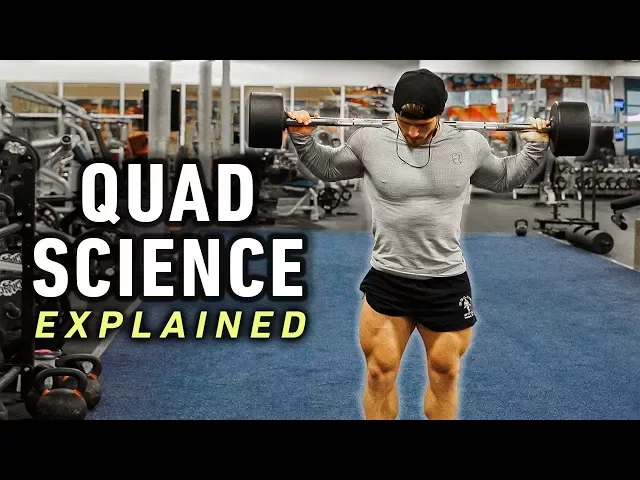
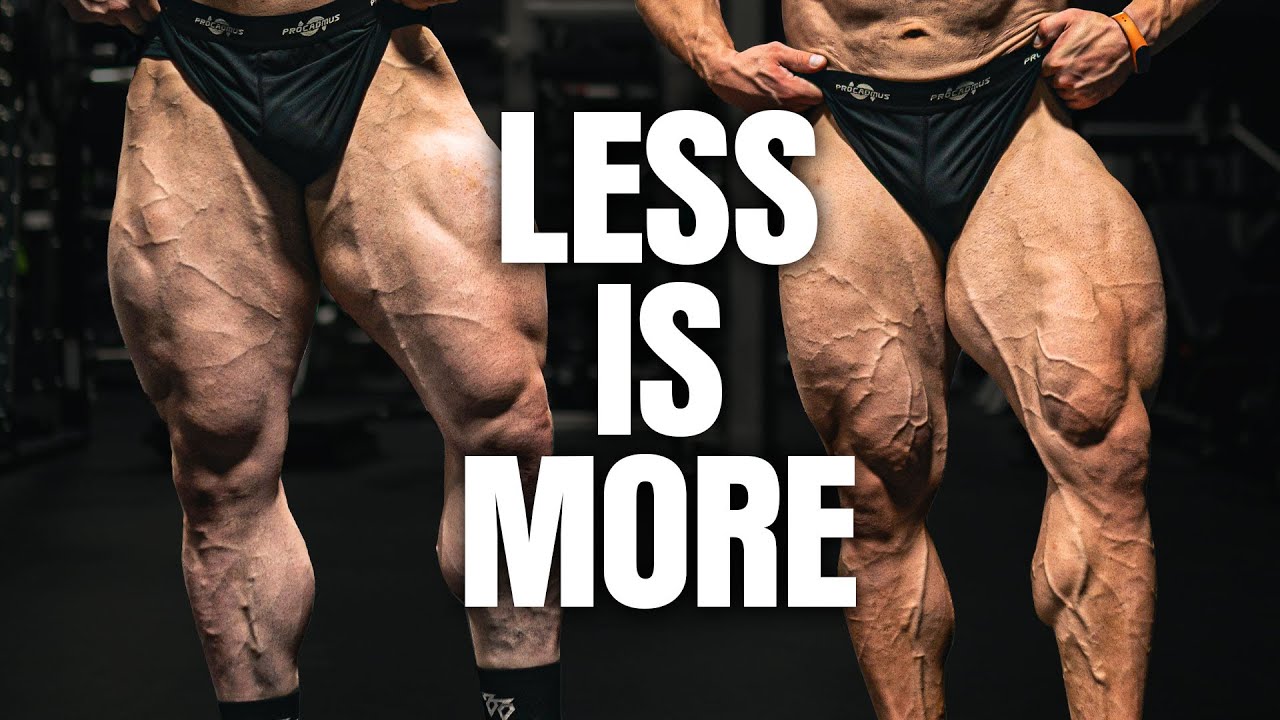
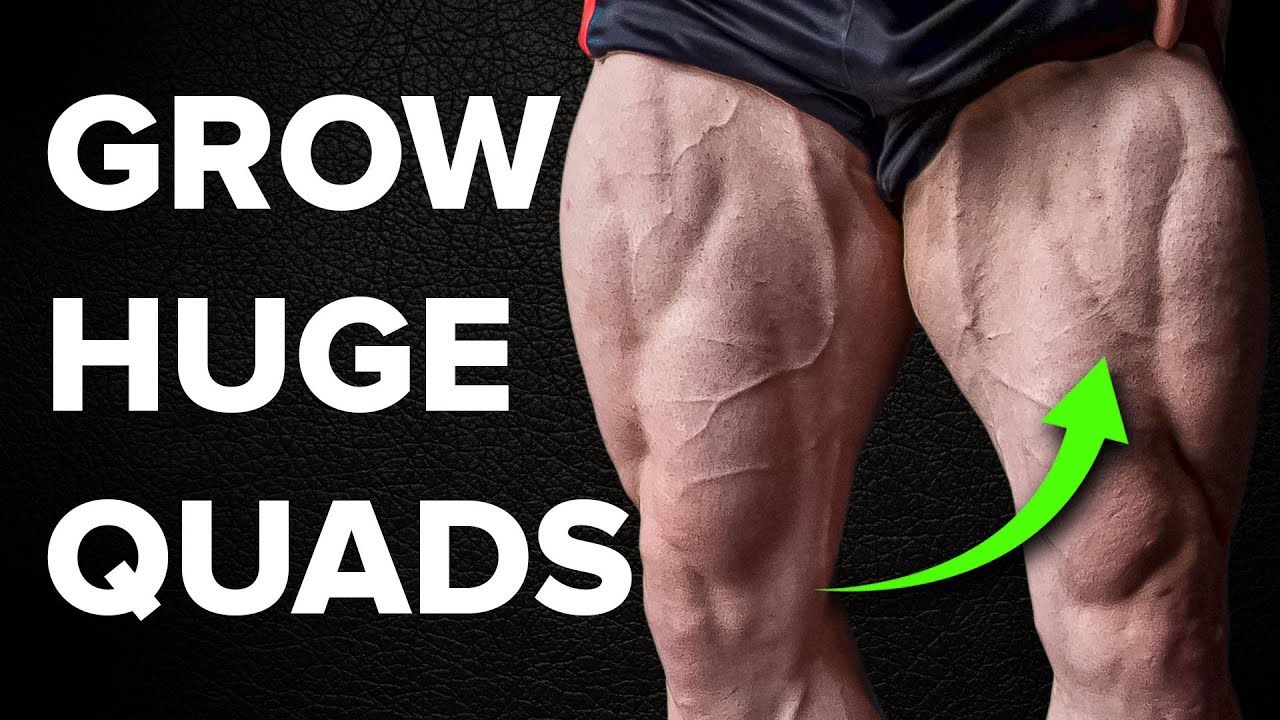
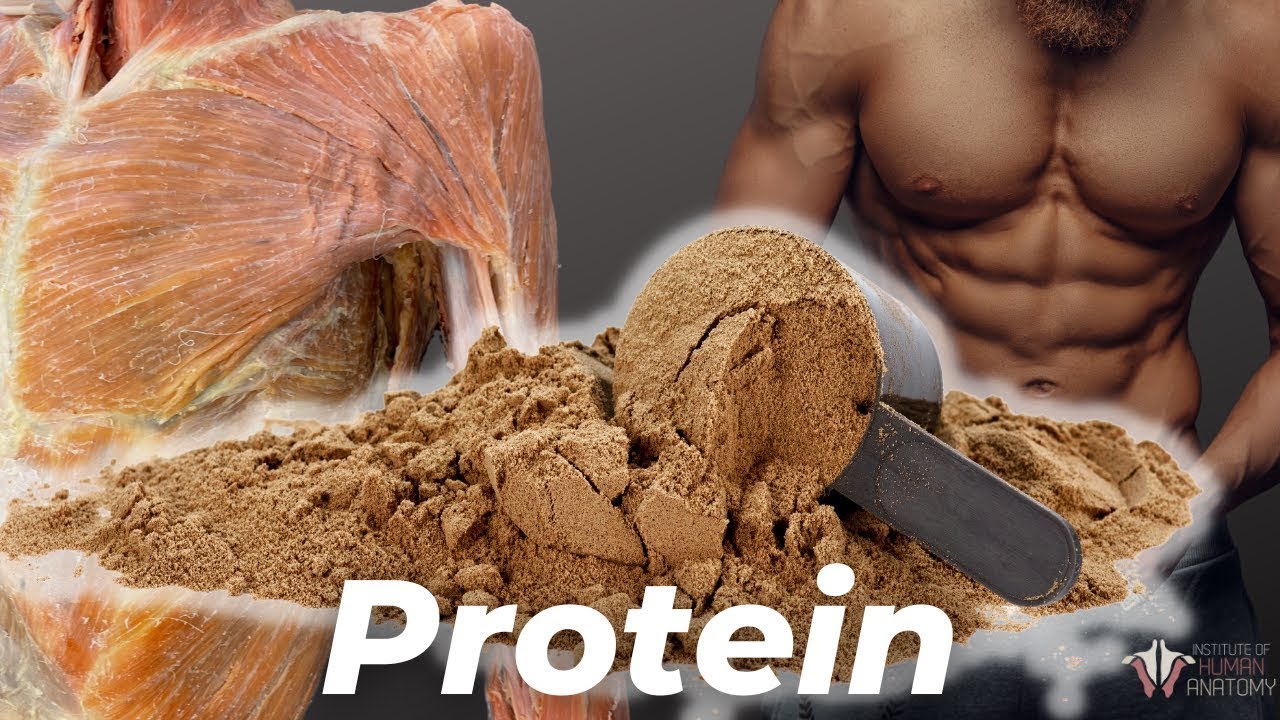
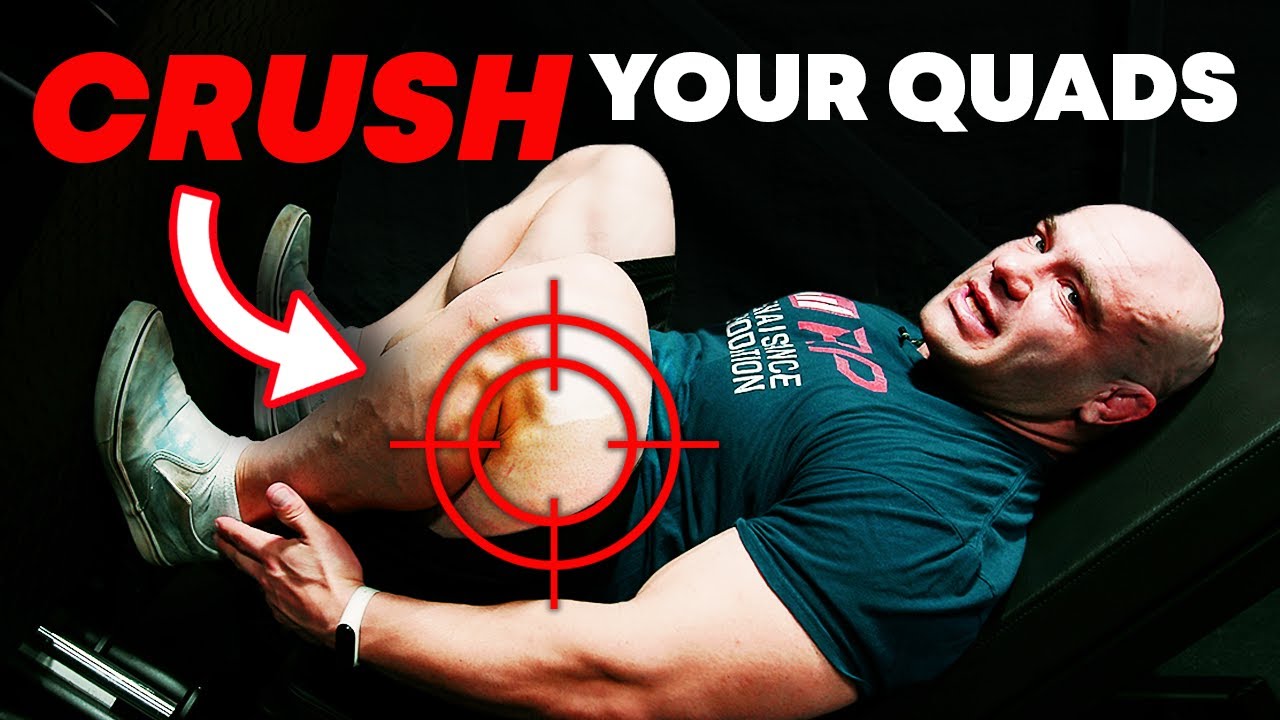
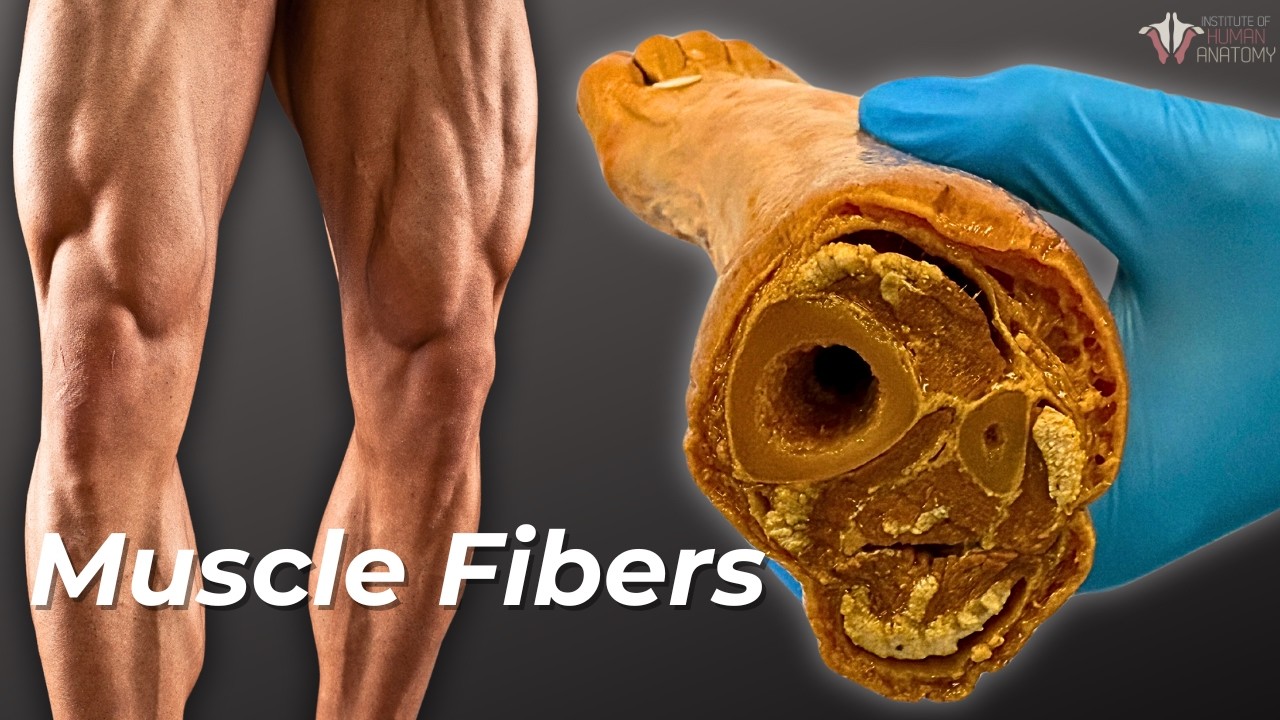
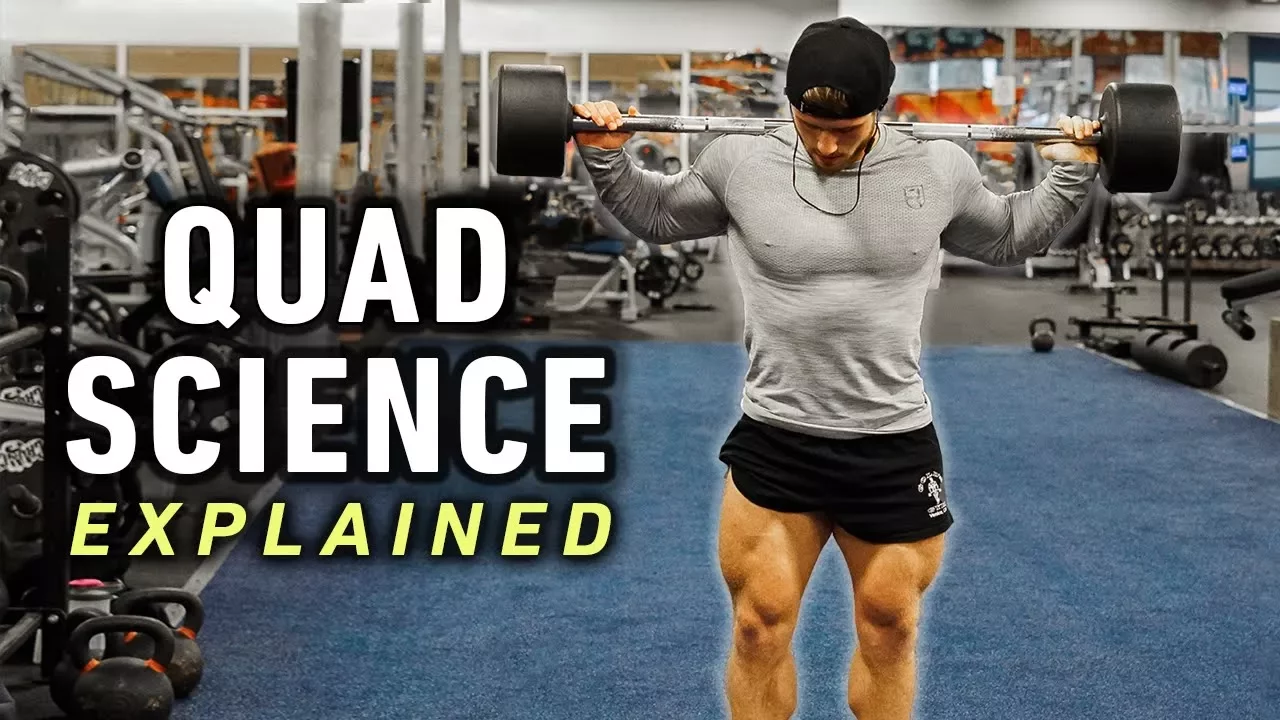
i think when it comes to muscle groups owning a well-developed muscular set of quads is the best way to earn widespread respect especially in fitness circles this is because not only do they create that highly revered x-frame look and the illusion of a smaller waist they also imply a strong work ethic with trainees skipping leg day being the butt of many jokes and memes but before we can cover the most effective way to train the quads for growth we need to cover their basic anatomy first the quadriceps femoris muscle or quads for short is composed
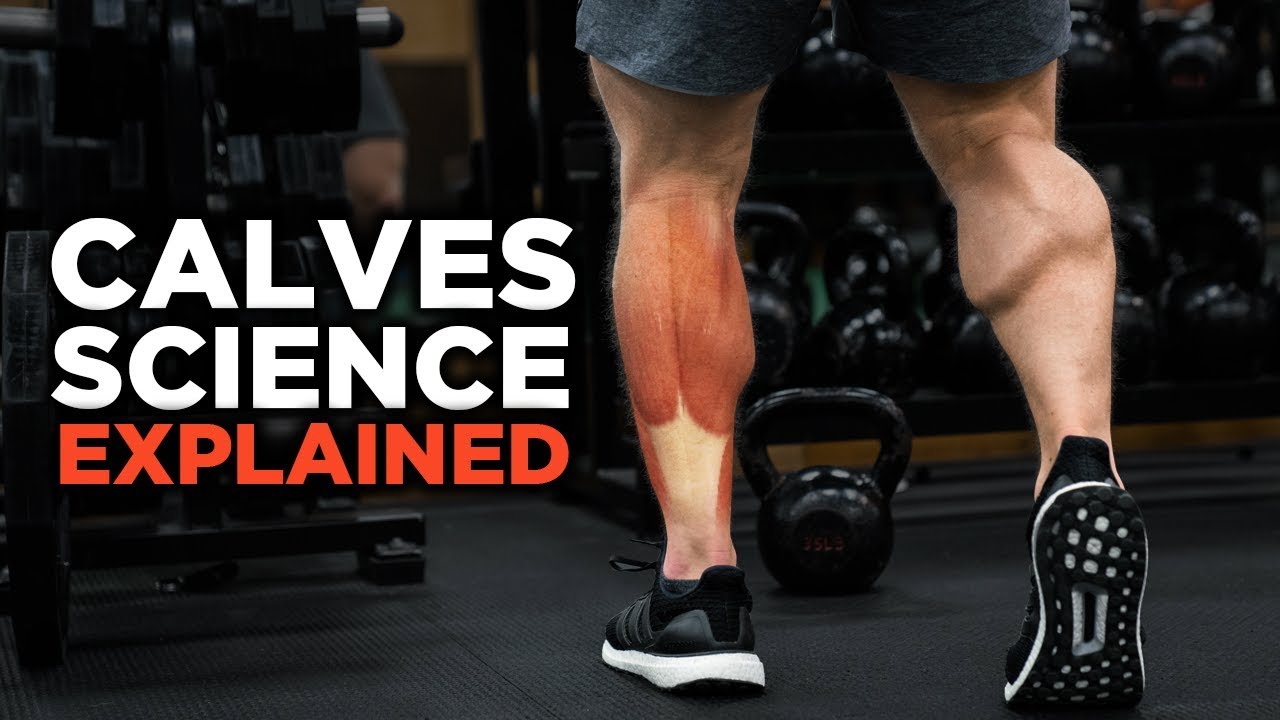
of four main muscles their names and form their anatomy so most laterally or outside is the vastus lateralis most medially or inside is the vastus medialis with the vastus intermedius sort of sitting in between the two these three muscles originate on the femur and ultimately insert on the tibia via the patellar tendon and they collectively function to extend the knee or straighten the leg like in a leg extension lying over top of these three is the beefy rectus femoris which functions to extend the knee as well but because it inserts higher up on the hip
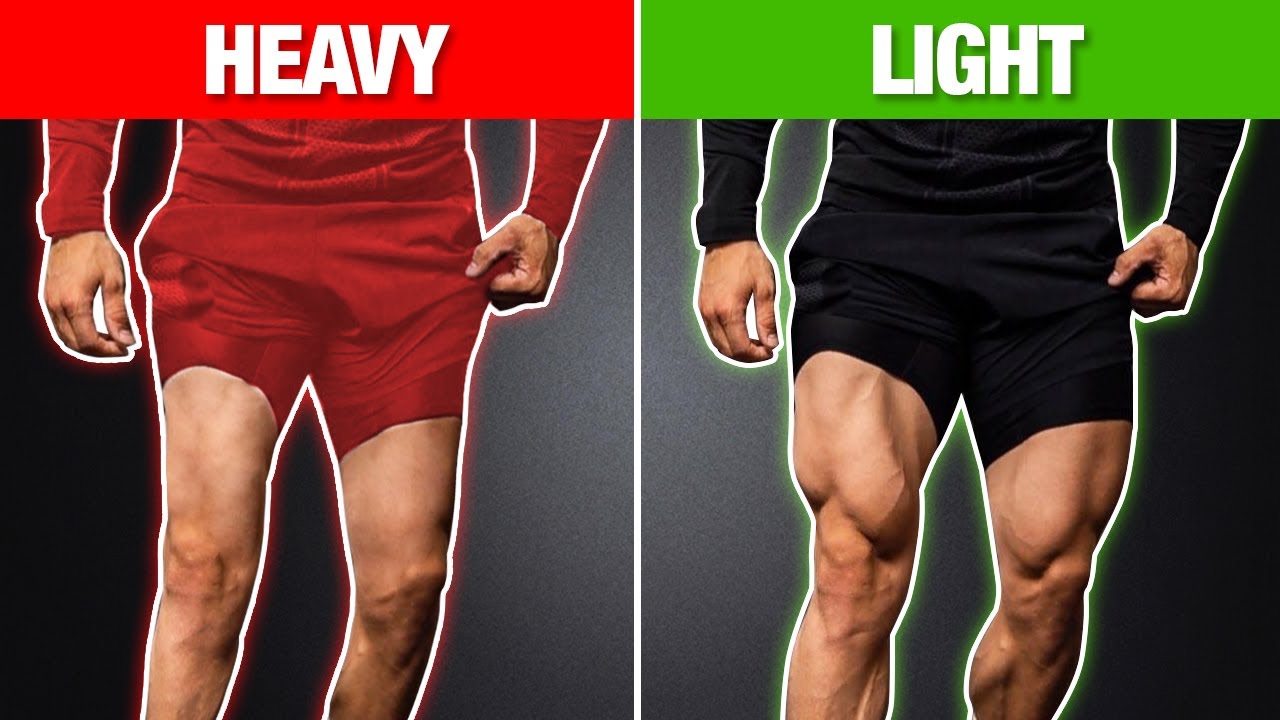
bone it also performs hip flexion making it a birticular muscle acting on two joints recent cateveric studies have identified smaller fifth and sixth muscles in this group but we won't focus on these the three vastus muscles are a pretty even split of type 1 and type 2 fibers indicating that a variety of high reps and low reps should be used and multiple studies indicate that the rectus femoris is more type 2 or fast twitch dominant meaning it may respond better to heavier loads if i could pick just one exercise for the quads it would be
the squat studies have repeatedly shown that while it may not be the best group builder the quads are very highly active in the squat and given its high potential for progressive overload and general strength development the squad is a staple front squats are often used to increase quad emphasis which makes sense biomechanically since torque requirement at the knee is greater due to the more upright lifting position additionally a 2016 study from contreras and colleagues found that vastus lateralis or outer sweep activation was about 21 percent greater during front squats than back squats to parallel furthermore
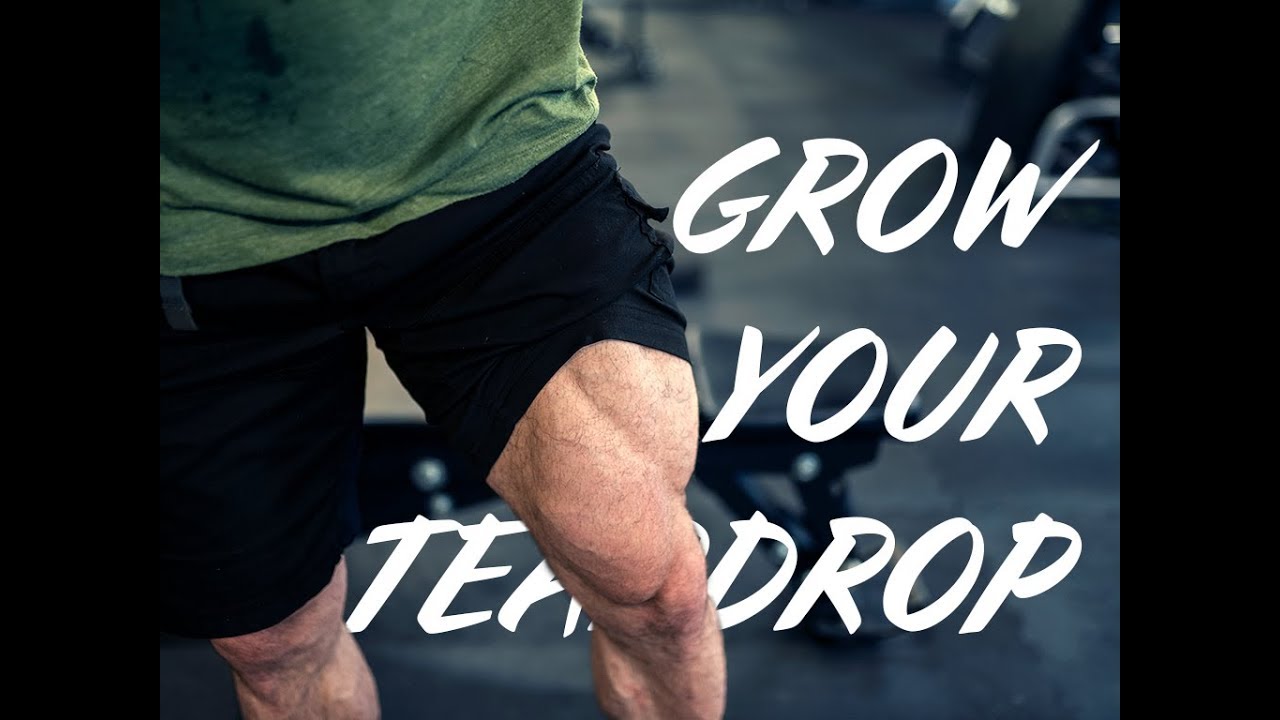
a 2015 study from javascitel showed greater vastus medialis or teardrop activation with a one rep max front squat than a one rep max back squat and since the front squat can achieve similar or perhaps greater activation with lighter loads than the back squat it could be ideal for those with knee problems since compressive forces are lower on the knee so what about squat depth well a 2013 study from bloomquist and colleagues compared quadriceps hypertrophy after 12 weeks of training with a shallow squat or a deep squat using mri they found that muscle cross-sectional area was
greater at every single site measured for the deep squat group and the shallow squat group didn't see any increase in size at all for four of the six quad sites the contrairus paper from earlier also hints toward quad activation increasing with increasing depth although it didn't reach statistical significance both peak and mean quad activation was higher with the full squat than the parallel squat but for all that i think looking at the research as a whole it seems that as long as you're going to at least parallel you're hitting the majority of your quad building
potential and i see ass to grass squats as a suggested but not mandatory technique for growth in short good advice is to squat as deeply as you comfortably can with good form based on your mobility and experience level so what about stance width well a 1998 study out of illinois state university showed that squats with 75 and 140 percent of shoulder width resulted in the same emg activation pattern across all heads of the quads two later studies in 2001 and 2009 respectively also showed no difference between one and two times shoulder width indicating that since
stance width doesn't affect quad activation you should squat with a stance that allows you to reach an appropriate depth comfortably and safely and this should extend to similar exercises such as the leg press and while the barbell squat is a well-researched tried-and-true favorite exercises like lunges and step-ups have shown very similar levels of activation to the squat with the step-up actually outperforming the squat for vastus lateralis or outer sweep activity in one 2009 study of course going off emg data alone the simple leg extension would be king especially for the rectus femoris muscle but since
its potential for progressive overload is much lower it should be added as an adjunct isolation exercise providing additional quad emphasis after performing a compound lift first interestingly two studies independently found that vastus lateralis or outer sweep activation was higher with the toes pointed in while rectus femoris activity was higher with the toes pointed out taken together it seems that vastus medialis or teardrop activation is similar with inward neutral and outward toe positions so if your goal is to develop an outer sweep pointing the toes in is smart but in practice you should use whatever foot
position allows you to feel the best mind muscle connection a common concern with leg extensions is risk of knee injury and while it's true that both shearing force and acl stress potential are high with this exercise dr brad schoenfeld states that the aforementioned factors should not have a detrimental effect on someone with healthy knee joints provided the exercise is performed properly and he could even make a case that it might help to maximally strengthen these structures to a greater extent than other exercises however leg extensions would be contraindicated for those with existing knee problems particularly
when they involve the acl strengthening the antagonistic hamstring muscles is also well advised for injury prevention when using this movement according to volume expert dr mike isrtel most trainees will respond optimally with 12 to 18 weekly sets including squat volume with volumes above 20 sets typically causing recovery issues for frequency his suggestion is 1.5 to 3 times per week with 1.5 denoting one very high volume session with one low volume mini session per week i personally find a two times per week frequency with one heavy day focused on strength development primarily in the four to
eight rep range and one higher volume light day with reps in the 8 to 20 range is practical for maximizing quad development for most so if you put these sounds scientific principles to practice with consistent effort a strong mindset and steady focus on strength progression an impressive set of quadriceps femoris muscles are waiting to be built all right what is going on everyone i just want to say thank you so much for watching the video before you guys click out just yet i have three quick items i'd like to get to first i have to
thank squarespace for sponsoring this video uh squarespace has been sponsoring a lot of the science explained content on this channel and i really appreciate that if you guys aren't aware squarespace is the website platform that i've been using for the last over two years now to run my online coaching business and it's also the platform i use to sell all of my standoff training programs and over the weekend i actually ran a black friday and cyber monday sale on all my programs and squarespace is just so simple and easy to use that it only took
me about 10 minutes to set the whole thing up so if you guys are looking to set up your own website or run your own online store squarespace is the service that i recommend and you can save ten percent off your first purchase by going to squarespace.com forward slash nipper and using the offer code nippered at checkout they have amazing beautiful designer custom templates and they also have 24 7 customer support so if you ever get stuck on anything you can just contact them and they'll help you out right away number two i've been getting
a lot of requests for a lower body specialization program but i'm not releasing that one just yet i do plan to release a full body program in january that'll include every body part and also i wanted to just allude to the fact that i know i made a big deal out of squats in this video and some of you may notice that i don't actually do a lot of squatting myself that's due to a previous injury and i didn't want to give the impression that you need to squat in order to build big quads there
are certainly other exercises you can use however if you are going to use say a hack squat or a leg press to sort of fill in that gap you also need to make sure that you're hitting the muscle groups that aren't being targeted quite as much with those exercises so one thing that comes to mind is the spinal erectors and kind of the posterior chain in general you get a lot of work for the posterior chain out of the squat not quite so much out of the leg press so you may want to add in
say a lower back extension or a barbell hip thrust or if you can dead lift definitely include a deadlift but i didn't want to give the impression that it was mandatory because i think for hypertrophy there really are no mandatory exercises that's going to conclude this video guys if you liked it please give me a thumbs up if you happen to be new don't forget to subscribe and i will see you guys next time