hello I'm Barbara O'Neal today we're tackling a topic that often gets a bad rrap cholesterol the popular belief is that cholesterol is bad but cholesterol plays essential roles in the body did you know that 70% of people have cholesterol levels that require attention to maintain Optimal Health we'll uncover its functions its impact on health and practical insights to help you manage cholesterol effectively I'm going to uncover the truth about cholesterol that will leave you in a state of disbelief so stay tuned as we uncover the truth about this crucial substance in our bodies so let's
have a look at cholesterol it's a good time to look at it because the liver makes cholesterol and by the way it makes cholesterol according to the demand our body puts on it and 80% of the cholesterol that the liver makes is made from glucose and 20% of the cholesterol that the liver makes is made from fat now this information tells us straight away it's not the butter on the bread it's the bread under the butter that's the problem and that's what Atkins found so let's have a look at cholesterol there are two main types
one is high density lipoprotein called HDL High dity lipoprotein and LDL HDL is usually called the good guy and the reason for that is it's the carrier so it carries excess cholesterol from the blood back into the liver that's why it's called the good guy LDL is called the bad guy but what you've got to remember is the body doesn't make anything bad it has a role so what is its role its role is that of a repairer and a Rebuilder so wherever there's damage you're going to find LDL because it's the repairer and the
Rebuilder but it it plays another role it delivers cholesterol to the brain because the brain loves cholesterol cholesterol to the brain now let me show you something briefly we're going to look at this in further detail later glucose burned s at four calories per gram a calorie is a unit of energy that's what glucose Burns at whereas fat Burns at 9 calories per gram can you see why the brain loves fat because fat is going to give more than twice the units of energy and our brain cells they're consuming fuel fast let's have a look
at the blood vessel and how the cholesterol works in the blood vessel because of its low density LDL is always on the edge because of its high density HDL is always in the middle Dr Natasha Campbell McBride who wrote the book put your heart in your mouth she spends the first four chapters of her book defining what damages the arterial wall see the arterial walls Al lined with little endothelium cells and chemicals damage them heavy metal damage them there's your mercuries also what damages them is mold and where where exposed to she defines the reason
why it's four chapters she defines all the different chemicals they're in toothpaste they're in food what's going to plug the holes up students cherol the LDL cholesterol that's its role that's its job so it comes along and it plugs up if it doesn't plug the hole up we would bleed into the tissues can you see that so like the Band-Aid but the person doesn't realize that the moldy house is killing them the person doesn't realize the 4,000 cigarettes sorry 4,000 chemicals that are in a cigarette so they keep smoking they don't realize the the danger
in their washing detergents in their toothpaste so can you see that it's still happening and they read an article that says no Mercury does not kill you at all well I haven't read the science you know it's a neurotoxin can you see what's happening something else is happening so all through the bloodstream we've got little molecules of protein when we're when a person is on a high carbohydrate diet releasing a lot of glucose into the blood the blood connect the glucose connects with the protein molecules and these little these little combinations become sticky and they
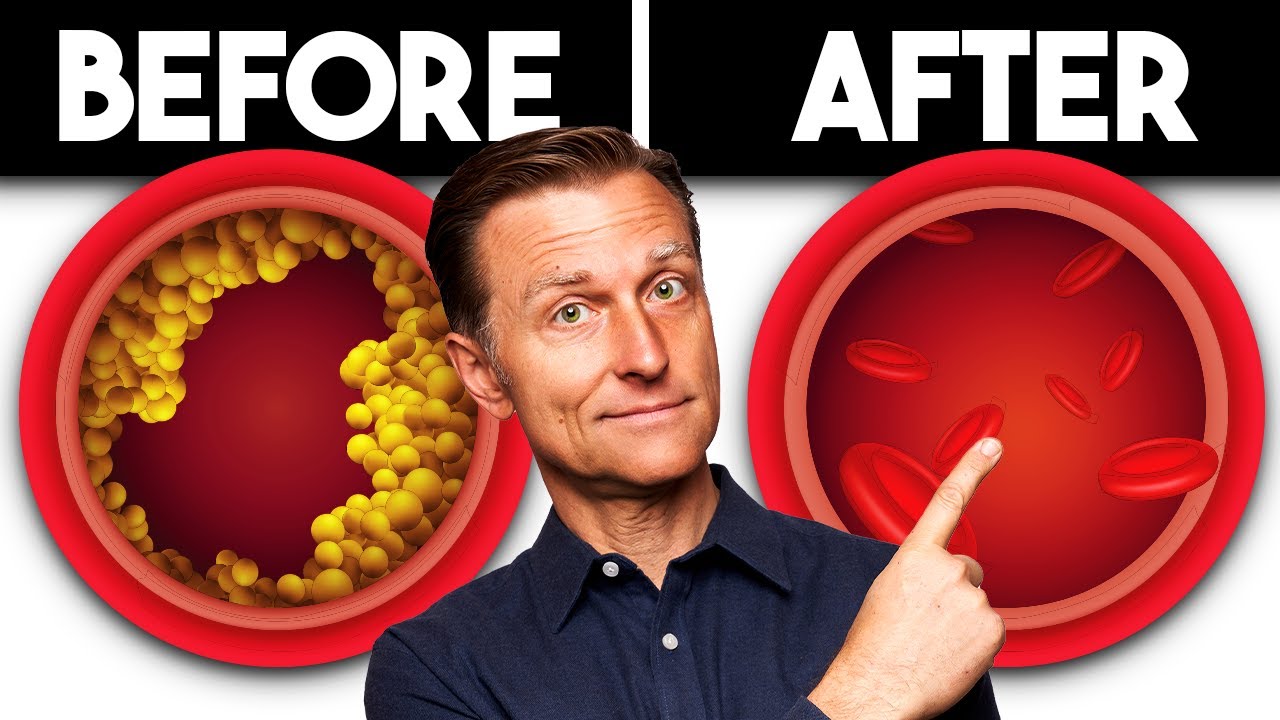
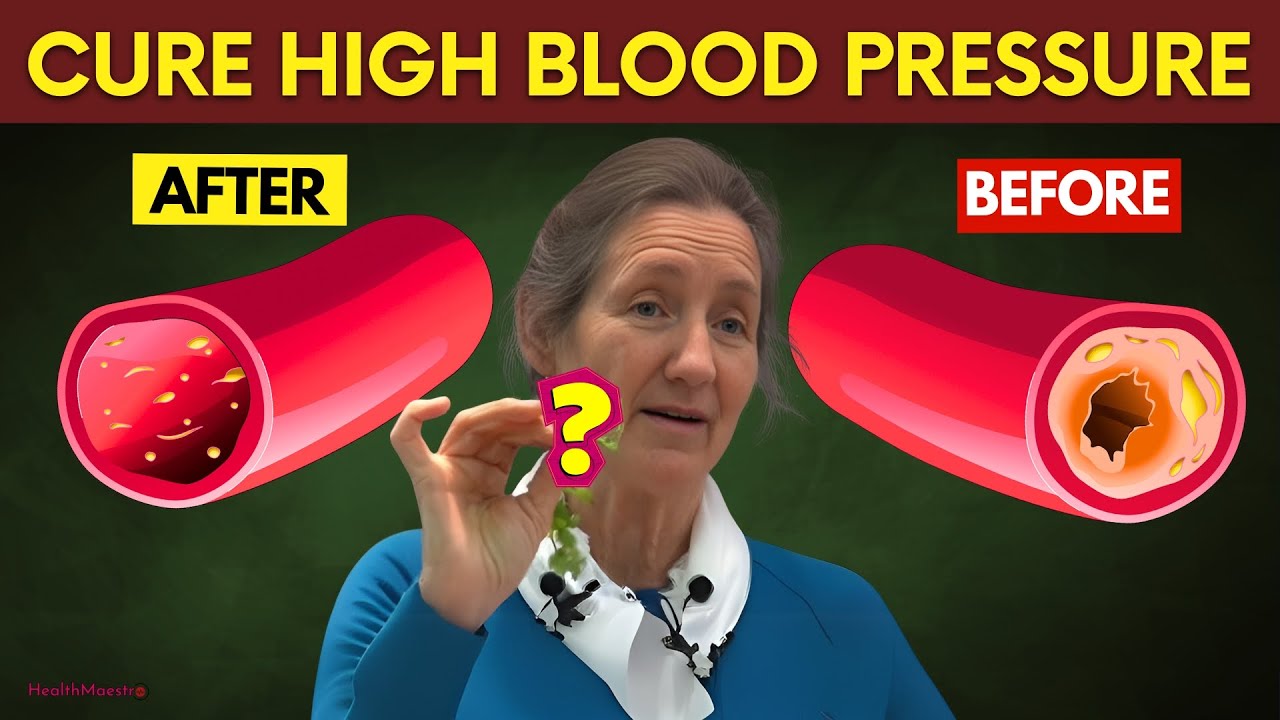
stick and let's say we've got a narrow piece here and they come along and oops they've caused a blockage that is the number one cause of heart disease that is the number one cause of a stroke these blockages caused by sticky combinations of glucose and protein molecules are the primary mechanism behind heart disease and strokes understanding cholesterol's role in this process is crucial HDL the good cholesterol acts as a scavenger transporting excess cholesterol from the bloodstream back to the liver for processing or excretion in contrast LDL often labeled as bad cholesterol facilitates repair but can
lead to plaque buildup if levels are excessive this plaque Narrows arteries reducing blood flow and increasing the risk of cardiovascular events illustrate I had a lady and a man attend my program s in New Zealand I think that was about uh 2 years ago they were in their early' 70s Tuesday night I spoke on heart disease where I revealed what's happening with cholesterol the truth on cholesterol they came to me on Thursday they said we we need to talk to you I said yes the man looked at his wife and she just had her head
down he said we're about to put my wife in age care he said she was leaving the iron on we we got to the point where we w't be able to handle her he said we came to your lecture and we heard what the cholesterol lowering medication does she's been on it for 10 years it was lipor there's a whole books written on the dangers of lipor he said so we stopped because they heard me say there will be a side effect to stopping lipor your memory will return so this is a drug a person
can be on 10 years and just stop the side effects will be beneficial he said to me it's been we're on our third day and he said I've got my wife back he said we we are not putting her we did not want to but he said it was getting so difficult and they both had tears in their eyes how many people are in aged camp with dementia and Alzheimer's and memory loss and it's the cholesterol lowering medication I I believe personally this Verge is on criminal especially when you hear what I'm about to say
it was probably 5 years ago now at Living Springs Retreat we had a scientist do our program with his wife who was a nutritionist they're both in their late 60s she's 69 she said I've been a nutritionist for 40 years so she said I was I was educated in University 40 years ago and she said 40 years ago we were told that a cholesterol level of 3 under was perfectly normal has the body changed no so can you see what medicine has done they've dropped the levels they now say that if you are over 190
you're a walking talking heart attack I have had people say that to me one girl was 30 her cholesterol levels were 192 and the doctor said you got to go on cholesterol lowering medication 30 this shift in medical guidelines has led to a widespread increase in the prescription of cholesterol lowering medications often without considering individual patient circumstances or potential side effects Statin such as Lipitor are among the most commonly prescribed drugs for reducing cholesterol while while they can effectively lower LDL levels they also come with a range of side effects including muscle pain liver damage
and cognitive issues like memory loss it's important to recognize that cholesterol itself is not inherently bad it plays vital roles in our bodies such as forming cell membranes producing hormones and aiding in digestion through bile acids the demonization of cholesterol has led many to overlook these crucial functions diet and lifestyle changes can have a significant impact on cholesterol levels and overall heart health reducing the intake of refined carbohydrates increasing physical activity and incorporating healthy fats from sources like avocados nuts and fish can help maintain balanced cholesterol levels without solely relying on medication education and personalized
Health Care approaches are key to addressing heart disease effectively uh a study was developed or buil or uh started I should say a study was started in the little town of framington in the little hwn of town of Framingham 30,000 people were assessed this has been going for 30 years they started it to prove that cholesterol causes heart disease but it hasn't it hasn't at all some people with low cholesterol levels are having heart attacks we had a lady from England do our program she said I had a heart attack recently and I had a
cholesterol level of 150 she said they did an angiogram my arteries were clear what happened there she was under great stress you know great stress can constrict the there are many factors that come into play as you probably can see but what this study showed the Framingham heart study that's what it's called it showed that people with high cholesterol levels don't get Alzheimer's why don't they get Alzheimer's cuz what does the brain love F fat so what's a good cholesterol level oh probably 200 250 so see what's happened they've gotten many people on cholesterol low
medication they've got everyone on the fat-free diet and because you're are you're not getting the feeling of satisfacation sat satiation or satisfaction when you eat the person eats huge amounts of carbs they've uh lowered the cholesterol level so they can get more people on cholesterol lowering medication and people are reading margarine are surely all of that has reduced heart disease no it's still the number one killer this continued focus on lowering cholesterol levels through medication and dietary restrictions has not addressed the root causes of heart disease effectively instead it has led to unintended consequences such
as increased consumption of carbohydrates and processed foods which can contribute to other health issues like obesity and diabetes it's essential to take a holistic approach to heart health considering factors like Stress Management regular exercise and a balanced diet rich in Whole Foods education and awareness are key enabling individuals to make informed decisions about their health and avoid unnecessary Reliance on medications that may have significant side effect effects the problem one has to ask why if the cholesterol levels are high Atkins found on his dietary program where the people are eing B creen butter cheese eggs
meat their cholesterol levels went down he found his patients with high triglyceride levels came down he was so excited about this he went into the medical journals to see if there was research to prove what he was Finding and there was in fact in the 1980s there was research that proved that dietary cholesterol cholesterol in the food had little or no effect on blood cholesterol levels Atkins found and this you might find this interesting he found that fiber was an essential nutrient these are the three Essentials fibers essential in what way is fiber essential our
gastrointestinal tract needs to be swept every day and it is fiber that sweeps it our gastrointestinal tract doesn't work without the movement if the sewage system slows down the whole body gets poisoned but it is in the fiber part of the food in your whole grain pastas whole grain Rices breads grains that's where most of your be vitamins are once you throw the fiber away you've thrown a lot of the essential vitamins Atkins also found that protein is an essential nutrient in what way is protein essential the membrane around every cell in your body is
50% protein do you remember yesterday I talked about the double helix strand of the DNA the crosswood bands are amino acids what are amino acids let me show you this is protein this is what protein looks like under a microscope in your gastrointestinal track enzymes break that protein down to peptides and polypeptides and then those peptides and polypeptides come down into your small intestine and enzymes from your pancreas break them down into amino acids only as amino acids can they be then absorbed out of your holot tube and into your blood and become part of
your body so basically protein is made up of amino acids I found it interesting when I read of Florence Nightingale that when she had very sick weak patients she would give them raw milk or beef tea what do raw milk or beef tea contain both contain protein in a very simple usable form your body cannot heal without protein on a low protein diet the body cannot heal I've had some very sick people come to our health Retreat who've been on raw food or fasting for a couple of years they haven't had enough protein to heal
so you know what I do I I blast them with protein my son James you know he's got arms like my thighs you know and he does bodybuilding and he does it only with natural food and he he actually trains quite a few people and James is like me you know very hard to put on weight he's worked very hard at these muscles here what does he eat a lot of protein every single meal has the protein you cannot build without the protein Atkins also found that fat is an essential nutrient you know what that
means we cannot function properly without it and the membrane around every cell in the body is 50% protein 50% fat the membrane around the nucleus the membrane around the ribosome the membrane around the little mitochondria all these little functions inside every cell in the body is 50% protein 50% fat does that make it pretty essential it does we need to be greased and oiled and every lady that comes here on a fat-free diet she's got a whole bag full of moisturizers cuz what's happening to her skin it's just drying out and it gets really dry
the moisturizers go on how does it feel half an hour later same and they say Barbara what do you put on your skin I say nothing nothing not a single scent do I spend on anything I put on my skin but you know what I eat a nice amount of f I'd rather do that I'd rather spend money on beautiful olive oil beautiful coconut oil top quality nuts and seeds chia seeds avocados I'd much rather do that I'd much rather my dollar go there [Music] cuz we like eating don't we the food should taste fantastic
and be of good quality if it is your hair will shine if it if it is the skin will work your eyes will see your ears will hear the whole of our body is an illustration of the integrity and the strength and the nutritional value of every cell and remember that's what we are just a bunch of cells that's why we have to heal from the C it is important to note that while dietary cholesterol has minimal impact on blood cholesterol levels the body still needs cholesterol for various functions cholesterol is essential for producing hormones
vitamin D and bile acids which help digest fat the liver produces most of the body's cholesterol and only a small portion comes from food therefore focusing on a balanced diet with healthy fats fiber and protein is crucial consuming natural unprocessed foods helps maintain healthy cholesterol levels and supports overall well-being reducing the risk of heart disease and other health issues because there's a lot of um really misinformation about cholesterol so with cholesterol 80% of the cholesterol that the liver makes is made from glucose and 20 % of the cholesterol that the body makes is made from
fat you see that equation it's not the butter on the bread it's the bread under the butter that's the problem and last night we looked at the dangers of Wheat and how when the heat when the wheat was hybridized in the 1950s It produced a type of wheat that is very difficult for the body to to handle now last last night we looked at how it gets the blood sugar level up higher than even sugar because of the type of starch that was cre created in the hybridization process and in a minute I'm going to
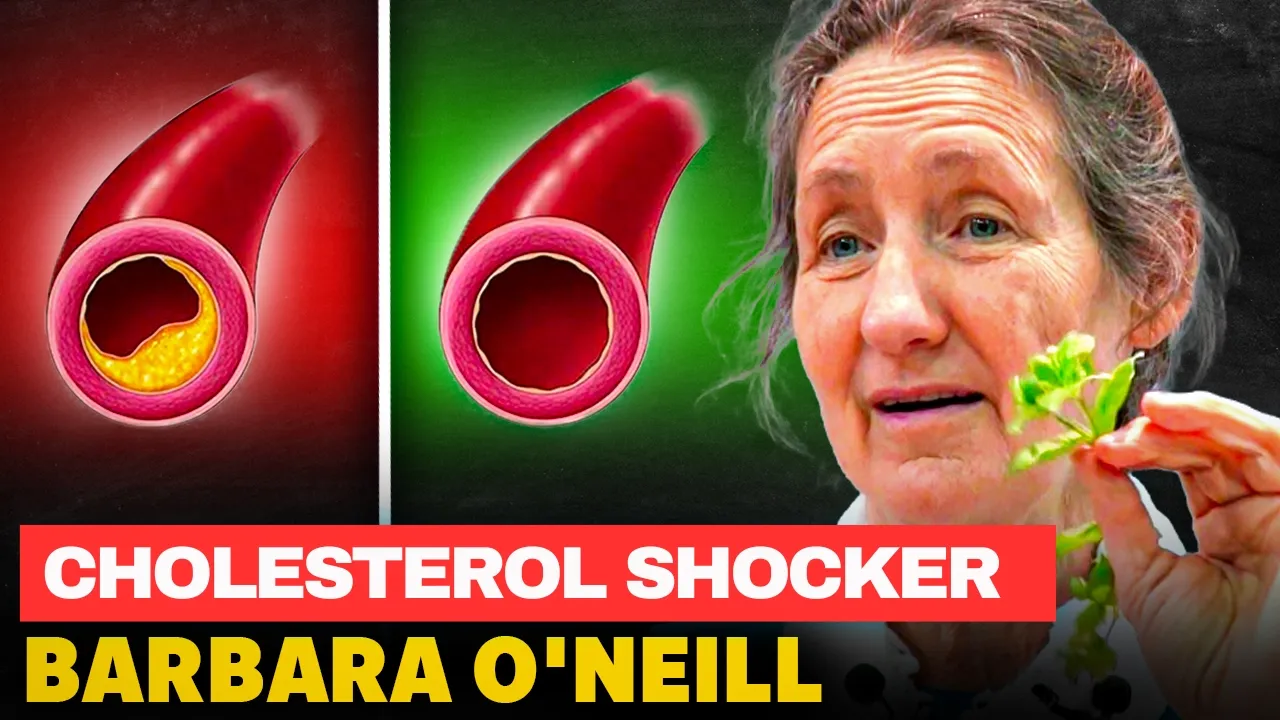
show you the gluten and how it actually affects the function of the heart but first of all we'll look at cholesterol now there are two types of cholesterol two main types there's high density lipoprotein called LD HDL and LDL is the low density lipoprotein so let me draw a a uh heart vessel here and show you what's happening in the heart because HDL and LDL they're like the maintenance team on the on the blood vessels in the body and hdl's role is to carry away excess cholesterol so it's called the carrier whereas LDL it's the
repairer and the Rebuilder that's its role in the body so when you consider that LDL is the repairer and the Rebuilder where are you going to find LDL you'll find LDL wherever there's a need for repair wherever there's a need for rebuilding so the two different types of cholesterol are high density lipoprotein HDL and low density lipoprotein because of its low density LDL is always found on the edge of the blood vessel and because of its high density high density lipoprotein is always found in the middle that's where you'll find the two different types of
cholesterol now let's say a person is a smoker 4,000 chemicals in one cigarette and that can cause damage in the arterial wall so the chemicals and cigarettes can cause a hole in the arterial wall uh Mercury it's a neurotoxin it can cause a hole to be made in the arterial wall yeast or mold in the blood can cause a hole to be made in the wall and if the person's on a high wheat high sugar high alcohol diet feeding the yeast can you see what's happening what's going to plug up the hole in the arterial
wall LDL LDL plugs it up remember what LDL is the repairer and the Rebuilder it'll plug up the hole that's what it does now what's supposed to happen is the person supposed to stop smoking the person's supposed to get out of the moldy house the person's supposed to uh get the Mercury fillings out of their mouth or instead of having tuner and salad for lunch they have uh hummus or lentil burgers and salad for lunch the person's supposed to stop smoking and drinking and high wheat high sugar and at the same time that's a person's
supposed to be eating highly nourishing food so where's your fiber all your plant food plant-based have fiber your whole food where's your protein your protein is found in your legumes your your lentils chickpeas limma beans tofu only if it's organic nuts and seeds and where's your fats your nuts and your seeds and also your coconut oils your olive oils when a person is eating those nutrients the body can heal the whole can you see that all those nutrients basically are all the building materials that the body needs to heal the whole and then HDL comes
along and takes away the excess cholesterol can you see how these two work together maintaining a healthy balance of cholesterol is essential lifestyle choices like eating a diet rich in fruits vegetables whole grains and healthy fats can boost HDL levels and lower LDL levels thereby supporting heart health regular physical activity and avoiding smoking also play significant roles in managing cholesterol and promoting cardiovascular well-being thanks for joining me today as we explore the importance of cholesterol for our health I hope you found these insights useful for your journey to Better Health if you have any questions
or need more information drop a comment below I'm eager to hear from you don't forget to hit the like button subscribe to our channel for more health tips and check out our other videos for even more ways to live a vibrant and fulfilling life [Music]