Oh man I'm going to get myself in trouble but like I mean I love science it's not just a a you know a margin of error it's it's an actual like big change that you could see in terms of their performance for I'm a science guy I love physiology I love biology I love uh the physics of movement I love all of it um I love Anatomy believe it or not um I think that the direction that science has taken lately Has gotten to the point where it's like show me a study so like nothing
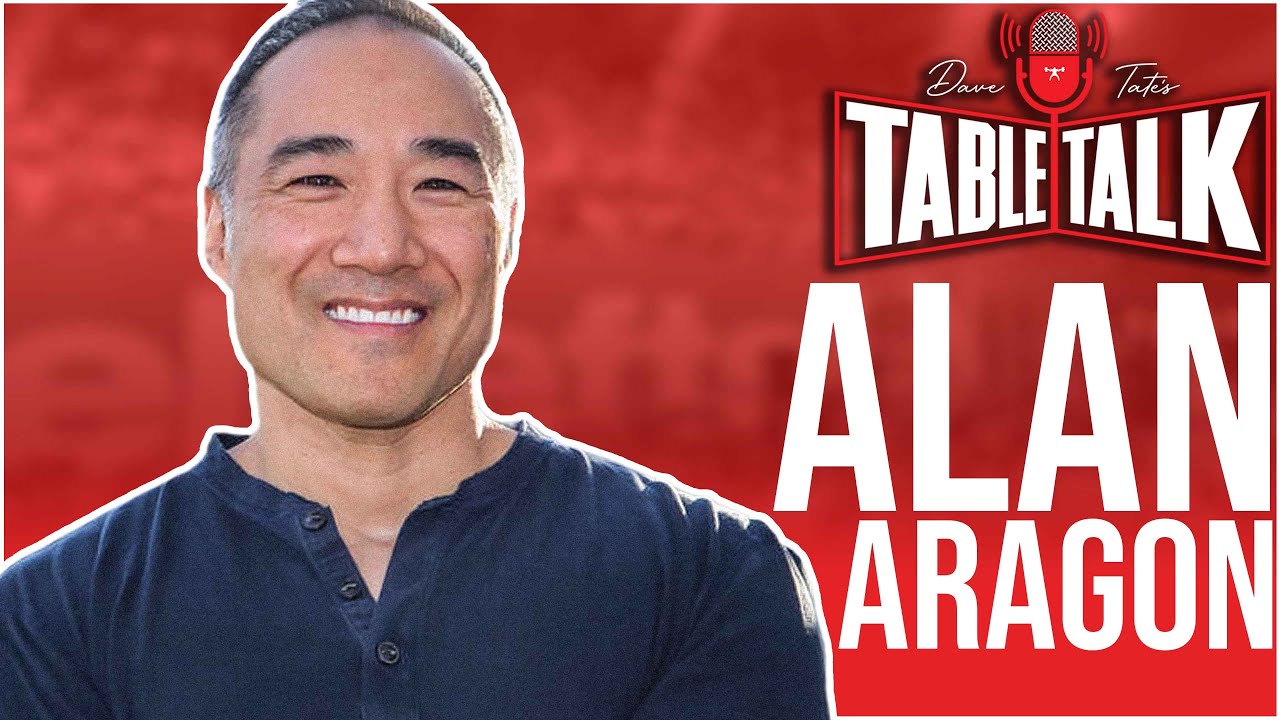
can be nothing can be experiential nothing can come from the application of the science now it has to come from the study that proves that that [Applause] [Music] happened it's time to sit down keep it real and cut the [ __ ] welcome to table talk all right what's up guys we're back With another episode of table talk this is a remote episode with athleen X Jeff Cavalier I came out to help with one of your events what's the name of this event a x live athleen X live which I want to thank you for
bringing me out it was a good time appreciate um different demographic than I'm used to working with but it was it was fun it was good I liked it um I want to start with your or your background but I don't want to go too deep into that because it's kind of Easy to find so you have a master's degree Y in physical therapy what prompted that um actually inspiration from my sister I uh my father's a medical doctor and I always sort of had the idea that I wanted to be in sort of some
healthcare to be able to serve people but uh I went down the Premed path went to Yukon went through all the Premed courses and got up to the point where I took the MCAT and walked out Midway through the MCAT and called my sister and said I don't know what the [ __ ] I'm doing here like I I don't know I think I'm bombing this test right now and she said well that's what happens when you don't study I thought I could just walk in and take it so I went up going out and
and finishing the test and not doing badly on it I'm probably doing okay but realizing like why am I why am I pursuing this because it's because my dad did this MH She was a physical therapist and she was at Yukon where I went one year ahead of me and I said you know I like what she's doing and I could take in a different direction I don't have to stay like in the orthopedic app patient I could actually maybe work with athletes and if I had gone down the medical route I was going to
do orthopedic surgery or something and I just saw that as too long of a path to get to where I wanted to actually start being with people and Working with people so I said that's it I'm done I'm going to just go do pt I applied and I got in and and uh it started seven days after I graduated I had to go right back into summer school and started the whole path towards physical therapy so what started your interest in Fitness though that had to start sooner work out oh man more inspiration my brother
my brother was what had worked out and um he always bought all the magazines he bought all The you know the the latest equipment and I couldn't be any less interested I hated training hated it and I started playing sports in high school I was always a little bit athletically natural gifted and um so I just played football because that was what I wanted to do physical you know for physicality and I uh I competed the first year did well I got named the got in the honor of actually suiting up for Varsity but I
went and I attended a practice I got Knocked on my ass so bad by one of the seniors like was proven a point and I realized I got I gotta do something like I can't just show up anymore you know it becomes more serious and because I thought I might have had a chance to actually play well I had to do something so so my father bought me one of those old uh Omni Fitness machines you know like just a a seated bench press with a Lap pull down on it leg extension and uh most
people get the cement plates yeah Yeah I no I got that because he thought that was going to convince me to actually start doing something and it sat there unused for months and months and months and months and I never used it and finally uh it was Thanksgiving day that was the culmination of that freshman year get a chance to suit up we played our cross town rival and uh we beat him in a big upset they were they were perennial state champions and we were Not not not that and we beat him and I
was so pumped up about that just to be participating in it on in the environment on the sidelines came home Dave I never looked back like I I started working out because I knew I had to do it and the bug bit me once I started to see results from actually training and I never wanted to not train anymore and it became part of my lifestyle where I started to Eat Right started to see Better results because I was eating right finally um got consistent for the first time with it saw better results because of
that so all these these feedback mechanisms I had in place that were making it you know making me feel even more sure about this decision kept me on that path and and and you know moving towards Fitness and of course just being athletic and liking Athletics um when I decided to do pt I knew that I can I could work with people who are Athletes I could work with did the training become a bigger passion than what the sport was um yeah yeah because it was uh aesthetically probably serving a separate goal for me I
was pretty skinny um didn't get much girl attention back then in high school you I think we're all motivated at some point by like looking better getting the ABS so did it help it did it did you know I was one of the only guys that had abs and kind of you know I was always lean so I Had you know more that RI muscle look and if I had a tank top on but you know those are the the stages that we go through but um I always did though have an appreciation for beyond
the Aesthetics I knew that ultimately what's the goal of this you know and knowing that I could perform better in whatever sport I did if I dedicated more time to the training aspect and preparation of it gave me more of a purpose than just that so it was it Became less about the look and more about feeling better moving better how did that change when you were in college so in college um when I decide I again I think educationally when I started to do all that medical uh um curriculum you become just more more
knowledgeable about the body you know in all different ways and all of it always fascinated me like that biology always fascinated me hate mathematics hate history but biology was Something I really took to and so the fascination with how the body worked and I remember taking a course in endocrinology and it was like a a curriculum requirement but man I loved it I loved how the interplay of of hormones and how they fed off of each other to me the body is one of the most fascinating things in the world how does it work how
who set this thing up this machine up you know so I I was so into that that the training part became more Intricate too like I started to care more about how you move when you're training what adaptations you can make to an exercise to make it tweak you know slightly differently feel it slightly differently became like a very much like a scientist of my own movement and that was sort of a natural precursor than when I learned about physical therapy where you're learning about muscles and joints and tendons and when they get injured like
how does it all affect your Training so it really started to feed it more like I and feed it in a in a way that I think would ultimately lead to where I am now where I wanted to do more of this side of it you know um so just increased in interest with with a with a little bit more science behind it so then after you got your degree what did you do then so after I I graduated I I actually wanted to start like a a a training program for for golf because I
was I loved golf I played golf my whole My whole life and um and I was a big believer in in Fitness for golf cuz that was when things were starting to move like TPI and the Titleist you know perform that wasn't even existence that and I was like God you people who play golf really do just show to the course A lot of times they don't even they don't stretch they don't do anything they'll take the club Put it around their back and do this a couple times and we'll go like it does it
requires you get into Some pretty unique positions and have some good flexibility in your shoulders and your hips and I I felt like you know this is something that could Ben benefit from actually physically preparing for it and uh I wanted to go in that direction so I actually approached a friend of mine who who's a golf pro at a a local course we set up a little program and I started to do that and then I went and I worked in Orthopedic outpatient Physical Therapy knowing that That was never going to be my destiny
like I went there and took a part-time job from day one so I can leave two days free to do the other stuff I wanted to do and so how was that because most of the people there don't want to be there um in terms of working with the patients yes because I've been there you know just for my own because you have to like check off three of them and I just watch what the other people are doing and they're screaming and crying and Bitching and complaining and so um I wonder what it's like
to be on the other side of that frustrating you know one of the things I was just a joke people with is like I'd see people we'd rehab whatever the injury might be they go home and you see them six months later right they come back same thing you said what happened you were doing you were doing good well that's exactly it I was doing great so I stopped doing The exercises it's like that was what was making you feel great realize right like it it wasn't just supposed to end when you got discharged it's
supposed to continue yeah and to me you know whether you're injured or you're feeling great I mean physical therapy is just you could take it in whatever Direction you want you could work with people on the very low level of that Spectrum where they're just injured right out of post operative care right or you can be at the high Level where you're transitioning right back to the field again if you're even at the highest level of pro spores I always wanted the other side of it because I I still like to be able to do
things in the performance element um I'm actually I would say I don't I don't think I'm a very good physical therapist postoperative I don't have much experience there at all never interested me that much I could tell you the protocols and I could tell you what to Do but that that never was as fulfilling to me as getting back into doing something performance get back to what you used to do how did that lead into being with the Mets so interestingly again I'm a I'm a I've always been a grinder I've always been a little
bit of a you know of a worker which contrasting with my childhood when I don't want to do [ __ ] I was a very lazy kid you know I was a third of three I didn't want to do too much work around the house used to Frustrate my grandfather a lot who I liveed with but I uh I I found a work ethic at the right time and I just would do anything I could to to put myself in a better position and the guy who ran the clinic that I worked at he hosted
a uh a group athletic like for for uh for youth youth baseball players 12 years you know 12u and a and so he would run a a conditioning course for them a few nights a week uh strength and conditioning but mostly conditioning and My job was as a helper was to drive up there which is about about 35 40 minutes away after work go set the whole course up take them through the course break it all down come home I did that for 20 bucks so you know it's probably round trip three or four hours
but one night when I was there I just thought I was gaining experience and I was okay with that and one night when I was there I heard someone in the cages hitting away like a batting cage in the in the in the Facility and only I would recognize him because he was not like a starting baseball player but he was a bench player for New York Mets and his name was Mark Johnson who I loved you know just one of my good friends and he he came up to me says do you do what
you're doing for them for like individuals and of course I'm like I was the biggest Met fan in the world nobody was a bigger Met fan I I would have if if they lost a game I would be miserable until 7 o' the Next night cuz I needed a chance to just get back to feeling better about it again and this is like game seven of 162 game schedule so he was there I was like holy [ __ ] yeah I'll do it for you no problem so I started training him and I trained with
him that whole season and he wound up becoming uh one of the best pitch hitters in baseball that year coming off the bench and of course he was happy about that and uh he invited me down to go meet their strength coach Who at the time was Barry Hayden who had been with the Mets for a while and then he was just leaving the Mets to go start his own business and and that was a little bit of a bummer because I was a little bit interested in kind of being with the Mets and now
he's kind of leaving that world and uh I started working with him and we're training different people and you know we were in Greenwich Connecticut which is kind of this Wealthy area where everybody you know seeks out they want to get the former met coach and all stuff like that so they're they're training he was training some pretty important people but he he wanted to train the athletes that he that he was working with off season and he wound up introducing me like giving me the clients that he didn't necessarily want to train and I
wanted to train with the guy the players I actually embarrassed myself so Badly one day training the players because I was so nervous about finally getting the chance to work with them that I was demonstrating a a ladder drill and I wanted to take them through some quick foot work and then I did some jumping through the ladder and I was like just jump two squares and I got a little eager and I jumped three squares and I hit my my foot on the third rung and they were the the rolling lers straight out fell
flat on my back he Goes you want me to do that is what the guy said to me I was like no not quite that but I want to you know kind of getting more of the non-athletes not because of that performance but just because this is who he wanted to he wanted to work with and that guy that I that I uh wound up training was actually a close friend of the owner of the New York Mets and I went up training him and doing a really good job with him and he said and
we became friends and he Invited me to a party one night and he said just you know come on the party and he said I want to introduce you to somebody this is the owner of the New York Mets Jeff wion at the time and I said hey nice to meet you he goes you know what he goes Barry talks so much about you and he said that you uh you're a physical therapist right I said yeah he goes our physical therapist just left for the uh Texas Rangers he goes uh to become a strength
coach he said would You have any interest at all I was like sign me up you know and uh and that's how it started I got invited to a mini camp and uh went down to mini camp I had to kind of like audition happened like two weeks after that conversation and then I played the waiting game I had to wait until about three days before spring training I got the call and I was told that I was going to be hired how long were you there three seasons 2006 seven and eight and what were
some of The takeaways from being there um because you went in sort of green I went in very green you know the the the typical path to Major League Baseball is not my path and I'm incredibly fortunate for that that that that opportunity that I got um the first thing that I got was a a cure for my fandom because that went away instantly like and it was the healthiest thing that ever happened to me because I probably would have a Stroke if I was contining to just watch that games as a fan uh I
learned right off the bat that these guys are yes being paid for what they do but they're trying really hard and I know a lot of us as on the other side of the TV go this guy's a bum he's not trying this guy sucks he you know they're they're men just like us and they're trying their best to perform every time they get an opportunity and sometimes it just doesn't work out you Know and even the best hitters fail seven times out of 10 and it just doesn't work out and becoming you know personally
friendly with them and knowing what their passion was for what they do just never did I care anymore about the wins and losses as much as like the effort that they put forth and making sure that I could show up for them every single day and give them the best I could um so that was huge for me because honestly like Literally in my now post Mets life I can watch any game and not get you know have my heart Raks up to over 100 you know get minut whatever so it's like I I found
that to be number one number two there are there is such a thing as a gifted person right yeah like I'm sure you've seen it quite often in every realm of of athleticism they're gifted they're gifted athletes and they are naturally gifted and things just could become easy to them and even when I Would train some of these guys or work with some of them I could ask them to do something novel that they've never done before and I know they never did it before and it looked a hell of a lot different than like
the average guy you asked to do it right just mechanically they move different it's just easier they're more coordinated they pick things up easier and faster I actually enjoyed that part of it because I felt like I could keep throwing things at Them which challenged me to continue to raise the challenge to taught me how to continue to raise the challenge not that I don't like to work with people who struggle with things to get them through the struggle but for me it made me have to be faster on my feet to keep learning new
things cuz they can master your [ __ ] really quick MH and when they did then what you know and you had to keep pushing them so I think that was that was interesting and then also Like just another Revelation for me was like despite the fact that these guys are athletes despite the fact that they're getting paid millions of dollars uh you know they still have aesthetic goals and I would try to steer the conversation towards performance all the time but ultimately like there was there's still an appeal just as guys who want to
look good towards aesthetic goals and I never thought that that Would be the case because you've seen a lot of athletes look the greatest but um so a proper training program that the trains athletes as we were talking about this before like you certainly could develop an aesthetic physique by training athletically right you're training explosively you're training with weights you're getting stronger you're building muscle right all this serves you so my biggest job was probably trying to Convince people that it's okay you're still going to look good but we really got to focus on you
know first and foremost your performance because that's ultimately what got them their paycheck you know they could look amazing they could lift up their shirt and have a six-pack but they're B in 091 they're GNA be on the bench and ultimately out of a job do the majority of them actually want to train H um you know we had a good group we had a good group and A lot of it was because when I joined the team the head strength coach which was uh Rick slate who had been he's a super successful strength coach
he's gone from Florida State to New York Mets or actually Florida Marlins won a championship New York Mets and now he's with the Vegas Raiders so he's actually been able to go back to uh football he he got them locked and loaded man like he he he got them there is a system in place not overwhelming I Think that's part of the reason why the adoption was so high it wasn't overwhelming he wanted three quality workouts per week show up you know care if you're in the road he went in the shower a few times
and pulled him out of the shower time to do it well I was going to ask how's that work when you have so many games it's hard it's hard yeah there's a lot of balance it's hard I mean you we know That the priority is what they do on the field but we also know that if we allow them to miss their maintenance workouts and their work during the season it's not gonna it's going to continue to deteriorate performance will deteriorate over the year you can't just work yourself up to get ready for the season
then allow it to all go away we would try to have them continue to sort of like at least keep the loads heavier so that we can we can kind of maintain Their strength but cut way down on volume I mean baseball is a volume sport it's not even just the two and a half hour games or three hour games but it's all the time in the cage beforehand like the tons and tons of swings that they take beforehand and then you know getting on a a plane to go to the next city at 1:30
in the morning and then getting up at seven and going and playing a game for for a Day game or even earlier than that It's a recovery based Port so the job was never to just trash them in in the weight room but because we respected the player that way and I think it's a really important um you need to respect what it is that the player is going to be making their living doing and not trying to like put your own agenda in place and saying but I want them to be the strongest guys
and I want them to be the you respect them they respect you and we Would just get those those those solid workouts each week those you know three times per week they give it to you more than you think and they and they liked it because they know they felt better doing it and by not by not trashing them in those workouts with whatever like I said whatever goals you might have for them um that are that are not necessary they respected your judgment and they adopted the program and when they adopted the program they
they uh they Were in what were some of the reoccurring issues that you had to deal with contend with is a physical therapist um so it depends on you know a lot of the guys the position players you're looking at like knee issues um abdominal issues you in terms of strains uh from swinging all the rotation pitchers are obviously elbow shoulders if if they got to the point where they blow their elbow out then they be they become uh uh IR candidates and then they Just they're they're off and getting surgery or they not a
rehab in in the minor leagues but the maintenance stuff the maintenance work W was very much arm related um but you know normal quad strains hamstring Str hamstring strange we went through a little bit of a of a like streak there for a while we actually did pretty well for our team but the league was definitely going through a streak and I could tell you uh My role as the assistant strength coach to to Rick the first time anything is muscle related they point right oh yeah oh my God we own that we owned all
the it doesn't matter what it was could be the guy was up drinking all night the night before completely blasted no totally dehydrated Day game the next day but if you had a hamstring strain they're pointing they're pointing at you um so we own we own those injuries but as a PT also I kind of own some of the the shoulder elbow stuff too because that's where we SED draw drew the line you know the shoulder elbow stuff was for the athletic Trainers for the pitchers and then the lower body stuff was pretty much so
how do you manage that because I'm just thinking of overuse yeah right because it's you can train it but do you want to train it because it's already overused to begin with yeah so it's how do you manage that it it was Like I said very low volume uh workouts for 20 minutes 25 minutes often times so guys either worked out after the game or they worked out before the game quite early in the day I'd say the guys that were most serious about training did it when they arrived at the park so 2 o'clock
or whatever they were they they were better at managing fatigue and better at managing volumes and like they usually they they they Were kind of locked in I'd say we would we would we'd keep it pretty simple to like Push Pull legs if we can get the leg workout in that was the most important for us honestly because we found that guy legs got the weakest throughout the season and what happened is if they skipped two or three leg workouts along the way like in succession when they went back to train legs they're sore and
then they want to play they didn't want to do it again Because it was it was impacting their play so we had to be very consistent with the leg training but again we be squat them like we're not we're not going to back squat them with with heavy weight there we bare squat them um we do step UPS we do lunges heavier Lun dumbbell lunches right like anything we could to try to like pick variations of the exercises that could in and of itself be a little bit less demanding even neurologically yeah so the systemic
Fatigue you're trying to manage yeah totally and at the same time just you know still tax them enough to to get a benefit from their strength maintenance M um and then as far as upper body work you know that that we would cut back on that even a little bit more because they get a lot of upper body work in terms of overuse from all the swing you know all the bat work so yeah I mean we we push a pedal where we could and we and we and we pump the gas more more often
than That so where did you move on to after that so after the I actually uh soon after started aan X um and what what inspired that because you started that 14 years ago how long ago was that a long time ago that was 2009 yeah so before influencers were influencers that's right yeah there wer there there aren't many left from back then I feel old sometimes when I think about the guys that were around back then um there's not many Left uh I was I always knew that the internet was a place that could
do phenomenal things for somebody who had a message to to to uh share because it could reach so many more people than I could in a neighborhood location like in a gym or something nearby where I'm I'm constrained by the number of times are you looking to boost recovery enhance your sex drive and improve performance in the gym do you think your hormones are out of whack and you're Tired of getting the runaround from your doctor you know things like your hormones are just fine stop lifting heavy weights etc etc etc I know what that
feels like as I been down that road most of my life this is why we've partnered with mer Health mer health is a premium tah Health platform that specializes in hormone optimization and preventative medicine ensuring a better quality of life mer Health offers a tabl talk panel tailored For our listeners featuring comprehensive tests like total and free testosterone sensitive estradi and advanced markers like lipoprotein a and igf1 these comprehensive panels of up to 84 carefully selected biomarkers allow you to identify areas of enhancement and maximize your physical cognitive and sexual performance it's much different than
the panels you may get from your doctor choose between self-service options where you can select lab panel Chann based upon Decades of experience are opt for guided optimization with your own health coach start with a detailed breakdown of your labs and receive personalized treatment options both over the- counter and prescription visit mer health.com SLT talk and use the code tabl talk to get 10% off your first order mer Health isn't just about Better Health it's about empowering you to take control of your well-being Summers here In so the heat I've spent most my life training
in unconditioned gyms and I know most you that are training in garage gyms private gyms black Iron gyms know what I'm talking about when I say the Heat sucks it kills your motivation to go to the gym it kills your performance but it doesn't have to if you keep your electrolytes up that's why today's episode is sponsored by element element is a tasty electrolyte drink with everything you need and nothing you Don't this means lots of salt with none of the junk no sugar no colors no artificial ingredients no gluten no fillers no BS it
contains an electrolyte ratio of 1,000 mg of sodium 200 Mig of potassium and 60 mg of magnesium element can help prevent and eliminate headaches muscle cramps fatigue brain fog sleeplessness and other common symptoms associated with electrolyte defici icy right now element is offering a free sample pack with any drink mix purchase Get yours at drink element.com this deal is only available through the tabl talk link hours I have in a day or the number of people that could see me or book an appointment so that always appealed to me um but YouTube wasn't really necessarily
the vehicle I was I was thinking you know I just I just thought what could I do I set up a website and I could I could share you know tutorials or blogs or write stuff but ultimately someone I knew who was using YouTube They said dude you got to do YouTube you have to you have to do YouTube so um I started with baseball videos over there and when I put up my first few videos I mean you know we got some baseball audience involved but I I felt like I was a little bit
tired of just baseball I heard the national anthem more times than any other song in my life and you know being able to take what I thought I knew as a physical therapist and just overall in terms of helping people to Feel and move better it didn't have to be limited to just the skill of baseball so I made a few videos on there and quickly decided like I don't I don't uh I don't want to limit myself to just that so I decide what could I do to create a brand I wanted to create
a brand um so was there a strategy at that time it became a strategy then yeah it became a strategy then where I wanted to create a brand I I didn't just want to be Jeff Cavalier it turned into Basically sometimes people use this interchangeably when I meet people like oh there's Mr athle X there's athl X like they call me that as opposed to my name but I ultimately thought that that that one day when I'm old and rickety I can't move anymore uh your Jeff Cavalier the trainer may not be able to do
the things he once was so having a brand would probably be a wiser option and coming up with that name was just sort of blending the concept ceps of being Athletic and lean you know being able to not be the biggest guy in the gym not be the strongest guy in the gym but be able to do a lot of things well and in the process give people an opportunity who weren't necessarily athletic the feeling of being able to think maybe I can be more athletic than I am right now or who weren't necessarily into
lifting or excited about lifting might become interested because they see something that they had Seen before they want to try right like just get people curious about it and so I started make different different videos and though my first series was an AB an AB series you know like a progression of like 10 weeks of training and all that for which I just told somebody earlier today at this event that um I wore my shirt for the whole thing and the reason why I did was because I was modest believe it or not and a
little embarrassed and I thought I'm going to have to show up at in front of a general manager again I'm going to have to walk into a team and to see the owner I don't want to think go who's who's this guy again you're bringing in here and then they Google it and they see this guy with his shirt on doing all so I was very self-conscious about that and a friend of mine said to me he like dude I know but you if you've got it you should show it and it makes people it
makes it easier for people to see Because you're you're like an anatomy chart people able to see what you're talking about and I think I was able to buy that a little bit because I was like you know I think that is actually true if you can see it working I hav preached that I tell guys if you're training sometimes you know if you're if you're in a place where you can actually take your shirt off and look at what you're doing you're G get better results because you can actually engage more With what with
the muscle your training of course how is this training at home so I I wasn't that ashamed to do it there but to put it on video like that that was tough and uh the views went way up and I was kind of convinced that well that's the way people are going to wind up paying more attention but I tried to Pivot quickly into a way that I could make it educational and I started drawing on myself and I started to do other things to engage the audience and Make them understand that like you know
this is this is looking rather aesthetic but deep down inside my main goal here is to get you feeling better at the same time that you all want to look better kind of going back to what I said with with the athletes with that aesthetic everybody wants that somewhat aesthetic component to it you never get devoid of that but how can I give them other benefits wrapping it up so how did you choose the topics back Then um in the beginning it was easy because I had so much I wanted to talk about you know
I had I think we would basically start to strategize and say hey look let's get a physical therapy based concept out there like how do you fix a low back problem how do you fix a rotator cuff issue and then go after the things that are more aesthetic based how you get bigger biceps which happened to be one of my better areas that I had developed so I was like I went to the Places that were in my my wheelhouse and I and I tried to share information that I don't think was like just like
do a curl like I tried to talk about why the exercise worked a certain way incorporate the anatomy of what we were doing I didn't care honestly whether or not it was like someone perceive it as as talking over people I didn't think it ever was I thought I always tried to keep it down to Earth because we all want to know more about how our body Works and I think that I was maybe one of the earlier guys to get into that to like don't don't talk down to anybody about this like they'll they'll
they'll Elevate their understanding of the topic if they're interested in it and so by delivering the information with the muscle markers and with all the the the the what some would call Advanced terminology or fancy words I mean exteral rotation or whatever like I never thought that was fancy I thought That was what people wanted to know and I just made content that I loved I made content about things I really wanted to talk about and share was there one that just clicked from this that did very well because YouTube in those days wasn't what
it is now you know so nobody you're not thinking of virality you're not thinking of any of that kind of stuff but was there a video that you're like oh wow this this reaches more people than I thought it could yeah I Think it was probably it was one of the earliest bicep videos that I did and I did a workout and it was um it was just it it was a it was a form tweak video you know I just told them about um how how to hold the dumbbell in your hand you know
to right yeah that's funny what cracks me up because I had Johnny Shan uh and we were talking after the podcast about you know different topics and stuff like that and he came to the conclusion that you know things like That you know do very well and I'm like what do you mean like holding the dumbbell he's like you you don't understand most people don't know yeah you know that where to grip a bar and where to do it it's you know stuff that we kind of all grow up with that it's just like a
given that you know that and he's like no people don't know that we yeah I I think that like when people can can explore different ways to do exercises they've already done or Experienced it in a different way it becomes an AA moment like holy [ __ ] I never I never tried it that way and oh my God I did that and I felt it so much more I like that I like I like to have to put my money where my mouth is and and let you try it and see if it works
for you better and that was always sort of the foundation of how we did things so if I did the the curl by like what I was basically saying in that video was if you held the the dumbbell with an Offset grip that the dumbbell is gonna basically if you's gonna fall this way you're you can you can overload superation in addition to flection of the elbow so it's was like okay that's cool you know people try it and they like it like I feel that's so much better I just think that people love to
learn about themselves right and no matter what area it is they like to test themselves they like to take IQ quizzes right online you know fill in their Email get their result because they like to learn about themselves are you a sociopath I think I failed that but but yeah if you can if you can go and you can you can do these these types of things you're going to wind up learning some piece of information about you that you either could tell somebody else that they will find interesting or you just are going to
incorporate the next time you train and feel like you've learned something I I Really think that was the that was the Cornerstone behind the growth of athl X because I was trying to make people um aware of a capacity that they probably weren't sure that they actually had or just take a different a different appreciation for something Beyond just the aesthetic whether it be the science of how you move the science of how you know your your what your what Your Body Is ultimately capable of because you're Selling yourself short or talk about something like
over training right like we you know we talked about some of the cont IAL topics too you know and some of my greatest friends you know CT Fletcher was like you know at that time very much preaching like over training is [ __ ] and I was kind of saying well there is a limit there's a there is a limit physiologically so you know we we we addressed a lot of different topics but as the years went on you know I've Covered a lot so I've had to readdress topics and go back and revisit but
every time we do that I think one of the the struggles we always have is like I always want to bring a little something different like I don't want to just go make the same exact video I made I want to bring a little something different obviously we've learned over the years right hopefully we've learned new things and I want to deliver content that continues to adapt to what what we know Um so I think you're always going to be able to make a lot of videos that you've potentially covered before but I think it's
the responsibility to try to continue to bring some new stuff too yeah there's there's some topics I want to go over because one thing that I've noticed over the years is when you're dealing with predominantly I'm around more strength athletes than anything else and they're serious about what they do um training hard becomes an Interesting thing to Define because somebody's training hard is based upon the hardest they've ever trained which may not be that hard to somebody else you know so but the reoccurring thing that I keep seeing is they're they're locked in with their
training but they're ultimately living a gen Pop Life style right so when it comes to systemic fatigue and recovery and stuff like that they're they're missing the boat meanwhile thinking that They're hardcore and doing every they're all in and doing everything that they need to do right and when you look at you know a lot of the content that you put out you're addressing certain topics such as you know sleep hyene or sleep hygiene systemic fatigue all these things all they play into that more so than what a strength athlete would believe it plays into
ultimately they find out you know as years go by that it matters because you Can get away with a lot when you're younger yeah but those habits are easier to build when at that time period when they really don't need it like you can get away with not sleeping when you're 20 and still grow but it's still a habit to be able to develop so when we look at we'll just go with sleep hygiene you know one of the things that you covered which was interesting is you know everybody's heard about you know blackout curtains
and you know chili pad Sleep mattresses and all these type of things but the position that you sleep in is very seldomly talked about yeah where going into that a little bit yeah I mean think about how long you're in these positions like you're in you're in positions during sleep that you're for for many times longer than you're in the position during waking hours because if you're in a position waking hours you shift your body you stand up you're feel Stiff though you might move a little bit in bed you're still pretty static and some
positions are more aggravating than others depending upon what your issues ultimately become um I talk about you know first and foremost like you know neck height in positioning pillows is dramatically impacted by you know the pillow you choose I actually just had was dealing with this myself recently you think I know better but like I I had a pillow that I was using that was a Little bit too too too high and I woke up consistently with a bad neck for weeks this is me still not like for weeks finally I'm telling my wife about
it she's like when are you just going to get another pillow like you use a different pillow and like that was the obvious answer but it's critical the day the day I switched my pillow out I woke up the next day without neck pain and I haven't had neck pain in the last three weeks since I made the pillow change now I didn't really need that that information to convince myself that that was true but like we do weird things you know with with sleep we we like to sleep on our stomach is what some
people you know stomach sleeping is a bad idea there's not a lot that goes right orthopedically with stomach sleeping in my opinion um you put too much strain on your low back uh your elbows your arms are usually up under your head internally rotated like they're just now Having had shoulder issues like where I actually have lab a laborum tear and Rotator C issue if I put my arms up over here and I fall asleep if I wake up it literally will take me like two minutes to move my arm down because I have to
go real slow because it hurts every single inch of the way um that's for someone that has a problem but it's also not a great position if you don't have a problem because of how long you spend in these positions and how chronically You're you assume these sleeping positions because you just happen to like them so I think it's important to be aware of how you sleep in the position you do there's a lot of people that wake up and they always say I think I did something when I slept right how many times people
say that you likely did you likely did you likely slept on your arm for too long you likely just have a sleeping posture that's not helping your body right now and Addressing that and making changes to that even though it's breaking habits and how you like to be is one of the easiest ways to feel better every morning and to also wake up more rested because I can guarantee you even if you don't wake up if you are shifting because you're uncomfortable it's going to it's going to disturb your sleep would you say that sleeping
on your back is probably the best way I I think so yeah I think so I think you You can you know you can um probably get away with being a side sleeper if you're in the right position in terms of the pillow height again and and and uh um you know being conscious of how your legs are positioned in terms of like whether you're pulling them all the way up or whether you kind of have them straight down but I think that I think that the the best position would be a a proper height
pillow on your back um Kind of like corpse post yeah one one thing I found or find interesting is I'll have people that will go on a CPAP right then they'll say completely changed everything and their body feels amazing and I wonder you know is it because you can't sleep on your stomach and it's also awful kind of hard to sleep on your side if you got a mask on your face so you're kind of forced you know to be on your back so they're giving CRA granted the CPAP helps Because they're not choking dying
all night long but I think it also helps because it's forcing them to actually be on their back that whole time I think it's a very good very good point I think it's probably very much likely to be right well it's funny because a lot of them will say I can't sleep on my back I have to sleep on my stomach I have to sleep on my side then they get a CPAP and they're forced to sleep on their back and it's it's interesting to me I Think I think people are are very resistant to
changing sleeping positions you know like we we have the positions we like and we think that but again if you're willing to try changing your position you're likely going to amaze yourself at how much better you can feel and again I think if you wake up if you get an adequate amount of sleep seven hours eight hours if you get an adequate amount of sleep and you're waking up stiff unless you Did like a hard training session the day before and you know you could expect that soreness if you're waking up stiff every day then
there's something wrong with your sleeping position there's something wrong like because again it's it's just it's just this constant posture that you're not varying very much throughout the night and you know seven hours is a long time to be in some position I you go take a flight that's that's five hours six Hours 7even hours long everybody WS up you know gets out of the seat they're stiff you're going to get you're going to get stiff but if you are in a better sleeping position you're GNA you're going to wake up and you'll knock that
out of your body within five seconds of standing up but if you're still limping around you know 10 minutes after you woke up 20 minutes after you woke up you really should address your sleeping posture and and and and think about Changing it you know because it's just not it's not it's it's having way more and again Beyond how you feel what's the quality of sleep because what's what's the recovery you know is that going to impact your training and everything else that you're likely yes funny that you brought that up before uh about like
your the G pop life and what like that's one of the issues I think a lot of times gets in the way of some good data from some studies because you could have uh a Population of college students that are participating in a study but like the control of what they do in their regular life afterwards especially if they if the studies are conducted on Collegiate you know like how much you controlling that nighttime lifestyle and that recovery and what they're drinking and what they're not and it's like that is so impactful on what actually
ultimately happens in the gym it's not just a a you know a margin of error it's it's it's an Actual like big change that you could see in terms of their performance yeah how do you see the the science-based training yeah and how it's evolved over the past decade oh man I'm gonna get myself in trouble but I I mean I love science that before I'm a science guy I love physiology I love biology I love uh the physics of movement I love all of it um I love Anatomy believe it or not um I
think that the direction that science has taken lately Has gotten to the point where it's like show me a study so like nothing can be nothing can be experiential nothing can come from the application of the science now it has to come from the study that proves that that happened and that's not where that's not what world was supposed to go with this because if you look hard enough sometimes you don't have to look very hard you can find a study that says exactly the opposite of what this other Study proved to be true and
it happens a lot so relying on the studies to to B you know look how what have you experienced like you know U uh training to failure is good training to failure is not good uh using uh um the stretch position of an exercise is now exclusively good or we we might be leaning towards it being exclusively good for for what like again as a physical therapist I I'm not ready to to to throw out full range emotion for the Benefits it provides as a strength coach I'm sure you're not ready to throw out full
range of motion in terms of the benefits that provides the individual I think we get a little bit too hung up on the fads of Science and um and and unfortunately I think there are some out there who are trying to build their names off of the fads of science that actually detracts from what the real point of it is if you talk to any real scientist if you talk to like Brad scheld about this you know the answers he gives the answers are always like studies indicate possibly it might be things are you know
the available data suggests possibly it might be but we also have data that concludes that this is possible too like he's not he's not dogmatically falling in love with one thing and saying this is it and this is this this is this is now how we're going to train um and even if you're willing to change your opinion about Things which is reflective of being a scientist you you change your opinion as they come out um changing your opinion every couple weeks about topics that seem like they should be really set in stone uh sometimes
doesn't crumb across as genuine to me I feel like well I wonder where it's going because you know the science for period of time was all the Ecentric part you know is the more hypertropic part now it's stretch Position so I'm wondering you know in 5 years is it going to be the concentric position you know prob will you know it probably will be which is why all of it matters you know my my big thing is that the language of muscles is tension and your job if if this is hyper we're talking about if
you're if you're trying to grow a muscle your job is to become fluent in tension and there is tension in a lot of different places in random motion there's tension in the contracted Position there's tension during the Ecentric there's tension in the stretch position position what's unique about the stretch position in my opinion is that stretching it of itself is a form of tension when you when you take something to the Limit it's tension took a band and you stretch it out there's tension if you apply load on top of that load is is is
a form of tension so if you put load on top of the stretch position you've got like two stimuli for For for tension there if you're in the contracted position you're shortened there's not the the type of of uh tension that's existing in longer lengths you apply low there though it's still tension I mean go hold yourself up over a chup bar and see how long you can do a flexed arm hang like there's tension there if there was no tension you could probably stay there for a long time there's tension you fatigue you you
you wind up not being able to to hold That the eccentrics why I think they're so helpful and beneficial is that it's the it was the elongation of that muscle through the Ecentric that created a little bit more more uh damage in the process like it's the unlinking of those cross bridges that would cause a little bit more of damage than the than the the shortening of the muscle so I've always sort of been a big proponent of of of Ecentric uh tension in in in in protracting how Long you're in the the the Centric
portion of the lift like always lower and slow don't don't just drop it try to fight it I think what you're seeing with stretches it's the terminal range of of an Ecentric movement right when you're going through let's say even a curl you're you're elongating you're you're you're taking that muscle through an elongation process when you get to the point where your elbows fully extended your arm is back behind your body now You're in that terminal range of that process all of that along the way is beneficial and even when you think about things like
a lot of the research that talks about um that lengthen position and just doing partial repetitions and not doing the rest of the repetitions I mean there are so many layers to that that have not been uncovered and definitely have not been studied yet well I was going to say with that there is it being studied on every muscle Group or are we just assuming that the studies with a bicep are going to apply to right lats and everything else true and and beyond that it's like okay let's look at partial repetitions you know is
it that they're being performed as partial repetitions or is it that they're being performed usually out of necessity because you can no longer perform a concentric repetition which indicates that you're already going to failure and you're performing some Additional half range of motion repetitions or quarter range of motion repetitions because that's all you can generate but what are they doing they're taking you to and through failure to a level of effort and intensity that might be supplying that stimulus for growth and even if you said no I'm just going to do I'm just going to
do partial repetitions from the beginning to the end great but you're still performing them because you don't have to perform a Full repetition for for a longer period of time to and through failure so is it really the stimulus of the of the stretch and tension which I just said is a is a viable thought process because there's two forms of tension there or is it just that you're you're you're training harder you're training with higher effort level and higher intensity they have to there's there's I'm not saying that that's not yeah possible they they
have there's so much more work To do I'll ask you on a b try to build your biceps I'm going to give you one exercise are you doing the the the face away stretch cable curl to build them or are you doing a heavy barbell curl depends on the day but probably the heavy barbell curl yeah I mean I'm I'm saying for the rest of your life for the rest of my life big biceps what's the one that you're going to want to do barell c yeah I mean you can't discredit The value of of
just overload because like the tension that you could that you could deliver to the muscle just through weight and overload is also a driver hypertrophy and starting to choose exercises that are based solely on stretch would actually cause you to throw out some exercises that don't do such a great job at stretch that have immense benefits to to creating bigger muscles so that's I think the part that you have to stop yourself and say look At it's as always going to be some blend of all of this well the the failure thing is something that's
always intrigued me because there's I can take any exercise and do it at a slower tempo right so the the failure first off is hard to Define right if you're talking RP or whatever it's going to be because am I allowed to be psyched up am I not allowed to be psyched up what mental state can I be in because if we're going to do two two R and I'm just Normally training compared to if I actually hype myself up there can be a vast difference between that so does that mean that I'm not getting
the hypertrophy if I'm not psyched up because there could be there and if I do do that then there's going to be more neural fatigue because of the the mental stimulus that's going into that repetition yeah I like to use the example of you know if somebody's doing a barbell Squat and they're just at Level five arousal you know compared to T you know with ammonia caps one's going to be way more systemic even if it's the same weight one's going to be way more systemic fatigue because there's going to be more Force output through
that to where you know if you're dealing with just hypertrophy say an older athlete they may be better off using a slower Tempo you know because the load's going to be reduced which is going to be less joint stress but some would argue that There's not going to be enough you know Hy hypertrophy whatever you want to call it because the load's lower and the force output isn't the same but failure is still there there's still two r or whatever that's going to be BAS upon that so Tempo can change that there or um holding
a contracted position for more time which you know some are saying now that that position doesn't even matter and I'm like or time attention doesn't matter like well if it doesn't Matter then why if I do that why do I fatigue faster right you know if it doesn't matter so all these things kind of get confusing to people um for strength athletes you know if they're doing hyper work at the bottom end of their training I I would prefer to find a way they can use lower load to still get the hypertrophy because they don't
need the systemic fatigue or the joint accumulation damage or from side raises with 80 pounds when they can use 30 Lounds you know I feel they can get a greater effect but people will push back on that and say well not really because there's no Progressive overload I'm like but if there is though yeah yeah there is because the tempo being slowed is a form of progression overload you know Progressive overload you're as I said before the language muscle speak is tension like how you deliver tension if you're slowing down the rate that you're lowering
that weight like that that the Perceived stimulus is is higher it's harder for you to do that that's a form of that's a form of overload like that's a form of of of stress that the muscle has not undergone so I think people again they they they get a little bit one-dimensional in terms of how they look at a lot of these things and it's uh it's probably the the the biggest frustration uh for those that you know you talk about where you know the direction of science based and evidence Evidencebased listing lifting is like
yeah it I think frustration is is is common because of these things that we're talking about like you say it works and you say it doesn't work or you say it works and then you said it didn't work and then you said it worked again like you know there's a lot there's a lot of contradiction and a lot of people will argue pretty uh forcefully for one way or another and so the end user who's trying to parse his way through all this Information just gets kind of left saying I don't know what the hell
to do anymore you know when in reality I think that if you consistently show up and do something and you consistently try to elicit High effort and challenge yourself all kinds of great results await you on the other side of that and it's and it's it's it's getting less wrapped up in some of the specifics of that and more you know don't major in the minors like figure out a way to show Up continue to make yourself strong or show up inconsistently figure out ways to make your muscles do things that they don't really want
to do that day that leads to the best results for the 99% of the population if you're talking about an elite level strength athlete if you're talking about an elite level athlete if you're talking about a bodybuilder you know their goals might be a little bit different they might have to approach a little bit Differently but for the vast majority of people if they took that approach uh they'd do great now I've heard some people explain a difference between um let's say strength hypertrophy and muscle hypertrophy right and the only difference behind between these two
would be intent where the strength hypertrophy would be you know to use as much acceleration and force as you possibly can where with the muscle hypertrophy would be you don't need to Have that explosive Force for that so that would kind of go back to what I was saying with a strength athlete doing Low Bottom exercises on their training day using lighter weight getting full range of motion Peak contraction you know because that's really just for muscle hypertrophy yeah where some people will push back against that and say no those should still all be explosive
with as much force as possible and like I don't really know if that's worth The the the ne impacts that could happen from that just due to the systemic fatigue yeah because the main movements are the things that need to grow where on the bodybuilding side you know some will say well you don't need to have that big Force output you know you just need the volume you know to be able to build that then that circles back to well the volume only needs to be x amount per week right which gets convoluted a little
bit because work Capacity can increase you know so if the optimal number of sets for a bicep is eight per week I don't know what it is that what's that based off of you know it's because somebody could potentially slowly over a period of time build up to 100 sets of biceps per week I can speak from experience here and this is you know kind of a crazy thing but like my I don't know if I if I did a split muscle training and I was doing a bicep workout I I could do 14 sets
for Biceps and do drop sets on every single set and great and recently um due to changes at home and in the you know boys go to bed late and I I train when everybody's in bed so you know the workouts get L later and later and later and they tend to get shorter and shorter because I don't want to be you know up all night my capacity for what I used to do gradually declined more and more and more and more so it doesn't just you Can't just you you don't only have the ability
to just increase that capacity but you can easily lose it too and my expectations for what I could perform at are based off of a history of doing a certain type of workout and when I go try to do that same workout now after I'd say it's only been about you know eight months to a year of like this this changeing schedule I couldn't even handle the the work capacity that I did before but I'm the same person and it's Been fluctuating down up and down now I could build back up to that work capacity
again if I if I if I do that but I was left with like sord joints sore sore muscles like you know even inflammation I felt like in my elbows it's pretty you know we are very Dynamic people you know and individuals and that number gets changed a lot and you know a lot of times we have a tendency to kind of compare ourselves to previous versions of ourselves the History of what we had and we keep that in cont as the context for everything that's not that's that's uh that would be a mistake and
I think that increasing like your your approach to training should never necessarily be so one-dimensional that you're preventing yourself from from growing in other ways like you the the um the slowed down repetition speed that's that's beneficial in in even bigger ways than hypertrophy like That's beneficial in joint help that's beneficial in for people who have joint existing joint issues I say all the time if you can slow down a movement you can discern between structure and stability issues meaning if you have a bad shoulder this this shoulder has a torn laum and a rotator
cup if you take an exercise like a dumbbell bench press and you apply speed to that movement and you don't have good stability in there because of the the Injured structures that's going to be way harder and way more taxing on you than if you slow it down and you can handle even you can't handle the exact same load often time unless you're going to cut your right way down because of the speed but if you were to say I want to handle the same load right and I'll deal with the fewer repetitions that I
get the slow speed allows you to monitor what's happening joint like you know degree by Degree as you lower down and you make these small changes adaptations and it feels good and as you go down if you realize that you don't have pain when you go slow it's less of a structural problem contri to the to the to the pain and more of a instability issue that's contributing to the pain and the the instability is basically in the form of hey this is this area is compromised but my body has ways of getting around that
and working through that and as long as I know that I've got control of the weight the body allows it to push back up in a in a synchronized way that prevents any of the the U inefficient mechanics from taking over that cause pain so structure and stability I you can still have structural problem in the shoulder but be able to perform exercises that you never thought you could because you slow it down you provide that that that that stability Through the slow cadence just you know being explosive is momentum driven and we're not always
in control of momentum you momentum as they always say metal muscle you know you got to be in control of what what you're doing and when you're in control you you'll find a lot of those Orthopedic aches and pains go away well staying on the work capacity topic there's you know there's over the years there's been the effective rep thing that's kind of come through as Well which becomes interesting to me as well because how how do you know I don't know what the cyclists are called that Sprint cyclist you know how do they have
huge quads you know if the effective that's way over the number of effective reps you know what I'm saying it would counter all that but with that effective rep conversation there's it's kind of discounting all the Reps that lead up to that which over a period of time is Going to build work capacity which the work capacity is Ultimate driver and what's going to be able to help you to recover from the training because if you peeled everything off and all you did was the effective reps and then you start training for something you know
slowly over a period of time I can see the work capacity decreasing because of that but yet the effective reps or where they're supposed to be and again that effective rep thing falls back onto to What mental state you know is that in there as well and if it's um if it's to rep shy of failure is the effect of reps and what in every powerlifter that does heavy triples be jacked are you looking to boost recovery enhance your sex drive and improve performance in the gym do you think your hormones are out of whack
and you're tired of getting the runaround from your doctor you know things like your hormones are just fine Stop lifting heavy weights etc etc etc I know what that feels like is I been down that road most of my life this is why we've partnered with mer Health mer health is a premium telea Health platform that specializes in hormone optimization and preventative medicine ensuring a better quality of life mer Health offers a tabl talk panel tailored for our listeners featuring comprehensive tests like total and free testosterone sensitive estradi and Advanced markers like lipoprotein a and
igf1 these comprehensive panels of up to 84 carefully selected biomarkers allow you to identify areas of enhancement and maximize your physical cognitive and sexual performance it's much different than the panels you may get from your doctor choose between self-service options where you can select lab panels based upon Decades of experience or opt for guided optimization with your own health coach start with a detailed Breakdown of your labs and receive personalized treatment options both over the counter and prescription visit mer health.com talk and use the code Tablet Talk to get 10% off your first order mer
Health isn't just about Better Health it's about empowering you to take control of your well-being Summer's here and so is the heat I've spent most my life training in unconditioned gyms and I know most you that are training in garage gyms private gyms black Iron gyms Know what I'm talking about when I say the Heat sucks it kills your motivation to go to the gym it kills your performance but it doesn't have to if you keep your electrolytes up that's why today's episode is sponsored by element element is a tasty electrolyte drink with everything you
need and nothing you don't this means lots of salt with none of the junk no sugar no colors no artificial ingredients no no gluten no fillers no BS it contains an electrolyte Ratio of 1,000 mg of sodium 200 Mig of potassium and 60 Mig of magnesium element can help prevent and eliminate headaches muscle cramps fatigue brain fog sleeplessness and other common symptoms associated with electrolyte deficiency right now element is offering a free sample pack with any drink mix purchase get yours at drink element.com this deal is only available through the tabl talk link right right
you know but they're not so there's something that's Happening before those effective reps that are creating you get what I'm saying I get I know I get it actually I love effective rep we did a whole yeah you know cycle of workouts about them there they're a great great way to tap into the repetitions that are likely more able to to to contribute to hyper because the the the the effort is high enough the stimulus is high enough to do that and then by performing them again quickly without full recovery you're You're going to tap
excuse me you're going to tap into those uh repetitions more quickly again without having to do the buildup but I don't think that you could exclusively train through with effective repetitions as your main method and not experience some type of work capacity decrease because again you are you're not you're not you're not performing a a volume high enough yeah to allow you to do that and I Think there is a benefit to having that that higher work capacity too so it's it's remember you got to balance not just hypertrophy but the other elements of of
the big picture H so what would be the benefit of the having the work capacity well I think like you said whenever you're asked to go do something that might actually be just let's say functionally higher of higher volume than what you're doing right now you're going to go uh you're going to take a Trip trip to Disney World and you got to walk around the park a few times you can't even make it because like all you've been doing is effective rep for light training you have no no muscle endurance at all right like
when you have to do different things just just for performance and you can't you can't do it well I think your your training has become to onedimensional and again I have nothing against hypertrophy training I love it it's one of my Favorite things but like I think having a higher work capacity will make everything you do easier ultimately and you don't have to you don't as you said you don't have to do it with high loads either all the time matter of fact it doesn't work with high loads it it only works with lower loads
I use this extreme example um for uh I always use this one she probably wants to kill me every time I do but my wife who who was a barber for 20 years she'd cut 40 People's hair in a day like she's one of the most popular barbers in in in the area she cut 40 sometimes even 50 people's hair she was working from morning until night and she had these giant traps for a little girl you know and most of it was be was because she was in this she was a short person so
she's had her arms raised all day cutting that's just an example of having extremely high volumes with extremely low loads of Paras weighs like 5 o or 8 O or whatever you know the but but the capacity that she could do that she could have worked another 10 hours that day and still been able to do it she didn't go home with neck achee she didn't go home with any pro she didn't orthopedically suffer from being able to do that how is that that was because she built the work capacity up to do something as
you know in our world light as a pair of scissors unimpressive but the capacity was there To do that and others if you or I decide we're going to start cutting hair today and we went and stood behind a chair I don't know how we'd feel after five haircuts yeah our feet would ache a little bit you know our bodies would start to feel stiff so I think increasing work capacity is is is something that we all should strive to do and not just from a a conditioning standpoint but from a a muscular standpoint having
higher work capacity Is going to is going to serve us and you know not to mention when you add those other benef benefits like I said orthopedically to it there's another benefit to it so becoming more well-rounded with your approach rather than saying I'm always have to Accel just wait I always have to focus on like you know the same approach to strength training um you might wind up being the best at what you do but if you're not competing And you're going to do something else uh is it is it great to just be
great in one area or is it better to be you know more well-rounded in multiple areas well you brought it up so I'm going to go there because you mentioned the word functional right so the the functional fitness thing I think we've kind of come out of that terminology but that's another one like the science-based where what does that mean right because it's functional to what you know so how would You define that um well you know defining it the way it used to be defined was you know being able to balance a lot you
know a movement functional movement screen and I take [ __ ] for that sometimes for for you know for showing certain exercises that we did you know uh balancing on a bosu ball or something like that you're you're you're you're you know doing a side lateral race on a b ball Like that's not what functional fitness is but at the time that was an important that was an important transition period I think I think function f was a little bit overboard there it was an important uh transition period to get people to start to Care
at least about the broader Spectrum beyond the the weight room what are you going to have to do Beyond you know beyond the lift Beyond just having the good-look chest and and arms and stuff what what what do you need to do Beyond that and now I think it's gotten to a point I think functional fitness now people don't usually use those terms but it's it's really based around more of an interest in um longevity I I kind of think functional fitness is almost starting to morph into longevity meaning I just want to be able
to do things and do them for the rest of my life at a high level I I I have kids and you know 8-year-old kids at 49 years old I want to be able to like play with them and do What they want to do for a long period of time to me that's functional I want to be able to easily get up and down off of a trampoline you know and and be able to go for long walks and I play on a swing set with my kids I have to like duck down and
crawl through it because it's made for their hype but not for me and you know there's a couple times where I'm like God damn I'm stiff just trying to cross this bridge right like what's functional to me is to be able to Do that and feel great and not have my joints ache and feel like I could climb up that wall that they climb go to the jump places that we go to and climb up the the Rope one time my son got stuck on the top of one of those like little ramps I had
to climb up the Rope to go get him that was functional fitness because I bet you there were a lot of dads there that couldn't do that and their kid would have been crying up there you know wondering how it's going To get down so uh I think it it it's like functional has become more uh just more healthy living you know I want to be I want to I want to be healthy and I want and I want to be have a broad spectrum of capabilities that allow me to do what I want to
do and not I want to go to Disney World and be able to walk around and not get tired and I think that's the right direction for functional fitness yeah I think it it can still be defined Specifically you know for a sport so if I was to use power power liting as an example there's there's aspects to that to where powerlifting is basically a sport of trying to shorten the range of motion on three main lifts to be as strong as you can possibly be right and that has its application and that's a sport
but it also creates um an environment to where if for some reason you have to go an inch or a half inch beyond what that range of Motion is you are not able to take the tension that happen s from that thus a te a PEC tear and so for a lot of the lifters I'll let them know that at the end of the training day you know with the accessory work you know take the tricep through a full range of motion because most of what they do is a partial range of motion the bench
press essentially it's a partial range of motion for the tricep so it would or you so if they added in cable flies or Dumbbell flies just to get the PEC through a range of motion that they're normally not in I believe they'll be more resilient in case something was to happen you know to where a barbell tilts one way too far on the way down and boom there goes the pack um so it's that will play into you know a lot of lifters will have elbow issues and it's like well you know maybe if you
did some kind of crossbody tricep extension to actually put that through a full range of motion You can build more tolerance through there so that's to me that would be functional for that sport to where I could go as far as to say you know just walking or doing some degree of cardiovascular fitness to be able to allow your body to recover and shuttle nutrients is going to be way better for your recovery than 500 steps per day and never getting off the couch because you don't want to screw up your squat workout you know
so and I think those Things are being more broadcast today than they were before but I still think they're kind of missing the boat on a lot of those things because those end ranges of motion are typically every or it's going to have limitations based upon what that is and you know would you agree that training in those end ranges of motion intelligently I mean we're not talking about 80 pound dumbbell flies but even things like loaded stretching and things like that just to build that Tolerance yeah I you know applying it to not the
every the every man but in in a sport specific context whether it be strength sports or whether it be baseball you know or football the injury the injuries happen when you exceed your your ability to handle the stresses and sometimes it's like you know U we had one of our speakers at our event that was talking about um trying to like the ACL the ACL will give Because you couldn't decelerate fast enough to stop the anterior the the the tibia from moving anteriorly and it winds up just popping and exceed the the the capacity of
the ACL it's it doesn't your your resilience to that doesn't come from training within the com zone of what the ACL can comfortably handle right it has to be able to be stretched but in a controlled way in order to expand the uh the limits of what that might be and I love your Idea of what you're saying there for the for the you know training realizing that there are limitations to the types of lifts that they're performing and getting good at but it's not really taking the joint through or the muscle through its full
capacity I think the same thing when it comes to Athletics like we would do exercises that that would look sport specific but that's because that's the direction they're going to move i' have infielders side Lunge a lot more than a typical person they're they're side lunging constantly to feel the ground ball they're having to get deep into a squat because they have to feel the ground ball um if you just squat them you're never really stretching the limits especially the adductors or anything to to the point where you're actually taxing them in that they're going
to have to go undergo now they're not going to have to do it really under a load in baseball when They have to move left and move right but it's still it's still a stress that's being that's being you know uh incurred that they have to be ready for and if you if you don't do that I don't think that you're fully preparing that athlete to best handle what's going to happen out in competition everything that haveen you you could prepare all you want when you get out in competition you move L you explode more
than you did you talked about the adrenaline the Adrenaline factor is huge especially in football or Combat Sports so I think it's really important to sort of to train in that controlled manner where you can to those to to broaden those extremes a little bit and increase the the the limits that you're at right now and uh you know if you if you don't especially if you don't because you think you've labeled you've labeled you've labeled functional training goofy or anything that that like anything that Like um mimics the movements of the sport and you've
lumped it all under there again there's a difference between a bosu curl and or whatever and doing a a side lunge for somebody that's that's a lateral moving athlete and I think that some people have thrown lumped everything together in a way that bastardized the term functional training to to a detriment right but I think that whether it be like once you know what you're defined goal is there's still a Place for it whether it be more longevity focused as just an everyday dad or whether it be someone who's a performing athlete you you're still
looking to you're still looking to broaden your capabilities so that you can do more things incur less injuries and perform at a higher level and what you're saying is yeah you could be great at being strong but like what happens the second you go down just one inch further and you tear your PEC now you're Not worth a damn you're competing for a long time now I've seen this I've seen three scenarios where we're dealing with these type of exercises play out the one would be you know the people that just go overboard and that's
the whole training program all the time and then another scenario would be this would all fall into a training block and then the other scenario would be it's kind of built in all the time to where the question would be if it's put into a Block and it's phasically put in there how long will that capacity last cu that's kind of the theory behind all block training is you have you know absolute training block that will carry over for X number of weeks you know or explosive block will carry over for that week when you're
speaking about this you know is is can it be done in a block which would then carry over for another eight weeks or does it have to be something that should be in there all The time I think it should be there all the time I do I mean if if that's your if that's your if if that's your if you have a goal if you're an athlete you're performing and you're or you're uh a strength athlete with a certain goal I think that should be in there all the time I actually work corrective exercises
into what we do all the time um corrective exercises get a bad a bad WP because they look like PT exercises but you know all have say saying all Muscles matter right they wouldn't be there if they didn't have a purpose and they often times are are the weak links because when we're short on time we don't want to pay any attention to corrective exercises but their ability to amplify the big picture and the ho is enormous when you actually start to pay attention to them and a lot of times people get introduced to them
in my world through injury and they start with the corrective exercises but the Corrective exercises become a staple of their program later on and it doesn't have to become over overwhelming and time you know so time consuming that you you hate them you don't want to do them anymore pick one you know pick one in a session do some uh um do some external rotation it looks boring but it's important to you know for your rotator cuff what the frequence may be because if you're doing a corrective exercise for every joint you know now it's
a lot So no oh I I mean no I'd say pick one for the day pick one for the day today I'm going out today I'm going to what I generally like to say is do a corrective exercise for rotator cuff do a corrective exercise the next day or you know whatever two days later for uh scapular muscles because they're different they have different functions they different you know mostly external rotation for the rotat cup but the scap muscles could be more retraction um Normalizing rotation of the scapula when you raise your arm overhead these
are all important uh hip work we talked today uh a lot about people can be incredibly I I've had athletes be so strong in the sagittal plane squatting and then you put them on their stomach they bend their knees up you take their foot you either move it in or out and you tell them to resist you and they can hardly resist you their hip external internal Rotators are so weak even if they're so Sally plain strong and that's huge because you may not see it when you're when you're doing your lift you might not
see it as you're squatting but that lack of stability internally and externally when you're doing especially under extremely heavy loads tends to set you set the stage for a little bit of more accelerated degeneration of those joints because of what's Happening inside at that small level of trying to Stabilize you're not stabilizing as well so investing some time into get into working those muscles doesn't it doesn't take a lot of time to do it either three sets four sets it's just the accumulation of doing it on a regular basis it goes a long way towards
creating a better environment to do the bigger lift so if we're if we stay on that topic of it's not really that topic but if we get into flexibility and mobility and Have that in there then where would static stretching fall as opposed to Dynamic DC stretching and more active stretching in regards to corrective movement patterns yeah um I I think that it's pretty universally accepted that uh Dynamic stretching prior to training is probably a smarter idea than uh than static stretching uh especially prolonged static stretching um just because if you hold your stat your
static stretches for Even EX in excess of a minute minute and a half you can actually start to disrupt some of the the the normal joint biomechanics in the in the in the in the the feedback that you get through that joint to where it might feel slightly differently and then when you go and you apply load to that there's a there's a a thing called an Ingram an Ingram is just a stored motor pattern and your body stores tons of them so like if if I had to go grab this water Bottle I'm not
thinking about extending my elbow opening my fingers grabbing the B botle that's stored done um when you if static stretching has the possibility of interrupting the automatic ability to do that in a small way but in a way that makes you potentially susceptible to a little bit more injury when the loads get higher and higher so if you could address the um the stretching needs with Dynamic stretching where you're not hanging out In a stretch for that long you can get the the benefits of warming up feeling looser preparing the muscle for that range of
motion that you're going to go through or or beyond that range of motion that you go through like you just talked about so that you're just better able to to to handle the stresses of the actual work that you're going to do static stretching done consistently at a time far removed from your training seems to be a better approach if you Want to create actual length you know uh increases rather than trying to do them prior to well would it be for for a lot of people would it be to increase the length or to
maintain the length that they have well that's actually interesting probably better said as as maintaining right you you can try if you're tight there your goal should because some people are just generally tight tight hamsters that you should be trying to increase the length but for a Lot of us who get by with the flexibility that we have and it's not it's adequate for what we do then it is to maintain and when you train and you and you incur high stress in the muscle like the muscle does tend to repair shorter right it's trying
to kind of recover in a way in which it repair is shorter I I that's why I advise sort of doing your stretching if possible closer to bedtime when we assume those static positions like you talked about in bed Because you uh you're about to just go lay lay in a position that's even maybe aggravating even more so the range of motion because you're staying you're balled up or whatever so I think that stretching prior to bed gives you a chance to like one last time establish a better length than you're at right now especially
prior to going in a in a place where you're going to be rather dormant and static for the next eight hours So it will if we could play for the tie there and actually keep it we'd be doing ourselves a service you know um but if you realize that you have deficits and you're not and you're St your hamstrings are just so tight uh you definitely have to have to spend some time working on it increasing that length because that will come back to bite you in a lot of different ways orthopedically M if you
maintain muscles that are that are that are tight that you know you need to Stretch out a lot you know common areas that people don't address lat tightness um especially I me look at how just been sitting like this for the last punched over latch you know you you need to worry about maintaining certain muscles hamstrings lats are two of the bigger ones um hip flexors you know they they they need to be they uh they need to be attended to a lot of times and that might require a little extra a little extra work
now what What's your deal With face PS I mean we're yelling face PS before picture so let's I mean they're uh they're the perfect exercise well how how do you prescribe them first off so how how would you say they should be performed I I think a lot of people do face Poes incorrectly to me the main goal of the face pole is to keep your arms wide in a 90° position with the hands of having the focus of trying to externally rotate the shoulder go backwards at the same time that I'm Getting the additional
help from the Romo from my rear delts from the the upper upper traps to pull back and get my my like turn it into a whole posterior chain upper back exercise the limit of the exercise why most people can't get into that position is because if you do it with one rope most of us can't do it because the Rope is only about this long and my hands are going to be in my my my shoulders become internally rotated I just don't really Like internally rotated shoulders elevated above the shoulder I don't think that's a
great position for us I'm not saying that you're going to blow up when you put your shoulders in that position but but it's a provocative position there are there are tests in physical therapy when we're testing people for impingement that they'll put you in this position here they'll raise your arm up and then they'll push down here and knowing because I have issues With my shoulders that's a that's a not a comfortable position so anything done out of this position here that's going to internally rotate your arms we can fix that and we can fix
it by just attaching two ropes or using extremely long rope a sled strap everybody has sled straps now right and you pull back here I think if you perform it that way it's one of the best exercises you can do it's and to me it's it's more uh multi-dimensional than just a a rotator Cuff exercise because truthfully I like that I love that exercise too just straight banded external rotation will do wonders for anybody that has any type of shoulder issues or might even strengthen the bench press uh people who have a hard time engaging
their back and getting the muscles in the posterior chain to engage during that exercise because you need to be you know you need to be pinned down even from the top an external rotation is going to help that You don't there there when you don't have a lot of time and you don't want and you don't have the ability to do a whole ton of different exercises to me the faceful a hell of a lot of them all at once and it still gives you it actually gives you good upper back development too so for
the people who are looking for hypertrophy in that area um it's one of the few exercises that's somewhat Corrective in nature that can also serve the serve as a hypertrophy exercise because you don't know you don't need a hell a lot of load especially the way I'm telling you to do it because when you get the external rotation in there you're not entirely strong it might limit the weight you can use but that's okay it's not supposed to be a heavy exercise where you're pulling really heavy weights it's supposed to be more uh lightly loaded
we're engaging the Right muscles where would you see some of the shortfalls in high intermediates in their training programs um because I would say face PS is something that's you know kind of comes and goes and waves but isn't done as frequently as what they should be or upper back work just put it out that way yeah is is a big one which the frequency can actually be high on that too and it ends up being something that Is very neglected yeah you know from that which from the power lifting standpoint that's usually one of
the things that's going to create the issues with them because they won't be able to create the the isometric strength to be able to hold the position of a squat bench or deadlift so it isn't so much which is interesting to me because they all want to use heavy load to be able to do that but don't understand that it's not really the load that's the problem It's the ability to not hold the position yeah you know for the set that they're doing I mean um uh friend of mine Matt wedding you know I'm sure
you yeah spoke with Matt like you know Matt's Focus through his warm-ups was running warm so really to like engage the muscles that are ultimately going to be the the weak links in the chain that that undermine the big lift so the focus I think a lot of people tend to focus too much on what The big lift is and how much they're lifting and they Overlook the value of it here like I think you have to convince people of the value that they play once people understand the value that these smaller exercises play like
you know again smaller exercises just because there's less muscles involved they're not you know they're not as compound they still think there's some compound elements but they're not as compound they'll buy the buy in will be Higher but I think it's a big it's a common thing to see people skip these types of exercises um either due to a lack of time or a lack of appreciation for What It ultimately plays in in the big the big picture there's certainly not like a rotator cu exercise if someone seeking simply hypertrophy is not going to be
like the first exercise they run to and they'll devalue it based on that not knowing that that exercise performed consistently will set the Stage to maybe press more overhead which will more rapidly increase the size and strength an overhead press like they have to get the Buy in knowing that this is contributing to the big picture and a lot of times I don't think people do I don't think people do that I think um on the topic of warm-ups that's I believe everything should be phasic in nature you know just to put that across the
board but one area I think that's vastly overlooked And I mentioned it to the the groups here today is if they're trying to build technical Proficiency in compound lifts the squat bench deadlift and you could put overhead press in there whatever it's going to be that in any sport that any of us have ever participated in their skill development you know so if it's baseball or whatever it is or wrestling you know I did thousands of drop steps right just to build the technique of that where I've always been Fascinated by the number of people
that want to learn how to squat bench or deadlift that that can very easily be put in as part of their warmup and a circuit to be able to do just the barbell or wall squads or bench presses or deadlifts with bumper plates and just reinforce that good technical patterns you know in the beginning of their warmup or as a warmup because they can build over a month 500 you know technically efficient repetitions where It baffles me that the default will be well I'm going to squat once a week then out of that you know
there might be three warm-up sets and then two work sets you know 25 reps total and then they wonder why their technique sucks after two years where if that was kind of built into a warm-up block for that and it doesn't matter if it's those lifts it could be the over head press or any any exercise they're trying to build technical efficiency in it's it's always Baffled me in the strength world that that's not seen as every other sport yeah that's ever existed to be able to build that technical I think it's so far away
from the load that especially in the strength world that they're ultimately going to handle that it feels useless right like they're they're so focused on the the absolute load that squatting and B is like what the hell is this going to do for me yeah what's the benefit here but it's not about the load In that case is about the pattern yeah the movement pattern Steph Curry I'm sure shoots tens of thousands of shots in the off season just hours and hours still his ability like the reason why he could he could post up from
just inside half court and it's the same thing as it is when he's just behind the three-point lines because the the movement is the same he just has to push a little harder so imagine if he only did that for three Sets of 10 once a week or or or or think about it only did it in the games mhm right how many games are there in a year 84 82 84 you have if you really want to get good at something at a skill you have to find ways to expand be Beyond competition because
competition will never offer you enough repetitions in competition to do that me even I use this example a few times with a baseball player how many ground balls you Actually getting hit you know if you're you know maybe four a game five a game maybe a few more but you know like if you only worked on moving laterally when you got ground balls hit you in the game you wouldn't be you wouldn't be prepared at all you might not be really good at it so it is funny because I agree with you I think that
we don't spend enough time doing the things that that are going to serve Us and I don't know what it is that gets in the way but I do think that when it comes to to to strength guys in your world can can lift some really impressive things and when they start looking at the bar um it's not as rewarding as it is you know to to to lift a big number and the discounting of the value of that in terms of leading to your strength is over is is oftentimes overlooked and not enough uh
times utilized and I think that if they Got more repetitions in practice doing these things as you know like that that skill would improve the efficiency improves the strength will improve the efficiency now with um the the demographic that you work with where are the shortfalls that you see there outside of consistency um good question I think um I think my particular so Athletics or or or regular guys Regular guys I think regular guys program hop a ton I think they YouTube surf a ton I think that they uh commitment to a training goal fluctuates
way too much way too often and I think they get a little bit of information overload you know and sometimes I feel like I contribute to that because I'm I'm a content creator you Know um I think that it's not just about consistency but it's sort of consistency of um t a goal and I think that and and our in my realm the guys in the strength world are really attuned to training in blocks and having a specific purpose and going to a meet and testing out and seeing exactly how they you know prepared themselves
whereas in my world it's a lot more open ended you know there's not there's not That objective way necessarily to go compete or we give these guys an opportunity here at this event that I have to come and compete each year in an array of athletic events to see how how they perform year after year but they don't really the the general population doesn't get a chance to really put themselves to the test and because of that I don't think they have enough of a focus towards preparing towards Something and though I say it's important
to show up and be consistent if you show up and you're consistent with doing inconsistent things you're just going to get really good at being consistent consistent and I think that that that's probably the biggest thing that I see well I'll see the same thing with lifters that retire yeah right because they train their purpose now of a sudden there's not a purpose there's an identity crisis there's all Kinds of other say that go on but when that's all they've ever done they really don't understand you know what to train for so what are some
of the anchors that you'll use with people that you work with to give them something tangible to be able to work for because Aesthetics is one thing but that's it's a really for me it's always been a hard thing to really grasp on so I really don't give a [ __ ] what I look like but um it's also it takes time right and especially if You're dieting down there's the fugly phase before you start looking good but that there's too many distractions you know to be able to kind of pull away from that so
are there Fitness anchors that they gravitate towards more than others um yeah uh I think that first of all I always say that no matter what lift you do whether whether it's one of the big three or whether You're just doing a lap pull down right like you should you your goal should be to continue to maintain your strength in those exercises if not improve I think strength is just a metric of of function that you're going to the longer you can keep it cuz let's face it as we age we're fighting battle it's going
to get worse and worse and for those that doubt that and say well no I train that's why I stay that off like just go look at the 90y old guy and how he walks around like He's not moving as strongly as he was before even if he trained his whole life it should be formost thought in your mind about how do I maintain my ability to move a weight even at higher rep ranges right does that doesn't have to be exclusive to your to your Maxes your your triples it could be anything in a
higher range but from a standpoint of like overall Fitness I think there's a few things that people should probably be good at And should probably be able to do just as overall measurements of Fitness I think a push-up is a good measurement of your level of Fitness um I was asked the question today about it I think you should be able to do about 40 push-ups unbroken I think that's a good measure I think you should be able to do about 10 to 15 pull-ups you know and I understand it gets harder as you weigh
more weight but like that's where I'm giving you the 10 to 15 I still think You should be able to 10 um I think that you should be able to hang from a bar for two minutes you know there's a there's a mental toughness to that there's a there's a grip strength measurement to that we there is some literature that talks about the correlation between grip strength and Longevity actually there's there's some interesting thoughts of why that might be but well let's go down that rabbit hole because it's I I found that as well Yeah
you know and I used to use a grip dynometer I can't say the word but yeah I used to use that frequently from that and um so what have you found with that so I definitely think that um better grip strength probably increases quality of life and and I think that that when they look at these uh longevity studies like one of the biggest reasons why they think it actually improves your the length of your life is because the ability to grab something while you're Falling and stop your fall can be a lifesaver because we
know once somebody at a certain age under goes a fractured hip all [ __ ] you hits the fan and all hell breaks loose and a lot of times it doesn't end the way it should it's like how do these things uh tumble out of control so I think that that's an important element of that but more importantly this is what was brought up recently I think uh petera brought it up and he Said the correlate these are all correlative studies you know and he said that there's a correlation between grip strength and Longevity but
is it because you're if your grip strength is good have you spent your whole life Dave Tate working out with weights gripping bars holding you know yeah yeah you know like doing things indicating that you're an active person who's taking your health and fitness seriously who happens to have a strong grip because you're Constantly using your hands to do things that most other people don't I I actually think I agree that's probably part of the contribution to that you know it's not that if you if you're someone who's um out of shape overweight aging and
then you decide to pick up one of those old hand squeeze grip things that you're GNA just all of a sudden I'm gonna work on this I'm gonna live 10 more years yeah I I don't think that's the way that works you Know but I think that we do know that grip grip strength is a good indicator of CNS fatigue and I think that if you're overtraining you can see a a a distinct difference in your in your grip strength um I think that that should be a good enough evidence and a good enough indicator
that um having a stronger grip is probably showing you that you're in a better overall state of state of Preparedness and and in doing so able to do things more easily and hopefully more healthfully so I think that having a strong grip is something that we should we should probably uh work on a bit in in addition to what I just said the stuff that you're getting from just the the overall workflow of that you know that you're incurring through your overall workouts um the bar hang will test that for sure you know the bar
hang is is a is a is a Tough exercise um and the longer you can do it I think the better the the the more important the exercise the the the shorter you can do it the more important the exercise becomes there's people that can jump up on a bar and hold themselves for 30 seconds I think that's a really bad reflection of your overall level of Fitness at the moment so I like to use it as a simple exercise Too plus it has other benefits of um uh decompressing the spine anybody that has back
issues I always say try to try to hang from a bar you know it's a free form of uh of decompression and traction right have to go for PT to get to have traction um so I think it has other benefits too um other indicators like other other things I think people should be able to do I mean there's a lot of new research and talking about V2 Max and I'm actually Think I might be getting on board with that because I hate conditioning and I hate stressing myself that way I don't have any problem
with stressing myself with weights and the and the discomfort that I feel from that but I don't like the stress of cardiovascularly being taxed point where I'm gasping and yeah I remember doing a wind GATE test several times and it's a nightmare it's awful I I I'm not built for that I don't like that and um I have pretty bad knees so It's like I don't know how I could work this into my into my future but like I I'm becoming a big believer that that's a that's a very important element of uh overall health
and probably a great metric of uh that we should be that we should be focusing on you know so between the push-ups the pull-ups the uh the hangs the um the2 max I think that those are pretty important how has your own training had to change over the years because part of your brand is you Have to stay lean which would suck by the way but anyhow that's part of your brand but as you've gotten older how and with kids yeah you know how has things had to change um I like to think that it
hasn't had to change that much but that's just not true like it it it's it's had had to because man I mean we were joking the other night like I used to be able to see I could look at the side of this bottle and right from up close and see Everything perfectly you could give me something small enough to see and I mean within the last year and a half two years I can't see [ __ ] I go to a restaurant if it's too dark in the restaurant I need the light on my
phone things change and they change without letting you know that they're going to change and I've had uh hamstring strains um Tor bicep doing pretty much the same stuff I've already I've always done it's just That the body becomes less capable of preventing those things from happening so the workouts where I used to ignore my warmup completely I in my 20s I was show and go all all the way I go up there I one set halfway through like basically whatever I was going to use and then the next set using the way I was
going to use and go that I can't do that anymore I cannot do that anymore like if I do that I won't L the weight I could it won't feel the same and I'm GNA Essentially you know put myself at risk for injury that I don't have to that's increase the length of the workout for me all right guys I'm here to lead FTS I'm at the compound nobody is watching right now so bear it with me I found some bands that I need really really bad um I'm going to throw them in my bag
and take them home with me so don't tell anybody bands are absolutely great if you're looking for the safest way to train to become fast to become explosive Become strong safety safety safety safety watch some videos about using bands why should you buy the elite FTS bands I swear promise promise you guys these bands will last longer than any other band you will buy anywhere they're a little more expensive they're going to last a heck of a lot longer elitefts.com get your bands just like I am see you Summer's here and so is the Heat
I've spent most my life training in unconditioned gyms and I know most you That are training in garage gyms private gyms black Iron gyms know what I'm talking about when I say the Heat sucks it kills your motivation to go to the gym it kills your performance but it doesn't have to if you keep your electrolytes up that's why today's episode is sponsored by element element is a tasty electrolyte drink with everything you need and nothing you don't this means lots of salt with none of the junk no sugar no colors no Artificial ingredients no
gluten no fillers no BS it contains an electrolyte ratio of 1,000 mg of sodium 200 milligram of potassium and 60 milligram of magnesium element can help prevent and eliminate headaches muscle cramps fatigue brain fog sleeplessness and other common symptoms associated with electrolyte deficiency right now element is offering a free sample pack with any drink mix purchase get yours at drink element.com this deal Is only available through the tabl talk link are you looking to boost recovery enhance your sex drive and improve performance in the gym do you think your hormones are out of whack and
you're tired of getting the runaround from your doctor you know things like your hormones are just fine stop lifting heavy weights etc etc etc I know what that feels like as I been down that road most of my life this is why we've partnered with mer Health Mer health is a premium tella Health platform that specializes in hormone optimization and preventative medicine ensuring a better quality of life mer Health offers a TBL talk panel tailored for our listeners featuring comprehensive tests like total and free testosterone sensitive estradi and advanc Ed markers like lipoprotein a and
igf1 these comprehensive panels of up to 84 carefully selected biomarkers allow you to identify areas of enhancement and Maximize your physical cognitive and sexual performance it's much different than the panels you may get from your doctor choose between self-service options where you can select lab panels based upon Decades of experience or opt for guided optimization with your own health coach start with a detailed breakdown of your labs and receive personalized treatment options both over the- counter and prescription visit mer health.com talk and use the code Tablet Talk to get 10% off your first order mer
Health isn't just about Better Health it's about empowering you to take control of your well-being one the other thing is that I've I've focused more on developing that tension with lighter look through low longer durations I love when you talk about that because that's kind of what I think is really like a um a nice safe way to continue to do the things that we like to do with less risk of injury I just say I think I care a Little bit more about injury now than I did before because even as a as athl
X if I'm on the shelf and I can't make videos or I can't continue to educate people through the videos we make then I'm really no good either so I have to keep an eye towards being able to do what I do I have to keep an eye towards being able to go play with my kids and uh it it's it's become less about the vanity and more about because I went through that phase too want to look good It and more about feeling feeling good at the same time trying to you know maintain the
leaness is actually not hard for me you know believe it or not like I just admitted I didn't do I don't do much conditioning but to me the leanness is completely determined by your nutrition mhm and whether you're a cold hearted bastard when it comes to food like I am or not will determine how easy it is to be lean perpetually I'm not a huge eater food isn't one of my Main drivers a lot of people love food a lot of people love all types of food I eat every day I eat over 3,000 calories
a day but it's not like the thing that turns me on you know so it's not that hard for me to be locked in plus I love what I eat I really love what I eat and um it doesn't like it doesn't feel like work to me to eat what I've eaten I always tell people if they want to be lean for a lifetime you got to find Foods you love Eating and then and then probably be pretty damn consistent with eating that way and for some people that's not the trade they don't want that
tradeoff they don't want to be super Lean Like to them it's like I want to indulge in these things more often than you do Jeff and therefore I'm like great then you still could be 10% by you can still be 12% BL you're going to look awesome you don't have to be super lean to do that I think that's probably the best way the best Place for people to be because then then for the majority of people they're they're not they're not in any type of deprivation I'm not in deprivation with how I eat that's
why I cons is how I like to eat but if you've if you've you know brought deprivation into your approach um lean this is going to be it's not you're not going to keep it because we could all do something temporarily to get leaner but we're not going to be able to keep it that way so With um say the demographic that we had out here how would you go about helping them to develop their mind muscle connection um first of all I think it's important to be aware of what you're trying to like the
muscle you're actually trying to train and I know it gets a little bit in the weeds but like do you know what the function of the muscle is because if you know what the function is and this is where I think the anatomy stuff sort Of comes important if you know what the function of the muscle is then you can at least try to do like you you're you're following the movement pattern of that muscle so if you know that the the chest is going to allow you to push your arms away from your body
but also cross them and by Crossing them you're going to get even more intense contraction when you do that exercise it's not just about going I always say from from point A to point Z it's not Just about going from here to here it it's about feeling experiencing every letter from a to z a b c d you know and that means like really trying to forcefully engage that muscle as you go through the exercise to me it's about speed of movement and intention and the knowledge of the muscle that you're trying to train if
you know what muscle you're trying to train you know the functions are if you take it slow you can you can actually recruit Muscle fibers more easily when you do something slowly it's very hard to to to contribute muscle fibers to a contraction intentionally when you're just moving very quickly but when you're trying to do you can do it right here if you're doing it here and you really try to squeeze across you can you can almost stack the recruitment as you're moving through that exercise slowly because you can feel it you can actually make
the Adaptations on the fly as you're moving through the range of motion so I think speed is really the be the best way to do that and do it on exercises that allow you to do it more easily like a compound lift is not going to blend itself to be a real good muscle recruitment from a standpoint of my muscle connection but something single joint exercise like a curl or you know a concentration curl type exercise you're going to be able to do it more easily I'm not saying that you even can have to fall
in love with those exercises you can develop the Mind muscle connection with those exercises and then go back to performing more of the the compound lifts and still have the benefit of being able to recruit do you think it's important for them to actually develop that yes I do I think that I think it's difficult on a bench press to perform it properly if you don't have good mind muscle connection with your back I think that it you know because you that's a static hold and you have to be able to get yourself in that
position and feel it because you don't even the the bench press could become more of a survival exercise for people who are just trying to get the weight off of their chest to make sure they don't get crushed they're not necessarily worrying about how good their RM boys are Contracting or you know but if you've trained that and you've recruited them More effectively through the other elements of your training that's going to happen more automatically you're not going to have to worry about that element of it that's going to be sort you cue yourself to
do it prior to the lift and then it sort of becomes second nature because you've got more connection with that muscle you're it's like if you're going to talk to the muscle you want it to be able to hear you and that's essentially what's Happening I can send the signal to that muscle that I want you to do this and it should respond if you don't have that mind muscle connection the muscle is essentially dep it's not listening to what you're saying and now we need to go into an exercise where you might benefit from
having them work they're not gonna they're not going to hear you the focus especially it's like you're not even the main person in the room that that's talking right they're listening they're Trying to push the bar off your chest so the more you can practice again like we talked about like that's a skill that's another skill the movement pattern um in this case it's the recruitment capability of that muscle the better the better you are I often I shared this on Andrew Herman's podcast but I said like your ability to create discomfort in a muscle
is a good indicator upon flexing it a good indicator of your ability to recruit it And if you can contract contract a bicep to the point where you get good discomfort in there and I even say there's stages of this right like the stages would be how how how how contracted is that muscle like if I could just bend my elbow here and superate and get that I could do it in this case I could Flex this bicep and it feels like cramp but if it if that still doesn't do do it and I know
that shoulder flexion is part of a bicep Contraction so I raise it a little bit more which is which is why we do the the bicep from up here and it gets uncomfortable then well at least I know I've got something going on there right but ultimately I like to be able to do it down here without having to go all the way into that complete contraction to feel it so I think you can even grade yourself in terms of what your ability what your mind muscle capabilities are with these little tests of actually Contracting
the muscle and how far you have to go into the contractive position before you actually feel that discomfort is an indicator of maybe how good you're at like Are you a are you an F if you don't feel it at all are you an a if you feel it right right away right away but more importantly you're like a a B+ a B minus a c because you know you know how much further you have to go yeah I think that's um I think that's an important skill to be able to develop to Where you
know I've said before you should be able to your your goal should be able to contract any muscle you know like right now we should be able to contract any muscle from shoulder tricep bicep quad Cals just by sitting here yeah and if you can do that and you want to be able to train for the rest of your life as you kind of noted earlier there's going to be a time you know with joint damage or whatever it is to where you're going to have to slow the tempo Down but if you slow the
tempo down you have to have the ability to contract that muscle very hard to be able to get more out of that lighter weight right and if you develop that skill early on then it's going to be a lot easier to develop then than when you're 50 years old and you don't have the neural connections people ask all the time like what is this excise work like that's a that's a that to me it's a mind-blowing it's a mind-blowing question you know Like like I when I do whatever I do I'm assessing what's working like
that's how my mind thinks if I'm if I was asked to curl never was asked to do this before but like curl your arm up like this I'm trying to feel what is actually creating the movement and I'm thinking oh that's my bias that's this muscle right here that's actually working I'm doing it I'm always baffled by how many times people like they're doing a push-up they're like what is this supposed to work was It supposed to work what are you feeling nothing like you're pushing yourself on the ground are you feeling anything you know
or they'll do it they'll do an overhead Tri you you've seen these are people completely in experienc with lifting but like still like what is this supposed to work like where do you feel it you know so rather than just moving through the motion becoming aware of like like even just that simple question what are you feeling when you're doing It and then if you know what the answer is supposed to be then you can work towards that yeah well you can change the movement too to be able to hit what you want so if
it's I'll teach people with lat training you know that there's a difference between elbows out and elbows in you know one's going to be more upper back one's going to be more lower lat and you got to be able to know the difference between the two and then if you're programming is it all elbows Out you know it's what's the balance between all this and we spoke earlier about the upper back you know any row movement with your elbows out it's going to activate that upper back more if you're thinking and Contracting and try to
you know first start with a stretch right and if you start with a stretch what's stretching right yeah okay well that's reverse yeah that's probably going to be what's going to contract at the top you know and kind of Base it off Of that and it's um it's interesting to me that number of people that don't get it you know it's just here's a movement I'm going to do that movement and it's like yeah but if your upper back's the issue then we can tweak this movement for that specific reason the enjoyment of lifting um
goes up immensely when you start to have just a better understanding of what's happening because you could you're you're in you're in control and a lot of Times people lift completely away from all the stuff we're talking about the science of this they lift because they're looking for control and some of their life a lot of times the guys get into lifting I say it all the time they're [ __ ] up in some way that led them to like want to gain some control over some element of their life maybe it was a bad
childhood maybe it was feeling in insecure about how they looked maybe they got Teased control through lifting is enhanced by actually controlling the lift right that external control you're trying to get over your life is controlled by being able to control the with you you you know it's so rewarding to be able to put effort into something and see reward for it whether it's through an increase in strength an increase in muscle size compliments people give you but within that the control you can Actually exert over every repetition over every set over every exercise over
learning a new exercise over getting better at that that to me is really where the reward is and that might be maybe where like where the U the bug is you get bitten by the bug where it actually becomes part of your lifestyle because it's it's it's almost like a it's a journey I was asked a question the other day and it came up when I was talking about that stretch thing by Somebody that when I was asked the question you know I kind of gave an answer but then I pondered it later yeah because
it I didn't understand the context to which it was being asked at the time and it was about the stretch position and the question was you know the person couldn't feel their triceps in a stretch position unless it was saying overhead French fres French press and so the question was what's more important the stretch position or the Lengthen position and I took that as your it's the same thing but the person can't feel the stretch position say if it's in a push down or something like that I can't you know so I don't know if
it's a muscle mass thing or if it's a position type thing and when they do those studies and they're talking about the stretch position you know how is that defined or is it the same as the lengthen position because this messed with my mind for like a half an hour Trying to figure F this whole thing and all I could come up with is they just can't feel that position because flexibility is great you know I don't really know how to define all that but do you get what I'm asking here where because if somebody's
in that position and we're talking about a stretch position and they are at that end range but they don't feel that muscle stretching yeah then my assumption is the flexibility is Not to that point or the just the positioning it's not the positioning you talked about the muscle mass you there's also like mechan mechan receptors so like certain people respond like can feel stretch more than others because like you're getting a you're getting a a feedback from The volano receptors that this this is actually being stretched or even even proppr reception Works into this too
like I can close my eyes I know where my Hand is in space it's a skill even with with with lifting like proception sort of works into that too because you can feel what's going on in your ankles when you're squatting without having to look down you can feel what's going on in your in your glutes without without having to look back there to see what's going on so some of us just don't have good capabilities with proppr reception or They just don't have real sensitivity in The mechano receptors of those of those muscles and
Joints to really feel it as much so there's variation there too but I think that can all be I think that can all be improved those are all skills that can be improved um a lot of times people will work on especially going way back and you know to my sort of cardio rehab days like people that have strokes you can learn a lot from them in terms of like what can be improve post Stroke By working on drill's eyes closed position their hand in a certain State say mirror that with the other hand and
they it you know they'll be like this you know when they start like you put a position under their arm here close to okay do the same thing on the other side and'll do this they don't even have the ability to feel that when that's impaired you're not um you're not going to move the same you're not going to react the same you're not Going to feel muscles that cross those joints the same you can't because you just you obviously close this is shortened now and this is lengthened yeah so how do you so how
do you do it you practice it practice those things you can improve your propr perception by doing exactly things like that um or by taking yourself through those exercises you can do some of those exercises that you're talking about and do them eyes closed tell them to do them eyes closed See if that improves it because now when they don't have the visual feedback they they're forced to feel more and hear we rely often times on our eyes you know one of the reasons why closing your eyes when you balance or when you do a
balance test is so hard because you're you're looking at what's in front of you and when you start to see your world tilt even if you didn't know you were you were falling you you have a good sense that something's happening like I'm I'm starting to fall so you correct yourself because you see what's happening with your eyes when you close your eyes it forces the joints and the the prop receptive capabilities that you have to feel oh wait my joint is actually starting to to cave out I'm actually starting I can feel myself tilting
in space I'm not looking at it with my eyes so I do think that there's another option to like take some of those lifts that they're struggling with Feeling I'm close our eyes and feel it and see if they can increase their capability because it's going to turn it on more yeah and and you know when you first start doing it it might not improve very much because they don't have the skill but as they improve that skill they should be able you know feel it more yeah brought back a memory where when I was
in college I had training phases that I would go through that were blindfolded just to kind of work on the TCT tactile yeah feedback of knowing where my body should where the tension should be in a squat during the different phases of all that you know just to have on the squat or did you do other things for for my main list for all the main lifts because it's and this is in gear as well so the gear provides that feedback as well but I wanted to know exactly where I where the tension needed to
be at All Phases of that lift to be able to know am I in the right Spot and if I'm not in the right spot what has to be corrected to stay in that right spot and there was mirrors in the gym right so the way the squat racks were set up it was almost impossible to face away you know so it was just kind of by default like I didn't want to see myself because I knew that was creating feedback I didn't want to have and so I flyf fold you know for those some
of those top sets just and the the side benefit of that was I started to develop Here's here's what this needs to feel like through that lift in each specific position right where and it helped it definitely helped but it also helped me to better utilize the gear I was using at the time yeah because that when you take that off all that's gone right because that's providing compression and kind of know where all that's in there as well um but it's still the Mastery of that it's a whole different skill with that I completely
forgot about Neurologically is a completely different concept too right it's a completely different uh ability than than you know just force production so yeah I mean I I you know these are the kind of things that I get fascinated about because I think that they contribute they all contribute to the big picture and to be able to perform at a higher level but there's some of the things that people don't really focus on or care about or or you know ever want to learn about Really but the but that's when I when I say put
the science behind the strength and I I mean like care about what you do like there's a science here um it doesn't mean go read and regurgitate every study it means apply the science to yourself if you're a position like you are where you can train other people you got a lot of application of science to other people and learn from that and um and also when I say train like an athlete You be you know train like an athlete an athlete is getting paid to do what they do for a living they better be
pretty damn serious about what they do if they want to perform at the highest level and those guys do and they do and they and they they and they focus on doing the right things care more about what you're doing if you can maybe your time doesn't allow you to do it at least care about what you do in the time that you have to be able to get the most out of it um and When you do I mean it becomes more enjoyable and as I said I think that's when the bug you get
bitten by that bug because there's a level of of of enjoyment that like let's put it this way if I just gave you the cliff notes would you enjoy the book as much as you you would if you actually read the book no right like read the book you know because when you read the book um I'm lifting you actually imp these things at the at the Nuance level I just think That the that the not only are the results better but the enjoyment is better along the way and you become you you actually might
do it for a living like you and I have or you just really love it you know and you really enjoy it and you're always constantly trying to learn more because we're fascinated by it not saying everybody has to be fascinated by it but but if they can be more fascinated than they are today they're going to be more likely to Continue doing it consistently because more rewards along the way where there any topics you wanted to discuss I didn't bring up uh no I mean I I want to reiterate again um my my thanks
for you for coming out here doing this uh you and I have spoken off camera about our families uh the challenges of raising kids and uh it's not that easy for me to get out and go do things and the fact that you were willing to come here and do it is uh Extremely appreciated and it made it a hell of a lot easier for me to do it and this is something I really wanted to do so be able to come here and and and do this with you is great and I just want
to thank you again no thank you um any final thoughts um yeah I think um anything we can do in the industry to make people more interested in Fitness and strength and overall improving our life through something that we just sort of Enjoy as a as a lifelong you know passion of ours is the right step for what we're doing if we could you know and and those sometimes I think we might get off track with some of these functional fitness and science but the the intention is usually in the right place and uh our
job is just to try to help people you know parse through it and get the stuff that's actually that's actually most valuable and if I've been able to do that at all through my YouTube channel that I've done what I've wanted to do and and um certainly not you know intending on stopping doing anytime soon so I want to continue to get better and do more of it but uh I think it's just great to be able to have platforms like we do to be able to share that information and hopefully people benefit what's the
best way for people to find you uh YouTube aex on YouTube or aex.com prob of the two easiest places I'm on Instagram also there too I I post Different types of content on Instagram that I do on YouTube so it is a little bit of a different feel looking feel but it's all sort of wrapped around the same same Concepts that we talked about so all right well I want to thank you for the podcast thank you for having me out this was a great time you know it's I don't have the opportunity to work
with this demographic you know as as frequently you wow them man they all they're all talking about it after so You did your thing okay all right with that said we're done guys than all right guys thanks for watching the video to the end make sure to like And subscribe to the channel and click here here here or here for more videos