Andy welcome to the show thanks om and look forward to this it's been uh a while I was we were just talking earlier before we started recording and I was like I don't know why I haven't done this sooner like you and I have known each other since like probably like the very early days when you guys were starting Circle so it's been great to see that journey and and finally kind of get you on the show but first I have to always ask do you have a favorite quote something that inspires or motivates you
they can share with us there are two that come to mind uh so one of them is uh a friend of mine uh Brendan brashard he has this quote uh which is who like you got to like figure out like who's the person with who's the person that like really needs you to be at your best today uh which I think is like there's always a good one like whenever I'm like having a a day or there's like a challenge or whatever it is I think about I think about that quote Yeah by the way
the other one you Scott bsky shared this but whenever you need to make some hard decisions I don't know if you can read that dyfj do your effing job that also that also is a helpful one post it up there love it awesome so for people who aren't familiar tell us about Circle what does the product do who's it for and what's the main problem you're hoping to solve so circle is really like the easiest way to create a home for your community your people so you can do your live streams there you can do
your like real- time chats you can bring people together you can host courses have like member directory private messaging you know drop into like a like a video call room but people that you know tend to use Circle they're creating membership experiences and you might be somebody who's got a small backyard gardening Community brings you know 100 people together uh up to it could be a company like Adobe or it could be Oprah or or somebody you know really big and and everything in between about you know 10,000 customers and it spans all sorts of
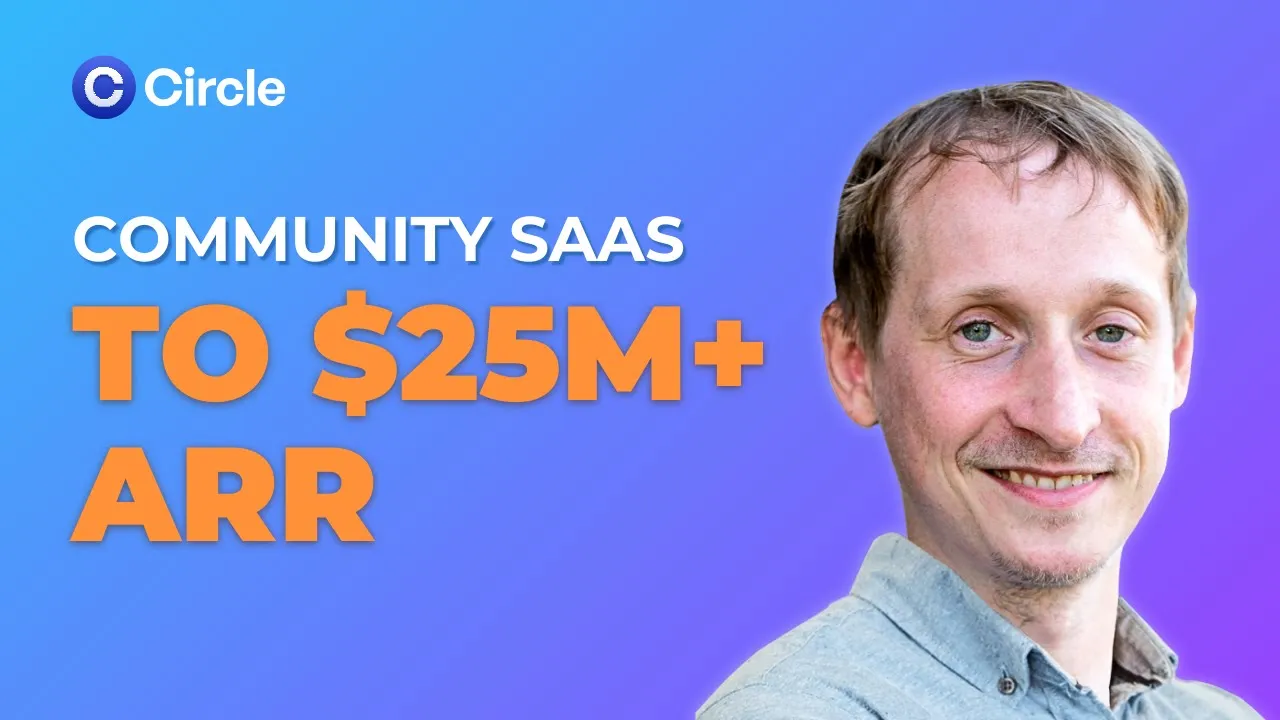
different you know types of communities is Oprah using Circle she's about to be yeah she just she just became a customer not you know Oprah is not the one signing the contracts it's h her team but yeah wow um give us a sense of the size of the business where are you in terms of uh Revenue customers size of team yeah so you know we're about uh 150 people today uh we are uh about $19 million in ARR right now uh and so you know we're growing quickly we last year we grew from about 8
million to 16 million so we a little bit more than than doubled um and uh yeah you know things are things are good you know we're about four years into it at at this point so you know it really really was about March 2020 when when we started working you know on the product and and then uh from there you know we launched after being in a six six-month weight list uh kind of like private beta period to the public in that summer and you guys have raised about 30 million to date and in terms
of customers you think you might actually hit a big milestone today right you know it's 400 p.m. New York time right now I think by midnight tonight we will officially bring on our 10,000th customer today 10,000 paying customer yes that's amazing that is awesome great so let's talk about how this all started um early 20120 is really when you guys kind of got the show on the road what were you doing uh before that and where did the idea come from it's funny we you know really technically started Circle in March of 2020 uh right
when the pandemic was happening and all that but before that my co-founder Sid and I uh we spent and I have another co-founder Rudy um as well but Sid and I we were at a company called teachable for almost 5 years right and keach's a course platform and so uh you know we were there Sid was a third employee I was a seventh employee he was the ultimately like the VP of product there and I was the VP of growth marketing and so you know we the whole time you know I think we just really
respected each other we had very complimentary skill sets Sid eventually left teachable about a year before I did um and I was still there and and then ultimately teachable was sold so teachable was acquired by a company called hotmart um you know really good outcome for teachable uh uh and really great people at teachable is one of the best times in my career I learned so much there um but then after you know teachable was was sold um you know there was this I was trying to figure out what what's going to happen next you
know from here uh and so you know at the time you know it's like you start to become really close to the markets that you serve so I really understood course creators and just creators in general and how they thought what they needed one of the things that I I saw at the time um and i i s you know I know saw as well but it was also frankly I think kind of obvious is a lot of the best course creators they were having these like slack groups or you know they were you know
earning a lot of money well why were they earning a lot of money well they had these like premium offerings because they had these Facebook groups alongside them and so like there was a lot of the best creators using these community experiences and there's no product to actually do it in like holistic way and so we thought you know what if we what if we uh start a business here and so I had just left teachable and Sid had been you know doing his own kind of thing exploring for like a year just building products
and uh stuff like that he was actually a Gum Road for a bit and then we're just like let's start a business around it let's build the product and did you guys at what point did you raise money and and did you kind of bootstrap initially like what was the process you went through to kind of get started 5 years in a teach we were really tired and actually we had no interest in raising money like we were we were ready to we were so excited we're like we're going to do slow growth we're just
going to maybe bootstrap this thing it'll be meid and Rudy we'll have a little threers company we go really slow then covid happened and all of a sudden you there's also just pull in the market from people wanting that type of product so we were starting to kind of get pulled into the market actually you know my close friend from teachable uh who was the CEO and founder teachable onc NPA um you know him and I sat down I we getting lunch and I remember you know walking him through you know hey I'm going to
going to leave uh teachable we're thinking about starting this business and all of that uh and so he's the one who kind of said well first of all I'll I'll invest right I'd love to invest have you guys thought about investing and we didn't really want to but then he was like I can line up the investors and so we did raise you know you know a small round relatively speaking um it was about $700,000 right and then from there um you we decided to raise uh another round a few months later because things are
really taking off remember we went from zero to about a million AR in like four months and so there was a lot of investor interest it was also pretty froy time in the market when you know we're talking 2020 our product was a community product um and because of the uh I think like the small reputation we had just from the success at at teachable it was easier to have those conversations and there was there was interest there and so we did end up raising a $4 million seed round kind of like a big seed
round uh and then eventually we did raise uh two years later uh we raised a $25 million round so let's talk about the those early days so you you guys decided you want to build this new company initially you're thinking about slow growth how long did it take to build that first version of the product and like you you'd seen the opportunity but what did you do to to validate this idea like did you do the Lean Startup thing and start trying to interview customers did you put up a landing page what were you doing
to to kind of help you you know be confident that you going the right direction building the right thing you know it was it was pretty organic early on because at the time we'd worked with tens of th like literally tens of thousands of course creators we we knew course creation that space so well we knew how what the folks needed but uh yeah we just had friends in the space and so like look here's what we're thinking a lot of people say that when you create a new product it needs to be like 10
times better than whatever the existing product was in our experience it was not that we knew actually like if we could just make that thing like 10% better and that thing 10% better like that would be a huge win for our folks and so we wanted to kind of drisk things and what we did is we said to certain customers like look you're already using a Facebook group and a slack group you're already creating courses what if you just had it as a little bit of a better experience or more holistic and we got rid
of some of the pain points that come with having a separate you know Community experience that's different from your course we didn't say like we're going to go out and invent some brand new concept and so that really helped and so we went to these customers who we understood we had relationships with went to like five of them 10 of them and we just kind of showed them some designs uh and then to S Rudy's credit I'm not the technical person on the team like they were building the actual product they would they would have
that conversation the next day they would go and they would build that in and they send that person an email and be like hey what do you think was this what you were talking about and and that feedback Lo was really important love it now just one clarification when you said like you know bringing it all together for these course creators in the early days you didn't set out to build Circle um as a platform for your online courses right this was a primarily a community platform that was integrating with other products in a more
seamless way so you know people could use still use teachable along with circle as opposed to you're taking anker's money and all these other people and then building a competitor to teachable right that's that's yeah so we we really didn't um we were pretty tired of the course space so you know we didn't want to go back we didn't want be building courses and doing all of that we wanted to create what would be more similar and we did create what would be more similar to like essentially like a white labeled Facebook group or a
little bit more of a um slack experience that you could though take and add into any course platform or website uh so we would just kind of create the community experience by the way that's for the first few years of circle up until about maybe almost two years ago maybe less than that we didn't have a course feature right so it was just a community piece okay so I don't want to skip over what you said a little earlier that you went from zero to the first million in ARR in four months a lot of
people listening to this will be thinking crap I can't get to zero to first 10 customers in 4 months and these guys hit a million so walk us through how that happened and more importantly what were you doing before those the four month started to hit the ground running when you had the product out there so I think I think that's the key that you just have which is like what were we doing before that and I think I I want to paint a really clear picture here and clarify so we went from zero to
to a million in 4 months when we launched publicly so that anybody could come and become a customer of circle but before that we built up a ton of Demands we had a ton of pent up demand from like the 6 months before that and so very tactically here's what we did which I think worked really well so we created a very simple landing page and what we didn't want to do is just let anybody come and sign up because we were taking a ton of feedback from people you know every single customer that came
through that was using the product I literally reviewed every single email and if you know it was a big name I would reach out to them get in touch with them but regardless you had to come you had to enter your email you had to answer a couple questions then once you did that we would and we would say circle is X you know number of dollars uh are do you still want to like get access to Circle and then they would fill it out it would come literally directly to my email inbox would then
look up who is this person do they seem like a legit you know good like a customer who would actually get value from the product that we're building then I would send them an email within minutes and I would actually type it out I didn't like copy and paste I literally type it out every single time personalize email and then I would say hey I saw that you know you're able to first of all like interested in circle interested in the product able to pay if you're open to it I'd love to show you the
product right because this was just like a demo kind of like a weit list and so then I would if they they would reply and I again I'd say it's $39 a month which not very much money obviously but uh do you want a demo then we'd hop on a call I'd give them a demo I'd show them the product and at the end of the call I'd say if this seems like something that you want I would be happy to set up your account for you here's a link to go pay um and that
would be it and I would just do like 10 of those calls a day and so the question then becomes like well how are we getting that much demand how are we getting that many people to come through and what we did there was well first of all just got to be realistic here like there was huge uh Tailwinds in terms of like the market Co was happening people were moving online community was big already the Creator space big Market um and but what we did though was that we really tried to be in the
conversation so we would go and we would talk with like 5 to 10 kind of anchor customers right so we would use our connections that we had it be somebody more influential um who we knew would be like the perfect customer it could be like a pat Flynn from Smart passive income eventually it was Brendan bashard you know from growth day in those early days um and you three time your time bestselling author uh it was a lot of people who we knew if they used us all of their customers would get exposed to Circle
all of their customers could be potential customers of circle and so then you know there'd be uh like Twitter conversation what community platform are you using we'd go in there and our whole team would reply to every single thread you know five of us would be in there and we would just do that all day long and it would drive real traffic to our our homepage and Word of Mouth wait so what were you what were you replying to on Twitter so there would be like a thread it would be somebody with would say hey
what community platform are you using and there'd be sometimes 50 people in there with with Discord Facebook groups and we would go in and say Circle by the way and we tag like we have 10 customers we would tag like two of them that we knew would say really nice things about us today and happen to be active on Twitter and then they would do that then people would come and they' see that and then they would check out our weight list page they fill out the little form all we had is like a picture
on there kind of describing what it did okay so go back to that that the weit list so you are you're basically finding where people are having conversations online about Community platforms all of you guys are you know kind of mentioning Circle and and just getting it on the radar you're doing those kinds of things to drive people to your wait list form they fill out the information you're using that information to basically qualify them um both in terms of are they could fit are they willing to pay this much and then a subsection of
those that you think are probably the strongest fit you're reaching out to them personal email not automated reply and then you're scheduling one-on-one demos with these people I think a lot of people listening to this B will be like okay I get it that doesn't doesn't sound that hard I could do it one of the differences with what you guys were able to do was the amount of effort you were willing to put in to make this thing happen and I want to I think the best way to explain that to people maybe just so
they can understand that is just tell us how many demos roughly did you do in the first year one-on-one demos with people about 1500 demos which is like basically spending all your day every day doing a lot of demos yeah and and actually it was about a year and a half um and I I really I want to emphasize this point because like if you had to ask me what obviously there's a lot of things that got Circle off the ground in the early days on the product side on the go to market side what
I had the most control over the thing that truly made a big difference that is not obvious at all to any outside onlooker is that we had great word of mouth but why did we have great word of mouth is because somebody would come in interested they would get a one-on-one demo with me for 30 minutes or 45 minutes I would do eight or 10 of them a day and so then they've had an experience like really with the people building the product and so it it's just such a great way to get introduced to
a company to a product to a business and then all of them would be like wow I'm literally talking to the team that's building this for me I had a great experience on that 30 or 45 minute call and then again we go back to like Twitter or social or whatever they would be singing our Praises because they had a great experience and they they know us so they kind of like knew the people behind the product and the business they they were rooting for us so all a sudden you do eight or 10 of
those today and then the rest of the week I just did 40 conversations with amazing people building community ities this week and and so that would really help with that word of mouth the verality the conversation the introductions referrals all of that it was like a big snowball yeah and I think it was around that time that you and I first met and you know I was instantly sold as a customer anyway my only regret from back then is I didn't find a way to invest in the company as well because that would have probably
been a good thing to do but yeah I just it was like yeah these guys are on to something special here um and like I had no idea where I was going but it was just there was there was just this this energy behind it and a very clear Vision you know it wasn't like oh we're trying to build this and this and it's going to do this and whatever it was just very clearly people don't have this this is what they're currently doing and we think we can build a better experience and it wasn't
hard to understand right and then when you see what you guys are building it was like yeah yeah I think there is something something potentially special here so let's talk about the influ piece influencer piece so you talked about Pat Flynn and Brenda brashard and you said you know we used our contacts to go and get you know meetings with these people that's great because I mean you can use you can use your relationships and it's smart to do that to get your foot in the door to talk to these types of people but I'm
sure that you know Pat is getting pitched on hundreds of products you know left right and Center any opportunity people get so your relationships get you you know some time but how did you what did you do differently for people like that to get interested enough to want to be part of what you would doing the thing that makes it less overwhelming is you actually probably only need like two maybe three maybe one anchor customer right so let's imagine if I was starting any software company from scratch I need to go out and get my
first 100 customers let's say I was able to get my first five just regular old customers we going to get value not they not influencer just anybody you can pay me I got five 10 of those but now I'm trying to think how I to get to 500 I would go and I would find somebody who my product is absolutely perfect for and I would bring them in and incentivize them to help promote it and that's what we did and so you know the thing with Pat Flynn um so Pat we made Pat an advisor
and that comes with you know a small amount relatively at the time seemed small amount of equity but now you know very valuable uh equity and um um but the thing is we didn't just pitch pat on the product because hey yeah you should be an adviser it was like truly the exact product that Pat needed more than any other product on the planet he needed that product and we knew that so we didn't say oh let's go to Pat because we have a relationship with Pat we went to Pat because we knew this is
exactly for him it would be perfect for him it'll make his life so much better we're uniquely qualified to deliver it to Pat and we have relationship with P there's probably 500 people that we could say hey this is actually like kind of perfect for their business um but there were only a handful you know maybe 10 or 20 that we thought were really great that could be that partner and like really only a handful that were we were close enough with so we just cut an equity deal like he got a small amount of
equity advisor Equity we built the product for him but with him we took a ton of his feedback and that's what I would do like I would do that I'd figure out if I started a software company like who are those people you know in my space right so that's that gives you some social proof um these people you know are involved and did that like how how successful would you describe those those initial like influences did it lead to you know a bunch of people that in their communities like wanting to get on board
and drive more demand for Circle or was it more like yeah it's kind of opening doors but it's not like you know the floodgates just open like what was that experience like once you had these people on it was transformational and and that's the thing is like a lot of people I we had a very clear path to like what 30 or $50,000 in Mr was going to be within a few months like we knew the Playbook before we even started the company we were like we wrote it down here's what we're going to do
if we could build a product this is how we're going to Market and what we figured out is we're like all right like we want to get to 500 employees 500 uh customers so we go to somebody like Pat and we're very trans um transparent with Pat about our goals look we're coming from a good place we want to partner with you we want to build an amazing product and we think it'll be better if you do it but very tactically so like I know that if we do a JV webinar with Pat where we
come into his audience we teach he announces it to his audience I think that alone drove 300 customers right there for us just one webinar teach you know have hundreds of people live or a thousand people live then follow up you know over an email say hey come join Circle Pat also tells his story of how he's using Circle create like a little mini course and some training content around it that was very like timely for his audience that was just going to be joining Circle few hundred customers right there and then you know create
some co-branded content and things like that and then by the way because we have Pat and to his credit Matt and Pat are the two business partners there they said look we're going to push the boundaries of circle in your product and we're going to make you better and you know so that's what happened and and then every single sales call we have would say by the way here's like what the best version of this could look like and we showed them the SPI community so it helps us close all the other deals that are
coming in so we're getting the word of mouth and by the way Pat his customers are also good customers of circle right so like the members of his own community so with somebody that you're partnering with there's will they help you close more of your existing pipeline that's coming in will they help you drive new opportunities that are coming in will they help you even make your product better because they're super users of it that's three key things and m p we all all three of those and so you know if you can create a
list of 10 of those types of people the path to getting your first 500 customers as long if if your product is strong that path is very clear like how you get there you just do a bunch of these collaborations and you really invest deeply in the select few versus going super wide love it I I think there is some great lessons and insights in many ways it's a good case study on how to do you know influen and marketing or even just generally Partnerships and I love that you you kind of made it real
by saying it doesn't have to be hundreds of these people that you go and find you just need a couple a few just to get things moving right and it's just being smart about thinking about who those people are and then trying to build those relationships and then in an ideal world it would be like once you once you set out to build the product like stop finding those people and building those relationships before you've done anything else right because six months down the line or whatever is it's going to be a much better easier
conversation than reaching out to them for the first time when the product is done and you're like then now trying to sell it and everything so I think great great great um lessons there at the same time there were also situation where working with these types of influencers didn't work out and there were a couple of examples that you shared with me um you don't want to mention names it's fine I don't think we don't have to do that um but tell me about what happened and you know generally why it didn't work out with
everybody you know the first thing is it's pretty high Stitch right like we are not um selling a toaster oven we're we're selling your community platform for a lot of people they're running their entire business on Circle so like our team we take it as a big responsibility uh because it really is and so the um you know there have there have been moments we talk about 1500 demos like I I know these people who are coming in and becoming customers I ask them all the questions and then I make a recommendation to them some
sometimes I tell them don't use Circle but other times you know I do and so you know when they come over I always have to keep myself honest and and know like are they going to do well on Circle and now there's a lot of things that can go wrong but we talked earlier about you know being in the conversation and being very like up close and personal with like the real people who are using the product on places like Twitter and social all that and so like that's you know playing on the the night
Edge right cuz like it can go in your favor um very publicly when people are talking you know great about you they're having great experiences but what if somebody doesn't have a good experience and so uh I can remember one time and it was right when it was right when Circle was like really starting to take off and get more attention uh at the time and uh back back then you know we had just got there's a very high-profile kind of influencer who uh signed up for Circle moved their community over to Circle and they
had like a slack group and um the slack group is like very active and people loved it but the the guy running it he hated it because it was just Madness couldn't couldn't control it and circle known for having really common communities and so moves it over um you know makes a nice announcement about oh I'm moving over to Circle and by the way that's what we love because everybody talks about you know the move and people see that and that's what creates that brand the reputation you know your brand is your reputation and and
the reputation helps so all of that's great but you really have to deliver and what happens if somebody fails what happens if people come over and their members have a worse experience or the community becomes a ghost town or something happens where like when they do the migration there's some technical issue or whatever it is there's a million things that can go wrong when we're talking about something as dynamic as a community and so I remember one time all of a sudden I wake up uh you know in the morning I have a text on
my phone from Sid and it was uh my co-founder Sid and it was just it was yikes and then a link to Twitter and by the way I get those all the time and normally were just it's just some random Twitter thing or you know it has nothing to do with us uh and it was a long link to a blog post about why I'm moving off of circle and how bad of a decision it was uh for me to to make that move um and that was you know that was really painful because actually
I was a huge fan of of that person like the work that they did uh right and so you know then you have to kind of like dig down and really be honest with yourself like where where are the valid points here like how can we learn from this uh to make the product better you got to take that stuff you know really seriously we do to to add on to it I remember you know one of I uh I I don't know him personally at all but somebody who I've always been a fan of
is Gary tan now he's the president of of why combin I remember one time somebody uh I think he he I followed him on Twitter forever and I always like like consuming his stuff but I remember one time he he writes he took a screenshot um it was a screenshot and it said something along the lines of like uh I never understand why people do this or whatever and it was referring to it was a screenshot of our product and uh like some product design decision or something like that but I was just like man
Gary tan uh doesn't is not a fan of the of the product today and and like you know that stuff it's not a big deal uh in the grand grand scheme of things but it's like you're very out there when you build a product for people especially when you build a product that's you know serving smbs and and a lot of people there's a lot that can go wrong and so you know it's a two-way street in terms of that first person and and realizing that they were moving off and not only they were moving
but they had told the world about how much your product sucked and they were moving like how did that feel what did you you use a term that you said you you did tell me what it felt like yeah so you know it's a it's a punch in the gut right like the feeling that that you get there's a couple feelings that come over you so you know the first one is you let this person down um and and their CU their business you know again business relies on on Circle the other one is um
you know where my head always goes is uh also the team like our team uh they take it very seriously too so I know if I'm feeling something they'll they'll feel it too uh and then the other thing is like we got to learn from this like if somebody else had this experience if if this person had this experience like who else is having this experience or about to have this experience um yeah but so yeah just it's deflating in that moment very you know deflating yeah you start thinking like who who else is writing
a blog post at this moment that's gonna go out tomorrow or next week or something yeah yeah exactly and I think Gary tan it was probably like for him it was probably like nothing right it was just a tiny comment on some random thing but but it's like um someone once describe to me like whether you know when you're a leader or you know someone in a position of influence right like you like these Cog wheels that are connected right and you're like this big Cog wheel and you turn like you know one degree but
the knock on effect is that there's a tiny Cog wheel somewhere which is kind of spinning because of what you just did right and it feels like that where it's like I wasn't a big deal right but but you're probably like what the hell right this this is you know it's it's and I think you had a fair amount of customers at that time and it's still like that's the one thing you know you can't help but focus on and look and I'm sure like actually I think Gary tan was probably right it was probably
like some you know crappy design design decision or something like that so to totally right yeah and it's uh it's just part of it though and I think you know more so to Sid and and Rudy my co-founders to their credit like we are upfront and personal on calls with customers every single day and so you know we we know what people's experiences are to the good and the bad we know we know all of it and you kind of just have to address it head on because uh otherwise the the product is not going
to be good enough customers aren't going to get enough value they're going to churn and what are we what are we all doing doing this for uh it's it's easier now to have the hard conversation up front and solve the actual problems than to like wait and let it stack up and have to deal with like 10 hard conversations later all right let's um let's talk about um growth beyond the first million so when we think about like getting to like the first five million in ARR I think you guys started to get a rhythm
you you started to get more methodical about the way that you were growing you you started to get really good at forecasting your growth um and tell tell me uh just a little bit about like you know what what that was how you got to that point and then I want to then we'll go on to the whole lack of sales experience and what you did with that the thing about thing about our software company specifically is that you we do have uh a sell self- serve motion um you know most people who come in
they create a free trial and then they convert and so you know for us our business has been pretty predictable since the early days but you know for me I really like to feel like I'm in control I hate not knowing where the revenue is going to come from what our growth is going to look like and I have other leaders on our goom Market leadership team who I think it's a good thing they all feel the same exact way they're all they really want to know that they're in control so for us you know
what we do is we have have like a weekly Revenue meeting every single week we've had this since probably about a million or so in ARR where we look at our full funnel how is our pipeline doing are our leads you know closing how much time is it of those leads who come in and convert are those customers getting value how many of them are expanding their accounts um we look at the different initiatives that we're we're doing uh and are they all on track if there's anything that's off that's going to drive Revenue like
3 months from now we want to know ASAP and so we just copied Amazon's uh weekly Business Review which is um essentially the whole point of the meeting you can just Google it Amazon weekly Business review and you'll see how they run it but um essentially the whole purpose of the meeting is to figure out are we on track to hit our Revenue targets or or not and if we're not uh each functional leader should be able to say like my area just business as usual things are good we don't have to talk about it
but if things are off in my functional area I need to know why they're off I need to identify why they're off and I need to so go through the diagnosis and then I also need to basically say hey here's how I think we're going to fix it I need to come to that meeting prepared so we do that just to feel like we're always in control we're always ahead we're never surprised if we're go tracking to miss a a number but the channels you know word of mouth is really key for us it was
since since day one we have a product where people create the product and then they have members who get exposed to our product so there's actually a little bit of some verality there a little bit of a loop we call it word of mouth but the product helps with that um and so our product actually like we're a product-led company so our product actually drives a ton of our growth which is great yeah that's awesome so you know typically U when you look at a a company of this size and you know Chief Revenue officer
not always but mostly you know I've seen they tend to come from a sales background although You Know Your Role is much broader than that how much sales experience did you have coming into this the cheap Chief Revenue officer role I would say like a third of the time it's like a marketing leader maybe 2third of the time it's like a sales leader typically overseas sales marketing customer success revops um sometimes it's at like a very sales oriented company it's literally just like a sales role right um so I had no formal formal like sales
or management experience I even at teachable my role there I was the VP of marketing and growth and oversaw like the marketing side of the house we didn't even have a sales team there uh it was all self-served right um so what I did was uh I got real and I was like I'm I'm GNA have to hire a coach and figure this out because I didn't know what to do but I knew that I didn't know enough I was doing all the sales and frankly after, 1500 demos I was kind of tired of it
I wanted to go out and hire a couple people but I I wanted to get it right and you know I had made mistakes in the past actually hiring salespeople and I didn't want to repeat those mistakes and so I went out I found a coach it was actually um it was actually a customer of ours who ran a community called SDR Nation for sdrs and he had previously been a VP of sales actually multiple times and so we just you know had a conversation hit it off and I was and hey like I know
you're doing coaching I'd love to hire you like let's eight hours let's just do eight hours together see how that goes then he became my coach kind of longer term and uh I realized the more I talked with him how little I knew about properly running a sales team and so I was like wow I can't imagine not having a sales leader and his name is Charlie like Charlie and so uh put up uh a JD and at the same time I I sent him an email and I was like look we're going to have
this role and I really think you'd be a great fit for it he basically said no uh and then you know I I tried to convince him more you know over the couple of weeks he was actually already working on another uh Venture exploring something else that he was going to take on um and so you know eventually I just wrote him a really long email trying to convince him to join uh the team and it still seemed like it could go either way uh I found out later so he flew in a week later
we were going to kind of go through all right what how would you you know come in like what would you do he was going to test out would he like working with me so we go to this Wei work we hop in a room carve out like three or four hours together go through he comes super well prepared tons of questions around the business you know thinking about how he would you know start things up I left that meeting being like man we have to get Charlie we got to get Charlie and it turns
out he left his house a day before that and his wife said you got to go get this job you have to join Circle and so we were both trying to convince each other to start uh to start this colic relationship you know together where he'd come on uh and we landed Charlie and so uh he's been great now he you know he runs our sales team but it's a 20 person team now and uh he's just going to start it all right it's a great story um we're going to have to wrap up in
a minute just briefly tell tell me like you you you said you were at about 19 million in AR ARR last year you were at about 8 million what's what's Driven this traumatic growth and I think you mentioned that it was mostly um expansion Revenue but just give us an give us a sense of like the kinds of things that you've been doing to to drive that kind of growth in a relatively short period of time so I think when you want to grow you know at a venture scale rate and we'll say at like
this stage we'll say you it could be 70% it could be 100% plus 150% right you know for us we wanted to double last year 100% you when you want to grow at that rate you got to do multiple things uh so like you need to acquire new customers so like your gross like new business bookings that Revenue right so new customers you need to be growing but then also there's expansion right and so you also need to expand the accounts of the the folks that you're bring in by delivering more value to them so
we've done like a lot of pricing and packaging you know work we ship a lot of new product improvements that people can get more value from which increases the size of their accounts and the other thing is you need to retain customers um you know you have lower turn and you know you don't decrease turn overnight it just has to kind of like you need to be constantly acquiring the right kind of customers building a really great product delivering more value and then over time you can see the turn slowly come down right but ultimately
with expansion and then gross turn if you kind of like put those together like we really spend a lot of time think about net revenue retention and how can we increase net Rue retention if you look at all of the companies that become really big in software uh serving our types of customers are very few that serve very small customers like the way that we do so um so we spent a lot of time think about net revenue retention how to uh increase it how to get as close as we can to 100% nrr uh
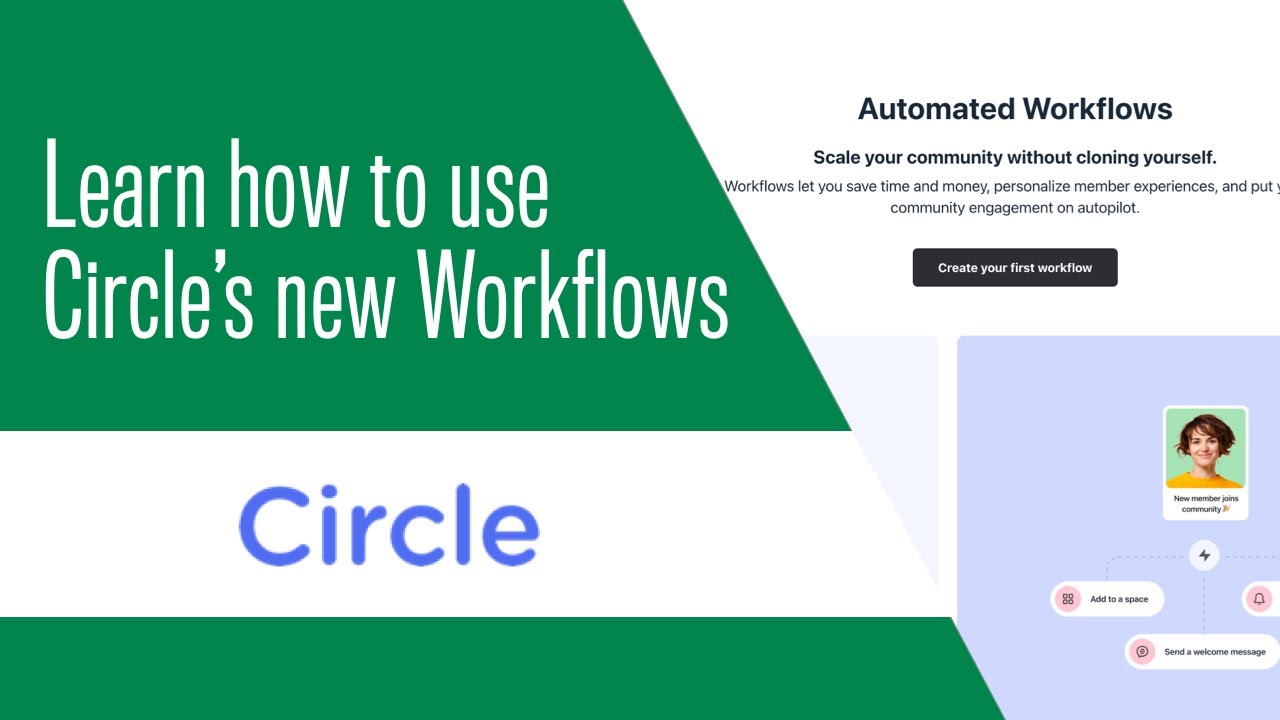
and to do that we've also made some like pretty big product Investments so we rolled out this big workflows product which is an extra extra product you can add to your account you know on Circle we've rolled out a mid-market product you know normally the average customer on Circle used to pay us $150 a month or $100 a month and then we added a $30,000 a year uh your own branded apps you do all of it like just on Circle it's $30,000 a year and so that really helped to us you know grow the new
business number expand our accounts that wanted to go from paying us $200 a month you know for their core experience having full branded app $30,000 a year like so there's a lot like all of those things together they kind of stack and and add up to help maybe instead of growing 50% naturally if you didn't do all the stuff add those things in grow 100% you know so it's more so like how can what can you do to just grow marginally incrementally faster than the growth rate you would have otherwise just naturally without doing those
things yeah yeah I know that you now even have an Enterprise plan and you're you know a lot of the times I see um you get SAS companies that start to go up Market they go for these bigger customers um it's a tough thing to do to serve Enterprise customers and the smaller customers so like where are you guys headed and and how do you how you kind of balance that so the truth is a lot of the people that are buying our what we call our mid-market plan um yeah which is a whole different
price point they actually tend to be the same type of ICP as the smaller creators right so like a lot of times the person that's buying just nor normal Circle plan it's like a Creator and they're you know pretty successful and all of that the people who buy the you branded app experience where it's all their brand nothing you know related to circle like a lot of times they're just like that original person who's a few years ahead who's you know doing $500,000 in revenue or $5 million in Revenue but maybe they also have like
an extra person or two on their team and so it's actually pretty similar in terms of the ICP uh what's challenging um with the real challenges more so like getting them onboarded the expectations and making sure you deliver on that because it's a different relationship when you charge somebody $1,000 versus $30,000 and so just really making sure you can live up to to that and deliver well I mean it's been incredible to see you basically it feels like I've been on the sideline watching this thing starting up and getting to the first million and then
growing and and kind of where you are today and it's exciting to to kind of think about where you're going to take this business in the next few years um so definitely we'll have to get you back at some point and and talk more about this I feel like you know there's probably a whole bunch of things we haven't talked about that we could um but for now we're got to wrap up so let's get on to the lightning round I've got seven quick fire questions for you sounds good let's do it what's one of
the best pieces of business advice you've received just be willing to have like the the uncomfortable conversations um upfront and early and often uh and don't don't put them off what book would you recommend to our audience and why the one that I'm uh reading now which I'm really enjoying is uh it's called Titan it's about uh John D Rockefeller it's his his biography it's super long but it's it's just a great story what's one attribute or characteristic in your mind of a successful founder resilience just like staying power the the ability to just like
really keep going and go through through pain uh do it for a long period of time what's your favorite personal productivity tool or habit long walks I've had quite a few people say that I should try it more walking uh what's uh a new or crazy business idea you'd love to Pur you if you had the time honestly I'm so focused on on Circle I never even think I don't even want to do any other think about other businesses uh right now I do too much business right now you know what's an interesting or fun
fact about you that most people don't know I played a lot of uh too much online poker competitive poker higher stakes poker uh back when I was uh 189 and finally what's one of your most important passions outside of your work I love going to cities like New York and um doing a bunch of research on like the streets and what what were like interesting locations there and and and kind of like understand the history of some of these cities I started a little app company which basically you would do scavenger hunts through like cities
and zoos and Aquariums and it' be like a game uh because it was a hobby of mine passion of mine understanding like what was happening in the city like 200 years ago yeah and these days with AI you can probably see it as well yeah totally all right Andy thank you so much for joining me it's been a pleasure uh if people want to check out Circle they can go to Circle doso and if folks want to get in touch with you what's the best way for them to do that yeah so uh you can
just you can find me on Twitter it's just a tson it's my last name uh and just feel literally feel free to reach out anytime it's just my email is just Andrew at Circle uhso uh but Omar just really appreciate having me uh on I feel like we could literally talk for for hours and it would be a blast uh so thank you it's been a pleasure uh uh thank you so much uh always great to catch up with you and I wish you and the team the best of continued success thanks so much yeah
good to catch up was fun cheers