It's not just that it gives you a natural dopamine kick that you could have it gives you this this synthetic heightened which drives an addiction and so that that that dop is super problematic and so if you deal with that um without replacing it with some purpose and without uh a sense of of how you plan to treat it you will just continue to escalate and that happens because there's been no intervention as A minister I have a moral responsibility to to support and where I can't intervene to get someone into [Music] recovery so I'm
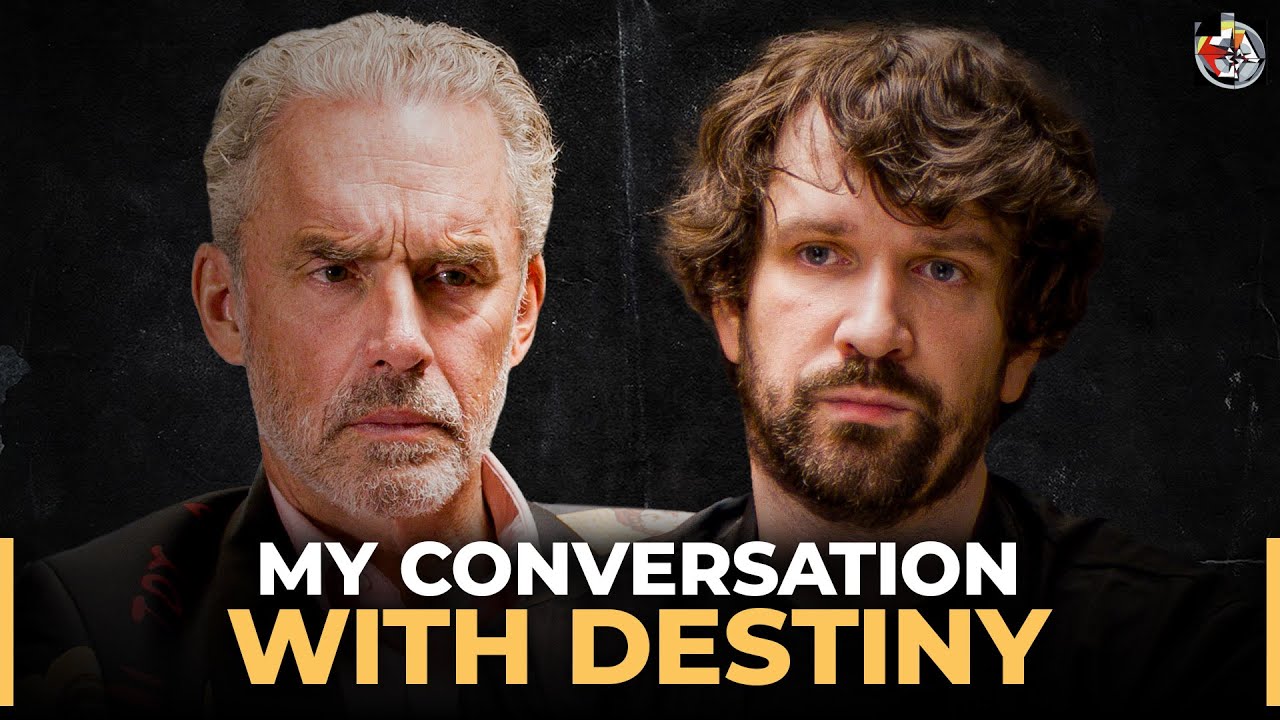
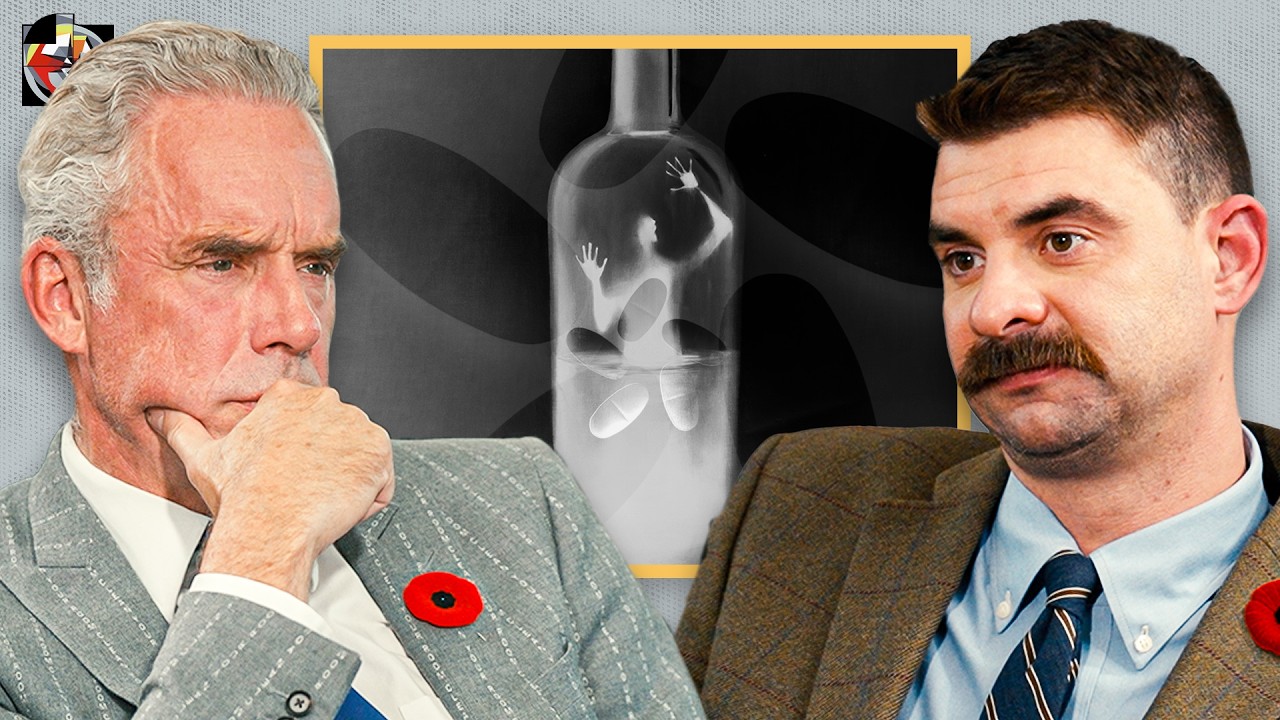
had the pleasure today of speaking to Dan Williams who's the minister of mental health and addiction in my home Province Alberta and there was a variety of reasons why I had the conversation why wanted to pursue it um some of which I think are relevant to an international audience the culture war That plagues the West is playing out very intensely in Canada perhaps more intensely than anywhere else given that our prime minister um is the poster boy for the progressive left and I mean that in the most literal possible sense and so the political drama
in Canada is emblematic of the political drama that is characterizing the international scene in the developed world and so it's very much worthwhile paying attention oddly enough to the Canadian political Scene and the tension between the progressive left let's say the marginalized types who are trying to occupy the center and the center itself is quite well demonstrated in Alberta in consequence of the tension between the federal government run by the Trudeau liberals in so far as they're running anything and the Alberta Government which is uh what what would you say emblematic of typical the typical
track of Canadian conservatism With a entrepreneurial bent that makes Alberta somewhat more like the United States and so we talked about that dynamic as well in the Canadian political Dynamic but also because Alberta has an entrepreneurial flare there are policy uh movements in that province that are of I think compelling International interest and one of those is the attempts made by the Albert government to seriously address the problems of homelessness and addiction And Dan helped elucidate the Alberta approach to that problem which is practical scalable and by all evidence uh preliminary evidence still because the
programs are relatively new uh much more effective than the foolish enabling policies of the radical Canadian left so join us for a walk through the culture War the way it's played out in Canada as an emblem of that uh and the and a discussion of Practical conservative Solutions let's say to one of the biggest Public Health crisis that besets North America in particular today let's begin with just an overview of the Canadian political structure we have a lot of international viewers and Canadians themselves could use a refresher so maybe start by outlining the provincial federal
government structure and then talk about your writing how you're elected there what it Means to be a minister of the crown and how the premier is and well and the Prime Minister for that matter is selected so just give us a primer with regards to the Canadian political structure sure thanks Jordan the uh the start of the system starts with the British North America Act which is effectively the the base of our constitution in Canada now so it was established by an act of the legislature parliament in London England in 1867 and That sets out
the framework that the political structure of Canada hangs on and so there is a a federal government uh which meets an Ottawa Parliament there uh it has a House of Commons House of Lords the prime minister is the individual that can hold the confidence of the House of Commons uh and then every single Province there are 10 of them get yet to have their own legislature and the premier of each of those provinces uh is the one who holds The confidence of that meaning has the most votes in in the um legislature of the House
of Commons the reason that's so important is because in that British North America Act or Constitution it delineates very clearly different areas of jurisdiction so right from the very Authority the foundational document that sets up Canada there are some areas of jurisdiction that are Prim that are exclusively the responsibility the federal government there are other areas That are responsibility of each province like in the United States like a state would have its own responsibilities so what happens is if you're talking about questions of Education or health care or Transportation those are questions that the provinces
get to decide themselves and it's not as though the federal government has given us permission to do that it's not devolved the way you might see in the UK with you know the Welsh senate or um the the Scottish uh Parliament it's not the same at all it's it is from the very start different Sovereign authorities in those areas established in our constitution so that means Alberta Province I'm from has Authority in the Constitution to make decisions to do with say Healthcare I'm a minister of Health with mental health and addictions that's my responsibility and
then we can collaborate with other provinces and sometimes the federal government has funding or initiatives That they might want to do but it is within the four walls of the province of Albert our responsibility to deliver that to set the policies and to move forward and so the way that the political structure works is there is this natural division um and sometimes as a consequence natural tension between the interest of a federal government in Ottawa and a provincial government in Alberta and and that sets up the framework in which we Talk about the political divisions
within Canada okay so we'll break that into two streams so in Canada people running for political office either provincially or federally are allied with a political party and in Canada there are basically three main parties there's the liberals who rule federally most of the time there's the various versions of the conservatives who've been around for a long time and are the second most popular party generally Speaking although more frequently than that on the provincial side and then there's the NDP the Socialists that's right right and so and that's been the case in Canada really since
the early 1960s and those parties with some variation operate at a provincial level and at a federal level and so if you're running provincially what would be a typical campaign for you for example when you're when you're attempting to to gain uh to gain your seat in in the in The house in Alberta right so before the general election campaign comes where individuals would run for that seat to be a member of the legislature or perhaps federally Member of Parliament uh there's first often a nomination that nomination is an election within the political party to
decide who's going to be our candidate that we put forward uh and so you need to be a member of that party to be able to vote in that and then you would be able to from there if You're a member of that party um exercise your interest and saying I want to vote for Dan or I don't want to vote for Dan if I win that sort of pre-election the nomination then it goes to a general election uh and in Alberta along with much of the Prairies so Western sort of Prairie Provinces it's really
a a debate between the conservatives on one side in some form and the NDP the new Democratic party on the other and the NDP is as you stated They self-defined uh as socialists in their own Constitution interestingly the roots of the conservatives within Alberta and all the Western provinces and the roots of the NDP come from the same place this sort of populist Prairie populism movement which doesn't have the same connection to populism that people associate with the rest of the world it existed long before populism became a a common sort of attack in public
commentary referring to Trump and others Internationally prair populism is what the Socialists grew out of with the CCF which was actually formed at the Royal Canadian Legion in Calgary from my understanding and out of that Branch also came um a Grassroots uh Reform movement um it came as a social credit party um earlier on in Alberta's history and then eventually became sort of the conservative articulation of populism so let's talk about some of the markers of success money Fame Power Fame in and of itself is not a bad marker for Success not everyone who's famous
is useful and not everyone who isn't famous is useless why is there a small percentage of hyp successful men who are willing to sacrifice everything in pursuit of that success it's like if you intervene at the right time you don't need to use power success is not a place you get to and stay it also integrates the idea of the journey And the idea of the destination and so there now you have a definition of success [Music] right so there's a there's a bottom up bubbling up of political sentiment that's very characteristic of western Canada
makes itself manifest on the center right and on the center left and the the Socialists in Canada were really a workingclass labor union party up until what 20 years ago 15 years ago When things started to shift something like that today's NDP is not your grandfather's that's for sure I mean you come from the same part of Alberta I come from where Grant notley um who was a member of the legislature at the time for the Socialist Party was elected in rural Alberta which is as deep blue I.E as deep conservative as a gets in
Canada yeah uh and so it's very very different um you can even look at George Grant who I think is one of Canada's greatest Political authors and public commentators uh who started off uh supporting the CCF and the NDP and then quickly realized that this was not not the you know the the brand that he wanted to get behind and became a big backer of of Dean Baker um and he wrote his famous book lament for a nation um with the defeat of Dean Baker um in the 62 election right so in Canada for for
for the for a reasonable amount of time I think it was appropriate for the Socialists especially on the labor party end to represent themselves as emblematic of working people um and the conservatives were more and regarded more as the party of large business enterprises and so and that's shifted substantially in Canada now both at the federal and the provincial level you do you want to comment on that yeah I'd say that it was really the Liberals that were the the the corporatist party for The longest time within Canada if you look at Dean Baker's campaign
you look at the the NDP they both were fighting over a workingclass population um with different values that inform it but it was the Liberals that were the corporatist more than anything else and and that changed uh with the the West um generally whether you're looking at the UK US the entire Anglo sphere you saw that conservative parties became more associated with corporate interest That's not the historical roots of conservatism in Canada right it was as you said bubbling up Grassroots different versions of of a blue collar interest um that grew out of the same
place within the it's similar in some ways to what's happening with the mega movement in the United States although Americans are more dramatic and they have more of a flare for well for Showmanship so there there's a over-the-top theatricality about American politics that hasn't re really been absent in Canada we're we're much more sedate in our political operations I think it's partly because as well can you talk a little bit about the restrictions on campaigning in Canada yeah so uh dollars and cents are much more limited within Canada so the campaign that I would run
the provincial law limits to approximately $50,000 within my constituency uh which is ample I have to put up some signs and be able To host some coffees and be able to get around the constituency which is quite big it's about 100,000 square kilometers the same territory you're from so it's the same size as the island of New Finland or I mean I bet you I could find a half dozen American states that are smaller than my constituency and so it's it's quite a large area and that's where a lot of the dollars go so the
politics um is is different because of the limitations on dollars and cents for Sure yeah well there's a duration limitation too right so the the intense campaigning is what 90 days generally speaking Yeah well the RIT period is normally about 30 days that's what it is within uh Alberta law um as we move to a more of an American fixed election date that is becoming less of an important distinction um historically with SNAP elections in the Westminster system it's not like the American system where we know every four years there's going to Be an election
whatever um whether you're talking presidential or congress election um on these fouryear Cycles what instead happened in Canada and the UK in the western Westminster system all across the Commonwealth was uh you could have an election any time so spending valuable campaign Resources with an attempt to campaign before you know there's an election did not make sense so the 30-day rip period um really was effectively That official campaign and People largely stuck to it increasingly there are more jurisdictions like Alberta that are going to election date and so as people see that campaign coming um
there there are more and more use of campaign resources happening before the campaign period even begins I want to talk about a little bit or ask you a little bit about um the the situation of Alberta in relationship to the federal government and the drama that's playing out in Canada because I Think that what's happening in Canada is emblematic of what's happening in the West in general especially on the energy side now one of the things you pointed out is that the provinces and the federal government have very different jurisdictions of power and we should
be clear just so everybody understands that the jurisdictions of power that the provinces have in Canada are not trivial energy and resources health education education those three alone really what You could argue take up the bulk of what might be considered normal important politics and so those are provincial jurisdictions now there's a reasonable amount of tension in Canada at the between the provinces and also between the provinces some of the provinces in the federal government so let's talk about Province to Province right tension at the moment so one of the so walk us through the
equalization payment issue so Equalization is a is a wealth Redistribution mechanism in fact it's a suite of different mechanisms that happen um and some of them are formalized um under this idea of transfer payments uh and some of them are in formal just in the way that uh the federal government collects taxes and the way that they spend those taxes afterwards uh but the way that it works is the idea is that some provinces at different times in history have been flush they've been able to um support Their own their own residents because of Natural
Resources because of economic investment of all sorts of different varieties and the idea is in spite of one Province doing well we want to make sure the entire country is able to to manage and I think most Alberton are big Canadians they're big westerners and they want to see the rest of the province succeed rest of the provinces succeed U but increase needs become really clear uh for albertans for a long Time now that Alberta is not getting its fair share uh that increasingly we see a huge transfer the tune of billions of dollars leaving
Alberta and not returning collected in taxes because we have a younger population higher employment rate um with higher salaries working in the resource industry that some neighboring provinces will will collect those dollars in redistribution payments but want to shut down the industry at the same time well this is The well so there's a variety of things here that are worth delving into so I found out for example that Quebec which is the province the French speaking Province primarily to which the bulk of albertan transfer payments go and Quebec I'm speaking uh what would you say
generally here but the sentiment in Quebec is quite strongly anti- energy development and yet their economy depends on the transfer payments that come from Alberta and even more to the Point Quebec has enough natural gas to supply itself for 200 years or the European economic block for 50 years and they've decided for one reason or another not to develop those resources which is a very interesting decision especially given that they import hundreds of millions of dollars worth of natural gas from the United States which seems relatively insane given that it's sitting there right underneath the
ground and so this Is something that actually gets my back up to quite a degree and I don't know if I'm actually reasonable about it because I it's one thing for albertans to transfer billions of dollars to Quebec let's say it's a whole other thing to do so well the Quebec population moralizes about their superiority on the environmental front while perfectly taking the money that the energy industry is capable of producing and it's not merely a parochial concern on My part being Elberton let's say I lived in Quebec I loved Montreal there's some great things
about Quebec don't get me wrong but they're high-handed moralizing with regards to the energy industry is not one of the things that is good about Quebec and it's also the case you can tell me what you think about this most of the people who are bilingual in Canada come from Quebec and you have to be lingual essentially and correct me if I've got any of this wrong To work in the Civil Service and so what that means and I've never seen figures to to lay this out statistically is that the denisons of Quebec are radically
over represented in Canada's version of the deep State and that also doesn't strike me as particularly good for Alberta's interests and so one of the things I'm curious about and maybe this would be the most contentious part of the interview is I don't understand why Alberta puts up with this like if if if Something radical was done like I know this isn't going to happen and I'm not saying it should happen but if Alberta said we're done with transfer payments what would happen well I mean the problem is we don't collect the taxes the federal
government does so there's only so many levers we hold I think albertans have said politically over and over again we're done with being treated as second class citizens within our own country We're a member of the Confederation we're a part of Canada we're providing an e providing an economic engine so that kbec can Thrive so that when the Fisheries shut down on the East Coast we saw thousands upon thousands of folks from New Finland and other parts of the maritimes in Eastern Canada come to Alberta to work in the oil sands in Northern albera and
Fort McMurray uh to work in the oil and gas and the energy industry they welcomed and very I mean I Have a friend who uh married a friend out in the east coast and uh and there's this expression out in the east coast where you're a CFA I come from away he's going to have grandkids that are going to own a cottage there and they're going to be cfas whereas in Alberta you get a driver's license library card you're from Alberta it's just yeah it's a remarkably classless society Alberta and one I knew Rex Murphy
well and Canada's most famous new finlander and he was he And the people he knew and I toured through New Finland with Rex were extraordinarily grateful to Alberta for the welcome that the nuffies had when the Cod fishery collapsed and it was genuine and I mean I grew up at the height of the oil boom in Alberta and I can remember the influx of people from New Finland and the only friction really that ever occurred and it wasn't friction people told newy jokes but other than that and they weren't harsh And they weren't mean they
were funny and new finlanders have a great sense of humor by and large so it wasn't a problem but my experience was that Alberta really did Welcome in the newes with open arms absolutely throughout many of them are just albertans now um and we happily consider them a part of our culture and our heritage and and who we are that were able to provide energy to so much of Canada jobs it's not just an economic point and I think as a Conservative and Alberton I need to make this clear it's a social and a cultural
point this bound Canada together to have two different sides that had very few common experiences I mean I went to New Finland I couldn't understand the weather report but but being able to connect through this this economic engine of the oil and gas industry in Alberta allowed us to bond together with this distant far-flung part of the country that joined in 194 utility and Spreading the risk like you could think about the transfer payment structure if it was run fairly as a form of insurance long-term insurance right so when you're doing well well then you
can afford to be generous and when you're not doing so well then maybe another like the manufacturing section might sector might be booming Alberta if I remember correctly was the recipient of transfer payments at some point yes yeah I believe so I well Alberta was also Developed to some degree as a consequence of investment in the west by the by the by by McDonald and and the CP rail line of course yeah so it can be a deal that works but at the moment like well there's a buch it's the hypocrisy that's the issue it's
the idea that and the money the hypocrisy and the money they go hand in hand right um I mean Brad Walla former premier of Saskatchewan said maybe Quebec um will accept a pipeline if we say we'll only Deliver or transfer payments through a pipeline you can't have one without the other the idea of moral in about the energy industry that provides again not just an economy but Rex Murphy made this point it saved countless marriages it saved countless families the Carnage that happens when it when uh an economy collapses I mean when we see the
GDP of my Province go down as the minister of mental health and addiction I tragically see suicide rates go up yes and this is A corollary that happens universally across the world I mean it's not just an economic argument it's about the fabric of who we are as Canadians it's about the idea that there's fairness in our confederation this idea that you can you can help someone out not just economically but help them be able to provide for their family save a marriage that is Meaningful meaningful collaboration albertans have no act to grind with that
so many of us come from Other parts of the country initially we have a problem with the very means in which we're enabling the rest of the country to succeed is being dumped on by them in the next we should take that apart a bit more too so another thing that for everybody who's International watching and listening another thing that makes Alberta of substantive interest is that Alberta has the third largest fossil fuel reserves in the world and And and also the technology and the relatively strict environmental regulations to allow those resources to be used
in the most environmentally friendly manner given the framework of fossil fuel utilization and so the truth of the matter is the Stark cold truth of the matter is is that if we don't use Alberta fossil fuels then China Burns coal for example which they are at a substantial rate and and part of the reason that's Happening is because we're saddled with a federal government who most insultingly put Gilbo right what's his ministry uh environment right right right and he's been an environmental activist since he was five was arrested um I think uh with some sort
of environmental activism with green peace in the past like it's just it's surreal to albertans that this is surreal this is the way that prime minister Trudeau chooses to try and support our Industries appointing the most radical activists against us to the minister of the crown who's responsible for for overseeing this in the country it's he couldn't have he couldn't have possibly chosen someone who would manifest more enmity to the basic economic structure of western Canada and and all of Canada yes and well right right yes that is that is the economic engine well what's
the consequence so you know that the poorest state in the United States by GDP per capita is Mississippi yeah Canadians in the richest Pro Province have lower GDP per capita than people in Mississippi right and that's that Divergence has occurred since Trudeau took office so we're now at 60% of GDP per capita by American Standards now the Europeans aren't doing much better but in Canada it's particularly egregious because there's absolutely no reason at all that Canadians we should be wealthier we we should be wealthier than The Americans if we were governed by people who had
even the least the least amount of sense federally in particular now I think fundamentally it comes down to this recognition that what choices you make in government have consequences it's not an abstraction uh I think that the institutions of Canada have not been working and we can go more into that because I think it's a heart of one of the problems that we we faced here but who we elect the decisions we make are Consequential you don't believe me look at the history of Argentina since the 1920s there's no guarante even in the last year
well and the reversal right uh so there is no guarantee that because you were prosperous and you could provide for the vulnerable you could help those who are destitute you could invest in infrastructure and in hospitals that's no guarantee that you get to do that inde definitely into the future you need to manage responsibly in Good governance which is Canada's Heritage the the gifts that we've received in stewardship and and the tral government has absolutely wasted the resources that we've had and and on top of the economic disaster which again has social consequences that's families
that are breaking apart suicides tragically that increase on top of that they poured fuel on a fire and somehow flamed th fan those Flames when we look at the social policy when we talk about the addiction Crisis in North America they somehow found a way to take the addiction crisis of the 1990s and 2000s and make it worse much worse and that quite a well moralizing insanely that's right and having exactly the opposite policy of what the data and the facts say you ought to never mind common sense and that's just one example you could
go across the Spectrum and you could go over and over again and look at what Canada has become uh and I think part of It is the institutions that we rely upon Canadians built institutions these institutions were strong these institutions were what mitigated and and sort of the the common life that Canadians lived through whether it's your schools or you're talking about uh um Recreation opportunities or the government itself the courts the media um the know Academia these are institutions that mediated public life that Canadians lived through their Interactions not often directly with the prime
minister's office but instead through all these institutions and whether you're talking about um the Supreme Court the senate or you're talking about the way local sport clubs are run they they're failing Canadians are you tired of feeling sluggish run down or just not your best self take control of your health and vitality today with balance of nature with balance of nature there's never Been a more convenient dietary supplement to ensure you get a wide variety of fruits and vegetables every day balance of nature takes fruits and vegetables they freeze dry them turn them into a
powder and then they put them into a capsule the capsules are completely void of additives fillers extracts synthetics pesticides or added sugar the only thing in balance of nature fruit and veggie capsules are fruits and veggies right now you can Order with promo code Jordan to get 35 % off your first order plus get a free bottle of fiber and spice experience balance of nature for yourself today go to balance of nature.com and use promo code Jordan for 35% off your first order as a preferred customer plus get a free bottle of fiber and spice
that's balance of nature.com promo code Jordan for 35% off your first preferred order plus a free bottle of fiber and spice so okay so The let's talk about some of Danielle Smith's new initiatives now now the conservatives 10 years ago I would say in Canada had been set back on their heels on the moral front and tactically by the radical progressives and my experience with the progressives at that time was that they were uncertain about how to proceed not least because if they manifested any signs of social conservatism rather than economic conservatism the progressives would
Isolate them one by one and take them out and so but over the last 10 years I've seen a new breed of conservative emerge in Canada um both POV and Danielle Smith the premier of Elbert I think are emblematic of that and she's a tough cookie and she's smart and she just made some modifications to the Alberta Human Rights Act Human Rights Act is Alberta Bill of Rights the AL Alberta Bill of Rights right okay so can you can you detail out that a bit and And also explain why she did that and people are
going to be wondering too including albertans and other Canadians like well what what how does Alberta have a Bill of of Rights what's the relationship between that and the Canadian Charter of Rights right so the Canadian Charter of Rights and Freedoms is a constitutional document um Pierre Trudeau Trudeau Senor Justin Trudeau the current prime minister's father um repatriated the constitution in 1982 Which is just a way of saying that he said that the buck stops again with Parliament and the Supreme Court of Canada rather than going back to London for a final say um and
so part of that was also introducing a Charter of Rights and Freedoms now when that Charter was introduced um the intention was to preserve Canadians Liberties and freedoms uh and it was meant to be hypothetically well I think there's a lot of concern um and we can talk about The role of the Supreme Court which I think is one of the more fascinating conversations that Canadians aren't having um in relation to the elected um Parliament and legislatures of Canada but the Alberta Bill of Rights was one that predates that chart right that's an important point
that predates it and applies to provincial jurisdiction obviously Alberta can't be making laws that apply to Federal jurisdiction um and it's not constitutional in that Sense um what it is is a is a document that has sort of Precedence within our series of different you know bills and legislation that we have pass in Alberta that is meant to protect Alberta's rights and and it has not been updated for decades and so the idea that Premier Smith had especially coming out of what has been a turbulent time where lots of fraught debate had happened throughout covid
uh and much of our society um with other crises saying we need to make sure This reflects the interest of albertans and So within Alberta jurisdiction this bill is going to amend it incl include different rights um uh right to property uh gun ownership one because property rights in Canada are relatively weak yeah that's right I mean I'm I'm a natural law theorist so I would say that that what law deposit of law only reflects so the laws that we pass can only reflect the the fundamental laws that exist before us right and so the
Chart of Rights and Freedoms when section seven its most famous section protects the right to life liberty and security of the person it was great that Parliament um and every single province in Canada reflected that and admits that but it's not as though there wasn't a right to life liberty and security the person before it became a part of the Constitution I mean that's a fundamental assumption about the nature of how rights work another one is and part of The English common law tradition that's exactly part that's right uh and that common law is based
on a natural law that is reason that exists independent of any positive articulation of it and so um so this Bill of Rights is meant to be a reflection on the reality of those rights um and you could quote anyone from Lock um to Pope Leo the 13th in r novarum h and you could talk about how rights and the Rights of Man predate the state they pre-exist the state and That's the nature of how rights work and so now Smith and your government have fortified for example people's rights to bodily autonomy Integrity so if
I understood correctly this is probably the most media relevant portion of the transformation that Smith is um introducing she's forbidding vaccine mandates yeah I would say in effect um forbidding vaccine mandates that's right because there is I would articulate it Saying that um because we have intrinsic human dignity right that means that with that dignity when we're in possession of our faculties when we can reasonably make our own decisions when it comes to healthcare we ought to right you know the aies are starting to apologize for the vaccine mandat say at the St level yeah
that happened this week interesting yeah they well the problem is I think and this is probably a conservative proclivity but but we could we could Have a discussion about that and if you're policy maybe there's an exception for criminals let's say that to begin with for to there's an exception for people who just will not play fair no matter what generally speaking if your policy requires Force it's badly it's badly constituted now and so the vaccine policies required force and so they weren't Invitational and they should have been Invitational and so that was a Big
mistake and and there are cascading consequences of that that are independent of whether or not the vaccines worked or whether they produced side effects independent of the vaccine debate per se is that public trust in public health has plummeted and the reason for that is that if you use Force even for the good if you use force people aren't going to trust you they're going to wonder what the hell you're up to and and rightly so and so even if the Vaccine program worked and I don't think I don't think there's a shred of evidence
for that by the way but I think you could have a debate about that um I think it's indisputable that the use of force has counter consequences so for example there's way more skepticism about vaccines in general and perhaps some of that is warranted I mean Robert Kennedy is certainly pushing that idea but diluting the trust that people have in the institutions that had Protected them for a long time is very bad idea so now Smith has also reduced the power of the regulatory boards the colleges the professional colleges for example and so that's welcome
news to someone like me of course because I'm still in danger of being re-educated if the uh Ontario College of psychologists and behavior anal analysts can ever get their act together which is highly improbable given their previous Behavior but she's Increased the protection for freedom of speech like I mean the Supreme Court in Canada basically decided in my case that as far as I can tell my interpretation of their ruling or their refusal to hear my appeal was something approximating the professional regulatory boards can do anything they want that's reasonable I don't know who determines
that precisely and the charter be damned and so that seems to me to be a very bad idea given that one In five Canadians are in a regulated profession and I know I've I've talked to many many people who are in regulated professions and they are terrified to speak and this is really bad like it's really bad so among psychologists for example you're basically mandated if a parent brings in an adolescent who's having gender dysphoria trouble real or socially constructed let's say you are mandated to affirm their choices and I Can't I seriously can't think
of anything more scandalous than that that's occurred within the psychological community and the medical community in the last 100 years it's absolutely barbaric but no one is brave enough virtually no one's Brave enough to Buck the tide and it's not surprising you know because the consequences of telling the truth this means that your psychologists the ones that are actually you know genuinely educated and Competent and the same goes for Physicians they're mandated to lie to you about your children they're mandated for example to swallow the lie that if you don't allow your child to transform
themselves surgically into the sex they hypothetically are that their suicide risk will be elevated which is a complete bloody LIE there's not a shred of evidence for that and there's plenty of evidence for the reverse so what let's say you stood up against that and You were reported to your college what's the consequence are going to be first Scandal second tremendous expense because if there's a complaint against you it's basically a legal case and it's very expensive to litigate and it takes forever they've been chasing me for 10 years right it's cost me more than
half a million dollars to fight them off so far as ineffectively as I've managed and so and then if you lose your license or even if the Scandal Falls on you because Once there's a a decision against you from the college that's part of the public record and a little bit hard on you if you're trying to advertise your services let's say it's not surprising that Physicians and psychologists and engineers and social workers and teachers won't say what they think and then we're in a situation where professionals the professionals you rely on in the crisis
can't say what they think when you need them to that is not Good that's seriously not good and Canadians are seriously asleep at the wheel and you know it's a weird thing because how old are you 37 okay so I'm a lot older than you almost 30 years well you know the candidate that I grew up in all of the institutions were fundamentally trustworthy and trusted all of them all of them the education system K to2 the higher education system the court system the three-party political system media the media yeah CBC like I watch CBC
all the time when I was a kid well there were only two channels you know and so and by and large although it had a liberal tilt I would say no one presumed that CBC was bending the truth or advocating for the government certainly no one assumed that to the point where they evinced skepticism about the coverage I mean we had a we had a country that functioned extremely well kind of without that showy entrepreneurial flare that the Americans have which is really something to admire and emulate um Canada was a much more moderate place
a much more middle class place but fundamentally Rock Solid and even the debates between the political parties were never everybody sort of stayed in their Lane and we knew where the political parties stood and I don't know what the hell's happened in the last 15 years but like that time seems to me to be it's seriously over knows what's going to Replace it I think what's happened is the institutions have fundamentally failed at their roles uh and this is true of every institution you mentioned uh and a good a good case to look at would
be the file around addiction um and it's something we a good seg for us to get into it good is if you look at um United States and Canada we're uniquely positioned as the epicenter of the worldwide o opioid uh addiction crisis it really is here and it's because of The failure of Institutions and you could tell the story all the way through starting with 1995 when the FDA in the United States approved um and I think in an insane decision oxycodone uh with big Pharma and they said um that this would be good for
public health they said that there aren't risks of addiction it's incredibly low oxycodone um is twice as powerful as heroin Street heroin right it's also the case by the way and everyone who's listening should know This that the probability that you can produce a pharmacological compound that's analgesic and not addictive is very low right because the the mechanism of action of analgesic medications is the same mechanism that produces drug rated reward and so it's very difficult to separate those now you get anti-inflammatories can reduce pain by indirect mechanisms but if you're directly affecting the systems
that cause pain psychop pharmacologically You're going to be use you're going to be using compounds that have a high addictive addiction potential even cocaine which isn't generally used as an analgesic has analgesic properties because of its psychomotor stimulant prop properties and it's seriously abuse uh what would you eliciting and dependency eliciting so you know the the the uh the pharmaceutical companies were lying with regards to the opiates on the most fundamental biological grounds Imagin that's right and it was it was very well known I mean what you're describing is is not new science right this
is this is well established fth well fifth yes the addiction properties for well longer than that even maybe but the the actual pharmacology at the neurological level that's been pretty well established since I would say it's probably 50 years at the molecular level and so what happened was uh the reason it went the way it did was not because Of new science and not because of evidence that the mass opioid pandemic that we saw was because of marketing fundamentally uh and large amounts of dollars uh that were being traded transactionally and we saw our regulatory
bodies our colleges um or or the oversight bodies for our physicians we saw our um medical schools we saw every single institution in the medical world be co-opted by this and so easily as well now we should explain just so Everybody knows about these colleges because the terminology is confusing because people typically think of a college as a university but there are professional colleges and professional colleges are organizations of professionals within a given profession say Engineers or Physicians or psychologists and their task with the responsibility of being self-governing and the self-governing bodies at least somewhat
self-governing and Self-regulating and those bodies are tasked with the um regulation of their professionals so that the public is well served and I would also say no one heard anything about regulatory colleges that's only become an issue in the last 10 years they operated fundamentally as administrative boards behind the scenes with no no politics no ideology cover basically dealt with professionals who had complaints LED against them Justified or Not by members Of the general public and dealt with that in the appropriate administrative manner now they're completely politicized especially true with the legal Regulatory and and
they would have standards of practice say for example for a medical professional regulatory body that would say this is the best practice and and if you're not doing that for some reason there could be some complaint against you and then make sure that the public could know If you're a physician practicing in say Fairview Alberta or Peace River where we're from then you could trust that person isn't out there as some sort of quack this is something that we know the government says through this regulatory body has standards that they will they will meet because
we want to make sure people can trust our professionals and when it's not politicized that's good right now the government establishes these colleges through legislation uh And so we obviously have a responsibility to say if they're not working the way they ought to to to protect the public interest if instead they're protecting a political ideology then we need to make sure we intervene which is the legislation uh that you mentioned that Premier Danielle Smith is bringing forward and we're going to be debating the session of the legislature oh yeah oh yeah so that's when it's
coming coming through and so what's Happening uh what happened in you know the mid 90s and early 2000s was fundamentally a question of Institutions that were meant to protect us the government had established or um self-regulatory bodies or medical schools Academia the research um wing of of universities they are there to in many different functions uh to protect us and to guide us and help us and and instead of doing that as oxycodone became widespread and prescribed over Four times the rate that it used to be if you look at um just 2012 alone the
end of this sort of mass prescription time of Oxycodone we saw there was about a quarter billion prescriptions in North America that's enough for one prescription for every adult right so it was incredibly widespread and the consequence of that was what used to be a market for opioids in LA in New York in Vancouver and Toronto with um organic heroin that maybe came from South Asia uh instead now there was every single little town of Peace River and in Appalachia Pennsylvania and everywhere that had a physician that was told that this is safe that this
doesn't have public health consequences that these are non-addictive that this is the way in the future to treat treat pain especially if you're blue collar you got a prescription prescription for an OP that's twice as powerful as heroin and any sort of Defense they had um the idea There was long acting you crush up that right that's that's the issue there that's yes exactly and so the technology wasn't as sold and so we should just just so people are clear about that well there's two things Christmas is coming up and it's so easy to get
caught up in all of it the shopping list the travel plans the complex family Dynamics but when we and truly consider what Christmas celebrates that God became man to save us it demands nothing less than A complete shift in our attention if you're looking to prepare for Christmas in a way that will genuinely bring you closer to God during this sacred time I want to tell you about Hallow's Advent prayer challenge hallow has become the number one prayer and meditation app in the world for a reason they offer thousands of guided prayers and meditations designed
to help you grow closer to God and find true peace and now they've created a special prayer Challenge to guide you through each day of Advent you'll experience incredible content that highlights God's powerful love with amazing guides to lead you through the Journey plus you'll have access to beautiful Christmas music to enhance your prayer experience Advent isn't just another season it's a special time to open yourself to God and receive his love mercy and healing in a profound way hallow wants to help you experience that so much that they're offering an Incredible Deal 3 months
completely free when you visit hall.com Jordan that means you can participate in this entire challenge at no cost when you use this special link visit hallow / Jordan for 3 months free download the app and start your journey today tell everybody the the nature of your ministry you're the minister of mental health and addiction that's right and so we're going to delve into that it was starting with the oxy codone story And so and that's why you have specialized knowledge in this domain and Alberta has a recovery program what's it called Alta recovery model Alberta
recovery model right and I talked to Jason Nixon another minister of Smith's cabinet about this to some degree about a year ago and so this is a continuation of that discussion the reason I'm having these discussions by the way for everybody who's watching and listening is because I think that Alberta has a Model for the homelessness drug addiction problem that is economically justifiable and effective and that could be duplicated widely particularly in North America and be duplicated effectively and it contrasts very markedly let's say with the ndp's approach to the drug addiction problem in the
province to the west of of Alberta right British Columbia and the Socialists of course won the election again although much reduced in power and So Albert or British Colombians are going to have to struggle through the same foolishness that they've been experiencing for the last eight years for another well we'll see they didn't get much of a majority okay so the Alberta recovery model is very promising and I was impressed with Nixon because he well he's been in that realm his whole life fundamentally because his parents were deeply involved with helping people out of addiction
using Extra governmental sources from the time he was a little kid and so you know one of the things that struck me about what Alberta was doing was that you guys are not merely moving deck chairs on the Titanic right like you've taken a very sophisticated and multi-dimensional approach to the redressing of the homeless crisis and the addiction crisis in Alberta balancing quite nicely balancing appropriate policing with Appropriate Rehabilitation very difficult thing to do now it's my understanding and correct me if this is wrong tell me about the tth city situation in Alberta and and
how that's changed right and so uh within Alberta we've fundamentally decided to take a different tack from what Canada has offered as a policy when it comes to addiction and homelessness for the last say 20 or 25 years uh if you have been to Canada and it's true of many North American cities but Canada as we said off the start seems to have found a way to aggravate it to make it even worse than it naturally would have gone on its own Alberta said we're taking a different approach because it's getting worse not better and
so tent cities are a function uh of homelessness and addiction uh and mental health all converging into a population that is vulnerable that needs supports and the only thing that the rest of Canada has Been doing for decades is effectively facilitating more of that addiction I went to um a correction facility in Alberta our largest one and I asked a pardon me what facility the corrections facility cor fac yeah yeah yeah and so that Correction Facility I asked the warden how many people passing through your door end up uh admitting to a serious uh addiction
and they said nine out of 10 indicate they have a serious Addiction on their intake form and one Out of 10 lie they believe it is ubiquitous that the population that is going through um are struggling with addiction now I'm not saying addiction necessarily linked to Crime I'm saying that people who end up in our Corrections Facility have lots of problems that pre-exist the criminality and and if our only plan well and there's some direct Association like alcohol for example and almost everybody who has a drug addiction problem also Has an alcohol problem they they
co-occur very very tightly because if if you're going to abuse cocaine well you might as well cut it with alcohol and if you're going to abuse cocaine you might as well abuse alcohol and not that sort of thing happens now alcohol is notorious it's a notorious drug so it's the only drug we know of that reliably actually directly increases aggression it's it's implicated in 50% half the people who murder are drunk and half the People who are killed are drunk right it's without alcohol there would be almost no domestic violence right alcohol is very bad
it's very very very very serious contributor to crime and then the problem with the other forms of addiction of course is that as you become addicted and fall out of the out of society and you still need to pay for your drugs you're you're going to there's the temptation to turn to Crime to generate the proceeds necessary for You to get your next hit is going to loom large and you know that's catastrophic too because even from the economic perspective because it's very hard for people to steal anything now that has any value right I
mean you steal a TV from someone's house and you Pawn It Off it's there's no value in it at all and so the cost of crime is much much greater than the benefit to the criminal and that's getting worse and worse and so okay so there's a massive Association between addiction and mental health problems broadly speaking and criminality and like active criminality but also the kind of passive criminality that I think constitutes tent cities for example that's the breakdown of social norms the occupation of public lands the the what the general decrease in the civility
of common life that's associated with widespread Despair and catastrophe on the streets especially in a place like Alberta that's so bloody Bitterly cold so you know how in the world do you live out in the streets through an Alberta winter you can hardly live inside a house in an Alberta winter so okay so you went to the corrections facility and we want to get back to the oxy Cod and so I'll just make this point broadly because you you went down asking about the Alberto model and what it is it's fundamentally is an assumption that
we need to address the addiction crisis seriously to understand why it's been Such a problem we have to look at how oxycodon crisis turned into a second crisis within Canada that was propagated and aggravated by the federal government with their policies we are fundamentally saying that addiction is a part of the crisis that individuals face and if you try and do housing first as Minister Nixon made the point without addressing addiction right you're going to end up in a very very difficult spot right you need to say I mean the nature of an Addiction if
we're talking about an opioid addiction I mean many people who are addicted to opioids lose a fifth to a quarter of their body weight because they don't have a desire to eat or drink because the dopamine hit you get is 200% increase from your Baseline level when you do an opioid I mean I mean imagine if this conversation was the best conversation we'd ever had the most stimulating ever that would be 25% increase in a dopamine maybe off our Baseline from what I understand you're talking about something eight times as compelling of course no one's
going to want to have a conversation or eat a burger or drink water or have sex or you know continue to hold down um a pay job and be a part of society when you're still if they're isolated right and have already fallen out of society to some degree so the rat literature indicated pretty convincingly that it was actually pretty hard to addict rats that were in Their wild Habitat to cocaine but if you isolated them in a cage you could get them addicted to cocaine to the point where they would only self- administer Co
Coe and they wouldn't do anything else barely drink certainly not eat certainly not be interested in sex and so if you're dealing with people who are alienated who aren't integrated into a community that allows them Alternative forms of genuine reward than the dopaminergic chemicals become that much More attractive and if you want to look at examples of that just look at Western society that atomizes everyone increasingly and there are all sorts of benefits the personal autonomy that we have in society but increasingly we're more isolated than we've ever been and was Parton the expression that
on steroids it was so much more so this isolation that happened and an addiction is fundamentally a disease of isolation and the antidote to that is recovery Which is a community relationship again right in some way yeah community and purpose that's right yeah yeah yeah those so so let's get to that that question around well draw the draw the line between the oxycodone MH over prescription and the and the government policies that facilitated the development of the opioid opioid crisis now is is that is that associated with the policies that say characterize Vancouver where drugs
are Distributed what widely and easily and and the mostat understatement of the decade to say widely and easily so the oxycodone crisis created a North American opioid uh pandemic uh the the authority on this is a Stanford Lan commission uh written by Dr Keith humph who uh is a professor seen to be universally accepted um expert when it comes to the opioid crisis North America it's distinctly North American as a crisis there there Are aspects of this that we see in other parts of the world but we see the opioid crisis created a market for
opioid users that wasn't just that Toronto Vancouver La New York for that um for that um uh heroin Market that would have existed instead everyone that had a prescription I.E everyone with a pharmacy dispensary and a family physician and anyone who had pain in their life there now was a market for that and we saw a massive explosion and so one of the axiomatic Truths of addiction broadly and it it is onf full display with the late 90s and early 2000s is if you increase Supply to a market and you don't have barriers there then
you're going to increase harm addiction will come out of that and it's just axiomatic you can't get around it so if you massively dump High powerered opioids twice as powerful as heroin into every single community and you start with a trusted institution prescribing these your family physician passing them Out on MK with huge amounts of diversion which means to say the person who is prescrib the opioid doesn't receive the opioid instead it gets traded or marketed to some other individual you're creating a new adct and the way that the addiction Works especially with opioids is
it continues to ratchet up and it escalates and so you might become tolerant after a while of receiving heroin or twice as powerful oxycodone so you take twice as many of those pills And after a time you saw massive resurgent of the heroin market across all of North America is that what opened the door to fentel abs and so fenol is just a much much more powerful version of heroin um so uh if you look at oxycodone which is twice as powerful as heroin thereabouts fenol is about 100 to 200 times more powerful than that
right and so as tolerance continues to escalate in a using population there are very clever Chemists in elicit chemists That are going to find a new high-powered opioid that will be able to satiate that desire and so if you are using um over a long period of time months and years you no longer can get a high off of that lower uh powered opioid so you need to be seeking more and more and fentol is one of them but there's Su Fentanyl and carfentanyl and some clever chemist that's going to create something even more damaging
afterwards it's not just that the opioid gives you um that Dopamine hit and that high that we talked about if that was all it was there would be all sorts of difficulties in managing that because of its addictive properties but the opioid also um can access different receptors in the brain as you well know and one of those uh receptors are what uh depress your respiration and so if you get a really powerful opioid like say fentanyl that's hundreds of times more powerful than heroin then your breathing will stop to The point where you don't
pump blood through your chest anymore and your veins don't deliver that oxygen and and to your brain you will have cerebral hypoxia which is akin to drowning in daylight you're suffocating for air in your brain and that's what uh an opioid overdose is uh and so U that's running rampant on the west coast and fentol is particularly bad at this right and so we had a few factors come together the failure of the institutions that were Meant to protect us the academic institutions that train Physicians the colleges that regulate Physicians the regulatory bodies the regulatory
bodies that regulate the access to drugs themselves and it went unchecked for over a decade and created a mass market and this is like a slow moving freight train towards our Health Care system and towards your family and your community members that end up Hooked on an addiction to an opioid and we know that That addiction will escalate and that addiction run its course has only one of two ends and if someone says otherwise they're lying to you and maybe even to themselves the addiction run its course either ends in pain misery and given enough
time death through an overdose or some other ancillary consequence like not eating or lacerations from living in in tense City you name it Carnage that happens trauma lives in addiction the alternative to that and it's the only Alternative given enough time is treatment recovery from your addiction and that second lease on life to be a Community member again to be a brother or a mother one of the reliable findings in the alcohol addiction treatment literature virtually no treatments for alcoholism work like so so but that doesn't mean that people don't recover and one of the
primary Pathways to Recovery and this has been known I would say for seven or eight decades is Something approximating religious transformation this has been well known among researchers who have no stake in the matter from a religious perspective and the re there's a reason for that the reason is is that the drugs of abuse like alcohol if you're prone to it have this dopaminergic kick that you describing so dop amine kicks in when you see yourself moving towards a valued goal and so that feels good but it also reinforces the Development of the neural systems
that underly that movement so if you do something and it works it makes you feel good but the systems that you use to do that grow and dopamine does both of those okay so you experience a dopamine kick when you're moving towards a valued goal and so what that that has some implications one implic is if you have no valued goals you have no access to dopamine kick right so now if you're drinking or you're addicted you're Falsely stimulating these systems now you need that kick well that's what people live for in many ways it's
part of what gives their them the sense of purposeful action well the substitution of a new purpose actually reduces the craving pharmacologically because it activates the same systems and so you need you can't just stop using a drug you have to stop using a drug and find something to do that's a replacement or better better would be best okay now Yeah and that's exactly right but it's it's it's worse than that in a way too because it's not just that it gives you a natural dopamine kick that you could have it gives you this this
synthetic heightened which drives an addiction um to a way where nobody even in the most fulfilled life that they could have of Purpose with a family and children they're raising thinks I don't want to eat today because I want to spend more time with my family right it's not over Rting and so that that that dop it's super problematic and so if you deal with that um without replacing it with some purpose and without uh a sense of of how you plan to treat it you will just continue to escalate and the tolerance you get
because your body tells you there's too much dopamine going on I need to I need to react so you're going to start shutting down some of those opioid receptors you're not going to be able get as big of a kick Again that's why it's so particularly dangerous when you talk about overdose debts is that the opioids will force you into a spot where you are risking life every single time we had one individual in Alberta that overdosed 186 times that we know of last year now an overdose means again you're you're um you're drowning in
daylight your brain can't get oxygen you can't breathe right uh and so we doubt that that is all the times that person's overdosed Probably more because every time someone overdoses there's not always a healthcare worker there saying can I have your provincial healthare number please uh there are many reversals with the lockone kits uh that happen all the time so we see individuals like that that continue to escalate that doesn't start overnight that happens because there's been no intervention because the state the system The Wider culture just continues to facilitate the addiction And and the
addiction run its course has got one two ends you end up in recovery or you end up dead and so I don't want to put my eggs in in helping people continue the path of ending up dead as a minister I have a moral responsibility to to support and where I can intervene to get someone into recovery and that means building a very big Health Care system that is going to help people get into that state of recovery when we think about wildly Successful businesses we often focus on their great products cool branding and Brilliant
marketing but there's an unsung hero in their success stories the business behind the business that makes selling simple for millions of entrepreneurs that business is Shopify Shopify is home to the number one checkout on the planet and here's the not so secret secret with shopay they boost conversions up to 50% that means fewer abandoned carts and more completed Sales our marketing team uses Shopify every day to sell our merchandise and we love how easy it is to add more items ship products and track conversions in today's market growth-minded businesses need a Commerce Solution that's just
as flexible and dynamic as they are whether your customers are browsing your website scrolling through social media or wandering into your store Shopify ensures you're ready to sell ready to elevate your business upgrade your Business today and get the same checkout daily wire uses sign up for your $1 per month trial period at shopify.com jbp all lowercase go to shopify.com jbp today to upgrade your selling that's shopify.com jbp okay so now when I talked to Jason Nixon um it was just a couple of months after Alberta had started to take down the tent cities okay
so it's been about a year so tell me what the situation is with regards to taking down the tent Cities and like is it what's the status of Alberta at the moment Edmonton Calgary Peace River Grand Prairie with regards to homeless encampments and then walk us through what people who are in the throws of addiction would be offered or could expect as a consequence of this model just walk us through it step by step I want to get to that but we haven't told the full story that got us to where we are y okay
and so I want to get that first because then before we Get to the solution we don't fully understand the problem we had one failure so far around colleges and Regulatory bodies Etc that created the market right uh and then if we skip forward about a decade after 1995 when oxycodone started you look at the policy response in Canada and this is what's beginning to develop as a as a response to the mass induction of uptake of opioids across the entire North American continent and we look at insights in 2003 which is known as a
safe injection site or drug consumption site and Vancouver um as you described is very Progressive West Coast Left Coast and they came up with the idea of saying we're going to create an exemption to the criminal code of Canada yeah and we're going to establish a a supervised drug consumption site so HIV AIDS or other different communicable diseases we want to reduce but importantly we want to be there to reverse Overdoses that idea didn't come out of nowhere the end of the war on drugs happened uh in across all of North America and that these
drugs cocaine and then increasingly opioids are too dense and too potent and too valuable and profitable for us to really prohibit on the supply side it was really difficult to stop these drugs from coming into our market and the demand was there it was created right uh and so we saw Resurgence of heroin for example Massively across the entire continent and this was paired uh with the harm reduction model which says if people are going to use we need to make sure we reduce the harmful outcomes that happen so needle exchanges needle cleanups and it
became articulated in Canada especially in Vancouver initially with exemptions to the criminal code uh for certain sites around drug consumption sites and so this idea said if people are using Let's help them do it safely Uh and and from that point on the literature was really clear across all of Canada and the the policies that government set were also very clear across all of Canada we need to facilitate the minimizing of harm the problem is if you take that to its logical conclusion you end up with what we're seeing in Canada now for example funded
by the federal government uh in Ontario and in British Columbia a program called SA for Supply which I Call unsafe Supply so we talked about oxycodone before as this Mass high powerered pharmos grade opioid well the new drug that's been um handed out which would you referenced earlier is called Hydromorphone it's five times as powerful as heroin it's an incredibly important pharmaceutical grade opioid and so the policy um that they created said the extension of harm reduction was harm reduction to say if the problem is a bunch of overdoses from say fentanyl Because it has
that really really tragic outcome that fenil users are really at risk of Overdose and potentially tragically death then we have to stop the toxic drug Supply and they framed it in this really really nefarious way and I think this is fundamentally the problem it's an abusive language that frames it in across the entire country and if you watch CBC or national broadcast or any other Outlet or you look at academic research you they're Trying to have us use really really inorganic in authentic language to talk about the addiction crisis they will say it's not an
addiction crisis the problem instead is a toxic drug Supply that they say that if we just didn't have a toxic drug Supply it would be fine so obviously if the problem is a toxic drug Supply on one side the solution is a safe drug Supply on the other so safe Supply is where that term comes from so they hand out this pharmace Pharmaceutical grade pure high powerered five times more powerful than a heroin version of an opioid called hydromorphone and in say Vancouver this last year there was approximately 54 million 8 milligram pills that were
passed out Countrywide we're approximating about a 100 million pills Mass distributed this is half of them were distributed in this in Vancouver half there are many different sites in fact any pharmacy can Distribute them because you get a prescription from it and the idea is it's unwitnessed high power um pharmaceutical rate opioids and attempt to say if you're using fenol we'd rather have you use the the safe Supply well the problem is as you well know a fentanyl is 100 times more powerful than the Hydromorphone the higher you get from fentanyl um is the sun
compared to a candle with a Hydromorphone it's nowhere near powerful enough it can Barely even deal with withdrawal symptoms and so instead of displacing the fenil use what you've done is you've given a whole bunch of individuals who are an active opioid addiction who have such a drive to continue seeking that dopamine kick that they will take the high power grade safe Supply so-called and trade it to an illicit drug dealer the drug cartels and say I still want my fentanyl now the drug cartels have tens or hundreds of millions of high power Grade opioids
that they can repurpose and sell themselves it used to be that Hydromorphone before the safe Supply program in 2000 in 2020 that used to be approximately 15 to $20 a pill if you go to downtown East Hastings now the latest media Reports say it's about $1 a pill so you can see what it's done flooding the market with high power grade opioids the tragedy is is that the political activists on the Progressive left and the academics who Are trying to ratchet this up they will admit that the the opioid Crisis began with Oxycodone with mass
Supply unwitnessed and and diverted access to tens of millions and hundreds of millions of pills across North America for a decade and that created a whole bunch of new users that as a slow freight train as soon as you start on opioid unless you get into recovery it continues down this tragic end towards death and so what happened again they've Created those same circumstances but instead of it being um unwitting Physicians who are told by the regulatory officers uh and told by the academics that this is going to be safe it's now the government funding
it with tax dollars pushing it into communities with mass diversion of high-powered opioids and so we've seen the movie before and we're witnessing it again and we've had the RCMP the Canadian police force um have drug seizures of tens of Thousands of pills from safe Supply unsafe Supply that they that the drug cartels plan on repurposing for resale in British Columbia and in other neighboring provinces which includes Alberta and so we now have this sort of aggravation of a devastating problem it they've poured fuel on a dumpster fire in a way that would have been
difficult to have done intentionally much much worse it is probably one of the worst things you could do because the Axiomatic rule that we know from the Stanford lanc commission and from research worldwide around addiction is if you increase Supply without barriers and you have mass diversion of high powerered high-grade pharmaceutical opioids in your community that it will cause more harm more addiction and so that is a failure now of not just the regulatory bodies but of the government the elected officials themselves in the government in Ottawa the federal Government under trudo liberals and the
bcnp amongst others that are making it much much worse and it's demonstrably true if you leave Canada there's not a country in the world that thinks that this is a good idea and if you look at the research whether you're talking to Harvard as I did last month or Connecticut where I went to talk to Yale or you look at Stanford and the work being done um by Keith humph uh or a number of others internationally this is Very well known and so this entire set of policies of harm reduction started off with the best
of intentions but in the end instead of it being harm reduction it's become harm production when it gets to unsafe Supply when it gets to an expansion of drunk consumption sites on every street corner if you look at this it's a uniquely Canadian policy setting and so Canada has more drug consumption sites and the rest of the world combin uh and and it Is uniquely Canadian it's been on offer across the world California has looked at this and is implemented and reversed um it is not something that you see in Europe widespread and if you
do it's places like Switzerland which has witnessed some very very different from what we see uh in in Canada and so Canada was in desperate need of an alternate solution because the policy on offer was an utter disaster and getting worse and worse and worse and it was Getting worse in large part because of policies the government was enacting to try and fix it uh and if you look at the the safe Supply the so-called safe Supply policies now BC Henry the chief medical officer of health of covid Fame in BC is pushing this unsafe
Supply and one of her last reports is one of the most devoted ideologues in Canada she is really quite a piece of it is surreal because her one of her last reports has finally admitted and despite the fact That it was abundantly clear from the very start that diversion is and would be commonplace of course it would we're talking about high powerered opioids unwitnessed given to those in Act of addiction right there was going to be Mass diversion and therefore many new individuals beginning onto this tragic opioid addiction her solution is well we need more
powerful opioids because no one wants a Hydromorphone so our last report has I'm not kidding it is Suggesting that we start handing up fentanyl well the whole premise of this hairbrain scheme was was to displace fentanyl use so uh whether so she's going to hand out safe fental well none of it's safe there aren't safe opio it's recreational use I mean the science is clear on this you could say this as a practitioner uh in the field that highp powerered opioids recreationally are dangerous to you always at any time a substance becomes addictive it's Dangerous
to you of course it is addiction uh is a life-threatening disease and it needs treatment and so it's now gotten to the point where it does not matter whether it's a drug cartel or Justin Trudeau whether it is the Black Market or Bonnie Henry the chief medical officer of Health in British Columbia that is handing out the drugs physiologically it has the same effect on you it will have the same catastrophic Carnage in your life and it Will destroy your community in the same way and Alberta in that setting is now starting to address the
addiction crisis okay so I think you should take us through the alternative model in some detail so that people who are listening who are interested in this topically or on the policy side have some sense of exactly how to do this and so do we start with the story of the tent cities and and what you guys have been doing to to help the people who are who have Found themselves in that position or where's a good entry point I I mean the place to start is an addiction anthropology it's assuming the nature of addiction
and if you get that right or you get that wrong your policies will either be helpful when ex well or complete another disaster and so the addiction anthropology of the radical side of this the radical activist says that it's not an addiction crisis at all the anthropologies it's simply a problem Of an unsafe Supply and we can facilitate addiction indefinitely which is why ever increasing drug consumption sites in every street corners a solution along with drug uh unsafe Supply being handed out by the government at taxpayer expense because addiction isn't really the problem in their
mind they frame it completely inauthentically and cynically as nothing but a toxic drug supply problem do not care whether someone is addicted to an opioid or pornography it Does not matter to me whether the crisis is something that's generated from homelessness and a mental health issue or if it is somebody working a 9 to-5 that got a prescribed opioid because of a blue collar job work set injury I want to be able to meet them where they're at and get them Health Care ostensibly and this is a a bold statement in Canada ostensibly Healthcare should
be about healing people and getting them healthy that is unfortunately in my neck of the Woods when it comes to mental health and addiction not always been the first hack of the experts in the field and that's a policy failure and an Institutional failure of the academics and so the nature of addiction is that it is a disease that is recoverable and that's why the Alberta recovery model is the heart of what we're talking about and so as we see the factors in society of of individual autonomy continuing as we move forward In the 21st
centures we saw tragedies like Co isolate people even further it's become abundantly clear that unless you bring some sort of antidote to that purpose in life a sense of community relationship built again you will continue to see addiction crises getting worse especially when really addictive substances are handed up by the government on mass and you can look at examples in British Columbia where you saw a 14-year-old underage girl die Because she got addicted to unsafe Supply you can see that the BC Health Authority for a 12-year-old um who uh recently passed away in British IIA
was given drug paraphernalia so that she could continue to use that was the state response to the addiction of minor and and Alberta has said instead the state response is addiction is rampant it's widespread and it's going to continue to be unless we give people an offramp out of addiction and so whether we're Talking about individuals who have zero recovery Capital people who are living intermittently homeless maybe they're from a neck of the woods up Northwestern Alberta they might have an indigenous background uh and they are maybe suffering from Mental Health crisis maybe a psychosis
brought on by the drug use or pre-exists it maybe they're disposed to an addiction already those individuals have next to no recovery Capital they're not holding on a job They don't have family they've lost almost all connection to everyone else right there needs to be an intervention in those individuals lives and interventions come in all shapes and sizes whether you're talking about a runin with a justice system or you talk about a health care crisis they run into there's going to be an intervention of one form and families I mean if you look at for
example the most success success of addiction treatment programs um the Literature shows it's Industries like the airline industry that say if you are caught trying to fly a plane um high or drunk or using of some some sort of mind altering substance then the risk of your license being revoked is incredibly High you have a mandatory treatment you must do afterwards at risk of being rejected um from that employer and from the industry uh and so an intervention can come in that form for some people with more recovery Capital people who still Have some capacity
the state needs to be there to support with the broader Society individuals that don't have that ability that institution maybe that workplace environment to get them into the opportunity to recover as well so you don't hold any kind of Hope a snowball chance in hell of trying to help people through their crisis if you don't address that fundamental um heart of a problem which is some sort of trauma some sort of issue driving them To addiction and so most of the addiction treatment we do after medical detox it's one disease of addiction right and it
doesn't matter whether it's a process addiction like you know eye gaming for example or it's no Pur addiction when you get through that medical detoxification so much of its social psych how is that undertaken how is the medical detoxification undertaken so if you're if you're taking people off the street for example if they're Homeless what's the first and and addicted what's the first step in the process the first step is building a network of detox centers uh and stabilization across the province so since we came into power in 2019 we've increased approximately 50% of our
treatment capacity that's about 10,000 spaces perom that we have in Alberta perom perom this is distributed in the major Urban centers it would be across the entire Province and the majority of Those are detox spaces because they're short episodes of State detox is just the first step to moving towards that that typically last it could be um a week perhaps less sometimes two weeks when you're talking medically supervised Mo yeah medically supervised uh in Alberta we have a license regime for this H and so if it's talking about alcohol or benzos that is a much
much more um precarious situation there could be all sorts of really negative Health Outcomes if it's not done with appropriate medical supervision uh but that could last say a couple of a couple of days to to two weeks once that happens we're building a network we have now funded Mass amounts of non for-profits community- based treatment centers uh of all different varieties many of them are indigenous some are faith-based some are not we have no particular prediliction towards what that looks like Beyond being about Recovery and about trying to experimenting with a variety of different
approaches we're allowing lots of different providers to come into the space and how you evaluate the consequences so we have my recovery plan uh which is a metric we're using to talk about someone's recovery Capital so we're seeing um it a lot of it is is subjective analysis of where are you at now where do you want to be uh we have hard metrics as well that go into that Analysis and the idea is that as we build out this recovery Continuum all along the way right from the very first time you get into detox
all the way to a year later when you look at the end of treatment in your post recovery housing integrating the community are you seeing recovery Capital continue because right now tragically the only metric really used across Canada I'd say probably across all of North America is those deaths which obviously I want to see as Few as possible that's why I'm about the compassionate option of giving everyone a chance at recovery but before that's a latent indicator you're talking about overdose reversals and overdose deaths I mean I want to be able to see before someone
gets there how are we doing are they steering in the right direction so you you look at so your your indicators you talk about let's let's delve into the issue of recovery capital a bit so you know you mentioned that people are Homeless familyless with no economic ties and no friends okay so they're not they have no integration whatsoever into the community at any level so part of what recovery Capital sounds like in in your formulation is assessment of what their embeddedness in the social structure that's a good that's very right it's their embedded in
social structure it's relationships and connections to outside it's a sense of purpose in the life and and to a degree An achievement of that in their life right right and so and and you want to be able to measure that through subjective and objective measurements as much as you can and and much of the treatment when it comes to addiction as I mentioned it is after that medical detox it is social it's psycho it is relational and so it it's really important that we're seeing our people head in the right direction before they end up
an emergency room and on death's Door with an overdose and cerebral hypoxia where they are drowning in daylight that is a horrible way for a policy maker to start looking just to that metric I need to be considering that as an end state of making sure we don't end there but also way before that I'm not even talking about you know early intervention prevention I'm talking about those in addiction can we steer their um recovery Capital to a positive Earlier so how are people signing up so to speak I mean if I remember correctly when
I talked to Mr Nixon um some of those tent encampment were were actually being dismantled by the government and people were being busted with their family with their dog to treatment center multi-dimensional treatment to a navigation Center and so this navigation Center was a hub and from there you could get a number of Different supports I mean if maybe your ID list you need an ID um but also if you were someone interested in detox then we are there to sort of intervene and say Let's help you get to that space it can be difficult
to manage they don't know how and and and the window that someone says look because of whatever circumstance maybe it's the the dismantling of the tent that they were Living tent is too charitable I mean these are open drug sites with drug Cartels extorting individuals talking about tent it's not like going camp they're ganging encampments 100% right and so run by brutal people with threats of rape and we've had instances of individuals being burnt in them um and tragically sometimes even even death happens through this with extortion of paying taxes to the these drug they're
Lawless encampment run by thugs yes withus 40 de C right in the middle of winter yeah and so uh so what happens is They get to this navigation center it's meant to reroute them and perhaps and we've had a number of indiv individuals that say I want to get treatment now and the first step to that is going to one of those 10,000 spaces we created much of those are going to be detox from there we're going to be connecting them to a network of recovery communities and therapeutic living communities across the province we even
have inside our provincial correction facilities or Prisons we have units that are dedicated to those who voluntarily want to take on recovery as an opportunity and you go to these places and you have I I've never been more emotionally touched in my life about the hard work these young men are taking to say I could be looking at porn and getting high in the rest of the facility but I've decided instead I want to reate my family when I get out I have an estranged family member I have children I want to be able to
see I know between my crime and my addiction this is going to be a disaster and it's just going to continue on and they voluntarily say I want into this therapeutic living unit and we have them in Red Deer we have them in they're in the prisons and we have for lack for better expression a captive audience and we option we give that opportunity for individuals to say I want to start working on my addiction and Inter recover how many people in That um well we have about three or three open right now uh and
there's anywhere from 11 in some Al there to 20 in others and and so and that's an expanding program in principle we're continuing to expand across the entire system uh the idea is that across the whole Continuum I want to give everyone an opportunity recovery because the alternative to recovery is unconscionable and there's a moral imperative we have this isn't just Dollars and cents in economics it's not simply a public safety question it is because Canadians and Alberton deserve not to have to you know cross in front of the gentleman fencing With the Wind with
a used syringe speedballing method phetamine and Fentanyl instead they should be able to know that going into the Main Street Shopping Center or the recreation center for swimming lessons for little Jimmy or or Sue should be absolutely a safe thing to to do but Beyond that as well Parks as well absolutely beyond that I mean informed by my Principle as a Canadian as an Alberton and I'd say as a conservative I believe in the Dignity of every single life and that's inalienable and cannot be divorced from someone no matter what actions they've taken and it's
society's job to help that and one function of that in government is to say let's build this capacity so we're building 11 long-term high quality free access drug Um and add recovery treatment centers for those who are in active addiction who have gone through detox they start a very long phase of addiction anywhere from months to up to one year and the data shows really clearly that if you can get um the more time you have in sobriety and where you have let say opio Agonist therapy which I'd be happy to talk more about the
Innovative program we have there which is help for those who have Addiction medically um so that they can have reprieve from that desire to continue seeking we're using um well there's methadone um but increasingly more we're using sublate sublate is a buor buprenorphine product it's an injectable subcutaneous and it gives you 30 days of slow dispense all the way through you don't need to show up at the dispensary daily it continues 30 days because addictive potential for it uh is Incredibly low almost non-existent you cannot get high on it most okay and it's most it's
mostly a craving reduction so it it reduces Cravings but it also protects cuz the affinity for your in the opioid receptors is higher for the borine than it is for the for the opioid so it's a blocker too so it's a blocker so you cannot continue overdose is incredibly hard um when you're when you're on this and for many individuals 30 days 30 days yeah I mean protection Continues even past that but 30 days I think is what the label um requires and so the the value of that is it gives them a breath of
fresh air it allows those who have this physiological poll to continue seeking the addiction and say not only do I have reprieve from the from the withdrawal symptoms not only do I have a reprieve from the desire to continue seeking the opioid if I try I can't even get high I'm going to give this a good shot and so when you look at Opioid Agonist therapy and our data that we have at the Canadian Center recovery Excellence surrounding good outomes with with uh suade is incredibly good we're going to be publishing on it partnering with
institutions to do that but when you pair that opioid egon's treatment that medical treatment along with social psycho therapy it's incredibly good for outcomes we see it like they just come together in this Synergy that allows much better outcomes and so if we Support individuals in detox and we get them onto the virtual opioid dependency program to give them a breath of fresh air with that medical treatment and then we get them into one of our long-term recovery centers and then we support them through Minister Nixon in long-term recovery housing you can get to 24
months you see the rate of long-term recovery in the data is incredibly High by comparison you get to that 2-year Mark and you see long-term recovery is Much much much more likely and so a lot How likely what what kind of what are you looking at now I mean look we should preface this by saying that um for most addictive treatment processes the risk of relapse is overwhelming people can go through detoxification they can go through withdrawal they can even stay drug-free if they're away from the normative structures of their Community but as soon as
you put them back in their Community they tend to relapse right and so so reason I'm letting everybody know that is because I want to preface your description of the statistics with with what what the observation that um this is a very difficult thing to do the probability of failure is extremely high and so what what kind of success are you having so our program is relatively new we need to make a distinction between a single instance of recidivism versus long-term recovery right and so there Could be instances most people who live into long-term recovery
will have multiple inst of reism before they really end up in that longterm um period so over I mean data can show and there's no example that has the full Continuum of Care that Alberta isild building out which is why our data collection and long-term longitudinal studies along with the Canadian Center recovery Excellence is going to be so important to prove this out but I mean some data Shows over 50% if you look at a different instance you look at um maybe the original therapeutic living community in pontano in Italy I believe the data they
showed me when I spoke to them from this study from the University of bolognia shows longterm recovery rates are at over 72% last time they studied that's a three-year stay um in a very longterm uh and very Community oriented living um recovery community in in Italy uh so Really good data when you have long periods of treatment uh we haven't really seen this in North America to that degree yet we're the idea of therapeutic living communities is coming back um in the literature as one of the most exciting opportunities to build recovery into an addiction
treatment policy okay so let's let's close this then with a discussion of um pitfalls you know because one of the things that's rattling around in the back of my Head is um how do you reconcile this relatively interventionist strategy let's say with the minimalist approach to government vention that often characterizes conservatism right and so you know you can see two you can see a philosophical conundrum there but then you can also see a practical conundrum because a conservative skeptic might say well what you're implementing is another bureaucratic growth Community that's going to expand at the
rate of 10% a Year indefinitely with you know with dubious outcome like it's just so so tell me how you reconcile that philosophically and then tell me what what you think you guys have done to what would you say Protect protect against the pitfalls that might that might acre as a consequence of building another adjunct to the Healthcare System right so uh the Health Care System fundamentally the entire premise of of peace order and good governance comes From the idea that each of us have dignity unto itself conservatism I would say from my mind is
not a form of libertarianism um conservatism is fundamentally an idea that people have intrinsic dignity uh that we should labor towards the common good and so uh one of the lies that we've been told in addiction across North America and it's really true when you look at this sort of radical activist claim on the Progressive left is that Canadians have A choice you can either be compassionate towards those in addiction or have safe communities right and Canadians as you said are level-m minded reasonable people that want to trust institutions and want to trust the authorities
uh it's a part of the the Heritage that we grew out of as a part of uh a colony within the British Empire the institutions we've built have largely worked up to now of course we want to to do that and that is the lie that is the False dichotomy that's there in fact caring for those who are in addiction and being compassionate towards them and having safe communities are one and the same because there's nothing compassionate about having the individual who is not in any moral way a free agent choosing to drink water or
not the way you and I have today choosing whether or not to vote for the conservatives or the Liberals there is no free agency in that same way for Those who are suffering who are in the the worst articulations of active addiction and so the society needs to intervene in that in that sense because they're vulnerable in the same way that we would want to protect anyone who is vulnerable especially if we talked about those who are underage we talk about those who who um who have been compromised um and don't have the the agency
uh and the capacity to make decisions for themselves that is what a Well-ordered state does and it does it through compassionate mechanisms so first of all the LIE has been put there in the first place you have to choose it's not enabling compassion like it's really important to distinguish between compassion and enabling I mean the psychoanalysts have been doing that for like a hundred years if your brand of compassion is uh okay dear you can do whatever terrible thing you want and I won't intervene because I don't want to Hurt your feelings that's not compassion
that's I don't even know how to describe that well it's enabling it's a devouring form of enabling and so like the compassionate thing often to do with someone who's in real trouble is to use judgment yeah right and to think well no that's pretty much got to come to a stop this is not acceptable and we need to do something about it and so that's partly why I think the Alberta approach is so interesting is Francis George an American clergyman once said that that fundamentally our society is one that permits and allows and encourages everything
but forgives nothing uh and I think that there's something really transcended about that it's fully on display here that fundamentally the idea of of the the the addiction anthropology adopted by the left is that those in addiction we need to sort of continue to pale their addiction indefinitely with higher and higher powered opioids that's The most radical articulation of what was called harm reduction and in that state becomes a harm production right that's that's not the case from my perspective is that instead of just saying everything's permitted like an important redress to addiction is that
there are consequences for actions now I'm not saying this as a Minister of Justice I don't want to criminalize this But continuing to just uh destroy your life and cause threats and harm to your Community more broadly shouldn't be permitted in society and the consequence of that is going so that's the conservative edge of it I would say philosophically as well is that these these tent encampments these these gang encampments are threats to civil order like fundamentally on the on the criminal side on the Civil side also with regard to their capacity to undermine our
sense of a high trust society and a high trust Society is an Incredibly valuable resource and and fleeting and oh and easy to disrupt like terribly easy to disrupt and it's just not acceptable for the public landscape to be littered with with with what would you say with the with the evidence of systemic and civilizational collapse in the form of homeless people who are completely overcome by their fenyl induced pathology there's nothing about that that's accepted that fentanyl induced pathology as you describe it um I would say as a public Communicator that individual that overdose
186 times the 187th time might be death right and so the alternative to treatment um is is tragedy those are our two options here which is why I'm going to be introducing legislation next spring uh Tragedy by Omission that's the complex thing we can just let you die or help you die because that's the assumptions that they said there there's no problem with just continuing to facilitate addiction as Long as it's a safe drug indefinitely that's not my assumption that my assumption is instead that that life is valuable it has dignity we ought to help
it um we have to help all individuals and healthc Care should heal and not harm which these assumptions are radical when you talk about the public health policies across all of you know Canada for sure I'm going to be introducing legislation called compassion to vention and so if somebody is a danger to Themselves or others due to their substance use or addiction within a reasonable amount of time are going to cause harm to themselves or others then it's a society's responsibility to intervene because the alternative to that intervene intervention is is tragedy it's death it
could also other forms of societal intervention because those people are going to come to the attention of the public health or the Health Care system at some point in the ER or they're going to come to the attention of the police and the judicial authorities there isn't an obvious no intervention pathway here just it's it's earlier or later and I guess the intervention also needs to right now if you tell someone struggling with an opioid addiction that after they get arrested because say a criminal act that they were pursuing and seek to and trying to
seek for Mor opioids or you name it and you say well Jordan about 6 Months from now there's a 25% chance that a court might slap your wrist right and then you have effectively um bail for zero consequences and you get to continue doing what you're doing what would you do if you're an opioid addict of course you just continue what you're doing that's that's future Jordan's problem this Jordan today has got got an issue where I need to find some fentanyl right and so instead of that right we need to have a system that
has a true Recourse to treatment and recovery so the policy that I'm planning to introduce is say if you're dangered to yourself or others and there are appropriate checks and balances to make sure it's not abused then we have an obligation as a societ a moral obligation to say we will not let you continue to destroy your life that 187th time that you overdose and die we will not let you um risk Public Safety because of erratic psychosis induced From the methamphetamines or name the drug that you're you're high on WE instead are going to
help you through this intervention and it could come in less formal ways it could come through an airline industry with standards and regulations that Force this and say there's not a 40% chance 6 months from now it could come from a law like the one I'm planning introduce that says instead of just turning you through a system that has no real recourse to help You or bring back confidence to our system and our institutions in Canada the recourse will have a consequence that consequence is one that is charitable one that is compassionate one that brings
long-term likelihood of success for you and for our communities when are you introducing that uh this spring okay okay yeah yeah and at what point what point do you think that I'm I'm thinking about re-evaluating this say at some point in the future at What point do you think that you're the data that you're producing is going to be of sufficient quality and magnitude to review intelligently I you have some of it already you have some of it now I would say uh we have some very good data now around the virtual op dependency program
and others when you're talking about the good sufficient quality data you need longitudal data that's the nature of this problem right and some of the problem if you look at the really Really bad sort of I call them Community College professors trying to torque this data and try and argue for unsafe Supply and they position themselves as experts and authorities this is another institution that has failed dramatically and Canadians and in the west has a lot of blame to lay on Academia and the lies that they have pushed ideologically so if you look at some
of the data around unsafe Supply they don't just dis uh um distinguish between opon therapy and Unsafe Supply uh and so they say they have the same outcomes and they're good they only track some of this data one or two weeks afterwards I mean you don't need to know one or two weeks after an intervention you need to know after you know if you're if you're Mass supplying a high powerered op unwitnessed how are they doing two years later and so that's the data we need to collect so I'd say um within a few months
we're going to have a lot more data on the early stages Of our system but this is going to continue to be proved out and we're going to partner with institutions like Harvard uh and Yale and others to to to credibly and internationalize this because this incredible myopic view that we've seen in Canada of these Community College professors and activists that have completely claimed the entire space and have not allowed a policy alternative and they bully and and they degrade and they threaten in terms of How they position this academically and they condescend uh that
needs to stand up to True scrutiny and if you go International you see these policies have been on author yeah and they don't want anything to do with it for a right reason Canada has such opportunity and I think the conservatives interestingly are the group that's bringing forward compassionate social policy and we're winning we're winning in Alberta for the first time on an important social debate In decades uh and and we're going to continue to face the obstacles of uh institutions like Academia that rail againsts us the media that have um have guidance for using
terms like safe Supply rather $2 billion a year government subsidized those guys we are going to continue and we're going to end up with with challenges all the way through including in the courts where we see the Supreme Court uh unfortunately has become a place of political activism That at least in the United States they've recognized as anonin Scalia said the former Supreme Court Justice the people will have their say if they realize the decisions they care about are not being made in Congress and are being made at the Supreme Court they will politicize those
appointments unfortunately the political left in Canada has recognized that but the conservative right in Canada had just sort of watched every single decision Made not through Democratic will of the people not through acts of parliament or legislatures but instead by Fiat and Declaration of nine oligarchs and red and white robes in the Supreme Court dismantle the institutions that we used to trust and continue to push the most radical and I mean that truly the most radical policies in the world and defend them and and we will continue to fight against the array of all these
different institutions that have failed Canadians Because fundamentally one the policy is right it is working and that is demonstrably true you look at opioid overdoses over the last four months of our public reporting in Alberta we've seen anywhere from 42 to 50% decreases year over year whereas you look at BC you don't see anything near that for obvious reason that it's starting to work the culture of recover is working that's the number one reason we're going to keep doing it right that it's working But secondly not only is that common sense not isn't working it's
the right thing to do and I think conser conservatives need to appreciate that we have a moral argument to make that we care compassionately for those who are vulnerable that when we want to do things the conservatives have got to be get better at taking the moral upper hand away from the progressives because they don't have the moral upper hand no they know how to moralize but but They're they do not come to uh to the debate with any kind of Monopoly on the space and conservatives have abandoned it and sometimes the conservatives as a
movement broadly across the West have gotten it wrong I'm not defending every instance what saying is you look at where we are now as a society and it's completely different from your childhood in Canada when I'm 37 uh and so you're 30 years older than me you said the the world you grew up in is categorically Different and there's no reason to think that these radical activists that are completely consumed by this intersectional Marxist ideology uh that that populate whether it be our academic or our activist Lobby groups or our courts there's no re to
think that they're going to take the foot off the gas cuz what they've done has won for so long and so it's going to require a confidence you're going to have to know what you're talking about but you're Going to have to also frame this in a moral language that we are doing what is best for those who are vulnerable we truly care and the other side has not only abandoned them it is it has made it just a Carnage for those who are suffering from addiction and this is true across almost every social policy
that you look at that the left has controlled in Canada for the last 30 40 years and I think there's a wonderful opportunity and Pierre pev is doing a Terrific job of articulating this fly Danielle Smith is doing an incredible job just today announced even more policy uh when it comes to gender uh and protecting families and protecting young individuals great oh today should announcement today so uh there is there is the Wier population is just craving not even hard caring conservatives Canadians broadly albertans broadly they care about saying this has gone too far and
this is this has pushed me into a Spot where it seems unrecognizable and so the policies that we have to adopt need to be framed in a way that says we care about the common good we care about our communities and we are not simply talking about it from a dollars and cents perspective we care about the welfare of those who are most vulnerable we care about the success of our community broadly and I think that's an exciting thing happening in Canadian politics and and it's Alberta largely And this is a great file to demonstrate
that we're leading and we're winning that's an excellent place to stop so thank you very much for walking us through that thank you well it would be very useful it would be very useful and I'll do what I can to facilitate it to facilitate communication about these sorts of programs on the international side because what you guys are doing in Alberta is interestingly uh practical it's Revolutionary in an interestingly practical sense and it would be lovely to see it succeed and be and be adopted elsewhere I would say that it is Alberta is this wonderful
place that is grounded in a place of Heritage of who we are as a province and these values but we're willing to be entrepreneur in that sense and you have to give credit to Premier Daniel Smith for taking a lead on this and running it incredible and Jason Kenny as well before her when it comes To this addiction file it was an Innovative policy that he spearheaded as well so I think we've had terrific leadership in our province that allowed us to get to the spot where we're starting to see the fruits of this where
we see overdo deaths reducing it's just credible to see those those activists who oppose the policy they have to explain why they're against 40 to 50% overdose deaths for opioids year-over-year in these last four months Uh and and it's it's incredible how obvious it puts and squarely that this is IDE ideology for them they don't care about about those who are suffering uh sadly those activists are more committed to an ideology than they are to to the Dignity of the human person they're more committed to their self-aggrandisement for for bearing the standards of the ideology
than anything else yeah all right sir that was good very nice talking to you absolutely so we're going To continue this discussion on The Daily wire side for another half an hour so that you can join us there um I think I'll talk a bit in a bit more detail about the Alberta and Canadian political landscape and the relationship between that and uh well the international culture War I suppose for lack of a better word and and uh so it and I could I'll talk a little bit too uh about what we're doing on the
alliance for responsible citizenship front to start To shift the cultural narrative in ways that are already starting to happen in places like Alberta and may happen much more broadly in Canada when Pierre POV takes the helm which is highly likely sometime in the next year depending on how rapidly Mr Trudeau continues to degenerate and perish so all right join us on the daily wire side [Music] the