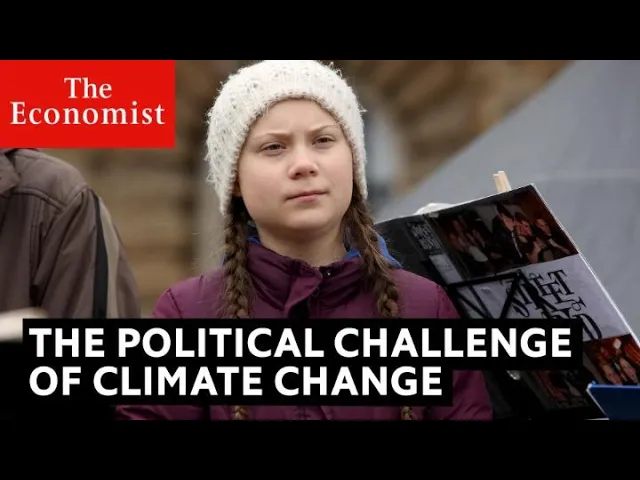
[Music] in 2019 millions of climate change activists took to the streets their figurehead Greta timber addressed the US Congress I don't want you to listen to me I want you to listen to the scientists here's the thing American politicians have been hearing from scientists about the threat of climate change since the 1980s his evidence represents a very strong case in my opinion that the greenhouse effect has been detected and it is changing our climate now three decades on from James Hansen's testimony climate change is now recognized as the defining threat facing the planet so why
has so little been done to stop it 50 years ago environmentalism was a fringe topic but within a few years in the late 1980s climate change quickly rose up the political agenda we have begun to fight an important battle we must also expect environmental responsibilities hundred and forty species are becoming extinct every day at Rio we have made a start this is an incredibly fast bit of worldwide discussion and diplomacy hard to think of something else other than a war that went that quickly but turning this gathering interest into decisive action was another matter in
1997 UN members met in Kyoto to agree for the first time on specific cuts to greenhouse gas emissions I am instructing increased negotiating flexibility that there was a catch you get a protocol but various constraints on industrialized economies to cut their emissions I put no constraints on developing countries on the basis that at that point the vast majority of emissions had come form industrialized countries Ozora Germany UN gave the Kyoto Protocol universal legitimacy for designing a treaty that all countries could accept meant producing one with very little practical power the UN has this fundamental issue
that is a creature which members UN organizations black craft they can't just tell their member countries what to do this wouldn't have mattered if every country shared the same urgent need for action but they didn't a sound environmental policy is likely to benefit everyone with the cost fall on particular groups typically those that do most of the polluting and it's these groups that have a strong interest in avoiding these costs most of the beneficiaries of climate action are people who don't yet exist or suddenly can't yet vote and so aligning the general interests of that
mass of humanity with the specific interests who are genuinely harmed by reducing fossil fuel emissions that's hard to do it would be a hard thing to do within one political body but if you have to do it between lots of Nations that's even harder America a country which relies heavily on fossil fuels like petrol coal and natural gas refused to ratify the Kyoto Protocol the use of fossil fuels has completely exploded and it's impossible to disentangle that explosion from the huge growth in human population and in human wealth that took place at the same time
so still about 80 percent of the energy used on the planet is dug up from the ground fossil fuels were formed from the remains of organisms that lived and died millions of years ago they hold a lot of carbon within them making them a very concentrated store of energy which helps to explain the political power of the companies extract and distribute them there was a concerted campaign funded by various fossil fuel interests and to some extent it carried on some of the tactics that have been used by the de backhoe companies to try and avoid
restrictions on tobacco and the result was to undermine the science of climate change beyond this if they didn't earn a growing polarization in politics the right tends to think that government should regulate less sometimes much less and there's no real way through the climate crisis without government's taking a very active role in the economy so if you're starting off point is not just I want to keep my oil profits but I want to keep the government out of the economy then wanting there to be less action on climate change kind of fits into that and
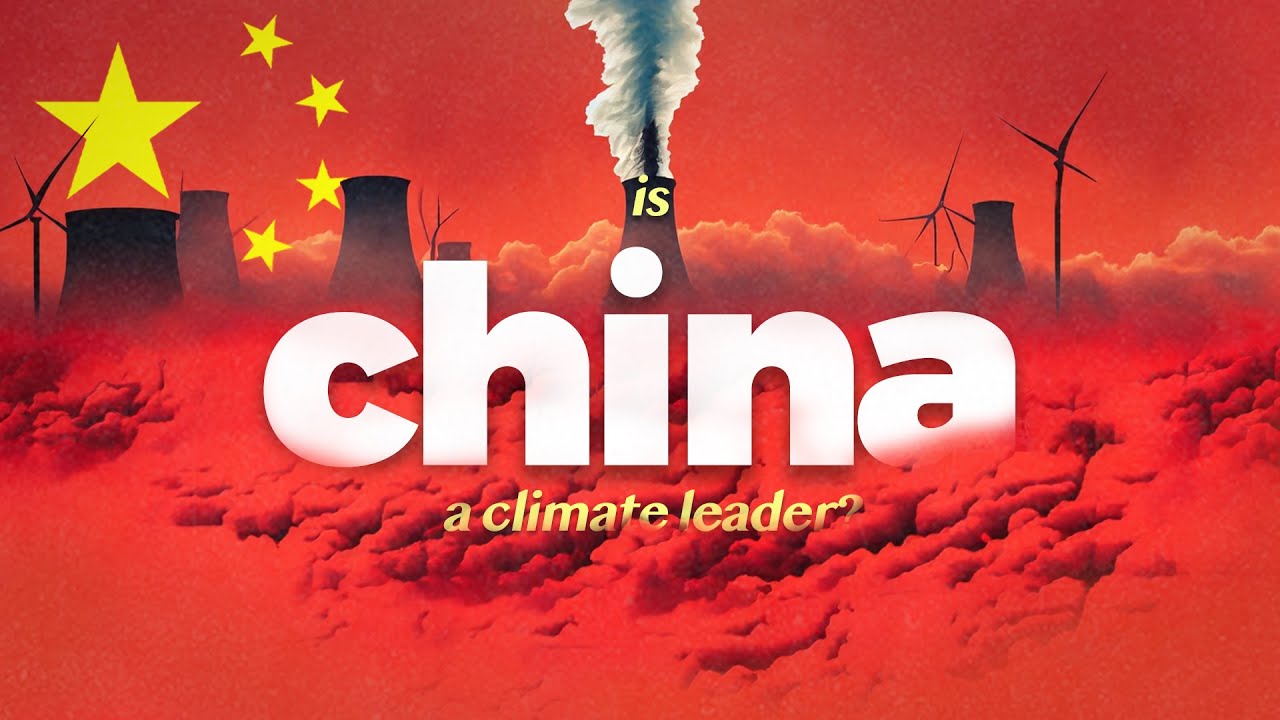
then this China in 1997 China was considered a developing country and so was exempt from the Kyoto commitment to cut emissions in the years that followed it took full advantage of this exemption in the decade after Kyoto China's GDP almost tripled and its carbon dioxide emissions doubled making it the largest greenhouse gas emitter on the planet the Chinese attitude to climate action was basically that it was for someone else to do it was not going to get in the way of China's extraordinary arm - to industrialization in far darker yellow jang wooyoung go through a
500-yard heat will turned off baha'i de tolly agreed only agreeing de yo-yo for almost two decades China refused to act but in the 2010s who that changed [Music] honking your shadow changer in babe she'll be about Gigi so why the change of heart one reason may be that China genuinely does have quite a lot to lose from climate change and another thing is in that period viewable energy really starts become a factor and that got really going to be able to do some pop and shine quacking or making it and so leading on renewables revolutions
are sort of things that the Chinese Communist Party can get behind the Paris agreement required all countries both developed and developing to commit to tackling global warming it set a specific target the increase in average global temperature should be kept well below two degrees with strenuous efforts made to keep it down to 1.5 degrees but as with every previous breakthrough agreement it involved compromise but problem with this is that that was achieved by saying to all the countries you tell us what you can do and that's great they'd basically given up on the idea that
countries would commit in something like a legally binding way to specific reduction the emissions cuts that nations actually promised were far too small to meet the two-degree target there is the problem setting goals for 50 years time when your actions that you've announced to do in the next ten years are insufficient and within the climate to diplomatic community there's now a talk of ratcheting up as things go on countries will get more developed more ambitious in what they promise if countries really do wrapped it up their action against climate change it would break the 50-year
cycle in which political compromises have repeatedly enabled governments to avoid taking effective action in that time co2 emissions have more than doubled in every decade since then has been warmer than the one before 50 years on from the first Earth Day a new generation of environmental activists are taking to the streets they're determined to ensure that politics finally delivers the drastic action needed to protect the planet I'm Oliver Morton I'm the briefings editor at The Economist we've written a series of climate briefs to cover the basics and a bit more than the basics on all
sorts of aspects of the climate crisis that's facing the earth you can read them all at the link opposite thank you for watching [Music]