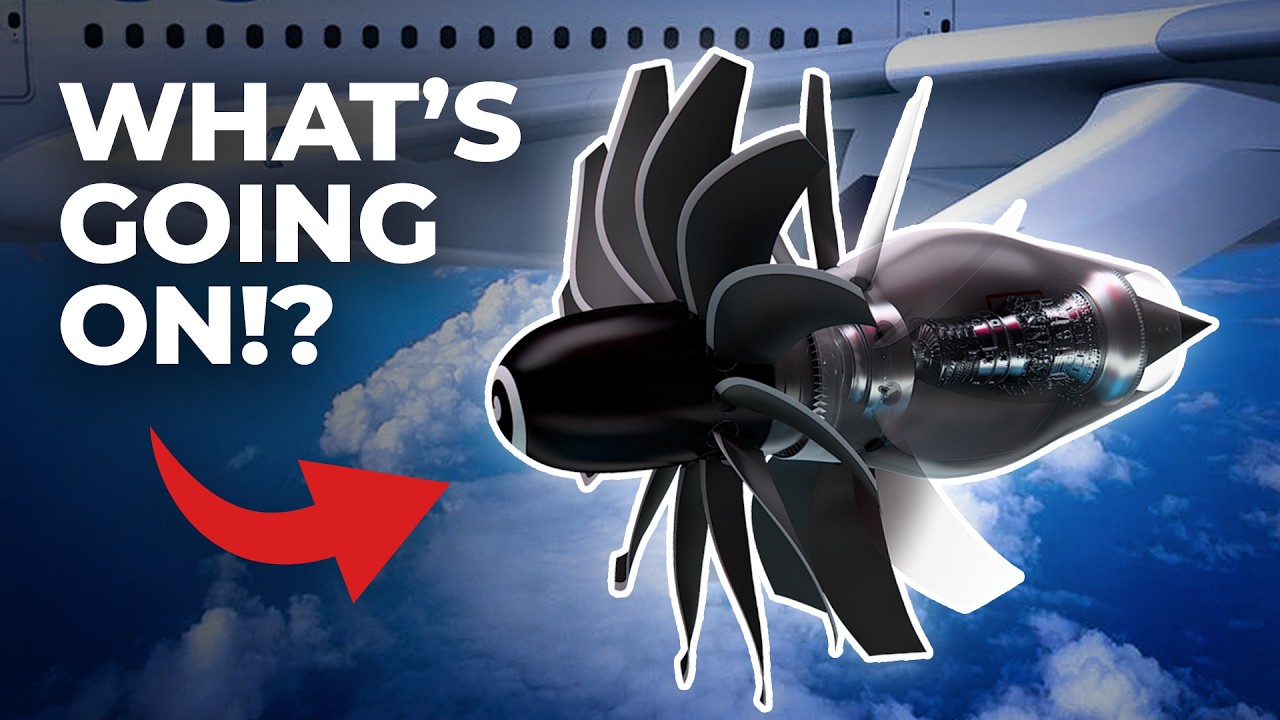
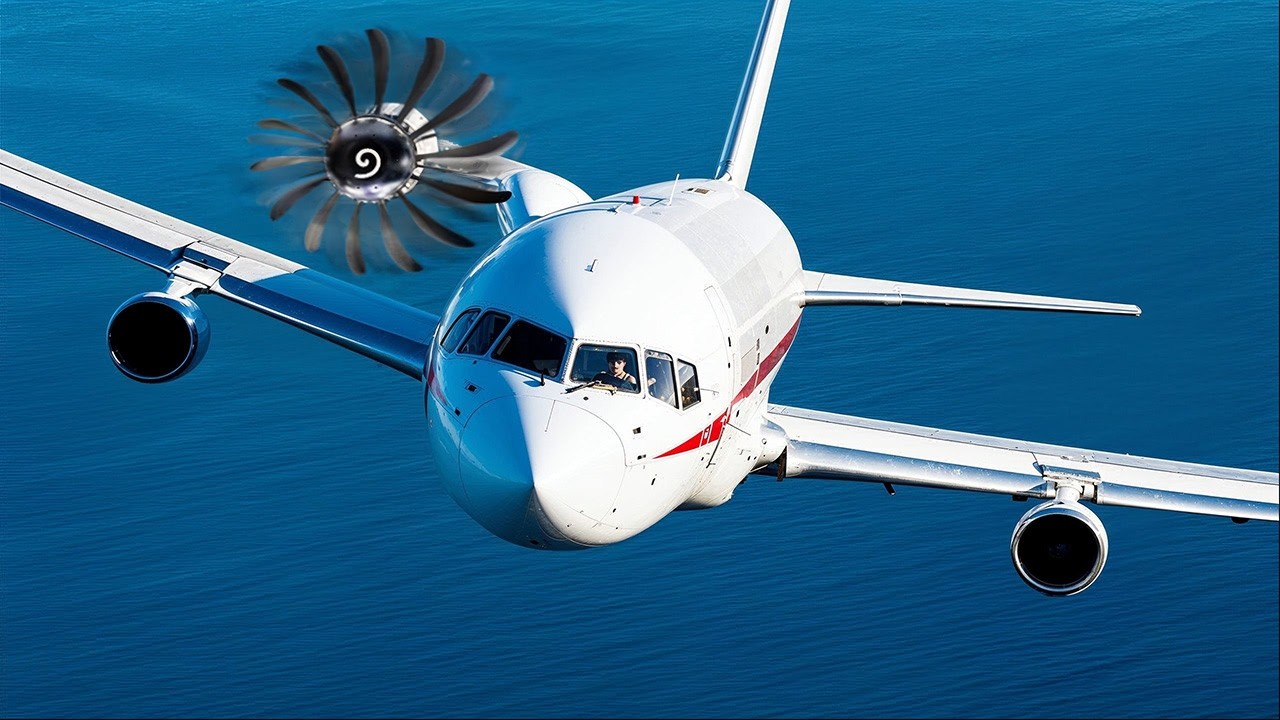
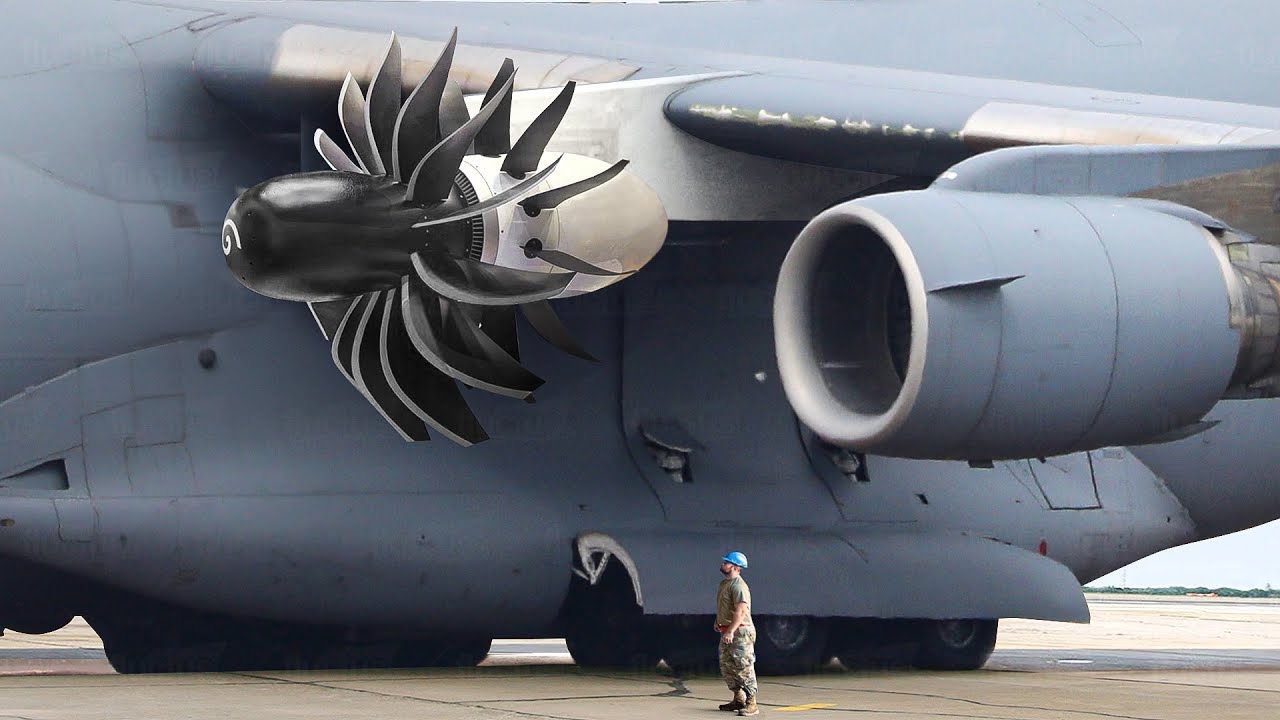
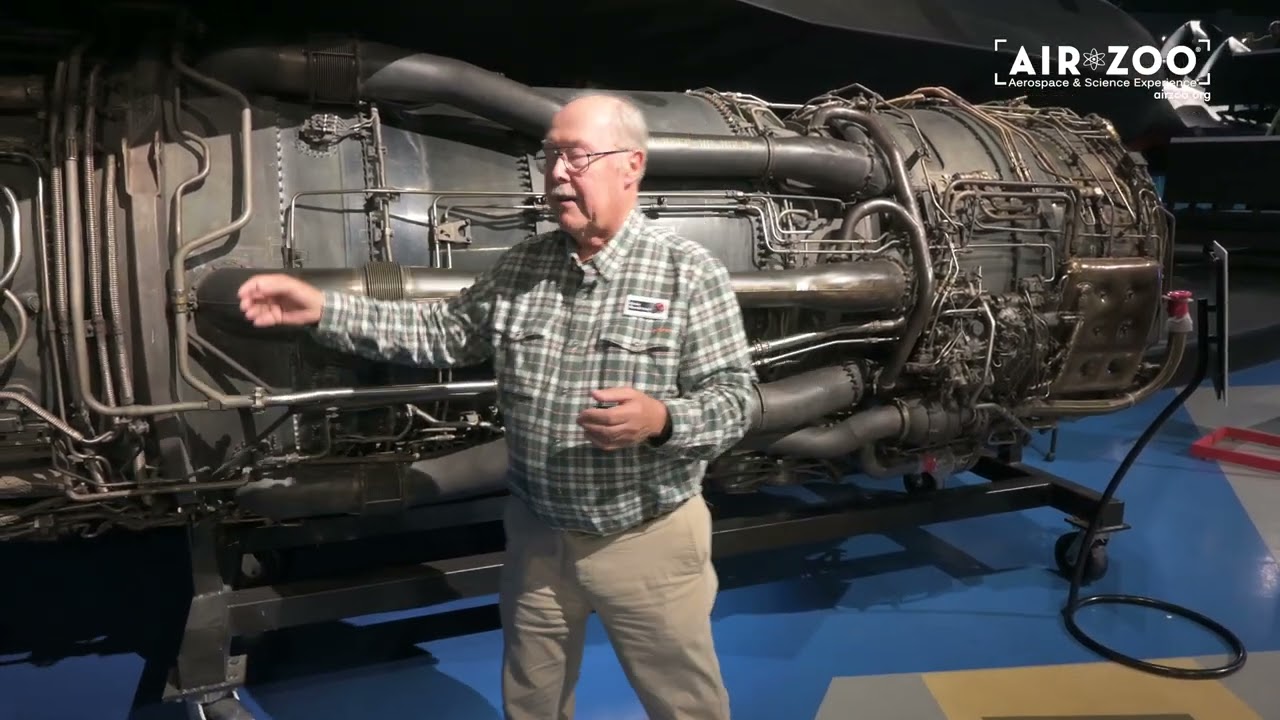
Engineers need years to design an airplane engine the assembly testing and mount income after the design is approved some of these engines are so ingenious that they went Guinness World Records but even a world record is not enough for an engine to change aviation history according to experts the CFM rise revolutionary Innovation for sustainable engines could be one such engine it's a joint venture between Safran aircraft engines from France and GE Aerospace the project was announced by CFM back in June of 2021. the two companies hope to build an engine that can use sustainable Aviation fuels and hydrogen reducing CO2 emissions and fuel consumption by 20 instead of increasing the diameter of the aircraft engine to increase the bypass ratio saffron aircraft engine and GE focused on open propellers unlike old-fashioned turbo props the CFM rise has a rotor diameter of 13 feet the core is compact unlike the GE 36 developed in 1988 they will use recuperators and recover all the energy Wasted by the exhaust heat the engine looks like a classic counter rotating assembly but it's not the second stage blades are fixed and the Staters are active pitch which allows for variable control acting as flow recovery veins they increase the fan pressure ratio as well as control rotor loading the turbine and the rotor are connected via a reduction gear set to build and assemble the engine's CFM will use three sieve weaving processes to manufacture the carbon fiber composite blades the hot section will use ceramic Matrix Composites and futuristic metal alloys taking advantage of a hybrid Electric System the engine will reduce fuel consumption by 20 percent a historical leap but what about designing engines that currently power 200 ton planes the design of every engine has to be approved before it's assembled companies have fleets of engineer is to meet the specific requirements of their contractors this is the most expensive and the longest process in building an airplane engine the Rolls-Royce Trent xwb took the company about six years to design and build the first engine the process started in 2004 when Airbus began looking for an alternative propulsion system for their a350 planes in 2006 they contracted Rolls-Royce and in 2010 the First a350 with two Trent xwb soared to the skies one of rolls-royce's jet engine assembly facilities is located in Darby in the United Kingdom what they do inside these factories seems like rocket science but for the workers it's just another day at work they produce a new engine every 20 days each costing 35 million the entire process of building an aircraft engine starts with a fan disc this red and gray disc is so durable it will hold all 22 blades each of the blades is as sharp as a chef's knife ensuring efficient airflow a specialized worker fixes the heavy fan blades in place they've been manufactured beforehand and brought to the Darby facility between each of the blades the worker will also Place analyst fillers they improve the airflow into the engine and complete the fan the largest part of the xwb the fan of the engine goes in the front and in the back is the turbine in the shaft this is the part of the engine that drives the fan spinning the shaft which is connected to the fan the low pressure turbine is suspended vertically in the back of the engine using a crane then workers slowly build the core of the engine part by part meanwhile the fan is transported to a different section where the workers assemble the case for the fan this is an intricate process where hundreds of wires and pipes need to be placed on the outside workers check their electronic models before placing even a single screw while this is happening another team of workers completes the core they start with the compressor and vertically build up to the combustor and the turbines on the top workers can't waste any time because the floor moves up as they build the engine once the core is fully assembled it can finally be joined with the fan and the fan case while the core is in a horizontal position a spinning arm rotates the blades to ensure the fan blades are a perfect fit with the fan case behind the giant fan blade there are 68 turbine blades each of them generates as much power as four cars together they produce more power than 300 cars it takes 20 days to complete the build of the engine but it can't be delivered just yet it must undergo strenuous testing inside the 58 control room Rolls-Royce exposes their engines to experimental tests once the engine is mounted on the rig a control room operator acts as the pilot before he can do so all the locks need to be in place in the safety room this ensures no one can enter the test room when the engine starts spinning until all the locks are in place the engine cannot be started every test is recorded this is to ensure the engine meets all of the customers requirements the test cell is a building within a building this enables the control room to stay quiet during the loud tests there are three major class of tests first Rolls-Royce has the pass off testing which ensures all the performance criteria are met before the engine is delivered second they have research testing and third they have development testing and this third part is where all of the exciting stuff happens in the fan blade off test they will blow off one fan blade to see if the blade is contained within the system they will also do water in congestion test where they flood the engine with tons of water simulating a storm there are also bird tests where they throw dead birds into the machine to see how it reacts the cold start testing is where they place a giant freezer around the engine cool it overnight and then see how the engine starts when Frozen like in extreme weather conditions after passing all of the tests the engine is ready for delivery most of the engines are delivered by flatbed trailers sometimes if Rolls-Royce has to deliver an engine to Hong Kong Airlines they'll load the engine on a cargo ship carry it to Hong Kong and a trailer will take it to the facility in case of an emergency the engine will be carried by a large Transport Aircraft like the Airbus Beluga once the trailer is loaded with the engine container and delivered to the facility it's time to begin mounting the engine once the engine is complete it's time to be mounted on the almost finished aircraft for example the engines for the Airbus a350 arrive at the Toulouse assembly plant the aircraft is placed in station 20 which is the next to last assembly station a completed Airbus plane must go through Rolls-Royce and Airbus have developed a close partnership over the years so they're the ones delivering the fuel-efficient engines this a350 will be equipped with the Trent xwb inside the plant the engine is placed on a hydraulic crane which lifts it up to its mounting point the engine weighs 8 tons and costs 32 million dollars inside almost all of the twenty thousand parts are assembled by hand even a single mistake could set the company back millions of dollars so everything must be perfect they secure the engine with 50 000 pounds of thrust on two mounting brackets after they're completely certain that the engine has been secured in place the hydraulic transport vehicle is lowered to the ground after completing the required test the airplane is ready to enter service according to statistics the global market for aircraft engines was valued at 87. 38 billion dollars in 2022 out of the entire Market the north Americas took 38.
1 billion dollars analysis project that in 10 years the market will reach an astonishing 187. 26 billion dollars with an estimated year-over-year growth of 7.