the ancient philosopher aristotle believed that the path to the good life involved the development of character aristotle was what we would call a teleological thinker he believed that all things that exist have a telos the greek word for an end or goal or purpose one of the best ways to understand what a thing is is to know its telos so the telos of a knife is to cut the telos of an acorn is to become a towering oak now i want you to think for a moment what would you say is the telos of a
human being aristotle says the human telos is to be happy but in order to understand him rightly we need to immediately forget almost everything we think we know about happiness happiness for aristotle is not a good feeling it's not euphoria or pleasure the greek word aristotle uses is eudaimonia it has no direct english equivalent but eudaimonia is best understood as a state of flourishing in which one is exercising all the characteristic excellences or virtues of the type of thing one is so in a sense a knife can be happy when it has the virtues of
a good knife so for example sharpness and when those virtues are being exercised well a dull knife is not a happy knife a knife that's being used as a paperweight is not a happy knife but a sharp kitchen knife in the hands of a master chef at the top of his or her game that's a happy knife to make a similar sort of claim about human beings implies that human beings have a natural and proper function the function of a human according to aristotle is rational activity of the soul in accordance with virtue but what
is virtue virtue is a settled disposition to act rightly and well in other words virtue is a matter of one's character a virtuous person is inclined to do the right thing at the right time toward the right person for the right reason and in the right way virtue of this sort does not come naturally if we are honest most of us recognize that our natural inclinations and emotional reactions will sometimes maybe often lead us to unreasonable behavior aristotle notes that we can't completely control the feelings that we happen to have in every moment feelings which
arise in us in response either to certain good things we desire or certain bad things that we desire to avoid we can however be well or badly disposed in relation to those feelings we can regulate our responses to our feelings through self-control and yet for aristotle this is not yet true virtue to illustrate why i want you to imagine somebody whom we might describe as an irrationally fearful person this person's afraid of the dark afraid of people afraid of germs afraid of just about everything but this person also has major fomo so she still goes
out and lives what looks from the outside like a semi-normal existence the whole time she's wracked with anxiety or imagine someone who's compulsively addicted to some pleasurable thing so be it food or netflix or social media or beer or sex but this person because of social pressure and fear of embarrassment is able to constantly override their desires through sheer force of will these people are not exactly flourishing are they aristotle calls this middle state of self-regulation continents we might think of it as the halfway house of virtue but aristotle taught that it is possible not
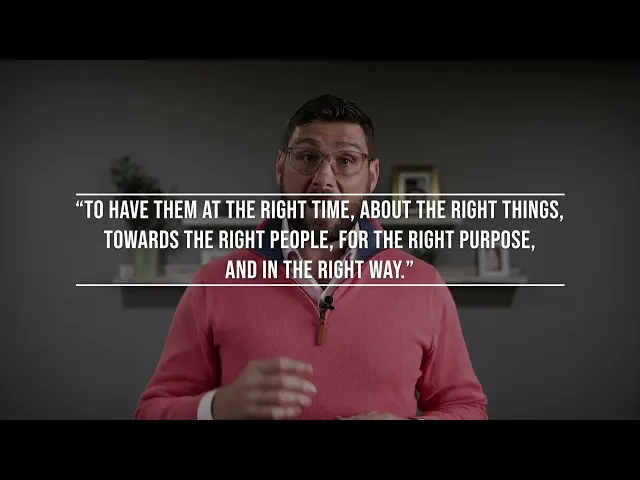
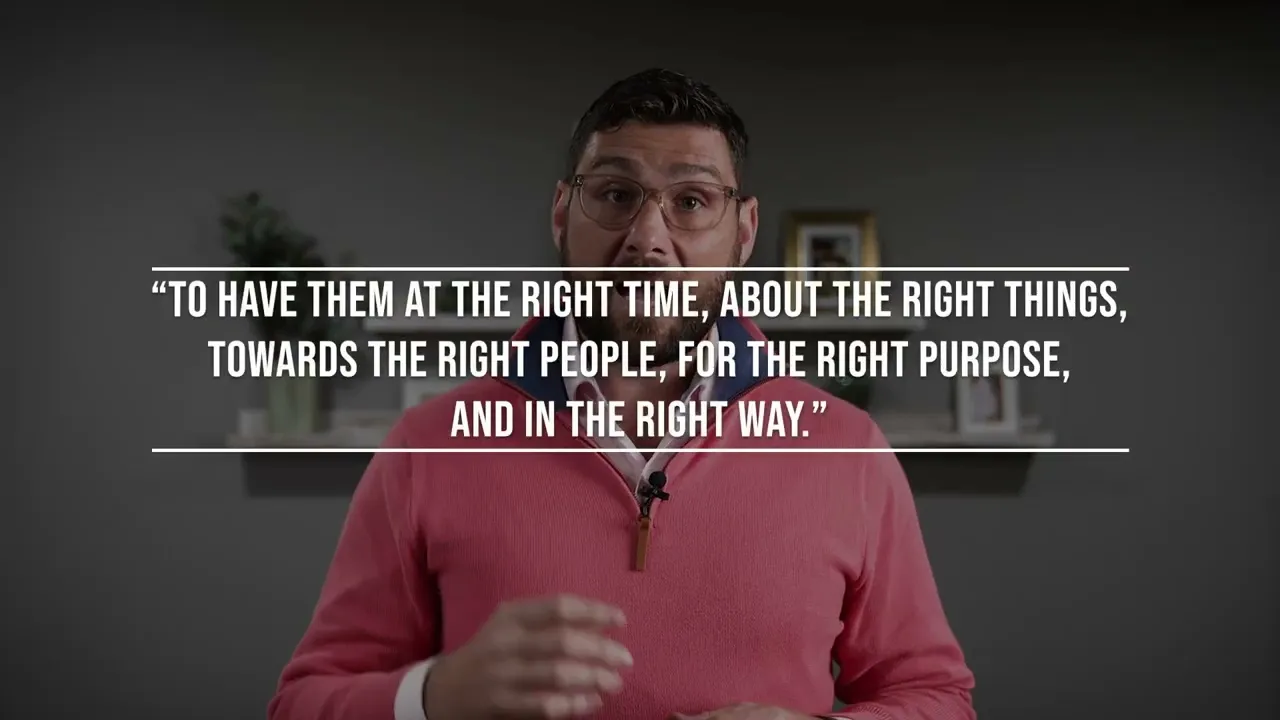
only to regulate your response to inordinate desires and fears but to also become someone with good and rational desires and fears the goal is not to get rid of your desires or fears altogether but to have them at the right time about the right things towards the right people for the right purpose and in the right way how do we know when we've hit the mark well it's an inexact science it requires what aristotle called practical wisdom or phronesis it involves taking stock of our circumstances our responsibilities our personal characteristics and our goals speaking generally
we can begin by noting that in most cases we can go wrong in relation to these desires and fears in one of two ways by excess or by deficiency so for example the person with an excess of fear is what we would call cowardly but the person who lacks the appropriate amount of fear is not brave but rather reckless the brave or courageous person experiences the right degree of fear but also overcomes that fear when it's right to do so courage we might say seeks the middle point sometimes called the meme between cowardice and recklessness
now notice that both the amount of fear it's rational to experience and what entails a rational response to that fear may be different for different people it will depend on one's circumstance for the seasoned soldier in the heat of battle it's one thing for most of us in times of peace it's another the same is true for virtues like temperance the virtue which names a rational and good response to desires for pleasure what is good for a professional offensive lineman to eat on a daily basis will be different from what it's good for most of
us to eat on a daily basis now stepping back aristotle notes four cardinal virtues courage or fortitude is to respond well and appropriately to unpleasurable things temperance is to respond well and appropriately toward pleasurable things justice is to respond well and appropriately in relationship with others which mainly means to give someone what they're owed and prudence or practical wisdom is an overarching virtue that deals with knowing the best way to act virtuously especially in situations with potentially conflicting virtues or goals aristotle taught that living well as a human being was something of a craft we
have to learn it by example and by practice just as we become a builder by building or a musician by playing music so too he writes we become just by doing just actions temperate by temperate actions and courageous by courageous actions through practice these virtues can not only be learned but can become habituated a virtue of character is truly a virtue when it has become second nature so the truly courageous person does not have to stop and consider whether her fears are appropriate and then subsequently decide about the best way to respond to them instead
she automatically does the courageous thing in the moment more or less naturally a person of this sort of character will be in what we call a state of happiness or eudaimonia living in light of her true purpose or telos of course not only are good dispositions built over time by habits but so are bad dispositions these may be called vices or character deficiencies now most of us know that habits shape character very powerfully for both good and ill aristotle's focus on character and virtue would encourage us to attend to the ways we're being formed every
single day sometimes very subtly and beyond our conscious recognition to have inordinate desires irrational fears or to lack self-regulation when i pull up to a stop light in my car and have a sudden urge to pick up my phone and check social media even though i did so at the very last stoplight i was at i should ask myself how have i been habituated into this particular bad habit and how can i go about unlearning it since habits once ingrained are hard to change we ought to be especially careful about the effects of regular practices
on our desires and our dispositions this character-based approach will be an important lens through the rest of this course it will be the basis for one of the prominent lenses through which we evaluate ethical action and moral problems and in addition to asking questions about the results or consequences of actions or about moral rules of right and wrong we will want to give attention to the question of character and virtue what sort of person would such and such action practiced over time lead one two become or how would an admirable person act in a particular
circumstance the question can be expanded beyond individuals to communities as well we might ask what kind of community whether civil religious or other do we want to become how can our actions reflect our aspirations what kind of formation would need to occur in order for us to reflect the character we find admirable and good and what kind of habits and practices are preventing us from becoming the sort of people we want to become you