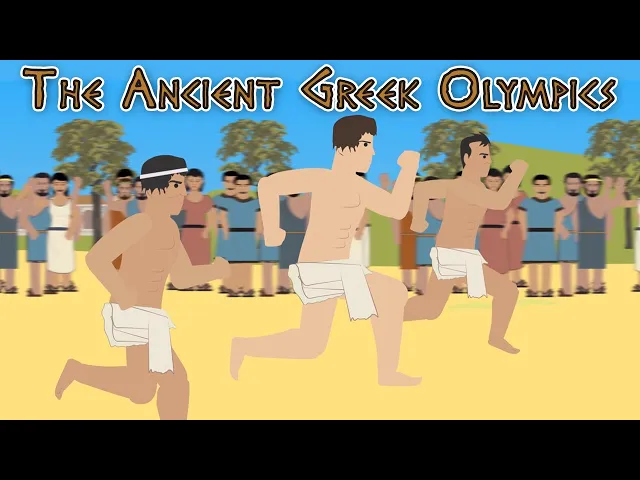
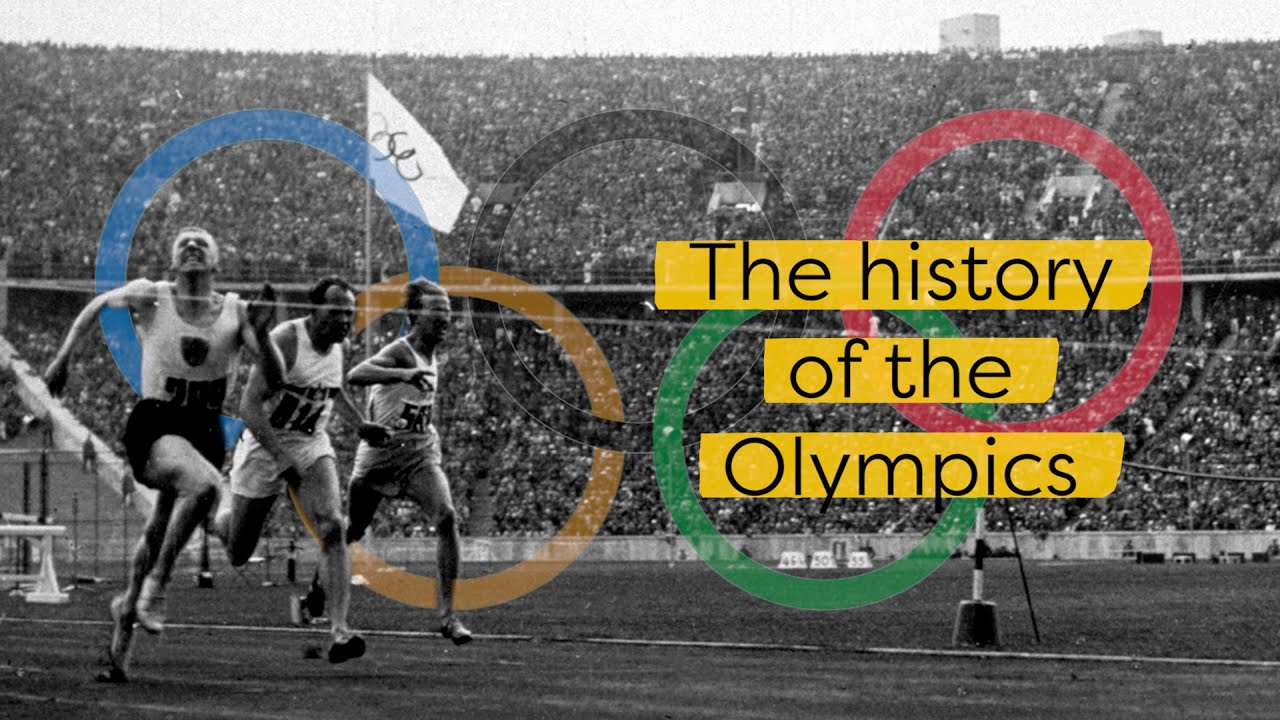
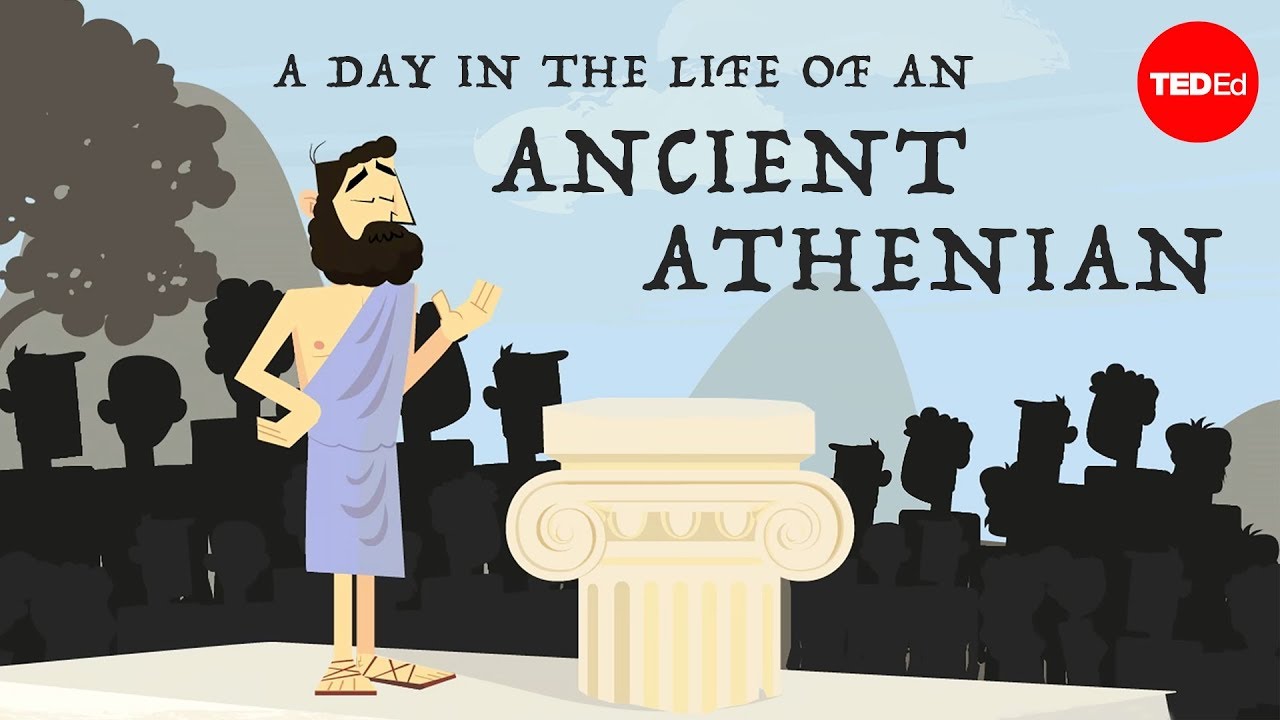
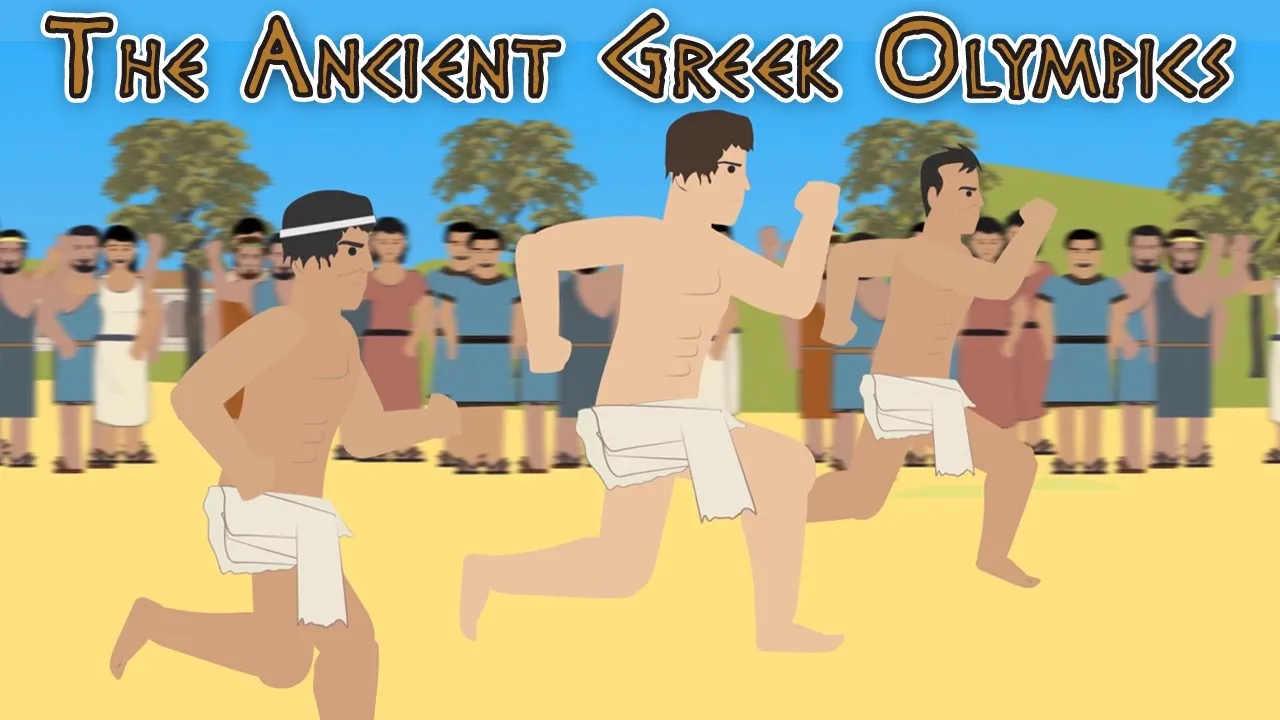
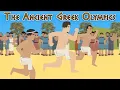
the ancient Greek Olympics 776 BC - 393 ad the modern Olympic Games started in 1896 by Pierre de Coubertin a French Baron after the French defeat at the franco-prussian war in 1870 it was thought that the French youth didn't have enough physical training this formed the idea of creating the modern Olympic Games on archeological research discovered new facts about the ancient Greek Olympic Games it was between 1875 and 1881 that the ruins of the site of the ancient games were uncovered the Olympic Games began in ancient Greece in July 776 BC at Olympia as a
festival with athlete events staged to honor the gods Zeus the Olympics also United individual Greek city-states and colonies in competition the first Olympic Games happened at a time when there wasn't a sense of being Greek this common identity only came up after the greco-persian Wars of 492 through 449 BC so everyone who participated in the first Olympic Games did not identify himself as Greek but as a citizen from the city he had come from it isn't known why Olympia was chosen as the site for the games despite that the fact Mount Olympus was clearly a
sacred place for the Greeks because it was a sacred place it was chosen to hold the games and that's why a great part of the Olympics was occupied by religious ceremonies in anticipation of the games messengers were dispatched to announce a truce or Acharya among all Greek city-states and colonies this temporarily halted all Wars and facilitated safe travel to Olympia the games were held over the course of one day until 684 BC at that point they were expanded to three days during the fifth century BC the Olympics were further extended to a five-day event the
Olympics were held every four years from 776 BC to 393 ad there were two hundred and ninety three consecutive Olympic Games for the games began an opening ceremony would take place there was a procession of all competitors to the home of the competition Olympia once they had arrived in Olympia all participants would swear an oath to the crowd and to the gods that they would abide by all rules that compete against each other with honor and respect one hundred oxen were also a sacrifice to Zeus in the most important religious ceremony of the games the
only event held at the first Olympic Games in 776 BC was a foot race called the stadium the race was 600 Greek Olympic feet in distance one study the first winner was quarry boss from the city of Ellis in 724 BC a second event the diablos was introduced twice as long as the steady on a distance race the dojos first appeared at the 720 BC games the DOTA toast varied in length anywhere from seven to twenty four studies but the most common distance was roughly 11811 feet or 3,600 meters the track was made of sand
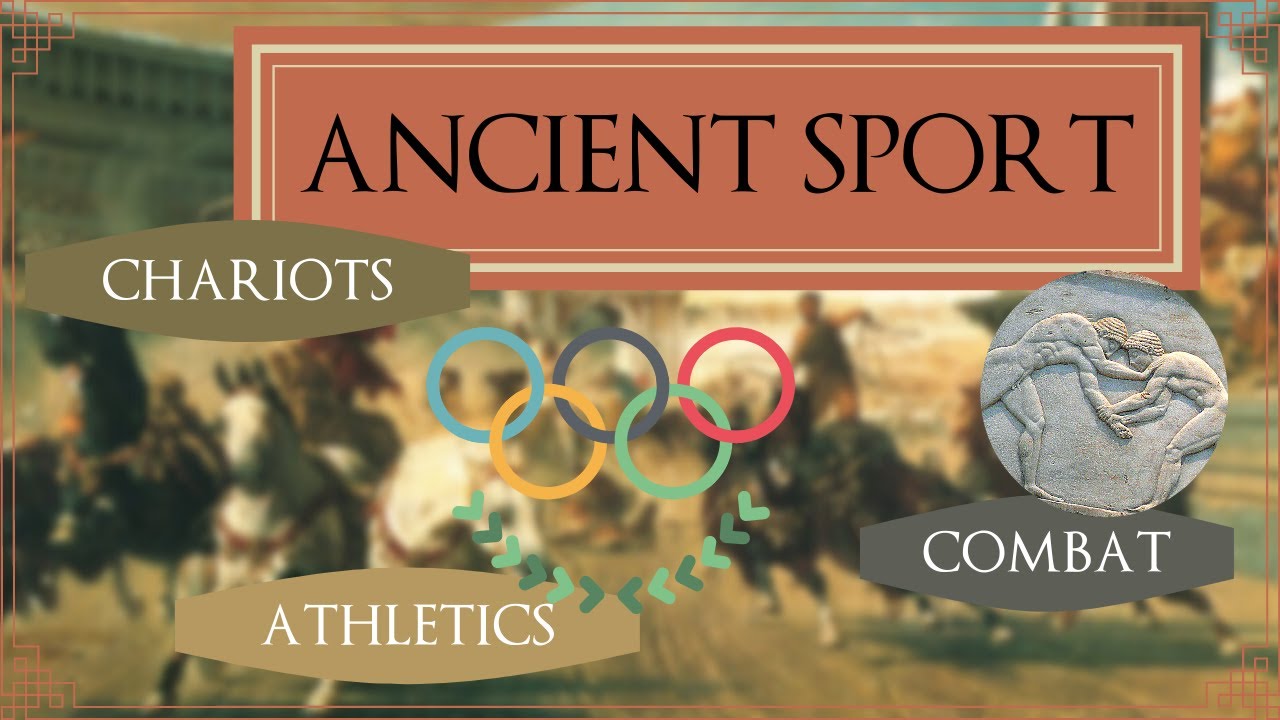
with grooves indicating start and finish lines an additional running event the race and armour was added in 520 BC interestingly enough only men were allowed to participate for all the events other than the equestrian events participants competed completely nude this allowed for freedom of movement and no contraband on one's wrestling was added to the Olympics in 708 BC as was the pentathlon the latter included five events over one day jumping discus stallion javelin and wrestling the jumping event consisted of participants jumping as far as they could while holding stone weights which they would throw towards
the end of their jump in an attempt to propel them even farther forward music also played as they jumped the discus throw in the ancient Olympics was similar to the freestyle discus throw of today originally made of stone participants would throw the discus as far as possible later versions of the discus were made of iron led or bronze javelin was performed with a leather strap and thrown skyward in the same sidon technique as today wrestling was one of the more popular sports in the ancient Olympics as it was a highly valued form of military competition
in ancient Greece competitors would wrestle until one admitted defeat in 688 BC boxing was introduced the boxing event consisted of two participants hitting each other until one was knocked out or admitted defeat the competitors would originally wrap their hands and wrists in cloth straps to strengthen and steady their fingers at hands but eventually these straps evolved into a tough leather that would often leave cuts and scars on the faces of boxers a blend of boxing and wrestling the pankration appeared in 648 BC the only restrictive moves in pankration were biting and gouging the first equestrian
event was added in 680 BC the tetrapod a four-horse chariot race was accompanied by the Calais in 648 bc mikelis involved a rider on horseback during the 5th century BC a two horse chariot race the sonorous was added as a race for trotting mares that count there a mule led chariot race the ebony was run for only a short time during the sixth century BC Olympic athletes from the Greek colonies on southern Italy Sicily and Asia Minor arrived at Olympia one month before the games to train for their events upon arrival they had to declare
that they had been training for their events for at least ten months professional and personal trainers accompanied electives oil massagers in getting athletes ready to compete historians believe that since the early part of the history of the Olympics that athletes were very specialized at least from 700 BC on because of how little evidence there is on competitors winning more than one type of game winners of Olympic events received crowns made of olive leaves of Gorky nose and branches from a sacred olive tree called Cala stefanos these prizes were thought to be magic at least in
the first days they also returned home as celebrities heroes in their victorious representation at the Panhellenic event once victors had returned to their hometowns across Greece they were hailed as heroes and were celebrated by lavish banquets and even tax exemptions however their greatest prize was the historical immortality they achieved all Olympic events were overseen by judges trained at Ellis as the administrative heart of the Olympics Ellis supervised all aspects of the game to compete was a way to pay tribute to the gods the competitors swore by Zeus that they will respect the rules of the
games and Fairplay there were formal rules to every event and in the event of a violation athletes were fined flogged or simply excluded from the games one type of punishment was to pay fines which could then be used to set up statues of Zeus spectators travel from throughout the Greek world to watch the Olympic Games from 776 - 550 BC the games were held at the sanctuary to Zeus in Olympia later spectators and attendees mostly men gathered at the stadium a site that accommodated more than 40,000 people by the second century AD women were not
permitted to compete in the games and married women were barred from attending the games under penalty of death by being thrown off a cliff when Greece became part of the Roman Empire for the Olympics expanded beyond Hellenic confines banned by Theo dizziest the first in 393 ad they were again shun by the Roman ruler the Odysseus ii in 426 ad natural disasters and plundering invaders wreaked havoc on Olympia for the subsequent centuries and so it wasn't until 1896 that the Olympic Games were reinitiated in Athens Greece hey guys check out this simple history merch on
T spring there's t-shirts mugs stickers phone cases and much more link in the description below