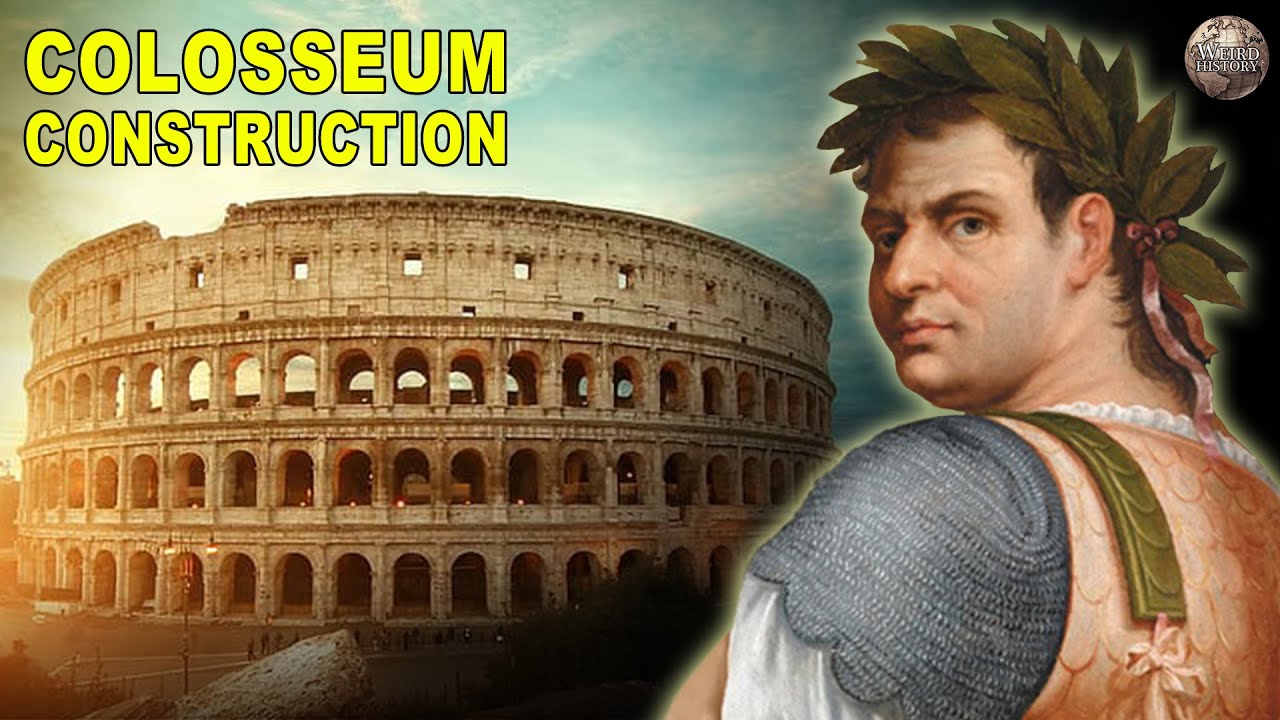
building the Coliseum was the culmination of the career of emperor vispasian and what he built still stands two thousand years later today one of Italy's noted industrialists has stepped in to preserve it for future Generations workers are busy scrubbing the grime off the white travertine facade which is only now starting to divulge many new secrets [Music] thank you Dawn Rises on the Colosseum under restoration men and women are already at work cleaning the facade the view from the highest point gives a unique perspective on the engineering of how the world's largest Amphitheater was constructed travertine
is extremely resistant to water and has provided support for the rest of the Coliseum structure for two thousand years the job entrusted to conti and her team is not only to restore the ancient glory of the stonework but also to ensure it has remained impermeable and where it is fractured make it waterproof once again with a resin hammer or with the wooden handle we check the whole surface to see if the fragments are in situ stable we do it using percussion and sound like a doctor listening to lungs but also using tactile Sensations because when
we put our hand on the stone we can feel the difference in the vibrations and the extent of any detachments over the centuries various kinds of materials have been used to repair the Colosseum today restorers are using stucco made of a mix of limestone and marble powder which they have determined will best match the ancient stone [Music] we don't use travertine powder which would have been coherent as an idea because aesthetically travertine powder creates an opaque paste when dried so we use marble powder now I will show you the dried powder and you can see
a variety of the colors we use so that the workers have a range of Hues to arrive at the same color as the limestone the stone changes color naturally over time so cleaning it also means not destroying the natural color of the original which has been subject to weathering every step needs to be monitored so as to avoid turning the monument into an unnaturally white color cleaning between the stones is delicate and time consuming some tonal discontinuity in the ivory white of the travertine represents however the passage of time it is like my gray hairs
from my black hairs it is an aesthetic choice I can dye my hair I can also dye the hair of the Coliseum we have to allow the visitor to understand that time has passed the patient and laborious work of cleaning and restoring the facade of the Coliseum is barely the beginning of the massive renovation project just as getting the travertine Stone to Rome was just the first step in building the biggest Arena of the Roman Empire they use the large depression caused by the lake to build the foundation which was an enormous structure an elliptical
structure with a central space a sort of donut-shaped foundation layer 13 meters wide [Music] in all it took 10 years for the spazian and his sons Titus and domitian to build the massive Arena which was called the flavian amphitheater after their family name although Vespasian died just two years before the massive job was done this great Roman General's Legacy has survived to this day it was absolutely a short time if you think about the square meters of structure built and considering the tools and equipment that they had access to once inside the Colosseum Engineers used
the existing inclined planes inside the cavia to haul slabs of travertine to the highest parts while slaves did much of the heavy lifting experts believe specialized Artisans were overseeing the work you can have slaves that can be employed as a stone Carvers or whatnot for something specific and Technical but it just wasn't convenient for the state to have slaves or employee slaves for this kind of activity the work the building of Rome is done by soldiers is done by associations and groups of Carpenters and Masons and so forth that could have slaves but again this
is not a city that's built by slaves four different companies are believed to have been contracted to build the Coliseum working simultaneously on different segments Architects have studied the joints where the different construction companies segments came together and inside the monument itself we see different engineering Solutions applied to the same problem the goal was to build this giant building as fast as possible not to make it particularly elegant or beautiful they believe the work was divided in sectors and given to different construction companies that worked at the same time in various points we see these
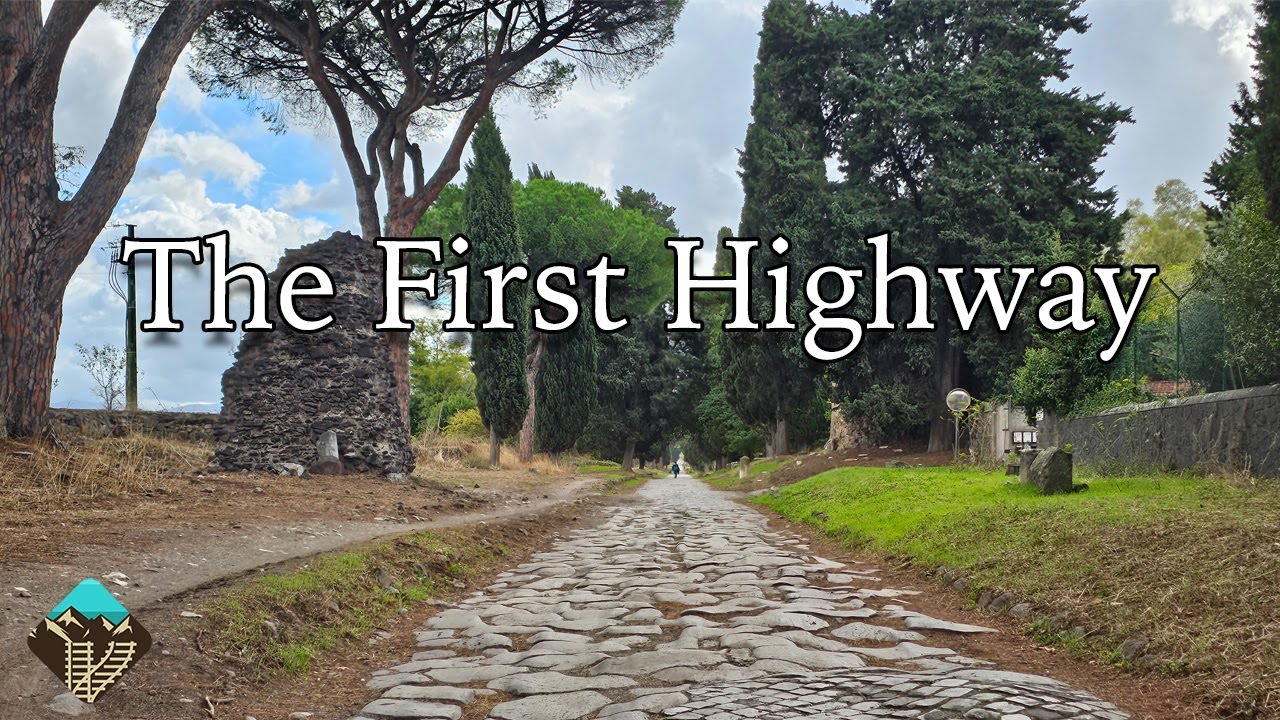
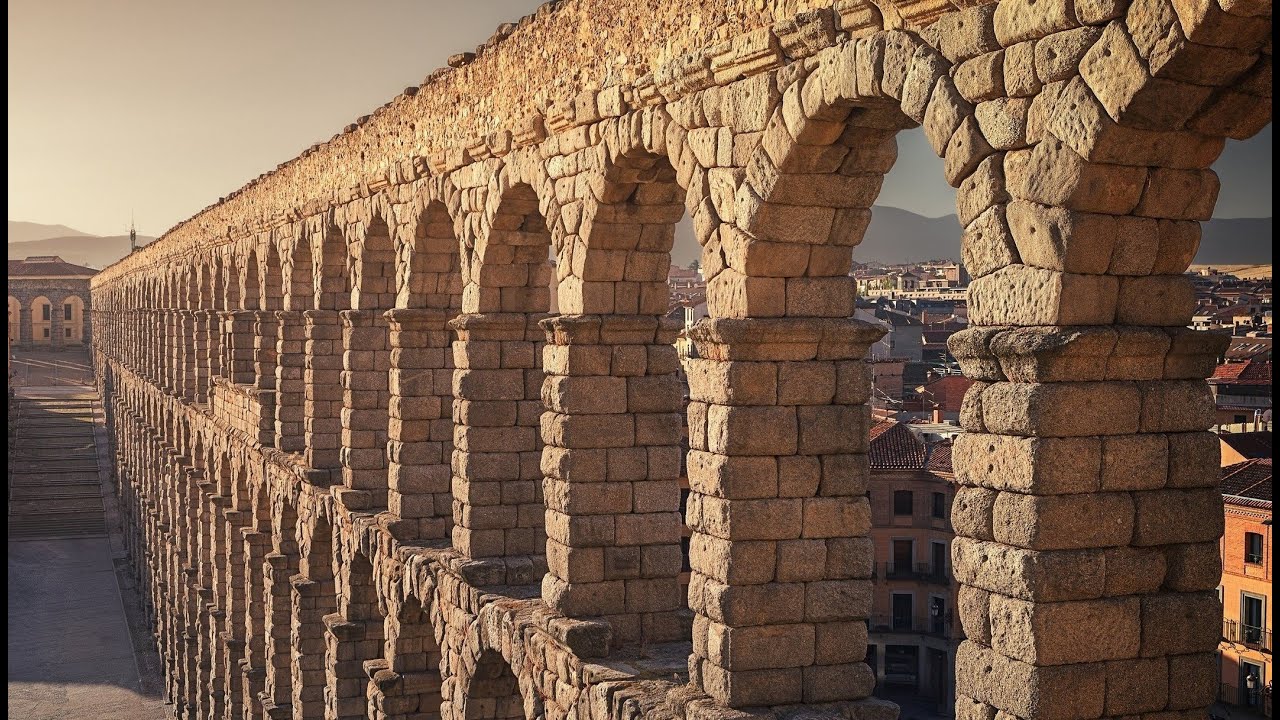
joints there are several places where the Arches are deformed with their heads at different heights and you can see that this is where the different teams came together Roman engineering had already performed the Miracles of the aqueducts and the Roman roads and although no designs of the Coliseum have emerged the basic principles of Roman architecture had been codified the arch was introduced by the Etruscans but the Romans understood its potential and used it everywhere such as in aqueducts and bridges the arch is a great structure because with a small amount of material you can cover
large spaces the arch works because it creates a horizontal force between the blocks that is compensated for when they touch the ground the strength of crossed archers was already known to the Romans there were two kinds of archers involved in the flavian amphitheater the barrel Vault made of Roman concrete and Bricks which was built using wooden molds and the crossed arch in travertine Stone the distribution of forces gave these archers incredible strengths especially when supported by adjacent arches Roman concrete was more resistant than its modern equivalent because its component parts solidified When Wet The Archers
the concrete and the travertine all worked together to make the Colosseum extremely solid in the Coliseum the horizontal forces that each Arch creates is compensated for by the next Arch down so every Arch compensates the forces generated by the neighboring Arch the difference the building was held together thanks to Geometry these huge columns are made of great blocks of stone and the interplay of arches keeps the whole structure standing the solid structure that has survived to this day is not only the result of the advanced Roman engineering techniques but also shows signs of their very
practical application to speed up the building work [Music] for 2000 years the Colosseum has defied the ravages of time to remain standing but it won't last forever without regular maintenance and key structural repairs which are finally being carried out today thanks to a unique public-private partnership for its restoration the construction techniques used for the Coliseum are the same as those used in kapua and Verona the internal surface of the building is covered in brickwork which functions as a lining for the stone structure adding uniformity support and lightness from this Viewpoint you see the exterior Grand
height of the Coliseum which has disappeared on the side it's been damaged by an earthquake that material has been carted off we get a view into the interior ring also travertine Stone but then it Peters out and becomes brick that's been reconstructed so when you look at the Colosseum you're getting all kinds of different views into the history and the Reconstruction the Shoring up and the stripping out of this Grand Monument this is where One Construction segment meets another the difference in the stonework is clear to the naked eye the Romans were very pragmatic they
paid attention to detail only where it could be seen wherever there were places that couldn't be seen or wouldn't be noticed in the overall building they didn't spend too much because Precision has a cost the interior of the Coliseum is different it's not travertine Stone it's the brickwork but the brickwork is clad in Marble so the marble veneers all but disappeared but you can imagine the entire interior space shining with marble the top of the Coliseum still visible today and you can see a lot of the stonework its place it looks a little not quite
so neat from the exterior of it of course it's perfectly carved and wonderful and well organized but on the inside it wasn't going to be on view that particular arrangement of the stone blocks so not cut to the Perfection that they could have done no one's going to see that part so who cares we see it today exposed and we we ask questions the inside archers betray the junction of the segments the way the barrel vaults are built can be seen clearly here the brickwork would have been supported by wooden molds that held the bricks
and mortar together until dry the construction of amphitheaters not only of the Coliseum but of all theaters and amphitheaters was made possible by the massive use of Roman cement concrete that allowed the Romans to build bowel vaults in series such as those you can see in the amphitheaters the stones were laid one on the other without cement so the masonry had to be extremely precise today when you go inside it's been partially reconstructed now there's even the idea to reconstruct all of it to allow more access to explore and experience the Coliseum when in ancient
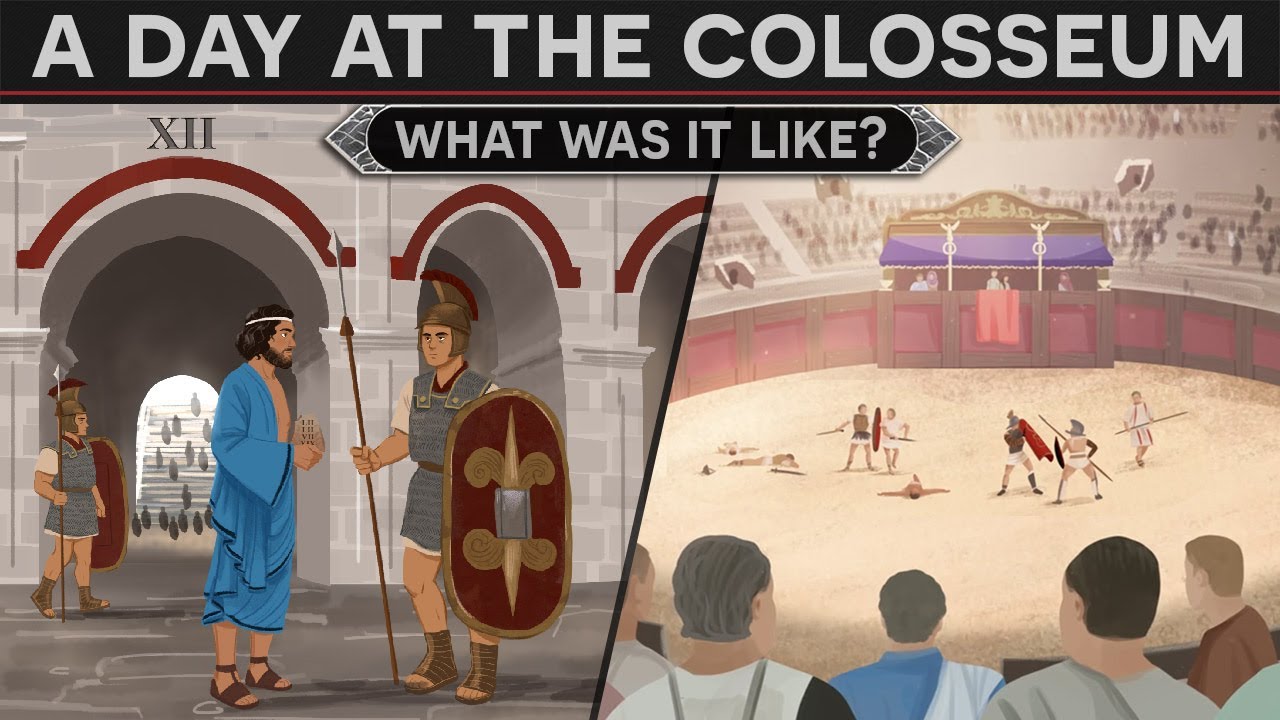
times it's all wood and then you have the trapdoors and up pop the protagonists the Gladiators and many of the wild animals historians believe the format for Roman games involved animal hunts in the morning executions of criminals at midday and gladiatorial combats or Recreations of famous battles in the afternoon and evening the big stone structures Down Below in the foundations held up the lighter structures above where the public sat to watch the games as The Archers Rose upwards the construction materials used were lighter and lighter the Coliseum is held up by travertine Stone which are
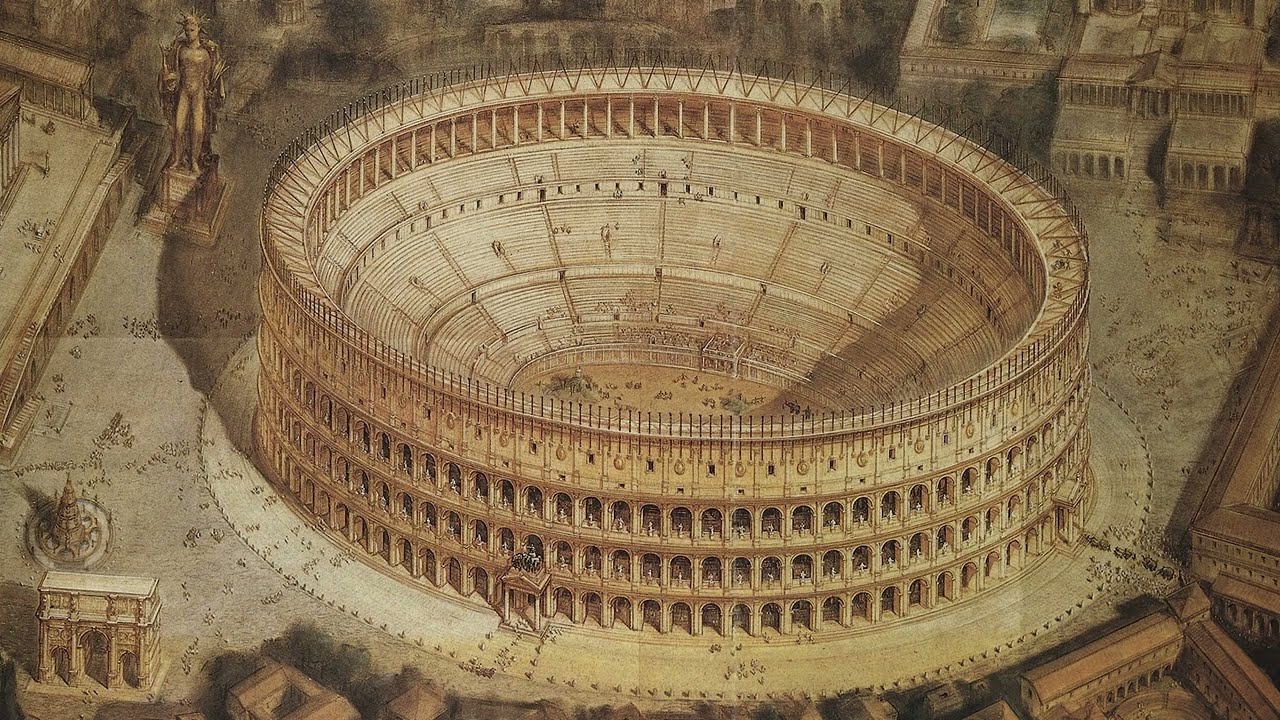
the travertine columns and it becomes lighter as the structure Rises to the upper floors so the heaviest part is the first level because it holds up the whole of the upper floors that right now are missing the entire Amphitheater was richly decorated in marble and bronze with statues in every Arch the whole Coliseum was capped with a sail-like awning to shelter The Spectators from the Sun it was held up by ropes and poles resting on Ledges all around the construction each with its own drain to stop the wood rotting in the rain it can't fall
inwards because the radial walls resist inward horizontal pressure while forces that are pushing outwards are more problematic because there are no outer structures that's why the Colosseum is not cylindrical but slightly conical and gets narrower towards the top and this means that the center of gravity of the stone masses are displaced inwards and this makes outward collapse more difficult this is where the less affluent people of Rome would watch the battles in the arena but even then they would still be no further than 60 meters from the combat in 80 A.D the emperor Titus inaugurated
the great arena with lavish inaugural games and feasting that lasted more than 100 days exotic animals were transported from the Wilds of Africa for special hunts and the best fighters were called into Service as entertainment City money means weeks months of continuous games thousands of animals killed hundreds of men to fight in that Arena but there is one story in particular of two Gladiators who get called out of retirement to come back and fight for this big event a bit like if we were to inaugurate a Stadium today if we were to call back Pele
and beckenbauer at the time of Titus inaugural games the sellers were built of wood not of brickwork they were made of wood so that they could be dismantled The Arena Stage taken down for sea battles and then rebuilt for the gladiatorial combat and the animal hunts the games that would go down in history as the most lavish however were those held by trajan when he celebrated the conquest of Dacia today is Romania the most spectacular games were trajan's celebration of the conquest of Dacia which lasted 120 days and over 25 000 Gladiators fought each other
the Colossus statue of Nero was preserved and Hadrian had it moved from near his Palace to a place by the amphitheater it was the Roman's memory of that massive sun god statue that gave the flavian amphitheater its nickname the Colosseum just off to the left you see a couple of little cypress trees there stood the Colossus it was an enormous statue we're talking about the size the Statue of Liberty except for the arm was not upraised it was resting on a pillar over time when we hear of it no more authors start to call the
flavored Amphitheater the Coliseum the last use of the Coliseum that we know of comes after an edict by honorius in 404 A.D and here too let's remember that there is no perfect recipe for a good Gladiator for a good Amphitheater for the beautiful battle we are talking about a practice that began in the 3rd Century BC and that ended at the end of the 5th Century A.D an incredibly long space of time in a Coliseum that the sources tell us was already partially buried by the events of time battered by earthquakes fires and lightning and
the removal of marble in 528 A.D at the time of the longer bards in Rome a hunt is organized with this hunt in 528 in the Colosseum was the last recorded event of its kind as Rome declined the Coliseum was put to many uses as here at the theater of Marcellus houses were built inside the structure but they did not stay for long the Colosseum was rich in resources which over the years would be pillaged and reused in other ways if you look at the stone and the exterior you see the travertine blocks oftentimes have
holes in them and those holes tell the tale of people in the Middle Ages extracting the metal pins that were originally joining one block to another block so in the end this large abandoned site is becoming a quarry is becoming a free shopping mall people are coming and taking material that they can use again the molten lead that held the stone blocks together was hacked out travertine was burned in Lime Kilns to make mortar the urine of horses stabled there eroded the stone for uses saltpeter and gunpowder worse was to come when we look at
the exterior of the Coliseum we don't see that massive 50 meter high exterior around the entire structure it only exists on one side what about the other side what happened a massive earthquake and a large section here on one side tumbles down in the middle of the 14th century so by the time we get into great documented periods like the Renaissance we read about cart loads of material being taken from this job site or this ruinous site over to Saint Peter's facade hospitals Bridges Palazzo Venezia was built for the Cardinals of Venice in the 1500s
with stones from the Coliseum they were also used for the lodger of the city of Rome's Cathedral San Giovanni in La tirano as well as today's French Embassy Palazzo farnesi finally the Colosseum was saved when Pope Benedict XIV declared it a monument to Christian martyrs no one could touch it any longer [Music] although coal fires and traffic quickly covered the white facade with a soft black layer of soot latency the goal of this worksite is not only to take away the deposit of black soot but also identify all the cracks and create a single map
this has never been done there's a difference between a small crack at this height and a long crack that goes up to the top we have to see if it goes all the way up the layer of black Grime LED previous restorers to use dark cement to fill in the holes and cracks in the facade Dr Conti must renovate the renovations of the past much of the stucco laid in those years the 1950s and 60s is black not because there are stories of the time were incompetent or colorblind but simply because we have to imagine
that the surface was black they returned the color and integrated the stone with black filling the color of the stone and its Dirty Surroundings the world's most famous monument is not only getting a cleanup but is also due to be modernized inside and out amid a storm of controversy foreign [Music] ERS are hard at work with nebulizers brushes and sponges cleaning away the grime of centuries renovation is due to take two years and the problems that face the ancient Amphitheater before it can be fully opened to the public are still many doing conservation work on
a site like the Coliseum is going to be multifaceted it's not just one issues you've got to always worry about water infiltration here on this Hillside overlooking the Coliseum you see what happens over time is that water is going to run off and that runoff can eventually lead to a collapse occasionally you'll have seismic activity you have the threat of earthquake so you have ongoing threats and of course you have traffic you have pollution but you also have a metro line passing underneath you have the cars and the Metro that are creating more seismic activity
naturally the vibrations of the heavy traffic go the irregularity of the frequency of the vibrations can produce problems for the surface only if the surface is already weakeneda some of the most advanced monitoring of water infiltration and seismic activity inside an ancient Roman arena is already being done in Verona to the north here the Romans had designed every seat every stair so that water would run off into a complex system of drains [Music] the Romans had designed the seats very differently in that the way the seat was carved reduced the points of contact and at
the edges there was a small protruperance carved into the stone to stop water filtering under it but when the later engineers in Verona replaced the damaged marble seating they left gaps that allow water to seep through this situation was not respected when replacing the material and consequently from this kind of placement we have serious problems today the water infiltrates and goes and damages the Arches threatening to erode the materials we're only filling up the larger cavities that threaten to let rainwater through the stone facade into the area of the barrel vault which are the true
weak point of the monument that need to be protected from water and vibrations any damage to the Roman mortar that holds up the barrel vaults poses a mortal threat to the whole structure there is no longer a roof on the Coliseum so the water enters but we try to maintain the floors below that are the roof of the Arches that are beneath aside from the nebulization as we turned on the tap to wash we also stuck a surgical tube in every hole to see if it went through the delicate work of gently hammering the stone
to find empty spaces is time consuming once identified the hole behind the facade has to be filled up with marble stucco to make sure water does not filter through to the vaults and further damage them as they Remain the structure on which the whole of the Colosseum still stands the stucco done here as you can see has a different color tone from the ones we saw before because it is getting close to the true amber color of the travertine once the job of consolidating the Coliseum is completed the next step will be to decide what
to do with it the city of Verona has more than a century of experience using its arena for modern events they have struck a balance for making Necessary repairs to the monument while making healthy returns for the city the Verona Opera season is an important source of revenue for the whole city we're talking about 450 million euros of turnover associated with all the activities of the foundation but most stage managers aren't accustomed to holding events in a structure two thousand years old City and government officials are responsible for preserving the monument and also protecting the
spectators our experience acquired over the years is that the organizers of events born for stadium environments are not flexible in adapting them to archaeological sites such as the arena Taylor indeed over the years the whole of the Arena almost as large as the Coliseum has been rendered safe and functional using sensors like this placed in cracks in the Vault Under the public seating to register the slightest movement the system set in place is the most advanced of its kind monitoring the structure is done through instruments set up in the arena aimed at verifying the static
and dynamic behavior of the amphitheater [Music] just a few days after the system became operational the city of Verona experienced an earthquake registering 5 on the Richter scale to his Delight the team were able to verify the mathematical models used to build his system [Music] the earthquake was quite large but did not damage the structure of the Arena later his team were able to verify the effects of rock concerts in the arena and reassure the culture Ministry that this precious Monument was safe there was a doubt that the sound levels could create problems with the
structure but with this system we could see that in any situation the level of disturbance such as from The Sound levels during the concerts was in any case smaller than that registered in the earthquake in a rare visit to the tunnels under the caviar Mr Manon illustrates how the Verona Arena worked we don't have traces of how the animals and shenography were put onto the stage but we know that this space did have two semicircular niches where there was a lift and pulley system today this system of cables and rods keeps the floor stable under
the orchestra pit making the arena suitable for concerts so far the Coliseum has not reaped the benefits of Show Business but one day the Colosseum cardia could be covered too and concerts and events held there is the new floor could be used for cultural initiatives so this could give the monument a greater value to the public enrich its use and its relationship with the public in fact whole new areas of the Coliseum that were not accessible to the public before are going to be opened for tours after renovation is complete [Music] the total renovation of
the sellers will allow us to open them to visitors which will be limited to small groups because it is a labyrinth-like structure that requires a guide as the rest of Rome gets a facelift thanks to private money restoring and using the Holy Grail of Roman monuments for marketing and promotion is subject to controversy I think companies get get the fame but the recognition they it's getting publicity so Todd's Todd's Todds you hear this over and over again because of what they're doing in association with the Coliseum the Coliseum restoration Accord calls for not just restoration
but also other initiatives such as the establishment of a non-profit organization Friends of the Coliseum which will operate the external aspects such as managing the monument the agreement on the Coliseum allows for the creation of a non-profit organization called friends of the Coliseum and this Association has actually been created to help the spread of cultural activities around the Coliseum friends of this organization Friends of the Coliseum Friends of the Louvre and so on and they are recognized as individuals and as organizations because they too want to help preserve this world heritage it's not easy we're
going to build a help center that will take out the activities that are at present inside the monument that aren't really compatible with the monument such as a small Bookshop the ticket office and toilets clearly we can't create large enough spaces within the monument while outside the monument we will have more space to help visitors that we know are at least between five and a half million and six million a year Diego De La Valle is the CEO of Todd's group an Italian manufacturer of shoes and leather goods who has long been tempted to enter
the political Arena the Maverick Shoemaker struck a deal with the Italian culture Ministry that allows him to use the Coliseum as a marketing tool however he denies any such intention and indeed thinks more private entrepreneurs should be trying to help the Italian State at this difficult time I would advise my friends the Italian entrepreneurs if they haven't already thought about it to take a minute to think about what they can do for this country because if we do things as entrepreneurs it has a practical effect because things get done the sponsor who in this case
is or whoever else it might be wouldn't have been able to give more doesn't necessarily have to give more because what is made available is the cost of the work to be done it doesn't have to cover the entire Monument nobody gave away the coliseum in terms of image or property to anyone of course the Coliseum Remains the property of the state of Italy nothing has been sold and private sponsorship doesn't take over the uh protection and monitoring and so on of the Coliseum the ultimate decision and the ultimate control remains in the hands of
the ministry of culture and the superintendencies as long as that happens and you have the transparency so people know where the funds are going I think it's a win-win situation for everybody one thing everyone can agree on however is the pressing need to preserve what is perhaps the most iconic and haunting image of ancient Rome the Colosseum is one of the wonders of the ancient world and still stands two thousand years after it was built amphitheaters like this one were venues for gladiatorial entertainment in every Roman city of the empire there were no less than
230 in the four corners of the Roman world Rome's Coliseum is the largest Arena Still Standing today but it is in need of imminent repairs man and nature have eroded vast portions of the monument though it still attracts millions of admirers every year restorers are diligently cleaning and consolidating the ancient Arena taking care not to destroy the marks of History beneath the floor of the Roman Arena was the Empire's most powerful propaganda machine the equipment used for stunning visual effects that wowed the public over and over the coliseum's underground sellers represent the emperor's machine for
illusions obviously the scenery was impressive just as the shows which were given to the citizens by the Emperors to maintain or to increase their popularity were spectacular the challenges of opening this Maze of tunnels and niches to the public however are enormous before restoring the sellers of the Arena a lot of work needs to be done above all draining the waters we must never forget that there's a river that runs under the Coliseum and the water floods the Coliseum when it rains heavily foreign [Music] the controversy surrounding the private funding of urgent restoration work on
the monument has opened a whole new discussion on how Italy manages its cultural heritage all our clients when they buy our products somehow they also contribute to the renovation of the Coliseum private sponsorship is not the solution it is a solution and it's a great solution but there are so many things that need to happen and can happen hopefully with this private sponsorship it's jump starting the conversation getting more people involved more levels of participation involved that's what I'd like to see Italy holds three quarters of the world's great works of art and yet in
the throes of economic crisis the Italian state is expected to maintain this cultural heritage of the whole of humanity alone in such a difficult moment for our country for the whole world economy but also in Italy I'd say that the situation we see is very worrying and we hope it will pass well in moments like this the most famous people the strongest companies I think they should Place themselves at their country's disposal they should do what they can and they should do it without asking for anything back the message is what can we do for
our country today across Italy major monuments in need of repair are being restored with the help of discreetly branded sponsorship the iconic Trevi Fountain made famous in the Fellini film La Dolce Vita is today covered in scaffolding and workers are chipping away at calcium deposits to reveal the original sculptures again a major Fashion House made the restoration possible the Colosseum is no different say those who support the initiatives if you maintain it if you invest in it if you Shore it up because it does need help this won't stand here forever on its own you
will have something that can be around as long as you know humans are around but you need that investment you need that care and the Coliseum is finally getting it given the sheer breadth of Italy's cultural heritage and the dire need of protecting it for future Generations a new law was passed in 2004 allowing for several new types of public-private Partnerships in actual fact the role of the private comes in two forms either via a donation or via a sponsorship surely the sponsorship of the Coliseum is one of the best examples of this is if
every big Italian brand adopts a monument very soon there could be renovation work all over the country lightening the load on the staff of the cultural Ministry the question is how far the sponsors will be allowed to go to recover the investment in Global Communication as far as the cultural Ministry is concerned the issue is simple what will it cost to get the job done the sponsor contributed the sum of 25 million Euros which is the sum needed to carry out all the work that had to be done to save the facade of the monument
to create a welcome center and to do the work inside the monument it was budgeted at 25 million Euros so what the sponsor offered is exactly the sum that needs to be spent to do the work what I would like is to be recognized as having shown that the time has come to stand up and work for our country and not complain restoring one of the wonders of the world is no small feat but it is not the first time the Colosseum has been restored or rebranded and probably won't be the last the restorer is
like a doctor and serves Society to maintain the monument Memento over time and this gives enormous satisfaction never forget the prophecy of the venerable bead an English monk who said as long as the Coliseum stands Rome will stand when the Colosseum Falls Rome will fall and when Rome Falls so will the world [Music] the whole story of the world's most famous stage is a constant work in progress an ongoing saga of epic proportions [Music] [Music]