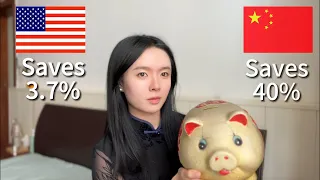
I love studying people and learning from people so when I discovered the Chinese basically saved a bunch of money I wanted to find out how do these people save so much money the most stunning fact about the Chinese is that in China the gross savings right there is 45.9 as of December 2021 did you know that if an average American adopted Chinese savings habits they could potentially save an additional thirty thousand dollars annually shocking right despite earning significantly Less on average than American households Chinese families managed to save almost half of their income you've ever
found yourself living paycheck to paycheck or struggling to put money aside you might be wondering how well you're in for a treat today we'll dive deep into the unique strategies ingrained in the Chinese way of life that have led to such phenomenal savings stick around you might just learn techniques that could transform your financial habits forever Chinese civilization has gained prosperity of today after several thousand years of Heritage and monetary culture is one of the glow of Chinese civilization all right let's start our Deep dive with probably the most crucial piece of the puzzle the
age-old culture of saving as of 2020 while many of us here in the states were saving around 7.6 percent of our income our friends in China they were saving a staggering 37 percent I mean that's almost five times more than us can you imagine the difference that would make in your savings account it's clear that there's more to this than just numbers it's a profound reflection of cultural values and priorities now I'm sure you've heard phrases like saving for a rainy day right well in China That's not just a saying it's a lifestyle you see
Chinese culture rich with the wisdom of Confucian teachings places immense value on frugality it's not just about being tight fisted but more about being smart and prepared for the uncertainties ahead think of it as Financial mindfulness they're always thinking a step ahead asking what if things go south tomorrow on the flip side we have the West especially in the U.S where the vibe is more let's call it live in the moment which don't get me wrong has its perks but when it comes to money this might translate to a bit more spending and a bit
less saving and there are lessons we can borrow and adapt to our own lives stick around as we unravel more of these fascinating strategies all right moving on to our next intriguing chapter the multi-generational household get this over 58 of young adults in China live with their parents compared to just about 20 percent in the USA that's more than half of China's youth enjoying the economic benefits of shared living now imagine this after college instead of searching for your own apartment or moving in with one of your roommates you head straight back to your parents
place and no it's not a back at square one situation it's the norm in China it's common to have grandparents parents and children all Under One Roof sharing daily life together now some might think that's way too much family time but here's the catch this system isn't just about family bonding which by the way is a bonus it's about a practical Financial strategy think about it shared expenses utility bills groceries even renter mortgages get split among more earners the economic burden on any individual dramatically decreases Beyond just the obvious savings there's the value of shared
responsibilities elderly grandparents might take care of the kids parents manage household chores and everyone chips in leading to less Reliance on external services like child care this multi-generational model might not be everyone's cup of tea but there's no denying it's economic genius maybe it's time we rethink the way we live and the potential savings that are hidden right there in our family tree diving into our third chapter let's discuss a simple yet profound distinction needs versus wants sounds basic right but in practice it's a game changer in China before splurging on that shiny new Gadget
or those trendy shoes there's a moment of pause a quick self-check do I really need this now this doesn't mean they aren't indulging or treating themselves it's more about intentional spending it's choosing quality over quantity investing in Essentials and cutting back on impulsive buys while many of us might get swayed by flashy sales and fancy advertising in China there's more of a methodical approach to spending here's a fun experiment take a look around your room right now how many things can you spot that you haven't used in months those purchases that's where our money silently
Slips Away Now imagine redirecting that money into savings or Investments over a year the difference could be jaw-dropping so while this might seem like a small mindset shift its financial implications can be Monumental it's about making every dollar count and maybe it's about time we all gave it a shot now let's talk about bargaining for many of us bargaining might be something we try out during vacations and Street Markets but in China it's not just a skill it's an everyday tool whether it's veggies from the local market a new piece of tech or even Services
the first price is rarely the last now you might Wonder Isn't that awkward isn't that a bit too aggressive but it's neither it's a dance an interaction where both parties find a middle ground and here's the Golden Nugget on average you can shave off 10 to 30 percent from the initial asking price just think about the cumulative savings but it's not just about the discounts bargaining strengthens a sense of value it makes one evaluate the true worth of a product or service ensuring you pay what it's genuinely worth so next time you're out shopping maybe
try a little haggling start small have fun with it and watch those savings pile up they're not going too far with its education or perhaps should the rest of the world actually learn from China and now we're diving into a topic that's close to every Chinese family's Hearts education in China education isn't just about getting good grades or Landing a decent job it seen as a critical investment for the future you've probably heard stories of kids attending school for long hours followed by extra classes it's rigorous yes but there's a Grand Vision behind it now
think about it investing in top-notch education sets the stage for higher paying job opportunities more substantial Financial Security and overall better prospects in the future instead of spending on immediate Pleasures many Chinese families Channel their resources into educational Endeavors it's like planning a seed today and reaping the fruits for years to come fact alert Chinese students consistently rank at the top in global education rankings which often translates into higher earning potential later in life and while the intense focus on education might seem overwhelming to some there's no denying its long-term benefits maybe it's time we
viewed education not just as a phase of life but as a lifelong asset paying dividends in the most unexpected ways we're coming to our next point of discussion this is a biggie while credit cards and monthly installments are pretty standard for many of us in China the Mantra is different cash is King hear this in 2020 a mere 21 of Chinese citizens had credit cards compared to a whopping 83 percent of Americans This significant disparity isn't just about credit availability it's a conscious choice to avoid accumulating debt there's a prevalent mindset to buy what you
can afford now rather than banking on future earnings while credit cards offer convenience and perks they also come with the temptation to spend beyond means in China a cash-centric approach Reigns Supreme leading to a more mindful spending and fewer debt traps by sticking to a live within your means philosophy Chinese household sidestep the pitfalls of Hefty interest rates and financial burdens there might be a lesson for all of us here the power of Living Dead free or at least debt minimal imagine the peace of mind that comes with no monthly credit card bills haunting you
and now we're unwrapping the Chinese approach to gifts while many cultures Revel in the surprise element of gifting in China there is a delightful pragmatism be it festivals birthdays or weddings it's common to gift cash or practical items that hold genuine utility for the recipient by gifting cash they ensure the receiver gets exactly what they want or need eliminating the chances of unwanted or duplicate gifts it's efficient thoughtful and most importantly economical so the next time you're in a gift-giving dilemma perhaps take a leaf out of the Chinese Playbook opt for something practical or hey
good old cash is always in fashion it might not have the surprise Factor but it ensures value with every exchange making every cent count the next way to save money from the Chinese is a treat for Foodies now here's some food for thought according to a study Chinese families spend about 30 percent of what an average American family does each year on eating out now imagine what you could do with those possible savings in China dining is an experience often best enjoyed at home unlike the Western trend of frequently dining out Chinese households predominantly focus
on homemade meals crafted with love and tradition and here's the twist it's not just about the bonding and rich flavors it's a strategic savings move eating out especially in metropolitan areas can seriously Dent your wallet but when meals are made at home using fresh seasonal and local ingredients not only is it healthier but it's significantly cheaper plus seasonal Foods being in abundance tend to be priced lower offering more nutritional bang for your buck maybe it's time we revisit our kitchen habits how about trying out a new recipe this weekend not only does it add a
skill to your repertoire but it could lead to delicious Savings in the long run jumping into the next strategy we're exploring the field of do-it-yourself and repurposing hold on before you start thinking about complicated craft projects in China the art of DIY is more about practicality and extending the life of items than merely being a hobby broken chair fix it old clothes transform them instead of the immediate instinct to replace or discard there's a focus on repair reuse and repurposing this mindset not only promotes sustainability but it also leads to significant cost savings over time
a fun fact to ponder in several Chinese cities there are community centers offering DIY repair workshops encouraging this culture of self-reliance and resourcefulness so the next time something breaks or seems old you might want to think like the Chinese and do it yourself a touch up here a tweak there and voila you've not only saved money but also added a unique touch to your belongings and now let's talk about transportation did you know that in cities like Beijing and Shanghai shared bikes are available at almost every corner making them incredibly convenient and affordable while owning
a car is seen as a status symbol and a convenience in many Western countries in China there is a considerable tilt towards public transport and biking cities are equipped with extensive public transit networks and the streets are often bustling with bicycles the perks well lower Transportation costs for starters no car payments insurance or gas expenses plus it's an eco-friendly alternative and let's not forget the health benefits of biking if you are going to commute again maybe you should think about taking the bus the Subway or even a bike it's green it's healthy and hey your
wallet will thank you all right as we wrap up this enlightening journey through Chinese saving strategies there's one thing that's clear it's not just about pinching pennies or living frugally it's a holistic lifestyle rooted in centuries of tradition practicality and Forward Thinking whether it's the emphasis on family the art of thoughtful spending or the sheer Genius of everyday practicality there's so much we can learn and adapt to our own contexts now I'm not saying we should all move in with our grandparents or bargain at every store but maybe adopting a few of these strategies could
lead to more significant savings better Financial Health and even a richer understanding of our own values it's been a fascinating ride exploring these techniques and I hope you found some gold nuggets to take away remember it's never too late to reshape your financial habits so inspired by today's insights let's all take a step towards a more secure Savvy and sustainable financial future thank you for joining me on this adventure if you found value in this don't forget to like share and subscribe for more exciting Journeys ahead until next time happy saving