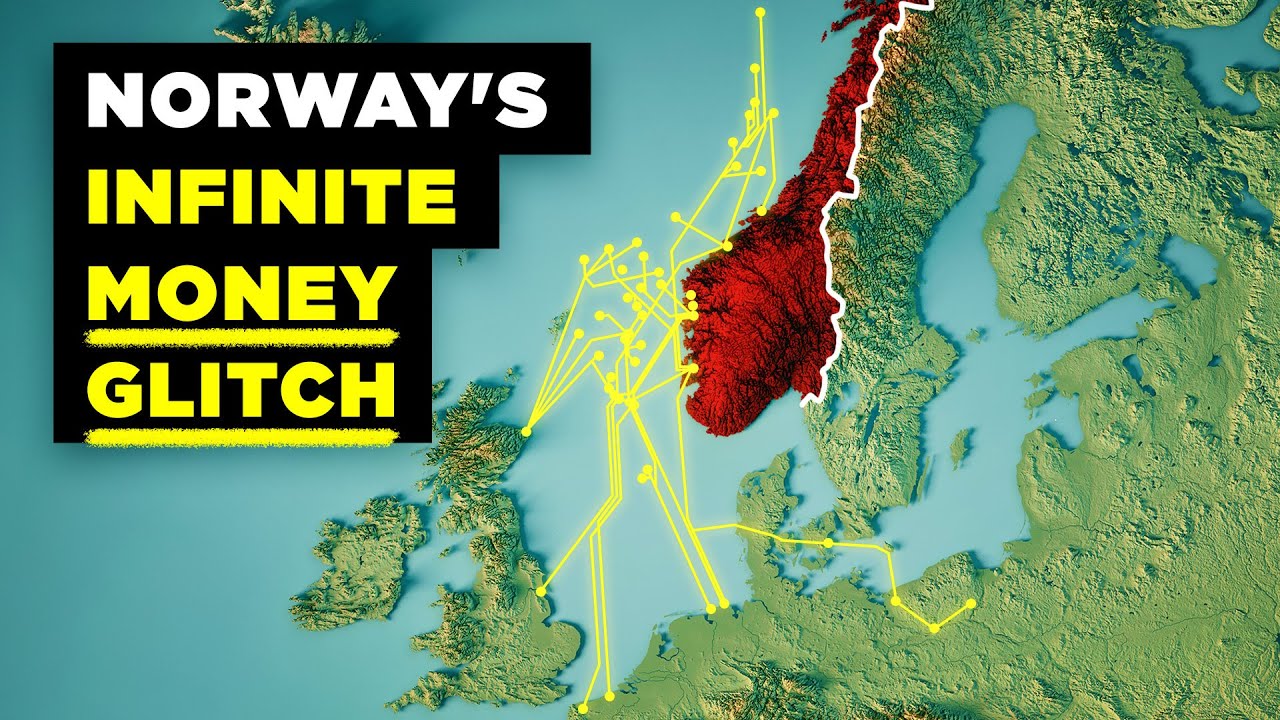
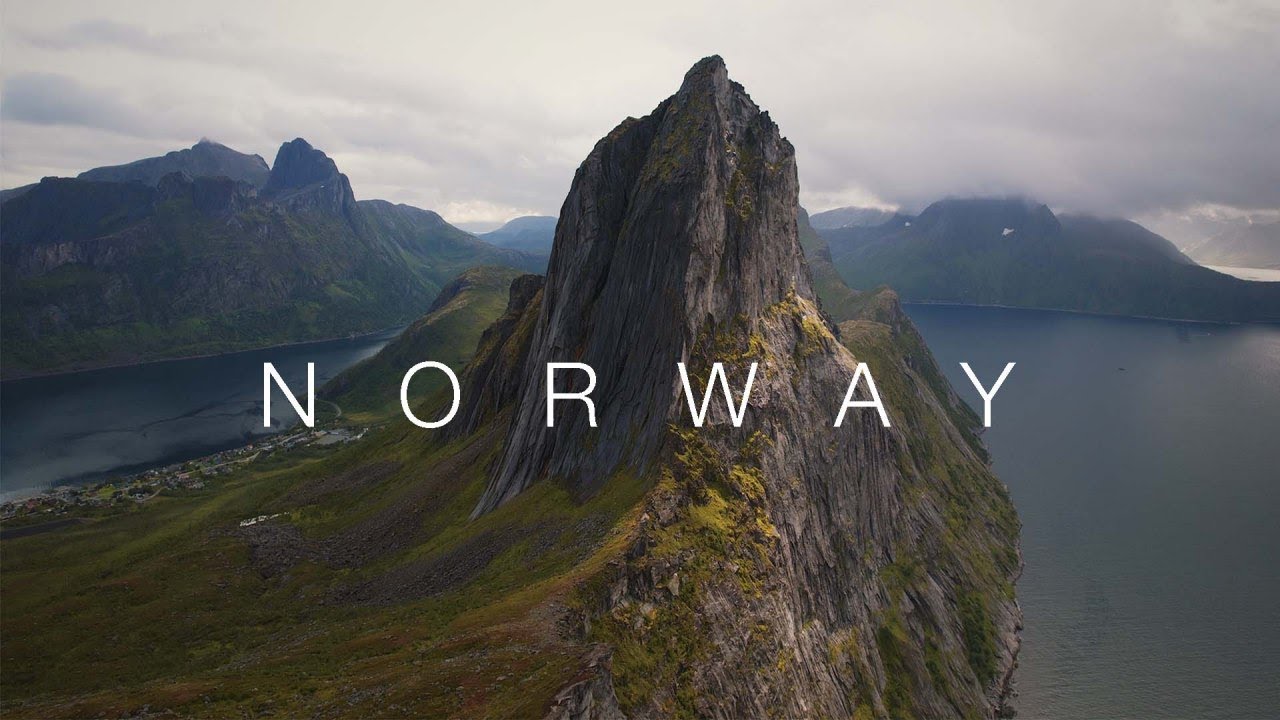
this is Norway's massive 47 billion dollar investment to revolutionize this road the E39 and turn it into an engineering Masterpiece when completed E39 will span uninterrupted for 1100 kilometers and bridge between the cities of Christiansen and Trondheim reducing travel time in half this will be done by removing the eight fairy crossings that any traveler must now endure to go up north a part of this investment will be used to build what will then be the world's longest and deepest Road tunnel the rockfast underwater tunnel it will enter the Bay of Bagan with a length of
27 kilometers and is scheduled to open by 2026 but this is just the tip of the iceberg of Norway's incredible design quality of infrastructure and human development when you consider the brutal terrain that Norway has to tame to build a sustainable and efficient transportation system like fjords Frozen Waters waterfalls and harsh winter temperatures it makes moving people and goods in Norway a great Challenge and the Norwegians have found a unique way to overcome this challenge diversification see having a country that is this diverse in terrain means incredible amounts of efficient and flexible infrastructure is required
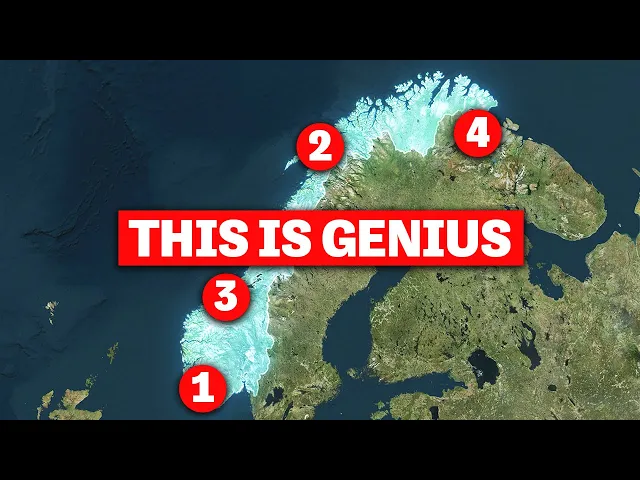
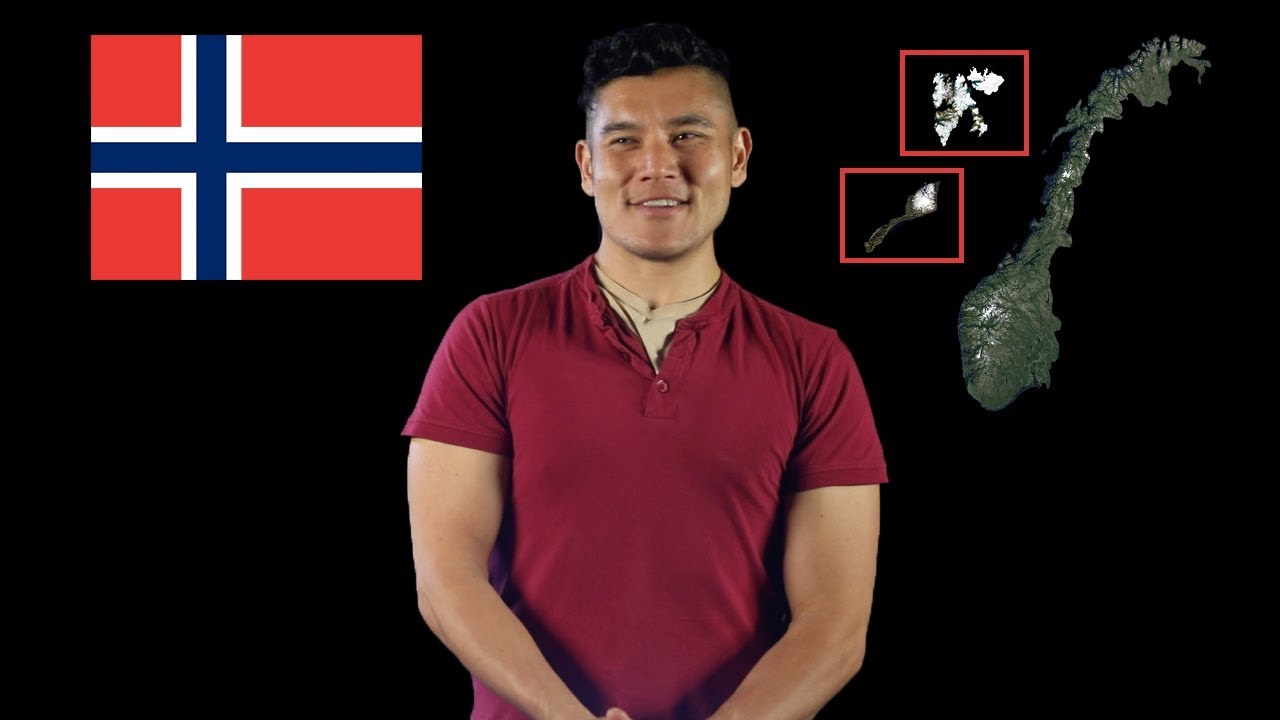
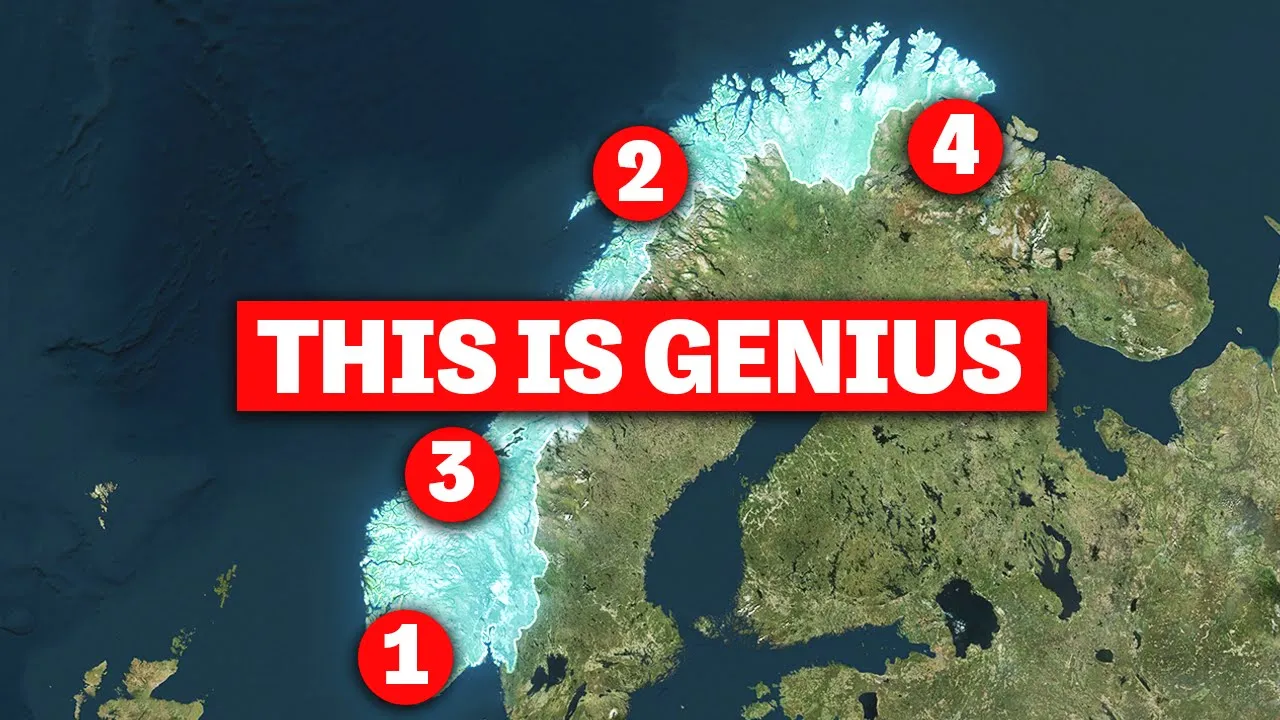
and the Norwegians have mastered the craft of exploiting the peculiar terrain of each region from The Busy industrial Plains in the South where the capital also is located to the Western fjords that can reach the 550 meter depth of the piano right on the E39 path to the thin land Corridor that brings all the way up to the Arctic Circle and the northernmost point of Continental Europe so diversification is key and is achieved through four pillars roads Railways ferries and airports when you compare maps of the four you see resources and infrastructures are allocated in
a genius way Railway service the busiest population centers mainly in the South with a total of 4237 kilometers in this period norways dubbed largest infrastructure projects up to date is on its way this is the follow line project connecting also to the neighboring Public Transportation Hub of ski 125 meters above sea level it will be an underground double track high-speed Railway of 22 kilometers transporting people in and out of the capital day and night 20 hours a day when it comes to their roads though they provide fast connections among the main population centers and serve
the needs of people living mainly Inland now roads in Norway are equally impressive with a grand total of almost 94 000 paved kilometers and more than 1 000 tunnels they're even giving Switzerland a run for their money what's more even the most remote corners of the country are well served by 52 active airports just to put this into perspective Norway has a population of just 5 million people and the UK with 68 million people only has 49 airports in Norway our transport is a big deal and you can see why when looking at the breathtaking
Landscapes as you approach the Arctic Circle and the sheer size of the country a great number of airports are necessary just consider this among the 11 busiest Airline passenger routes in Europe Norway holds four they all depart from Oso toward tontime bargain Stavanger and tomsu but of course the most iconic means of Transport in Norway is the ferry sailing through the steepfords of the western coast on the Norwegian sea see see nearly half the population of Norway lives on that coast and a fourth of Norwegians living north of Trondheim are heavily dependent on Maritime transport
especially for Freight transportation of food and various Goods over 700 ports with 32 major hubs constellate the thousands of fjords that make up the coastline each of these Transportation networks is aggressive per se but the True Ace of Norway's leave is flexibility achieved through diversification Norway's terrain is very diverse and people have very different needs when it comes to moving passengers and goods with a country like this it doesn't make sense to just put your bets on a single horse I mean this is a population density map of Norway it's not particularly dense let's compare
this with the distribution of Railways roads ferries and airports trains connect the main cities of the Southern Plateau with great insistence on the capital city also roads fill in the spaces between the main lines and make sure that everybody is served Inland airports make it possible to reach remote population centers for instance here here and here lastly ferries navigate the challenging western coast on which roughly half of all Norwegians live Norway is so well designed and efficient because its peculiarities are integrated into one cohesive and organic system and all of this is done with great
attention to sustainability and environment protection Norway is already ranked as one of the greenest countries in the world but Norway does not plan to stop there through governmental incentives and a whopping 98 of Norway's energy coming from renewable sources almost 80 percent of car sales in no way was purely an electric cause in 2022 which makes it the highest share of electric cars on the roads of any country in the world order the company that covers public transportation in Oso has set a goal to make Norway's capitalist Transportation grid completely emission free by 2028 but
it's not just also or the other major cities of the country since 2021 there are more than 60 fully electric or hydroelectric ferries operating along the western fjords both for passenger and Freight use while Norway is actively exploring ways to make this important part of their transportation ecosystem even Greener through eco-friendly Marine fuels such as ammonia and hydrogen the private and public sectors in in Norway have established a joint Green Marine shipping program to create synergies in this sector in mid-2022 Yara bierkeland the first ever zero Mission autonomous Freight ship entered into operation and Promises
to put out of the sea 40 000 diesel-powered commercial Journeys per year as I've mentioned Norway's energy Supply system is one of the Striking ways in which sustainability flexibility and efficiency get to go so hand in hand there what's fascinating to me is that Norway is the top producer of electricity per capita in the wild with more than 27 and a half thousand kilowatt hours per person produced in 2021. for reference the US produced a mere 12 314 kilowatt hours the reason is simple Norway is one of the biggest consumers of electricity per capita in
the world and as you might expect to power such an efficient and well-connected Country in such harsh geographical conditions you need a ton of electricity and amazingly 98 of Norway's energy is completely green 88 of this comes from Norway's water sources through 1681 hydropower plants and an impressive 10 from wind power however a great country's infrastructure does not only take place on Earth did you know that Norway was the first non-english speaking country to be connected to the Nets via the us-based upper NET Framework well since 1999 Norway has generally been regarded as having one
of the most developed telecommunications infrastructures in the world ranging from the quality of phone signal and usage to the share of people actively using online services this all comes from the context of the Norwegian government pledging to make access to media and the internet even more open and efficient by becoming one of the leading countries in the adoption of AI technology the way Norway can actually do this though is the interesting part as it has to do with money see Norway enjoys one of the highest GDP per capita in the world and with trying to
first in the human development report of 2019 the world economic Forum crowned Norway as the most inclusive economy in the world meaning that it has an impressive capacity to provide growth over decades across different sectors and creating jobs for the general population this is quite different from just hoarding wealth from natural resources and leaving it to rot away and it shows while we all know that Scandinavian countries on average top many International economic and social rankings Norway has an advantage that sets it apart from its neighbors Sweden and Denmark despite the fact that until 1814
Denmark and Norway were under the same country remember how 98 of Norway's energy Supply comes from renewable sources you would probably be surprised to learn that at the same time Norway is the second largest oil producer in Europe and the 11th largest in the world producing roughly double that of the UK this is because Norway is absolutely blessed by the number of oil rigs in its exclusive economic so this is a map of the oil reserves in the North Sea and this is a map of those that fall within Norway's exclusive economic zone as you
can see it's pretty lucrative to be Norway but Norway is not using this oil themselves oh no see the Norwegian government devised a grand plan to find a better use for the Norwegian oil reserves than just exporting it for immediate consumption and no way is unique in choosing not to consume the oil it takes out from the sea at least primarily as the barrels of oil are instead sold and the money generated is invested in very long term decade-long plans to pay for infrastructures and Social Services when oil was first discovered in the North Sea
in 1969 Norway set up the government pension fund Global which grew to become the largest Sovereign wealth Fund in the world and went well beyond fully funding the country's pension plan the revenues from the oil extraction are invested in foreign companies and Banks generating an array of assets amounting to more than one trillion dollars today this huge patrimony funds a good portion of Norway's public expenditure from pensions to Social Services and subsidies so Investments for harnessing is wild nature and powering Norway's incredible Transportation grid being one of the largest oil producers in the world that
benefits from its oil reserves while managing to build an environmentally friendly Society is frankly genius and this process has just recently got a new important step as in 2021 the wealth fund officially sold out all shares held in oil and gas investments in a plea to support fully green policies I think it's important to remember that Norway started off with very rough conditions and before the discovery of oil the country looked like this and had a GDP among the lowest in Europe yet the discovery of oil didn't corrupt them like we've seen in other oil-rich
nations so Norway's journey to becoming incredibly well designed is an interesting one but that's it for this video thank you for watching and I'll see you in the next one