foreign [Music] less than two decades ago the ground began to split open in Africa with fractures opening up across different countries even splitting a man's house into two since then it's been obvious that Africa is undergoing a continental Rift such a rift occurs when a continent is set to break into two or more when this happens new continents islands and oceans will be formed and our world will never be the same again why is Africa splitting up what is causing the land to be cut open what is the implication on Africans and the world in
general join us in this video as we discuss how Africa is splitting into two continents and most people don't even know about it in 2005 images and reports began to emerge of a continental Rift happening in East Africa a continental Rift is a term given to situations where a continent seems to be breaking apart or separating into two or more this is a normal occurrence everywhere in the world in fact every single continent in our world today came as a result of Rifts and shifting of tectonic plates to understand what's happening in Africa you need
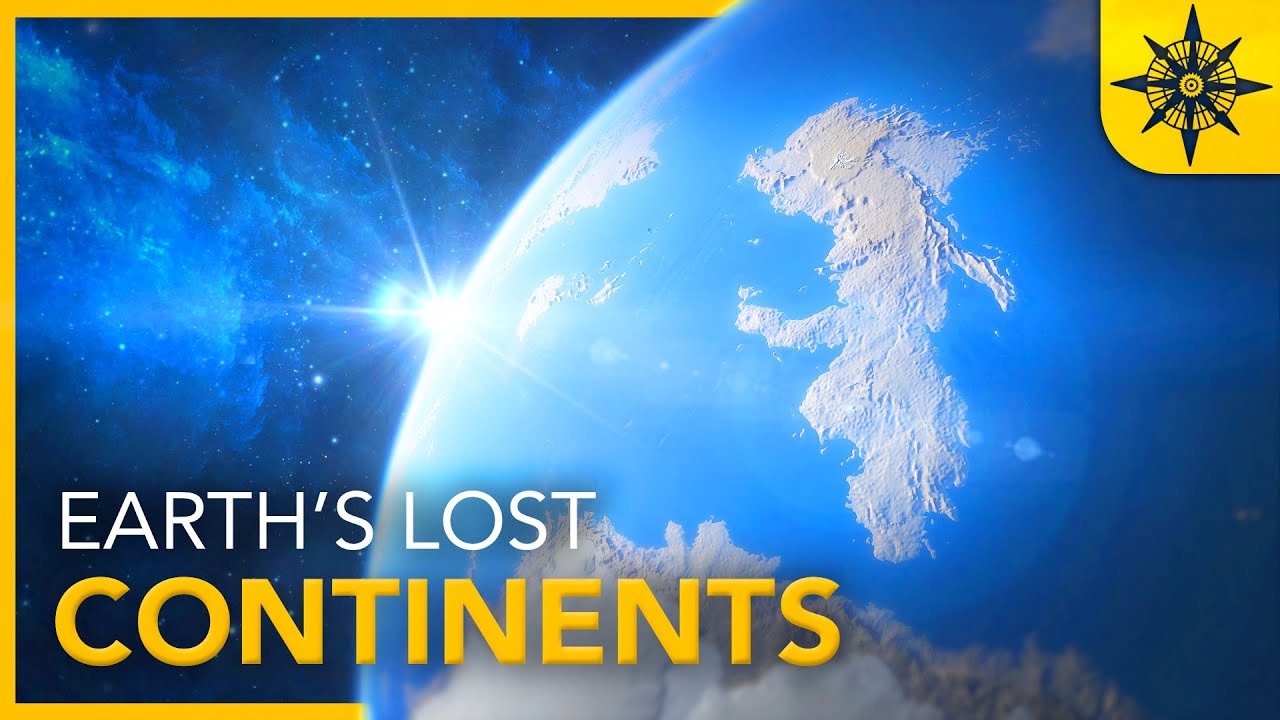
to understand what happened hundreds of millions of years ago hundreds of million years ago the planet Earth was just a singular solid piece of land surrounded by a single body of water it was just one continent called Pangea and one ocean called panthelasa over the next million years the Earth's outer crust got heated and cooled and broke up and apart into what we see today this is what led to the formation of continents Islands oceans and seas although it might look like the Earth is stationary the Earth is actually in a constant state of movement
and change the Earth's crust which is sometimes referred to as the lithosphere is what you and I stand on every day this lithosphere is made up of about 15 to 20 tectonic plates that are constantly moving apart or toward each other these plates are the large land masses that form the different continents and Islands when you think of these plates think of them as pieces of a cracked shell that lay on the extremely hot sea of melted rock inside our planet's core these plates are closely joined to each other due to the scorching temperature of
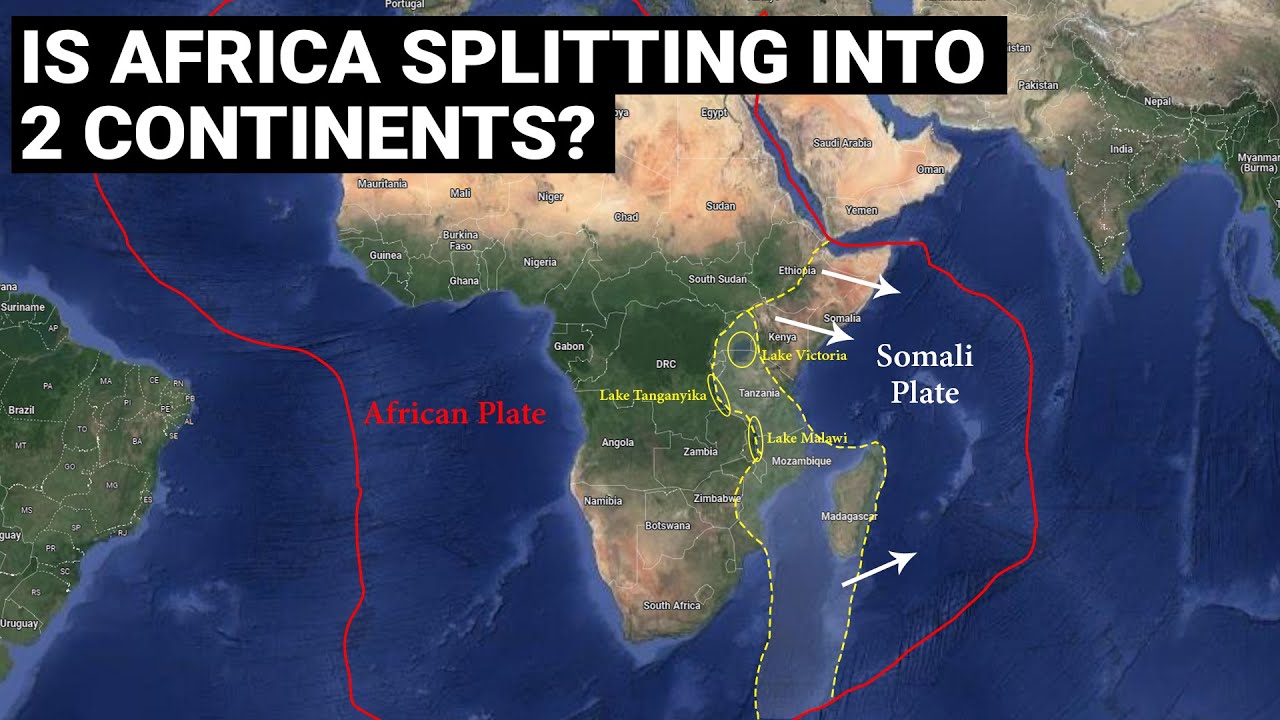
the Earth's core acting on the plates these plates are constantly moving sometimes towards or away from each other this movement is referred to as plate motion or tectonic shift have you ever noticed how South America's east coast and Africa's West Coast fit together when you look at a globe they actually were once together different continents and oceans were formed when the enormous one continent split apart according to NASA's Earth Observatory the Somalian plate in the East is moving Eastward away from the larger and older part of the continent the Nubian plate the Somalian plate is
sometimes referred to as the Somali plate while the Nubian plate is sometimes called the African plate interestingly both the Somalian and Nubian plates are also moving away from the Arabian plate in the north these plates all meet in the afar region of Ethiopia forming a y-shaped Rift system according to the Geological Society of London this separation of the Somalian plate from the Nubian plate is also known as the East African Rift the East African Rift is a network of valleys that stretches about 2175 miles long from the Red Sea to Mozambique if the Somalian tectonic
plate does detach itself completely from the larger Nubian plate the result will be the splitting of the world's second largest continent in two this would be an exciting phenomenon for geologists and every other scientist as there's been nothing close to this since South America and Africa were divided into different continents hundreds of millions of years ago however if it does happen it cannot happen in our lifetime as it would take about 5 to 10 million years for there to be a clean separation a clean Breakaway of the Somalian plate from the Nubian plate might not
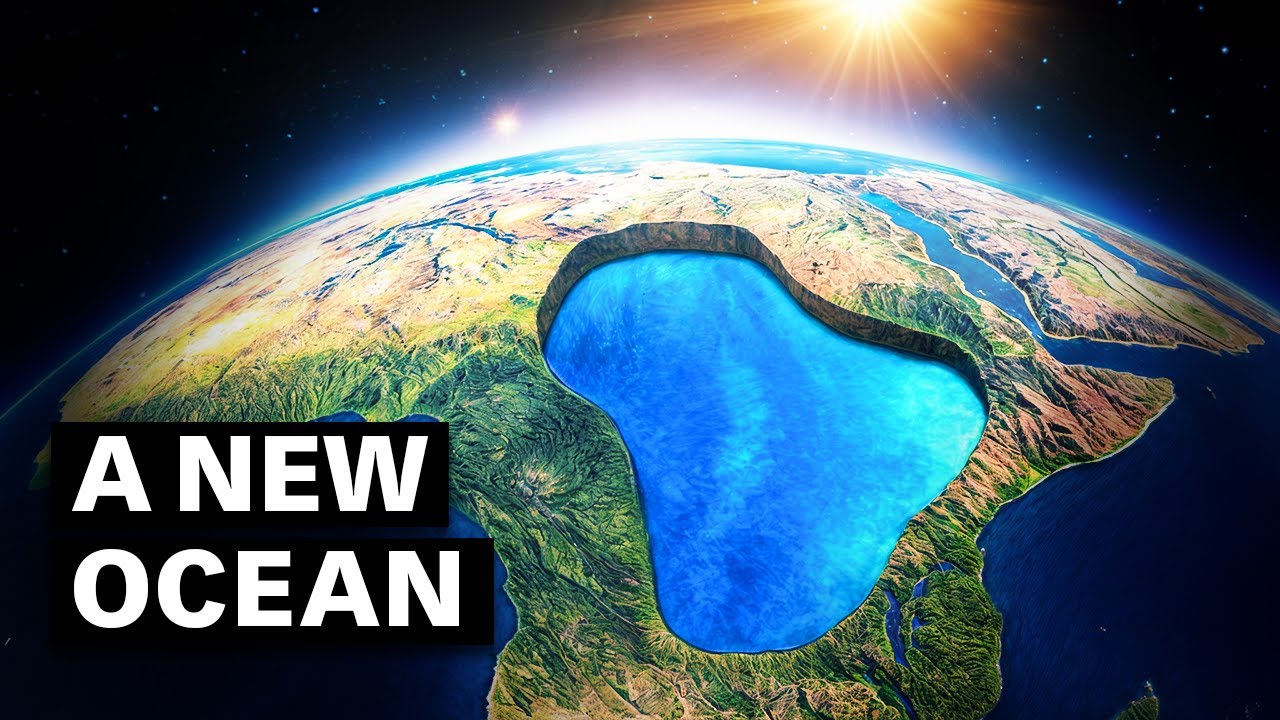
be the only possible scenario here one possibility is having most of the Somalian plates separated from the rest of the continent this partial separation will lead to the formation of a new sea between the two land masses this new land mass will include Somalia Eritrea Djibouti and the Eastern parts of Ethiopia Kenya Tanzania and Mozambique there is also the possibility of only Eastern Tanzania and Mozambique separating countries that will benefit from this Rift are those that are currently landlocked like Ethiopia and Uganda the introduction of a coastline from the emergence of a new ocean will
improve their economy greatly with new opportunities for trade and production according to Ken McDonald a marine geophysicist and a professor emeritus at the University of California Santa Barbara the Gulf of Aden and the Red Sea will flood in over the afar region and into the East African Rift Valley and become a new ocean and that part of East Africa will become its separate small continent reports show that although the rift is obvious to the eyes it is not growing fast enough for there to be a complete Rift right now it's growing apart at about a
quarter of an inch every year Ken McDonald further says that the rifting right now is very slow about the rate that one's toenails grow but how do these Rifts form why it is still the subject of debate among geologists and geophysicists one popular model has assumed dominance the assumption is that there is an increase in the heat flow coming from deep inside the earth and this is causing what is called thermal bulges that can be seen in central Kenya and the afar region of North Central Ethiopia these bulges are easily identifiable on any topographic map
as elevated Highlands as these bulges form they stretch and Fracture the outer brittle crust into a series of normal faults bulges for most geologists and geophysicists are caused by the heat exerted on the Earth's crust by mantle plumes that are under the continent a mantle plume is an area under the Earth's crust where magma is hotter than surrounding magma the heat from this extra hot magma causes the melting and thinning of the overlying crust which causes the bulges to expand and fracture this could also lead to widespread volcanic activity on Earth's surface above the plume
usually the stretching of the thermal bulges is often preceded by huge volcanic eruptions that flow over large areas these eruptions often are Exposed on the edges of the rift some geologists refer to these eruptions as flood basalts in this kind of eruption the lava erupts from along the fractures of the bulges instead of erupting at individual volcanoes the lava then runs over the land as though it is water during a flood one feature that is obvious in the ongoing Rift in Africa is the presence of a rift valley a rift valley is a lowland region
that is formed when two tectonic plates move apart or Rift rift valleys are often found on land and at the bottom of the ocean in the ocean they are created by the process of sea floor spreading rift valleys are different from river valleys and glacial valleys in that they are created by the movement of tectonic plates and not the process of erosion many rift valleys are part of triple Junctions this happens when three tectonic plates meet at about 120 degrees angles when this happens two arms of the triple Junction often split to form an entire
ocean the third arm a failed Rift sometimes called an aulakogan may become a rift valley an example of this is the Atlantic Ocean the Atlantic Ocean is a result of a triple Junction that started in what is now the Gulf of Guinea on the west coast of Africa two arms of a triple Junction on the supercontinent Pangea created the ocean while the aulakojin formed the rift valley known as the bennu trough through what is now Southern Nigeria sometimes rift valleys can also be found underwater these often divide long mountain ranges and are called mid-ocean ridges
this is formed when tectonic plates move apart from each other at mid-ocean ridges magma from the mantle swells up and hardens as it contacts The Frigid sea forming a new oceanic crust at the bottom of the rift valley in the northern Mid-Atlantic Ridge the North American Plate and the Eurasian plate are splitting apart at a rate of about one inch per year over tens of millions of years the Mid-Atlantic Ridge has formed rift valleys as wide as nine miles in the Pacific Ocean the East Pacific Rise has created rift valleys where the Pacific Plate is
separating from the North American Plate Cocos plate Nazca plate and Antarctic plate typical of many underwater rift valleys the East Pacific Rise is spotted with hydrothermal vents these vents are created by geologic activities underneath the underwater Rift Valley causing superheated water and fluids to be released into the water body a rift valley close by and similar to the east African Rift is the Great Rift Valley the Great Rift Valley is arguably the most well-known Rift Valley on the planet this Rift Valley stretches from the Middle East in the north to Mozambique in the south the
Great Rift Valley is well known for its being geologically active with volcanoes Hot Springs geysers and frequent earthquakes the East African Rift has two main branches the Western Rift and the Gregory Rift these two rift valleys are dotted by volcanoes from the ER to Alle in Ethiopia to mount Kenya in Kenya although it is now an extinct stratovolcano other spotted volcanoes include alduino lenghai in Tanzania Mount Kilimanjaro in Tanzania which is a dormant strata volcano and mount nirogongo in the Democratic Republic of Congo the Western Rift is also known as the albertine rift or the
lake Albert Rift and it contains the East African Great Lakes the Western Rift is one of the most biodiverse areas in Africa its features include snow-capped mountains savannas Highland forests and a couple of exotic Lakes on the other hand the Gregory Rift named after the geologist who first mapped it stretches from the Red Sea and the Arabian Sea downward to Mount Kilimanjaro one of the most important features of the Gregory Rift is the afar triple Junction the afar triple Junction is where the Horn of Africa straddles the Red Sea and the Gulf of Aiden in
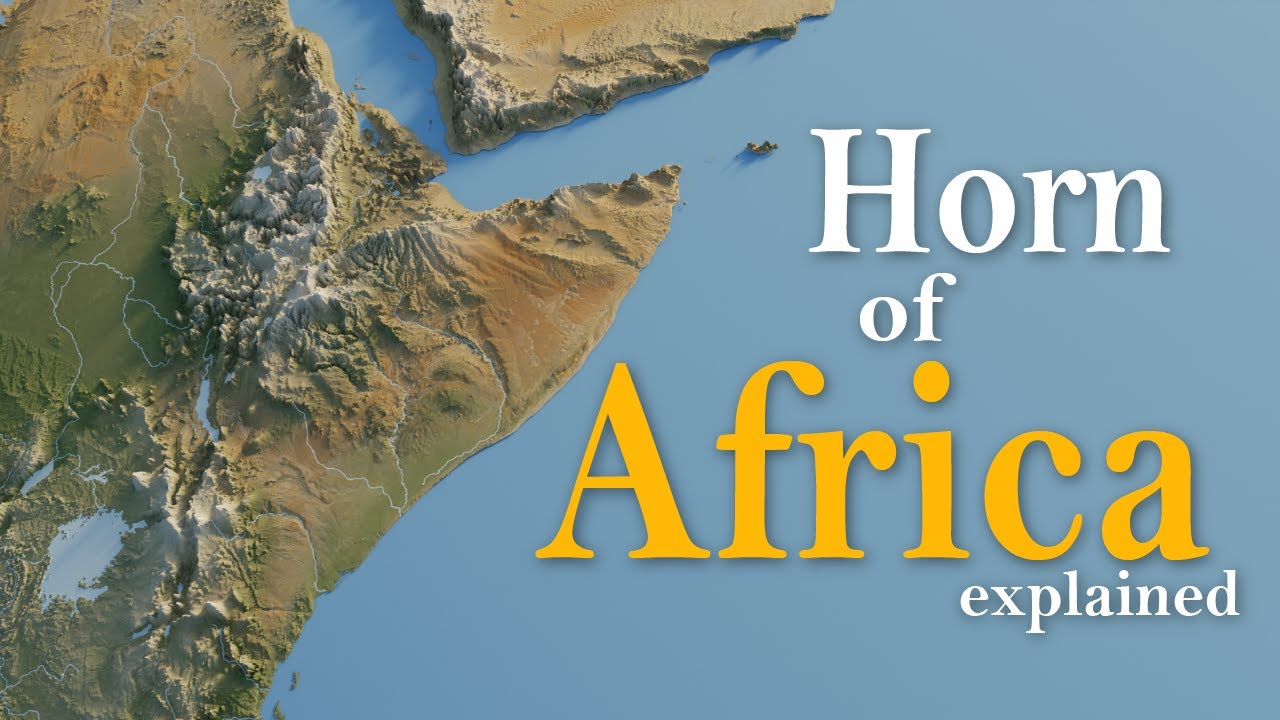
the Arabian Sea at this Junction the Arabian plate Nubian plate and Somali plate are all moving away from each other what is noticeable is that the two arms of the afar triple Junction continue to widen through the process of sea floor spreading one of the arms is extending into the Red Sea and the other is extending into the Gulf of Aden as these Rifts continue the tiny Valley created by the Gregory Rift could get so depressed that the Arabian Sea floods it if this happens this new Strait The Horn of Africa would become a continental
Island just like Madagascar or New Zealand an interesting thing to note about the East African Rift is that although the same process developed both the Western and Gregory branches they actually do have very different characters in The Gregory Rift what we see is greater volcanic activity while the Western Rift has much deeper basins that have large lakes and plenty of sediments one of these Lakes is the Lake Tanganyika which is the second deepest lake in the world another is the lake Malawi with Basalt eruptions and active crevice formation being observed geologists have recently had to
observe the East African Rift system to see how ocean basins form on land this is an exciting thing for scientists as it gives them an opportunity to directly study how Rifts work this is an opportunity that they can't get anywhere else in the world as most Rifts have progressed till they are filled with sediments or are underwater the East African Rift system on the other hand is an excellent field laboratory to study a modern actively developing Rift system Lakes are also many times one of the features of a rift valley system Rift Lakes are formed
when fresh water fills up a rift valley an example of one such formation is when the North American Plate began to Rift over a billion years ago as the rifting continued a triple Junction was formed right in the middle of the young continent and a deep Rift Valley developed soon and over the years fresh water accumulated in this Rift Valley and the result was the creation of a lake however the rift failed and was completed after many millions of years the continent survived the rift with the arms unable for break off to form a new
ocean today the remains of that ancient Rift lake Lake Superior rest on top of one of the oldest and deepest rift valleys in the world another example of a rift lake is the lake by call the rift lake that is over the Baikal Rift Valley in Siberia Lake Baikal is the deepest and oldest freshwater lake in the world the deepest parts of this Rift Lake are around 5387 feet additionally layers of soft sediments have slowly been collected and deposited on the Lake's bed over the past 25 million years ago in fact the actual floor of
the rift valley is more than three miles deep Lake Baikal also holds the record for the largest volume of fresh water in the world with the volume coming in at a massive 5700 cubic miles another example of a rift Lake formation is the Dead Sea in the Jordan Rift Valley while the Dead Sea is not the world's deepest lake the depth of the Jordan Rift easily makes it the lowest land elevation in the world the surface of the Dead Sea is 1407 feet below sea level while the lake still goes about 997 feet deep into
the ground however in contrast to Lake Baikal the Dead Sea is not a true Rift Lake as the rift underneath it did not fully form it what we have here is the so-called Dead Sea transform this is a geologically complex area where tectonic plates interact in many ways some of the world's most famous Rift Lakes include the ones found in the rift valleys in the east African Rift simply referred to as the rift valley Lakes these Lakes stretch from Ethiopia to Malawi these Lakes are known to be sites with Incredible biodiversity the Lakes present here
include freshwater lakes like Lake Baikal as well as saltwater soda Lakes similar to the Dead Sea these Rift Valley Lakes is Lake Tanganyika it is a lake that shares its shores along the coastlines of Burundi the Democratic Republic of Congo Tanzania and Zambia it is also home to hundreds of endemic species of ticklid fish like many other freshwater Rift Valley lakes on the other hand Lake Natron in Tanzania is one of the shallow alkali-rich soda Lakes of the East African Rift it has a beautiful red color due to the pink salt-loving bacteria that live in
the salty water and not the geology of its rocks another Lake worthy of note is Lake Malawi also called lake nyasa or lake nyasa it is the third deepest freshwater lake in the world Lake Malawi lies in the southern end of the western arm of the East African Rift Valley its Basin is densely populated and has a high prevalence of waterborne diseases with about 800 to 1000 fish species it also has the richest fish species of any lake in the world as the East African Rift continues down its path of dividing Africa the region has
grown in its perceived importance to all stakeholders from geologists to ecologists and the government everyone is keeping tabs on what is going on in the rift valley it has gained a level of importance for understanding how human evolution played out in the past there have been many hominid fossils discoveries with the rift and it has been nicknamed The Cradle of humanity with many paleoanthropological discoveries scientists are currently thinking about how the rift's evolution might have played a major role in our development as a species some of these discoveries include Lucy a hominin skeleton Unearthed in
Ethiopia that is over 3 million years old there also is the turkana boy and almost 2 million years old hominin skeleton discovered in Kenya many experts believe that the structure and evolution of the East African Rift led to the creation of an environment that was ideal for the proliferation of life also the presence of a rift would have made East Africa more sensitive to climate change this would have led to alterations between wet and dry seasons this pressure from the environment could have helped Drive our ancestors to become bipedal and brainier as they sought to
adapt to these climatic changes the East African Rift system is a complex system of Rift segments that help us understand how continents break apart and oceans form but it is also much more than that the East African Rift Valley is also a potential power source due to the volume of volcanic and tectonic activities going on there in fact the United Nations environment program is currently working on a geothermal energy program that would take advantage of this the planned program would convert the heat created by the rift Valley's underground activity into electricity through a series of
steam Wells according to estimates a single well would have the capacity to produce enough power for 5 700 homes if successful this program would provide a sustainable energy source for millions of people many of whom do not have access to electricity today while this is a good thing the very same volcanic and tectonic changes have been known to cause undesirable situations for people in the region with a rising water level the least of their problems with oil discovered around one of the Lakes there might be another chapter in the story of Africa's division by land
mass the intense malnutrition and poverty level of the people living in the regions coupled with the unpredictability of an active Rift with all its volcanic and tectonic irregularities lie in contrast to the excitement of scientists while Africa might not split into two or more In Our Lifetime the East African Rift will be one of the most important things to shape our futures in the decades and centuries to come thanks for watching another episode of Voyager while you're still here make sure to click the video on your screen for more mind-blowing videos about space