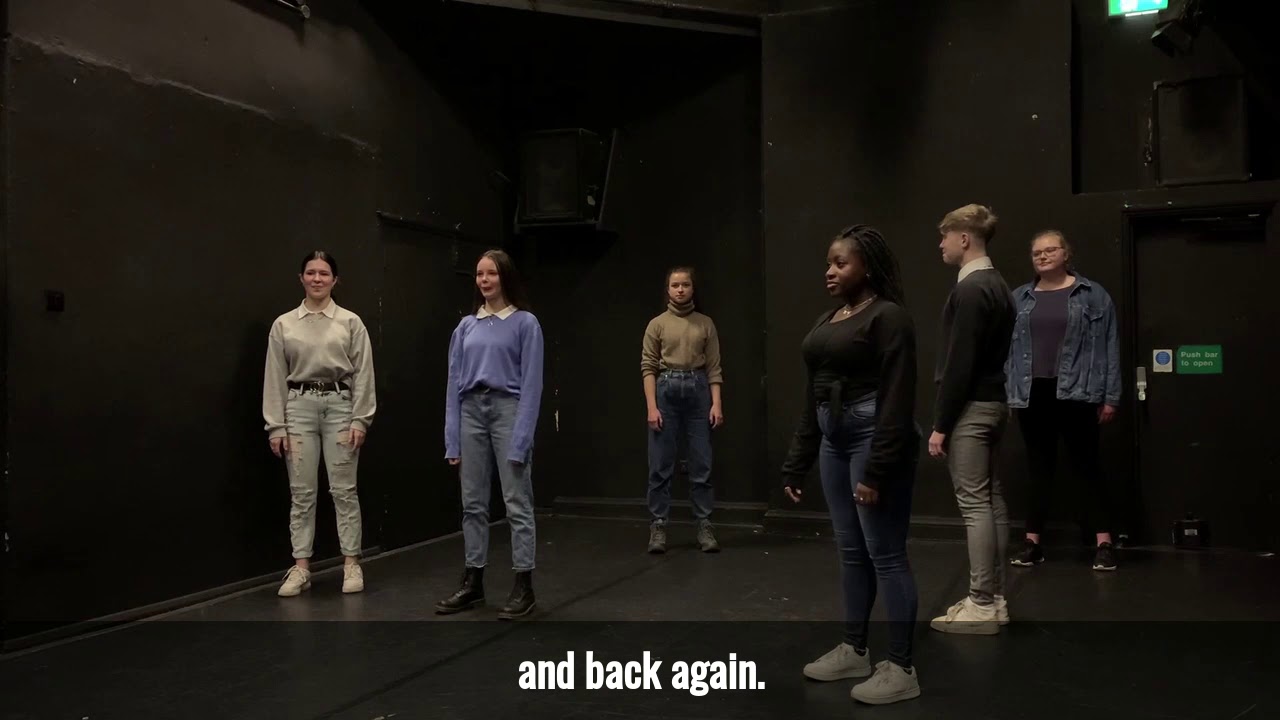
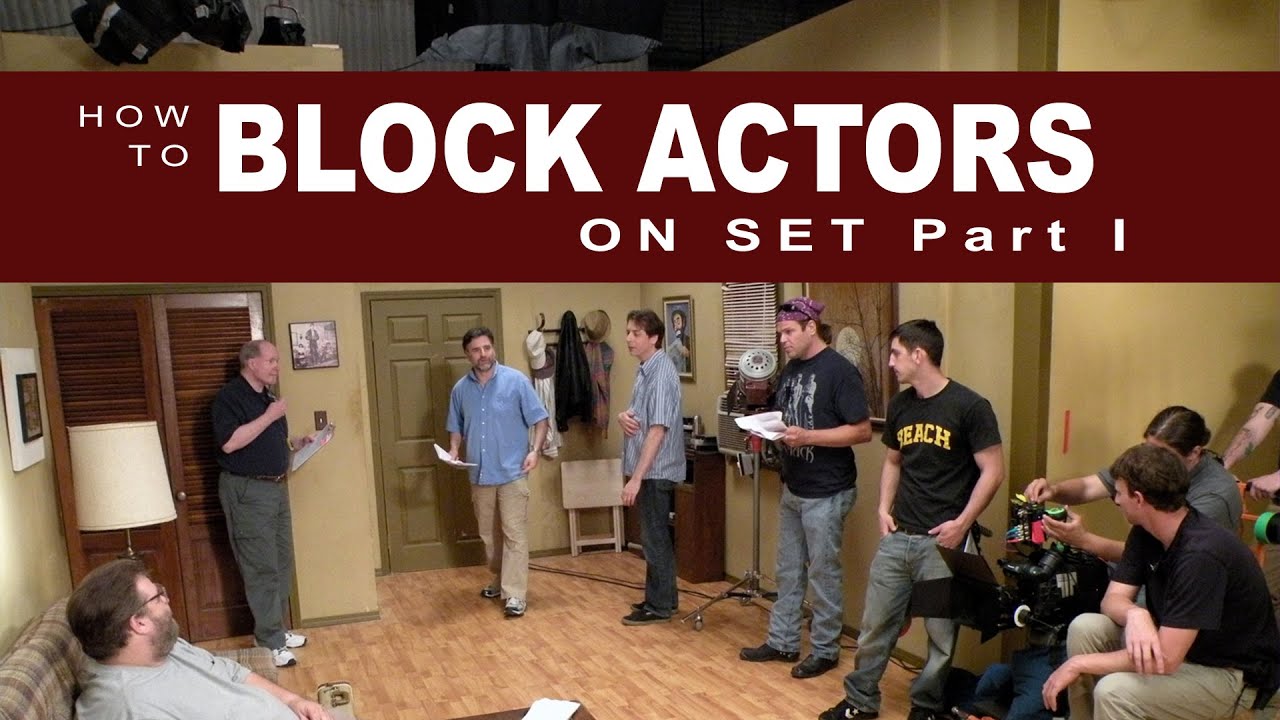
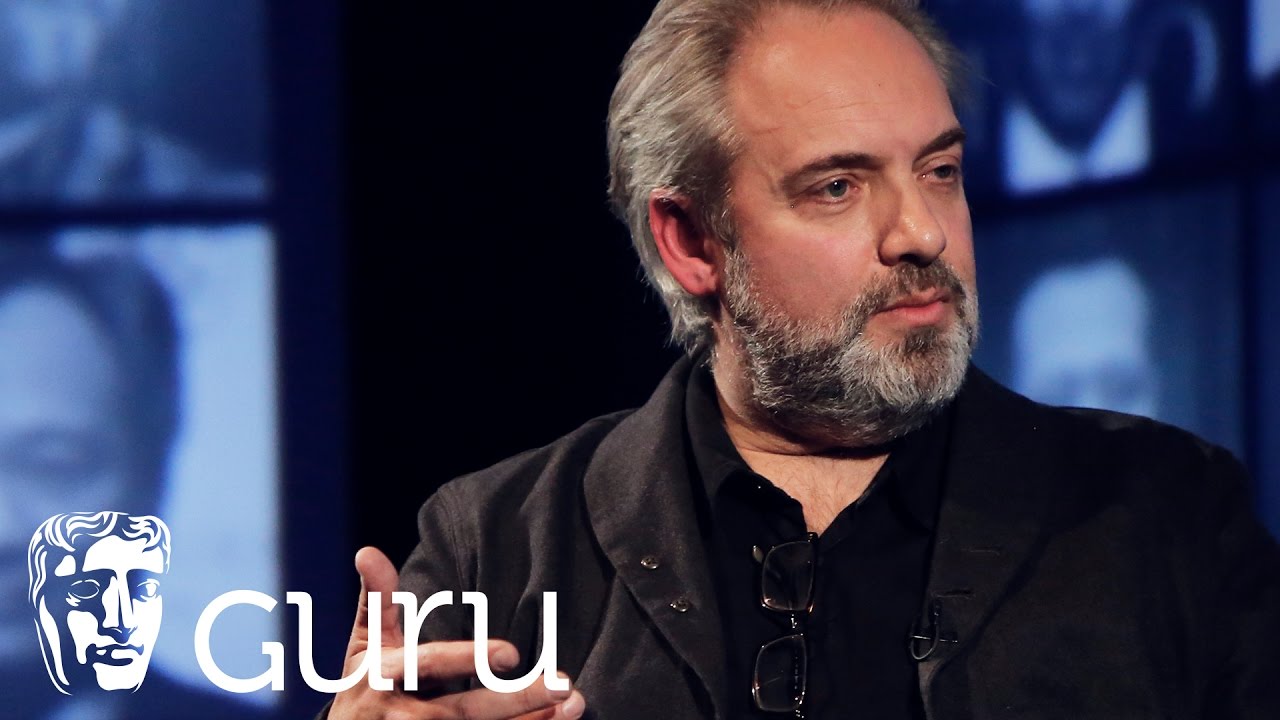
well let's talk a little bit about your your working methodology and working with that company and and the way you arrange a rehearsal room in a circle the way that you have the company there for the duration of the rehearsal process and how you really begin to sort of push and pull at scenes and 3D literary criticism and and and then how you you sort of compute and arrange your production based on that what do you get out of your working process how do you work with your actors how does it work work in the
rehearsal room it's it's interesting when I was a student I I didn't have a methodology and and I as a young director I I struggled and and I in that in that regard I I didn't have a way to approach a play that was consistent I felt and so I remember reading a lot of books about directing I think I'll try that I'll try this and and like anything it's it's trial and error and it emerged gradually out of what I enjoy in a rehearsal room and what I found the best way was to explore
something with the people that you're working with you know you have 20 other imaginations in the room with you as a director and you're an idiot if you don't use those imaginations and there are some incredibly intelligent people in the room with you who see it with every with with every bit as much insight as you do you know your job is editorial to a degree but for me it actually emerged out of aell here that was the first time I worked with a lot of people in the room I put out a lot of
rugs and I thought I'm going to try just keeping the company together and experimenting with with scenes um playing games sometimes s sometimes it would be simple things like I'll switch the roles in a scene I'll get I mean I remember a fantastic day of a fellow where CLA Skinner who was playing desd Demona played aell and David herwood played desd deona and it was revelatory to both of them and it helped that you know so that that's just a very simple idea um sometimes it will be um I will involve the group a lot
you know in terms of uh in in this production the full company the act the cor of core of 21 became the knights for six weeks of rehearsals until the knights arrived but by the time the knights actually AR the supernumeraries we had experimented with any number of different ways of using them because the company had had become that group it's just a way of of exploring the play and sometimes it can be silly if you feel the the mood getting too dark or too dry perhaps too academic then then you can play something that's
a little uh that you can unlock a scene through a physical trick so so I remember a rehearsal 12th night in which um we played a scene as if they were rowing a boat across a lake and I know it sounds stupid but it it released the scene physically they didn't think about text anymore uh they related to each other completely accurately with because there were two people sitting next to each other and they had to row at the same time and the teamwork of the scene and the physical life of the scene uh It
came it it came to life uh sometimes times you will find that uh you know you you you'll set a scene around a dinner table for example for no reason except that you have a feeling that the Dynamics will be better revealed of the family around the dinner table uh and someone loses their temper you don't want them to wave their hands so you give them knife and fork I mean you'll go down a very specific route now in the case of this play the first scene we spent a lot of time and right up
to very late in the day there were different versions I mean completely different versions of the first scene one of them and the one of the most interesting was a dinner scene between Leah and the whole family in which on a predetermined cue the men stood up and backed off leaving the women sitting there unaware I mean like a trick they playing on the women a joke and Leah said yeah I've got a little thing I we've we've all arranged this to men um because we know there's going to be a a big present giving
ceremony I'm going to give you my nation I'm going to give you a third each now you know you play along with my game and tell me how much you love me and the men were all in on it drinking and it was late and it was it was almost as if it was the end of a dinner party and it was Sinister it was a male-dominated society it was unfair on the women it was exposing and it worked very interestingly but then there was this other version of the scene which is this version that
you'll see tonight which was completely different it was a very public scene it was very exposing it was very politically oriented the the the the the presence of the soldiers was very made it made it both public and uh and threatening it was it was clear that if the wrong things were said there was not a comfortable environment in which to be yourself it was uh it increased the level of tension so anyway that's a good example but there were very there were many versions of that scene and of course there are Al there are
things that happen in the circle that you can never bring on to a bigger stage it's much easier the journey from the circle to full production at the domar is is almost straight on stage I mean you know we did the whole the whole of 12th night in the circle and we just moved it onto the stage I mean I kept everyone in the room until about three days from the end um and only then did little specific adjustments uh but for me it's just a way of uh I've also freeing myself from sometimes getting
stuck uh with one or two IDE ideas and repeating myself I mean I think that you know it's very difficult to you do find yourself uh repeating certain things and and there are there are things that I use in this production that I've used before you know you you probably would notice the long table from The Trial scene in the Winter's Tale even behind it is very similar or the wheat field from a production of as you like it or whatever there are things that you find yourself returning to but that's also because Shakespeare returns
to them as well and and there are there are echoes within his work that are actually quite enjoyable to explore um so that's that's the working method it's come out of trial and error and it's very eccentric and I wouldn't recommend it to anyone else really I don't think I write a book and say this is the way you need to rehearse it's very personal and I think it's a lot of it's about losing self-consciousness you know and being able to talk in a way the other thing that happens which I think is very important
is that actors play and lose self-consciousness there's a sort of throwing yourself into the water it's a little scary the first time but once you've got through it you made a fool of yourself once it's sort of you lose self-consciousness as performers as well um and people are willing to try things and be free with things that because they know that there's no right or wrong there's no entrance there's no exit there's no audience because you you know you're not facing that way you're facing any way you face you know and I try to move
so that they don't perform towards me yes so I move you know a DOT around the circle um make it comfortable people sitting on Floors some people sitting in chairs some people have armchairs I try and keep them moving as well so that people don't always go back to the same place um sometimes you'll start the scene just by sitting on the floor and talking the scene to each other and then you know you'll have people come together and do a closer version expanded version and then you grow out of that and then sometimes you
get it right the first time I mean literally you and you have to recognize when something special has happened you'll experiment with other things but you'll always have that first version of the scene in your head um and there's a line from ponus in Hamlet he says and I quoted this to you before but he says we shall by indirections find directions out and that's a great ex uh descriptive line about my rehearsal process you know if you go down enough blind alleys you might find the one that leads somewhere